


Phosphoric acid, a fundamental chemical compound, plays an absolutely critical role in modern agriculture. It’s the backbone of phosphate fertilizers, which are essential for feeding a growing global population. Without it, our crops wouldn’t thrive, and food security would be a much bigger challenge. This versatile acid ensures plants get the phosphorus they need for robust growth, from root development to flowering and fruiting.
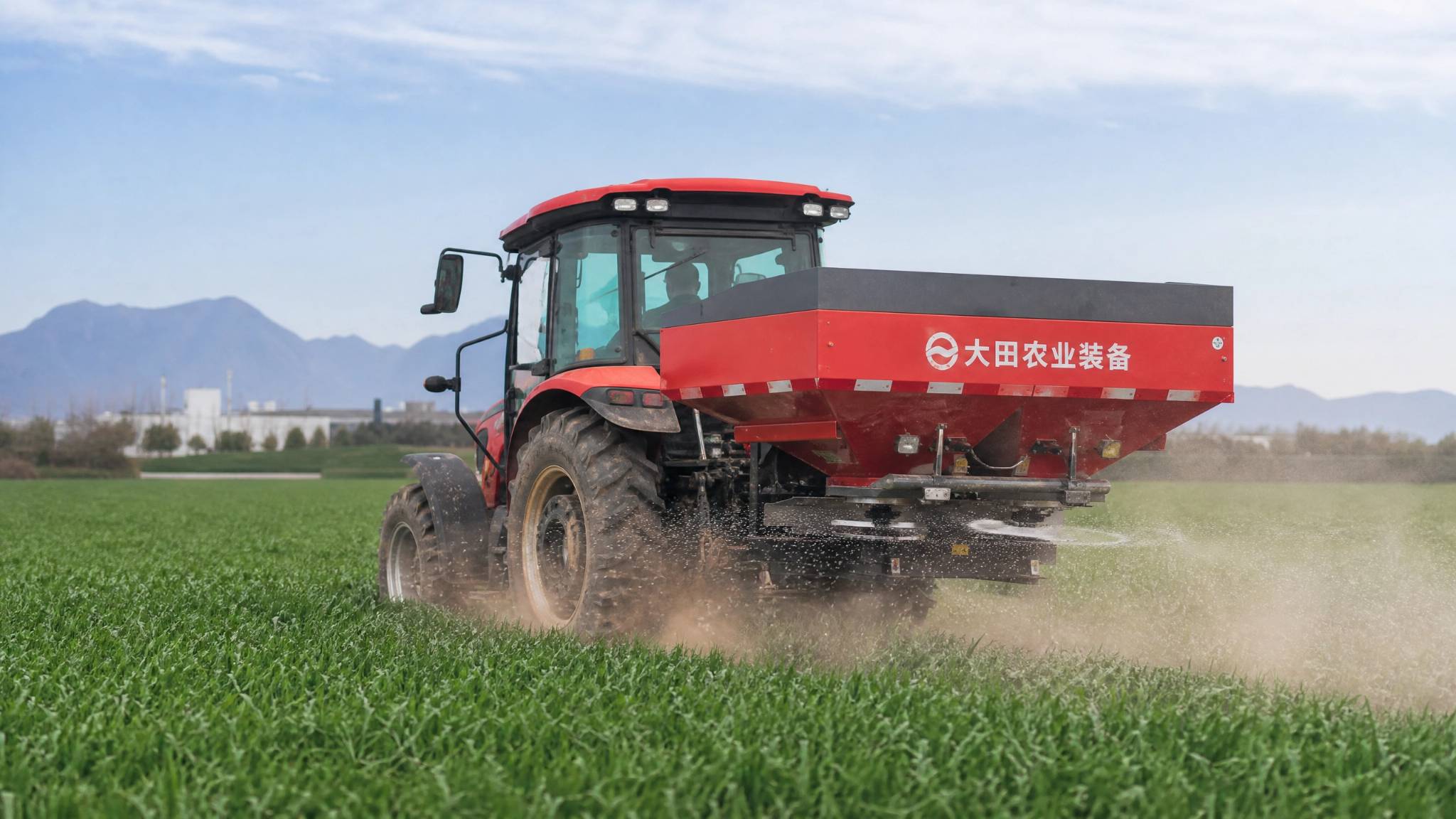
Advanced machinery ensures the precise application of phosphate fertilizers, maximizing crop efficiency and environmental sustainability.
Why Phosphoric Acid is Indispensable for Agriculture
Phosphorus is one of the three primary macronutrients (N-P-K) vital for plant life. It’s involved in energy transfer, photosynthesis, and nutrient transport within the plant. When soil lacks sufficient phosphorus, plant growth is stunted, and yields suffer dramatically. This is where phosphoric acid in fertilizer steps in, providing a readily available source of this crucial element.
The Science Behind Phosphorus in Plants
Phosphorus helps plants in several key ways:
- Energy Transfer: It’s a component of ATP (adenosine triphosphate), the energy currency of the cell.
- Genetic Material: Essential for DNA and RNA, the building blocks of life.
- Root Development: Promotes strong, healthy root systems, crucial for nutrient and water uptake.
- Flowering and Fruiting: Boosts flower formation, seed production, and fruit development.
- Disease Resistance: Enhances a plant’s natural defenses against pathogens.
How Phosphoric Acid Transforms into Essential Fertilizers
Phosphoric acid itself isn’t directly applied to fields. Instead, it undergoes chemical reactions to form various phosphate fertilizers. These fertilizers are designed to deliver phosphorus to plants in a stable and accessible form. The primary method for producing phosphoric acid for fertilizers is the wet process, which involves reacting phosphate rock with sulfuric acid.
The Wet Process: From Rock to Nutrient
The wet process is the most common and cost-effective way to produce phosphoric acid for agricultural use. It’s a fascinating chemical transformation that unlocks the phosphorus from its raw mineral form. Here’s a simplified breakdown:
- Phosphate Rock Mining: Raw phosphate rock, rich in phosphorus, is extracted from geological deposits.
- Grinding: The rock is finely ground to increase its surface area for reaction.
- Acidulation: The ground rock reacts with sulfuric acid, producing phosphoric acid and calcium sulfate (gypsum).
- Filtration: The gypsum is separated from the phosphoric acid through filtration.
- Concentration: The dilute phosphoric acid is then concentrated to the desired strength.
This process yields what is often referred to as agricultural grade phosphoric acid. For industrial applications, different grades like industrial grade phosphoric acid are produced with varying purity levels.
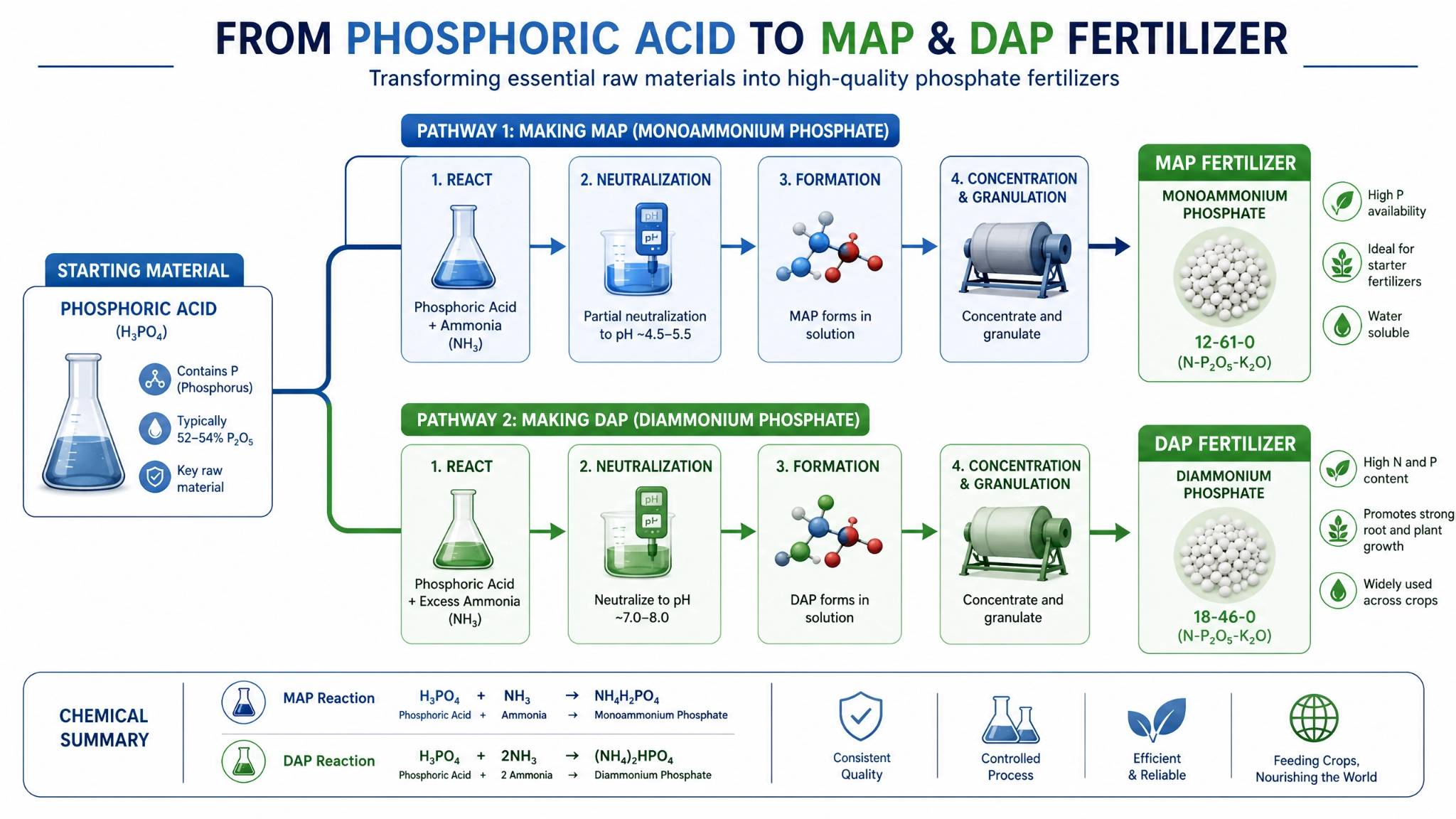
This visual guide explains how raw phosphoric acid is transformed into essential agricultural nutrients like MAP and DAP.
Key Phosphate Fertilizers Derived from Phosphoric Acid
Once phosphoric acid is produced, it serves as a crucial intermediate for manufacturing a range of phosphate fertilizers. These fertilizers differ in their nutrient content and how they release phosphorus to plants.
- Monoammonium Phosphate (MAP):
This fertilizer is formed by reacting phosphoric acid with ammonia. It typically has a nutrient analysis of 12-61-0. MAP is highly soluble and provides both nitrogen and phosphorus, making it an excellent starter fertilizer.
- Diammonium Phosphate (DAP):
Another popular choice, DAP is produced by reacting phosphoric acid with a higher proportion of ammonia than MAP. Its typical analysis is 18-46-0. DAP is also highly soluble and widely used across various crops.
- Triple Superphosphate (TSP):
TSP is made by reacting phosphate rock with phosphoric acid. It contains a high concentration of phosphorus (around 46% P₂O₅) but no nitrogen or potassium. It’s a concentrated source of phosphorus for soils deficient in this nutrient.
These fertilizers are vital for ensuring balanced crop nutrition and maximizing yields. The choice between MAP, DAP, or TSP often depends on soil test results, crop requirements, and local agricultural practices.
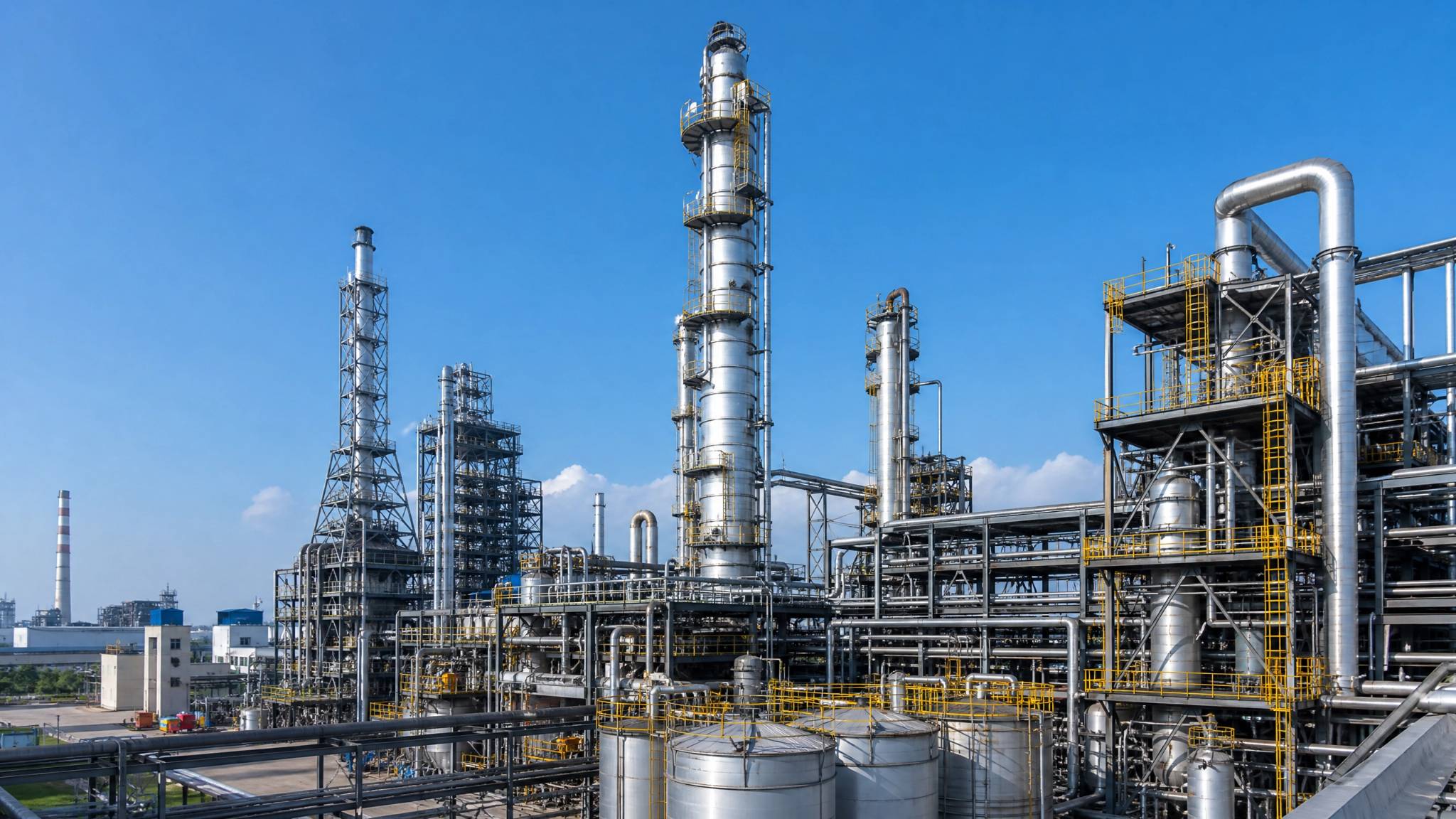
Our modern factory utilizes cutting-edge technology to produce high-grade phosphoric acid for global distribution.
Technical Properties of Phosphoric Acid
For a quick reference, here are some key technical properties of phosphoric acid, particularly for industrial grade 85%.
| Property | Value |
| Chemical Formula | H₃PO₄ |
| CAS Number | 7664-38-2 |
| Typical Concentration | 85% |
| Molar Mass | 97.99 g/mol |
| Appearance | Clear, colorless viscous liquid |
| Density | 1.68–1.70 g/mL at 25°C |
| Melting Point | ~21°C for 85% solution |
| Boiling Point | ~158°C (decomposes) |
| UN Number | UN 1805 |
| Hazard Class | Class 8 Corrosive |
| Packing Group | III |
| Common Packaging | 35 kg drums, 330 kg drums, 1650 kg IBCs, ISO tank |
Need Help Sourcing Bulk Phosphoric Acid In 2026?
Get a Free Phosphoric Acid Specification Sheet (Food & Industrial Grade).
WhatsApp Us for Free a Consultation
Global Market Trends for Phosphoric Acid in Fertilizer Production
The global market for phosphoric acid in fertilizer production is a dynamic landscape, constantly influenced by agricultural demand, raw material costs, and geopolitical factors. Understanding these trends is crucial for industrial buyers and agricultural stakeholders alike.
Market Size and Growth Projections
The demand for phosphoric acid, particularly for fertilizer use, continues to show robust growth. This is primarily driven by the increasing global population and the need for higher food production. Recent market analyses paint a clear picture of this expansion:
- The global phosphoric acid market is projected to grow significantly, with estimates placing its value from approximately $40.94 billion in 2026 to $59.37 billion by 2034, reflecting a Compound Annual Growth Rate (CAGR) of 4.70% .
- In terms of volume, projections indicate a rise from 100.76 million tons in 2026 to 124.07 million tons by 2031 .
These figures underscore the indispensable role of phosphoric acid in supporting global food security and industrial growth.
Pricing and Supply Chain Insights for 2026
The pricing of bulk phosphoric acid is a complex interplay of various factors, including raw material costs, energy prices, and global supply-demand dynamics. For industrial buyers, anticipating these fluctuations is key to optimizing procurement strategies.
Factors Influencing Price
- Raw Material Costs: The cost of phosphate rock and sulfuric acid directly impacts the production cost of phosphoric acid.
- Energy Prices: Phosphoric acid production is energy-intensive. Early 2026 saw a 15-20% year-on-year increase in processing expenses due to rising energy costs .
- Supply-Demand Balance: Global agricultural cycles and trade policies can create imbalances that lead to price volatility.
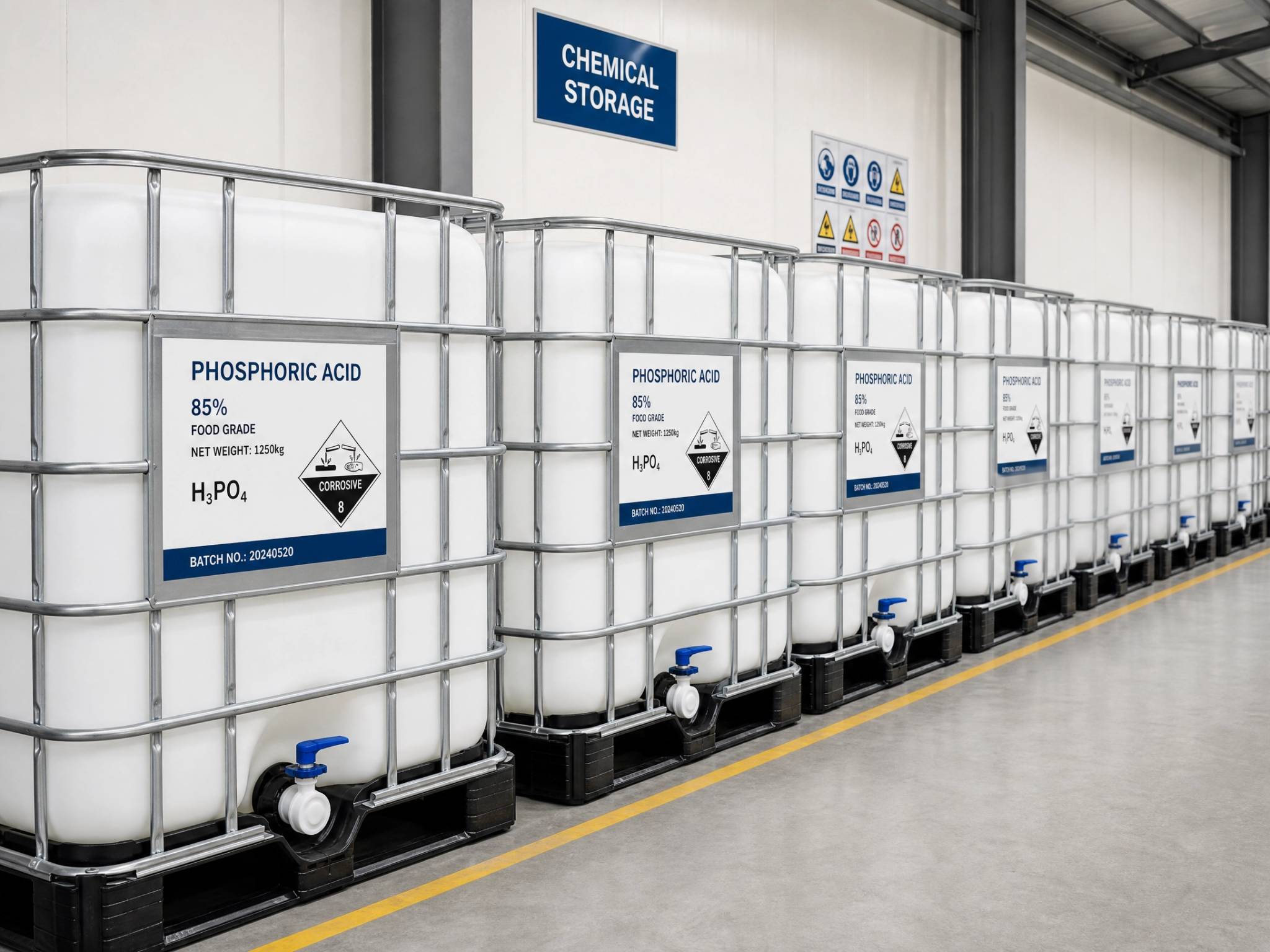
We use high-quality, secure IBC totes to ensure the integrity of our phosphoric acid during storage and transport.
Choosing a Bulk Phosphoric Acid Supplier: A Buyer’s Guide
Selecting the right supplier for bulk phosphoric acid is a critical decision that impacts product quality, operational efficiency, and cost-effectiveness. Here are key criteria industrial buyers should evaluate:
Quality and Purity Specifications
Ensuring the phosphoric acid meets the required purity and technical specifications for your specific application is paramount. Different grades are available, such as food grade phosphoric acid and industrial grade. Always request detailed Certificates of Analysis (CoAs) and verify compliance with international standards.
Logistics and Global Reach
For bulk orders, especially for international procurement, a supplier’s logistical expertise and global shipping network are vital. Consider their ability to handle hazardous materials, provide appropriate packaging (e.g., IBC totes, drums, tank containers), and ensure efficient customs clearance.
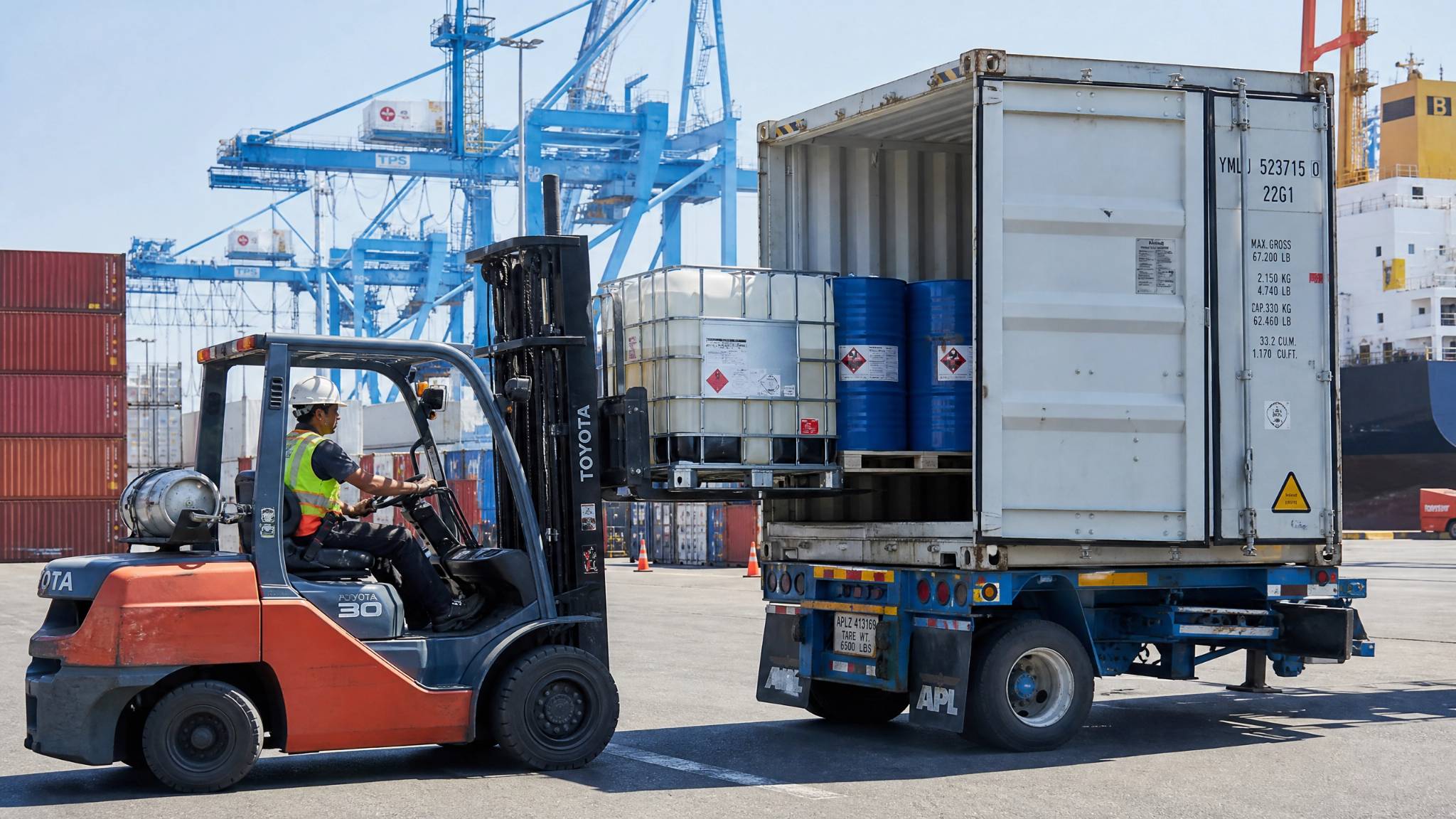
Our logistics team ensures that every shipment of phosphoric acid is securely loaded and ready for international transit.
Frequently Asked Questions (People Also Ask)
What is the main use of phosphoric acid in fertilizers?
Phosphoric acid is primarily used as an intermediate to produce phosphate fertilizers like MAP, DAP, and TSP. It provides a concentrated, water-soluble source of phosphorus, which is essential for plant energy transfer and root development.
Can phosphoric acid be used directly as a fertilizer?
While phosphoric acid can be used in some specialized hydroponic systems or to lower soil pH, it is rarely applied directly to crops in its concentrated form due to its high acidity. It is almost always reacted with ammonia or phosphate rock to create stable fertilizer products.
What is the difference between MAP and DAP fertilizers?
The main difference lies in the nitrogen content and soil pH reaction. MAP (Monoammonium Phosphate) typically has 12% nitrogen and produces an acidic reaction in the soil. DAP (Diammonium Phosphate) has 18% nitrogen and creates a more alkaline environment around the fertilizer granule.
Why is phosphorus important for crop yields?
Phosphorus is vital for photosynthesis, energy storage (ATP), and genetic material (DNA/RNA). It promotes early root growth, improves winter hardiness, and is crucial for the formation of seeds and fruits, directly impacting the final harvest quality.
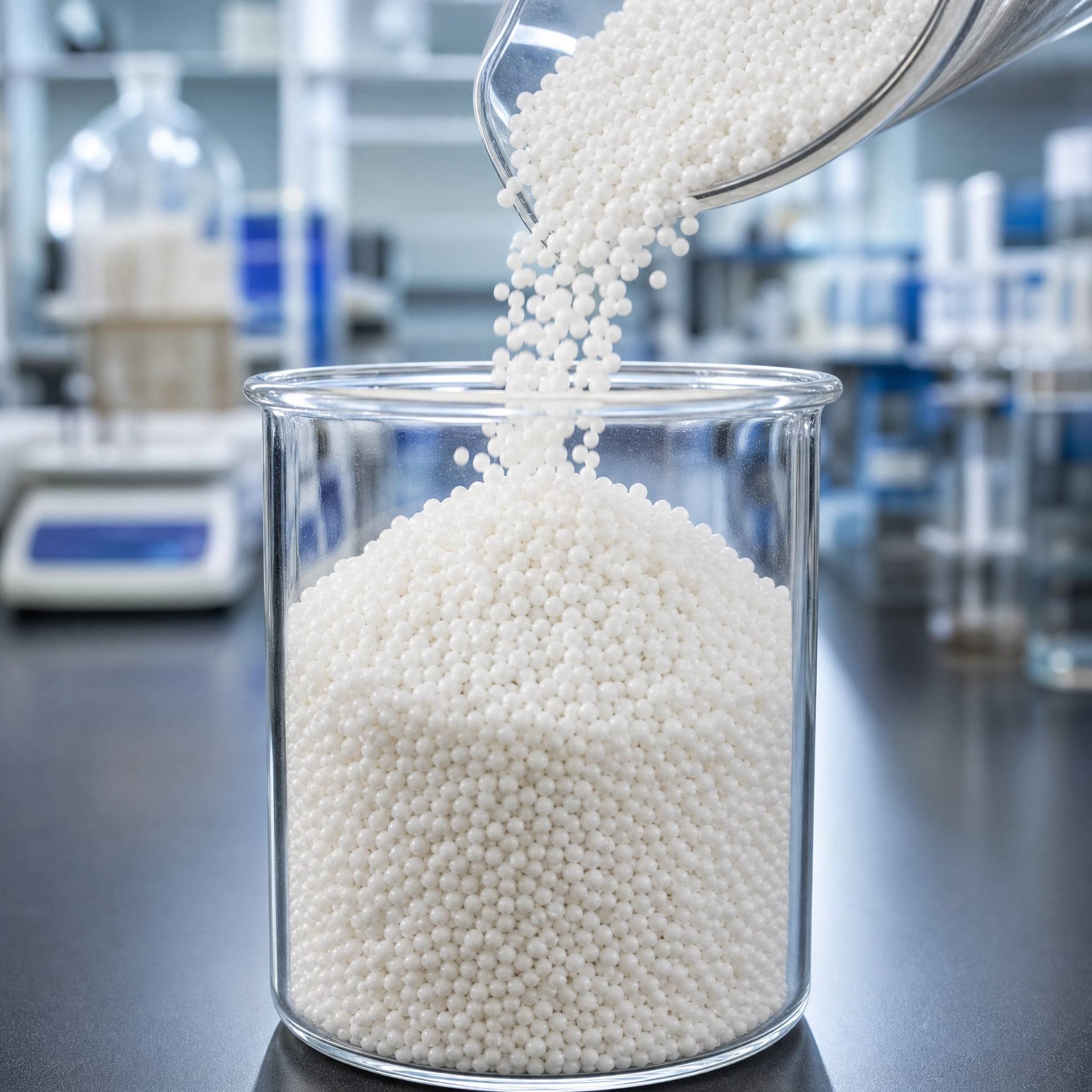
These high-purity fertilizer granules are the direct result of advanced phosphoric acid processing techniques.
Conclusion: The Future of Phosphoric Acid in Agriculture
The role of phosphoric acid in fertilizer production is undeniably foundational to global agriculture. As we navigate the complexities of 2026 and beyond, industrial buyers must remain acutely aware of evolving market trends and pricing dynamics. By prioritizing quality, ensuring reliability, and leveraging robust logistics, we can secure a consistent and cost-effective supply of this vital chemical.
Industrial Buyers: Next Steps for Sourcing Bulk Phosphoric Acid
What makes our Phosphoric Acid Better:
✅ Compliant with EU, UN, ISO Standards – No Legal Headaches
✅ Guaranteed 85% Concentration – Stability for your Processing Plant
✅ Extremely Low Impurities – Low Heavy Metals
✅ Batch-Specific COA Provided – Full Transparency per Shipment.
Download Our EU-approved Specifications. [ Food Grade or Industrial Grade]