


Phosphoric acid is a powerhouse in the industrial world, particularly when it comes to maintaining the integrity of metal surfaces. Whether you’re dealing with heavy machinery or precision components, this versatile mineral acid offers a unique chemical solution for removing oxidation and preventing future corrosion. By understanding how it interacts with different metals, industrial buyers can secure the best outcomes for their maintenance and production cycles.
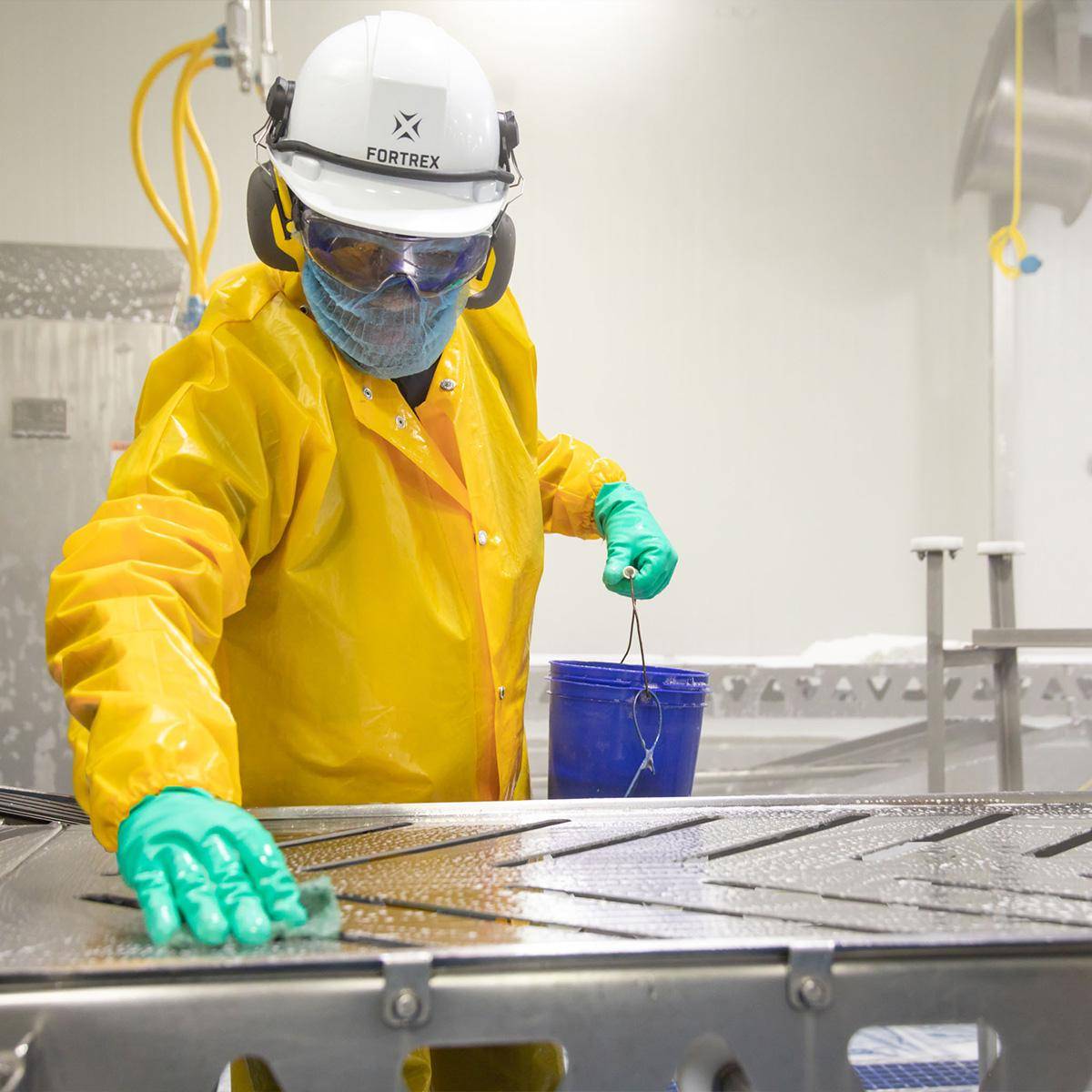
Precision cleaning with phosphoric acid ensures high-quality welds and prevents defects caused by surface contaminants.
Why Phosphoric Acid is the Ultimate Rust Converter
Unlike many other acids that simply eat away at metal, phosphoric acid performs a sophisticated chemical transformation. When applied to rusted iron or steel, it reacts with iron oxide (rust) to form iron phosphate. This dark grey or black coating is highly stable and acts as a protective barrier, effectively “arresting” the rust and providing an ideal surface for subsequent painting or coating.
The Chemical Magic: From Iron Oxide to Iron Phosphate
The process of rust conversion is both fascinating and highly practical for industrial applications:
- Reaction with Rust: The acid dissolves the iron oxide, breaking down the flaky, orange-red layer that weakens the metal.
- Formation of a Passive Layer: The resulting iron phosphate layer is insoluble in water and adheres tightly to the metal substrate.
- Self-Limiting Nature: Once the phosphate layer forms, it slows down further reaction with the healthy metal underneath, making it safer than more aggressive acids.
Essential Applications in Metal Treatment and Cleaning
Beyond simple rust removal, phosphoric acid in metal cleaning is used across a wide spectrum of industrial processes. Its ability to clean and “passivate” metal surfaces makes it an essential step in manufacturing and maintenance.
Surface Preparation Before Coating and Painting
One of the most critical uses of phosphoric acid is preparing metal for its final finish. A clean surface is paramount for the adhesion of primers and paints. Phosphoric acid removes oils, light oxidation, and microscopic contaminants that would otherwise cause coatings to fail.
- Degreasing: It helps lift industrial oils and greases from the metal surface.
- Etching: The acid creates a microscopic “tooth” on the metal, allowing paint to bond more effectively.
- Passivation: By creating a thin phosphate layer, it prevents “flash rust” from forming between cleaning and painting.
This process is vital in industries like automotive manufacturing and heavy equipment production, where long-term durability is a key selling point.
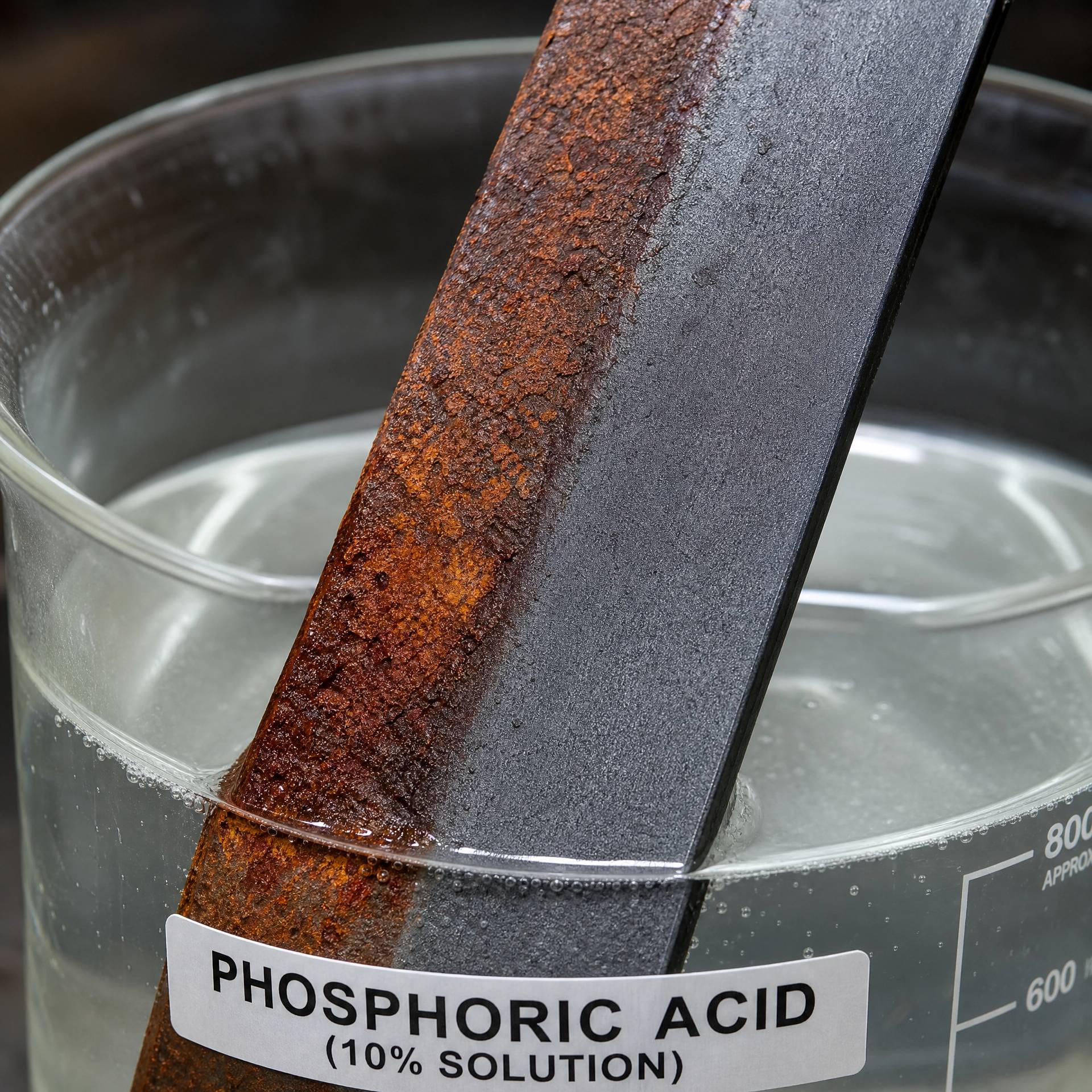
This close-up demonstrates the powerful conversion of flaky rust into a stable, dark grey iron phosphate protective coating.
Industrial Descaling and Equipment Maintenance
In large-scale industrial settings, mineral scale and rust can quickly degrade the efficiency of heat exchangers, boilers, and cooling systems. Phosphoric acid is a preferred choice for descaling because it is less aggressive than hydrochloric acid, reducing the risk of damaging expensive equipment while still being highly effective at removing mineral deposits.
- Boiler Cleaning: Removes calcium and magnesium scale that reduces heat transfer efficiency.
- Pipe Maintenance: Clears rust and mineral buildup from internal pipe surfaces.
- Tool Restoration: Breathes new life into rusted industrial tools and hardware.
Using the right grade, such as industrial grade phosphoric acid, ensures that these maintenance tasks are performed safely and effectively.
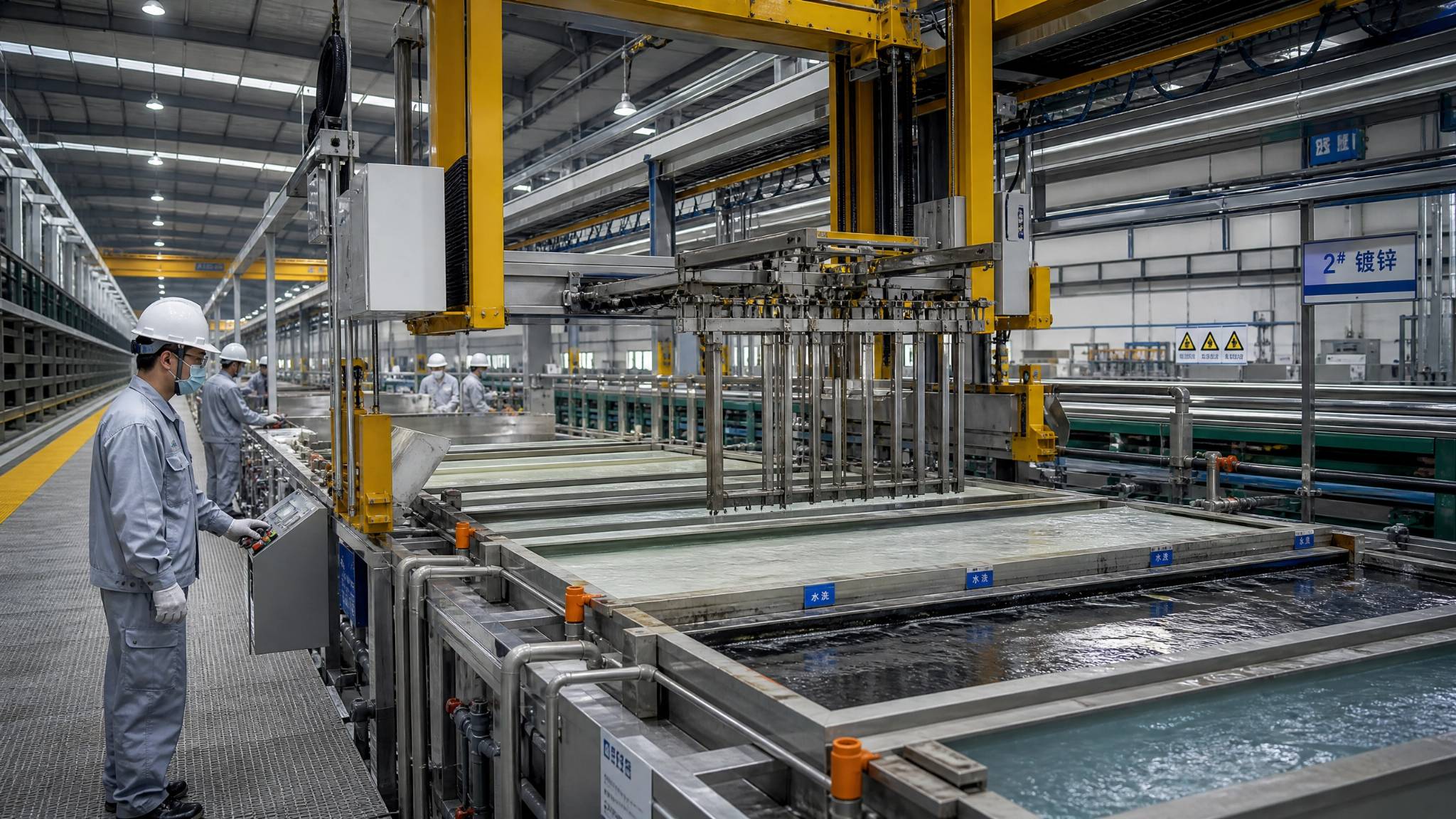
Large-scale automated systems utilize phosphoric acid baths to treat thousands of metal parts daily with consistent quality.
Need Help Sourcing Bulk Phosphoric Acid In 2026?
Get a Free Phosphoric Acid Specification Sheet (Food & Industrial Grade).
WhatsApp Us for Free a Consultation
Global Market Trends and Pricing for 2026
The market for metal treatment chemicals is seeing steady growth, driven by the expansion of the manufacturing and infrastructure sectors. As we move into 2026, several factors are influencing the availability and cost of phosphoric acid for these applications.
Market Dynamics and Growth Drivers
The demand for high-quality metal cleaning solutions is on the rise, particularly in the Asia-Pacific region. Rapid industrialization and a focus on long-term asset protection are key drivers. Market reports indicate that the overall phosphoric acid market is poised for a CAGR of 4.70% through 2034, with metal treatment being a significant contributor .
Pricing Insights for Industrial Buyers
Pricing in early 2026 has stabilized after a period of volatility. However, buyers should remain aware of the following:
- Energy Costs: The production of phosphoric acid is energy-intensive, and fluctuations in fuel prices can impact the bottom line .
- Feedstock Availability: The cost of phosphate rock and sulfuric acid remains a primary driver of technical grade pricing.
- Regional Shifts: We are seeing increased production capacity in regions like North Africa, which is helping to balance global supply.
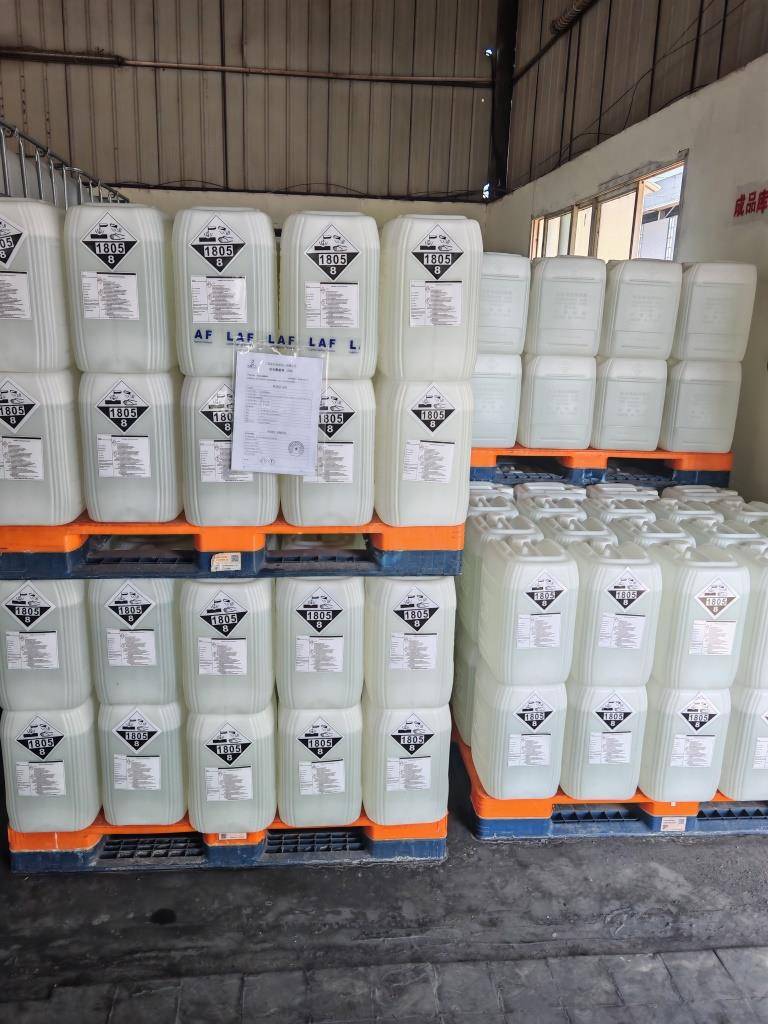
Our technical grade phosphoric acid is securely packaged in durable drums to ensure safe handling in industrial environments.
Technical Specifications for Metal Cleaning Grades
For most metal treatment applications, an 85% technical grade phosphoric acid is the industry standard. It provides the necessary potency for rust conversion and cleaning without the extreme purity requirements (and costs) of food grade phosphoric acid.
| Property | Typical Value (Technical Grade 85%) |
| Chemical Formula | H₃PO₄ |
| CAS Number | 7664-38-2 |
| Concentration | 85% min |
| Appearance | Clear, colorless viscous liquid |
| Density | 1.68–1.70 g/mL at 25°C |
| UN Number | UN 1805 |
| Hazard Class | Class 8 Corrosive |
| Common Packaging | 35kg drums, 330kg drums, 1650kg IBCs |

Rigorous quality control ensures that every treated part meets the strict standards required for high-performance industrial applications.
Frequently Asked Questions (People Also Ask)
Is phosphoric acid better than hydrochloric acid for rust removal?
Phosphoric acid is generally preferred for rust removal because it is “self-limiting.” It converts rust into a protective phosphate layer, whereas hydrochloric acid can continue to eat into the healthy metal if not neutralized immediately.
Do I need to rinse metal after using phosphoric acid?
Yes, for most applications, it is crucial to rinse the surface with water to remove any unreacted acid. However, if you are using a “rust converter” product designed to be painted over, follow the specific manufacturer instructions regarding rinsing.
Can phosphoric acid be used on aluminum?
Yes, phosphoric acid is often used to clean and brighten aluminum. It removes the dull oxide layer, but the contact time must be carefully controlled to prevent etching or pitting of the soft metal surface.
What safety gear is needed when handling phosphoric acid?
As a corrosive mineral acid, you must always wear chemical-resistant gloves, safety goggles, and a face shield. Ensure proper ventilation in the work area to avoid inhaling any mists or vapors.
Conclusion: Securing Your Industrial Supply
The role of phosphoric acid in metal cleaning is indispensable for modern manufacturing and maintenance. By choosing a high-quality technical grade acid, industrial buyers can ensure their equipment and products are protected from corrosion and prepared for the highest quality finishes. As we look toward the future of industrial maintenance, the reliability and efficiency of phosphoric acid remain unmatched.
Industrial Buyers: Next Steps for Sourcing Bulk Phosphoric Acid
What makes our Phosphoric Acid Better:
✅ Compliant with EU, UN, ISO Standards – No Legal Headaches
✅ Guaranteed 85% Concentration – Stability for your Processing Plant
✅ Extremely Low Impurities – Low Heavy Metals
✅ Batch-Specific COA Provided – Full Transparency per Shipment.
Download Our EU-approved Specifications.[ Food Grade or Industrial Grade]