


In the intricate world of electronics and semiconductor manufacturing, precision is paramount. Every component, every circuit, and every wafer demands an environment of absolute cleanliness and meticulous processing. This is where phosphoric acid steps in, playing an indispensable role as a critical chemical agent. Far from its more common industrial uses, the electronic grade of this versatile acid is a cornerstone in producing the tiny, powerful devices that drive our modern world.
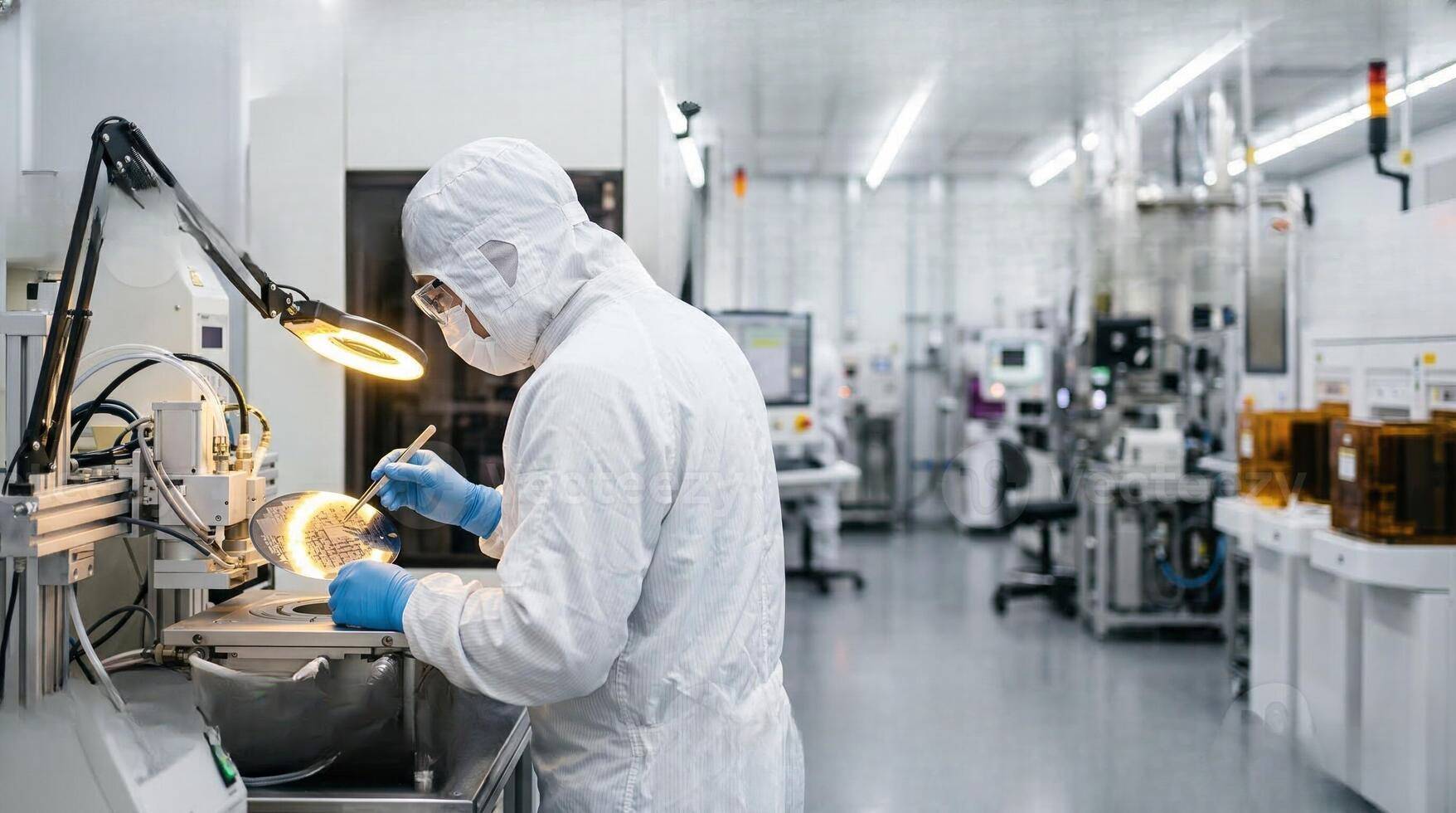
An engineer meticulously inspects a silicon wafer in a state-of-the-art cleanroom, a testament to the precision required in semiconductor manufacturing.
From smartphones to advanced computing systems, the reliability and performance of electronic devices hinge on the purity of their constituent materials and the effectiveness of their manufacturing processes. Phosphoric acid, specifically its high-purity electronic grade, is essential for achieving the exacting standards required in this high-tech industry. It’s not just a chemical; it’s a facilitator of innovation.
Why Phosphoric Acid is Crucial for Microelectronics
Phosphoric acid (H₃PO₄) is a colorless, odorless, and non-volatile mineral acid. While its basic chemical structure remains consistent, its application in electronics demands an exceptionally refined form. The unique properties of phosphoric acid make it ideal for the delicate and precise operations involved in semiconductor fabrication.
Key Properties for Precision Manufacturing
- Controlled Etching:
Phosphoric acid offers a highly controllable and selective etching process, crucial for removing specific layers without damaging underlying structures on semiconductor wafers.
- High Purity:
Electronic grade phosphoric acid boasts extremely low levels of metallic impurities and particles, preventing contamination that could compromise device performance.
- Stability:
Its chemical stability ensures consistent performance during critical manufacturing steps, even at elevated temperatures.
- Safety Profile:
Compared to some other strong acids, phosphoric acid presents a relatively safer handling profile, though strict safety protocols are always observed in cleanroom environments.
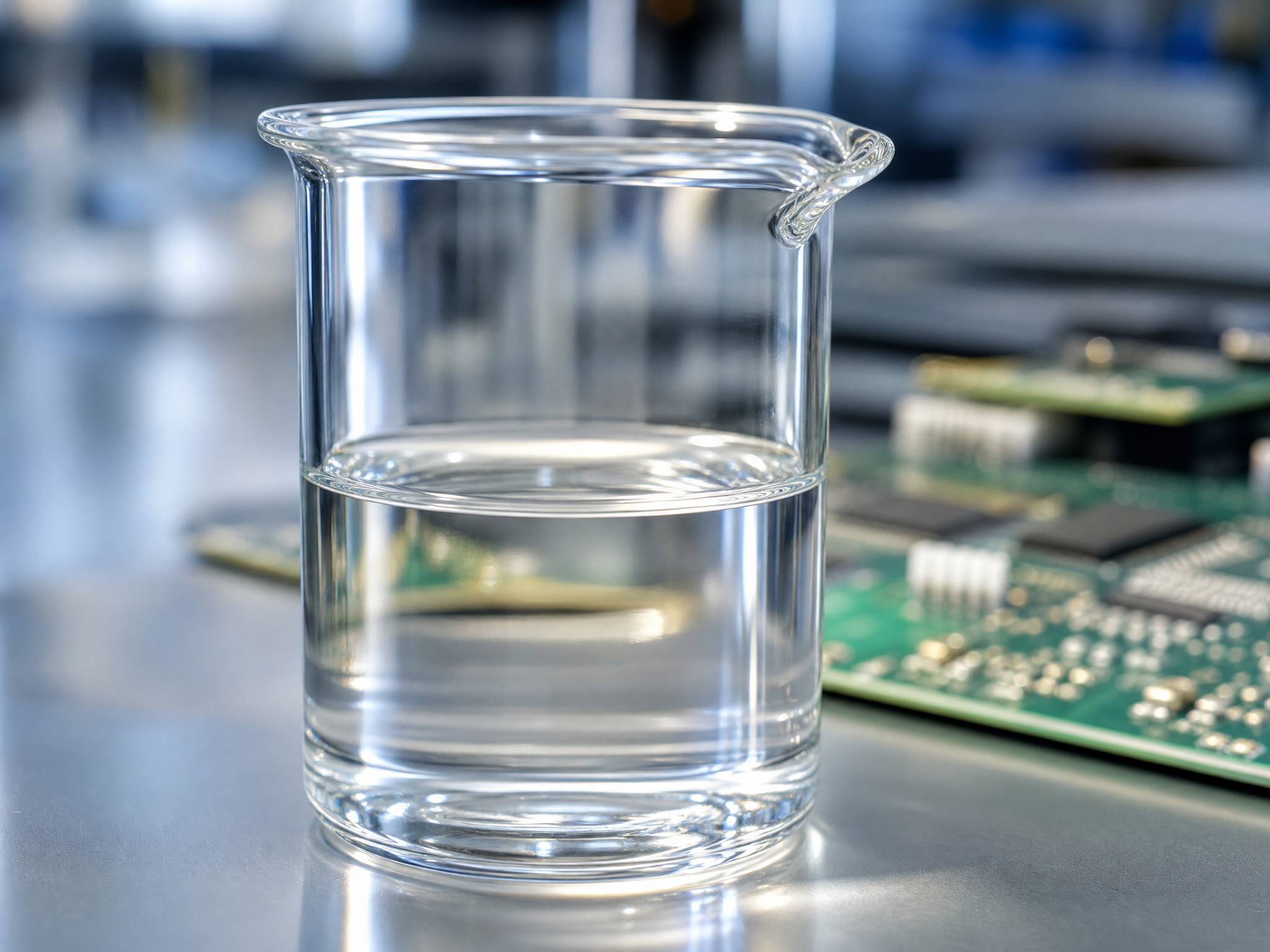
A beaker holds high-purity phosphoric acid, a vital chemical for etching and cleaning in electronics production.
Grades of Phosphoric Acid: Purity is Power
Not all phosphoric acid is created equal. The application dictates the required purity level, and in electronics, the demand for ultra-high purity is non-negotiable. Here’s a quick look at how different grades compare:
| Grade | Purity Level | Primary Applications |
| Technical Grade | Standard industrial purity | Fertilizers, detergents, metal treatment |
| Food Grade (E338) | Highly purified, safe for consumption | Beverages, processed foods |
| Agricultural Grade | Suitable for plant nutrition | Phosphate fertilizers |
| Pharmaceutical Grade | Highest purity for medical use | Drug formulations, high-tech applications |
| Electronic Grade | Ultra-high purity (e.g., 2N, 3N, 4N) | Semiconductor etching, cleaning, LCD manufacturing |
For the electronics industry, even trace amounts of impurities can lead to defects, reduced yields, and device failures. This is why industrial grade phosphoric acid used in general manufacturing differs significantly from the specialized electronic grade required for microelectronics.
Need Help Sourcing Bulk Phosphoric Acid In 2026?
Get a Free Phosphoric Acid Specification Sheet (Food & Industrial Grade).
WhatsApp Us for Free a Consultation
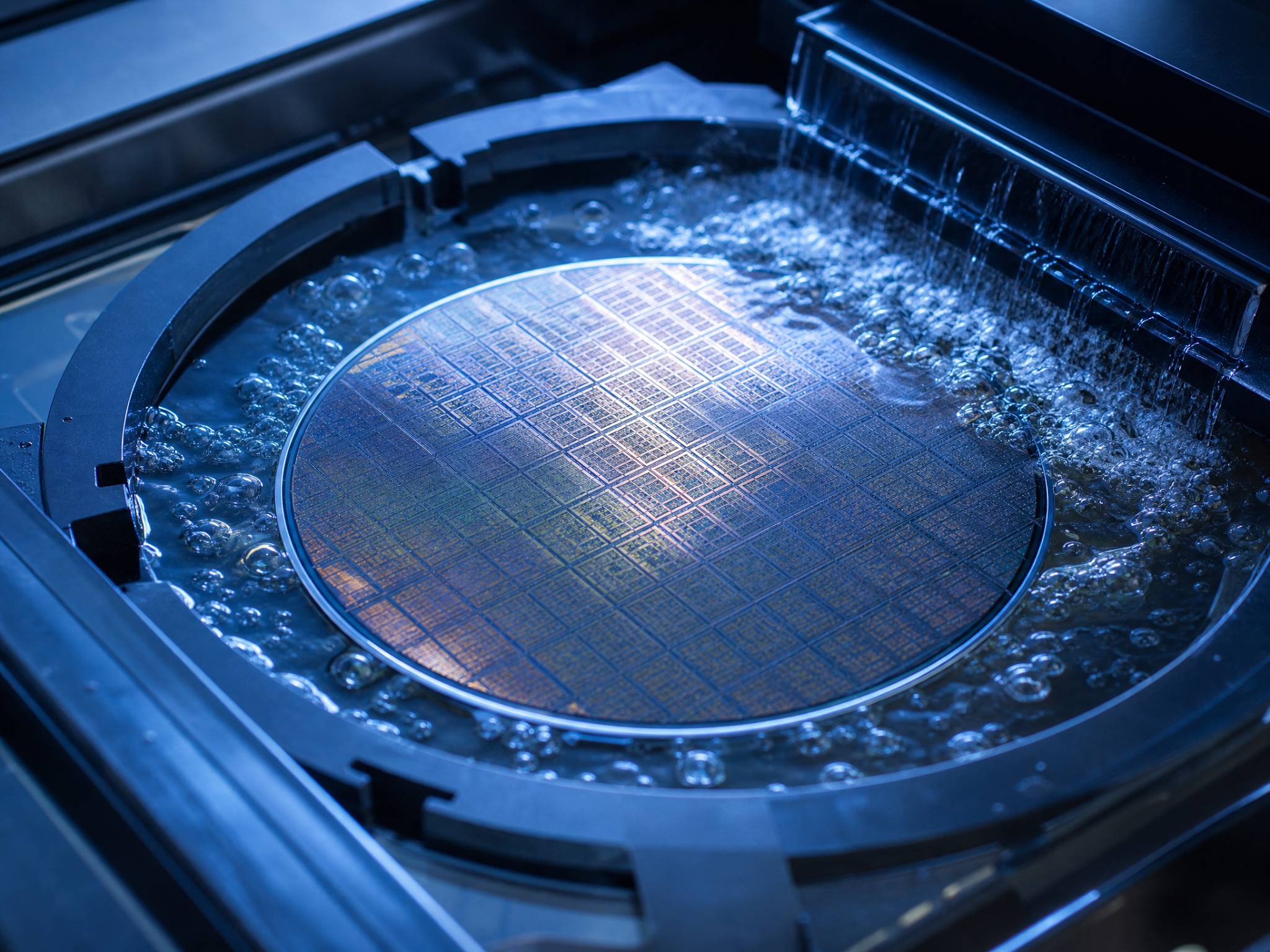
A silicon wafer immersed in a chemical bath, illustrating the precise etching process using phosphoric acid.
Core Applications in Semiconductor Fabrication
Phosphoric acid is integral to several critical steps in the fabrication of integrated circuits and other electronic components. Its role primarily revolves around precise material removal and surface conditioning.
Silicon Nitride (Si₃N₄) Etching
One of the most significant applications is the selective etching of silicon nitride layers. Silicon nitride is commonly used as a passivation layer, an insulator, or a hard mask during semiconductor processing. Hot phosphoric acid baths are highly effective for removing these layers without significantly affecting silicon dioxide (SiO₂) or silicon (Si) substrates. This selectivity is vital for creating the intricate patterns on a wafer.
Aluminum Etching
In the manufacturing of certain electronic components, particularly older generation integrated circuits and some display technologies like LCDs, phosphoric acid is used as an etchant for aluminum. It precisely removes unwanted aluminum layers, defining the metallic interconnects that form the circuitry. This process requires careful control to ensure pattern fidelity and prevent over-etching.
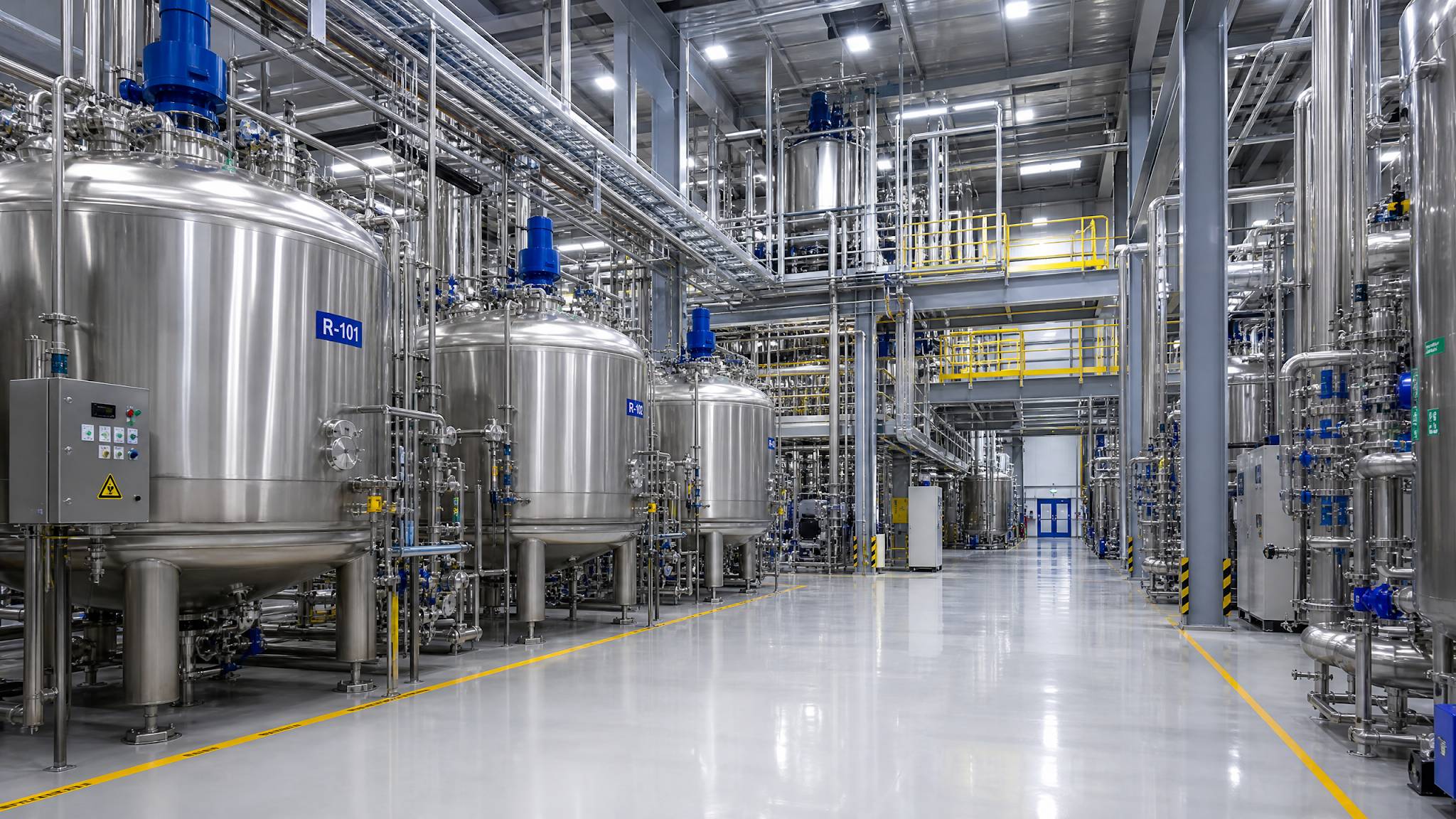
Inside a modern facility where high-purity chemicals, including phosphoric acid, are produced under strict quality control.
Wafer Cleaning and Surface Preparation
Before and after various processing steps, semiconductor wafers undergo rigorous cleaning to remove contaminants, residues, and native oxides. Phosphoric acid solutions are often part of multi-step cleaning protocols, helping to achieve atomically clean surfaces essential for subsequent deposition or etching processes. A pristine surface is critical for device performance and longevity.
Doping Agent
In some specialized applications, ultra-high purity phosphoric acid can also serve as a source for phosphorus doping in semiconductors. Doping is the intentional introduction of impurities into an intrinsic semiconductor for the purpose of modulating its electrical properties. Phosphorus acts as an n-type dopant, contributing free electrons to the semiconductor material.
The Rigorous Standards of Electronic Grade Phosphoric Acid
The demand for ever-smaller and more powerful electronic devices drives the need for increasingly stringent purity specifications for chemicals like phosphoric acid. Electronic grade phosphoric acid is categorized by its purity level, often denoted by “N” numbers (e.g., 2N, 3N, 4N, 5N), where “N” refers to the number of nines after the decimal point in its purity percentage (e.g., 3N means 99.9% pure).
Key Purity Considerations:
- Metallic Impurities: Levels of metals like iron, copper, nickel, and sodium must be in the parts per billion (ppb) or even parts per trillion (ppt) range. These metals can act as recombination centers or cause electrical shorts in semiconductor devices.
- Particulate Contamination: Microscopic particles can cause defects and short circuits, so electronic grade phosphoric acid is filtered to remove even the smallest particulates.
- Anionic Impurities: Halides (chlorides, fluorides) and sulfates are also carefully controlled, as they can lead to corrosion or interfere with chemical reactions.
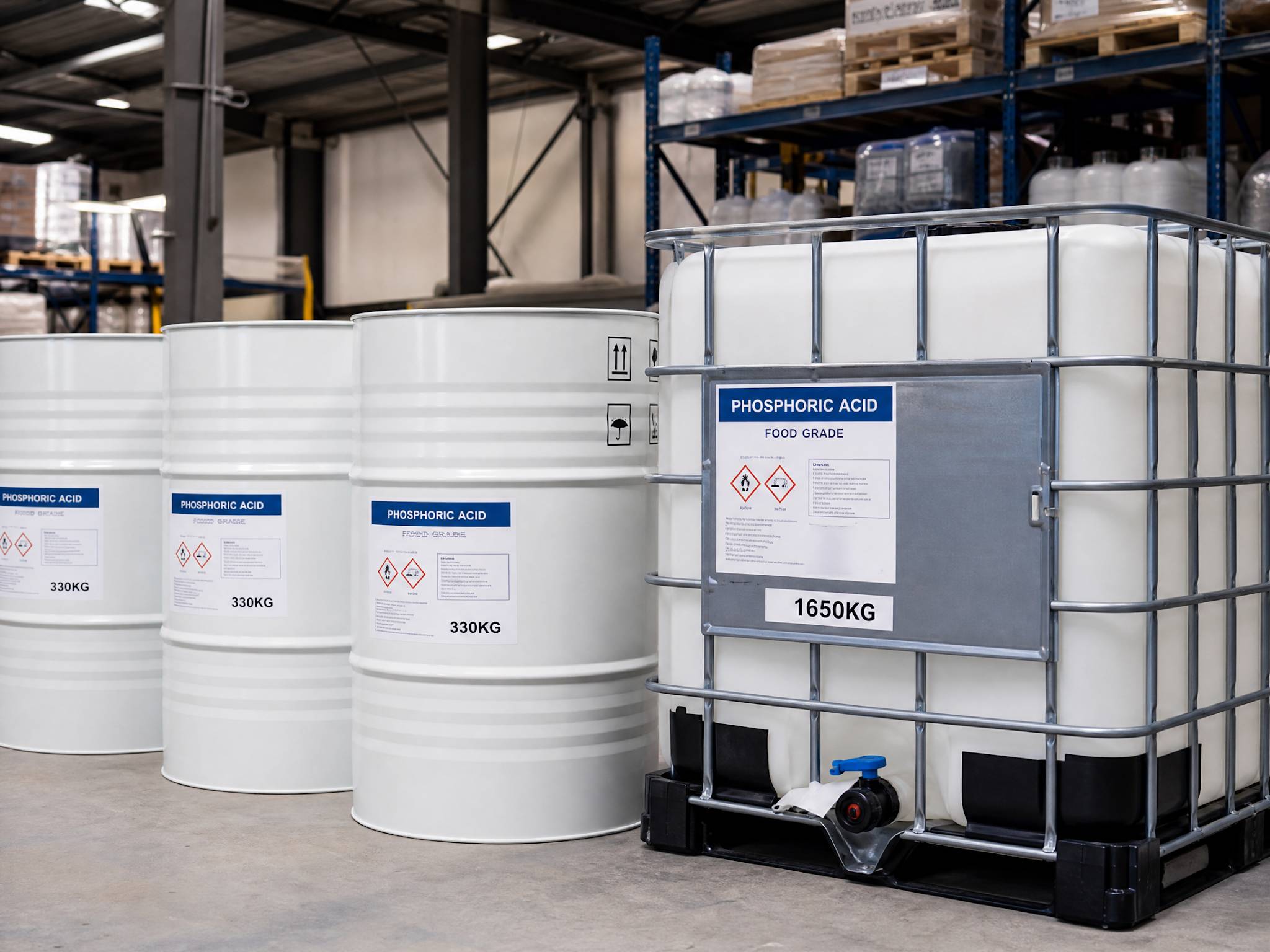
Secure industrial packaging, including drums and IBCs, ready for the safe transport of phosphoric acid.
Suppliers of electronic grade phosphoric acid adhere to strict manufacturing processes, often in dedicated cleanroom facilities, to meet these demanding specifications. Regular analysis and certification are standard practice to ensure consistent quality.
Market Dynamics and Future Outlook
The market for electronic grade phosphoric acid is closely tied to the growth of the global semiconductor industry. As demand for advanced electronics continues to surge, so does the need for the high-purity chemicals essential for their production. Forecasts indicate a steady expansion, driven by:
- 5G Technology Rollout: The widespread adoption of 5G networks requires more sophisticated chips and components.
- Artificial Intelligence (AI) and Machine Learning (ML): The increasing computational power needed for AI and ML applications fuels semiconductor innovation.
- Internet of Things (IoT): The proliferation of connected devices across various sectors boosts overall demand for microchips.
- Automotive Electronics: The rise of electric vehicles (EVs) and autonomous driving systems significantly increases the electronic content in automobiles.

A logistics professional supervises the careful loading of chemical drums into a shipping container for global distribution.
Regional dynamics show Asia-Pacific as a dominant force, given its concentration of semiconductor manufacturing hubs. Continuous research and development are focused on improving purification methods and exploring new applications for phosphoric acid in next-generation electronic materials.
Frequently Asked Questions (FAQs)
Q1: Why is high-purity phosphoric acid essential for electronics?
High-purity phosphoric acid is crucial because even trace impurities (metallic, particulate, or anionic) can cause defects, reduce yields, and lead to device failures in sensitive electronic components. It ensures the precision and reliability required for microelectronics manufacturing.
Q2: What is the primary role of phosphoric acid in semiconductor manufacturing?
The primary role of phosphoric acid in semiconductor manufacturing is for precise etching and cleaning processes. It is particularly effective for selectively removing silicon nitride (Si₃N₄) layers and aluminum, as well as for general wafer cleaning and surface preparation to prevent contamination.
Q3: How are different grades of phosphoric acid distinguished for electronic use?
Electronic grade phosphoric acid is distinguished by its ultra-high purity, often denoted by “N” numbers (e.g., 2N, 3N, 4N, 5N). These numbers indicate the number of nines after the decimal point in its purity percentage (e.g., 3N means 99.9% pure). The lower the impurity levels, the higher the N-number and the more suitable it is for advanced electronics.
Q4: Can phosphoric acid be used for doping semiconductors?
Yes, in some specialized applications, ultra-high purity phosphoric acid can serve as a source for phosphorus doping. Phosphorus acts as an n-type dopant, intentionally introduced into intrinsic semiconductors to modify their electrical properties by contributing free electrons.
Q5: What are the future trends impacting the demand for electronic grade phosphoric acid?
The demand for electronic grade phosphoric acid is driven by the growth of the global semiconductor industry, fueled by trends such as the rollout of 5G technology, the increasing adoption of Artificial Intelligence (AI) and Machine Learning (ML), the expansion of the Internet of Things (IoT), and the rise of automotive electronics (EVs and autonomous driving systems).
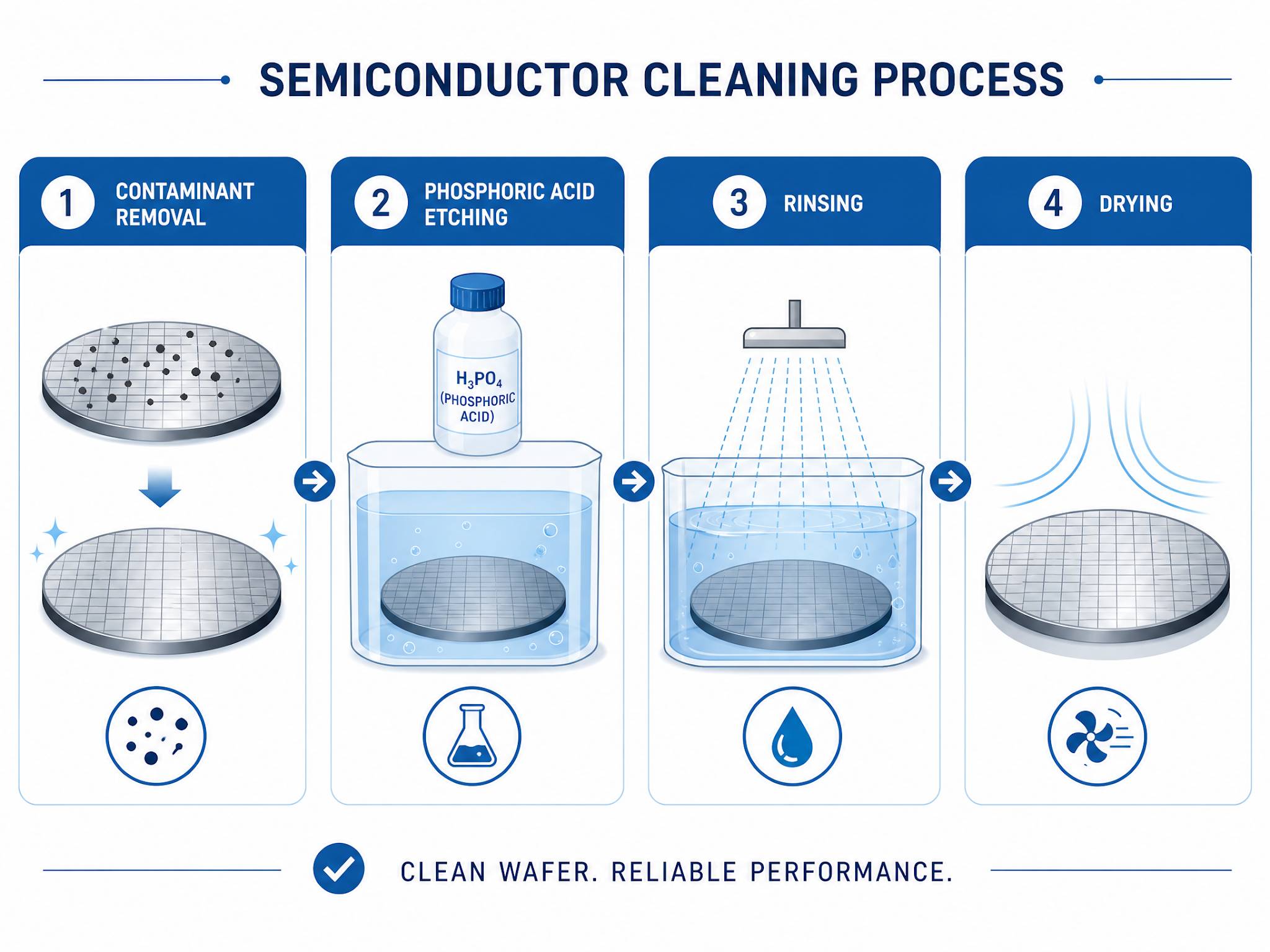
An infographic visually explaining the critical steps of semiconductor cleaning, highlighting phosphoric acid’s role in etching.
Conclusion: Powering Progress, One Chip at a Time
Phosphoric acid, particularly its electronic grade, is an unsung hero in the electronics and semiconductor industry. Its precise etching capabilities, ultra-high purity, and stability are fundamental to the creation of the advanced microchips that power our digital world. As technology continues to evolve at a rapid pace, the demand for high-quality, reliable chemical inputs like phosphoric acid will only intensify. Ensuring a consistent supply of this critical chemical is not just about manufacturing; it’s about enabling the future of innovation.
Industrial Buyers: Next Steps for Sourcing Bulk Phosphoric Acid
What makes our Phosphoric Acid Better:
✅ Compliant with EU, UN, ISO Standards – No Legal Headaches
✅ Guaranteed 85% Concentration – Stability for your Processing Plant
✅ Extremely Low Impurities – Low Heavy Metals
✅ Batch-Specific COA Provided – Full Transparency per Shipment.
Download Our EU-approved Specifications.[ Food Grade or Industrial Grade]