


When it comes to sourcing phosphoric acid for industrial applications, the choice often boils down to concentration. Specifically, the debate between 85% vs 75% phosphoric acid is a common one for many buyers and production managers. While both are highly effective forms of this versatile chemical, their subtle differences can significantly impact everything from handling and storage to application efficiency and cost.
This guide will walk you through the critical distinctions between these two popular concentrations. We will look at their physical properties, typical uses, and the practical implications for your operations. Understanding these nuances is key to making an informed decision that optimizes your processes and ensures cost-effectiveness. Let us dive in and figure out which concentration is the perfect fit for your needs.
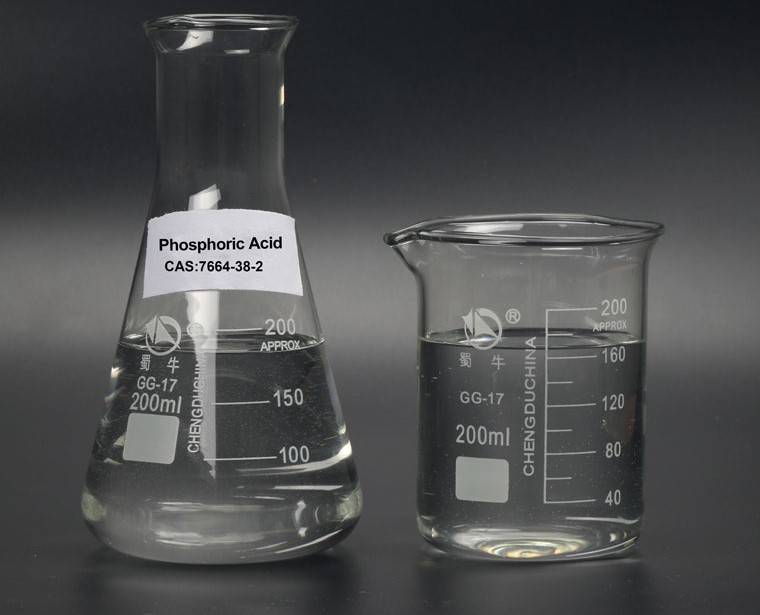
Choosing the right phosphoric acid concentration is crucial for optimizing industrial processes.
Understanding the Core Differences: 85% vs 75%
At its heart, phosphoric acid (H₃PO₄) is the same chemical compound, regardless of its concentration. The percentage simply refers to the amount of pure H₃PO₄ dissolved in water. However, this difference in water content leads to distinct physical and chemical behaviors that are vital for industrial users to consider.
The higher the concentration, the more active ingredient you get per unit volume, which might seem like an obvious advantage. But this also comes with trade-offs, particularly concerning handling characteristics and freezing points. Let us break down the key differences.
Physical Properties: A Closer Look
The most significant differences between 85% and 75% phosphoric acid lie in their physical properties, which directly influence their usability in various industrial settings.
- Freezing Point:
This is perhaps the most critical distinction. 85% phosphoric acid has a relatively high freezing point, around 21°C (70°F). This means it can crystallize or freeze at typical room temperatures, especially in cooler climates or unheated storage facilities. In contrast, 75% phosphoric acid has a much lower freezing point, approximately -17.5°C (0.5°F), making it far more stable in cold weather conditions.
- Viscosity:
85% phosphoric acid is noticeably more viscous, often described as syrupy. This higher viscosity can make it more challenging to pump, meter, and mix, potentially requiring specialized equipment or heating. 75% phosphoric acid is less viscous, flowing more easily and simplifying handling.
- Density:
As expected, 85% phosphoric acid is denser than its 75% counterpart, meaning it contains more active H₃PO₄ per unit of volume.
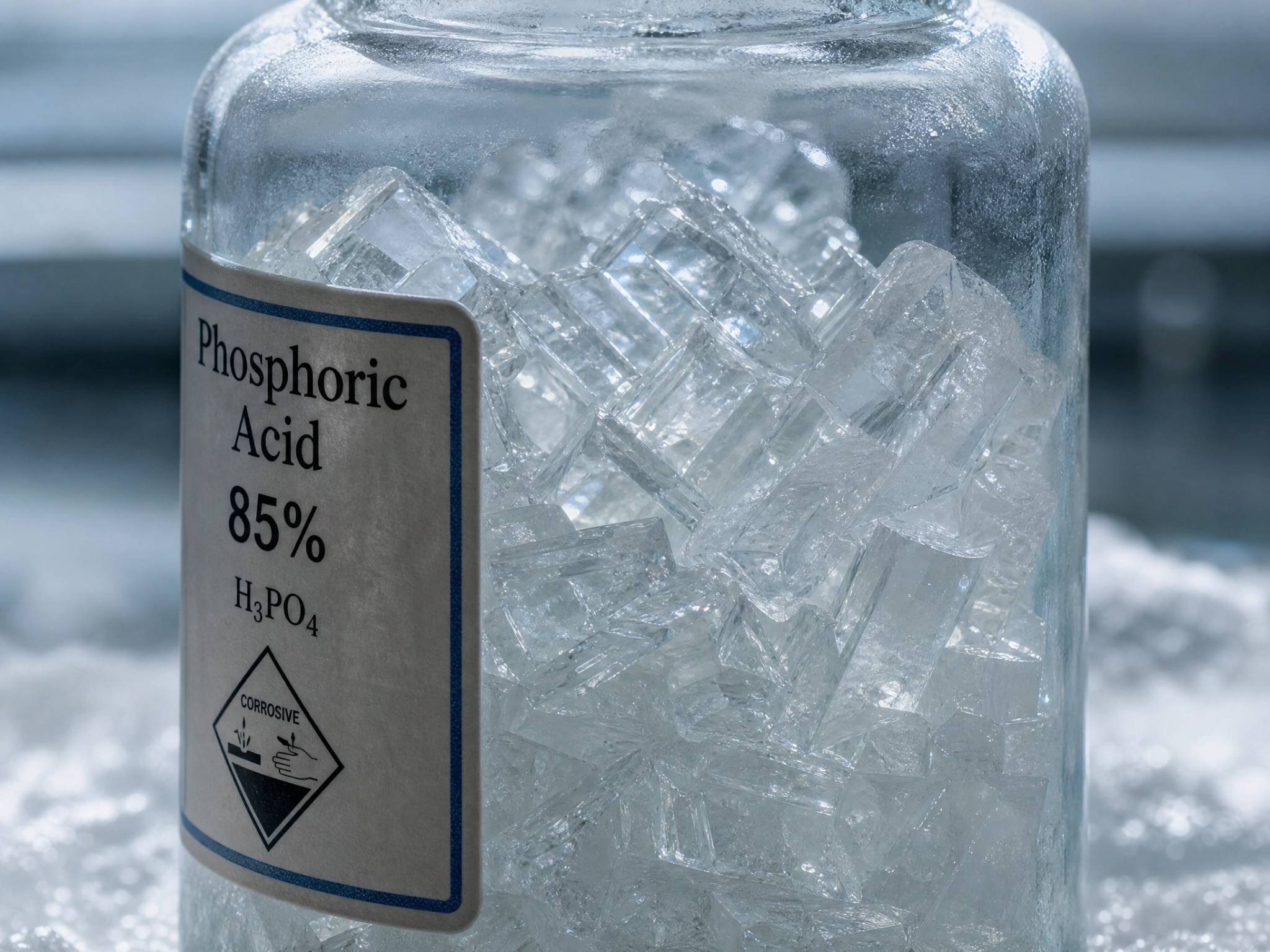
The higher freezing point of 85% phosphoric acid requires careful temperature control during storage and transport.
Applications and Suitability: Matching Concentration to Need
The choice between 85% and 75% phosphoric acid often comes down to the specific application and the operational environment. Each concentration has its niche where it performs optimally.
When to Choose 85% Phosphoric Acid
85% phosphoric acid is often considered the industry standard for applications where maximum concentration and minimal water content are desired. It is particularly favored in:
- Food and Beverage Industry: As a food additive (E338), its high purity and concentration make it ideal for use as an acidulant in soft drinks, jams, and processed foods, where dilution might affect product formulation.
- Metal Treatment: In processes like rust removal and phosphatizing, the higher concentration provides a more potent reaction, forming protective coatings on metal surfaces more efficiently.
- Chemical Manufacturing: As a reactant or catalyst in various chemical synthesis processes where water content needs to be tightly controlled.
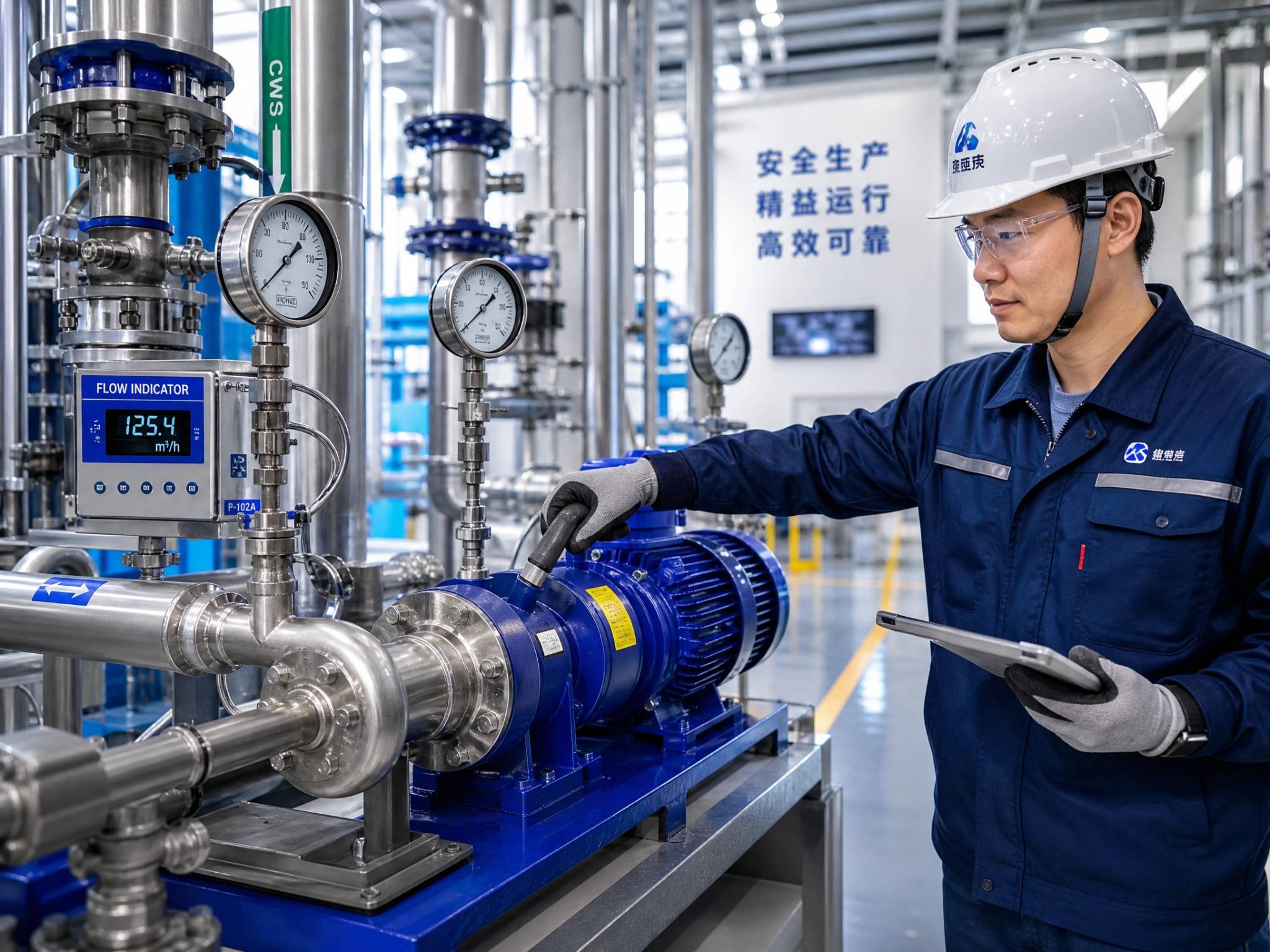
High-purity phosphoric acid is essential for quality control in food and beverage manufacturing.
When to Choose 75% Phosphoric Acid
75% phosphoric acid offers advantages in situations where ease of handling, lower freezing point, and slightly reduced corrosivity are beneficial. It is a strong contender for:
- Industrial Cleaning and Descaling: Its effective acidity makes it excellent for removing mineral deposits and rust in various industrial cleaning applications, often without the need for heating.
- Water Treatment: Used for pH adjustment and scale inhibition in industrial water systems, where its lower viscosity allows for easier dosing and mixing.
- Agricultural Applications: In some agricultural settings, such as cleaning drip irrigation lines, the 75% concentration can be more practical due to its handling characteristics and stability in varied temperatures.
- Cold Climates: For operations in regions with consistently low temperatures, 75% phosphoric acid is the preferred choice to avoid crystallization issues and the associated costs of heated storage or transport.
Need Help Sourcing Bulk Phosphoric Acid In 2026?
Get a Free Phosphoric Acid Specification Sheet (Food & Industrial Grade).
WhatsApp Us for Free a Consultation
Practical Considerations for Industrial Buyers
Selecting the right phosphoric acid concentration involves more than just looking at the percentage. Industrial buyers need to weigh several practical factors to ensure they are making the most economical and efficient choice for their production process.
| Factor | 85% Phosphoric Acid | 75% Phosphoric Acid | Key Consideration for Buyers |
| Freezing Point | ~21°C (70°F) | ~-17.5°C (0.5°F) | Storage & Transport: Does your facility have heated storage? Is your supply chain exposed to cold temperatures? |
| Viscosity | High (syrupy) | Lower (more fluid) | Pumping & Dosing: Will your existing equipment handle high viscosity? Does your process require precise, easy flow? |
| Active H₃PO₄ Content | Higher per unit volume | Lower per unit volume | Cost-Effectiveness: Is the higher concentration worth the potential handling challenges? Does it reduce overall shipping costs? |
| Corrosivity | Slightly higher | Slightly lower | Material Compatibility: Ensure your equipment and PPE are rated for the chosen concentration. |
| Dilution Needs | May require more dilution for certain applications | May require less dilution, or can be used as is | Process Integration: How much water can your process tolerate? |

Lower viscosity of 75% phosphoric acid can simplify pumping and dosing in industrial processes.
Logistics and Storage Challenges
The freezing point of 85% phosphoric acid is a significant logistical hurdle. If it crystallizes, it can be difficult and time-consuming to return it to a liquid state, potentially delaying production. This often necessitates specialized heated tanks, insulated transport, and careful inventory management, especially during colder months. For our Industrial Grade Phosphoric Acid, we ensure proper handling guidelines are provided.
75% phosphoric acid, on the other hand, offers much greater flexibility in storage and transport due to its low freezing point. This can translate to reduced infrastructure costs and fewer operational headaches, particularly for businesses operating in diverse climates.
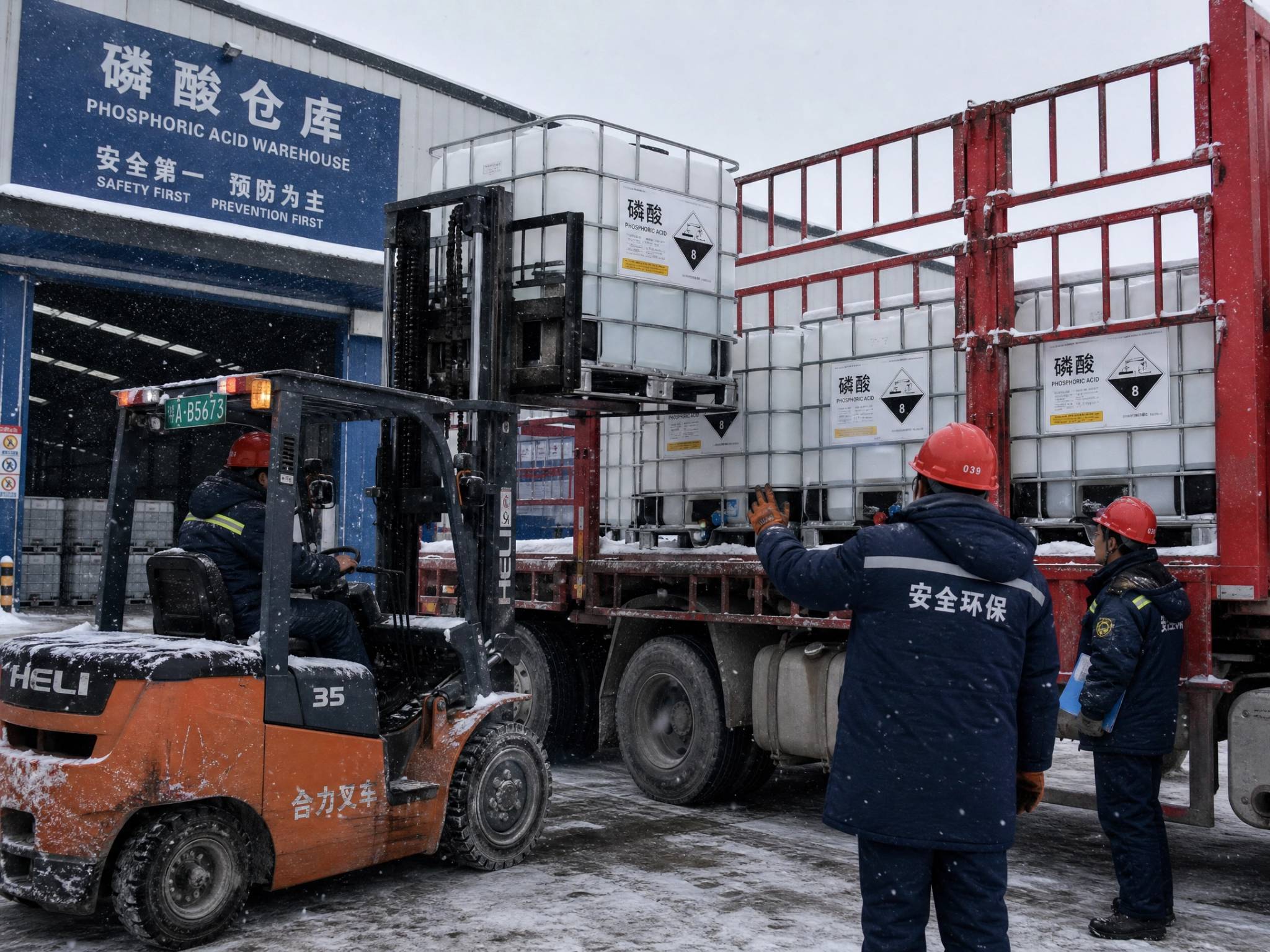
Choosing 75% phosphoric acid can simplify logistics in cold weather, avoiding crystallization issues.
Frequently Asked Questions (FAQs)
What is the main advantage of 85% phosphoric acid?
Its main advantage is its higher concentration of active H₃PO₄, meaning you get more pure acid per unit of volume. This can be beneficial for applications requiring minimal water content or where a more potent reaction is desired.
Why is 75% phosphoric acid often preferred in colder climates?
75% phosphoric acid has a significantly lower freezing point (around -17.5°C or 0.5°F) compared to 85% phosphoric acid (around 21°C or 70°F). This makes it much less prone to crystallization and freezing in cold weather, simplifying storage and transport.
Does the concentration affect the purity of phosphoric acid?
No, the concentration (85% vs 75%) refers to the amount of H₃PO₄ in water. Purity, such as food-grade or technical-grade, is a separate specification that indicates the level of impurities like heavy metals. Both 75% and 85% concentrations can be produced to various purity grades.
Can 85% phosphoric acid be diluted to 75%?
Yes, 85% phosphoric acid can be diluted with deionized water to achieve a 75% concentration. However, this requires careful calculation and mixing to ensure accuracy and safety, and it adds an extra step to your process.
What are the safety considerations for handling both concentrations?
Both 85% and 75% phosphoric acid are corrosive liquids and require careful handling. This includes wearing appropriate personal protective equipment (PPE) such as gloves, eye protection, and protective clothing, ensuring good ventilation, and having spill containment procedures in place. The risks are similar, though 85% might be slightly more aggressive due to its higher concentration.
Conclusion: Making the Right Choice for Your Production
The decision between 85% and 75% phosphoric acid is not a one-size-fits-all answer. It hinges on a careful evaluation of your specific application, operational environment, logistical capabilities, and overall cost considerations. While 85% offers a higher concentration of active ingredient, its handling challenges, particularly related to its freezing point, can make 75% a more practical and economical choice for many industrial users.
By understanding the distinct properties and benefits of each concentration, you can make an informed decision that optimizes your production processes, minimizes operational risks, and ensures a consistent, reliable supply. Always consult with your supplier and review technical specifications to confirm the best fit for your unique needs.
Industrial Buyers: Next Steps for Sourcing Bulk Phosphoric Acid
What makes our Phosphoric Acid Better:
✅ Compliant with EU, UN, ISO Standards – No Legal Headaches
✅ Guaranteed 85% Concentration – Stability for your Processing Plant
✅ Extremely Low Impurities – Low Heavy Metals
✅ Batch-Specific COA Provided – Full Transparency per Shipment.
Download Our EU-approved Specifications.[ Food Grade or Industrial Grade]