


For industrial buyers, understanding the shelf life and storage stability of phosphoric acid is paramount. It’s not merely about an expiration date; it’s about maintaining the chemical’s integrity, purity, and effectiveness over time. Phosphoric acid, a cornerstone in numerous industries from agriculture to food and electronics, is generally considered a stable compound. However, its quality can be affected by various environmental factors if not stored correctly. Degradation or contamination can lead to compromised product performance, operational inefficiencies, and even safety risks.
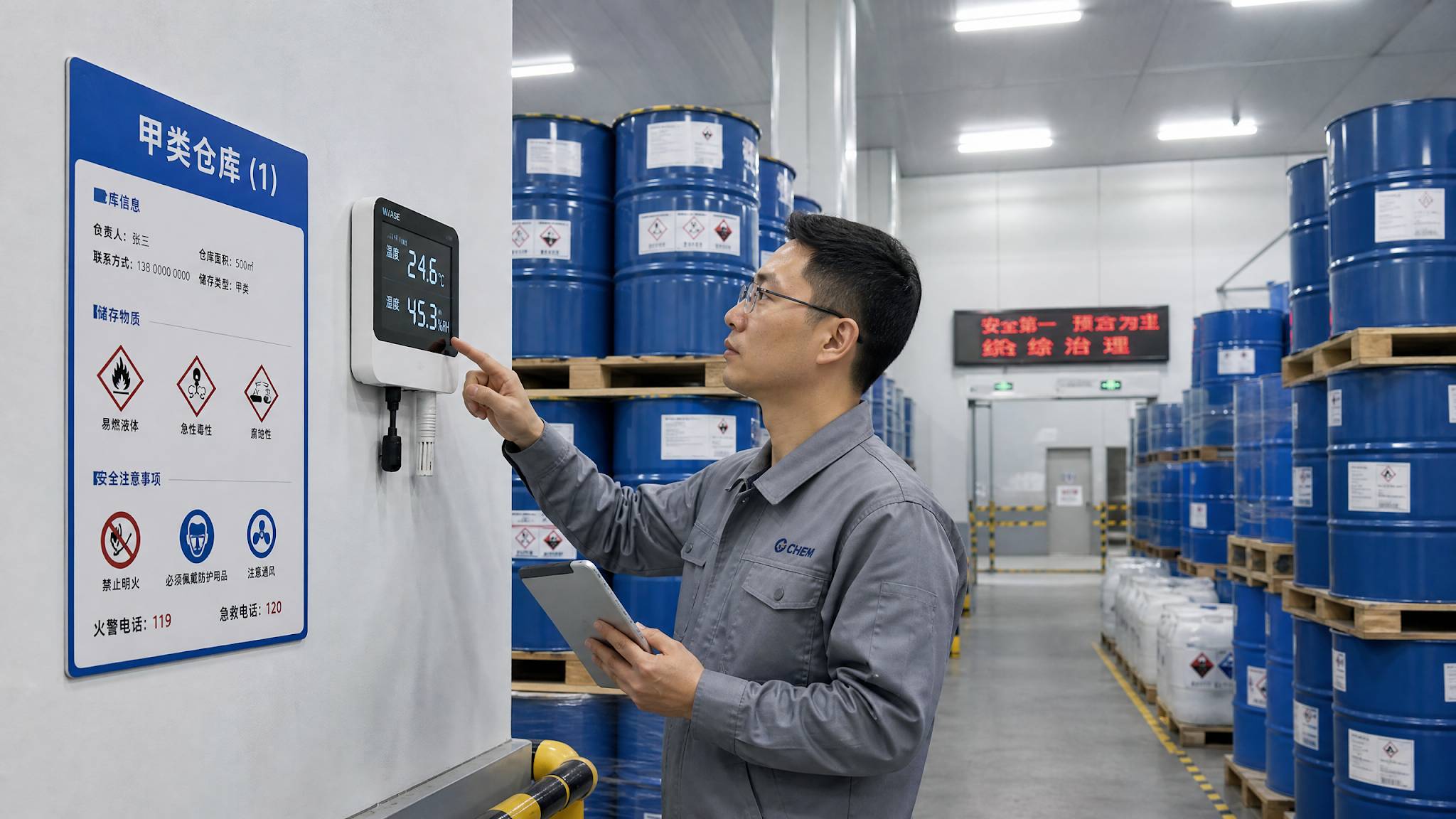
Monitoring environmental conditions is crucial for maintaining chemical stability.
This technical guide delves into the factors influencing phosphoric acid’s shelf life, outlines optimal storage conditions, and provides best practices to ensure your bulk supply remains in peak condition. By implementing these strategies, you can safeguard your investment and maintain consistent quality in your processes.
Factors Influencing Phosphoric Acid Shelf Life
While phosphoric acid is inherently stable, its usable shelf life can be influenced by several key factors. These are primarily physical rather than chemical, as phosphoric acid itself is not prone to thermal or photochemical decomposition.
Key Influencing Factors:
- Concentration: Highly concentrated solutions (e.g., 85%) have a lower freezing point (around 21°C or 70°F) compared to more dilute solutions. If stored below this temperature, the acid can crystallize. While crystallization doesn’t typically affect chemical purity, it can make handling difficult and require reheating, which consumes energy and time.
- Temperature Fluctuations: Extreme temperature variations can lead to moisture absorption or evaporation, altering the concentration of the acid. Consistent, moderate temperatures are ideal.
- Container Material: Phosphoric acid is corrosive. The choice of storage container material is critical to prevent contamination from leaching and to ensure the structural integrity of the container. Incompatible materials can lead to corrosion, product discoloration, and impurity introduction.
- Exposure to Air/Moisture: Although phosphoric acid is not highly volatile, prolonged exposure to open air can lead to water absorption, diluting the product. Conversely, in very dry conditions, some water might evaporate, increasing concentration. Keeping containers tightly closed is essential.
- Impurities: Even in high-purity grades, trace impurities can sometimes react over very long periods or under adverse conditions, though this is less common for phosphoric acid itself.

Crystallization can occur in concentrated phosphoric acid at lower temperatures.
Optimal Storage Conditions: Maximizing Longevity
To ensure your phosphoric acid maintains its quality and extends its shelf life, adhering to optimal storage conditions is non-negotiable. These conditions are designed to mitigate the factors that can lead to degradation or handling issues.
Recommended Storage Environment:
- Temperature Control: Store phosphoric acid between 10°C and 25°C (50°F and 77°F). This range prevents crystallization in concentrated solutions and minimizes concentration drift due to evaporation or absorption.
- Ventilation: Store in a well-ventilated area to prevent the accumulation of corrosive vapors, especially if there’s any chance of leakage.
- Dry Environment: Keep the storage area dry to prevent external moisture from affecting containers or the product itself.
- Protection from Direct Sunlight: While not light-sensitive, direct sunlight can contribute to temperature fluctuations. Store in a shaded area or opaque containers.
- Segregation: Store phosphoric acid away from incompatible materials, such as strong bases, metals (which can react to produce flammable hydrogen gas), and oxidizing agents. Refer to the Phosphoric Acid Safety and Handling Guide for a comprehensive list of incompatibilities.

Camachem welcomes international customers for face-to-face factory visits and quality verification
Table: Phosphoric Acid Storage Guidelines Summary
| Factor | Optimal Conditions | Impact of Deviation |
| Temperature | 10°C to 25°C (50°F to 77°F) | Below 10°C: Crystallization (especially 85% concentration); Above 25°C: Increased evaporation/moisture absorption. |
| Ventilation | Well-ventilated area | Poor ventilation: Accumulation of corrosive vapors. |
| Humidity | Dry environment | High humidity: Moisture absorption, dilution; Low humidity: Evaporation, increased concentration. |
| Light | Protected from direct sunlight | Direct sunlight: Temperature fluctuations. |
| Container | HDPE, PP, PVC, 316L Stainless Steel, FRP with liners | Incompatible materials: Corrosion, contamination, container failure. |
| Segregation | Away from strong bases, metals, oxidizing agents | Contact with incompatibles: Hazardous reactions, flammable gas production. |
Need Help Sourcing Bulk Phosphoric Acid In 2026?
Get a Free Phosphoric Acid Specification Sheet (Food & Industrial Grade).
WhatsApp Us for Free a Consultation
Container Material Compatibility: A Critical Choice
The material of your storage containers directly impacts the long-term stability and purity of phosphoric acid. Choosing the wrong material can lead to corrosion, product contamination, and container failure. Phosphoric acid is corrosive, especially at higher concentrations and temperatures.
Compatible Materials:
- Plastics: High-density polyethylene (HDPE), polypropylene (PP), and PVC are commonly used for drums and IBC totes, offering good resistance to phosphoric acid. However, ensure they are rated for the specific concentration and temperature.
- Stainless Steel: Certain grades of stainless steel, particularly 316L, offer excellent corrosion resistance. However, 304 stainless steel may be suitable for lower concentrations or specific conditions. Always consult a material compatibility chart.
- Fiberglass Reinforced Plastic (FRP): Often used for large storage tanks, FRP with appropriate liners provides robust resistance.
- Glass: Suitable for laboratory-scale storage due to its inertness, but impractical for bulk quantities.
Materials to Avoid:
- Carbon Steel: Highly susceptible to corrosion by phosphoric acid.
- Aluminum: Reacts with phosphoric acid.
- Copper and its Alloys: Can be corroded by phosphoric acid.
For more detailed information on packaging options, refer to our guide on Phosphoric Acid Packaging for Bulk Orders.
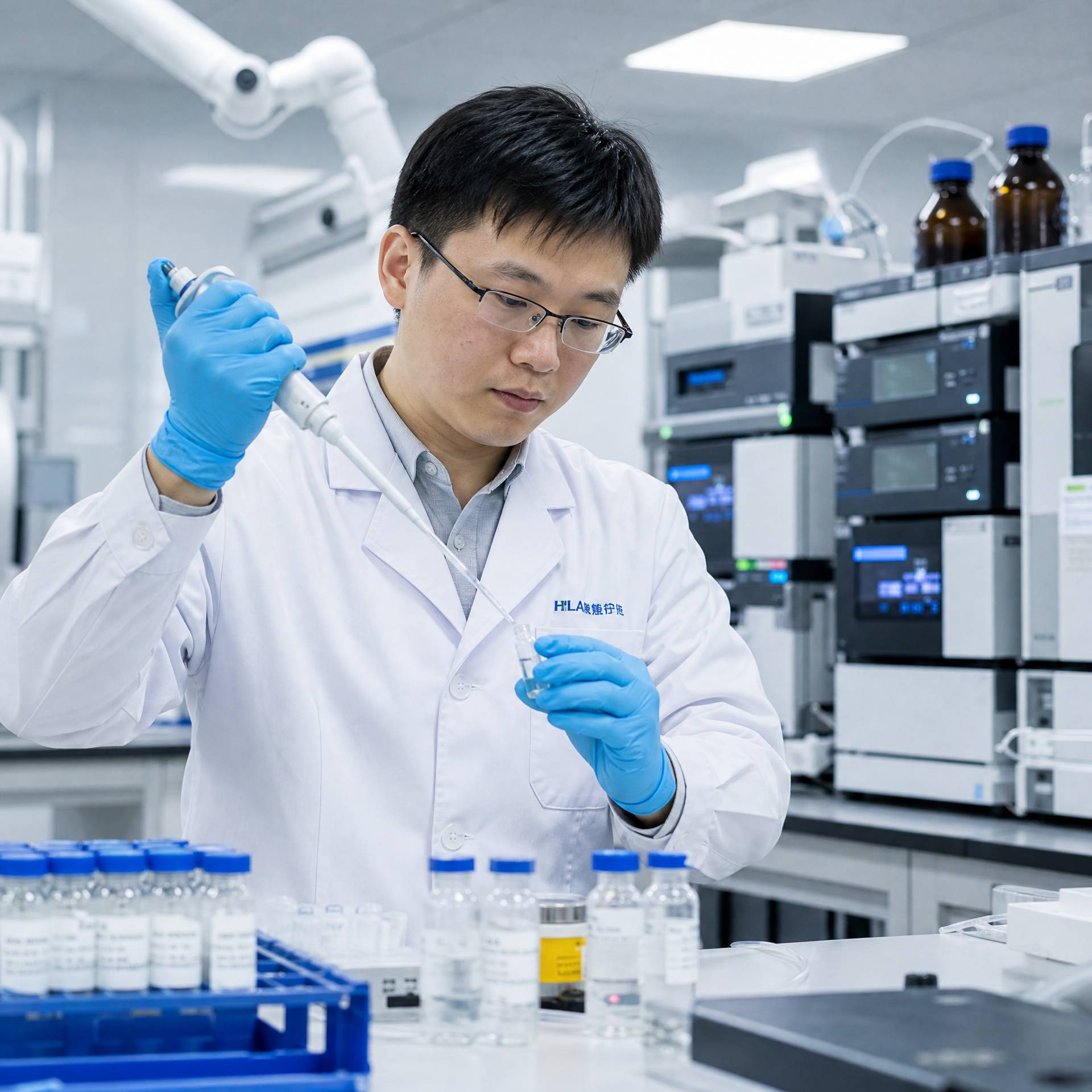
Laboratory testing is essential to confirm the long-term stability of phosphoric acid.
Monitoring and Quality Control: Proactive Management
Even with optimal storage conditions, proactive monitoring and quality control are essential to ensure the phosphoric acid remains within specifications throughout its storage period. This is particularly important for critical applications where even minor deviations can have significant impacts.
Best Practices for Monitoring:
- Regular Inspections: Periodically inspect containers for signs of corrosion, leakage, or damage. Check labels for legibility and ensure proper sealing.
- Batch Tracking: Implement a robust inventory management system that tracks each batch, including its manufacturing date, Certificate of Analysis (CoA), and recommended retest date.
- Retesting: For long-term storage, consider periodic retesting of samples to confirm purity and concentration. This is especially important if the product is approaching its recommended shelf life or if storage conditions have been less than ideal.
- Environmental Monitoring: Continuously monitor temperature and humidity in storage areas, especially for large-scale operations, to ensure they remain within acceptable ranges.

IBC totes provide efficient and safe storage for bulk phosphoric acid.
https://www.youtube.com/shorts/pJHnazY4JLc
Frequently Asked Questions (FAQs)
Q1: Does phosphoric acid expire?
Phosphoric acid itself is a very stable compound and does not chemically degrade or expire in the traditional sense. However, its usable shelf life can be limited by physical changes like crystallization (in concentrated solutions at low temperatures) or changes in concentration due to moisture absorption/evaporation if not stored under optimal conditions. Most suppliers provide a recommended retest date rather than an expiration date.
Q2: What is the ideal storage temperature for phosphoric acid?
The ideal storage temperature for phosphoric acid is typically between 10°C and 25°C (50°F and 77°F). This range helps prevent crystallization in concentrated solutions and minimizes concentration changes due to environmental factors.
Q3: Can phosphoric acid crystallize?
Yes, concentrated phosphoric acid solutions, particularly 85%, can crystallize if stored at temperatures below their freezing point (around 21°C or 70°F). While crystallization does not affect the chemical purity, it can make the product difficult to handle. The crystals can be redissolved by gently warming the container.
Q4: What types of containers are suitable for storing phosphoric acid?
Suitable containers for phosphoric acid include those made from high-density polyethylene (HDPE), polypropylene (PP), PVC, 316L stainless steel, or fiberglass reinforced plastic (FRP) with appropriate liners. It is crucial to avoid carbon steel, aluminum, and copper alloys due to corrosion risks.
Q5: How can I prevent contamination of phosphoric acid during storage?
To prevent contamination, always store phosphoric acid in tightly sealed, compatible containers in a clean, dry, and well-ventilated area. Keep it segregated from incompatible chemicals. Regular inspections and proper inventory management, including batch tracking, also help maintain product integrity.
Conclusion: A Stable Investment with Proper Care
Phosphoric acid, when managed correctly, offers excellent shelf life and storage stability. By understanding the factors that influence its quality and implementing robust storage and monitoring protocols, industrial buyers can ensure their supply remains pure, effective, and safe for use. Investing in proper storage infrastructure and diligent quality control practices is not an expense, but a strategic decision that protects your operations, product quality, and bottom line. A stable chemical supply chain begins with stable storage.
Industrial Buyers: Next Steps for Sourcing Bulk Phosphoric Acid
What makes our Phosphoric Acid Better:
✅ Compliant with EU, UN, ISO Standards – No Legal Headaches
✅ Guaranteed 85% Concentration – Stability for your Processing Plant
✅ Extremely Low Impurities – Low Heavy Metals
✅ Batch-Specific COA Provided – Full Transparency per Shipment.
Download Our EU-approved Specifications.[ Food Grade or Industrial Grade]