


China has firmly established itself as a global powerhouse in the production and export of phosphoric acid. For industrial buyers worldwide, the Chinese market offers an attractive combination of competitive pricing, massive production capacity, and a well-developed logistics infrastructure. However, for the uninitiated, navigating this vast landscape can be fraught with potential pitfalls. The primary concern for any buyer, especially those new to international procurement, is ensuring the purity and quality of the chemical they receive.

Rigorous quality testing ensures high-purity phosphoric acid from Chinese manufacturers
Low purity or adulterated phosphoric acid can lead to significant operational issues, from compromised product quality to equipment damage and even safety hazards. This guide is designed to empower you with the knowledge and strategies needed to source phosphoric acid from China with confidence. We’ll explore how to mitigate risks and ensure that your first import—and every one thereafter—meets your exact purity requirements.
Understanding the Purity Landscape: Grades and Specifications
The first step in securing high-purity phosphoric acid is to clearly define what you need. Phosphoric acid comes in various grades, each tailored for specific industrial applications. Misunderstanding these grades is a common source of quality issues. For instance, using industrial grade phosphoric acid in a process that requires food grade phosphoric acid can have disastrous consequences.
Our Industrial Buyer’s Guide to Bulk Phosphoric Acid (2026 Update) provides a detailed breakdown of these grades. Before engaging with any supplier, ensure you have a comprehensive specification sheet that outlines your exact requirements.
How to Ensure Purity from the Start:
- Detailed Specifications: Don’t just ask for “85% phosphoric acid.” Specify impurity limits, heavy metal content, and other relevant parameters specific to your industry.
- Certificate of Analysis (CoA): Demand a batch-specific CoA for every shipment. This document, issued by the manufacturer, details the chemical composition and purity. Cross-reference it with your specifications.
- Third-Party Testing: For critical applications or new suppliers, consider independent third-party laboratory testing of samples before shipment and upon arrival. This provides an unbiased verification of purity.
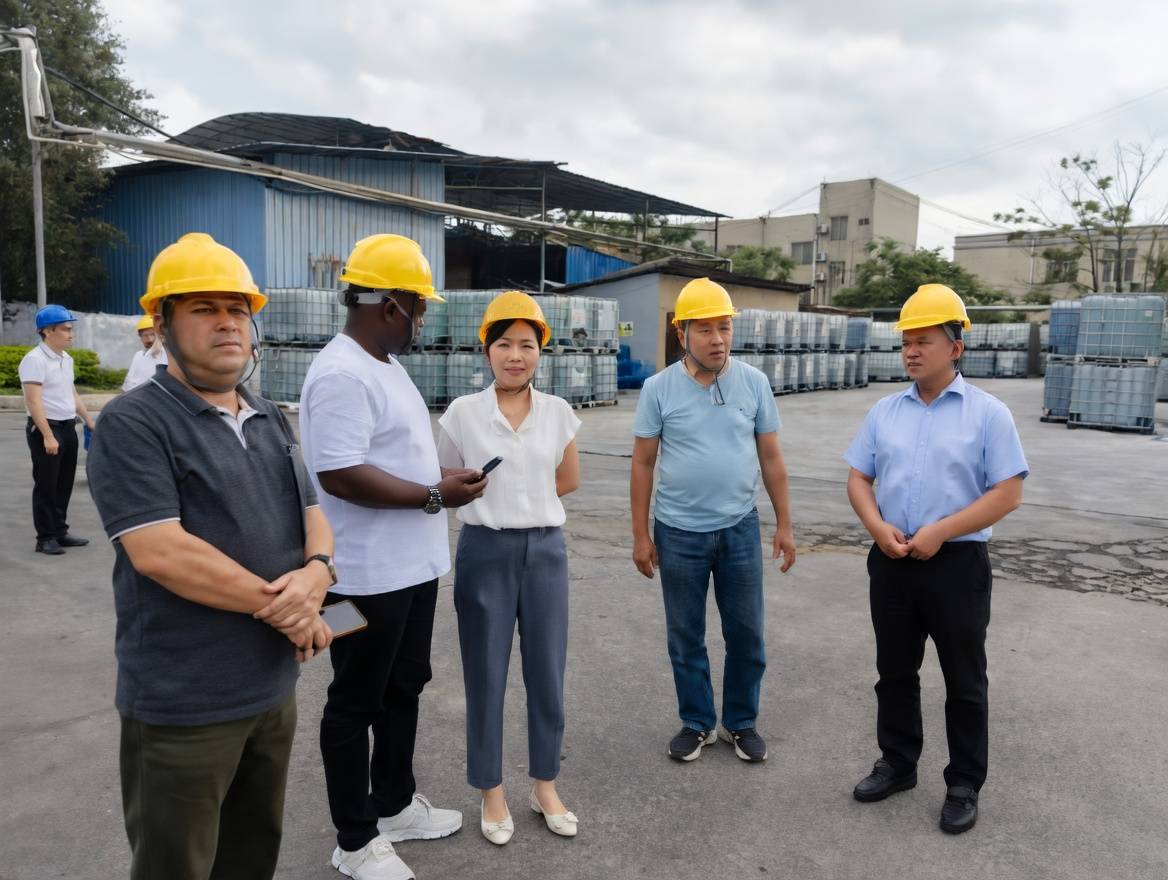
Visiting a supplier’s facility can provide valuable insights into their production processes and quality control measures.
Supplier Verification: Your First Line of Defense
Before you even think about placing an order, thoroughly vetting your potential supplier is paramount. This isn’t just about finding a company; it’s about finding a reliable partner. A strong verification process can mitigate most risks associated with international trade.
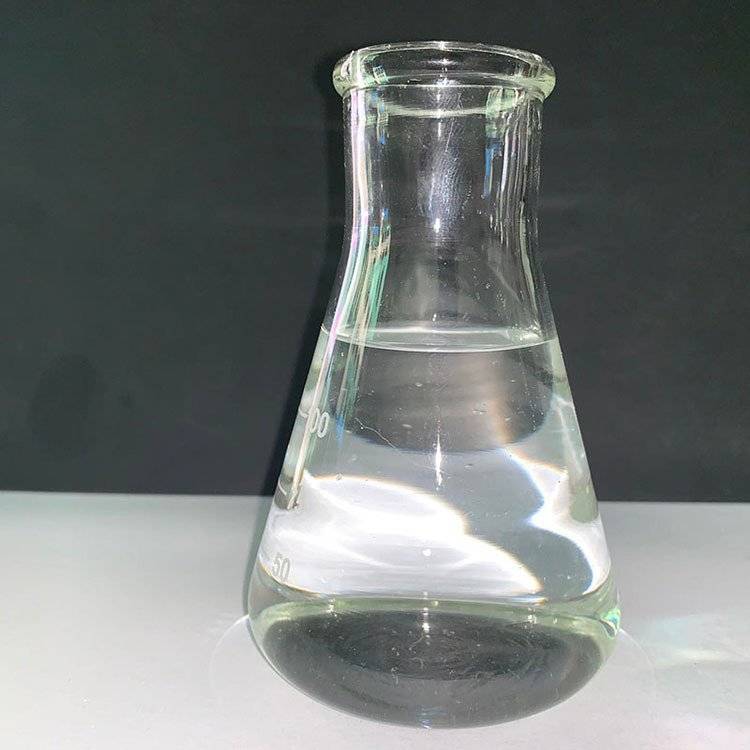
High-purity 85% phosphoric acid ready for industrial applications
Key Verification Steps:
1. Business License and Registration:
Request a copy of their business license and verify its authenticity with relevant Chinese government databases. This confirms they are a legitimate entity.
2. Certifications:
Look for internationally recognized certifications like ISO 9001 (Quality Management) and ISO 14001 (Environmental Management). If importing to the EU, ensure they have REACH registration or an Only Representative (OR). Our guide on REACH & ISO Certification: What to Verify Before Buying Phosphoric Acid from China provides more details.
3. References and Track Record:
Ask for references from other international buyers or check their trade history on reputable B2B platforms.
4. Factory Audit:
If feasible, conduct a factory audit or hire a third-party inspection company to visit the facility. This provides firsthand insight into their production capabilities, quality control, and operational standards.
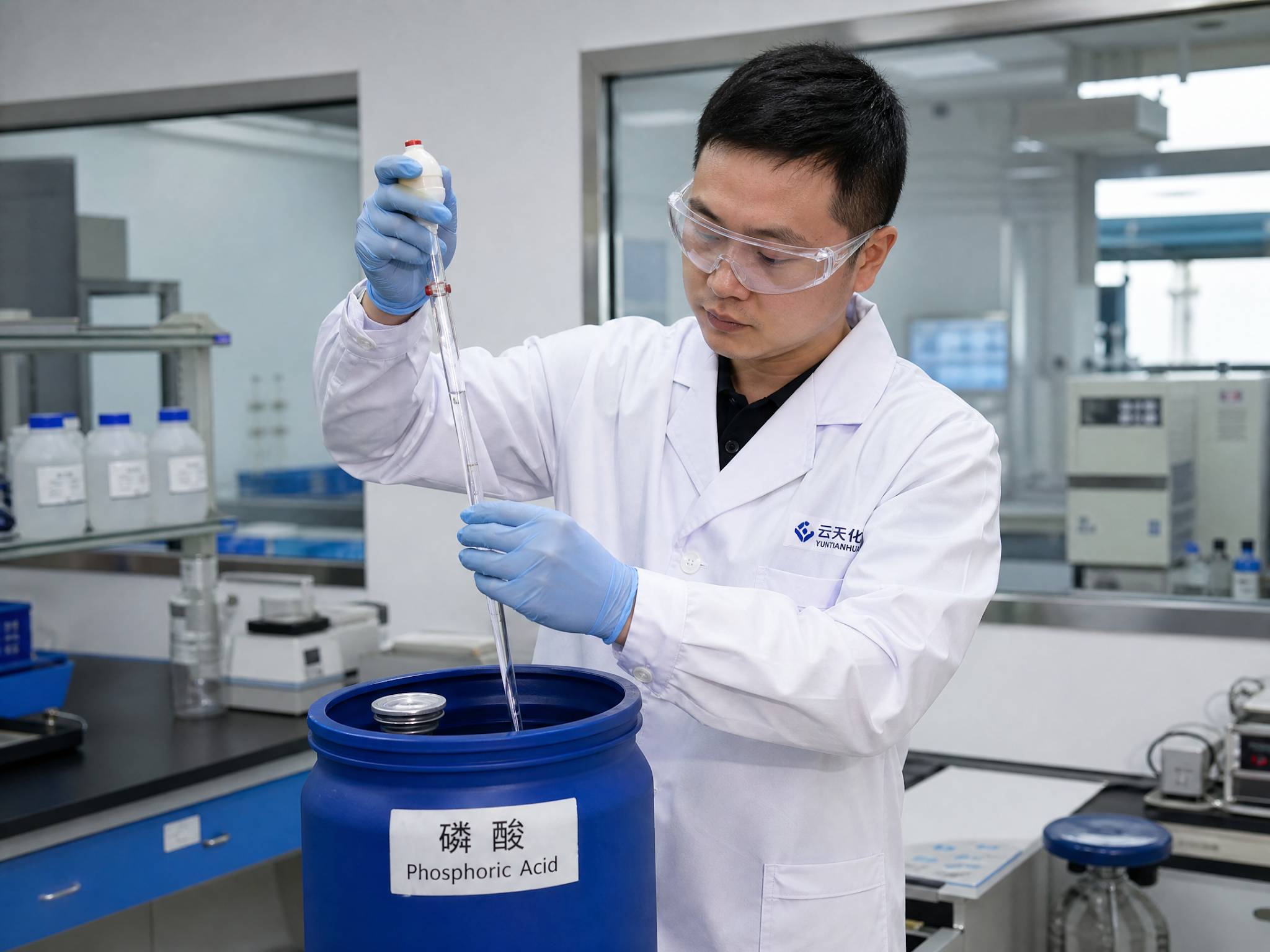
A quality control technician meticulously collecting a sample for purity testing.
Need Help Sourcing Bulk Phosphoric Acid In 2026?
Get a Free Phosphoric Acid Specification Sheet (Food & Industrial Grade).
WhatsApp Us for Free a Consultation
Logistics and Shipping: Ensuring Safe and Timely Delivery
Importing chemicals involves complex logistics. Phosphoric acid is classified as a corrosive material (UN 1805, Class 8), requiring specialized handling and packaging. Understanding the shipping process is crucial to avoid delays, damage, and regulatory issues.
Essential Logistics Considerations:
- Packaging: Discuss packaging options like drums, IBC totes, or ISO tanks. Each has its advantages depending on volume and destination. Our blog on Phosphoric Acid Packaging for Bulk Orders offers a detailed comparison.
- Incoterms: Clearly define Incoterms (e.g., FOB, CIF, EXW) in your contract. This specifies who is responsible for shipping costs, insurance, and risk at each stage of the journey.
- Customs and Documentation: Ensure all necessary export/import licenses, Material Safety Data Sheets (MSDS), and Certificates of Origin are prepared correctly. Errors can lead to significant delays and penalties.
- Freight Forwarder: Partner with an experienced freight forwarder specializing in hazardous materials. They can navigate customs, optimize routes, and ensure compliance.
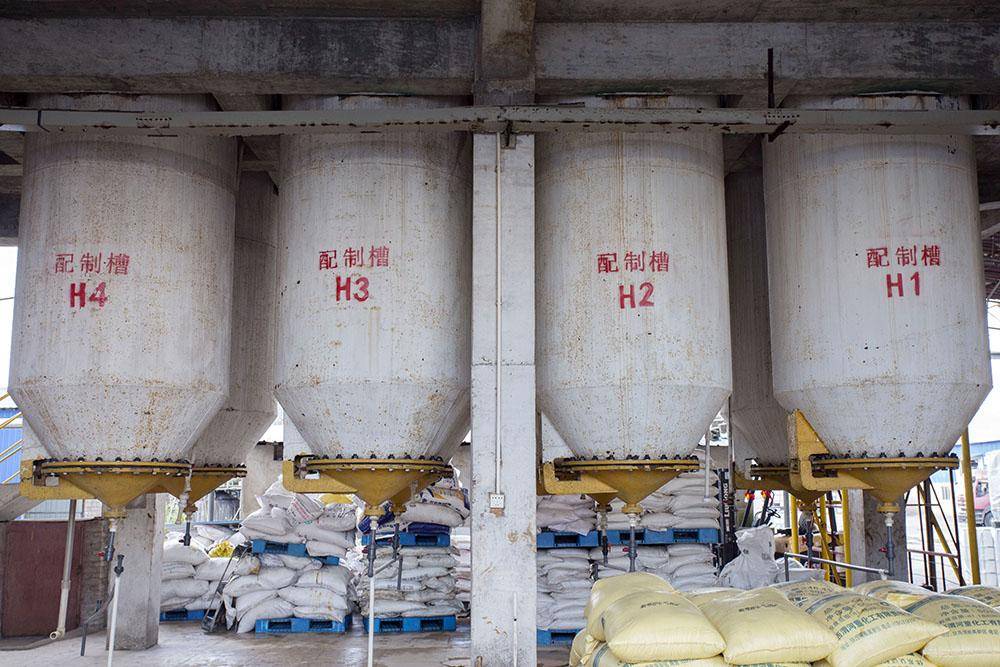
Advanced phosphoric acid production facility ensuring consistent quality and supply
Contract Negotiation and Payment Terms
A well-drafted contract is your legal safeguard. It should clearly outline product specifications, pricing, payment terms, delivery schedules, quality control procedures, and dispute resolution mechanisms. Don’t overlook the details, as they are crucial for a successful partnership.
Key Contractual Elements:
- Payment Security: For first-time imports, consider using Letters of Credit (LC) or escrow services to protect your payment until goods are verified.
- Inspection Clauses: Include clauses that allow for pre-shipment inspection by a third party.
- Penalty Clauses: Define penalties for late delivery or failure to meet quality standards.
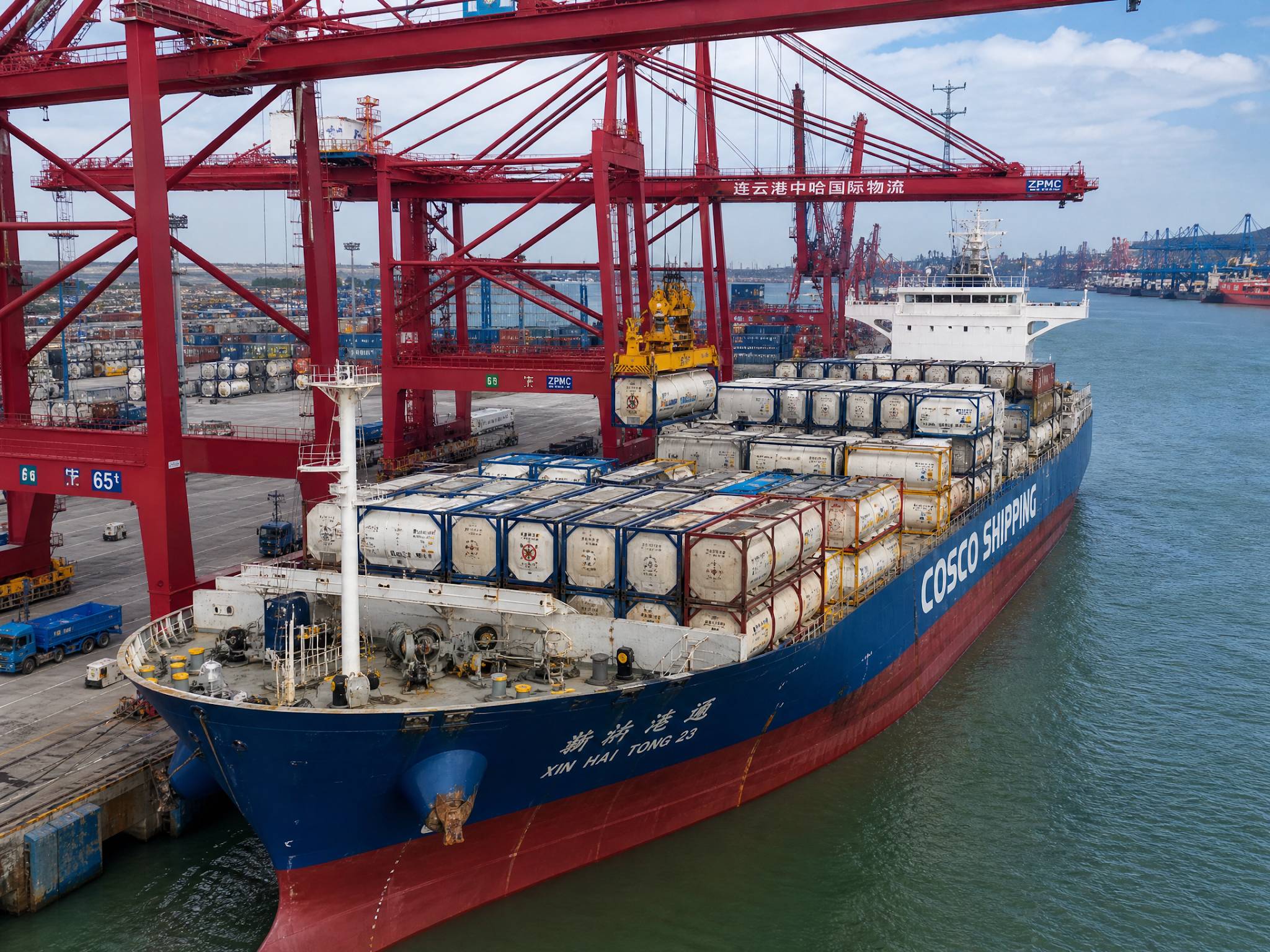
Efficient global shipping operations are crucial for the timely delivery of bulk phosphoric acid.
Building Long-Term Relationships
Successful importing from China isn’t just about a single transaction; it’s about building trust and fostering long-term relationships. A reliable supplier can become a valuable asset to your supply chain, providing stability and consistent quality.
- Clear Communication: Maintain open and transparent communication channels to resolve issues quickly.
- Fair Practices: Adhere to agreed-upon terms and be fair in negotiations to build mutual respect.
- Feedback: Provide constructive feedback to help your supplier improve their products and services.
Frequently Asked Questions (FAQs)
Q1: What are the biggest risks when buying phosphoric acid from China?
The biggest risks include receiving low-purity or adulterated products, encountering fraudulent suppliers, experiencing shipping delays or damage, and facing customs issues due to incorrect documentation. Proper verification and due diligence can mitigate these risks.
Q2: How can I ensure the purity of phosphoric acid imported from China?
To ensure purity, always provide detailed specifications, request a batch-specific Certificate of Analysis (CoA), and consider independent third-party laboratory testing of samples both before shipment and upon arrival. Thorough supplier vetting is also crucial.
Q3: What certifications should a Chinese phosphoric acid supplier have?
Look for suppliers with ISO 9001 (Quality Management) and ISO 14001 (Environmental Management) certifications. If importing to the EU, ensure they have valid REACH registration or an Only Representative (OR) in place. Verify these certifications independently.
Q4: What role do Incoterms play in importing chemicals from China?
Incoterms (International Commercial Terms) define the responsibilities of the buyer and seller for shipping costs, insurance, and risk transfer at various stages of the journey. Clearly defining Incoterms in your contract prevents misunderstandings and disputes during the shipping process.
Q5: Should I visit the supplier’s factory in China?
While not always feasible, conducting a factory audit or hiring a third-party inspection company to visit the facility is highly recommended, especially for large or critical orders. It provides invaluable firsthand insight into the supplier’s production capabilities, quality control, and overall operational standards.
Conclusion: Import with Confidence
Buying phosphoric acid from China, even for the first time, can be a highly successful venture when approached strategically. By prioritizing thorough supplier verification, demanding stringent quality control, understanding logistics, and securing your transactions with robust contracts, you can mitigate risks and ensure a consistent supply of high-purity phosphoric acid. Remember, diligence today prevents costly problems tomorrow. Equip yourself with knowledge, choose your partners wisely, and import with confidence.
Industrial Buyers: Next Steps for Sourcing Bulk Phosphoric Acid
What makes our Phosphoric Acid Better:
✅ Compliant with EU, UN, ISO Standards – No Legal Headaches
✅ Guaranteed 85% Concentration – Stability for your Processing Plant
✅ Extremely Low Impurities – Low Heavy Metals
✅ Batch-Specific COA Provided – Full Transparency per Shipment.
Download Our EU-approved Specifications.[ Food Grade or Industrial Grade]