


Phosphoric acid (H₃PO₄) stands as a cornerstone chemical in numerous industrial sectors worldwide. From enriching agricultural soils to enhancing the flavor of popular beverages, its versatility makes it indispensable. As global industries continue to evolve, understanding the dynamics of the bulk phosphoric acid market becomes crucial for industrial buyers seeking reliable and cost-effective supply.

Professional chemists showcasing high-purity phosphoric acid in a modern laboratory setting.
This comprehensive guide provides an in-depth look into the world of bulk phosphoric acid, offering insights into its diverse applications, current market trends, pricing forecasts for 2026, and critical considerations for procurement. Whether you are a seasoned buyer or new to the chemical procurement landscape, this resource aims to equip you with the knowledge needed to make informed decisions.
What is Phosphoric Acid and Why is it So Vital?
Phosphoric acid is a colorless, odorless, and non-volatile mineral acid. It is typically encountered as a viscous liquid or a crystalline solid. Its chemical structure, featuring a central phosphorus atom bonded to four oxygen atoms, gives it unique properties that are highly valued across various industries. The acid is generally produced through two main methods: the wet process, which involves treating phosphate rock with sulfuric acid, and the thermal process, which burns elemental phosphorus to produce phosphorus pentoxide, which is then hydrated.
Key Chemical Properties
- Chemical Formula: H₃PO₄
- Molar Mass: 97.99 g/mol
- Appearance: Colorless, viscous liquid or crystalline solid
- Solubility: Highly soluble in water
- Acidity: Triprotic acid, meaning it can donate three protons (H⁺ ions) in solution, making it a moderately strong acid.
Grades of Phosphoric Acid
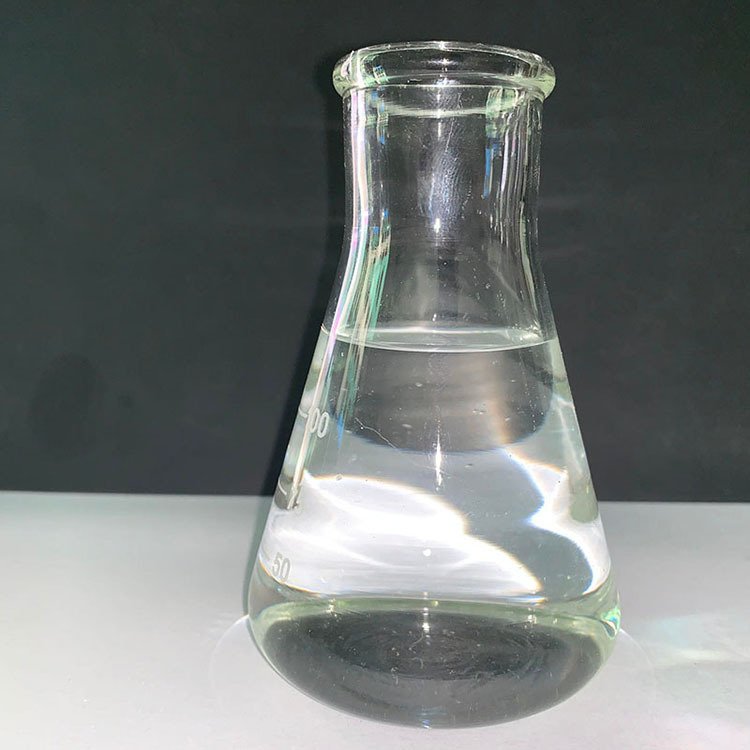
Standard 85% technical grade phosphoric acid in laboratory glassware.
The application of phosphoric acid often dictates the required purity level, leading to various commercial grades:
- Technical Grade: This is the most common form, used in industrial applications where high purity is not strictly necessary. It typically contains impurities that do not interfere with its intended use.
- Food Grade (E338): A highly purified form of orthophosphoric acid approved for use as a food additive in beverages and processed foods.
- Agricultural Grade: Primarily used in the production of phosphate fertilizers, this grade may contain some impurities but is suitable for agricultural applications.
- Pharmaceutical Grade: The highest purity grade, used in pharmaceutical formulations and certain high-tech applications where even trace impurities can be detrimental.
Key Industrial Applications of Phosphoric Acid
The widespread utility of phosphoric acid stems from its unique chemical properties, making it a critical component in a multitude of industrial processes. Its applications span across agriculture, food, metal treatment, and more.
Fertilizer Production: Fueling Global Agriculture

Phosphoric acid-based fertilizer being applied to boost crop growth and soil nutrition.
Fertilizer production is by far the largest application for phosphoric acid, representing the vast majority of global demand. It is a primary source of phosphorus, an essential nutrient for plant growth. Phosphoric acid is converted into various phosphate salts, such as monoammonium phosphate (MAP), diammonium phosphate (DAP), and triple superphosphate (TSP), which are then used to enrich agricultural soils and boost crop yields. This application is vital for global food security.
Food and Beverage Industry: Enhancing Taste and Preservation
In the food and beverage sector, food-grade phosphoric acid (E338) serves multiple purposes:
- Acidulant: It provides a tart, tangy flavor to soft drinks, jams, and other food products.
- Preservative: Its acidic nature inhibits the growth of bacteria and molds, extending the shelf life of foods.
- Buffering Agent: It helps maintain a stable pH level in processed foods.
For more details on its role in food, you can explore resources on food-grade phosphoric acid uses.
Metal Treatment: Rust Removal and Surface Preparation

Phosphoric acid plays a key role in rust removal and metal surface preparation before welding.
Phosphoric acid is highly effective in metal treatment processes, particularly for:
- Rust Removal: It reacts with iron oxides (rust) to form iron phosphate, a black, protective coating that prevents further corrosion. This is a common application in automotive and manufacturing industries.
- Metal Passivation: It creates a passive layer on metal surfaces, enhancing their corrosion resistance.
- Surface Preparation: It is used to clean and prepare metal surfaces before painting or coating, ensuring better adhesion and durability.
Detergents and Cleaning Agents: Powerful Cleaning Solutions
Due to its ability to chelate metal ions and its acidic properties, phosphoric acid is an active ingredient in many cleaning products. It is used in:
- Household Cleaners: Especially in bathroom and toilet bowl cleaners, where it effectively removes mineral deposits and rust stains.
- Industrial Cleaners: For descaling and cleaning equipment in various industries.
- Detergents: It acts as a builder, improving the efficiency of detergents by softening water and preventing redeposition of dirt.
Other Industrial Applications
Beyond these major uses, phosphoric acid finds application in:
- Water Treatment: As a pH adjuster and for scale inhibition.
- Semiconductor Manufacturing: In etching processes for electronic components.
- Activated Carbon Production: As an activating agent.
- Pharmaceuticals: In various formulations and as a pH regulator.
Global Market Trends and Forecast for Bulk Phosphoric Acid (2026 Update)
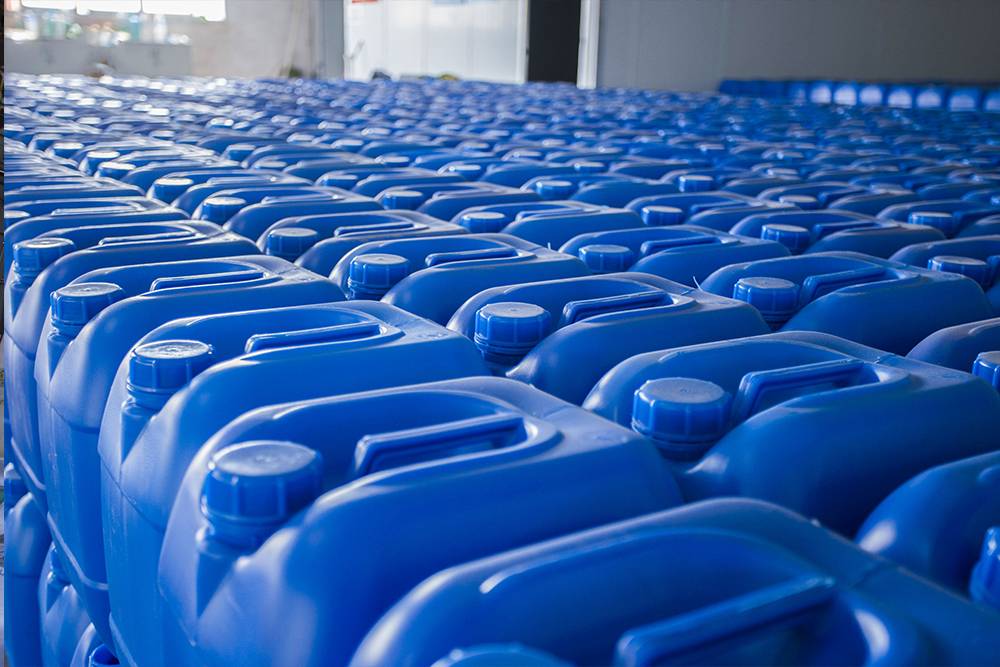
Industrial bulk packaging of phosphoric acid ready for global shipment and distribution.
The global phosphoric acid market is a dynamic landscape, influenced by agricultural demand, industrial growth, and geopolitical factors. Recent analyses indicate a steady growth trajectory, with significant shifts in regional consumption and production.
Market Size and Growth Projections
According to various market research reports, the global phosphoric acid market is poised for continued expansion:
- The market size is projected to grow from approximately $40.94 billion in 2026 to $59.37 billion by 2034, exhibiting a Compound Annual Growth Rate (CAGR) of 4.70%.
- Another estimate places the market at $56.71 billion by 2026, with a trajectory towards $84.73 billion by 2035.
- In terms of volume, the market is projected to reach 100.76 million tons in 2026, growing to 124.07 million tons by 2031
.These figures underscore the robust demand for phosphoric acid, driven by its essential role in key industries.
Key Market Drivers
Several factors are propelling the growth of the phosphoric acid market:
- Increasing Global Food Demand: The rising global population necessitates higher agricultural output, directly increasing the demand for phosphate fertilizers.
- Growth in Processed Food Industry: The expanding food and beverage sector, particularly in emerging economies, fuels the demand for food-grade phosphoric acid as an additive and preservative.
- Industrialization in Developing Regions: Rapid industrial growth in Asia-Pacific and other developing regions drives the need for phosphoric acid in metal treatment, detergents, and other chemical processes.
- Technological Advancements: Innovations in production processes and new applications continue to open up new avenues for phosphoric acid consumption.
Regional Dynamics
The Asia-Pacific region remains a dominant force in both the production and consumption of phosphoric acid, largely due to its extensive agricultural sector and burgeoning industrial base. North America and Europe also represent significant markets, with a focus on specialized and high-purity grades.
Need Help Sourcing Bulk Phosphoric Acid In 2026?
Contact our team today for a quotation, free sample, and zinc chloride specification guide.
WhatsApp Us for Free a Consultation
Pricing and Supply Chain Insights for 2026
The bulk phosphoric acid price 2026 outlook depends on phosphate rock costs, sulfuric acid availability, freight rates, and regional fertilizer demand. Industrial buyers comparing phosphoric acid price per ton should also consider grade, packaging, and purity. Understanding these factors is crucial for buyers to anticipate market fluctuations and optimize procurement strategies.
Recent Price Movements (Early 2026)
Early 2026 has seen a moderation in phosphoric acid prices after a period of volatility in late 2025. This stabilization is attributed to easing feedstock costs and shifting fertilizer demand. Regional price corrections were observed:
- Africa: Recorded a slight decline.
- Northeast Asia: Experienced a downward correction.
- Europe and North America: Also saw prices cool down, reflecting improved supply chain efficiency
Factors Influencing Price
- Raw Material Costs: The price of phosphate rock and sulfuric acid, key raw materials, directly impacts phosphoric acid production costs.
- Energy Prices: The energy-intensive nature of phosphoric acid production means that fluctuations in electricity and fuel costs significantly affect overall pricing. In early 2026, rising energy costs increased processing expenses by 15-20% year-on-year, sustaining global price levels.
- Supply-Demand Balance: Global agricultural cycles, industrial output, and export restrictions can create imbalances that lead to price volatility.
- Geopolitical Factors: Trade policies, tariffs, and international relations can also influence the availability and pricing of phosphoric acid.
Supply Chain Considerations
Efficient logistics and robust packaging are paramount for the safe and timely delivery of bulk phosphoric acid. Suppliers often utilize specialized containers and moisture-resistant packaging to ensure product integrity during transit across global markets. Buyers should consider a supplier’s global shipping network and logistical capabilities when making procurement decisions.
Phosphoric Acid in Industrial Applications: See it in Action!
Want to see how Phosphoric Acid is used in a real industrial setting? Check out this short video. It demonstrates its crucial role in the metal treatment process.
Choosing a Bulk Phosphoric Acid Supplier: A Buyer’s Guide
Selecting the right supplier for bulk phosphoric acid is a critical decision that impacts product quality, operational efficiency, and cost-effectiveness. Industrial buyers should evaluate potential partners based on several key criteria.
Quality and Purity Specifications
Ensuring the phosphoric acid meets the required purity and technical specifications for your specific application is paramount. Different grades are available, and selecting the appropriate one prevents operational issues and ensures product performance. Always request detailed Certificates of Analysis (CoAs) and verify compliance with international standards.
Reliability and Production Capacity
A reliable supplier with consistent production capacity is essential to avoid supply disruptions. Assess a supplier’s manufacturing capabilities, raw material sourcing, and track record for on-time delivery. Long-term partnerships with established manufacturers can offer greater stability.
Logistics and Global Reach
For bulk orders, especially for international procurement, a supplier’s logistical expertise and global shipping network are vital. Consider their ability to handle hazardous materials, provide appropriate packaging (e.g., IBC totes, drums, tank containers), and ensure efficient customs clearance and delivery to your location. A strong logistics team can significantly reduce lead times and shipping costs.
Technical Properties of Phosphoric Acid
For a quick reference, here are some key technical properties of phosphoric acid:
Typical Bulk Phosphoric Acid Specifications (Industrial Grade 85%)
| Property | Value |
| Chemical Formula | H₃PO₄ |
| CAS Number | 7664-38-2 |
| Typical Concentration | 85% |
| Molar Mass | 97.99 g/mol |
| Appearance | Clear, colorless viscous liquid |
| Density | 1.68–1.70 g/mL at 25°C |
| Melting Point | ~21°C for 85% solution |
| Boiling Point | ~158°C (decomposes) |
| UN Number | UN 1805 |
| Hazard Class | Class 8 Corrosive |
| Packing Group | III |
| Common Packaging | 35 kg drums, 330 kg drums, 1650 kg IBCs, ISO tank |
Conclusion:
The bulk phosphoric acid market is characterized by its foundational role in agriculture and diverse industrial applications. As we move further into 2026 and beyond, buyers must remain vigilant of market trends, pricing dynamics, and supply chain efficiencies. By prioritizing quality, reliability, and robust logistics, industrial buyers can secure a consistent and cost-effective supply of this vital chemical, ensuring the smooth operation and growth of their respective industries.
Industrial Buyers: Next Steps for Sourcing Bulk Phosphoric Acid
What makes our Phosphoric Acid Better:
✅ Compliant with EU, UN, ISO Standards – No Legal Headaches
✅ Guaranteed 85% Purity – Stability for your Processing Plant
✅ Extremely Low Impurities – Low Heavy Metals
✅ Batch-Specific COA Provided – Full Transparency per Shipment.
Download Our EU-approved Specifications.[ Food Grade or Industrial Grade]