


Quality assurance technicians verifying Certificate of Analysis (COA) documentation and test results for a chemical batch in a laboratory setting
When buying phosphoric acid in bulk, the supplier’s price is only one part of the decision.
Before making an advance payment, buyers should verify the product specification, batch quality, safety information, commercial terms, packaging, origin, inspection requirements, and shipping documents.
For example, an offer for 85% phosphoric acid may show the correct concentration, but that does not confirm the full impurity profile, batch quality, packaging, or shipping requirements. Procurement teams need enough documentation to confirm that the product being purchased matches the product that will actually arrive.
Whether you need Phosphoric Acid Food Grade for food-related manufacturing or Phosphoric Acid Industrial Grade for industrial processing, documentation should be reviewed before payment.
The key question is simple:
Do the supplier’s documents prove that the product, quality, commercial terms, and shipment all match your requirements?

Bulk phosphoric acid shipments require accurate product, logistics, and shipping documentation before cargo leaves the supplier.
What Product Quality Documents Should You Request Before Payment?
The first group of documents helps you confirm that the phosphoric acid meets your technical and quality requirements.
1. Certificate of Analysis (COA)
A Certificate of Analysis (COA) provides test results for a particular batch or lot of phosphoric acid.
It is one of the most important documents to review before approving a bulk shipment.
What Should a Phosphoric Acid COA Include?
Depending on the grade and application, check for:
- Product name.
- Batch or lot number.
- H₃PO₄ concentration.
- P₂O₅ content, where applicable.
- Iron.
- Aluminum.
- Fluoride.
- Sulfate.
- Calcium.
- Magnesium.
- Heavy metals.
- Specification limits.
- Actual test results.
- Test methods.
- Test or manufacturing date.
Do not rely only on a general product brochure. The COA should relate to the batch being supplied.

Batch testing helps buyers compare the actual product results with the agreed phosphoric acid specification.
Why Is the COA Important Before Payment?
A product described as 85% phosphoric acid tells you the concentration, but it does not by itself describe every impurity limit.
Two products can have the same concentration but different specifications for iron, fluoride, sulfate, or heavy metals.
Compare the COA with your approved product specification before accepting the shipment.
2. Safety Data Sheet (SDS/MSDS)
The Safety Data Sheet (SDS) provides information about chemical hazards, handling, storage, emergency response, and transportation.
Request the SDS for the actual product being supplied.

Industrial chemical production facility showing wet-process reaction and purification infrastructure for bulk phosphoric acid
What Should You Check in the SDS?
Review:
- Product identification.
- Chemical composition.
- Hazard information.
- Handling precautions.
- Storage conditions.
- Personal protective equipment.
- First-aid measures.
- Spill response.
- Incompatibilities.
- Transportation information.
- Supplier contact information.
The SDS should match the product and concentration being purchased.

Industrial conveyor and dryer assembly within a manufacturing plant producing phosphate products and chemical feedstocks
For an example of phosphoric acid safety documentation, buyers can review the Phosphoric Acid 85% SDS/MSDS.
Decision-Maker Insight:
A batch COA tells you what was tested. An SDS tells your team how the chemical should be handled. Neither document replaces the other. Request both before the shipment is approved.
3. Technical Data Sheet (TDS) or Product Specification
The Technical Data Sheet (TDS) defines the technical characteristics of the product.
The TDS should be compared with the specification in your purchase order.
What Should the Specification Include?
Depending on the grade, it may cover:
- Product name.
- Chemical formula.
- CAS number.
- H₃PO₄ concentration.
- P₂O₅ content.
- Appearance.
- Density.
- Impurity limits.
- Grade.
- Applicable standards.
- Packaging.
- Storage requirements.
Make Sure All Documents Match
The technical specification should be consistent with:
- Quotation.
- Purchase order.
- Proforma invoice.
- COA.
- Product label.
- Packing list.
- Shipping documents.
A mismatch between these documents can create problems during quality inspection, receiving, customs clearance, or payment approval.
Technical Note:
Concentration and grade are not the same thing. For example, 85% phosphoric acid describes concentration. Your specification must separately define the required grade and impurity limits for the intended application.
What Commercial and Shipping Documents Should You Check?
Quality documents tell you what the product is. Commercial and logistics documents tell you what you are buying, how it is packaged, and how it will be shipped.

Specialized chemical filtration and reaction equipment used for multi-stage purification of phosphoric acid
4. Proforma Invoice or Signed Commercial Order
The proforma invoice confirms the commercial terms before shipment.
This is especially important when the buyer must make an advance payment.
What Should You Check on the Proforma Invoice?
Confirm:
- Seller’s legal company name.
- Buyer information.
- Product name.
- Grade.
- Concentration.
- Quantity.
- Unit price.
- Total price.
- Currency.
- Packaging.
- Destination.
- Incoterm.
- Lead time.
- Payment terms.
- Deposit and balance requirements.
Why Does the Incoterm Matter?
The Incoterm defines important responsibilities between the buyer and seller, including costs and risks associated with transportation.
Before paying, make sure your purchasing team understands what is included in the quoted price.
5. Packing List and Packaging Details
The packing list provides information about how the cargo is packaged and prepared for shipment.
For bulk phosphoric acid, packaging can affect storage, unloading, handling, and receiving procedures.

Packaging details should be confirmed before shipment so the receiving facility can prepare for unloading and storage.
What Should You Verify?
Check:
- Packaging type.
- Number of packages.
- Net weight.
- Gross weight.
- Product quantity per package.
- Container quantity.
- Loading arrangement.
- Product labels.
- Shipping marks.
Depending on the order, phosphoric acid may be supplied in drums, IBCs, ISO tanks, or bulk formats.
6. Certificate of Origin and Export Documents
International bulk chemical shipments may require additional documentation for customs clearance and destination requirements.
What Should You Ask the Supplier For?
Depending on the shipment, confirm:
- Certificate of Origin.
- Commercial invoice.
- Packing list.
- HS code.
- Export documents.
- Dangerous-goods documents, where applicable.
- Import requirements.
- Required certificates or permits.
The buyer should confirm the country of origin and applicable destination requirements before the shipment is finalized.

Industrial chemical production complex featuring storage tanks and distillation towers for large-scale phosphoric acid manufacturing
Check the HS Code Before Shipment
The HS code should be checked against the import requirements of the destination market.
Do not assume that the supplier’s classification automatically resolves every customs requirement.
When Should You Request Inspection and Shipping Verification?
The final group of documents helps reduce uncertainty before the cargo is loaded and transported.
7. Third-Party Inspection or Pre-Shipment Test Report
A third-party inspection can provide an independent check of the shipment before loading.
It can be particularly useful for a new supplier, high-value order, strict specification, or sensitive application.
What Can a Third-Party Inspection Cover?
Depending on the inspection scope, it can cover:
- Product quantity.
- Packaging.
- Labels.
- Container condition.
- Sampling.
- Chemical composition.
- Concentration.
- Impurity levels.
- Loading process.
- Shipping documentation.
When Should You Consider Independent Inspection?
Consider it when:
- You are working with a new supplier.
- The shipment has a high value.
- Your specification is strict.
- Your application is sensitive to impurities.
- The supplier is overseas.
- Your company requires independent inspection.
Before the inspection begins, agree on the sampling method, laboratory, test parameters, acceptance limits, and retesting process.

Laboratory researcher performing precise liquid volumetric analysis and chemical reagent preparation
8. Draft or Final Shipping Documents
Shipping documents provide the information needed to move the cargo from the supplier to the buyer.
What Shipping Information Should You Confirm?
Check:
- Shipper.
- Consignee.
- Notify party.
- Port of loading.
- Destination port.
- Product description.
- Quantity.
- Packaging.
- Container information.
- Shipping marks.
- Dangerous-goods information, where applicable.
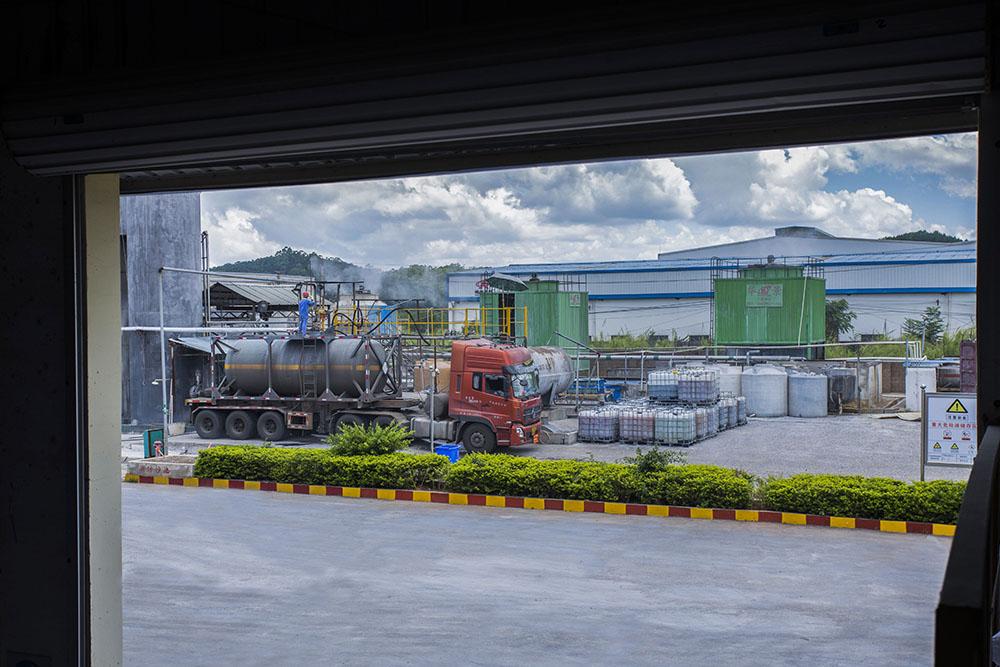
Shipment details should be checked before loading so the physical cargo and transport documents remain consistent.
Why Should Shipping Documents Be Discussed Early?
The final Bill of Lading is normally associated with the actual shipment.
However, the required information should be agreed before loading.
This helps reduce errors involving the consignee, product description, quantity, ports, and shipping marks.
Need Help Sourcing Bulk Phosphoric Acid In 2026?
Get a free specification review before placing your bulk phosphoric acid order. Share your grade, concentration, quantity, packaging, and destination with our team.
WhatsApp Us for Free a Consultation
The 8-Document Pre-Payment Checklist
| Document | Main Purpose | What to Check |
|---|---|---|
| COA | Confirms batch quality | Concentration, impurities, batch number, test results |
| SDS/MSDS | Confirms safety information | Hazards, handling, storage, transportation |
| TDS/Specification | Confirms technical requirements | Grade, concentration, impurity limits |
| Proforma Invoice | Confirms commercial terms | Price, quantity, Incoterm, payment terms |
| Packing List | Confirms packaging and weights | Packaging, quantity, net and gross weight |
| Origin/Export Documents | Supports international shipment | Origin, HS code, export requirements |
| Inspection Report | Provides independent verification | Sampling, testing, quantity, loading |
| Shipping Documents | Supports transportation | Consignee, ports, quantity, cargo details |
A good purchasing process does not treat these documents as separate pieces of paperwork.
They should tell the same story.
The product specification should match the COA. The commercial order should match the shipment. The packing list should match the physical cargo. The shipping documents should match the buyer and destination details.

Quality control documentation helps buyers connect the agreed specification with the material prepared for shipment.
See Bulk Phosphoric Acid Export in Action
Why the Paperwork Must Match the Physical Shipment
Bulk chemical procurement involves more than the product inside the container.
The product, packaging, loading process, and shipping documents must be coordinated before the cargo leaves the supplier.
Want to see how phosphoric acid is prepared for export from China?

Bulk chemical loading requires coordination between packaging, cargo handling, and shipment documentation.
Frequently Asked Questions
Should I ask for the COA before paying a deposit?
Yes. Request the relevant batch COA when available and compare its results with the agreed product specification before approving the transaction.
Is a COA enough to verify phosphoric acid quality?
No. A COA provides batch test results, but buyers should also review the applicable TDS or specification and SDS.
Do I need an SDS for bulk phosphoric acid?
An SDS provides important information about hazards, handling, storage, emergency response, and transportation. Request the SDS for the actual product being supplied.
What should I check on a phosphoric acid proforma invoice?
Check the product name, concentration, grade, quantity, price, currency, packaging, destination, Incoterm, delivery timeline, and payment terms.
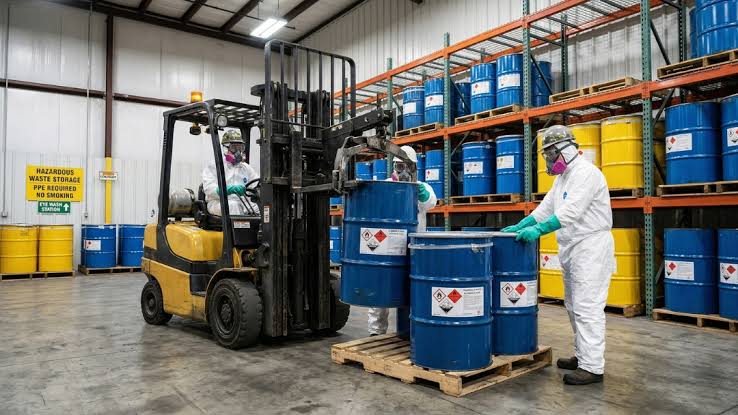
Industrial warehouse technicians safely handling, palletizing, and preparing chemical drums for bulk phosphoric acid storage and export dispatch
Can I receive a Bill of Lading before paying?
The timing depends on the supplier’s payment and shipping arrangement. The final Bill of Lading is associated with the actual shipment, so document and payment requirements should be agreed before loading.
Should I use third-party inspection for a first shipment?
It can be useful for a new supplier, high-value shipment, strict specification, or application where quality variation could create significant problems.
Is 85% phosphoric acid automatically food grade?
No. 85% describes concentration, not automatically the complete grade or impurity specification.
Buyers should confirm the applicable food-grade requirements, certifications, and impurity limits for the intended application.
What other documents may be needed for an international shipment?
Depending on the destination and shipment arrangement, buyers may need documents such as a Certificate of Origin, commercial invoice, packing list, export documents, and applicable dangerous-goods or customs documentation.
Conclusion: Verify the Documents Before You Pay
Buying bulk phosphoric acid is not simply about finding the lowest price per ton.
Before making payment, buyers should verify the COA, SDS, TDS, proforma invoice, packing list, origin documents, inspection requirements, and shipping information.

Camal Group team members and international business partners engaging in a corporate strategy and product discussion meeting
The most important principle is simple:
Do not pay based only on the product name, concentration, or price.
Check what you are buying. Confirm that the documents match the agreed specification. Make sure the supplier can provide the required quality and shipment documentation consistently.
When the paperwork matches the product, the purchasing process becomes easier to control from supplier selection to shipment and final receiving.
Industrial Buyers: Next Steps for Sourcing Bulk Phosphoric Acid
What makes our Phosphoric Acid Better:
✅ Compliant with EU, UN, ISO Standards – No Legal Headaches
✅ Guaranteed 85% Concentration – Stability for your Processing Plant
✅ Extremely Low Impurities – Low Heavy Metals
✅ Batch-Specific COA Provided – Full Transparency per Shipment.
Download Our EU-approved Specifications.[ Food Grade or Industrial Grade]