

France combines domestic wet-process phosphoric acid production with growing bulk imports for its fertilizer, food, and industrial sectors
France is one of Europe’s most active phosphoric acid markets. Domestic wet-process production, tied to the country’s fertilizer sector, sits alongside a steady stream of imported industrial and food-grade material that feeds food and beverage manufacturers, metal-finishing shops, and water-treatment operators across the country.
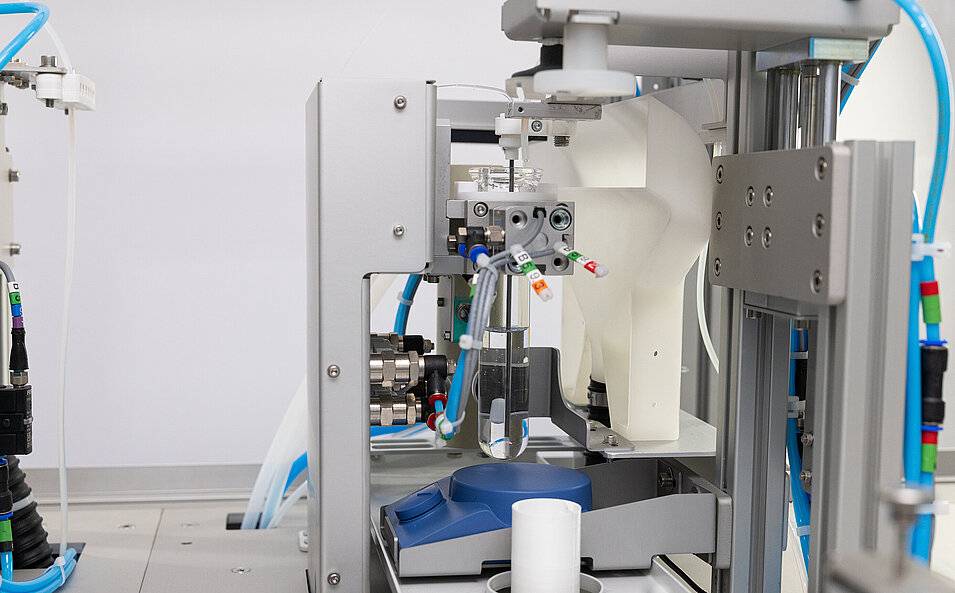
Automated laboratory titration system used for precise assay testing and quality control of liquid chemical solutions
For a French business owner sourcing bulk phosphoric acid for the first time, the real question is rarely whether the compound works. It is whether an unfamiliar overseas supplier can consistently deliver the stated concentration, the right grade, and the paperwork that EU regulators and downstream customers expect.
What Is Phosphoric Acid Used for in France?
Phosphoric acid usage in France follows the same broad pattern seen across Western Europe, with a handful of sectors doing most of the buying.
Fertilizer and agriculture:
85% industrial-grade acid feeds MAP, DAP, and NPK production for French and wider European farmland.
Food and beverage:
85% food-grade (E338) acid acidifies soft drinks, adjusts pH in processed foods, and improves texture in processed cheese.
Metal treatment:
Industrial-grade acid supports rust conversion, phosphating, and surface preparation ahead of coating in automotive and metalworking supply chains.
Water treatment:
Dosing-grade acid adjusts pH and helps control scale and corrosion in municipal and industrial systems.
For detailed insights into specific sector applications, explore our guides on phosphoric acid for fertilizer production and E338 food-grade phosphoric acid applications.
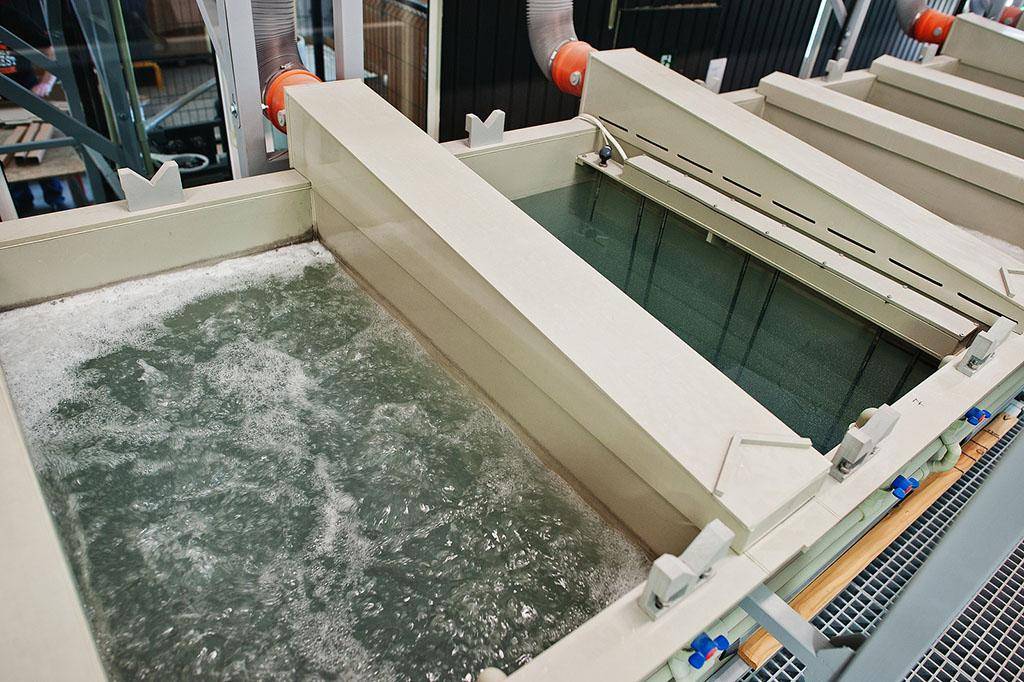
Phosphoric acid chemical bath tanks used for industrial metal rust removal, electropolishing, and surface treatment
How Much of France’s Phosphoric Acid Supply Is Imported?
France hosts genuine wet-process phosphoric acid production tied to its fertilizer sector, including operations linked to the Roullier group’s Timac Agro business. That domestic base does not remove import demand. Europe imports more than 90% of its phosphate rock, mainly from Morocco and Western Sahara, Russia, and Algeria, which keeps regional acid supply exposed to raw-material and freight swings.
Many mid-sized French manufacturers buy bulk 85% phosphoric acid directly from overseas suppliers when a specific grade, packaging format, or price point is not readily available from a domestic producer. A lower quoted price from an unverified supplier is not a saving if the shipment arrives under-strength or without a usable certificate of analysis, so supplier verification and a paid sample belong in the timeline before price gets compared.

Quality assurance technicians verifying Certificate of Analysis (COA) documentation and test results for a chemical batch in a laboratory setting.
A lower quoted price from an unverified supplier is not a saving if the shipment arrives under-strength or without a usable certificate of analysis, so supplier verification and paid sampling belong in the timeline before price gets compared.
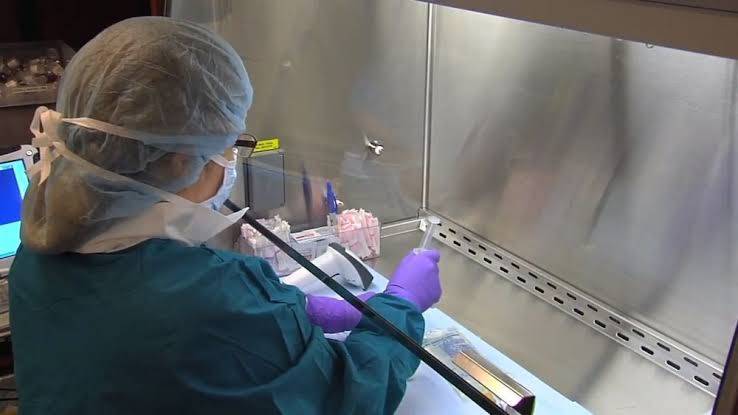
Laboratory technician preparing chemical samples under a laminar flow hood for purity testing and quality control
Looking for a phosphoric acid specification sheet for the French market? Contact CAMAL Group on WhatsApp.
WhatsApp Us for Free a Consultation
What Grade of Phosphoric Acid Do French Buyers Need?
Industrial and food-grade phosphoric acid are often both sold around 85% concentration. Concentration alone does not tell a French buyer which one to order. The real distinction is specification, purity, and permitted use. Ordering the wrong grade to save a small amount per ton can cost far more later, either in a failed compliance audit for a food or pharma customer, or in avoidable equipment wear from an industrial-grade acid used somewhere a cleaner spec was needed.
| Factor | Industrial Grade (85%) | Food Grade / E338 (85%) |
| Typical French buyer | Fertilizer blenders, metal-treatment shops, water-treatment operators | Beverage bottlers, dairy and cheese processors, pharma and personal-care formulators |
| Documentation expected | COA, SDS, ISO 9001 | COA, SDS, ISO 9001, plus EU food-additive compliance (Regulation (EC) No 1333/2008) and purity criteria under (EU) No 231/2012 |
| Purity focus | Heavy-metal and impurity limits for process equipment protection | Arsenic, fluoride, and heavy-metal limits tied to E338 food-grade specification |
| Common packaging | 330kg drums, 1600kg or 1650kg IBC totes | 35kg or 330kg drums, food-grade IBC totes |
| Sample size for qualification | Approx. 500g-1kg | Approx. 500g-1kg, tested against food-grade specification sheet |
What Documents Should French Buyers Verify Before Ordering?
A French buyer’s compliance checklist looks a little different from a buyer in a developing market. The priority is not proving a factory exists, though that still matters. It is confirming the paperwork lines up with EU rules before the shipment leaves China.
● REACH registration status for the supplying entity.
● ISO 9001 certification and, where relevant, SGS or Bureau Veritas inspection reports.
● A batch-specific certificate of analysis, not a generic specification sheet reused across customers.
● For food-grade material, purity criteria that map to EU Regulation (EC) No 1333/2008 and Commission Regulation (EU) No 231/2012, since food-grade phosphoric acid sold into the EU as E338 falls under these rules, and EFSA has set a group acceptable daily intake for phosphates.
You can read a complete breakdown of export container options in our guide to phosphoric acid packaging specifications.
How Is Phosphoric Acid Packaged and Shipped to France?
Once grade and documentation are settled, packaging and logistics decide how smoothly a first order goes. Common packaging options include 35kg and 330kg drums for smaller or food-grade orders, and 1600kg or 1650kg IBC totes for bulk industrial volumes.
A pre-bulk sample, typically around 500g to 1kg, lets a French buyer’s own lab confirm concentration and purity before committing to a full container. Some buyers also request a factory visit, which is a reasonable step for a first-time relationship given the trust concerns most importers carry into an unfamiliar Chinese supplier. Shipments typically move through major Chinese export ports before transiting to European hubs such as Rotterdam or Antwerp, with onward trucking into France.
This video explains how CAMACHEM approaches sourcing quality chemicals and can help buyers understand the supplier-selection process.
Need a free phosphoric acid specification sheet or a same-week quotation for your required grade and volume? Reach our team on WhatsApp.
WhatsApp Us for Free a Consultation
How Can CAMAL Group Help French Buyers Source Phosphoric Acid?
Finding a phosphoric acid supplier is only the first step. The bigger challenge for a French buyer is identifying a supplier that can consistently meet the required grade, concentration, purity, documentation, packaging, and delivery timeline expected under EU rules.
CAMAL Group can help businesses identify and evaluate suitable phosphoric acid suppliers in China based on their specific sourcing requirements. Through CAMACHEM, buyers can also access chemical sourcing and procurement support for industrial chemicals, including phosphoric acid.
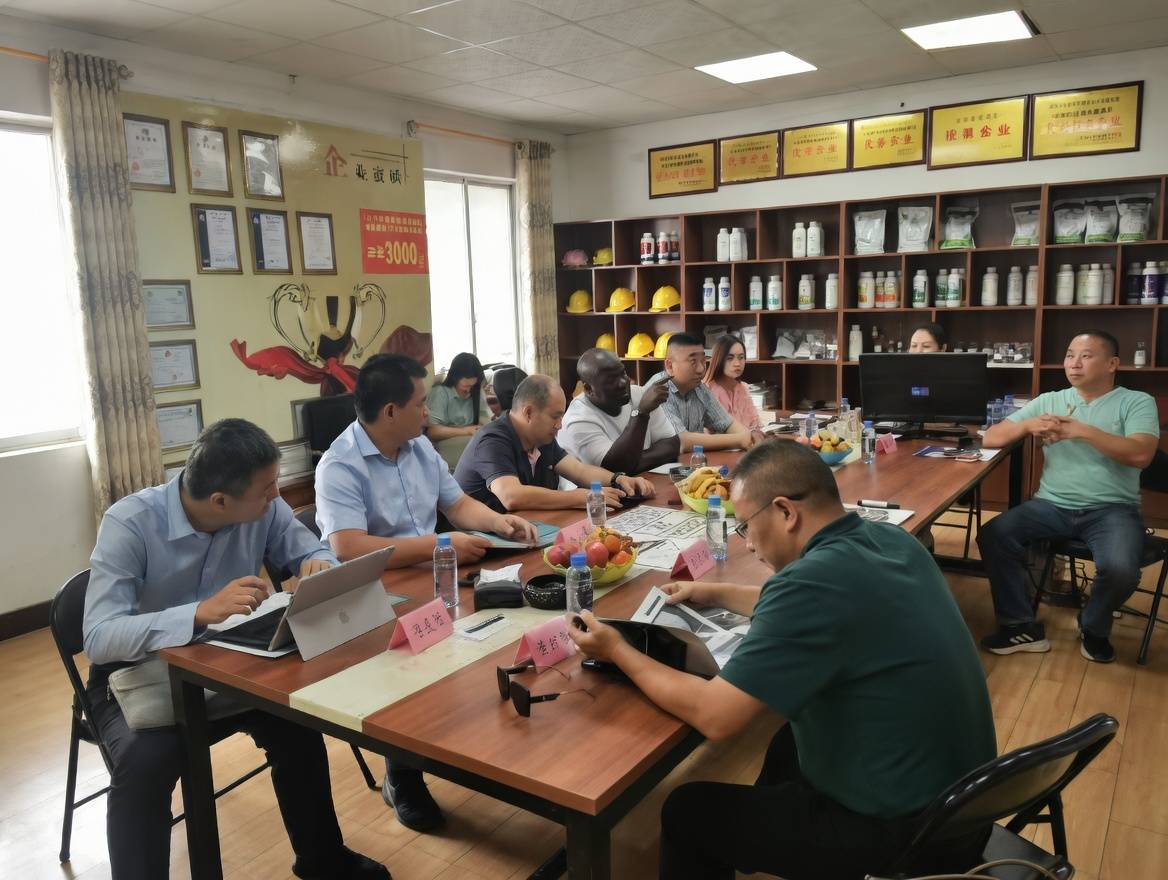
Camal Group team members and international business partners engaging in a corporate strategy and product discussion meeting
Frequently Asked Questions
What concentration of phosphoric acid do French buyers typically order?
Most French buyers order 85% phosphoric acid, in either industrial or food grade, since this is the concentration most production processes and food-additive specifications are built around.
Is Chinese phosphoric acid compliant with EU regulations?
It can be, but compliance depends on the specific supplier and shipment, not the country of origin alone. Ask for REACH registration status, ISO 9001 certification, and a batch-specific COA that matches EU purity criteria before ordering.
Can I get a sample before placing a bulk order?
Yes. A sample of roughly 500g to 1kg is standard for pre-bulk quality testing, and it is a reasonable request to make of any supplier before committing to a container-sized order.
What is the difference between industrial and food-grade (E338) phosphoric acid?
Both are often sold around 85% concentration, but food-grade phosphoric acid must meet the purity criteria for the E338 food additive under EU rules, while industrial grade is specified for process and equipment compatibility rather than food safety.
What packaging options are available for shipments to France?
Common options include 35kg and 330kg drums and 1600kg or 1650kg IBC totes, with the right choice depending on order volume and whether the acid is industrial or food grade.

Camal Group representatives conducting an on-site quality inspection and facility audit at a chemical manufacturing factory
Conclusion
France’s fertilizer, food and beverage, metal-treatment, and water-treatment sectors all depend on a steady supply of 85% phosphoric acid, and that supply increasingly includes bulk imports from China alongside domestic production. The decision that matters most for a French buyer is not price alone. It is whether a supplier can prove concentration, purity, and EU-relevant documentation on every batch, and back that proof with a sample and a verifiable production facility before a first bulk order goes ahead.
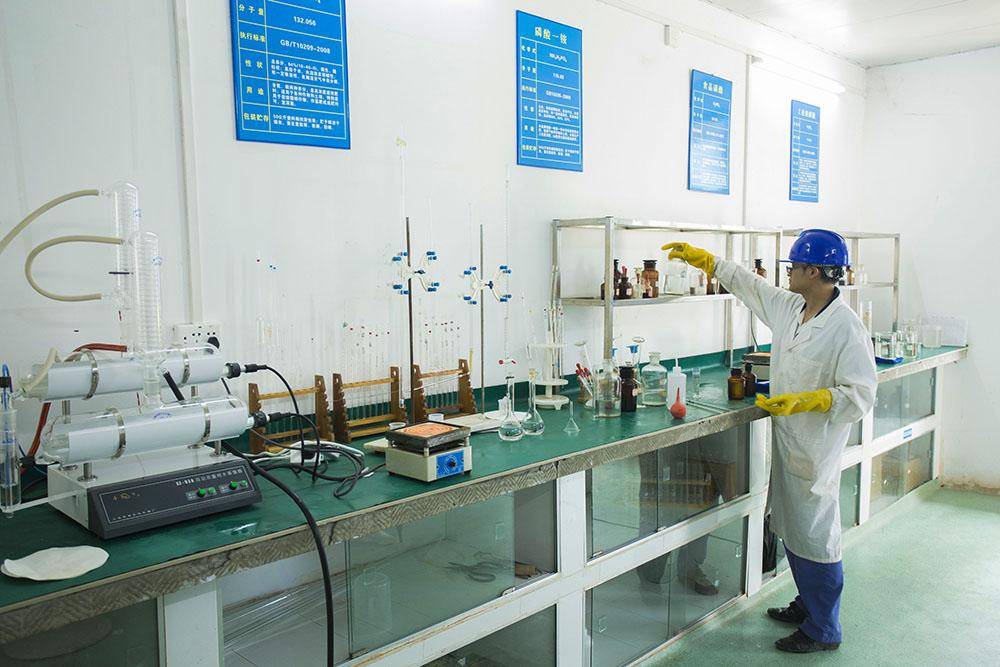
Quality testing and chemical analysis of 85% phosphoric acid in a manufacturer testing lab
If you are planning to buy phosphoric acid in bulk for a French business, share your requirements with CAMAL Group to get support finding and evaluating the most suitable supplier.
Need help sourcing phosphoric acid for your French business? Talk to CAMAL Group today.
WhatsApp Us for Free a Consultation
Industrial Buyers: Next Steps for Sourcing Bulk Phosphoric Acid
What makes our Phosphoric Acid Better:
✅ Compliant with EU, UN, ISO Standards – No Legal Headaches
✅ Guaranteed 85% Purity – Stability for your Processing Plant
✅ Extremely Low Impurities – Low Heavy Metals
✅ Batch-Specific COA Provided – Full Transparency per Shipment.
Download Our EU-approved Specifications.[ Food Grade or Industrial Grade]