


Phosphoric acid, a versatile chemical, plays an important and significant role in the food industry. You might not even realize how often you encounter it in your daily diet! From giving your favorite soda that tangy kick to keeping processed foods fresh, Phosphoric Acid in Food is a common, yet often misunderstood, ingredient. But what exactly is it, and why is it so vital to the foods we consume?

Ensuring quality and safety, food-grade phosphoric acid is essential in modern food production.
This article will take you on a journey through the world of phosphoric acid, specifically focusing on its applications as a food additive. We’ll explore its unique properties, its various uses in enhancing taste and preservation, and the important safety regulations that govern its presence in our food. Let’s dive in and uncover the secrets behind this essential food ingredient.
What Exactly is Phosphoric Acid?
At its core, phosphoric acid (H₃PO₄) is a colorless, odorless, and non-volatile mineral acid. It’s typically found as a viscous liquid or a crystalline solid, depending on its concentration. This remarkable compound is derived from phosphorus, a naturally occurring mineral. Its unique chemical structure, featuring a central phosphorus atom bonded to four oxygen atoms, gives it properties that are highly valued across many industries, especially in food.
The Science Behind the Taste
Understanding a bit about its chemistry helps us appreciate its role in food. Phosphoric acid is a triprotic acid, meaning it can release three hydrogen ions in a solution. This characteristic makes it a moderately strong acid, perfect for adjusting pH levels and contributing to the tartness in many food products.
Here are some key chemical properties that make it so useful:
- Chemical Formula: H₃PO₄
- Molar Mass: 97.99 g/mol
- Appearance: Clear, colorless, viscous liquid or crystalline solid
- Solubility: Highly soluble in water
- Acidity: Triprotic acid, capable of donating three protons (H⁺ ions) in solution.
Food-Grade vs. Industrial-Grade
Not all phosphoric acid is created equal. The application dictates the required purity level, leading to different commercial grades. When we talk about its use in food, we are specifically referring to food-grade phosphoric acid.
- Food Grade (E338):
This is a highly purified form of orthophosphoric acid, specifically approved for use as a food additive. It meets stringent purity standards to ensure it’s safe for consumption. You can learn more about its specific uses and benefits on our dedicated page about Food Grade Phosphoric Acid.
- Technical Grade:
This is the most common form for industrial applications where high purity isn’t strictly necessary. It might contain impurities that don’t affect its intended industrial use. For details on its broader industrial applications, visit our page on Industrial Grade Phosphoric Acid.
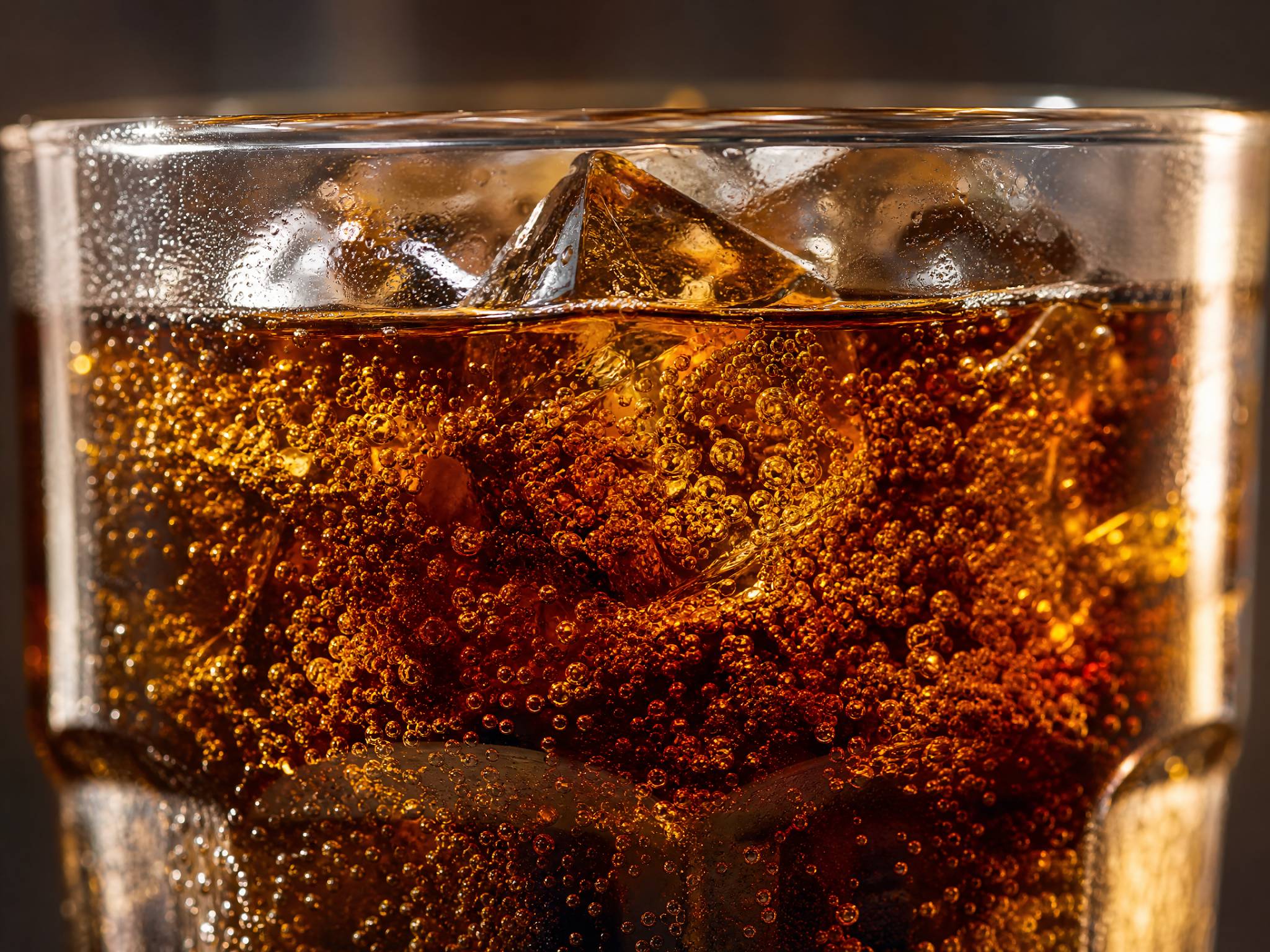
Phosphoric acid provides the signature tangy taste and effervescence in many popular soft drinks.
Why is Phosphoric Acid a Food Additive?
Food-grade phosphoric acid, often identified by its E-number E338 in Europe, serves multiple crucial purposes in the food and beverage sector. It’s not just there for show; it actively contributes to the quality, safety, and appeal of many products we enjoy.
Enhancing Flavor and Texture
One of its most well-known roles is as an acidulant. It provides a tart, tangy, and sometimes slightly bitter flavor profile, which is particularly desirable in certain beverages and foods. Think about the crisp, refreshing taste of many soft drinks – that’s often phosphoric acid at work!
- Soft Drinks: It balances the sweetness, providing a sharp, refreshing taste, especially in colas and root beers.
- Jams and Jellies: It enhances fruit flavors and helps with gelling.
- Processed Cheeses: It contributes to the smooth texture and prevents spoilage.
A Natural Preservative
Beyond taste, phosphoric acid is a fantastic preservative. Its acidic nature creates an environment that inhibits the growth of undesirable bacteria and molds. This is particularly important in sugary solutions, where microbes tend to thrive. By preventing spoilage, it helps extend the shelf life of many food products, reducing waste and improving affordability.
Maintaining Balance: The Buffering Agent
Phosphoric acid also acts as a buffering agent. This means it helps maintain a stable pH level in processed foods. Why is this important? Consistent pH is crucial for the stability of flavors, colors, and textures, ensuring that products remain consistent from batch to batch and over time. It’s a silent guardian of your food’s quality.

Food scientists meticulously test ingredients like phosphoric acid to ensure safety and quality in food production.
Common Foods and Drinks Containing Phosphoric Acid
Phosphoric acid is quite ubiquitous in our food supply. You’ll find it in a surprising array of products. Here’s a quick overview of where it commonly appears:
| Food Category | Examples of Products | Primary Function |
| Beverages | Colas, root beers, flavored waters, bottled coffee | Acidulant, flavor enhancer, preservative |
| Dairy Products | Cottage cheese, buttermilk, some milk products | pH regulator, protein stabilizer |
| Processed Foods | Cereal bars, processed meats, some baked goods | Preservative, texture modifier, leavening agent |
| Jams and Jellies | Fruit preserves | Flavor enhancer, gelling aid |
This table highlights just a few examples, but it gives you a good idea of its widespread use. It’s a testament to its versatility and effectiveness as a food additive.
Need Help Sourcing Bulk Phosphoric Acid In 2026?
Get a Free Phosphoric Acid Specification Sheet (Food & Industrial Grade).
WhatsApp Us for Free a Consultation

Advanced food processing facilities rely on precise ingredient control, including phosphoric acid, for consistent quality.
Safety and Regulations: What You Need to Know
When it comes to food additives, safety is paramount. Rest assured, the use of phosphoric acid in food is strictly regulated by authorities worldwide to ensure consumer safety. In the United States, the Food and Drug Administration (FDA) considers phosphoric acid as “Generally Recognized As Safe” (GRAS) . This designation means that experts agree it’s safe for its intended use based on extensive scientific data.
Similarly, in the European Union, phosphoric acid is approved as a food additive under the designation E338. Its use is governed by strict regulations, such as Annex II and III to Regulation (EC) No 1333/2008 on food additives . Organizations like SGS also provide comprehensive guidance on food contact material regulations, ensuring that all aspects of food production meet global safety standards . These regulations ensure that when you see E338 on an ingredient list, it’s been thoroughly vetted for safety.
Sourcing Food-Grade Phosphoric Acid: A Buyer’s Perspective
For businesses in the food industry, sourcing high-quality food-grade phosphoric acid is a critical decision. It directly impacts product quality, operational efficiency, and compliance with food safety standards. When looking for a supplier, several factors come into play.
- Quality and Purity: Ensuring the phosphoric acid meets the required purity and technical specifications for your specific application is paramount. Always request detailed Certificates of Analysis (CoAs) and verify compliance with international standards like ISO.
- Reliability and Production Capacity: A reliable supplier with consistent production capacity is essential to avoid supply disruptions. Look for manufacturers with a proven track record.
- Logistics and Global Reach: For bulk orders, especially international procurement, a supplier’s logistical expertise and global shipping network are vital. They should be able to handle hazardous materials safely and efficiently.
If you’re an industrial buyer looking for a comprehensive guide to sourcing bulk phosphoric acid, including food-grade options, you can explore our Industrial Buyer’s Guide to Bulk Phosphoric Acid.
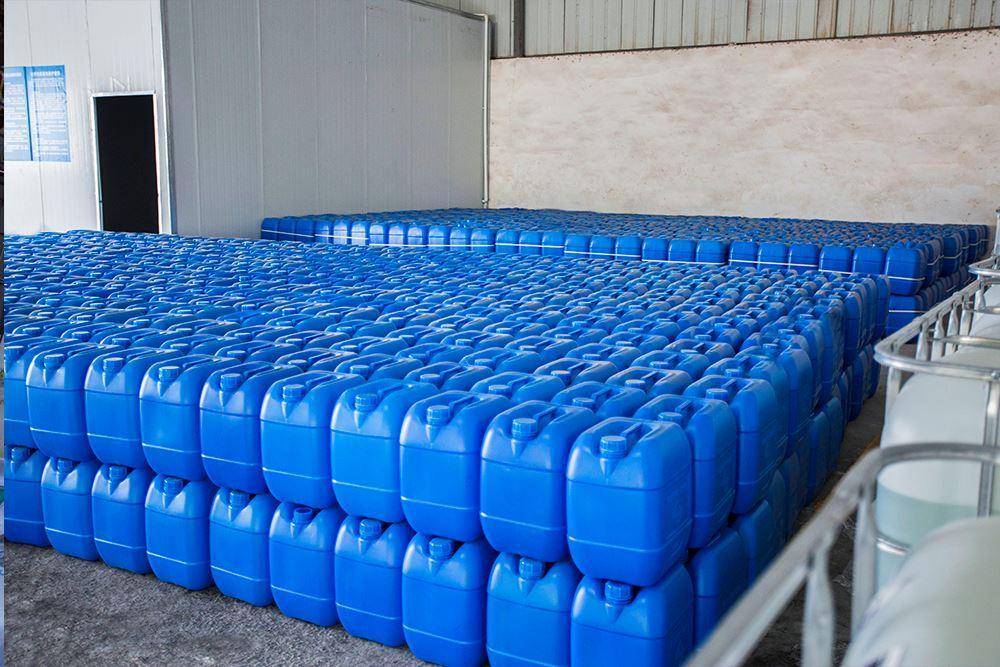
Reliable suppliers ensure safe and efficient delivery of bulk food-grade phosphoric acid to industries worldwide.

Our commitment to quality starts at the manufacturing plant, ensuring every batch meets stringent food-grade standards.
Frequently Asked Questions about Phosphoric Acid in Food
We often get questions about phosphoric acid, especially concerning its role in food. Here are some common queries and their straightforward answers:
Is phosphoric acid safe for children?
Yes, phosphoric acid is generally considered safe for children when consumed in moderation as part of a balanced diet. Regulatory bodies have established safe limits for its use in food products.
Does phosphoric acid contain GMOs?
No, phosphoric acid does not contain genetically modified organisms (GMOs). It is an inorganic compound derived from minerals.
How long has phosphoric acid been used in foods?
Phosphoric acid has a long history in food. It has been used in food since at least 1885, notably in the early formulations of what would later become Coca-Cola .
Conclusion:
phosphoric acid in food is not just a chemical ingredient — it plays an important role in making many products taste better, stay fresh longer, and maintain consistent quality. It helps give soft drinks their refreshing taste and supports the quality and safety of many processed foods we use every day.
By understanding its purpose, we can better appreciate the science and care that goes into making the food products we enjoy. Strict safety standards ensure that it is used properly and safely.
For businesses, selecting the right supplier of food-grade phosphoric acid is very important. A reliable supplier should provide a product that is pure, high-quality, and delivered on time. At Camachem, we focus on supplying premium phosphoric acid that meets international quality standards and supports our customers’ needs.
Industrial Buyers: Next Steps for Sourcing Bulk Phosphoric Acid
What makes our Phosphoric Acid Better:
✅ Compliant with EU, UN, ISO Standards – No Legal Headaches
✅ Guaranteed 85% Concentration – Stability for your Processing Plant
✅ Extremely Low Impurities – Low Heavy Metals
✅ Batch-Specific COA Provided – Full Transparency per Shipment.
Download Our EU-approved Specifications.[ Food Grade or Industrial Grade]