

Ever wondered what makes animal feed so effective in promoting healthy growth and development? It is not just about the grains and proteins; it is often about the hidden heroes that optimize nutrition. One such hero is phosphoric acid in animal feed production. This powerful ingredient plays a crucial role, far beyond what many might realize, in ensuring our livestock receive the best possible diet.
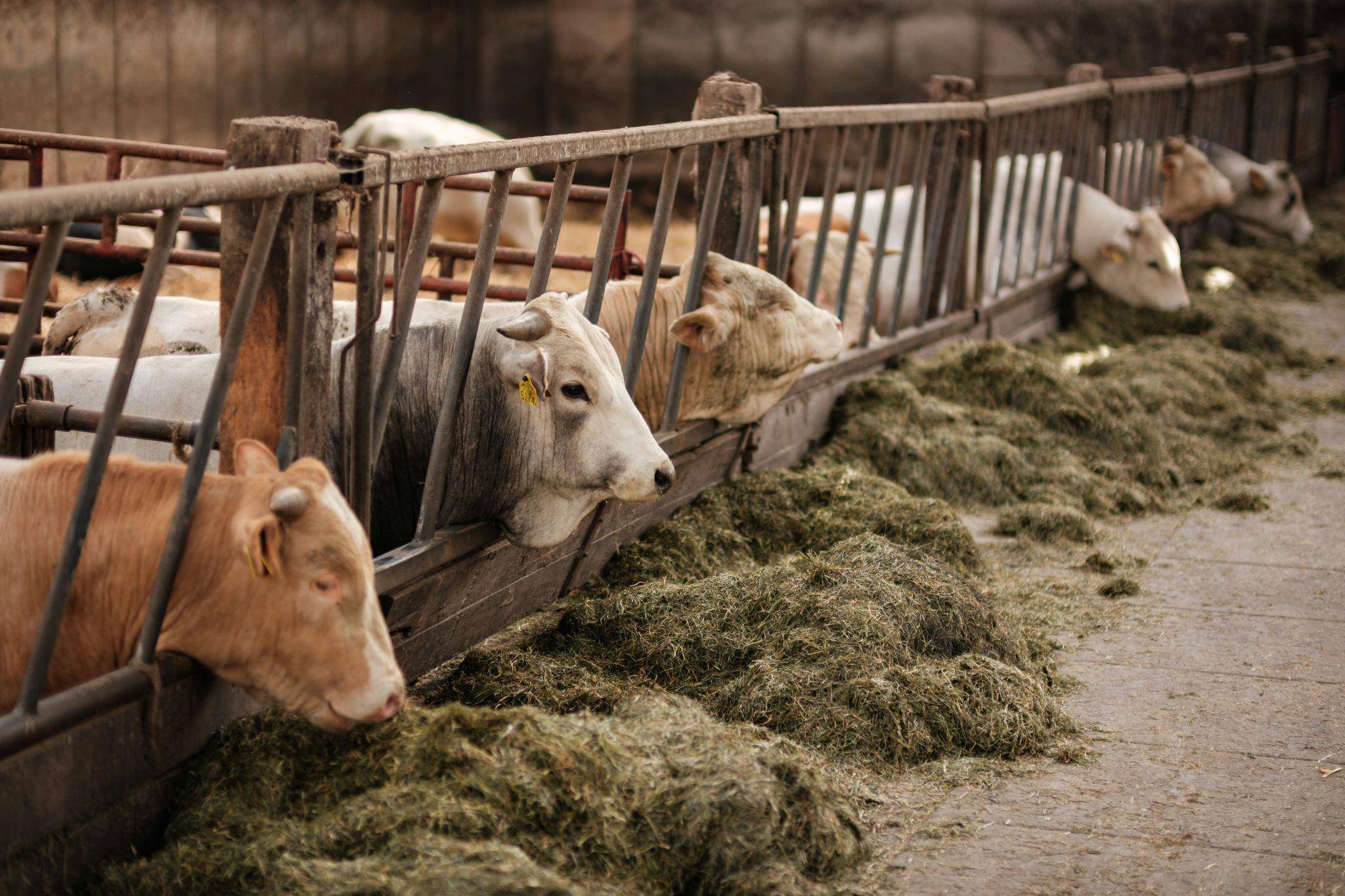
Quality and nutritional balance in every batch of animal feed.
In this detailed guide, we will explore why phosphoric acid is so vital for animal nutrition. We will look at its benefits, how it improves feed quality, and the strict standards that ensure its safe use. If you are involved in feed manufacturing or simply curious about what goes into animal diets, you are in the right place. Let us uncover the science behind healthier animals and more efficient production.
The Essential Role of Phosphoric Acid in Animal Nutrition
Phosphorus is an indispensable mineral for all living creatures, and animals are no exception. It is critical for bone formation, energy metabolism, cell structure, and numerous biochemical reactions. While some phosphorus is naturally present in feed ingredients, it is often in a form that animals cannot easily digest. This is where phosphoric acid becomes invaluable.
By adding feed-grade phosphoric acid, producers can significantly enhance the bioavailability of phosphorus in animal diets. This means animals can absorb and utilize the nutrient more effectively, leading to better health outcomes and improved growth rates. It is a fundamental component for optimizing livestock performance.
Enhancing Phosphorus Bioavailability
Many plant-based feed ingredients, like corn and soy, contain phosphorus primarily as phytic acid (phytate). Unfortunately, animals, especially monogastric species like poultry and swine, lack sufficient enzymes (phytase) to break down phytate efficiently. This leads to poor phosphorus absorption and environmental concerns due to excess phosphorus excretion.
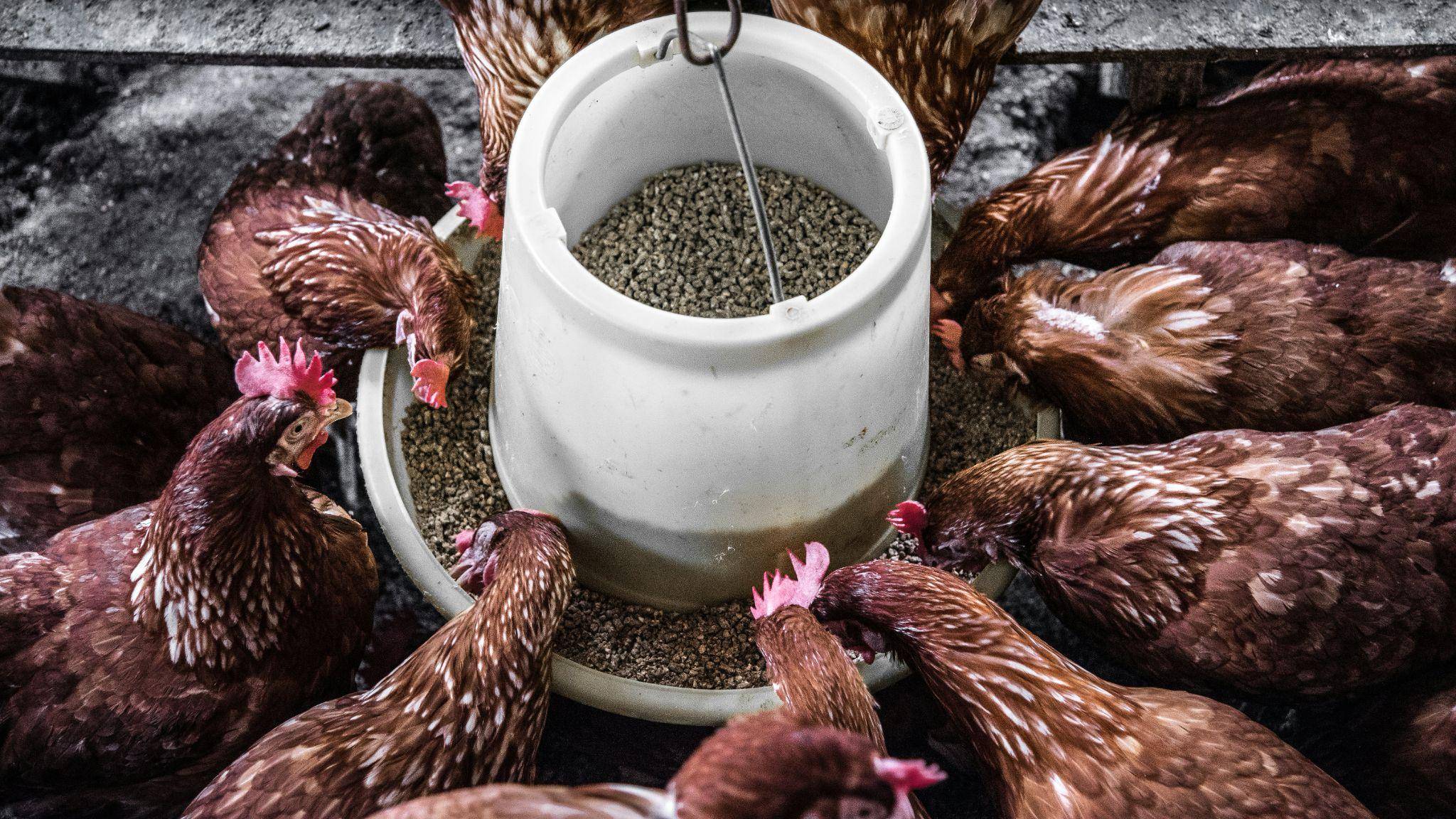
Optimal phosphorus intake supports strong bone development and overall poultry health.
Phosphoric acid provides phosphorus in a highly digestible form, bypassing the phytate problem. This direct and readily available source ensures that animals get the phosphorus they need for vital functions. It is a smart way to maximize nutrient uptake and minimize waste.
Feed Preservation and Hygiene
Beyond its nutritional benefits, phosphoric acid also acts as a powerful preservative. Animal feed, especially in humid environments, can be susceptible to spoilage from mold and bacteria. This not only reduces the nutritional value but can also pose health risks to animals.
By lowering the pH of the feed, phosphoric acid creates an acidic environment that inhibits the growth of these undesirable microorganisms. This extends the shelf life of the feed, maintains its quality, and contributes to better animal health by reducing the risk of feed-borne diseases. It is a simple yet effective way to ensure feed safety.
Need Help Sourcing Bulk Phosphoric Acid In 2026?
Get a Free Phosphoric Acid Specification Sheet (Food & Industrial Grade).
WhatsApp Us for Free a Consultation
Key Advantages of Using Phosphoric Acid
When considering phosphorus sources for animal feed, phosphoric acid stands out due to several distinct advantages. It is not just about providing a nutrient; it is about optimizing the entire feeding process.
- Superior Digestibility: Offers higher phosphorus bioavailability compared to many inorganic phosphate salts.
- Improved Feed Conversion Ratio (FCR): Better nutrient absorption means animals convert feed into body mass more efficiently, leading to economic benefits for producers.
- Pathogen Control: The acidifying effect helps suppress harmful bacteria in the gut, particularly beneficial for young animals.
- Reduced Environmental Impact: By improving phosphorus utilization, it lowers the amount of phosphorus excreted, mitigating environmental concerns related to manure management.
- Versatility: Can be easily incorporated into various feed formulations for different animal species.

Rigorous testing ensures the safety and efficacy of feed-grade phosphoric acid.
Grades and Quality Standards for Animal Feed
Not all phosphoric acid is created equal, especially when it comes to animal consumption. For use in animal feed, a specific feed-grade quality is paramount. This grade undergoes stringent purification processes to ensure it is free from harmful contaminants that could affect animal health.
What Defines Feed-Grade Phosphoric Acid?
Feed-grade phosphoric acid typically refers to a highly purified form, often 75% or 85% concentration, that meets strict international standards for heavy metals and other impurities. The European Union, for example, has specific regulations governing its use as a feed additive. You can find more details on our Food Grade Phosphoric Acid which shares similar purity requirements.
| Characteristic | Feed-Grade Standard | Importance for Animal Health |
| Purity | High (e.g., 75-85% H₃PO₄) | Ensures consistent nutritional value and effectiveness |
| Heavy Metals | Extremely Low (e.g., <10 ppm Lead) | Prevents toxicity and long-term health issues in animals |
| Fluorine Content | Low | Excessive fluorine can be detrimental to bone health |
| Appearance | Clear, colorless liquid | Indicates absence of particulate contaminants |
 Precision dosing of phosphoric acid ensures uniform nutrient distribution in feed.
Regulatory Landscape and Safety Considerations
The use of phosphoric acid in animal feed is tightly regulated to ensure both animal welfare and food safety for human consumers. Regulatory bodies worldwide, such as the European Food Safety Authority (EFSA) and the U.S. Food and Drug Administration (FDA), set strict guidelines for its composition and application.
For instance, the EU recently re-authorized orthophosphoric acid as a feed additive for all animal species, recognizing its benefits as a preservative. This means producers must source from suppliers who adhere to these rigorous standards. Always verify that your supplier provides detailed Certificates of Analysis (CoAs) for each batch, confirming compliance with relevant regulations.
Safe Handling and Storage
As a corrosive liquid (UN 1805, Class 8), phosphoric acid requires careful handling and storage. Industrial buyers must ensure their facilities are equipped to safely receive, store, and utilize this chemical. This includes appropriate personal protective equipment (PPE), ventilation, and spill containment procedures. Our Industrial Grade Phosphoric Acid is packaged and transported with these safety considerations in mind.
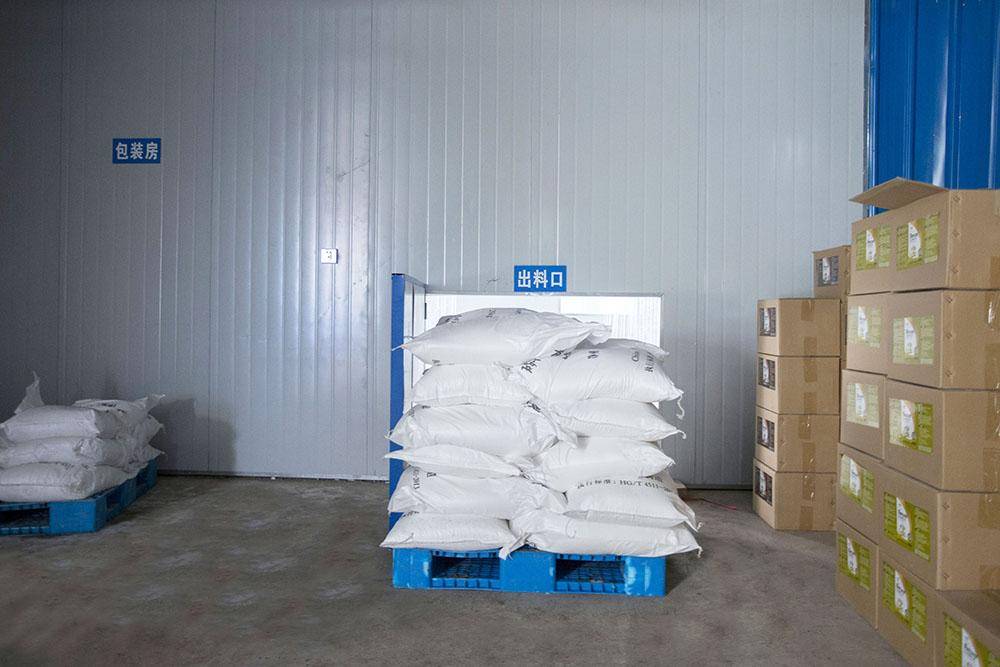
Efficient storage solutions for both finished feed and essential raw materials.
Frequently Asked Questions (FAQs)
Why is phosphorus important for animals?
Phosphorus is vital for strong bones, energy metabolism, cell function, and overall growth. A deficiency can lead to poor growth, reduced fertility, and skeletal problems in livestock.
How is feed-grade phosphoric acid different from other grades?
Feed-grade phosphoric acid is highly purified to ensure extremely low levels of heavy metals and other contaminants, making it safe for animal consumption. Other grades, like technical or agricultural, may have higher impurity levels.
Does phosphoric acid improve feed digestibility?
Yes, by acidifying the feed, it can help break down certain components and improve the activity of digestive enzymes, leading to better absorption of nutrients, including phosphorus itself.
Are there any restrictions on using phosphoric acid in animal feed?
Yes, its use is regulated by food safety authorities worldwide. For example, the European Union has specific regulations (like Commission Implementing Regulation (EU) 2024/1185) that authorize its use as a feed additive for all animal species, with strict purity requirements.
How does phosphoric acid contribute to sustainable animal production?
By improving phosphorus utilization in animals, it reduces the amount of phosphorus excreted in manure. This helps minimize the environmental impact of livestock farming, particularly concerning nutrient runoff and eutrophication of waterways.
Conclusion: A Cornerstone for Modern Animal Agriculture
In conclusion, phosphoric acid in animal feed production is far more than just an additive; it is a fundamental component that underpins the health, growth, and efficiency of modern livestock farming. By providing highly bioavailable phosphorus, preserving feed quality, and contributing to gut health, it helps producers meet the ever-growing global demand for animal protein sustainably.
Choosing the right feed-grade phosphoric acid and a reliable supplier is crucial for ensuring the safety and performance of your animal feed products. Partner with experts who prioritize purity, consistency, and regulatory compliance.
Industrial Buyers: Next Steps for Sourcing Bulk Phosphoric Acid
What makes our Phosphoric Acid Better:
✅ Compliant with EU, UN, ISO Standards – No Legal Headaches
✅ Guaranteed 85% Concentration – Stability for your Processing Plant
✅ Extremely Low Impurities – Low Heavy Metals
✅ Batch-Specific COA Provided – Full Transparency per Shipment.
Download Our EU-approved Specifications.[ Food Grade or Industrial Grade]