


Have you ever wondered how massive industrial plants keep their water systems running smoothly without constant pipe replacements? The secret often lies in a powerful, versatile chemical. Phosphoric acid in water treatment is a game-changer for industries worldwide. It is not just about balancing pH; it is about protecting infrastructure and ensuring operational efficiency.
In this comprehensive guide, we will dive deep into how this essential acid works. We will explore its role in scale control, its benefits over other chemicals, and the strict regulations that govern its use. Whether you manage a cooling tower or a municipal water supply, understanding these mechanisms is crucial.

Our experts ensuring optimal water quality using advanced chemical treatments.
Why Use Phosphoric Acid in Water Treatment?
When it comes to maintaining industrial water systems, the challenges are immense. Minerals naturally present in water can wreak havoc on pipes and machinery. This is where phosphoric acid steps in as a multi-functional solution. It is highly valued because it tackles several problems simultaneously.
First and foremost, it is an excellent pH adjuster. Many industrial processes require water to be at a specific acidity level to function correctly. Phosphoric acid safely lowers the pH of alkaline water. Beyond pH control, it acts as a vital source of phosphate, which is essential for coagulation and precipitation processes.
The Mechanism of Scale Control
One of the biggest headaches in water management is mineral scale. Hard water contains high levels of calcium and magnesium. When this water is heated or evaporates, these minerals crystallize and form hard deposits on surfaces. This buildup restricts water flow and drastically reduces energy efficiency.
So, how does phosphoric acid prevent this? It works as a highly effective scale inhibitor. When added to the water, it interferes with the crystal growth of minerals like calcium carbonate. Instead of forming hard, stubborn scale on your pipes, the minerals remain suspended in the water or form a soft sludge that is easily flushed away.
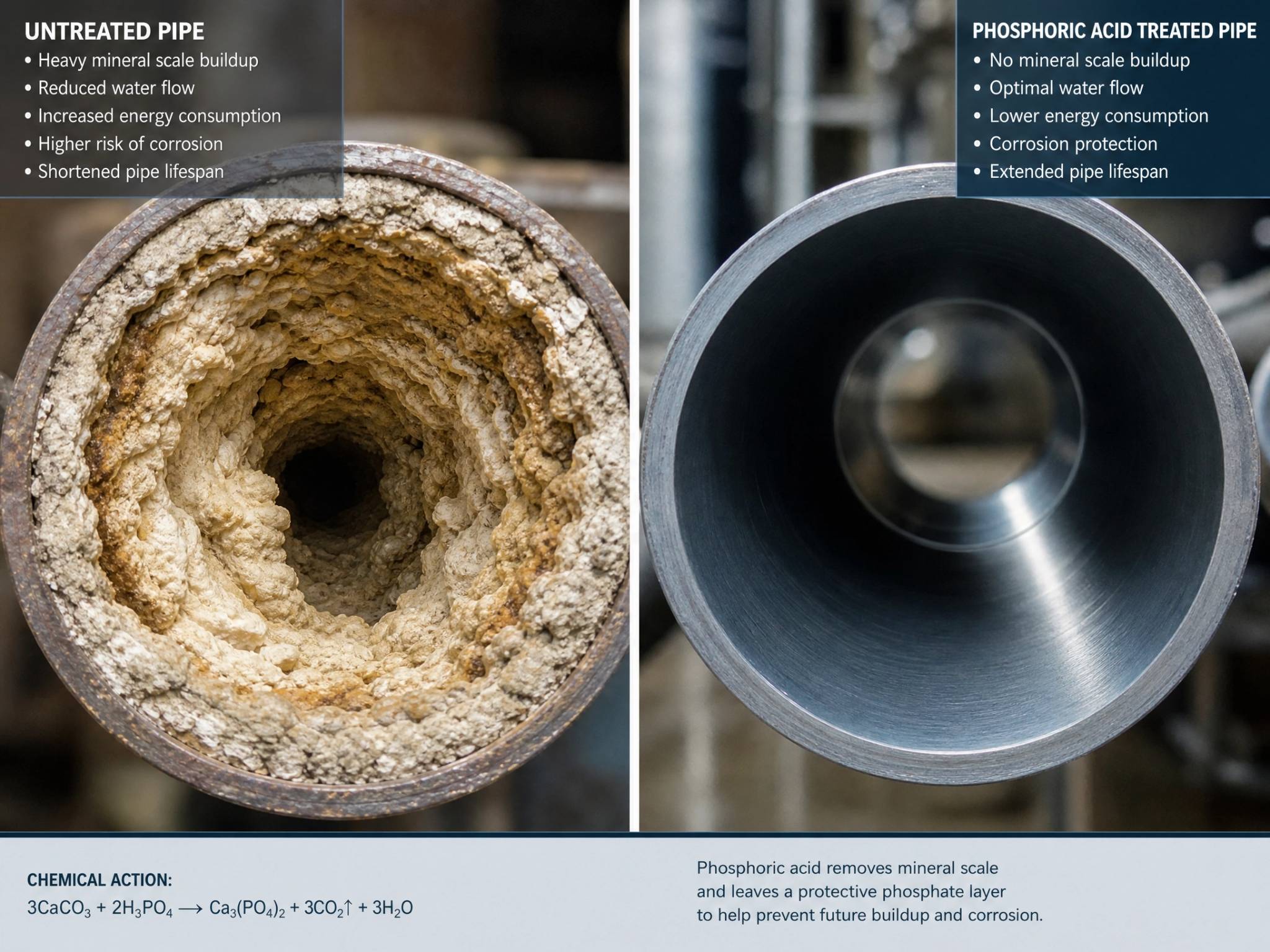
Phosphoric acid prevents severe mineral scale buildup, extending the lifespan of industrial pipes.
Corrosion Protection for Industrial Pipes
Scale is not the only enemy; corrosion is equally destructive. Acidic water or water with high dissolved oxygen can eat away at metal pipes, leading to leaks and catastrophic failures. Phosphoric acid provides a brilliant defense mechanism against this threat.
It reacts with the metal surfaces inside the pipes to form a microscopic, protective layer. This process, known as passivation, creates a barrier between the metal and the corrosive elements in the water. This protective film significantly extends the lifespan of expensive industrial infrastructure.
Key Benefits of Phosphoric Acid Over Alternatives
You might be asking, why choose phosphoric acid over other common acids like sulfuric or hydrochloric acid? The answer lies in its unique balance of safety, efficiency, and multi-functionality.
- Dual Action: Unlike some acids that only adjust pH, phosphoric acid simultaneously controls pH and provides scale/corrosion inhibition.
- Safety Profile: It is generally safer to handle than highly volatile acids, making it suitable even for drinking water applications when properly dosed.
- Cost-Effective: Because it performs multiple roles, facilities can often reduce the total number of chemicals they need to purchase and store.
- Microbial Control: Its acidic nature helps neutralize certain contaminants and slows down unwanted bacterial growth in water systems.
The three-step mechanism: pH adjustment, scale inhibition, and corrosion protection.
Need Help Sourcing Bulk Phosphoric Acid In 2026?
Get a Free Phosphoric Acid Specification Sheet (Food & Industrial Grade).
WhatsApp Us for Free a Consultation
Industrial Applications of Water Treatment
The versatility of this chemical means it is utilized across a wide spectrum of industries. Each sector has unique water quality requirements, and phosphoric acid can be tailored to meet them. If you are looking for specific grades, you can explore our Industrial Grade Phosphoric Acid options.
Cooling Towers and Boilers
Cooling towers and boiler systems are highly susceptible to scale and corrosion due to constant temperature changes and water evaporation. Phosphoric acid is routinely dosed into these systems to keep heat exchangers clean. A clean heat exchanger means lower energy bills and fewer unexpected shutdowns.
Municipal Drinking Water
It might surprise you, but this acid is also used in municipal water treatment. It is carefully added to public water supplies to prevent lead and copper from leaching out of old plumbing infrastructure. This is a critical public health measure that ensures tap water remains safe for communities. For applications requiring the highest purity, learn more about our Food Grade Phosphoric Acid.
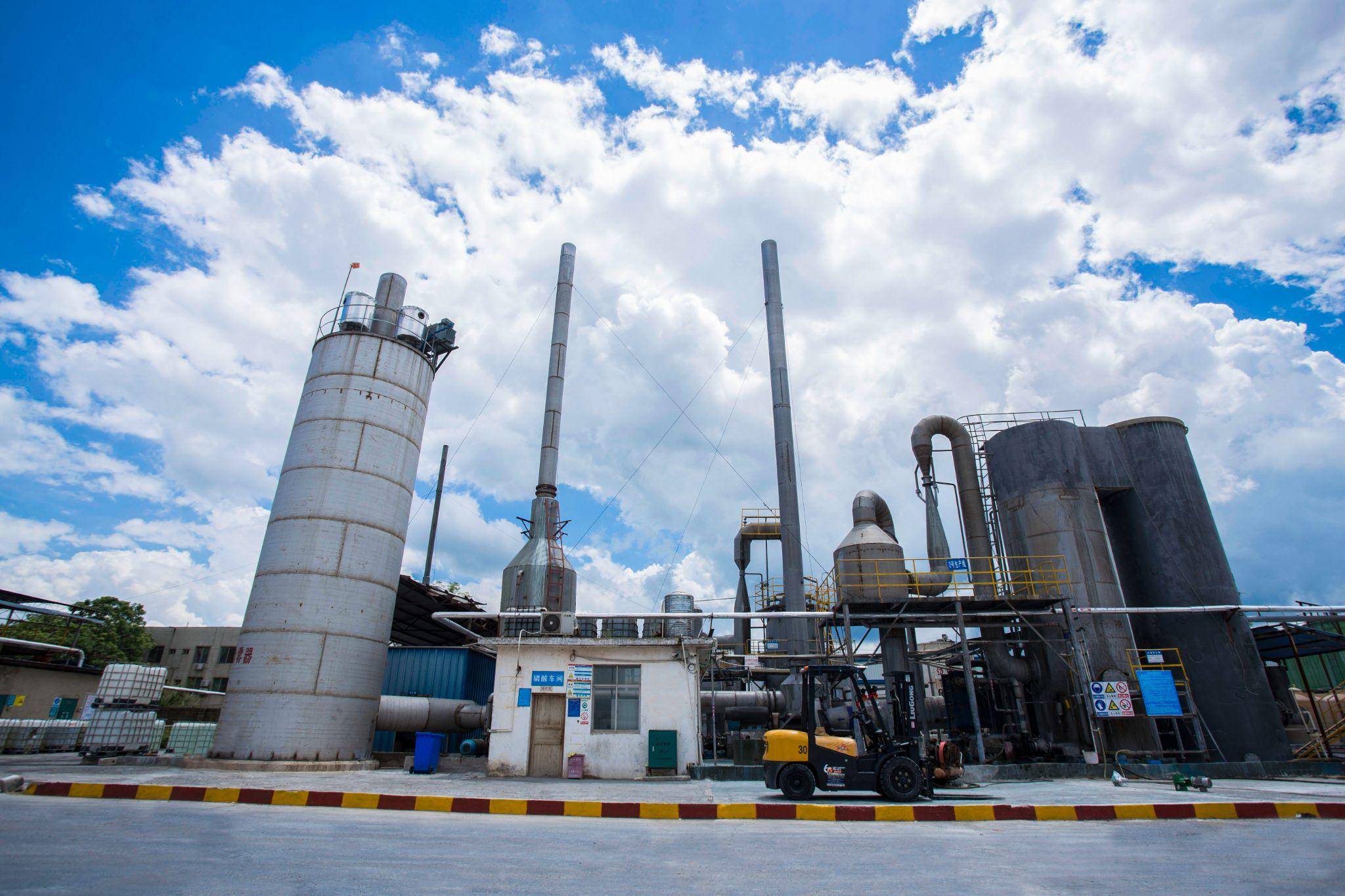
Our factory ensuring high-purity supply for global water treatment needs.
Regulatory Standards and Compliance
Handling and applying chemicals in water treatment is strictly regulated to protect human health and the environment. When sourcing phosphoric acid, it is vital to ensure your supplier meets international standards.
Essential Certifications
Quality and safety are non-negotiable. Reputable manufacturers adhere to stringent guidelines. Here are some of the key regulations you should look out for:
- EN 974:2003: This is the European standard specifically detailing the purity criteria for phosphoric acid used in drinking water treatment.
- NSF/ANSI/CAN 60: A crucial North American standard that evaluates the health effects of water treatment chemicals.
- REACH and ISO: General industrial standards that ensure safe chemical manufacturing, handling, and environmental responsibility.
Typical Specifications for Water Treatment
To give you a clearer picture of what industrial buyers look for, here is a breakdown of typical specifications for water treatment grade phosphoric acid.
| Property | Typical Value | Importance in Water Treatment |
| Chemical Formula | H₃PO₄ | Active ingredient for pH and scale control |
| Typical Concentration | 75% – 85% | Determines dosing rates and effectiveness |
| Appearance | Clear, colorless liquid | Indicates purity and lack of solid contaminants |
| Density | 1.57 – 1.69 g/mL | Crucial for calibrating dosing pumps |
| Hazard Class | Class 8 Corrosive | Dictates safe storage and handling procedures |
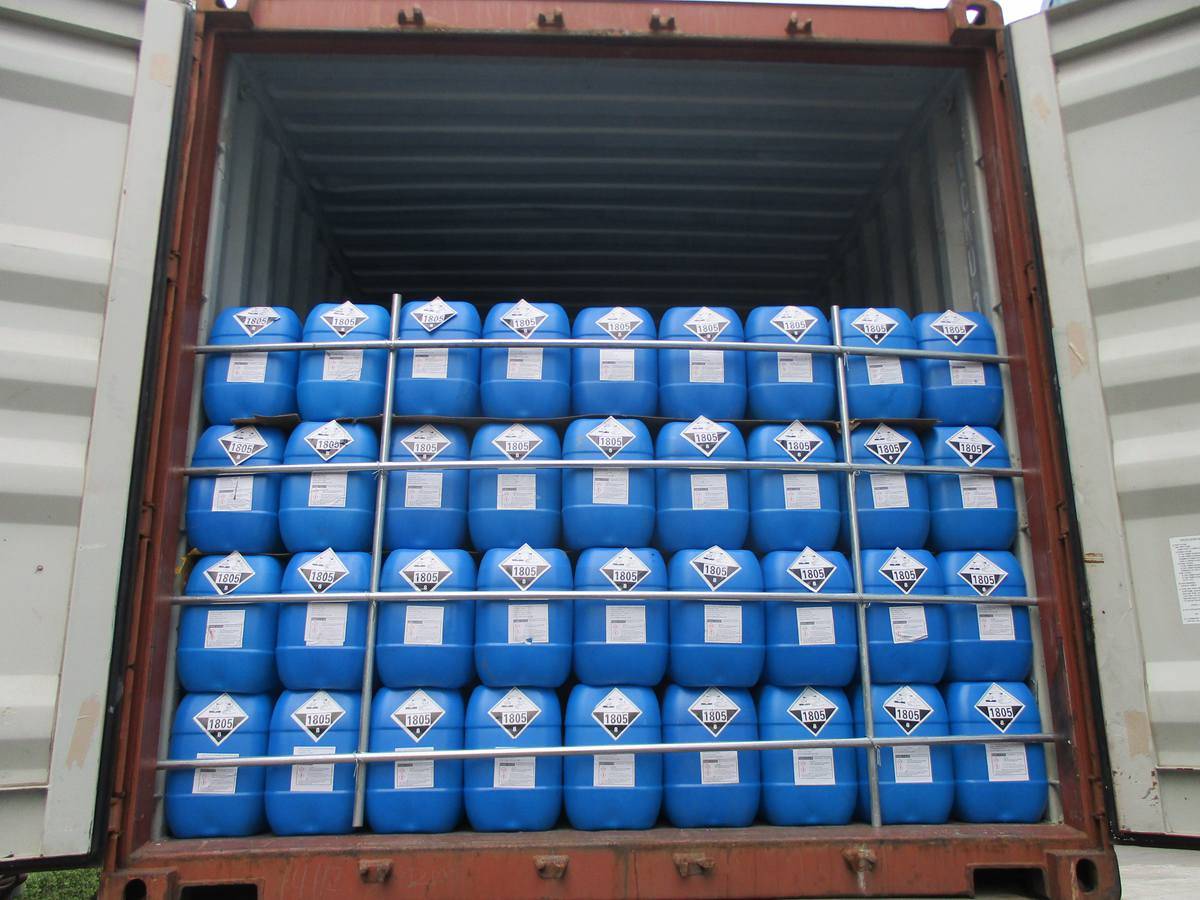
Secure packaging ensures the safe transport and storage of our high-quality acid.
Sourcing Reliable Phosphoric Acid
Choosing the right supplier is just as important as choosing the right chemical. You need a partner who can guarantee consistent purity, reliable delivery, and full regulatory compliance. Supply chain disruptions can lead to untreated water, which quickly results in scaled pipes and halted production.
When evaluating suppliers, always request a Certificate of Analysis (CoA) for every batch. This document proves that the chemical meets your exact specifications. Furthermore, consider their logistical capabilities. Can they deliver the volumes you need, safely and on time?

Efficient global logistics ensure your water treatment chemicals arrive on time.
See Our Logistics in Action
Curious about how we handle bulk shipments safely? Watch our team expertly load a container for international delivery. Proper handling is key to maintaining product integrity.
Frequently Asked Questions (FAQs )
Is phosphoric acid safe for drinking water?
Yes, it is widely used in municipal drinking water systems. However, it must be food-grade and meet specific standards like EN 974:2003 or NSF/ANSI 60. It helps prevent heavy metals like lead from leaching into the water.
How does phosphoric acid stop scale buildup?
It acts as a sequestration agent. Basically, it keeps minerals like calcium and magnesium from crystallizing into hard deposits. Instead of sticking to your pipes, these minerals stay suspended in the water.
Can I use technical grade for water treatment?
It depends on the application. For industrial cooling towers or boilers, technical grade is often sufficient. But for any system involving human consumption or food processing, you absolutely must use a certified food-grade acid.
Does phosphoric acid cause environmental issues?
While phosphorus is a nutrient, excessive amounts in wastewater can lead to algae blooms (eutrophication). Most facilities use a balanced approach and proper wastewater treatment to ensure they stay within local environmental limits.
How do I calculate the right dosage?
Dosing depends on your water’s hardness, pH, and flow rate. It is best to consult with a chemical engineer or your supplier to calibrate your dosing pumps correctly for maximum efficiency.
Are you ready to optimize your water treatment processes? Partner with a supplier who understands your technical needs and regulatory requirements.
Conclusion: Securing Your Water Infrastructure
In summary, phosphoric acid in water treatment is an indispensable tool for modern industry. By effectively controlling pH, inhibiting mineral scale, and preventing corrosion, it safeguards expensive infrastructure and ensures efficient operations. As water quality regulations become stricter, relying on a proven, multi-functional chemical is a smart operational strategy.
Are you ready to optimize your water treatment processes? Partner with a supplier who understands your technical needs and regulatory requirements.
Industrial Buyers: Next Steps for Sourcing Bulk Phosphoric Acid
What makes our Phosphoric Acid Better:
✅ Compliant with EU, UN, ISO Standards – No Legal Headaches
✅ Guaranteed 85% Concentration – Stability for your Processing Plant
✅ Extremely Low Impurities – Low Heavy Metals
✅ Batch-Specific COA Provided – Full Transparency per Shipment.
Download Our EU-approved Specifications.[ Food Grade or Industrial Grade]