


In the highly regulated world of pharmaceuticals, every ingredient must meet the most stringent standards of purity and performance. Phosphoric acid, particularly in its pharmaceutical-grade form, is a critical component that often works behind the scenes to ensure the stability, efficacy, and safety of a wide range of medical and health products. From balancing the pH of life-saving injectable drugs to preparing tooth surfaces for modern dental restorations, its versatility is a cornerstone of contemporary healthcare.

Our pharmaceutical-grade phosphoric acid meets the highest global standards, supporting the production of safe and effective health products.
The Precision Ingredient: Why Purity Matters
When it comes to human health, there is no room for compromise. Pharmaceutical-grade phosphoric acid is manufactured to exceed the standards of the Food and Industrial grades, with extremely low levels of heavy metals, arsenic, and other impurities. This level of precision is essential because even trace amounts of contaminants can interfere with the chemical stability of active pharmaceutical ingredients (APIs) or cause adverse reactions in patients.
Key Functions in Pharmaceutical Formulations
The unique chemical properties of phosphoric acid make it an invaluable tool for pharmaceutical scientists:
- pH Regulation and Buffering: It is widely used to adjust and maintain the ideal pH of liquid medications, ensuring they remain stable and effective throughout their shelf life.
- Excipient Role: It acts as an inactive substance that serves as the vehicle or medium for a drug, helping to deliver the active ingredient in a consistent and controlled manner.
- Chemical Intermediate: It is used in the synthesis of various pharmaceutical compounds, acting as a catalyst or reactant in complex chemical processes.
- Solubility Enhancement: By adjusting the acidity of a formulation, it can help dissolve certain drugs that would otherwise be difficult for the body to absorb.
Technical Specifications for Pharmaceutical Grade Phosphoric Acid
Pharmaceutical-grade phosphoric acid must comply with international pharmacopeia standards (such as USP, BP, or EP). These standards ensure the acid is safe for use in human health products.
| Property | Typical Value (Pharmaceutical Grade 85%) |
| Chemical Formula | H₃PO₄ |
| CAS Number | 7664-38-2 |
| Concentration | 85.0% – 88.0% |
| Appearance | Clear, colorless viscous liquid |
| Arsenic (As) | < 2 ppm |
| Heavy Metals (as Pb) | < 5 ppm |
| Chlorides (Cl) | < 5 ppm |
| Sulfates (SO₄) | < 20 ppm |
Need Help Sourcing Bulk Phosphoric Acid In 2026?
Get a Free Phosphoric Acid Specification Sheet (Food & Industrial Grade).
WhatsApp Us for Free a Consultation
Applications in Modern Medicine and Dentistry
The use of phosphoric acid in pharmaceuticals spans across various medical disciplines, each requiring a specific concentration and purity level to achieve the desired outcome.
Dental Health and Restorative Dentistry
One of the most well-known applications of phosphoric acid is in “acid etching.” Dentists use a 30-40% phosphoric acid gel to microscopically roughen the surface of tooth enamel. This process:
- Creates Micropores: Enhances the mechanical bond between the tooth and restorative materials like composites or sealants.
- Removes the Smear Layer: Cleans the tooth surface of debris, ensuring a sterile environment for bonding.
- Improves Longevity: Significantly increases the lifespan of dental fillings, crowns, and veneers by providing a superior adhesive surface.
For these sensitive clinical applications, using food grade phosphoric acid or higher is essential to ensure patient safety and clinical success.
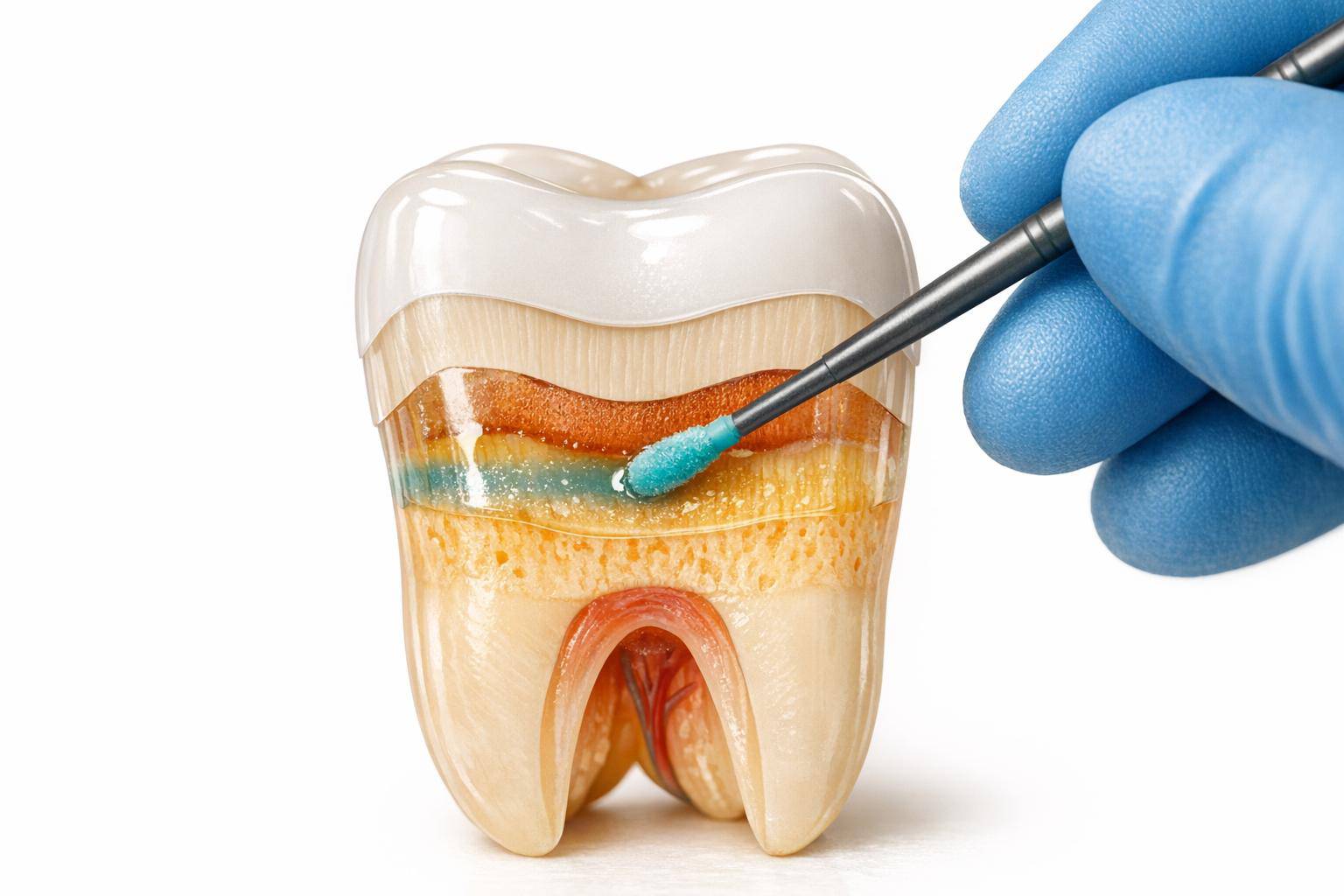
In dentistry, phosphoric acid is a vital tool for acid etching, ensuring strong and durable bonds for various dental restorations.
Pharmaceutical Manufacturing and Research
In the lab, pharmaceutical researchers rely on high-purity phosphoric acid for a variety of critical tasks. It is an essential reagent in high-performance liquid chromatography (HPLC), a technique used to analyze the purity and composition of drugs.
- Buffer Preparation: Creating precise buffer solutions that mimic the body’s natural environment for drug testing.
- Catalysis: Speeding up chemical reactions in the synthesis of new therapeutic molecules.
- Cleaning and Sterilization: Ensuring that manufacturing equipment is free from mineral deposits and microbial contamination.
For bulk manufacturing needs, sourcing industrial grade phosphoric acid for non-direct contact applications can be a cost-effective strategy when paired with a reliable supplier.
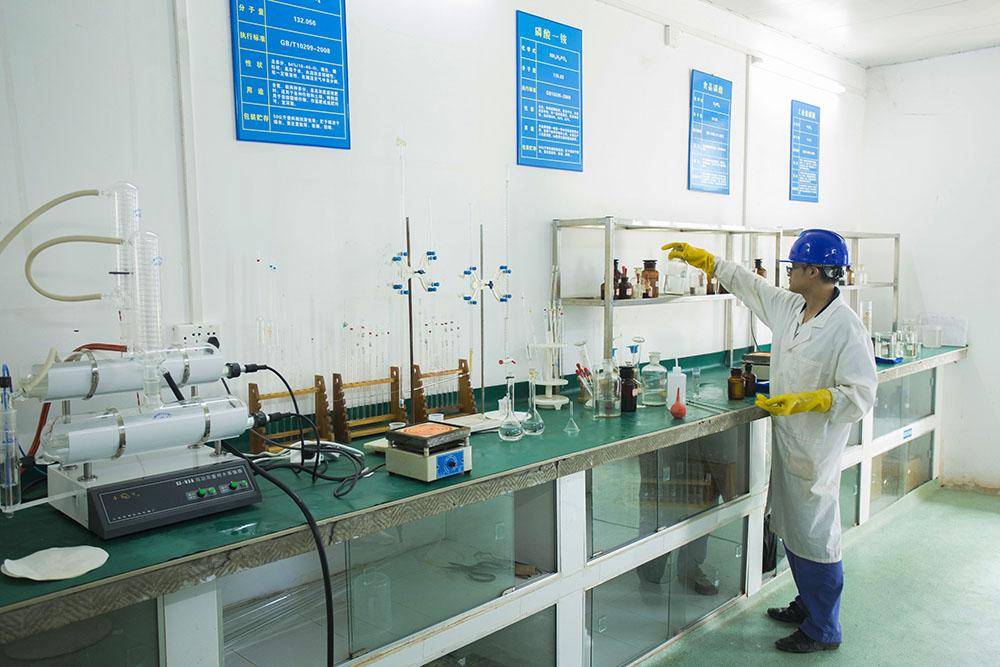
Precision is paramount in pharmaceutical research, where even the slightest variation in acid purity can impact the results of complex drug analyses.
Global Market Trends and Pricing for 2026
The pharmaceutical industry is seeing a surge in demand for high-purity excipients and reagents, driven by the growth of personalized medicine and advanced biologics. As we move into 2026, the market for pharmaceutical-grade phosphoric acid is evolving.
Market Size and Growth Projections
The high-purity phosphoric acid market is projected to grow from $1.3 billion in 2026 to $2.1 billion by 2036, at a CAGR of 5.0% . This growth is fueled by the increasing complexity of drug formulations and the rising standards of global health authorities.
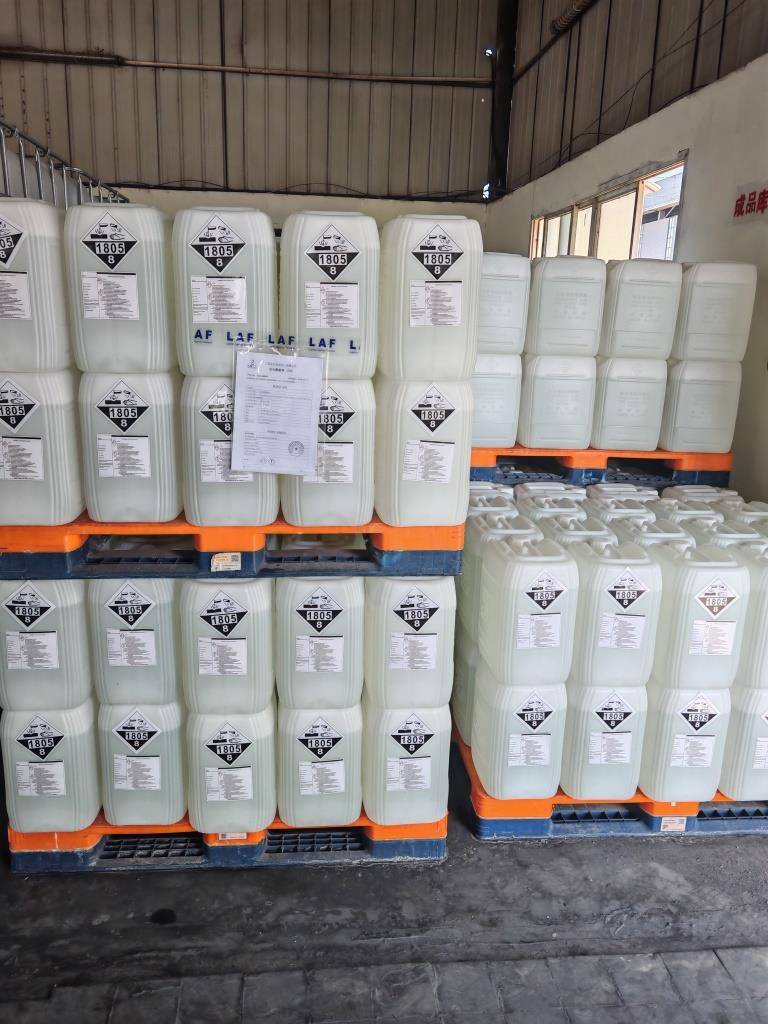
We utilize specialized, sterile packaging to maintain the extreme purity of our pharmaceutical-grade phosphoric acid throughout the entire supply chain.
Pricing Insights for 2026
For procurement managers, understanding the factors that influence the price of pharmaceutical-grade acid is crucial. In early 2026, we’ve observed:
- Premium for Purity: Pharmaceutical-grade acid continues to command a significant premium over technical grades due to the extensive purification and testing required.
- Supply Chain Resilience: Manufacturers are prioritizing suppliers with robust, transparent supply chains to ensure a consistent flow of critical ingredients.
- Regulatory Compliance Costs: Increasing documentation and audit requirements from health agencies are a key factor in overall pricing.
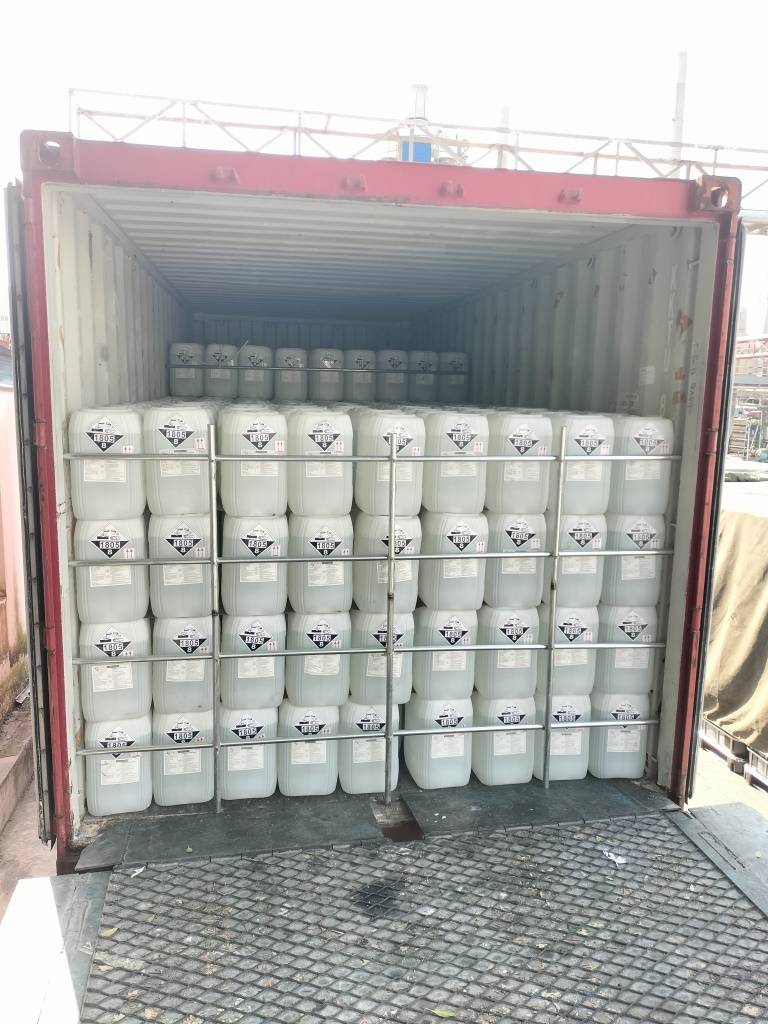
Our expert logistics team ensures that every shipment of pharmaceutical-grade phosphoric acid is handled with the utmost care and delivered on time to your facility.
Frequently Asked Questions (People Also Ask)
Why is phosphoric acid used in some injectable drugs?
It is used as a pH adjuster to ensure the medication is compatible with the body’s natural pH, reducing irritation at the injection site and ensuring the drug remains stable in solution.
Is dental etching with phosphoric acid painful?
No, when performed by a professional, acid etching is a painless procedure. The acid is applied only to the tooth surface and is carefully rinsed away before the restoration is placed.
What is the difference between food-grade and pharmaceutical-grade phosphoric acid?
While both are highly purified, pharmaceutical-grade acid must meet even stricter limits for heavy metals and other impurities, and it must be manufactured under current Good Manufacturing Practices (cGMP).
Can phosphoric acid be used as a preservative in medicine?
Yes, its acidic nature can inhibit the growth of certain microorganisms, helping to extend the shelf life of liquid pharmaceutical formulations.
Conclusion: Supporting the Future of Healthcare
The role of phosphoric acid in pharmaceuticals and health products is a testament to its incredible versatility and the precision of modern chemical manufacturing. By providing a stable, pure, and effective tool for drug formulation and dental care, it continues to support the advancement of global health and well-being.
Industrial Buyers: Next Steps for Sourcing Bulk Phosphoric Acid
What makes our Phosphoric Acid Better:
✅ Compliant with EU, UN, ISO Standards – No Legal Headaches
✅ Guaranteed 85% Concentration – Stability for your Processing Plant
✅ Extremely Low Impurities – Low Heavy Metals
✅ Batch-Specific COA Provided – Full Transparency per Shipment.
Download Our EU-approved Specifications.[ Food Grade or Industrial Grade]