


The oil and gas industry is a complex world, constantly battling harsh environments and demanding operational challenges. From deep underground wells to vast pipeline networks, maintaining infrastructure integrity and maximizing production efficiency is paramount. Have you ever considered the unsung chemical heroes that make this possible? One such hero is phosphoric acid, playing a surprisingly vital role in various facets of the oil and gas sector.
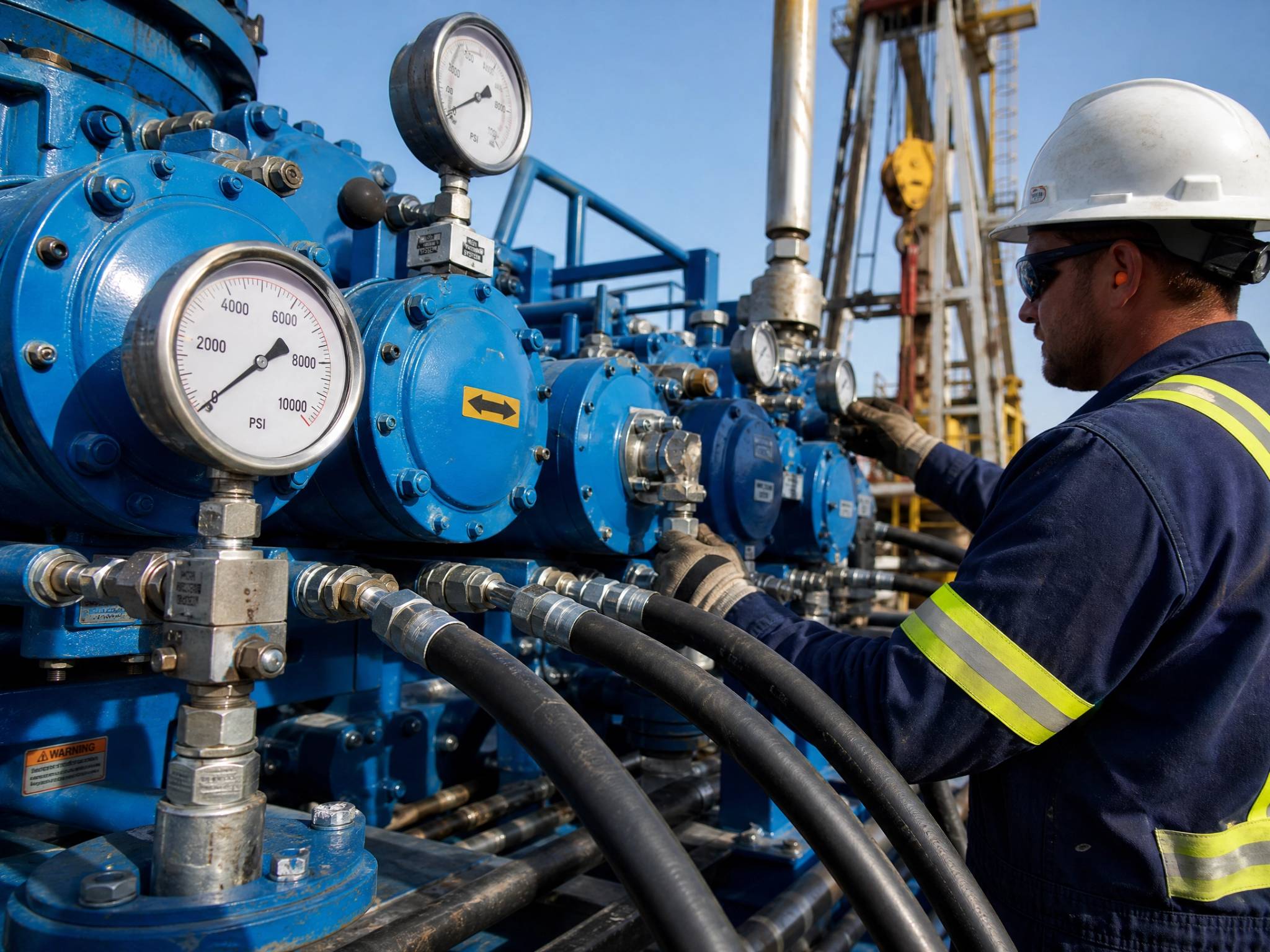
Rigorous quality and performance testing for oil and gas chemicals
This blog post will dive into the critical applications of phosphoric acid, revealing how it helps overcome common industry hurdles like corrosion and scale buildup. We will explore its benefits, from enhancing well productivity to protecting expensive equipment, and discuss the technical considerations for its use. Get ready to uncover how this versatile acid contributes to safer, more efficient, and more sustainable oil and gas operations.
Why Phosphoric Acid is Crucial for Oil and Gas Operations
The oil and gas industry relies heavily on specialized chemicals to maintain operational continuity and optimize output. Phosphoric acid, with its unique chemical properties, offers solutions to several persistent problems. It is not just about raw extraction; it is about protecting the entire system.
Its ability to react with metals and minerals makes it an invaluable tool. Whether it is stimulating a sluggish well or safeguarding a pipeline from internal decay, phosphoric acid provides a balanced approach. It is often preferred for its controlled reactivity compared to some other strong acids.
Well Stimulation and Acidizing
Over time, oil and gas wells can experience a decline in production due due to the buildup of mineral scale or formation damage. Acidizing is a common technique to restore or enhance permeability. Phosphoric acid is a key player in this process.

Client and technical team on-site verification in oilfield development
It effectively dissolves carbonate scales and other mineral deposits that restrict the flow of hydrocarbons. Unlike some stronger acids, phosphoric acid offers a more controlled reaction, reducing the risk of damage to sensitive geological formations. This selective action helps open up pathways for oil and gas to flow more freely.
Corrosion Control in Pipelines and Equipment
Corrosion is a constant threat in the oil and gas industry, leading to costly leaks, equipment failure, and environmental hazards. Production fluids, often containing water, salts, and corrosive gases like H₂S and CO₂, can aggressively attack metal surfaces. Phosphoric acid offers a robust defense.
It forms a protective phosphate film on the internal surfaces of pipelines, storage tanks, and downhole tools. This passivation layer acts as a barrier, significantly slowing down the electrochemical reactions that cause corrosion. Protecting these assets extends their operational life and ensures safer transport of valuable resources.
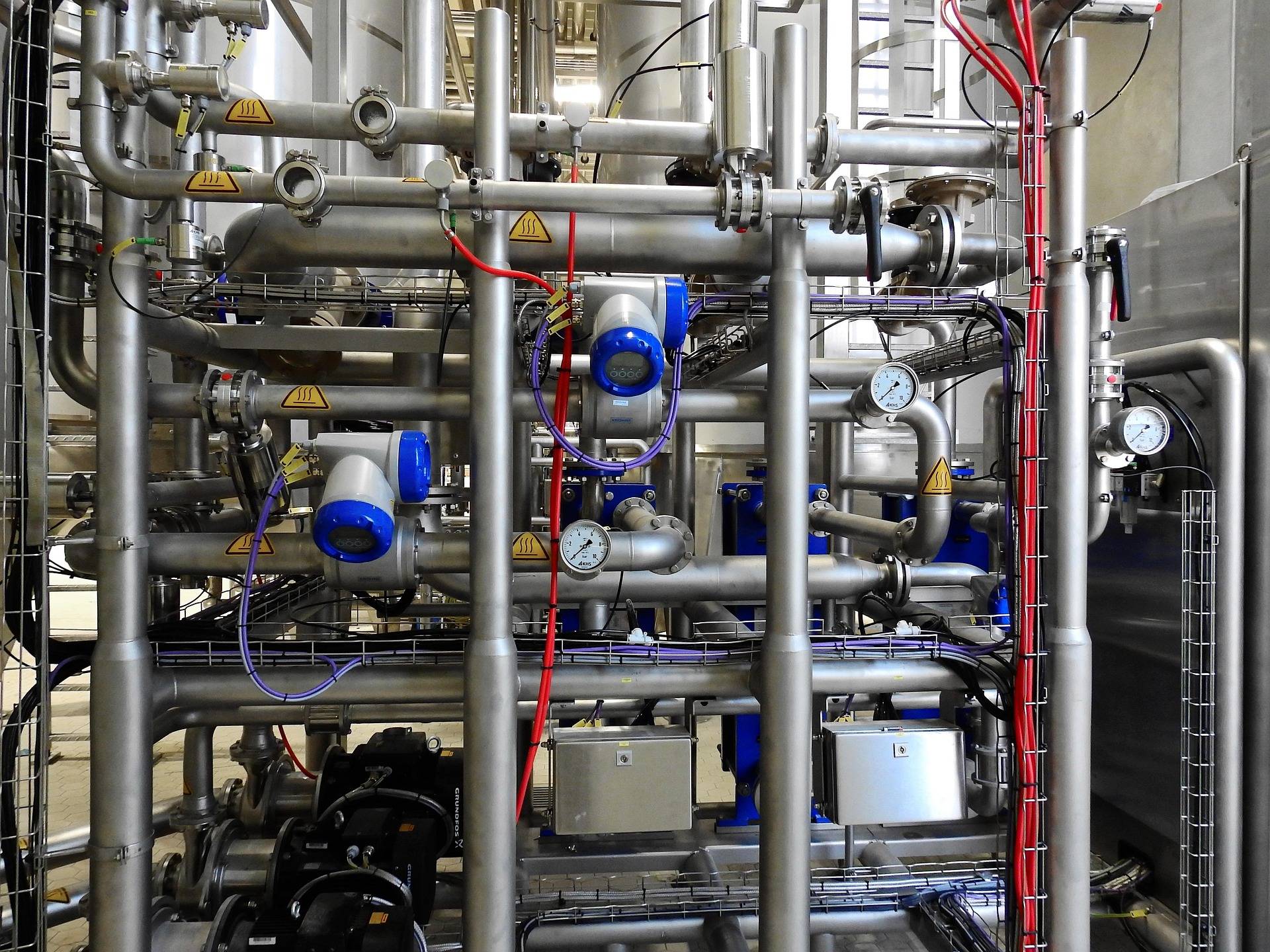
High-quality ductile iron fittings for oil and gas infrastructure
Key Applications of Phosphoric Acid in the Oil and Gas Sector
The versatility of phosphoric acid extends across various stages of oil and gas operations, from extraction to refining. Its unique properties make it adaptable to diverse challenges faced by the industry.
- Scale Removal: Beyond well stimulation, it is used to clean and descale processing equipment, heat exchangers, and storage tanks, ensuring optimal performance.
- Refining Processes: In petroleum refining, phosphoric acid acts as a catalyst in processes like polymerization and alkylation, which are crucial for producing high-octane gasoline components.
- Surface Preparation: Before applying protective coatings to offshore platforms or drilling equipment, phosphoric acid is used to clean and passivate metal surfaces, ensuring better adhesion and long-lasting protection.
- Wastewater Treatment: It can also be employed in the treatment of produced water or refinery wastewater to adjust pH and aid in the removal of certain contaminants.
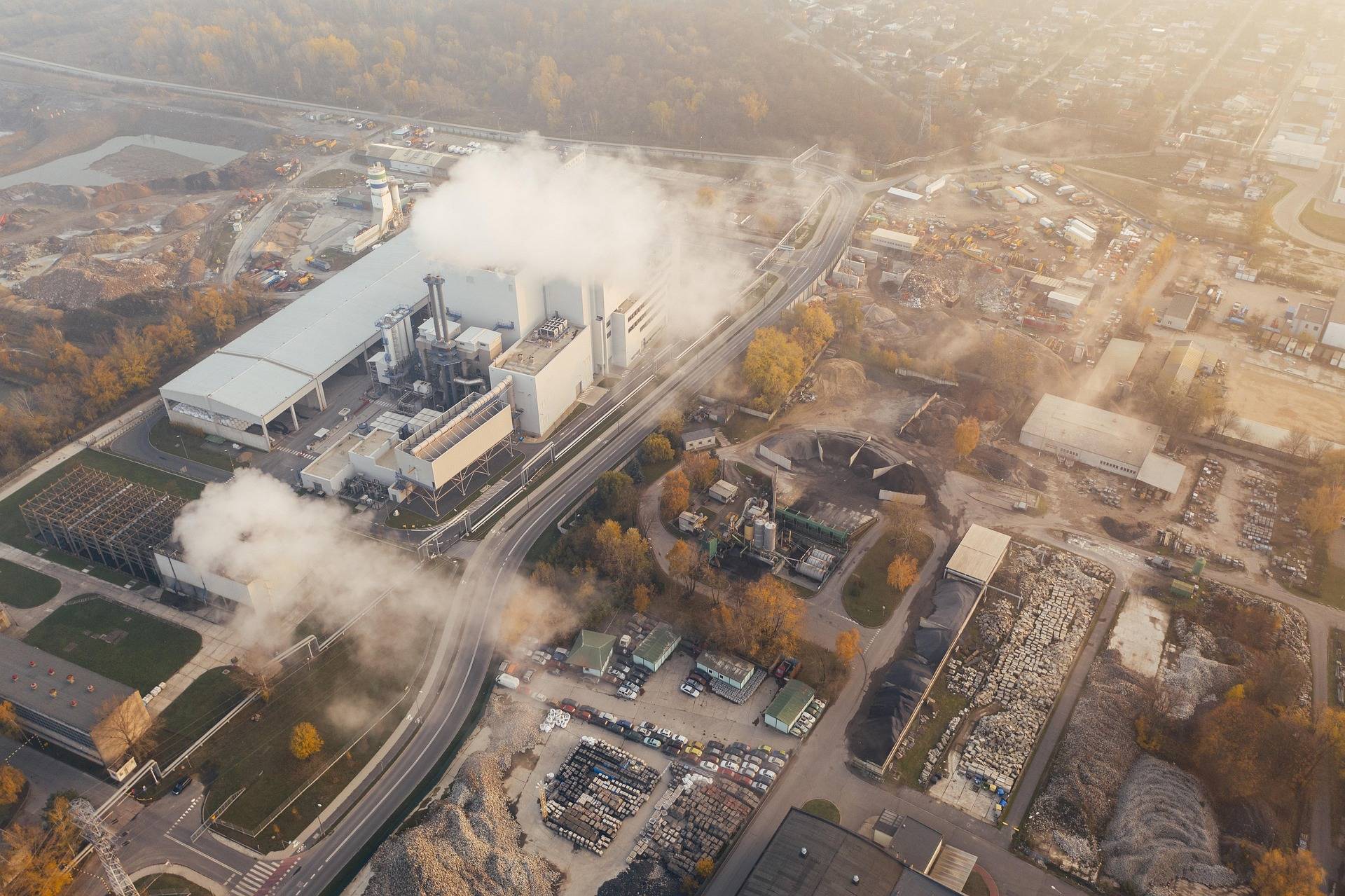
Advanced piping systems used in phosphoric acid handling for oilfield operations
Need Help Sourcing Bulk Phosphoric Acid In 2026?
Get a Free Phosphoric Acid Specification Sheet (Food & Industrial Grade).
WhatsApp Us for Free a Consultation
Benefits of Phosphoric Acid in Maintaining Oilfield Integrity
Choosing phosphoric acid for specific applications in the oil and gas industry brings several tangible benefits. These advantages contribute directly to operational efficiency, safety, and cost-effectiveness.
| Benefit | Description | Impact on Operations |
| Reduced Corrosion | Forms a protective film on metal surfaces | Extends equipment lifespan, reduces maintenance costs |
| Enhanced Production | Dissolves scale in wells and pipelines | Improves flow rates, maximizes hydrocarbon recovery |
| Safer Handling | Less corrosive than some strong acids (e.g., HCl) | Reduces risks to personnel and equipment |
| Cost Efficiency | Multi-functional, reduces need for multiple chemicals | Streamlines chemical inventory and application |
| Environmental Profile | Phosphate-based inhibitors can be more manageable | Supports compliance with environmental regulations |
Ensuring Quality and Compliance: Sourcing Phosphoric Acid for Oil & Gas
Given the critical nature of oil and gas operations, the quality and purity of phosphoric acid are non-negotiable. Sourcing from a reliable supplier who understands the industry’s stringent requirements is paramount. This includes adherence to international standards and robust supply chain logistics.
Always demand a detailed Certificate of Analysis (CoA) for each batch. This document verifies that the phosphoric acid meets the necessary specifications, particularly concerning purity and concentration. For industrial applications, our Industrial Grade Phosphoric Acid is specifically formulated to meet these demanding needs.
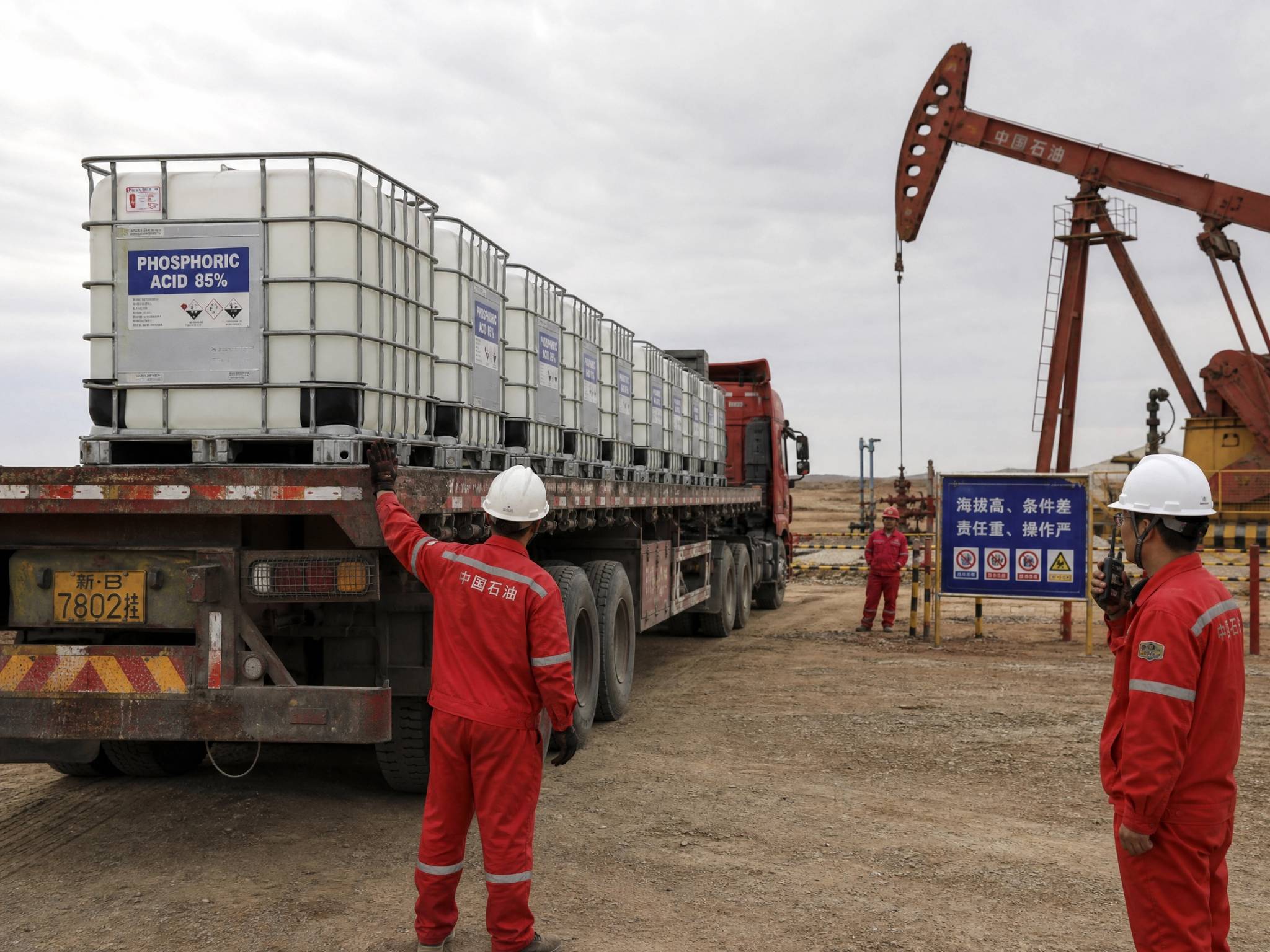
Safe delivery and handling of phosphoric acid for oil and gas well stimulation
Safe Transport and Storage
Phosphoric acid is classified as a corrosive material (UN 1805, Class 8). Its transport and storage must comply with strict regulations to ensure safety. Reputable suppliers utilize specialized packaging, such as IBC totes or tank containers, and adhere to international shipping guidelines. Understanding these aspects is crucial for seamless integration into your operations.
Frequently Asked Questions (FAQs)
Is phosphoric acid used for fracking?
While phosphoric acid can be used in well stimulation, it is generally not the primary acid used in large-scale hydraulic fracturing (fracking) operations, where hydrochloric acid (HCl) is more common. However, it can be used in specific acidizing treatments to remove scale or stimulate production in certain formations.
How does phosphoric acid prevent corrosion in pipelines?
Phosphoric acid reacts with the metal surface to form a thin, protective layer of iron phosphate. This layer acts as a barrier, preventing corrosive elements in the production fluids from directly contacting and degrading the metal.
What are the safety considerations for handling phosphoric acid in the oil and gas industry?
Phosphoric acid is corrosive and requires careful handling. This includes using appropriate personal protective equipment (PPE), ensuring adequate ventilation, and having spill containment procedures in place. Proper training for personnel is essential.
Can phosphoric acid be used to remove all types of scale?
Phosphoric acid is particularly effective against carbonate-based scales (like calcium carbonate). Its effectiveness against other types of scale (e.g., sulfate scales) may vary, and sometimes it is used in conjunction with other chemicals or treatment methods.
What purity level is typically required for oil and gas applications?
For most oil and gas applications, industrial-grade phosphoric acid (often 75% or 85% concentration) is used. However, specific applications might require higher purity to avoid introducing unwanted contaminants into the wellbore or refining processes.
Conclusion: Powering Progress in Oil and Gas
Phosphoric acid is an indispensable chemical in the oil and gas industry, offering solutions that enhance efficiency, protect infrastructure, and ensure operational safety. From stimulating wells to preventing corrosion in pipelines, its diverse applications underscore its value. By leveraging its unique properties, companies can optimize production, extend asset life, and navigate the industry’s challenges more effectively.
Industrial Buyers: Next Steps for Sourcing Bulk Phosphoric Acid
What makes our Phosphoric Acid Better:
✅ Compliant with EU, UN, ISO Standards – No Legal Headaches
✅ Guaranteed 85% Concentration – Stability for your Processing Plant
✅ Extremely Low Impurities – Low Heavy Metals
✅ Batch-Specific COA Provided – Full Transparency per Shipment.
Download Our EU-approved Specifications.[ Food Grade or Industrial Grade]