


In industrial applications, the purity of chemicals like phosphoric acid is not just a preference—it’s a critical requirement. Phosphoric acid, a versatile compound used in everything from metal treatment to food processing, must meet stringent specifications to ensure optimal performance and safety. However, the market can sometimes present challenges, with diluted or low-purity products potentially entering the supply chain. Using substandard phosphoric acid can lead to costly operational failures, compromised product quality, and even safety hazards.

A quality control manager inspects a suspicious sample of phosphoric acid.
As a buyer, how can you protect your investments and ensure you’re receiving the quality you pay for? This guide will equip you with the knowledge to identify the top 5 warning signs of diluted or low-purity phosphoric acid, helping you make informed procurement decisions and maintain the integrity of your processes.
1. Visual Anomalies: Beyond Clear and Colorless
High-purity phosphoric acid, especially in its common 85% solution form, is typically described as a clear, colorless, and odorless viscous liquid [1]. Any deviation from this expected appearance should immediately raise a red flag. While some technical grades might have a very faint yellowish tint, significant discoloration or cloudiness often indicates the presence of impurities or degradation.
What to Look For:
- Yellowish or Brownish Tint: This can suggest the presence of organic impurities, iron compounds, or other contaminants introduced during manufacturing or storage. These impurities can interfere with sensitive processes like those in the electronics industry.
- Cloudiness or Turbidity: A hazy or cloudy appearance usually points to suspended solids, precipitates, or insoluble impurities. This is a clear indicator of poor quality or contamination.
- Visible Particles: Any visible particulate matter floating in the acid is a strong sign of contamination or improper filtration during production.
Remember, while visual inspection is a good first step, it’s not a definitive test. However, it can serve as an initial screening tool to flag potentially problematic batches.
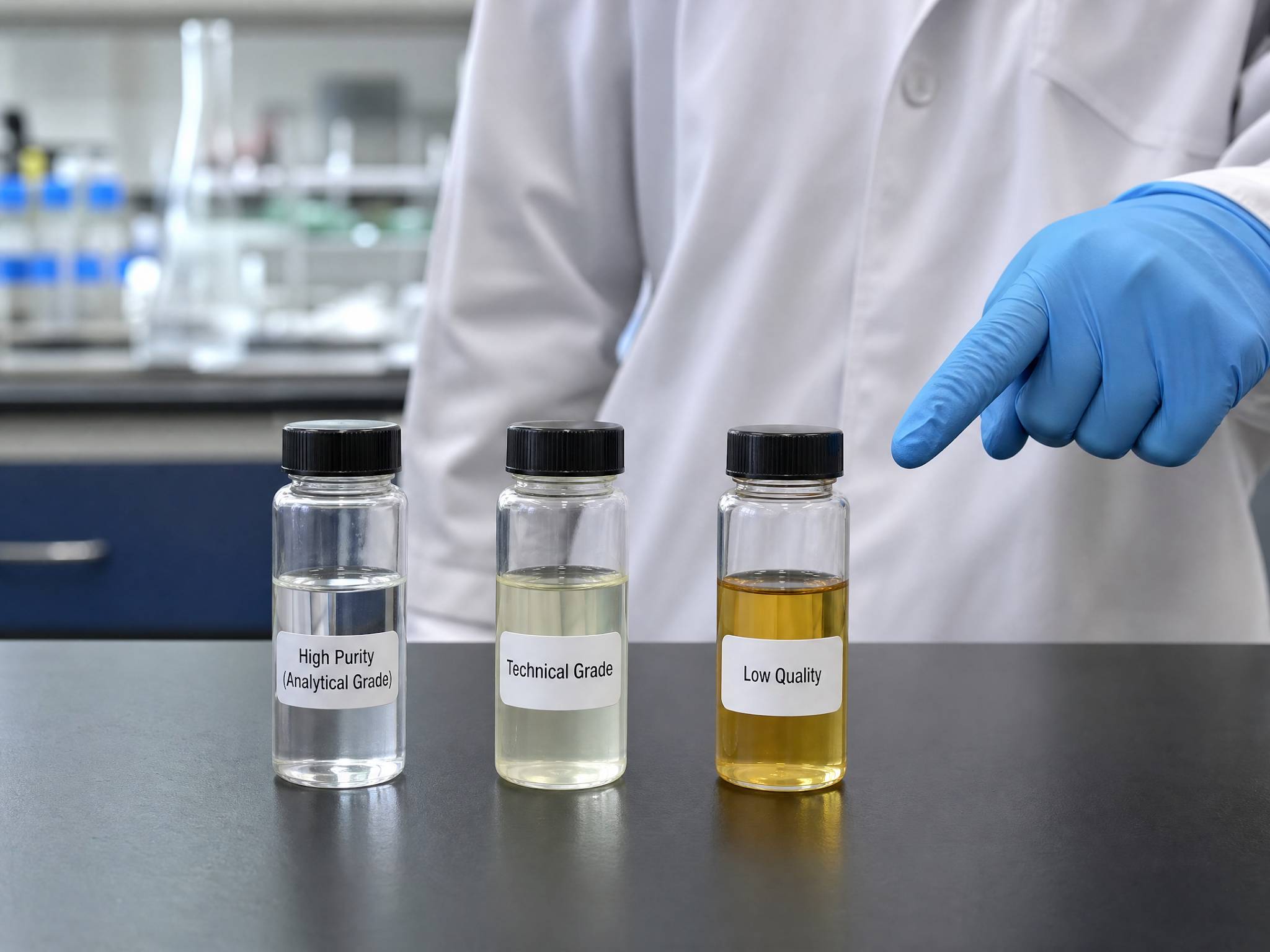
Visual differences can indicate varying levels of phosphoric acid purity.
2. Inconsistent Density or Viscosity
Phosphoric acid has well-defined physical properties, including its density and viscosity, which are directly related to its concentration. For example, 85% phosphoric acid has a specific gravity (density) of approximately 1.685 g/cm³ at 25°C [2]. Significant deviations from these expected values can be a strong indicator of dilution or incorrect concentration.
How to Detect:
- Hydrometer Readings: A simple hydrometer can be used to measure the specific gravity of the acid. If the reading is lower than expected for the stated concentration, it suggests dilution with water. This is a quick and effective on-site test.
- Viscosity Changes: High-purity 85% phosphoric acid is noticeably viscous. If a batch appears unusually thin or watery, it could be diluted. While subjective, a noticeable change in viscosity from previous, known-good batches warrants further investigation.
These physical tests are crucial because dilution directly impacts the chemical’s effectiveness. If you’re expecting 85% acid but receive 70%, your process will require more volume, leading to increased costs and potential operational issues.
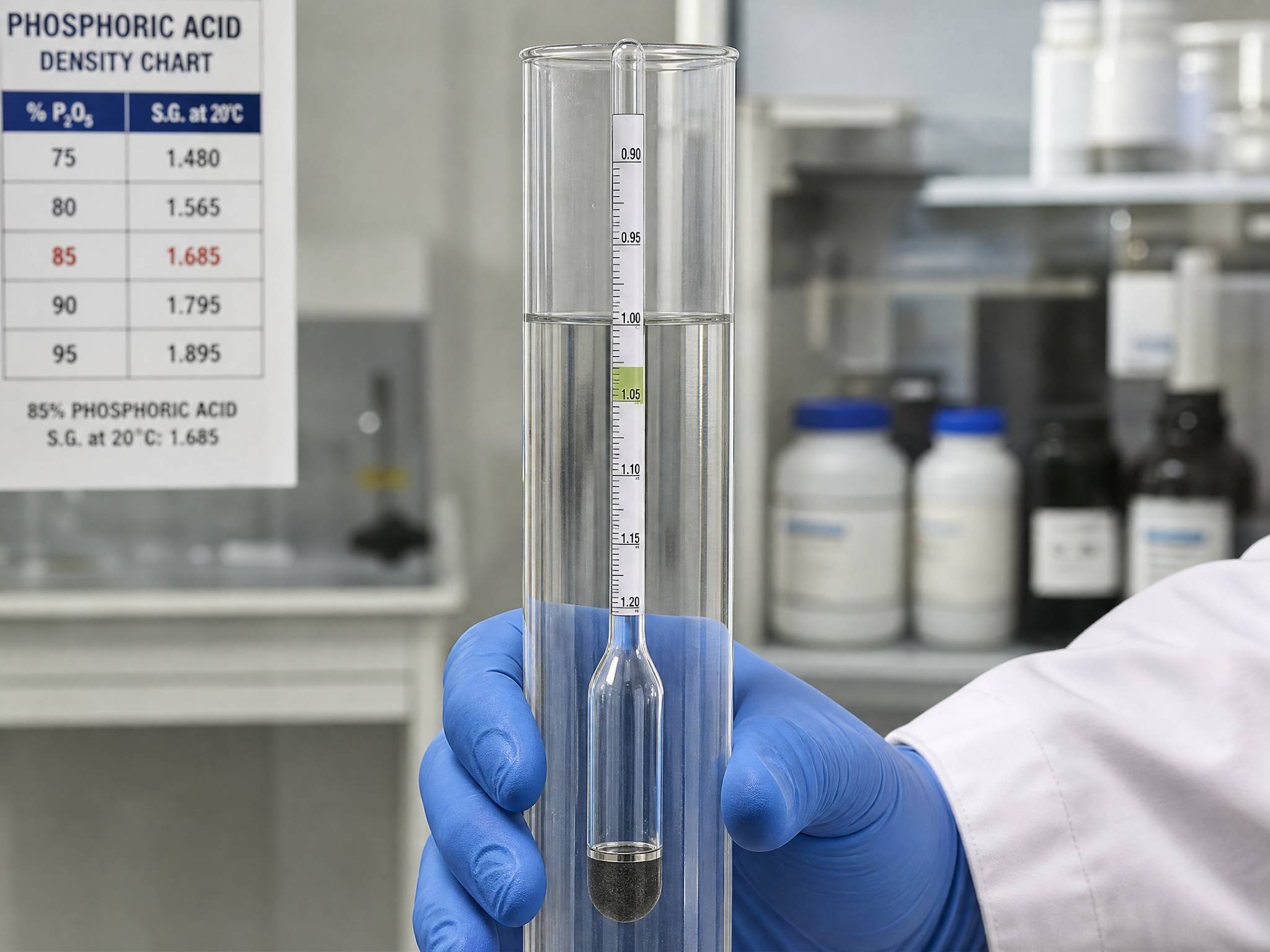
A hydrometer provides a quick check for phosphoric acid concentration.
3. Unexpected Performance Issues in Application
Perhaps the most impactful warning sign is when the phosphoric acid simply doesn’t perform as expected in your application. This can manifest in various ways, depending on its intended use.
Application-Specific Problems:
- Metal Treatment: If used for rust removal or metal passivation, low-purity acid might result in incomplete rust conversion, poor surface adhesion for subsequent coatings, or even accelerated corrosion due to unwanted impurities [3].
- Food & Beverage: In the food industry, diluted acid might fail to provide the desired tartness, preservative effect, or pH buffering, leading to off-flavors, spoilage, or non-compliance with food safety standards. For more on this, see our guide on How to Order Food-Grade Phosphoric Acid Without Compromising Safety Compliance.
- Fertilizer Production: In agriculture, impurities can hinder the effectiveness of fertilizers or introduce undesirable elements into the soil.
- Electronics Cleaning: For semiconductor manufacturing, even trace impurities can cause critical defects, leading to device failure. Our blog on Phosphoric Acid in Electronics and Semiconductor Cleaning highlights the extreme purity requirements in this sector.
These performance issues often lead to increased processing times, higher material consumption, rework, and ultimately, significant financial losses. The damage can extend beyond the immediate process, affecting final product quality and customer satisfaction.
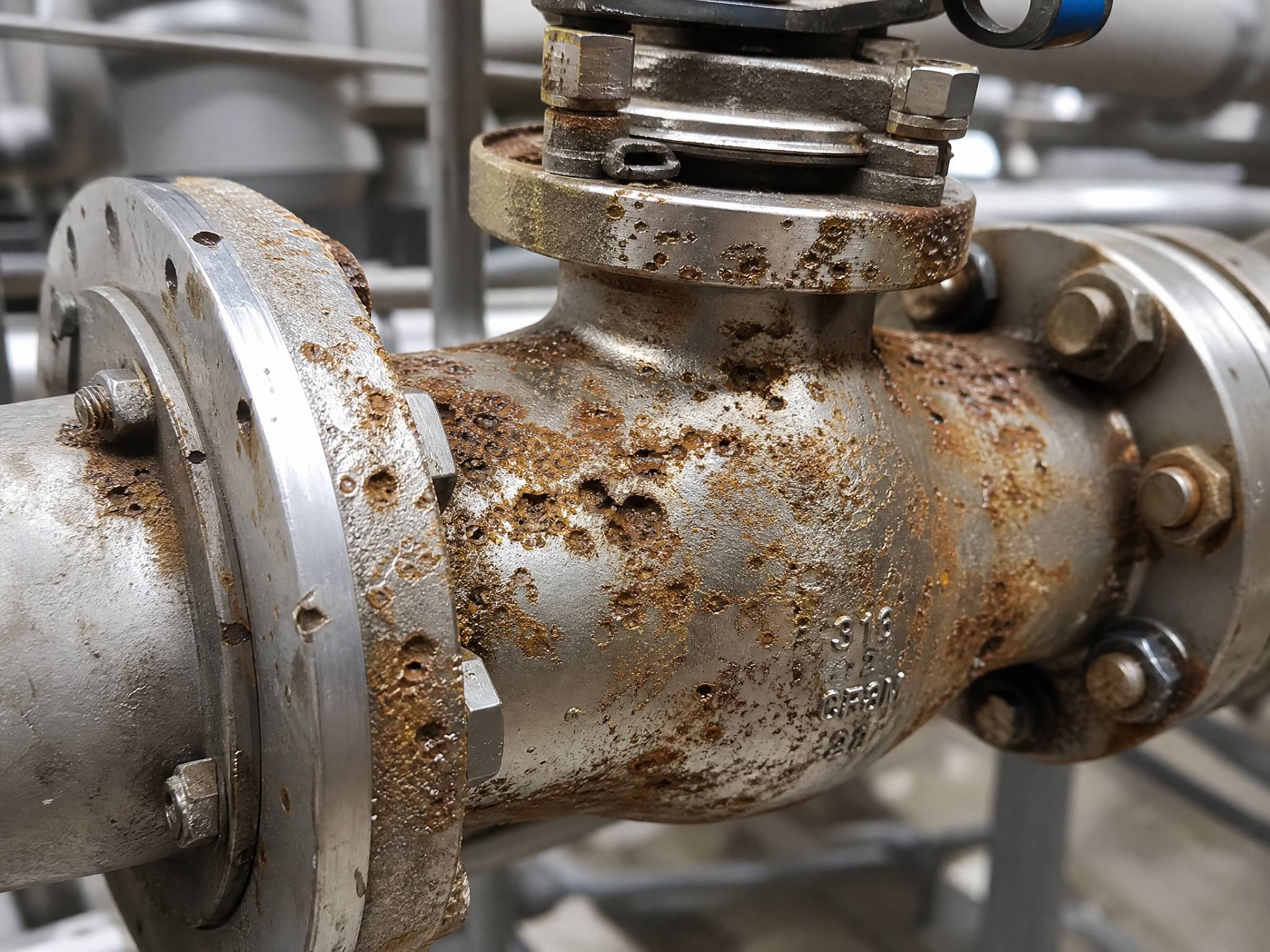
Low-purity chemicals can lead to severe equipment corrosion and operational failures.
Need Help Sourcing Bulk Phosphoric Acid In 2026?
Get a Free Phosphoric Acid Specification Sheet (Food & Industrial Grade).
WhatsApp Us for Free a Consultation
4. Incomplete or Suspicious Documentation
Reliable chemical procurement hinges on transparent and verifiable documentation. A reputable supplier will always provide comprehensive paperwork that confirms the product’s specifications and origin. Any missing, vague, or inconsistent documentation is a major red flag.
Documentation Red Flags:
- Missing Certificate of Analysis (CoA): A CoA is a crucial document detailing the chemical composition, purity, and impurity levels of a specific batch. Its absence is unacceptable for industrial-grade chemicals. Always demand a batch-specific CoA.
- Vague or Generic CoAs: Be wary of CoAs that lack specific test results, use broad ranges instead of precise figures, or appear to be generic templates rather than batch-specific reports.
- Lack of Compliance Certifications: Depending on your region and application, certifications like REACH, ISO, or FCC are vital. If a supplier cannot provide valid and verifiable certifications, especially when sourcing from regions like China, it’s a significant risk. Our guide on REACH & ISO Certification: What to Verify Before Buying Phosphoric Acid from China provides essential verification steps.
- Inconsistent Labeling: Discrepancies between container labels, safety data sheets (SDS), and CoAs indicate a disorganized or untrustworthy supplier.
Always cross-reference all documentation and, if possible, verify certifications directly with the issuing bodies. This due diligence is your primary defense against fraudulent or low-quality products.

Thorough review of analysis reports is vital to detect impurities exceeding acceptable limits.
5. Unusually Low Pricing
While cost-effectiveness is always a consideration, an unusually low price for phosphoric acid should be treated with extreme caution. In the chemical industry, prices are generally dictated by raw material costs, production processes, and market dynamics. A price significantly below the market average often signals a compromise in quality, purity, or ethical sourcing.
The Price-Quality Connection:
- Raw Material Quality: High-purity phosphoric acid requires higher-grade phosphate rock and more refined production processes, which inherently cost more.
- Production Standards: Manufacturers adhering to strict quality control, environmental regulations, and safety standards (e.g., ISO certified facilities) incur higher operational costs, which are reflected in their pricing.
- Logistics and Packaging: Proper handling, storage, and appropriate packaging (like those discussed in Phosphoric Acid Packaging for Bulk Orders) add to the cost but ensure product integrity.
If a deal seems too good to be true, it very likely is. Prioritize value and reliability over the lowest price point to avoid the hidden costs associated with substandard chemicals. For a comprehensive overview of market dynamics, refer to our Industrial Buyer’s Guide to Bulk Phosphoric Acid (2026 Update).

Verifying the Certificate of Analysis is a critical step in ensuring product quality.
Frequently Asked Questions (FAQs)
Q1: What are the immediate risks of using diluted phosphoric acid?
Using diluted phosphoric acid can lead to inefficient processes, increased consumption rates, higher operational costs, and compromised end-product quality. In some applications, it might fail to achieve the desired chemical reaction or cleaning efficacy, leading to rework or material waste.
Q2: How can I physically check the purity of phosphoric acid on-site?
On-site, you can perform a visual inspection for clarity and color. A more quantitative check involves using a hydrometer to measure the specific gravity, which can indicate if the concentration is significantly lower than expected. However, these are preliminary checks; a full laboratory analysis is required for definitive purity assessment.
Q3: What impurities are commonly found in low-purity phosphoric acid?
Common impurities in low-purity phosphoric acid, especially from the wet process, can include heavy metals (like cadmium, lead, arsenic), fluorides, sulfates, and organic compounds. These impurities can negatively impact its performance in various applications and pose health or environmental risks.
Q4: Why is a Certificate of Analysis (CoA) so important when buying phosphoric acid?
A Certificate of Analysis (CoA) is crucial because it provides detailed, batch-specific information about the chemical composition, purity levels, and impurity concentrations. It’s your primary document to verify that the phosphoric acid meets your required specifications and complies with relevant industry standards.
Q5: Can low-purity phosphoric acid damage my equipment?
Yes, low-purity phosphoric acid can damage equipment. Impurities, particularly certain metal ions or corrosive byproducts, can accelerate corrosion of storage tanks, pipes, and processing equipment, leading to costly repairs, downtime, and potential safety hazards. This is especially true if the equipment is not designed to handle the specific impurities present.
Conclusion: Vigilance is Your Best Defense
Procuring phosphoric acid requires vigilance and a keen eye for detail. By understanding the visual cues, physical properties, performance indicators, documentation requirements, and pricing realities, you can effectively identify and avoid diluted or low-purity products. Partnering with reputable suppliers who prioritize transparency and quality control is your strongest defense against the risks associated with substandard chemicals. Remember, in the world of industrial chemicals, quality is not an option—it’s a necessity.
Industrial Buyers: Next Steps for Sourcing Bulk Phosphoric Acid
What makes our Phosphoric Acid Better:
✅ Compliant with EU, UN, ISO Standards – No Legal Headaches
✅ Guaranteed 85% Concentration – Stability for your Processing Plant
✅ Extremely Low Impurities – Low Heavy Metals
✅ Batch-Specific COA Provided – Full Transparency per Shipment.
Download Our EU-approved Specifications.[ Food Grade or Industrial Grade]