


Industrial grade phosphoric acid is one of the most critical inorganic mineral acids utilized in global manufacturing. Widely consumed across commercial fertilizer production, metal surface phosphatizing, chemical synthesis, heavy-duty industrial cleaning, and municipal water treatment, it acts as a foundational chemical raw material.
However, for chemical procurement officers and plant operations managers, purchasing industrial phosphoric acid requires looking beyond a standard 85% concentration quotation. Sourcing the incorrect chemical specification can cause severe catalyst poisoning in chemical synthesis, severe pipe corrosion, off-spec downstream batches, and expensive regulatory compliance failures. Achieving a secure chemical supply chain requires evaluating trace metal impurity limits, specific gravity, UN-certified packaging compatibility, export compliance, total landed costs, and supplier operational capabilities.

Industrial-grade phosphoric acid production and bulk chemical storage at a commercial manufacturing facility
Decision-Maker Insight
For procurement teams: The lowest quoted price is not always the lowest procurement cost. Compare product specification, impurity limits, packaging, freight, documentation, testing, and destination costs before selecting a supplier.
What Is Industrial Grade Phosphoric Acid?
Phosphoric acid, also known as orthophosphoric acid, is an inorganic acid with the chemical formula H₃PO₄.
Industrial-grade phosphoric acid is supplied for applications where the material must meet defined concentration and impurity requirements for an industrial process. Depending on the application, buyers may need to control parameters such as iron, aluminum, fluoride, sulfate, calcium, magnesium, and other trace impurities.
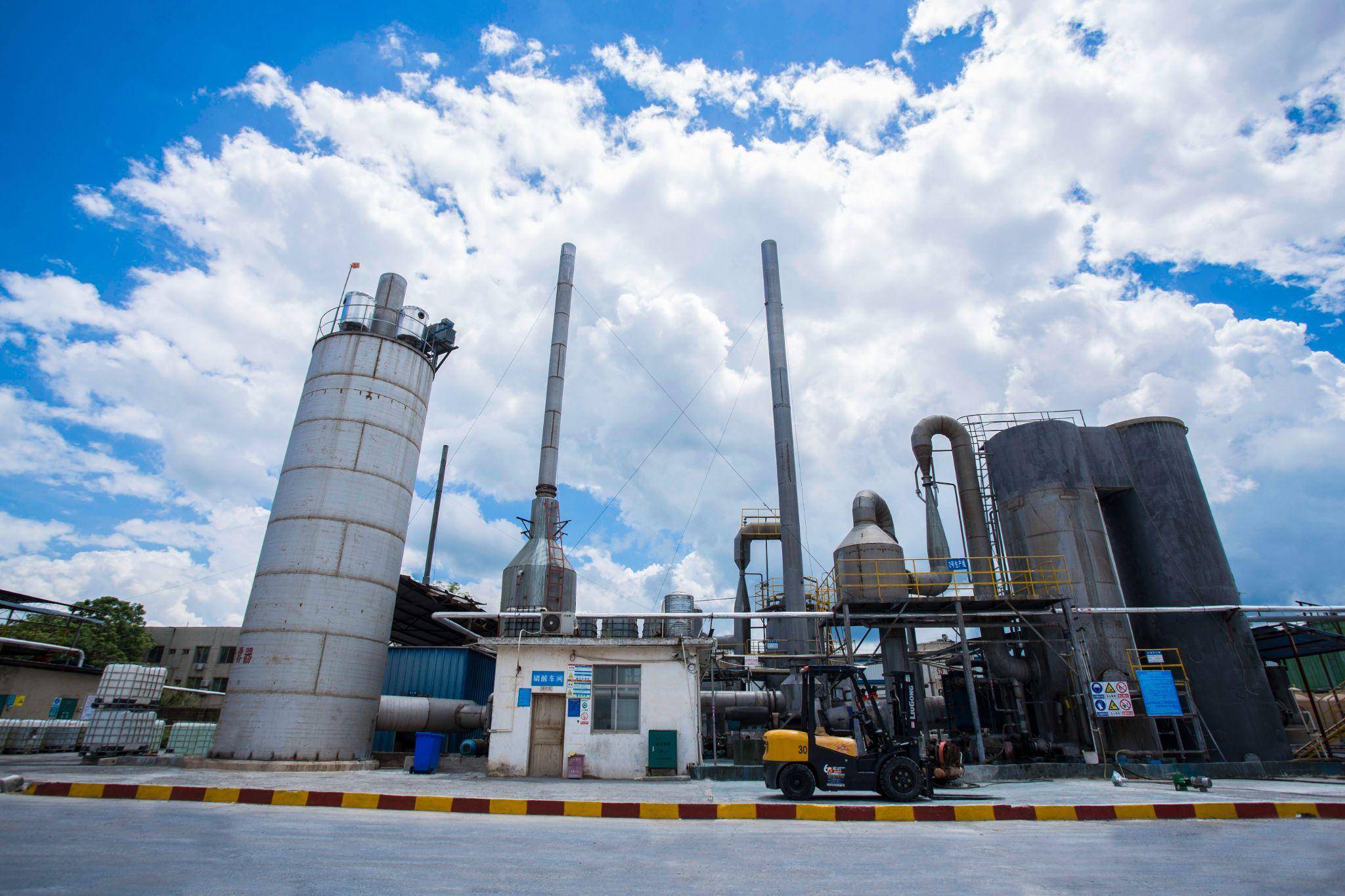
Industrial phosphoric acid manufacturing plant and chemical processing facility in China
The exact acceptable limits depend on the buyer’s process and agreed product specification.
Technical Note: Industrial grade describes material supplied to meet the specification required for an industrial application. A concentration such as 85% does not, by itself, define the complete grade. Buyers should confirm the agreed concentration and impurity limits against their specific process requirements.
For detailed technical parameters, see the Phosphoric Acid Specifications page.
What Is Industrial Grade Phosphoric Acid Used For?
Industrial phosphoric acid has applications across several manufacturing and processing industries.
Fertilizer Production
For fertilizer manufacturers, the relevant purchasing criteria may include concentration, impurity limits, consistency between batches, and compatibility with the downstream production process.

Harvesting crops enriched by phosphate fertilizers like MAP and DAP, which support healthy crop yields and growth
Monoammonium Phosphate (MAP) & Diammonium Phosphate (DAP): Phosphoric acid is reacted with anhydrous ammonia to yield MAP and DAP, the most widely applied solid phosphate fertilizers in commercial farming.
Triple Superphosphate (TSP): High-concentration wet-process acid is reacted directly with phosphate rock to create concentrated P₂O₅ solid fertilizers.
Liquid NPK Formulations: Technical acid provides a soluble source of phosphorus for fertigation systems and specialized liquid plant nutrition.
Metal Treatment and Surface Preparation
Buyers should define the required concentration and impurity profile according to the treatment process rather than selecting a product solely by concentration.
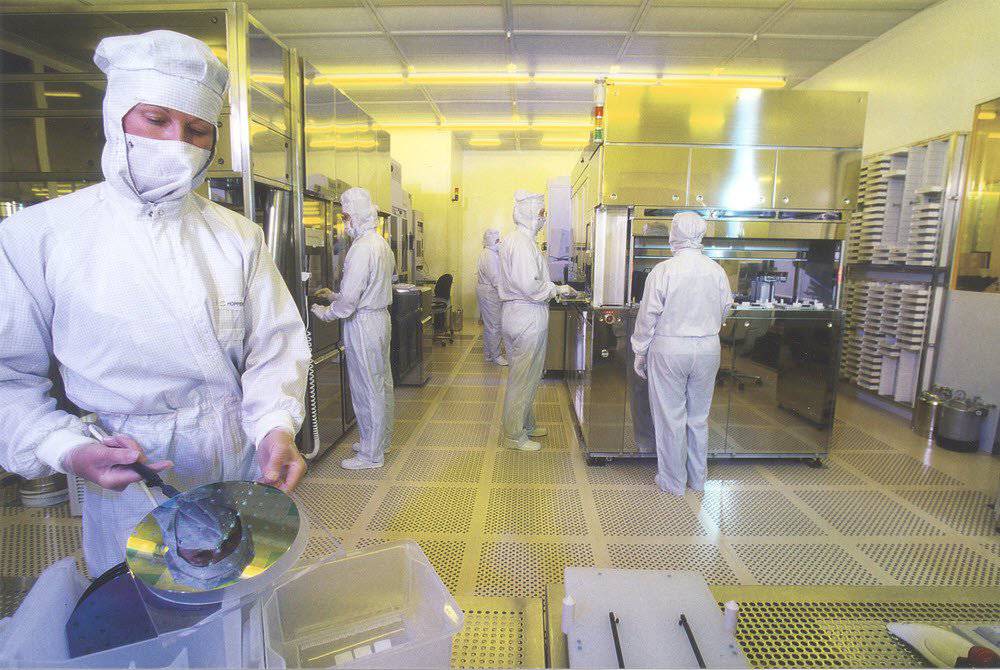
High-purity electronic-grade phosphoric acid used for wet etching and cleaning silicon wafers in semiconductor fabrication
Phosphatizing Treatments: Applying dilute phosphoric acid to steel or iron creates a micro-crystalline iron phosphate or zinc phosphate conversion coating. This layer acts as a corrosion barrier and provides adhesion for industrial paints and powder coatings.
Electropolishing & Chemical Pickling: High-strength phosphoric acid solutions, often mixed with sulfuric acid, are used to smooth, passivate, and brighten stainless steel parts by selectively dissolving microscopic high spots
Chemical Manufacturing
The required specification depends on the downstream chemical being produced, so the buyer should provide the supplier with the intended application before finalizing the specification.
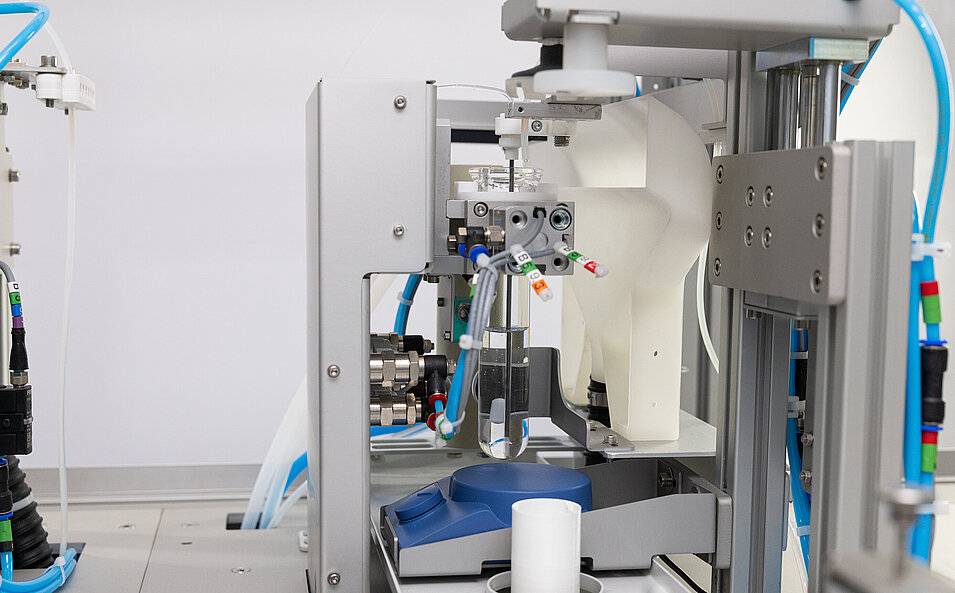
Automated laboratory titration system used for precise assay testing and quality control of liquid chemical solutions
Phosphate Salts: Used to produce sodium tripolyphosphate (STPP), trisodium phosphate (TSP), monocalcium phosphate, and potassium phosphates for detergent, ceramic, and technical applications.
Ethylene Hydration & Petrochemicals: Solid phosphoric acid (SPA) catalysts supported on diatomaceous earth are utilized in petrochemistry to convert ethylene into ethanol and synthesize alkylated aromatic compounds.
Industrial Cleaning
Phosphoric acid can be used in selected industrial cleaning and surface-preparation formulations.
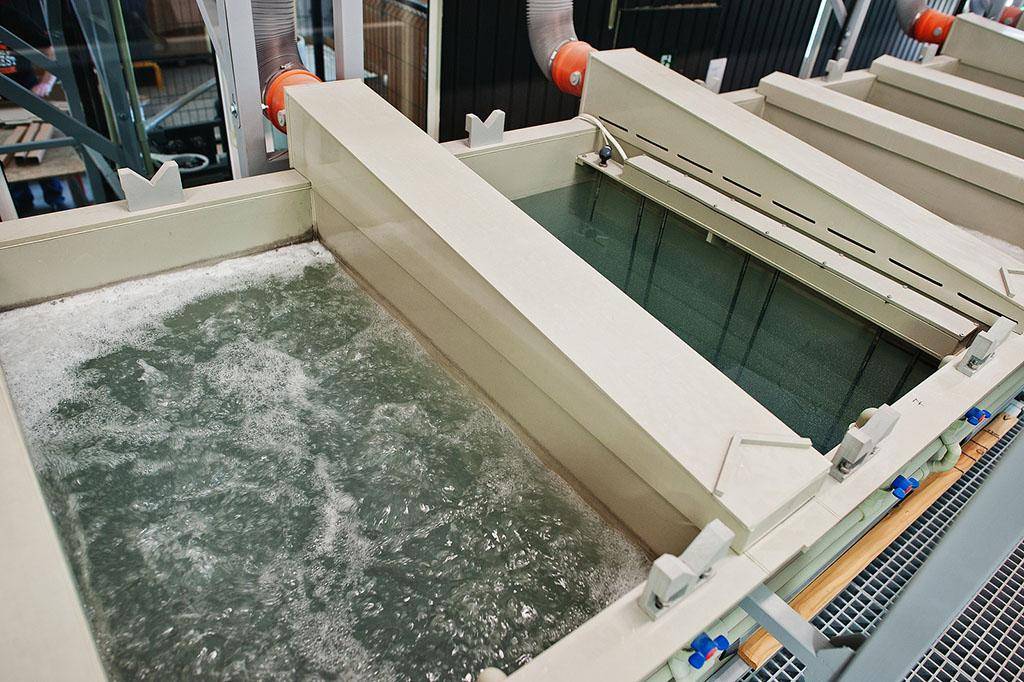
Phosphoric acid chemical bath tanks used for industrial metal rust removal, electropolishing, and surface treatment
Boiler & Heat Exchanger Descaling: Efficiently dissolves calcium carbonate scale and iron oxide buildup.
Dairy & Food Equipment Cleaners: Formulated into acid CIP (Clean-In-Place) detergents to strip milkstone and mineral films from stainless steel tanks and piping.
Masonry Cleaners: Removes efflorescence and mortar stains from brickwork and concrete structures.
Water Treatment
Phosphoric acid can also be used in water-treatment applications where controlled chemical dosing is required.
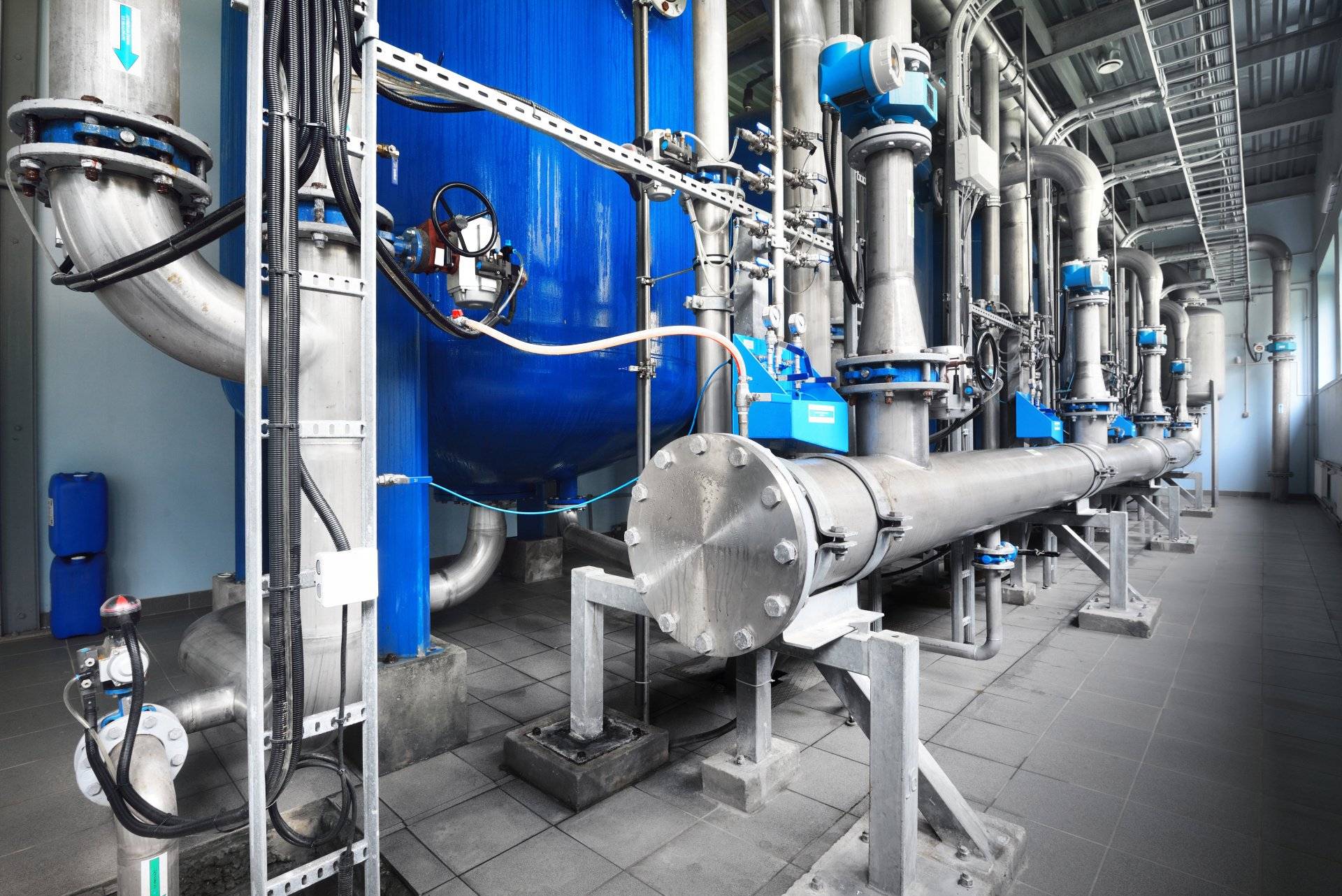
Advanced piping and chemical dosing equipment used in industrial water purification processes
Lead and Copper Corrosion Control: Dosing orthophosphates at low parts-per-million levels forms an insoluble protective film inside distribution piping, preventing heavy metals from leaching into water supplies.
Industrial Wastewater Treatment: Provides phosphorus nutrients for biological sludge digesters processing nutrient-deficient industrial effluent.
When sourcing bulk liquid chemicals internationally, evaluating how suppliers maintain quality control during processing and shipment is essential. See how chemical quality and supplier evaluation can help buyers make better sourcing decisions.
What Specifications Should Buyers Check?
Concentration alone is not enough when purchasing industrial grade phosphoric acid.
Concentration
Buyers should confirm the exact H₃PO₄ concentration required for their process. 85% phosphoric acid is a common commercial concentration, but the correct concentration should always be based on the application and agreed specification.
Impurity Limits
Depending on the process, buyers may need to check:
- Iron
- Aluminum
- Fluoride
- Sulfate
- Calcium
- Magnesium
- Heavy metals
- Other trace impurities
The supplier’s limits should be compared with the buyer’s own technical requirements.
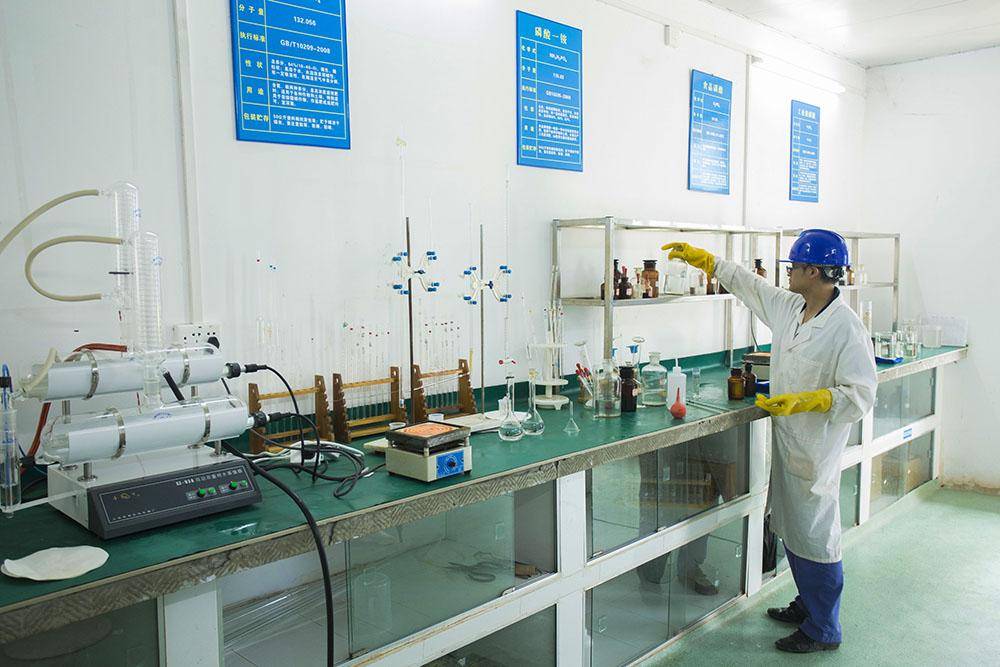
Quality testing and chemical analysis of 85% phosphoric acid in a manufacturer testing lab
Physical Properties
A technical specification may also include parameters such as:
- Appearance
- Density, where relevant
- P₂O₅ content
- Acidity or concentration
- Other application-specific parameters
A buyer should not rely only on a general product brochure. The agreed specification and batch documentation should be used for qualification.
What Documents Should You Request?
Before placing a bulk order, industrial buyers should request documentation that allows them to verify the product. For a new supplier, buyers can review the TDS and SDS during initial qualification and then compare the batch-specific COA against the agreed specification before shipment or receipt, depending on the procurement process.
Certificate of Analysis (COA)
A COA provides test results for a particular batch. Buyers should compare the reported results with the agreed product specification.
A batch-specific COA is more useful for procurement verification than relying only on a generic specification sheet.

Quality assurance technicians verifying Certificate of Analysis (COA) documentation and test results for a chemical batch in a laboratory setting.
Safety Data Sheet (SDS)
The SDS provides information about hazards, handling, storage, transportation, and emergency procedures.
The document should correspond to the actual product being supplied.
Technical Data Sheet (TDS)
A TDS provides the technical characteristics and specification parameters needed to assess whether the product is suitable for the intended process.
For industrial procurement, the TDS, SDS, and COA should be reviewed together.
How Is Industrial Phosphoric Acid Packaged?
The appropriate packaging format depends on order volume, handling equipment, storage facilities, transport requirements, and destination regulations. Buyers should confirm compatibility between the packaging material and the chemical before shipment.
Common options can include:
35 kg HDPE Drums / Jerrycans:
- Best For: Small-scale consumers, laboratory testing, or facilities without automated bulk pumping stations.
330 kg / 350 kg HDPE Drums:
- Best For: Medium-sized processing plants. Palletized in groups of 4 (1,320 kg – 1,400 kg per pallet) for forklift transport.
1,600 kg / 1,650 kg Intermediate Bulk Containers (IBC Totes):
- Best For: Most mid-to-large-scale industrial consumers. IBCs feature HDPE inner bottles reinforced by steel tubular cages with bottom discharge valves.
Bulk ISO Tank Containers (25,000–35,000 kg):
- Best For: Large chemical synthesis operations and fertilizer plants. ISO tanks offer lower packaging waste and lower per-ton shipping costs.
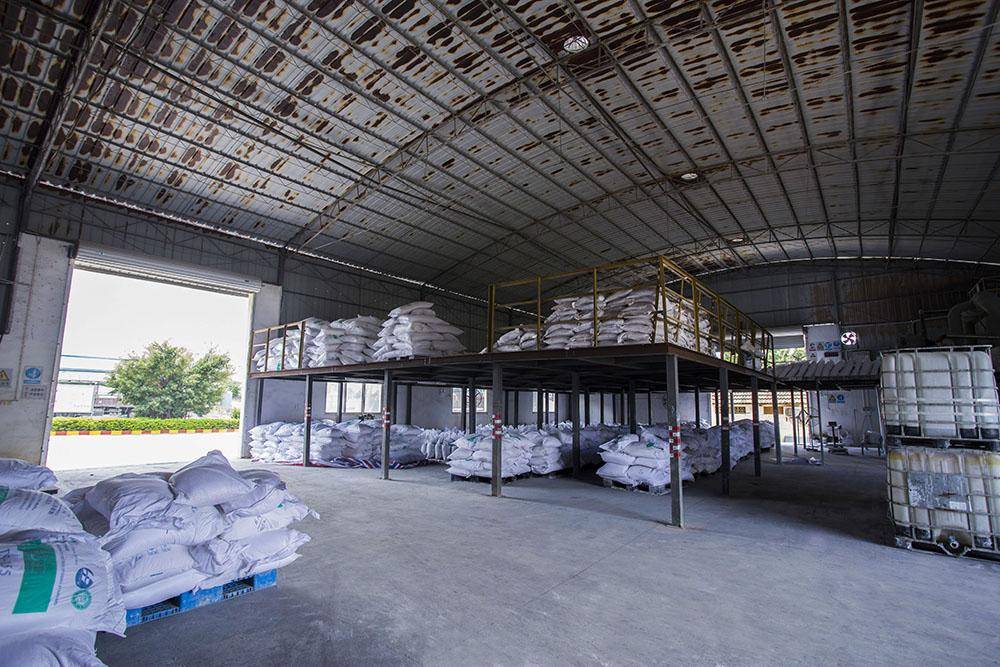
Industrial chemical storage warehouse featuring organized mezzanine racking for bagged products and IBC totes ready for bulk shipment and distribution
Before ordering, confirm the packaging material, container size, loading method, shipping documents, and destination requirements.
Packaging and loading should also be considered when comparing suppliers, particularly for international bulk shipments. This short video shows phosphoric acid loading in practice
What Should You Check Before Buying in Bulk?
A reliable procurement process should begin with the technical requirement rather than the supplier’s quotation.
1. Define Your Required Specification
Clearly state:
- Required concentration
- Grade
- Impurity limits
- Application
- Quantity
- Packaging
- Destination
- Required documentation
2. Compare the Complete Specification
Do not compare suppliers based only on price.
Compare concentration, impurity limits, COA results, documentation, packaging, production capability, and logistics.
3. Request a Sample
For a new supplier, a pre-bulk sample can allow the buyer’s laboratory or technical team to test the material before committing to a larger shipment.
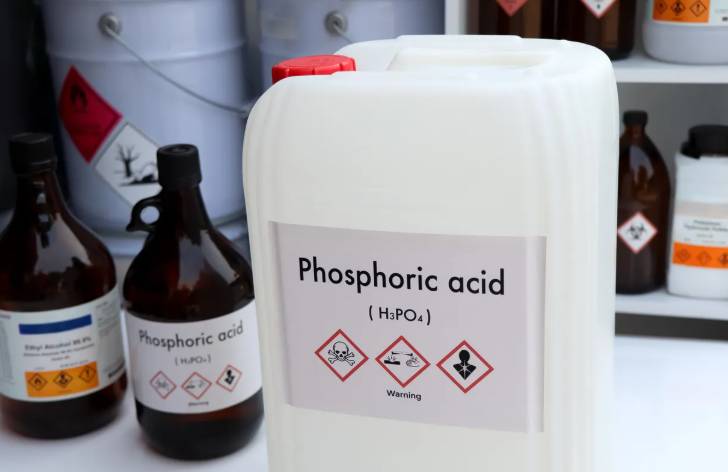
HDPE plastic jerrycan and amber glass bottles featuring standard GHS hazard labeling for liquid phosphoric acid storage and laboratory handling
4. Verify Supply Capability
For recurring requirements, confirm that the supplier can maintain consistent quality and supply volume across multiple shipments.
5. Calculate Total Landed Cost
The actual procurement cost can include:
- Product price
- Packaging
- Freight
- Insurance where applicable
- Port and handling charges
- Import duties
- Testing
- Storage
- Other destination costs
A lower quoted product price does not necessarily result in the lowest total procurement cost.
Industrial Grade vs Food Grade Phosphoric Acid
Industrial and food-grade phosphoric acid can both be supplied at similar concentrations, including 85%, but concentration does not make the grades interchangeable.
The main difference is the specification, impurity control, and permitted application.

Industrial formulation and mixing hoppers used for controlled concentration batching and pilot sample production of phosphoric acid derivatives
Industrial grade is selected according to the requirements of industrial processes, while food-grade material must meet the applicable requirements for food applications.
If your application involves food or beverage production, review the Food Grade Phosphoric Acid specifications rather than selecting a product based only on concentration.
How to Choose an Industrial Phosphoric Acid Supplier
Choosing a supplier should involve both product and supplier verification.
Before selecting an industrial phosphoric acid supplier, buyers should verify:
- Product concentration and grade
- Impurity limits
- Batch-specific COA availability
- TDS and SDS
- Production capability
- Packaging options
- Export and shipping capability
- Required quantity and lead time
- Sample availability
- Total landed cost
- Ability to maintain consistent specifications across repeat orders
Check Product Documentation
Request the TDS, SDS, and relevant COA before finalizing the purchase.
Evaluate Production Capability
For recurring bulk orders, assess whether the supplier has the production capacity and process controls needed to maintain consistent quality.

Quality assurance testing of high-purity electronic-grade phosphoric acid in a cleanroom environment
Review Packaging and Logistics
Confirm that the supplier can provide the required packaging and shipping format for your destination.
Consider Long-Term Supply Reliability
A suitable supplier should be able to meet the agreed specification, quantity, documentation, packaging, and delivery requirements consistently.
For additional guidance, read Top 3 Mistakes First-Time Buyers Make When Importing Phosphoric Acid from China.
What Should Buyers Verify About the Supplier?
Product qualification is only one part of bulk chemical procurement. Buyers should also evaluate whether the supplier can consistently meet the agreed specification and delivery requirements.
Useful supplier-verification points include production capability, quality-control procedures, batch documentation, packaging capability, shipment preparation, and experience handling international orders.

Chemical storage inspection ensuring proper spill containment and safety compliance for industrial liquid drums
Where a supplier is being considered for recurring purchases, buyers should evaluate performance across multiple shipments rather than relying on a single sample or quotation. Learn how our experienced team manages factory audits, chemical testing, and quality control on our dedicated How We Work page.
Technical Note
A successful first shipment does not automatically establish long-term supply reliability. For recurring requirements, buyers should monitor specification consistency, documentation, packaging condition, delivery performance, and quantity fulfillment across shipments.
How Can CAMAL Group Help Source Industrial Phosphoric Acid?
For businesses sourcing industrial phosphoric acid from China, CAMAL Group can support the supplier-identification and procurement process based on the buyer’s required grade, concentration, specification, quantity, packaging, documentation, and destination.
Through CAMACHEM, buyers can also access chemical sourcing and procurement support for industrial chemicals.
Sharing the intended application and purchasing requirements at the beginning can help narrow supplier options and ensure quotations are compared against the same technical requirements.

Camal Group team members and international business partners engaging in a corporate strategy and product discussion meeting
If you are unsure which specification fits your process, provide your application and purchasing requirements before comparing quotations. To explore how we have helped industrial clients optimize bulk chemical procurement, visit our Success Stories page.
Need industrial grade phosphoric acid for your next bulk order? Contact CAMAL Group to discuss your specification and sourcing requirements.
WhatsApp Us for Free a Consultation
Frequently Asked Questions About Industrial Grade Phosphoric Acid
What is industrial grade phosphoric acid used for?
Industrial grade phosphoric acid is used in fertilizer production, metal treatment, chemical manufacturing, phosphate-compound production, industrial cleaning, and selected water-treatment applications. For additional market insights into Chinese chemical suppliers, read our detailed article on Top Phosphoric Acid Manufacturers in China
Is 85% phosphoric acid industrial grade?
85% describes the concentration, not necessarily the complete grade. Both industrial and food-grade phosphoric acid can be supplied around 85%, but their specifications and permitted applications can differ.
What impurities should I check?
Depending on the application, buyers may need to check iron, aluminum, fluoride, sulfate, calcium, magnesium, heavy metals, and other trace impurities.

Chemical storage inspection ensuring proper spill containment and safety compliance for industrial liquid drums
What documents should I request from a supplier?
Commonly requested documents include a technical data sheet, safety data sheet, product specification, and batch-specific certificate of analysis.
Can I request a sample before a bulk order?
Yes. A sample can allow the buyer to test concentration, purity, and other required parameters before committing to a larger shipment.
What packaging is available for industrial phosphoric acid?
Common packaging options include 35kg and 330kg drums and 1600kg or 1650kg IBC totes. Other bulk formats may be available depending on the supplier and order requirements.
Why should industrial buyers calculate Total Landed Cost rather than relying on FOB prices?
FOB quotes only cover factory cost and transport to the loading port. Total Landed Cost accounts for international ocean freight, hazard surcharges, customs tariffs, packaging choices, insurance, port handling fees, and inland delivery. Calculating TLC ensures accurate cost comparisons between potential suppliers.
Conclusion
Industrial grade phosphoric acid is used across fertilizer production, metal treatment, chemical manufacturing, industrial cleaning, water treatment, and other industrial processes.
For bulk procurement, concentration is only one part of the qualification process. Buyers should also evaluate grade, impurity limits, COA results, TDS, SDS, packaging, production capability, logistics, and total landed cost.
The right supplier is not necessarily the one offering the lowest initial quotation. It is the supplier that can consistently meet the agreed specification, documentation, quantity, packaging, and delivery requirements.
Planning a bulk purchase of industrial grade phosphoric acid? Share your requirements with CAMAL Group.

Camal Group representatives conducting an on-site quality inspection and facility audit at a chemical manufacturing factory
For buyers, the most important step is to match the product specification to the actual process. Concentration, impurity limits, COA results, SDS, packaging, production capability, and total landed cost should all be considered before placing a bulk order.
This CAMACHEM video walks through the process of finding the chemical you need and is useful for buyers starting their sourcing journey.
Planning a bulk purchase of industrial grade phosphoric acid? Share your requirements with CAMAL Group.
WhatsApp Us for Free a Consultation
Industrial Buyers: Next Steps for Sourcing Bulk Phosphoric Acid
What makes our Phosphoric Acid Better:
✅ Compliant with EU, UN, ISO Standards – No Legal Headaches
✅ Guaranteed 85% Purity – Stability for your Processing Plant
✅ Extremely Low Impurities – Low Heavy Metals
✅ Batch-Specific COA Provided – Full Transparency per Shipment.
Download Our EU-approved Specifications.[ Food Grade or Industrial Grade]