


When buying phosphoric acid in bulk, choosing between merchant grade and purified phosphoric acid is not simply a question of which product has the highest purity.
The right choice depends on your application, impurity limits, concentration, documentation, processing requirements, and total landed cost.
For example, a fertilizer manufacturer may be able to use merchant-grade phosphoric acid as a production feedstock, while a food, specialty chemical, or high-purity application may require much tighter control over specific contaminants. When sourcing bulk phosphorus solutions for industrial or agricultural processing, procurement teams must carefully verify product concentration and contaminant caps. Whether your plant requires food-grade acidulation via our Phosphoric Acid Food Grade portal or high-purity industrial stock, batch-level transparency is critical.
The important question for procurement teams is therefore:
Does the phosphoric acid specification meet your process requirements consistently and at an acceptable total cost?

Industrial chemical production facility showing wet-process reaction and purification infrastructure for bulk phosphoric acid
This guide explains the difference between merchant grade and purified phosphoric acid, how concentration relates to grade, which impurities buyers should check, what documents to request, and how to evaluate a phosphoric acid supplier in China.
What Is Merchant Grade Phosphoric Acid?
Merchant grade phosphoric acid is commonly associated with phosphoric acid produced through the wet process.
In the wet process, phosphate rock is reacted with sulfuric acid. The reaction produces phosphoric acid and calcium sulfate, commonly known as gypsum. The acid is then separated and concentrated.
EPA documentation describes wet-process phosphoric acid as merchant-grade acid and notes that it contains more impurities than acid produced through thermal processing.
Because phosphate rock is a natural mineral feedstock, the resulting acid can contain various impurities originating from the rock and the manufacturing process.
For large-scale chemical acidulation, rust conversion, and mineral processing, purchasing unrefined or inconsistent raw materials increases production risks. Industrial buyers routinely rely on Phosphoric Acid Industrial Grade to maintain consistent $85\%$ concentration across recurring FCL shipments.
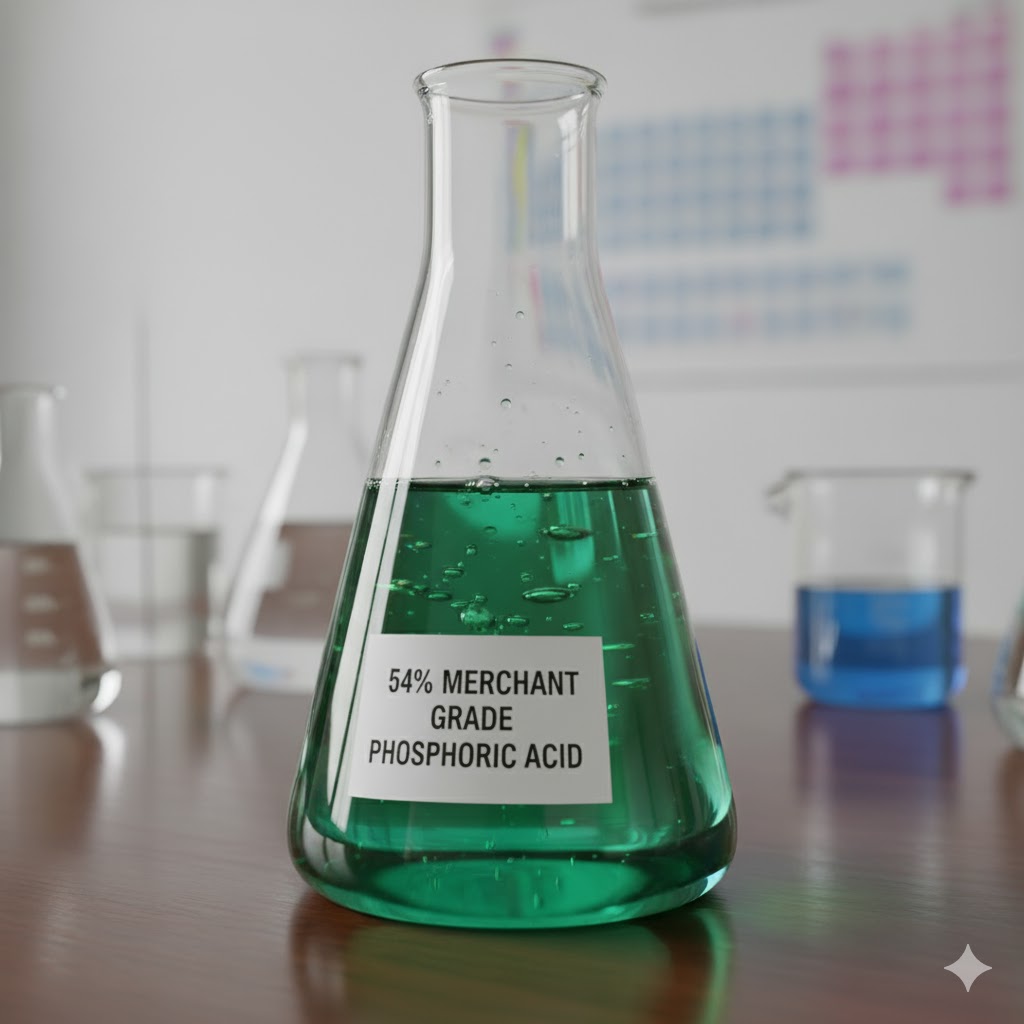
Laboratory sample of 54% merchant grade phosphoric acid used as a raw material feedstock for fertilizer and industrial chemical manufacturing
Depending on the raw material and production conditions, these can include:
- Iron
- Aluminum
- Calcium
- Magnesium
- Fluoride
- Sulfate
- Silica
- Other trace elements and metals
The exact impurity profile varies by product and supplier.
That is why buyers should never treat “merchant grade” as a complete specification.
Before purchasing, request the supplier’s current technical specification and batch-specific Certificate of Analysis (COA).
To see how chemical sourcing and quality verification work in practice, watch our
How Is Merchant Grade Phosphoric Acid Made?
The basic wet-process sequence is:
Phosphate rock → acidulation → filtration → concentration → merchant-grade phosphoric acid
The initial reaction produces a phosphoric-acid-containing slurry along with gypsum. After filtration and concentration, the resulting acid can be sold as an industrial feedstock or subjected to additional processing.
EPA sources describe merchant-grade phosphoric acid as a major intermediate for fertilizer production and as a feedstock that can subsequently be purified for higher-grade applications.
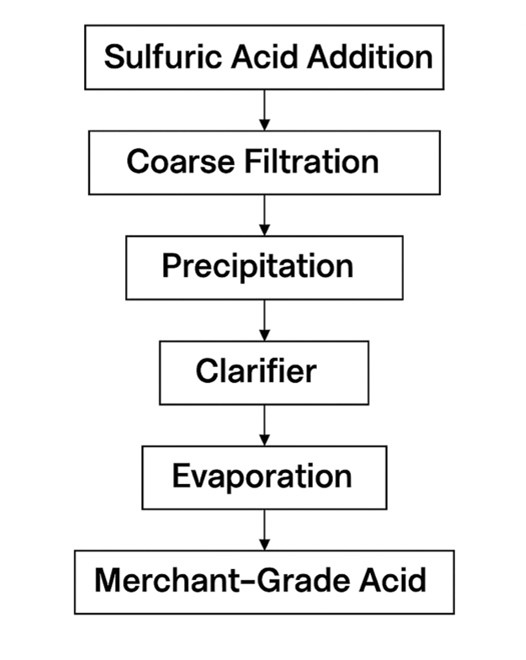
Process flow diagram showing key production stages from sulfuric acid addition to evaporation for merchant-grade phosphoric acid
Merchant Grade vs Purified Phosphoric Acid: What Is the Real Difference?
The simplest way to understand the difference is through impurity control.
Merchant-grade acid can contain higher concentrations of impurities because it is commonly used as an industrial feedstock.
Purification introduces additional processing intended to remove or reduce selected contaminants.
EPA sources describe wet-process acid as containing more impurities and note that purification can be used to produce higher-purity material.
However, the term “purified” does not automatically tell you which impurities have been removed or what their maximum limits are.
For procurement, this means you should compare:
- H₃PO₄ concentration
- P₂O₅ content
- Iron
- Aluminum
- Fluoride
- Sulfate
- Calcium
- Magnesium
- Heavy metals
- Any contaminants specifically restricted by your application
Your production specification should determine which parameters matter most.
Not sure which phosphoric acid or APP specification fits your exact processing plant? Reach out directly to CAMAL Group’s chemical sourcing specialists
WhatsApp Us for Free a Consultation
What Is Merchant Grade Phosphoric Acid Used For?
Merchant grade phosphoric acid is mainly associated with:
- Fertilizer production
- Phosphate fertilizer manufacturing
- Production of phosphate chemicals
- Industrial chemical processing
- Further processing or purification
For a fertilizer manufacturer, buying a highly purified product may not always be necessary if the merchant grade specification already meets the process requirements.
What Is Purified Phosphoric Acid?
Purified phosphoric acid is phosphoric acid that has undergone additional treatment to reduce selected impurities and meet tighter product specifications.
The purification stage can target parameters such as metals, fluoride, sulfate, and other contaminants. The technology used depends on the starting material, the impurities being removed, and the specification required for the final application.
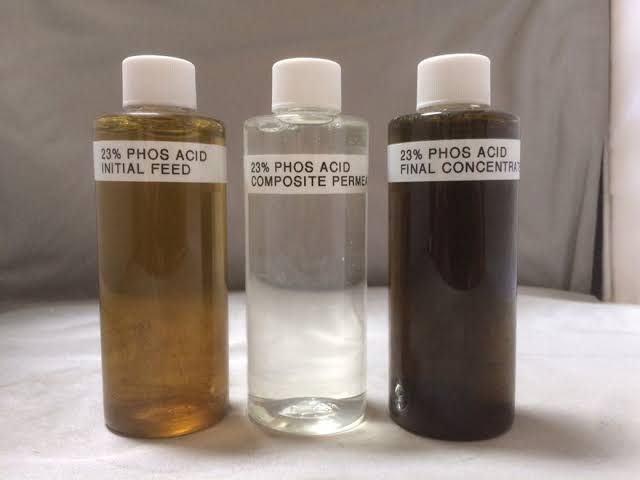
Visual comparison of 23% phosphoric acid samples illustrating color and clarity changes across initial feed, composite permeate, and final concentrate purification stages
However, “purified” should not be treated as a complete quality specification by itself. Two products described as purified phosphoric acid may have different impurity limits, concentrations, and application suitability.
Before purchasing, compare the actual specification—including H₃PO₄ concentration, P₂O₅ content, iron, aluminum, fluoride, sulfate, heavy metals, and other application-specific parameters—rather than relying only on the grade name.
How Is Purified Phosphoric Acid Different?
The key difference is impurity control.
Merchant grade phosphoric acid can contain higher levels of impurities because it is often used as a feedstock for further manufacturing.

Specialized chemical filtration and reaction equipment used for multi-stage purification of phosphoric acid
Purified phosphoric acid undergoes additional processing to reduce these impurities.
However, buyers should not assume that every product called “purified phosphoric acid” has the same quality.
Always check:
- H₃PO₄ concentration
- P₂O₅ content
- Iron content
- Aluminum content
- Fluoride level
- Sulfate level
- Heavy metals
- Other application-specific impurities
The actual specification is more important than the product name.
What Is Purified Phosphoric Acid Used For?
Purified phosphoric acid may be considered for applications where tighter impurity control is important.

Industrial chemical production complex featuring storage tanks and distillation towers for large-scale phosphoric acid manufacturing
Depending on the exact grade and specification, applications can include:
- Food-related manufacturing
- Pharmaceutical applications
- Specialty chemicals
- High-purity phosphate production
- Electronic and semiconductor applications
Different industries have different requirements. A product suitable for one application may not automatically be suitable for another.
Not sure which phosphoric acid manufacturer is right for your business? Share your requirements with CAMAL Group and get help comparing suitable suppliers.
WhatsApp Us for Free a Consultation
Merchant Grade vs Purified Phosphoric Acid: Key Differences
The simplest way to understand the difference is to compare the main buying factors.
| Factor | Merchant Grade Phosphoric Acid | Purified Phosphoric Acid |
|---|---|---|
| Production | Commonly associated with wet-process production | Undergoes additional purification |
| Impurity level | Generally higher | Generally lower |
| Purification | Limited compared with purified acid | Additional impurity-removal steps |
| Common applications | Fertilizer and phosphate production | Higher-purity and specialty applications |
| Main buyer concern | Process compatibility | Purity and impurity limits |
| Cost consideration | Often simpler processing | Additional purification can increase processing costs |
| Best suited for | Processes that can tolerate the specified impurities | Processes requiring tighter specifications |
The main difference is the level of impurity control required by the end application.
Merchant grade can be suitable when the buyer’s manufacturing process can tolerate the specified impurity levels. It is commonly used as a feedstock in fertilizer and phosphate production, where the process specification determines which impurity levels are acceptable.
Need to verify impurity profiles, concentration, or batch COAs before placing a bulk order? Message our technical team
WhatsApp Us for Free a Consultation
Purified phosphoric acid is more appropriate when the application requires tighter control of specific impurities. Additional purification can increase processing requirements and cost, but it may be justified when contaminants could affect downstream reactions, product quality, equipment performance, or regulatory requirements.
When purchasing bulk inorganic acids, procurement officers must ensure that supplier specifications meet process requirements without risking batch dilution. For a complete overview of export specifications, download the official CAMACHEM Phosphoric Acid SDS MSDS or visit our Phosphoric Acid 85% Core Portal.
Purity and Impurities
Purity is one of the most important differences between these products.
A buyer may see two phosphoric acid products with a similar concentration but very different impurity profiles.
For example, two products may both contain around 85% phosphoric acid but have different limits for iron, fluoride, sulfate, or heavy metals.
This is why 85% phosphoric acid should not automatically be treated as purified phosphoric acid.

Laboratory researcher performing precise liquid volumetric analysis and chemical reagent preparation
Why Do Impurities Matter?
Impurities can affect:
- Downstream reactions
- Product appearance
- Filtration
- Equipment performance
- Final product quality
- Waste generation
- Regulatory compliance
The impact depends on the application.
A fertilizer producer may have different impurity requirements from a food, pharmaceutical, or electronic chemical manufacturer.
Comparing phosphoric acid suppliers for a bulk order? Send us your grade, quantity, and destination to discuss suitable options.
WhatsApp Us for Free a Consultation
Production Process
The production process also helps explain the difference.
Merchant grade phosphoric acid is commonly associated with the wet process. This process is widely used because it can produce phosphoric acid at an industrial scale.
Purified phosphoric acid requires additional treatment after the initial acid production. In large-scale agricultural manufacturing, merchant-grade acid serves as the primary precursor for granulated and liquid ammonium phosphates. To explore process flow schematics and feedstock parameters, read our technical guide on Phosphoric Acid Use in Fertilizer Production.
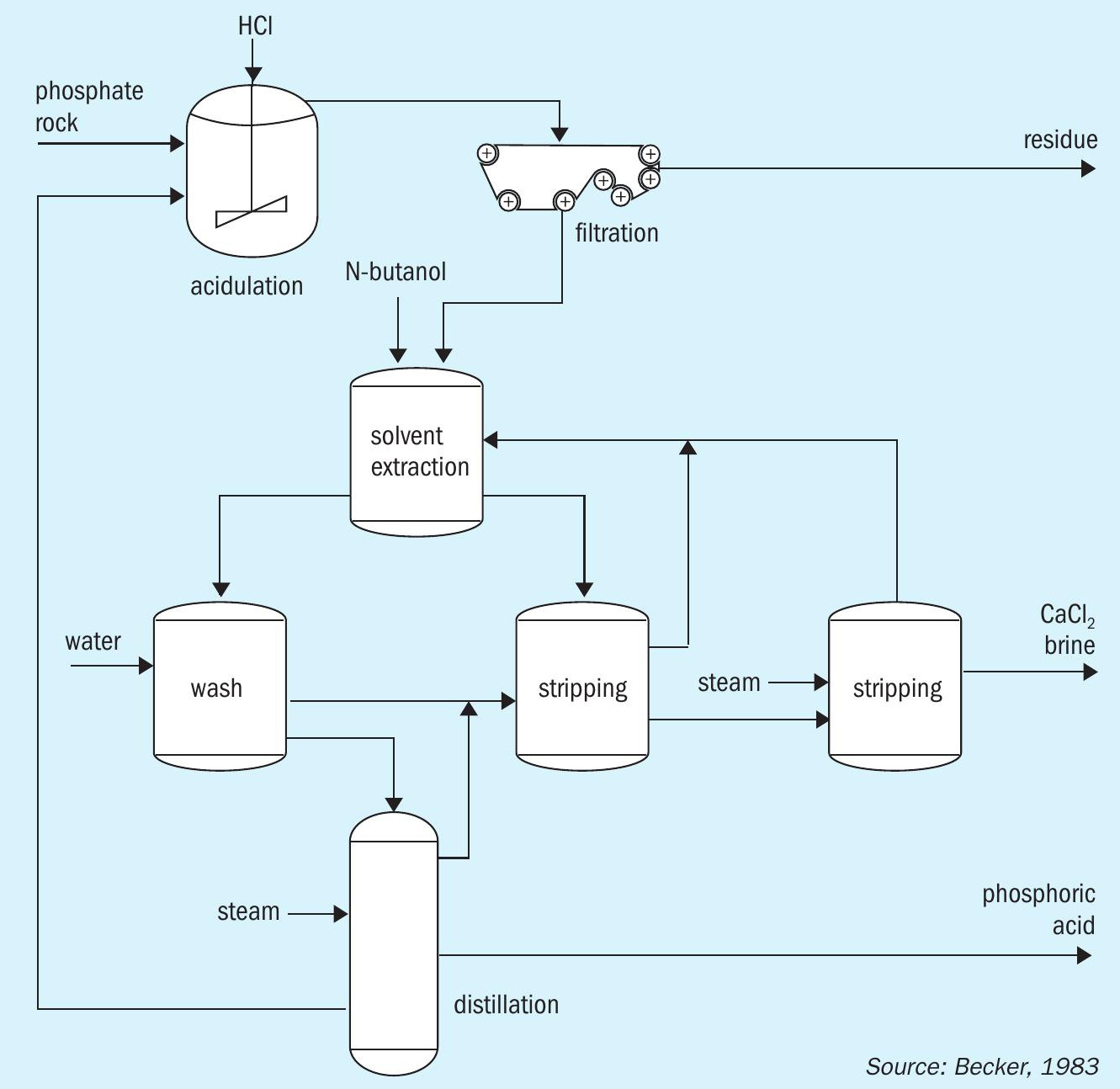
Process flow schematic detailing acidulation, solvent extraction with N-butanol, stripping, and distillation to produce purified phosphoric acid
Purification can involve different technologies depending on the impurities that need to be removed and the required product quality.
The additional processing gives producers greater control over the final impurity profile.
Applications
Choosing between merchant grade and purified phosphoric acid should start with the intended application.
Fertilizer and Phosphate Production
For fertilizer and phosphate production, merchant grade phosphoric acid can be a suitable feedstock when its specification meets the manufacturing process requirements.

Industrial conveyor and dryer assembly within a manufacturing plant producing phosphate products and chemical feedstocks
Specialty and High-Purity Applications
For applications where specific impurities must be tightly controlled, purified phosphoric acid may be more appropriate.
The buyer should always confirm the exact grade required by the end-use specification.
Price and Total Cost
Price is an important factor for bulk buyers, but comparing only the phosphoric acid price per ton can be misleading.
Purified phosphoric acid may require additional processing before it reaches the required specification. This can affect its cost.

Industrial chemical production and packaging facility showing IBC totes positioned for bulk liquid phosphoric acid filling and storage
At the same time, buying a lower-cost merchant grade product may create additional costs if your process requires further purification or treatment.
Consider the total cost, including:
- Product price
- Freight
- Packaging
- Testing
- Storage
- Additional processing
- Waste treatment
- Import and handling costs
Should You Always Buy the More Purified Product?
No.
Higher purity is not automatically better if your process does not require it.
If your production process can safely use merchant grade phosphoric acid within its required specification, paying for unnecessary purification may increase your purchasing cost without providing a meaningful benefit.
The goal is to buy the right specification, not simply the highest purity available.
How Does 85% Phosphoric Acid Fit Into the Comparison?
85% phosphoric acid is a commonly traded concentration of phosphoric acid.
However, concentration and grade are two different things.
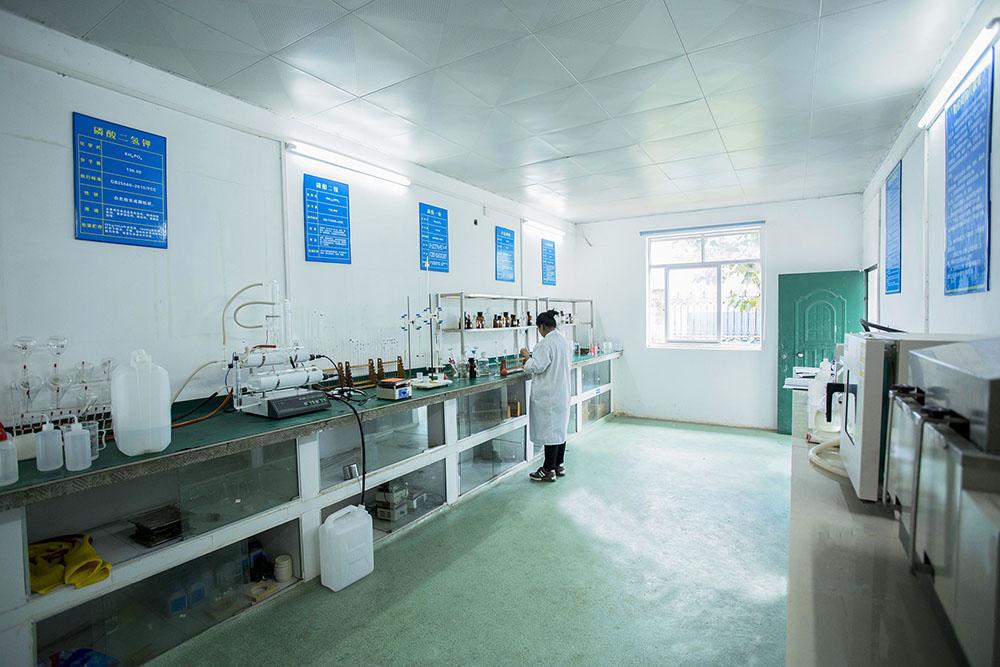
On-site laboratory quality control testing and batch verification to ensure phosphoric acid meets specified purity standards before shipment
The concentration tells you how much phosphoric acid is present in the product. The grade and specification provide information about quality, impurities, and intended use.
Therefore, when buying 85% phosphoric acid, do not stop at the concentration.
Ask the supplier for the complete specification and confirm whether it meets your application requirements.
What Should You Check Before Buying Bulk Phosphoric Acid?
A bulk quotation should be evaluated against the complete purchasing requirement, not just the price per ton.
Before placing an order, ask the supplier to confirm:
- Concentration: exact H₃PO₄ concentration and applicable P₂O₅ content
- Impurity limits: iron, aluminum, fluoride, sulfate, calcium, magnesium, heavy metals, and any application-specific parameters
- Technical documentation: current TDS/specification, SDS, and relevant batch COA
- Grade: industrial, technical, food, purified, or another application-specific grade
- Packaging: container type, capacity, material compatibility, and loading method
- MOQ: minimum order quantity and availability for repeat orders
- Logistics: delivery terms, shipping documentation, destination requirements, and estimated lead time
- Supply consistency: whether the supplier can maintain the agreed specification across recurring shipments

Cleanroom manufacturing technicians conducting microscopic quality inspection for electronic and semiconductor applications requiring high-purity phosphoric acid processing
Check the Phosphoric Acid COA
A phosphoric acid COA (Certificate of Analysis) provides test results for a particular batch.
Compare the COA with the agreed specification before accepting the product.
Do not rely only on a general product brochure.
Check the MSDS or SDS
The phosphoric acid MSDS/SDS provides important information about hazards, handling, storage, transportation, and emergency measures.
Make sure the document relates to the actual product being supplied.
Check the Grade and Concentration
Confirm exactly what the supplier is offering.
For example, ask whether the product is:
- Industrial grade
- Technical grade
- Food grade
- Purified grade
- Another application-specific grade
Also confirm the exact concentration.
Check Impurity Limits
Ask which impurities are controlled and what the maximum limits are.
Depending on the application, you may need to check:
- Iron
- Aluminum
- Fluoride
- Sulfate
- Calcium
- Magnesium
- Heavy metals
The relevant parameters should come from your own product or process specification.
Check Packaging and Logistics
For bulk orders, confirm the available packaging and shipping format.
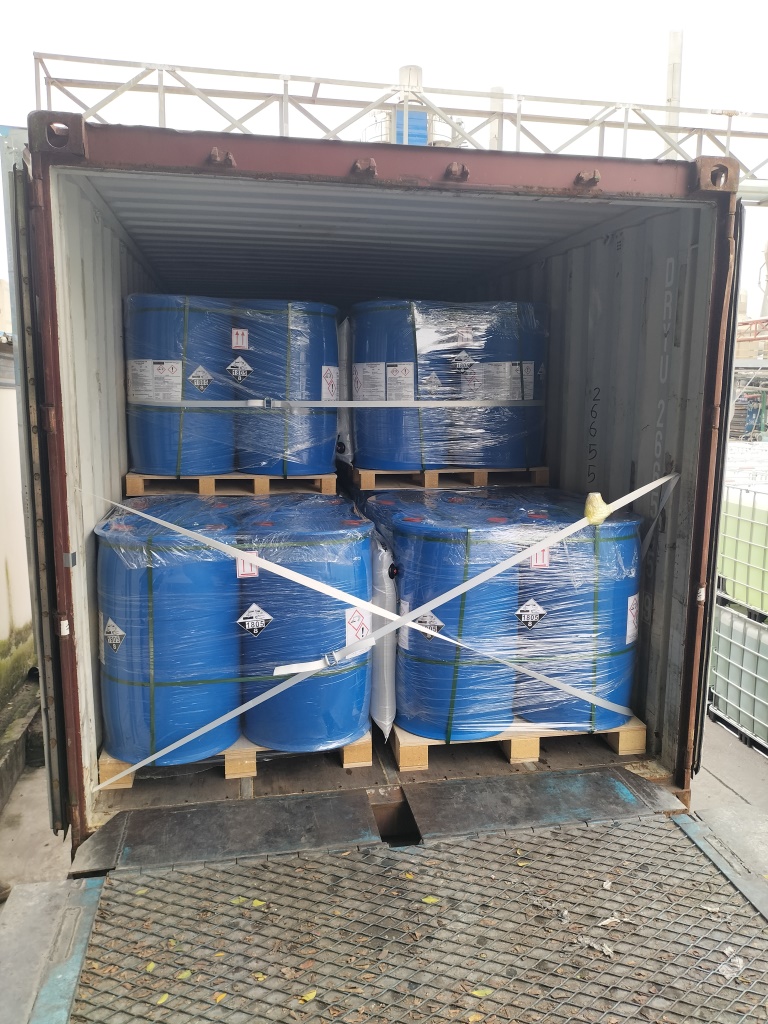
Secure containerized shipping and cargo lashing setup for bulk drum packaging of liquid phosphoric acid exports
Depending on the supplier and order size, options may include drums, IBCs, ISO tanks, or bulk shipment.
Also confirm:
- Packaging material
- Container size
- Loading method
- Shipping documents
- Delivery terms
- Destination requirements
Before placing a bulk order, buyers should compare concentration, impurity limits, documentation, packaging, MOQ, and shipping terms. Our phosphoric acid buying guide provides additional information to help with supplier evaluation.
How to Choose a Phosphoric Acid Supplier
Choosing the right phosphoric acid supplier is just as important as choosing the right grade.
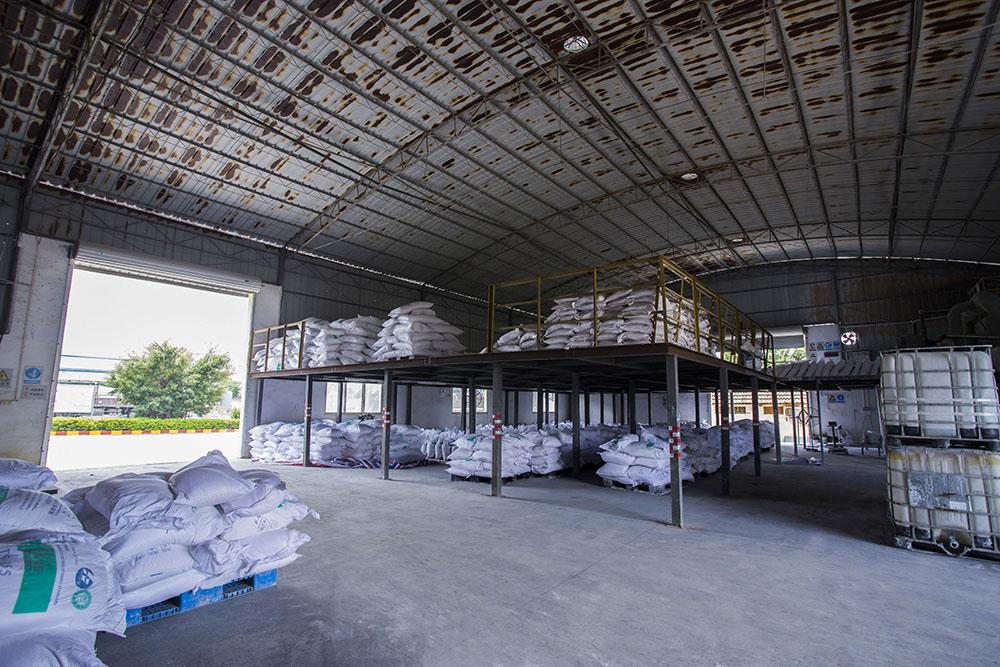
Industrial chemical storage warehouse featuring organized mezzanine racking for bagged products and IBC totes ready for bulk shipment and distribution
A reliable purchasing process should include several checks.
1. Verify the product specification.
Request the current technical specification or TDS and confirm that the concentration and impurity limits match your purchasing requirement.
2. Review batch documentation.
Ask for a relevant COA and compare the reported test results with the agreed specification. Request an SDS for the actual product being supplied.
3. Confirm production and supply capability.
For repeat orders, discuss expected volumes, production availability, lead times, and the supplier’s ability to maintain consistent specifications across shipments.
4. Check packaging and export readiness.
Confirm the container type, capacity, loading method, shipping documents, delivery terms, and destination-specific requirements before placing the order.
5. Compare total landed cost.
Evaluate the complete cost of procurement, including product price, freight, packaging, testing, handling, import-related costs, and any additional processing required by your operation.
A supplier that provides clear documentation and can consistently meet the agreed specification may offer better procurement value than a supplier offering a lower initial price with greater quality or logistics uncertainty.
To review actual bulk container loading and cargo packaging in real-time, view our
20ft Container Phosphoric Acid Loading Video
Want a realistic total landed cost estimate including packaging, ocean freight, and destination port handling? Contact CAMAL Group
WhatsApp Us for Free a Consultation

Camal Group team members and international business partners engaging in a corporate strategy and product discussion meeting
Need food-grade or industrial-grade phosphoric acid? Share your specifications and let CAMAL Group help you identify suitable suppliers.
WhatsApp Us for Free a Consultation
Merchant Grade vs Purified Phosphoric Acid: Which Should You Buy?
There is no single answer for every buyer.
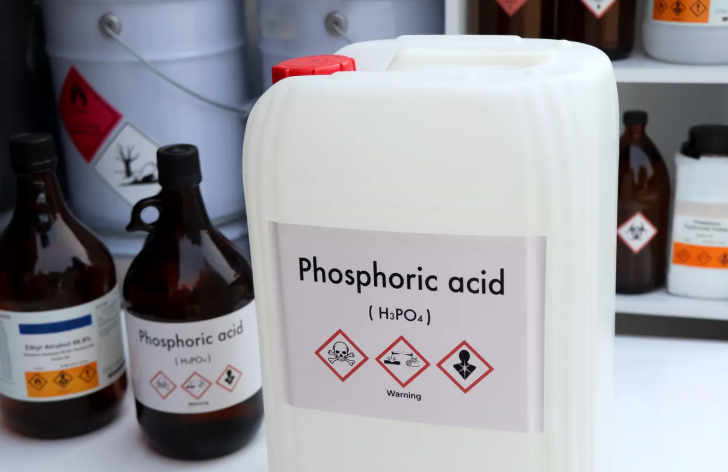
HDPE plastic jerrycan and amber glass bottles featuring standard GHS hazard labeling for liquid phosphoric acid storage and laboratory handling
Choose Merchant Grade When:
- Your process can tolerate the specified impurity levels.
- You are producing fertilizer or phosphate products.
- Your technical specification does not require extensive purification.
- The product meets your required concentration and impurity limits.
Choose Purified Phosphoric Acid When:
- Your process has strict impurity limits.
- Specific metals or contaminants can affect your product.
- You need a higher-purity feedstock.
- Your customer or industry specification requires tighter quality control.
Packaging and loading should also be considered when comparing suppliers, particularly for international bulk shipments. This short video shows phosphoric acid loading in practice
How Can CAMAL Group Help You Find the Right Phosphoric Acid Supplier in China?
Finding a phosphoric acid manufacturer is only the first step. For industrial buyers, the more important question is whether the supplier can meet the required specification, quantity, documentation, packaging, and delivery requirements consistently.
CAMAL Group supports buyers in evaluating suitable phosphoric acid suppliers in China based on their stated sourcing requirements. Through CAMACHEM, buyers can also access chemical sourcing and procurement support for industrial chemicals, including phosphoric acid.

Camal Group representatives conducting an on-site quality inspection and facility audit at a chemical manufacturing factory
CAMAL Group helps businesses identify and evaluate suitable phosphoric acid suppliers in China based on their specific sourcing needs. Through CAMACHEM, buyers can also access chemical sourcing and procurement support for industrial chemicals, including phosphoric acid.
Why Work With CAMAL Group?
A suitable supplier is not necessarily the company offering the cheapest quotation. Product quality, documentation, production capability, consistency, logistics, and long-term supply reliability can all affect the actual cost of procurement.

Bulk liquid phosphoric acid tanker loading and transport setup, highlighting scalable industrial procurement and export logistics
Frequently Asked Questions About Purified Phosphoric Acid
Is purified phosphoric acid better than merchant grade?
Not necessarily. Purified phosphoric acid has lower levels of certain impurities, but that does not mean it is the right choice for every application. The better option is the one that meets your process specification.
What is merchant grade phosphoric acid used for?
Merchant grade phosphoric acid is commonly associated with fertilizer and phosphate production. It can also be used as a feedstock for further processing.
Is 85% phosphoric acid the same as purified phosphoric acid?
No. 85% phosphoric acid describes concentration, while purified phosphoric acid describes additional impurity control. An 85% product can have different impurity specifications depending on the grade and supplier.
What is the difference between technical grade and purified phosphoric acid?
Technical grade and purified grade are not necessarily interchangeable. Grade names can vary between suppliers, so buyers should compare the actual concentration, impurity limits, standards, and intended application.
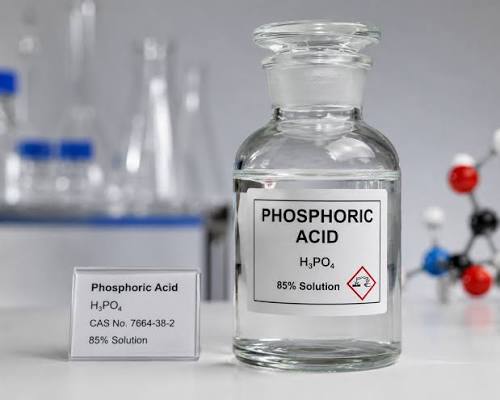
Clear glass reagent bottle containing 85% phosphoric acid solution displayed with CAS registry details and standard GHS hazard markings
Is purified phosphoric acid more expensive?
It can cost more because additional purification may require extra processing. However, the final price depends on the product specification, concentration, quantity, packaging, logistics, and market conditions.
What impurities should I check when buying phosphoric acid?
The important impurities depend on your application. Common parameters include iron, aluminum, fluoride, sulfate, calcium, magnesium, and heavy metals.
What documents should I request from a phosphoric acid supplier?
For bulk purchasing, request a current TDS, SDS/MSDS, and relevant COA. Depending on the destination and application, additional regulatory or shipping documents may also be required.
How do I choose a phosphoric acid supplier?
Compare suppliers based on product specifications, impurity limits, COA results, documentation, packaging, supply consistency, logistics, and total landed cost rather than price alone.
Conclusion
The choice between merchant grade vs purified phosphoric acid depends on what your process actually requires.
Merchant grade phosphoric acid is commonly associated with fertilizer and phosphate production, while purified phosphoric acid is used when tighter impurity control is needed.
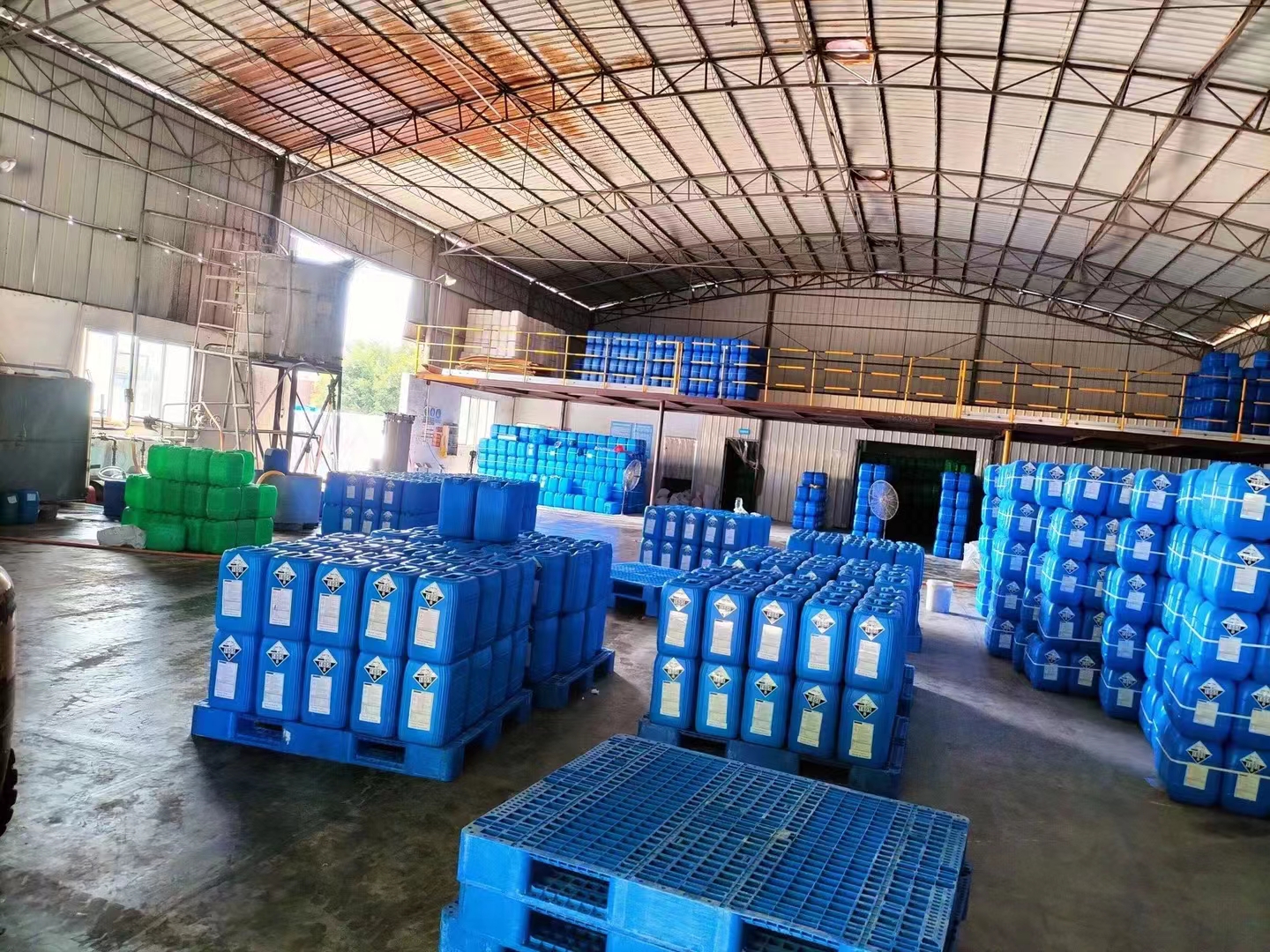
Industrial chemical storage warehouse with organized blue jerrycans and plastic drums stacked on pallets for bulk chemical distribution and export logistics
For bulk buyers, the most important step is to look beyond the product name. Check the concentration, impurity limits, COA, TDS, SDS, packaging, and application requirements before placing an order.
If your process can work with merchant grade, there may be no reason to pay for unnecessary purification. If your application requires tighter impurity control, purified phosphoric acid may be the more suitable option.
The best phosphoric acid is not always the purest one. It is the one that meets your required specification reliably and at the right total cost.
Industrial Buyers: Next Steps for Sourcing Bulk Phosphoric Acid
What makes our Phosphoric Acid Better:
✅ Compliant with EU, UN, ISO Standards – No Legal Headaches
✅ Guaranteed 85% Purity – Stability for your Processing Plant
✅ Extremely Low Impurities – Low Heavy Metals
✅ Batch-Specific COA Provided – Full Transparency per Shipment.
Download Our EU-approved Specifications.[ Food Grade or Industrial Grade]