

The Netherlands uses phosphoric acid across fertilizer, food, water-treatment, metal-treatment, and chemical manufacturing applications, while its major ports support chemical imports and distribution across Europe.
The Netherlands is an important European market for industrial chemicals, supported by its fertilizer, food-processing, chemical manufacturing, water-treatment, and metalworking industries.

Industrial formulation and mixing hoppers used for controlled concentration batching and pilot sample production of phosphoric acid derivatives
Phosphoric acid is used across several of these sectors. For Dutch buyers, however, sourcing is not simply about finding an 85% phosphoric acid supplier. The more important questions are whether the material meets the required grade, concentration, impurity limits, documentation, packaging, and delivery requirements.
For companies importing phosphoric acid into the Netherlands, supplier verification is especially important because the product must fit both the buyer’s process and the applicable European requirements.
What Is Phosphoric Acid Used for in the Netherlands?
Phosphoric acid usage in the Netherlands covers several industrial and commercial applications.
Common applications include:
- Fertilizer production: phosphoric acid is used as a feedstock for phosphate fertilizers and other phosphorus-based products.
- Food and beverage: suitable food-grade phosphoric acid can be used for acidity regulation and other permitted food-processing applications.
- Water treatment: phosphoric acid can support pH adjustment and certain corrosion-control processes.

Phosphoric acid chemical bath tanks used for industrial metal rust removal, electropolishing, and surface treatment
- Metal treatment: industrial phosphoric acid can be used for surface preparation, rust treatment, and phosphate-conversion processes.
- Industrial cleaning: acidic phosphoric acid formulations can be used for descaling and specific cleaning applications.
- Chemical manufacturing: phosphoric acid serves as a raw material for producing phosphate-derived chemicals.
The appropriate grade depends on the application. Dutch buyers should therefore define their technical requirements before comparing suppliers. For a complete guide on how purity affects performance, read our breakdown on Main Types of Phosphoric Acid for Industrial Use.
Looking for verified bulk 85% Phosphoric Acid (Industrial or Food Grade E338) for delivery via Rotterdam? CAMAL Group provides batch-specific testing, custom IBC/drum packaging, and full documentation.
Get a same-week quote or technical specification sheet today:
WhatsApp Us for Free a Consultation
How Important Is Phosphoric Acid to Dutch Industry?
The Netherlands has a highly developed chemical and industrial sector, with Rotterdam serving as one of Europe’s major logistics and industrial hubs.

High-purity electronic-grade phosphoric acid used for wet etching and cleaning silicon wafers in semiconductor fabrication
This makes the country important not only as an end market but also as a gateway for chemical distribution into other European markets.
For phosphoric acid buyers, this creates several purchasing considerations:
- Origin of the material
- Port of loading
- European arrival port
- Freight cost
- Storage
- Packaging
- Import documentation
- Delivery location
- Total landed cost
A supplier offering a lower factory price may not necessarily provide the lowest final procurement cost once freight, handling, documentation, and inland delivery are included.
What Grade of Phosphoric Acid Do Dutch Buyers Need?
One of the most important purchasing decisions is selecting the appropriate grade.
Industrial and food-grade phosphoric acid can both be supplied around 85% concentration, but concentration alone does not define the grade.
| Factor | Industrial Grade | Food Grade |
| Typical use | Fertilizer, metal treatment, chemical processing, water treatment | Food and beverage processing |
| Main concern | Process suitability and impurity limits | Food-grade purity and applicable requirements |
| Documentation | COA, SDS, technical specification | COA, SDS, applicable food-grade documentation |
| Buyer focus | Concentration, impurities, consistency | Purity, permitted use, regulatory requirements |
| Packaging | Drums, IBCs, bulk formats | Drums, IBCs, suitable food-contact packaging |
Dutch buyers should specify the intended application before requesting a quotation.
If you are comparing grades, see CAMAL’s detailed analysis on Food Grade vs Industrial Grade Phosphoric Acid: Which Purity Do You Need?
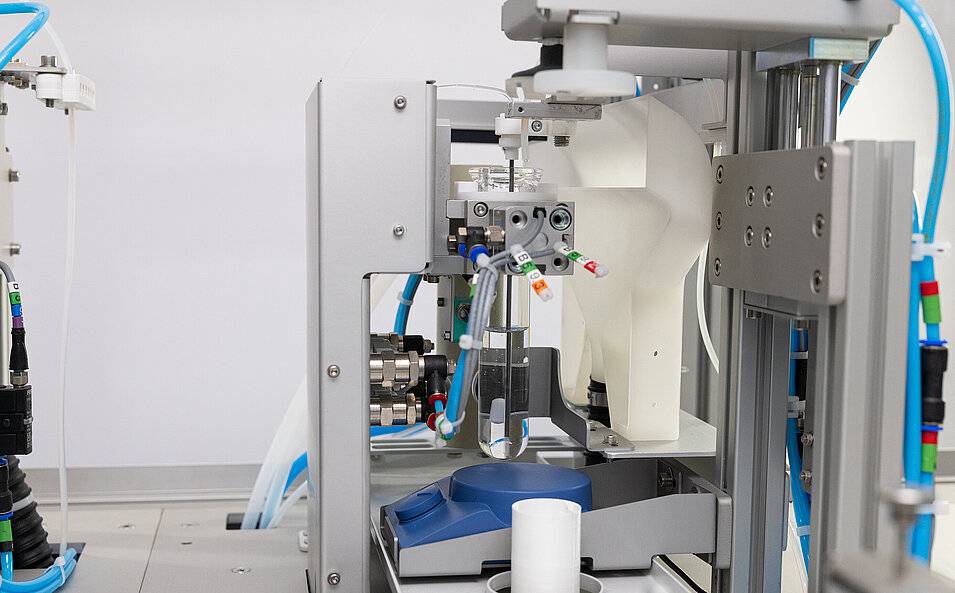
Automated laboratory titration system used for precise assay testing and quality control of liquid chemical solutions
If you are comparing grades, see CAMAL’s information on Industrial Grade Phosphoric Acid and Food Grade Phosphoric Acid.
What Documents Should Dutch Buyers Verify?
For a first purchase from an overseas supplier, technical documentation should be reviewed before commercial terms are finalized.
A buyer may request:
- Certificate of Analysis (COA)
- Safety Data Sheet (SDS)
- Technical Data Sheet
- Product specification
- Packaging information
- Applicable regulatory documentation

Quality assurance technicians verifying Certificate of Analysis (COA) documentation and test results for a chemical batch in a laboratory setting
The COA should be compared with the agreed specification, particularly for concentration and impurity parameters relevant to the buyer’s process.
For buyers requiring a specific technical profile, reviewing the available phosphoric acid specifications can help establish the information that should be requested from suppliers.
European buyers should also consider the applicable REACH and CLP responsibilities for their role in the supply chain.
Secure a reliable, continuous supply of bulk 85% Phosphoric Acid (Industrial or Food Grade E338) tailored to your exact purity specs and delivery schedule. Every batch is verified against European quality standards.
WhatsApp Us for Free a Consultation
How Is Phosphoric Acid Packaged and Shipped to the Netherlands?
Packaging depends on the order quantity, application, storage system, and transportation requirements.
Common packaging formats can include:
- 35 kg drums
- 330 kg drums
- 1600 kg IBCs
- 1650 kg IBCs
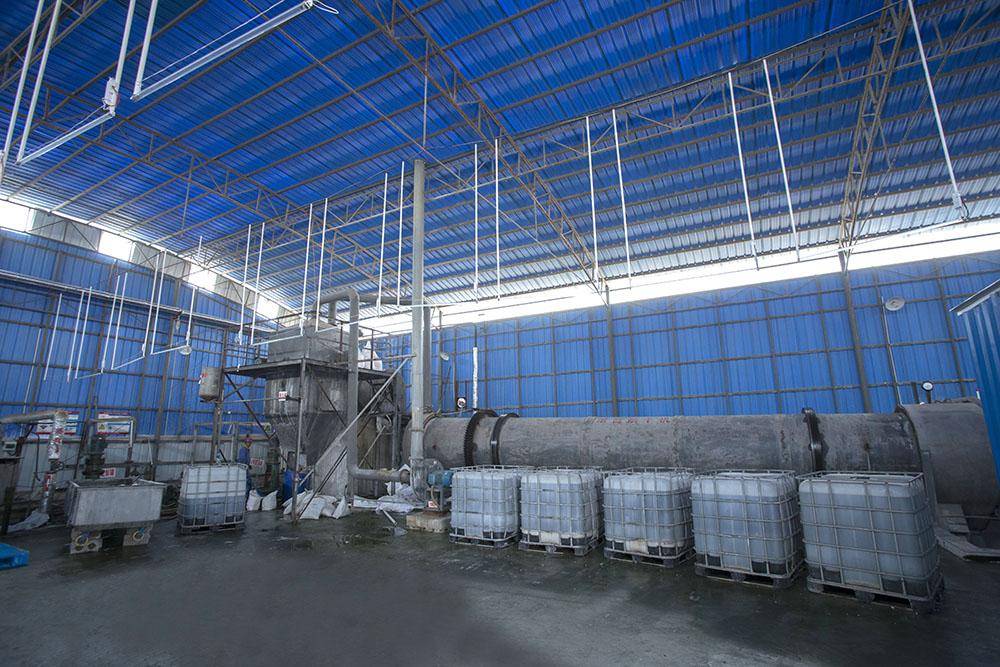
Industrial chemical production and packaging facility showing IBC totes positioned for bulk liquid phosphoric acid filling and storage
For larger industrial orders, IBCs or bulk transportation may be more practical than smaller drums. Dutch buyers can explore detailed container setups in our overview on Phosphoric Acid Packaging: Drums vs. IBC Totes.
Before ordering, Dutch buyers should confirm:
- Packaging compatibility
- Quantity per container
- Loading method
- Shipping terms
- Port of arrival
- Delivery location
- Storage requirements
- Required transport documentation
For a first purchase, requesting a sample before committing to a larger shipment can also help the buyer’s technical team verify the material against the required specification. You can also see how chemical sourcing and quality evaluation work in practice in this CAMACHEM video https://www.youtube.com/watch?v=zp-AQ1sYBNo
What Should Dutch Buyers Check Before Importing From China?
Buying phosphoric acid directly from China can provide access to additional supply options, but the supplier should be evaluated carefully.
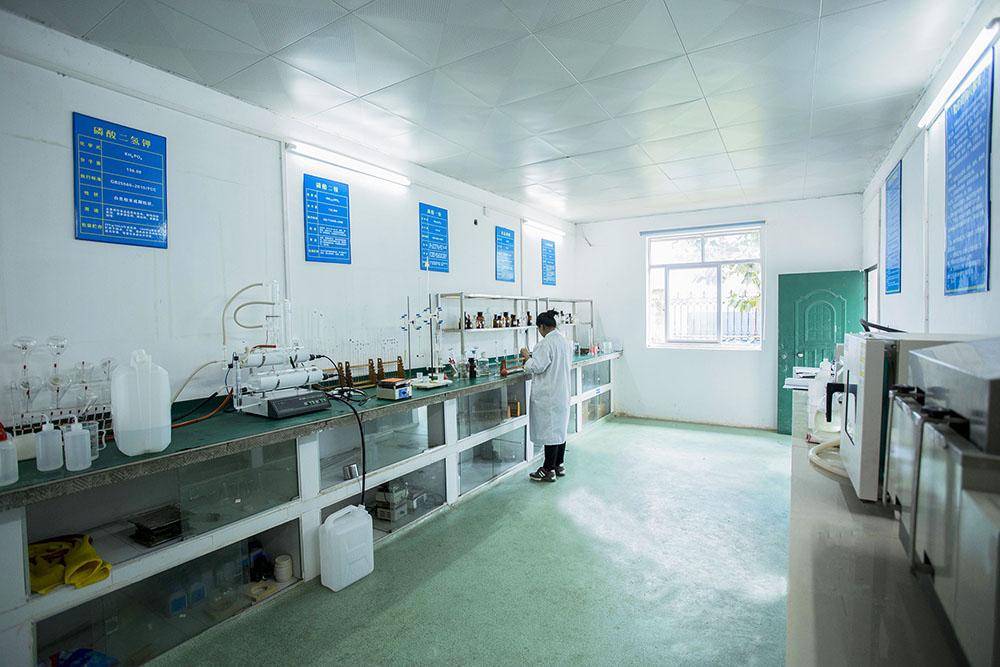
On-site laboratory quality control testing and batch verification to ensure phosphoric acid meets specified purity standards before shipment
Before placing a bulk order, check:
1. Product Specification
Confirm concentration, impurity limits, grade, and other application-specific requirements.
2. Supplier Capability
Determine whether the supplier can consistently produce and supply the required quantity.
3. Documentation
Review the COA, SDS, technical specification, and applicable regulatory documents.
4. Packaging
Confirm that the packaging is suitable for the chemical, transportation route, and receiving facility.

Secure containerized shipping and cargo lashing setup for bulk drum packaging of liquid phosphoric acid exports
5. Logistics
Compare Incoterms, freight, port charges, lead time, insurance, and inland transportation.
6. Sample Verification
Where appropriate, test a sample before moving to a larger commercial order.
First-time importers should also understand common sourcing mistakes before committing to a supplier. See Top 3 Mistakes First-Time Buyers Make When Importing Phosphoric Acid from China.
How Much Does Phosphoric Acid Cost in the Netherlands?
There is no single market price for phosphoric acid in the Netherlands.
The final cost depends on factors such as:
- Concentration
- Grade
- Quantity
- Packaging
- Origin
- Freight
- Incoterms
- Import costs
- Testing
- Delivery location
For this reason, Dutch buyers should compare total landed cost, rather than simply comparing the supplier’s quoted price per metric ton.
A larger order may have a lower unit price but higher storage or logistics requirements, while smaller packaged shipments may have a higher product price but greater flexibility.
How Can CAMAL Group Help Dutch Buyers Source Phosphoric Acid?
Finding a phosphoric acid supplier is only the first step.
A Dutch buyer also needs to determine whether the supplier can meet the required specification, quantity, packaging, documentation, and delivery requirements.

Camal Group representatives conducting an on-site quality inspection and facility audit at a chemical manufacturing factory
CAMAL Group can help businesses identify and evaluate suitable chemical suppliers in China based on their sourcing requirements.
Through CAMACHEM, buyers can also access chemical sourcing and procurement support for industrial chemicals.
For a sourcing discussion, provide:
- Required grade
- Concentration
- Quantity
- Application
- Packaging
- Destination in the Netherlands
- Required documents
- Target delivery schedule
This gives the sourcing team a clear basis for evaluating suitable supply options.
Need a phosphoric acid specification sheet or quotation for the Netherlands? Contact CAMAL Group on WhatsApp.
WhatsApp Us for Free a Consultation
Frequently Asked Questions
What is phosphoric acid used for in the Netherlands?
Phosphoric acid is used in fertilizer production, food and beverage processing, water treatment, metal treatment, industrial cleaning, and chemical manufacturing.
What concentration of phosphoric acid do Dutch buyers typically purchase?
85% phosphoric acid is a common commercial concentration, but the required concentration depends on the application and product specification.
Is 85% phosphoric acid automatically food grade?
No. Concentration does not determine grade. Food-grade phosphoric acid must meet the applicable requirements for its intended food use.
Can I import phosphoric acid from China to the Netherlands?
Yes, international sourcing is possible, but buyers should verify applicable EU requirements, supplier documentation, transportation conditions, and importer responsibilities before placing an order. Packaging and loading should also be considered when comparing suppliers, particularly for international bulk shipments. This short video shows phosphoric acid loading in practice

Bulk liquid phosphoric acid tanker loading and transport setup, highlighting scalable industrial procurement and export logistics
What documents should I request from a Chinese phosphoric acid supplier?
Common documents include a COA, SDS, technical specification, and packaging information. Additional documentation may be required depending on the application and regulatory requirements.
What packaging is available for phosphoric acid shipments?
Common formats include 35 kg and 330 kg drums and 1600 kg or 1650 kg IBCs. The appropriate format depends on quantity, application, storage, and transport requirements. Container loading is another factor buyers should consider when evaluating an export-ready supplier. This 20ft container loading video provides a quick look at the process
How do I choose a phosphoric acid supplier for the Netherlands?
Compare suppliers based on specification, concentration, impurity limits, documentation, manufacturing capability, packaging, lead time, logistics, and total landed cost rather than price alone.

Clear glass reagent bottle containing 85% phosphoric acid solution displayed with CAS registry details and standard GHS hazard markings
Conclusion
Phosphoric acid has applications across several industries in the Netherlands, including fertilizer production, food and beverage processing, water treatment, metal treatment, industrial cleaning, and chemical manufacturing.
For Dutch buyers, the purchasing decision should begin with a clear specification.
Before importing phosphoric acid from China, verify:
- Required grade
- Concentration
- Impurity limits
- COA
- SDS
- Packaging
- Quantity
- Logistics
- Applicable EU requirements
- Total landed cost
The right supplier is not necessarily the one offering the lowest initial quotation. It is the supplier that can consistently provide the required material with suitable documentation, packaging, logistics, and commercial terms. Before placing a bulk order, buyers should compare concentration, impurity limits, documentation, packaging, MOQ, and shipping terms. Our phosphoric acid buying guide provides additional information to help with supplier evaluation.
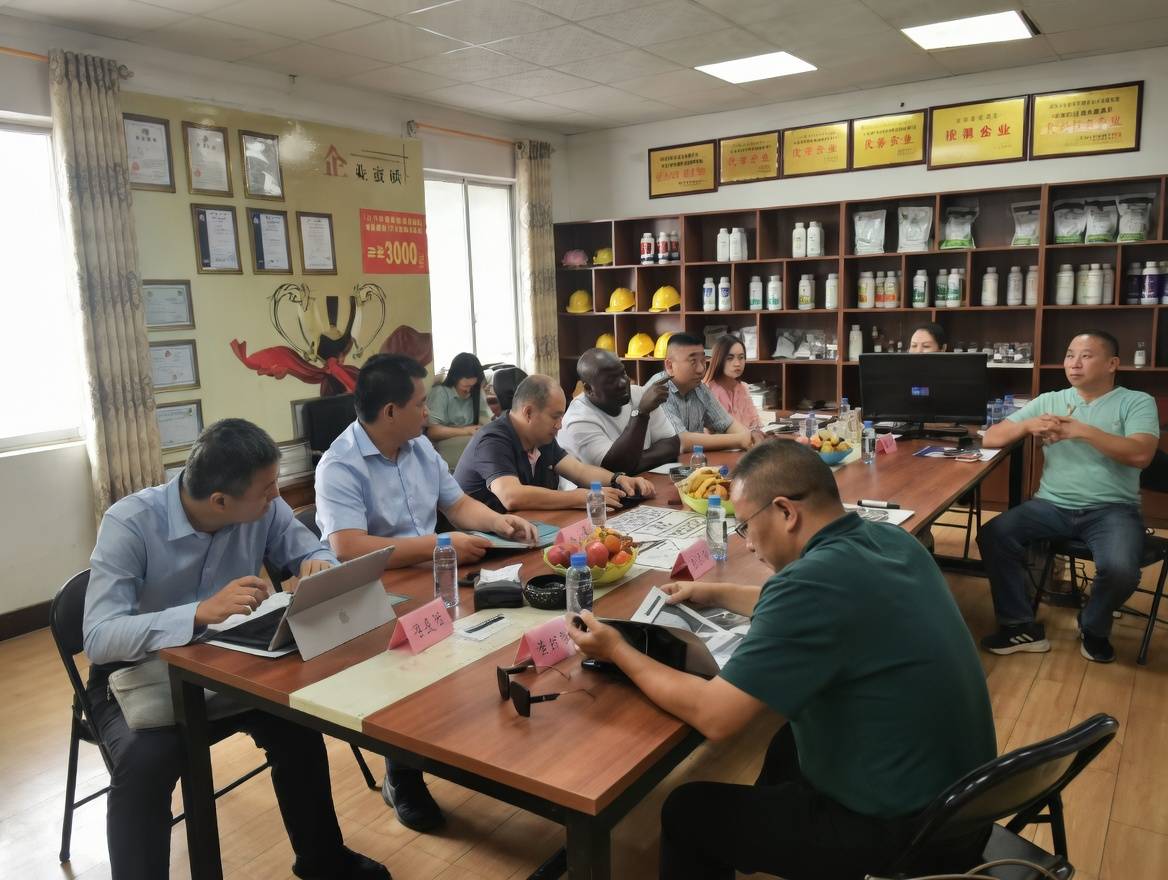
Camal Group team members and international business partners engaging in a corporate strategy and product discussion meeting
If you are planning to source phosphoric acid for a business in the Netherlands, share your requirements with CAMAL Group to begin evaluating suitable suppliers.
Need help sourcing phosphoric acid for your Dutch business? Contact CAMAL Group today.
WhatsApp Us for Free a Consultation
Industrial Buyers: Next Steps for Sourcing Bulk Phosphoric Acid
What makes our Phosphoric Acid Better:
✅ Compliant with EU, UN, ISO Standards – No Legal Headaches
✅ Guaranteed 85% Purity – Stability for your Processing Plant
✅ Extremely Low Impurities – Low Heavy Metals
✅ Batch-Specific COA Provided – Full Transparency per Shipment.
Download Our EU-approved Specifications.[ Food Grade or Industrial Grade]