


Phosphoric acid (H₃PO₄) is a chemical workhorse, indispensable across countless industries, from agriculture to food processing and even advanced electronics. Its versatility is truly remarkable, but like any powerful tool, it demands respect and careful handling. Understanding phosphoric acid safety isn’t just a recommendation; it’s a fundamental requirement for protecting personnel, safeguarding facilities, and ensuring operational continuity.
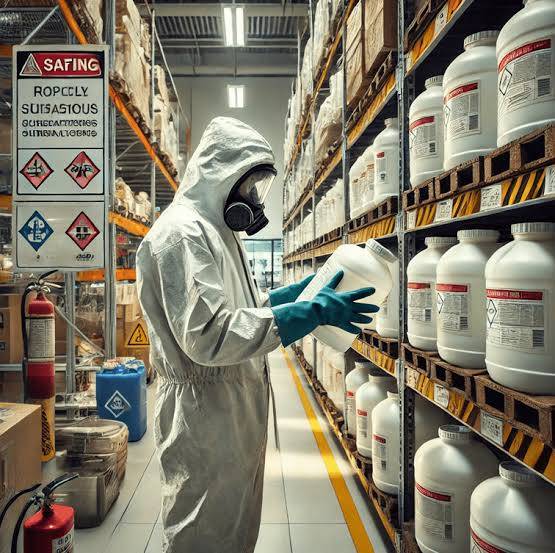
A dedicated safety officer ensures compliance and a secure environment in a chemical storage facility.
Whether you’re dealing with food grade phosphoric acid or industrial grade phosphoric acid, the principles of safe handling remain paramount. This comprehensive guide will walk you through the essential safety measures, personal protective equipment (PPE), proper storage, and emergency protocols necessary to work confidently and securely with this vital chemical.
Understanding the Hazards of Phosphoric Acid
Before we dive into specific safety measures, it’s crucial to understand what makes phosphoric acid a substance that requires caution. While it’s considered a moderately strong acid, its corrosive nature can pose significant risks if not managed correctly.
Key Hazard Characteristics:
- Corrosive to Skin and Eyes: Direct contact can cause severe burns and tissue damage. Even dilute solutions can cause irritation over prolonged exposure.
- Respiratory Irritant: Inhaling mists or vapors can irritate the respiratory tract, leading to coughing, shortness of breath, and lung damage in severe cases.
- Ingestion Risk: Swallowing phosphoric acid can cause severe internal burns and damage to the digestive system.
- Reactivity: It can react with certain metals to produce flammable hydrogen gas, and with strong bases, generating heat. It’s also incompatible with strong oxidizing agents.
Essential Personal Protective Equipment (PPE)
Think of PPE as your personal shield against chemical hazards. When working with phosphoric acid, selecting and properly using the right gear is non-negotiable. It’s your first line of defense, ensuring that accidental splashes or exposures don’t turn into serious incidents.
Your Safety Arsenal:
- Eye Protection: Always wear chemical splash goggles. For tasks involving a higher risk of splashing, a full face shield worn over goggles provides an extra layer of protection.
- Hand Protection: Chemical-resistant gloves are a must. Materials like neoprene, nitrile, or PVC offer good protection against phosphoric acid. Always check the glove manufacturer’s chemical resistance guide.
- Body Protection: A chemical-resistant apron or full-body suit (e.g., made from PVC, neoprene, or butyl rubber) should be worn to prevent skin contact. Regular work clothes offer no protection against corrosive chemicals.
- Foot Protection: Chemical-resistant safety boots are essential to protect your feet from spills and splashes.
- Respiratory Protection: If there’s a risk of inhaling mists or vapors, especially in poorly ventilated areas or during spills, an approved respirator with an acid gas cartridge is necessary. Always follow a comprehensive respiratory protection program.
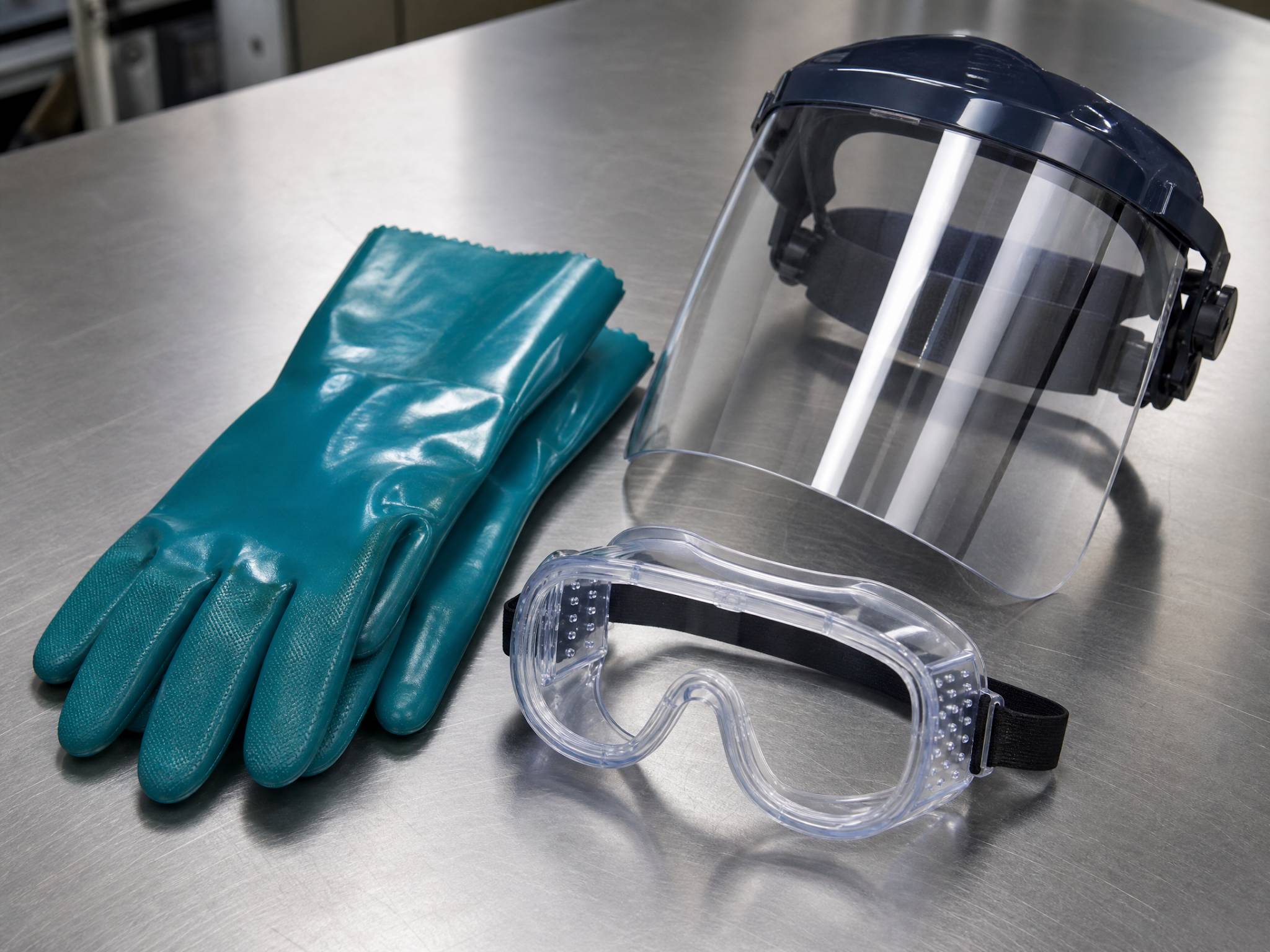
Essential PPE for handling corrosive chemicals like phosphoric acid, protecting eyes, face, and hands.
Safe Handling Practices: A Step-by-Step Approach
Handling phosphoric acid safely involves more than just wearing PPE; it requires a systematic approach to every task. From receiving shipments to transferring the chemical, every step needs careful consideration and adherence to established protocols. It’s about creating a culture where safety is ingrained in every action.
Best Practices for Handling:
- Ventilation: Always work in well-ventilated areas, preferably under a fume hood, to minimize exposure to mists and vapors.
- Transferring: Use appropriate pumps or gravity feed systems for transferring phosphoric acid. Avoid pouring whenever possible, especially from large containers, to prevent splashes. Ensure all equipment is compatible with the acid.
- Labeling: All containers, including temporary ones, must be clearly labeled with the chemical name, hazard warnings, and date. Never use unlabeled containers.
- Spill Prevention: Work over secondary containment trays or in areas with chemical-resistant flooring to contain potential spills. Keep absorbent materials readily available.
- Mixing: When diluting phosphoric acid, always add acid slowly to water, never water to acid. This prevents a rapid exothermic reaction that can cause boiling and splashing.

A trained professional in full protective gear meticulously checks a chemical drum, emphasizing safe handling.
Need Help Sourcing Bulk Phosphoric Acid In 2026?
Get a Free Phosphoric Acid Specification Sheet (Food & Industrial Grade).
WhatsApp Us for Free a Consultation
Storage Solutions: Keeping it Secure
Proper storage is critical for preventing accidents and maintaining the integrity of phosphoric acid. Incompatible materials, improper containers, or inadequate ventilation can all lead to dangerous situations. Think of your storage area as a fortress, designed to keep the chemical safely contained.
Key Storage Guidelines:
Compatible Materials: Store phosphoric acid in containers made of corrosion-resistant materials such as:
- High-density polyethylene (HDPE)
- Polypropylene
- PTFE (Teflon)
- Fiberglass Reinforced Plastic (FRP)
- Certain grades of stainless steel (e.g., 316L) for specific concentrations and temperatures.

A well-organized chemical plant highlights safety through clear signage and designated zones.
- Segregation: Store phosphoric acid separately from incompatible materials, including strong bases, strong oxidizing agents, and reactive metals. Use dedicated storage cabinets for corrosives.
- Ventilation: Storage areas should be cool, dry, and well-ventilated to prevent the buildup of corrosive vapors.
- Containment: Implement secondary containment (e.g., dikes or spill pallets) to capture any leaks or spills from primary containers.
- Security: Restrict access to storage areas to authorized personnel only. Ensure containers are securely closed when not in use.
Emergency Procedures: Acting Swiftly and Safely
Even with the best precautions, accidents can happen. Knowing how to respond quickly and effectively in an emergency involving phosphoric acid can mitigate harm and prevent escalation. Preparedness is your best defense.
First Aid Measures:
- Eye Contact: Immediately flush eyes with plenty of water for at least 30 minutes, holding eyelids open. Seek immediate medical attention.
- Skin Contact: Remove contaminated clothing and immediately flush the affected area with copious amounts of water for at least 15-20 minutes. Seek medical attention.
- Inhalation: Move the affected person to fresh air. If breathing is difficult, administer oxygen. If not breathing, provide artificial respiration. Seek immediate medical attention.
- Ingestion: Do NOT induce vomiting. Rinse mouth with water. Give large quantities of water or milk to drink. Seek immediate medical attention.
Spill Response:
- Small Spills:
Neutralize with an appropriate alkaline absorbent (e.g., sodium carbonate, calcium carbonate). Collect the neutralized material and place it in a suitable container for disposal.
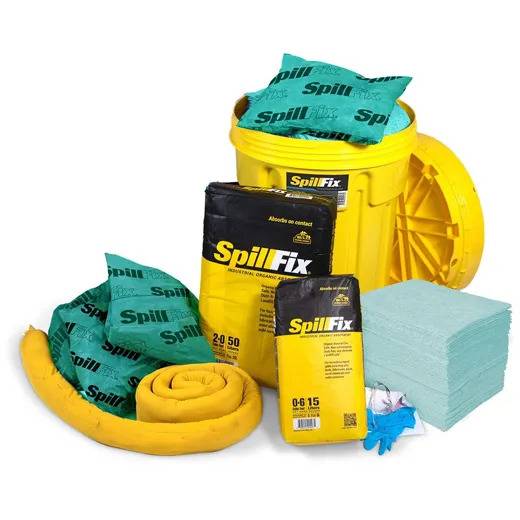
A complete chemical spill response kit, ready for quick and effective containment of hazardous leaks.
- Large Spills:
Evacuate the area. Only trained personnel with full PPE should attempt to contain and clean up large spills. Use dikes to prevent spread and neutralize as for small spills. Contact emergency services if necessary.
- Emergency Equipment:
Ensure eyewash stations and safety showers are easily accessible and regularly tested. Keep spill kits specifically designed for acid spills readily available.
Training and Awareness: The Human Element of Safety
Technology and equipment are crucial, but the human element remains the most vital component of any safety program. Comprehensive training and ongoing awareness are what truly empower your team to work safely with phosphoric acid. It’s about fostering a proactive safety culture where everyone is responsible.
Key Training Components:
- Hazard Communication: Employees must understand the hazards of phosphoric acid, including reviewing Safety Data Sheets (SDS) [1].
- PPE Usage: Proper selection, donning, doffing, and maintenance of all required PPE.
- Safe Work Procedures: Detailed instructions for all tasks involving phosphoric acid, including transfer, dilution, and waste disposal.
- Emergency Response: Training on first aid, spill cleanup, and emergency evacuation procedures.
- Refresher Training: Regular refreshers to reinforce knowledge and address any new procedures or equipment.
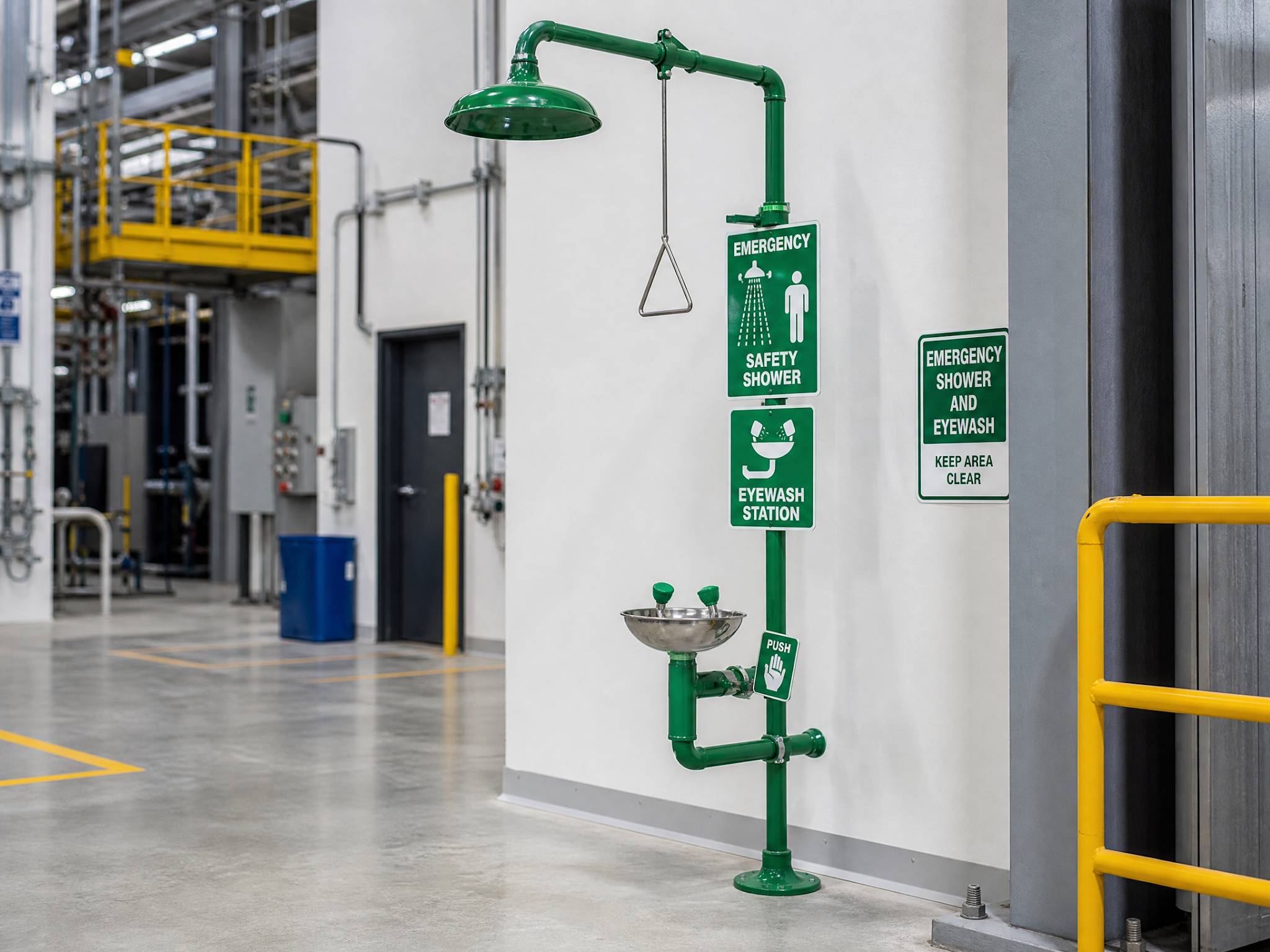
An easily accessible emergency eyewash and safety shower, crucial for immediate response to chemical exposure.
Frequently Asked Questions (FAQs)
Q1: What are the primary hazards of phosphoric acid?
Phosphoric acid is corrosive to skin and eyes, can cause severe burns, and is a respiratory irritant if mists or vapors are inhaled. Ingestion can lead to severe internal damage. It can also react with certain metals to produce flammable hydrogen gas.
Q2: What PPE is essential when handling phosphoric acid?
Essential PPE includes chemical splash goggles (with a face shield for higher risk), chemical-resistant gloves (neoprene, nitrile, or PVC), chemical-resistant body protection (apron or full suit), chemical-resistant safety boots, and an approved respirator with an acid gas cartridge if there’s a risk of inhalation.
Q3: How should phosphoric acid be stored safely?
Phosphoric acid should be stored in corrosion-resistant containers (HDPE, polypropylene, PTFE, FRP, or specific stainless steel grades), segregated from incompatible materials, in a cool, dry, well-ventilated area with secondary containment. Access should be restricted to authorized personnel.
Q4: What is the correct procedure for diluting phosphoric acid?
When diluting phosphoric acid, always add the acid slowly to water, never water to acid. This prevents a rapid exothermic reaction that can cause boiling and splashing, which could lead to severe burns.
Q5: What immediate first aid is required for skin contact with phosphoric acid?
For skin contact, immediately remove contaminated clothing and flush the affected area with copious amounts of water for at least 15-20 minutes. Seek immediate medical attention after flushing.
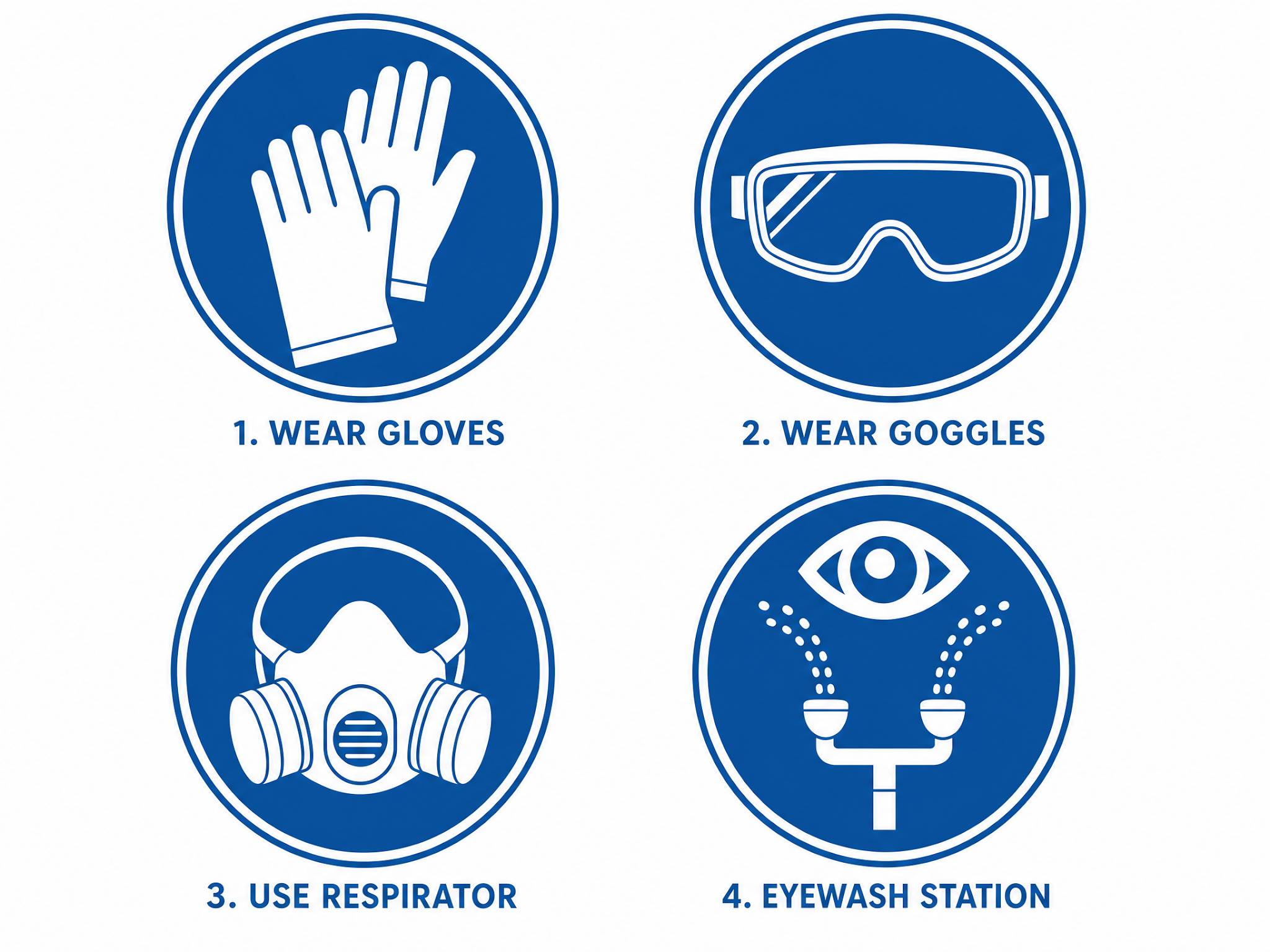
Visual reminders of critical safety measures for anyone working with hazardous chemicals.
Conclusion: A Commitment to Safety
Working with phosphoric acid, while essential for many industries, requires an unwavering commitment to safety. By understanding its hazards, utilizing appropriate PPE, implementing rigorous handling and storage practices, and being prepared for emergencies, you can create a secure environment for everyone. Safety isn’t just a set of rules; it’s a continuous process of vigilance, education, and proactive measures that protects lives and livelihoods. Embrace it, and harness the power of phosphoric acid responsibly.
Industrial Buyers: Next Steps for Sourcing Bulk Phosphoric Acid
What makes our Phosphoric Acid Better:
✅ Compliant with EU, UN, ISO Standards – No Legal Headaches
✅ Guaranteed 85% Concentration – Stability for your Processing Plant
✅ Extremely Low Impurities – Low Heavy Metals
✅ Batch-Specific COA Provided – Full Transparency per Shipment.
Download Our EU-approved Specifications.[ Food Grade or Industrial Grade]