


Australia, a continent rich in natural resources and agricultural prowess, relies heavily on a diverse range of industrial chemicals to fuel its economy. Among these, phosphoric acid (H₃PO₄) stands out as a particularly vital compound. Its applications stretch across the nation’s foundational sectors, playing an indispensable role in everything from boosting crop yields to processing critical minerals and ensuring clean drinking water.

Handling of chemical imports at a bustling Australian port, showcasing the global supply chain for industrial chemicals.
Understanding the specific usage patterns, market dynamics, and regulatory environment surrounding phosphoric acid in Australia is crucial for businesses operating within or looking to enter this dynamic market. This country profile delves into how this versatile acid contributes to Australia’s industrial landscape, highlighting its significance and future trajectory.
The Versatility of Phosphoric Acid: A Brief Overview
Phosphoric acid is a colorless, odorless, and non-volatile mineral acid, typically found as a viscous liquid. Its unique chemical structure allows it to act as a moderately strong acid, making it highly reactive and useful in various industrial processes. For a deeper dive into its fundamental properties, you can refer to our Industrial Buyer’s Guide to Bulk Phosphoric Acid (2026 Update).
Key Chemical Properties:
- Chemical Formula: H₃PO₄
- Molar Mass: 97.99 g/mol
- Appearance: Clear, viscous liquid
- Acidity: Triprotic, capable of donating three protons
Major Applications Driving Demand in Australia
The demand for phosphoric acid in Australia is primarily driven by its extensive use in several key sectors. These applications are fundamental to the nation’s economic output and its ability to sustain its population and export markets.
Agriculture: Fueling the Food Bowl
Australia’s vast agricultural sector is a significant consumer of phosphoric acid, predominantly in the form of phosphate fertilizers. Phosphorus is an essential nutrient for plant growth, and its application is critical for maintaining soil fertility and maximizing crop yields across the country’s diverse farming regions. From wheat fields in Western Australia to fruit orchards in Queensland, phosphoric acid derivatives ensure the productivity of Australia’s
agricultural output.

A modern tractor applies phosphate-based fertilizer to an Australian wheat field, a testament to phosphoric acid’s role in agricultural productivity.
Mining and Mineral Processing: Extracting Value
Australia is a global leader in mining, and phosphoric acid plays a role in various mineral processing applications. Notably, it is being explored for use in the extraction and purification of critical minerals, such as lithium. For instance, Agriflex is set to supply phosphoric acid to Lithium Australia for their commercial plant, highlighting its emerging importance in the nation’s burgeoning critical minerals sector [9]. This application underscores phosphoric acid’s contribution to Australia’s position in the global supply chain for renewable energy technologies.
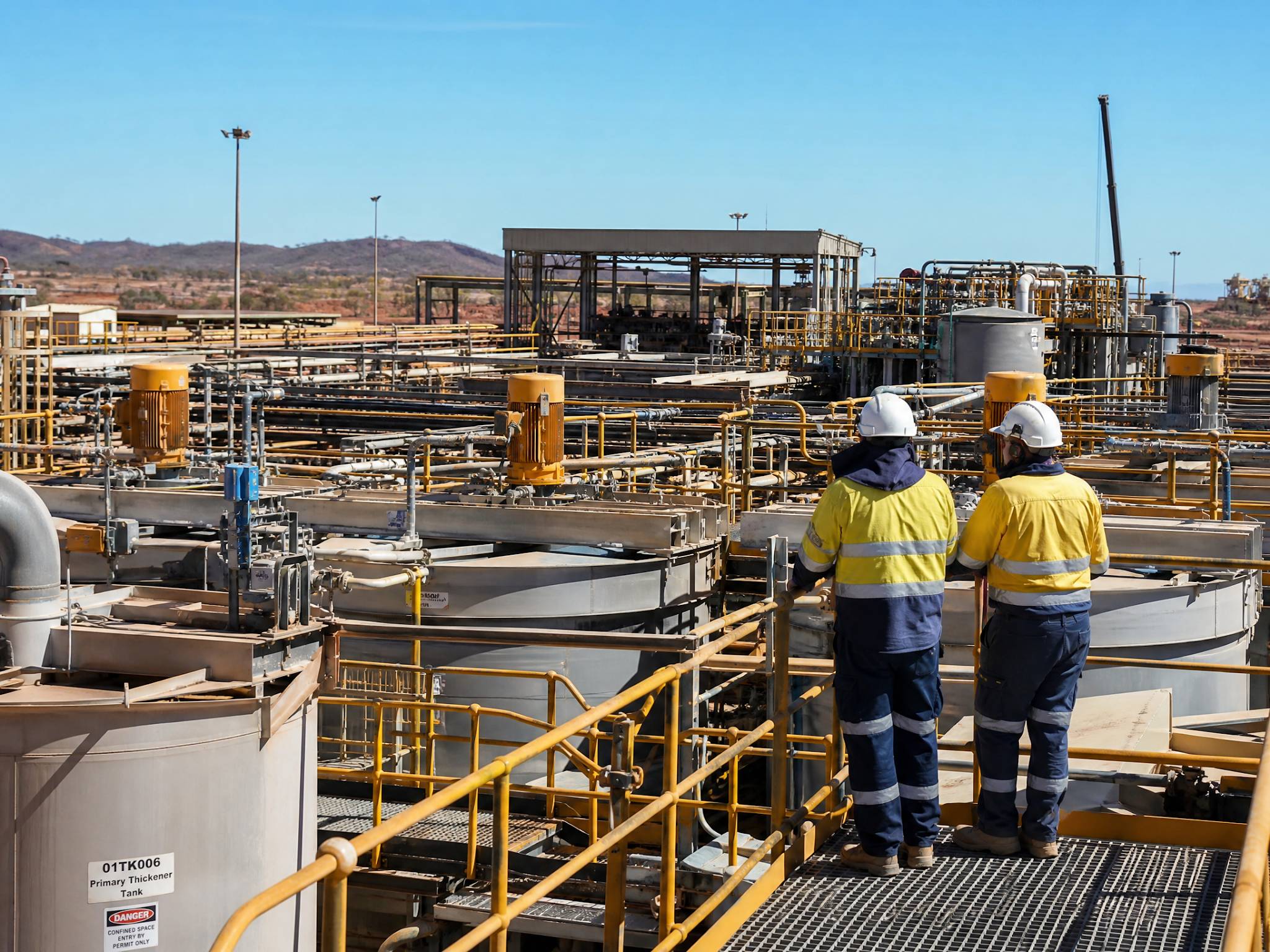
Workers monitor operations at a lithium processing plant in Western Australia, where phosphoric acid can be vital for mineral extraction.
Need Help Sourcing Bulk Phosphoric Acid In 2026?
Get a Free Phosphoric Acid Specification Sheet (Food & Industrial Grade).
WhatsApp Us for Free a Consultation
Food and Beverage Industry: Taste and Preservation
Just like globally, food-grade phosphoric acid (E338) is utilized in Australia’s vibrant food and beverage sector. It acts as an acidulant, providing a tart flavor to soft drinks, and as a preservative, inhibiting microbial growth to extend shelf life. Its role as a buffering agent also helps maintain stable pH levels in various processed foods, ensuring consistent quality and safety for Australian consumers.
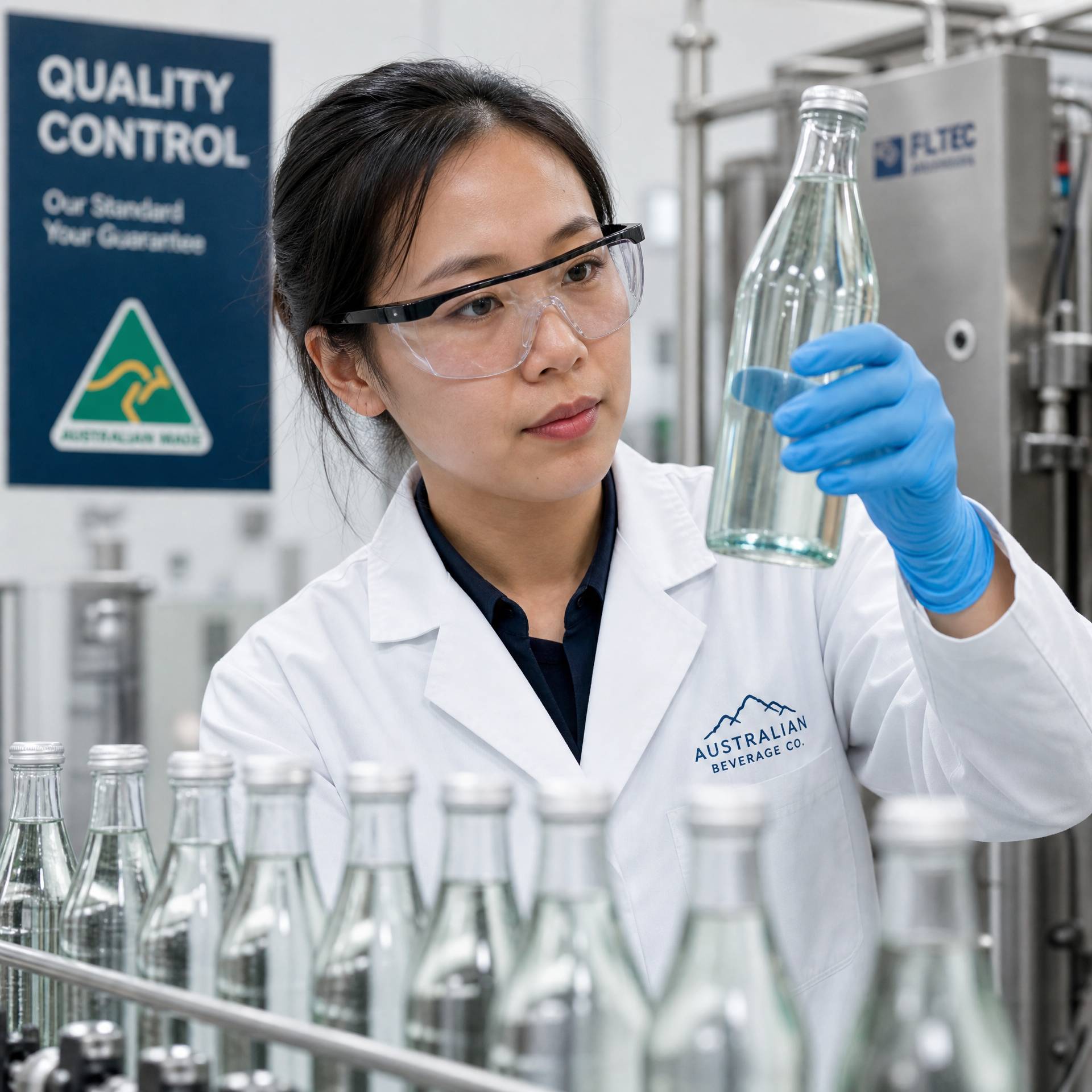
A technician conducts quality control on an Australian beverage line, where food-grade phosphoric acid contributes to product stability and taste.
Water Treatment: Ensuring Purity
In a country where water resources are precious, phosphoric acid also finds application in water treatment processes. It can be used as a pH adjuster and for scale inhibition, helping to maintain the efficiency of water infrastructure and ensure the delivery of clean, safe water to communities across Australia.
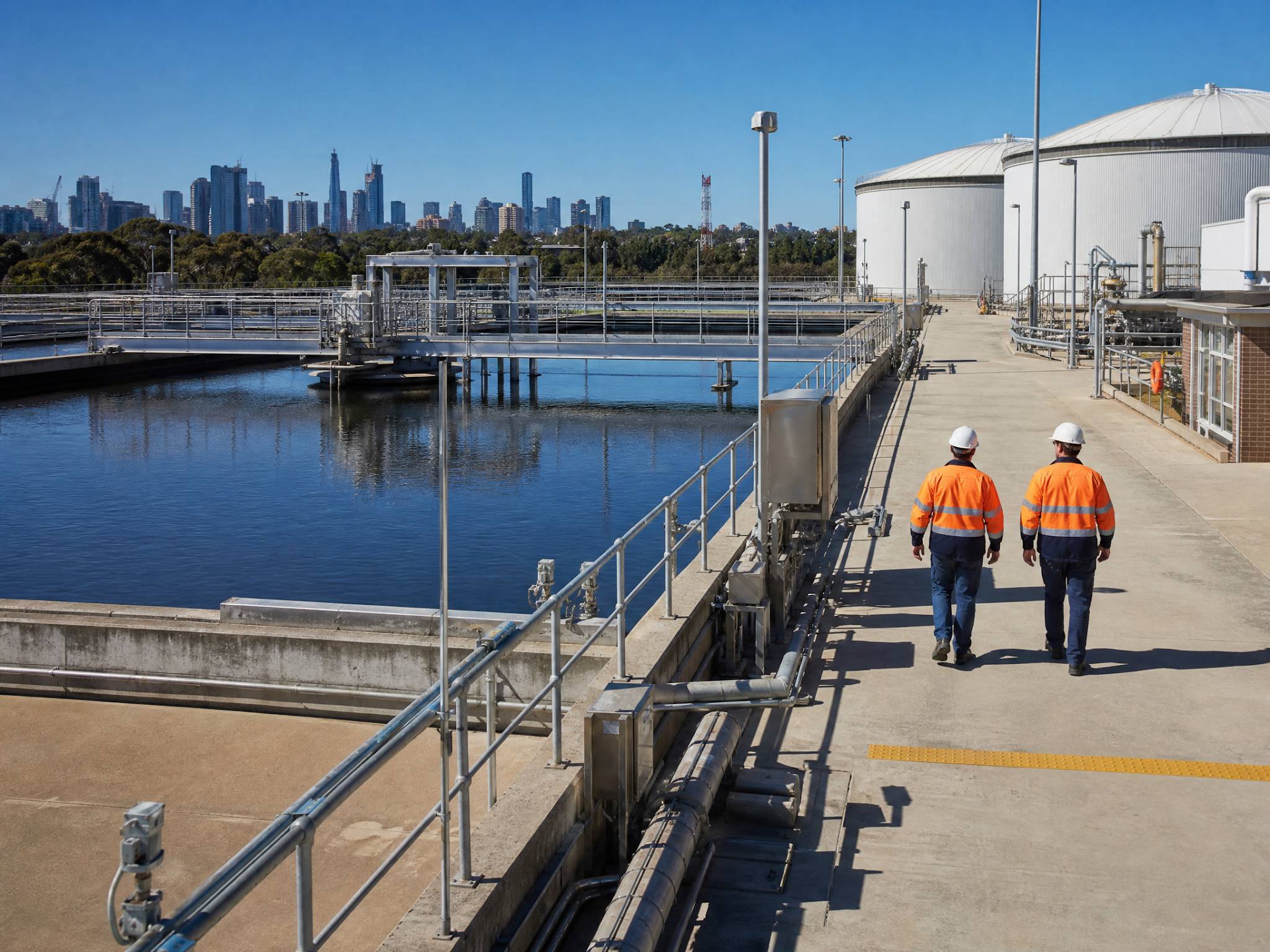
Technicians at an Australian water treatment plant, where phosphoric acid assists in maintaining water quality and system integrity.
Market Dynamics and Supply Chain in Australia
The Australian phosphoric acid market, while modest in global terms, is stable and essential for domestic industries. Australia is primarily an importer of phosphoric acid, with China being a dominant supplier [8].
Key Market Insights:
- Modest Growth: Australia’s phosphoric acid market is projected for modest growth, reaching approximately 15K tons in volume and $15M in value by 2035 [3].
- Import Reliance: The country relies significantly on imports, with China supplying a substantial portion of the volume.
- Local Suppliers: Several local distributors and suppliers, such as Synergy Healthcare and Redox, play a crucial role in the domestic supply chain, ensuring that various grades of phosphoric acid are available to Australian industries.
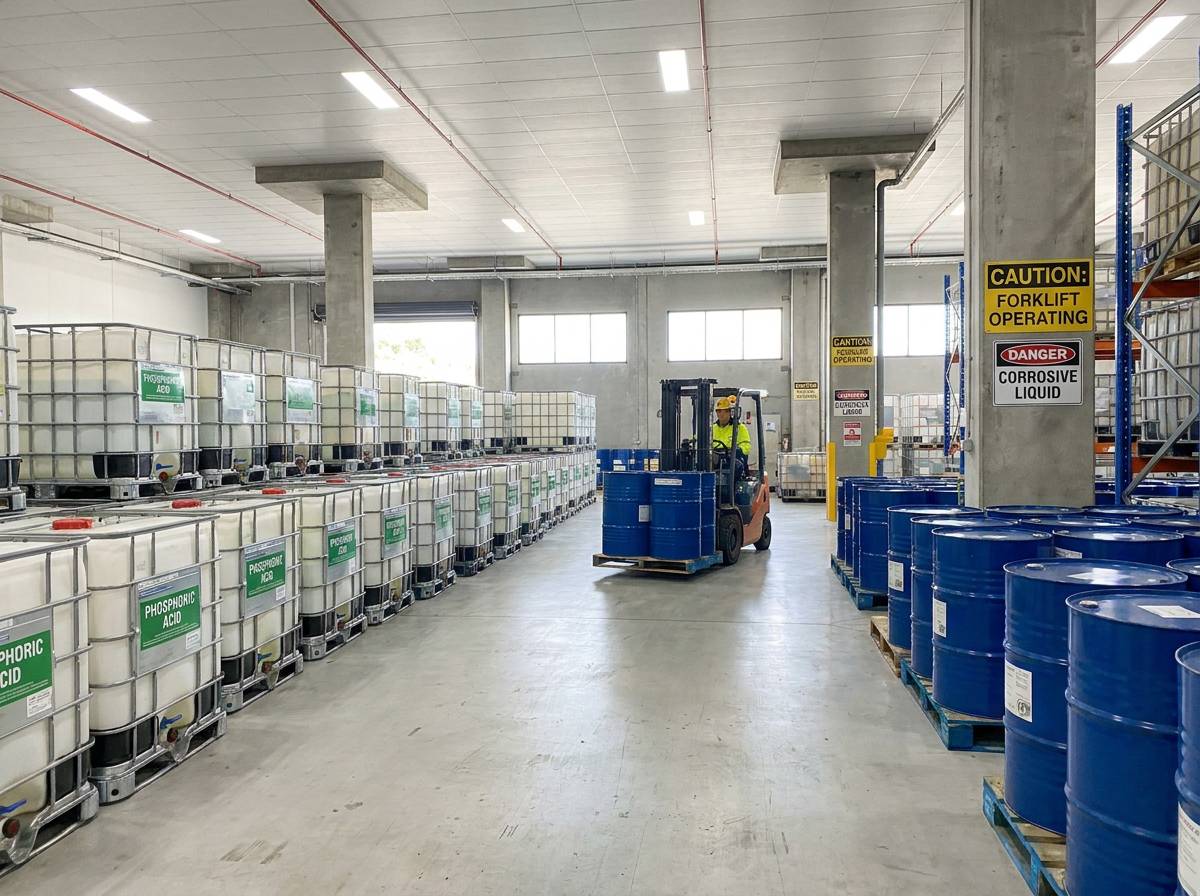
An Australian warehouse stores bulk phosphoric acid in IBCs and drums, ready for distribution to various industries.
Regulatory Landscape and Safety Considerations
Like all industrial chemicals, the handling, storage, and use of phosphoric acid in Australia are subject to stringent regulations to ensure safety and environmental protection. These regulations align with international best practices and are enforced by various federal and state bodies.
Key Regulatory Aspects:
- Work Health and Safety (WHS):
Australian WHS laws mandate safe handling practices, proper labeling, and the provision of Safety Data Sheets (SDS) for hazardous chemicals like phosphoric acid. Employers must ensure adequate training and appropriate Personal Protective Equipment (PPE) for workers.
- Environmental Protection:
Regulations govern the discharge and disposal of phosphoric acid and its by-products to prevent environmental contamination.
- Transport of Dangerous Goods:
The transport of phosphoric acid is regulated under the Australian Dangerous Goods Code, ensuring safe transit across the country.
For detailed safety information, refer to our comprehensive guide on Phosphoric Acid Safety and Handling Guide.
Future Outlook: Sustained Demand and Innovation
The future of phosphoric acid usage in Australia appears stable, driven by sustained demand from its core industries. As Australia continues to invest in agriculture, expand its critical minerals processing capabilities, and maintain high standards for food and water quality, the need for phosphoric acid will remain constant. Furthermore, ongoing research into new applications and more sustainable production methods could further solidify its role in the Australian industrial landscape.
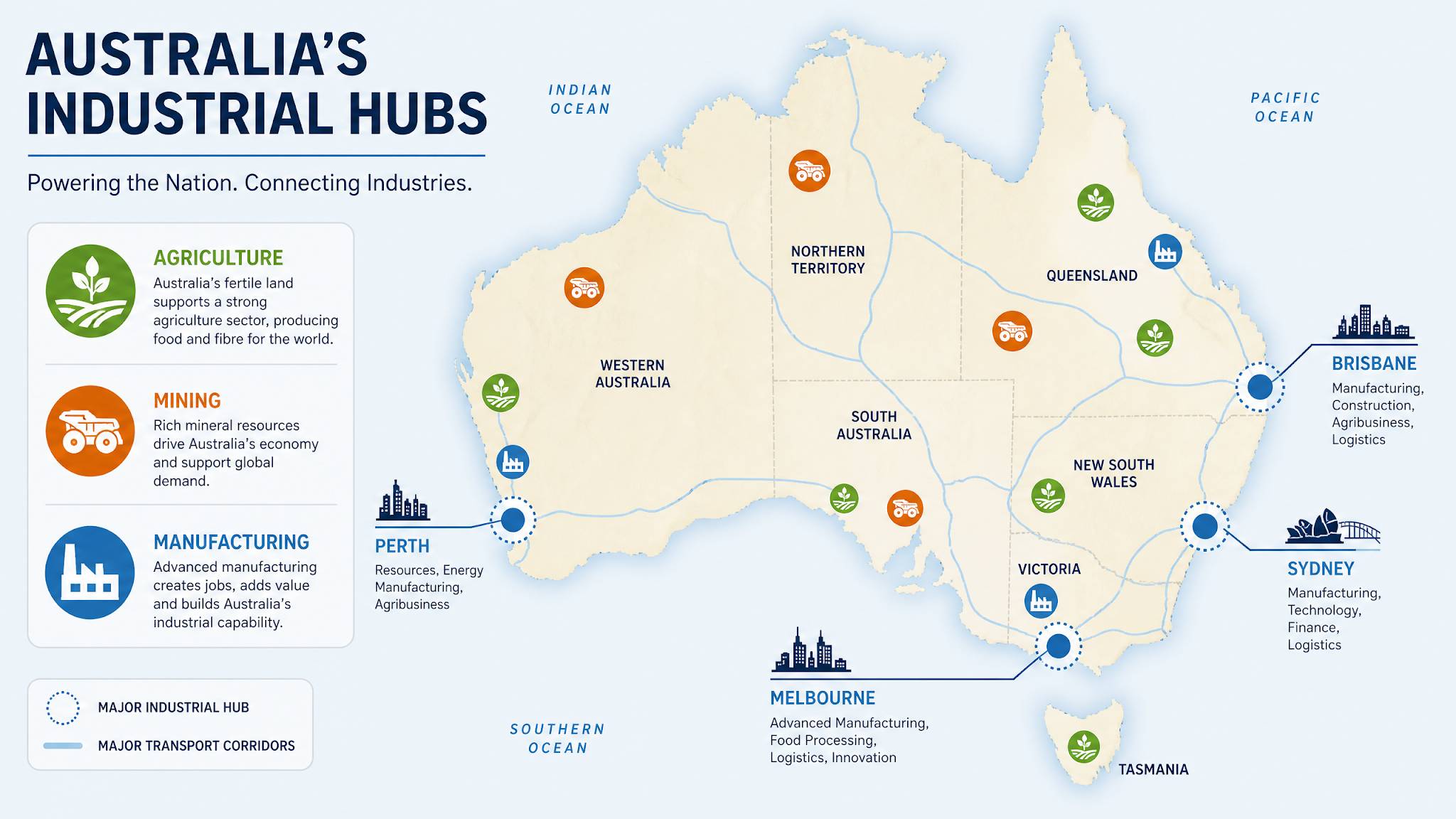
An infographic illustrating Australia’s key industrial hubs and their primary sectors, all of which utilize phosphoric acid.
Frequently Asked Questions (FAQs)
What are the primary uses of phosphoric acid in Australia?
In Australia, phosphoric acid is primarily used in agriculture for fertilizer production, in mining and mineral processing (e.g., lithium extraction), in the food and beverage industry as an acidulant and preservative, and in water treatment for pH adjustment and scale inhibition.
Is Australia a major producer or importer of phosphoric acid?
Australia is primarily an importer of phosphoric acid. While there are local distributors and suppliers, a significant portion of the phosphoric acid used in Australian industries is imported, with China being a key source.
What regulations govern phosphoric acid usage in Australia?
Phosphoric acid usage in Australia is governed by Work Health and Safety (WHS) laws, environmental protection regulations, and the Australian Dangerous Goods Code for transport. These regulations ensure safe handling, storage, and disposal, as well as proper labeling and worker training.
How does phosphoric acid contribute to Australian agriculture?
Phosphoric acid is crucial for Australian agriculture as it is a primary source of phosphorus, an essential nutrient for plant growth. It is converted into various phosphate fertilizers that are used to enrich agricultural soils and maximize crop yields across the country.
What is the market outlook for phosphoric acid in Australia?
The market outlook for phosphoric acid in Australia is stable with modest growth projected. Demand is sustained by key industries like agriculture and mining, and while Australia remains largely import-reliant, the local distribution network ensures consistent supply. Innovations in critical mineral processing are also expected to drive future demand.
Conclusion: Phosphoric Acid – An Australian Industrial Mainstay
Phosphoric acid is undeniably a cornerstone chemical for Australia, underpinning the success and efficiency of its agricultural, mining, food, and water treatment sectors. Its consistent demand, coupled with a robust import and distribution network, ensures its availability for critical industrial processes. By adhering to strict safety and environmental regulations, Australia continues to leverage the power of phosphoric acid responsibly, contributing to the nation’s economic prosperity and sustainable development. For businesses seeking a reliable supply of phosphoric acid in Australia, partnering with knowledgeable suppliers who understand both local market nuances and global quality standards is paramount.
Industrial Buyers: Next Steps for Sourcing Bulk Phosphoric Acid
What makes our Phosphoric Acid Better:
✅ Compliant with EU, UN, ISO Standards – No Legal Headaches
✅ Guaranteed 85% Concentration – Stability for your Processing Plant
✅ Extremely Low Impurities – Low Heavy Metals
✅ Batch-Specific COA Provided – Full Transparency per Shipment.
Download Our EU-approved Specifications.[ Food Grade or Industrial Grade]