


When manufacturers need to remove scale, control metal ions, or improve a cleaning formulation, two chemicals often enter the discussion: phosphoric acid and chelating agents such as EDTA.
Although both can interact with calcium, magnesium, iron, and other metal-containing deposits, they work differently. Phosphoric acid is primarily an acidic cleaning and descaling agent. EDTA, or ethylenediaminetetraacetic acid, is primarily a chelating agent that binds metal ions into stable complexes.
This difference matters in industrial cleaning, water treatment, detergent manufacturing, metal treatment, personal-care products, agriculture, and laboratory applications. Selecting the wrong chemical can lead to slower cleaning, surface damage, unstable formulations, higher operating costs, or additional wastewater-treatment challenges.
The right choice depends on the deposit, formulation pH, equipment material, contact time, temperature, wastewater requirements, and desired cleaning result. This guide explains the difference and shows how buyers can evaluate both materials before procurement.
Quick Comparison
| Factor | Phosphoric acid | EDTA |
| Primary function | Dissolves acid-soluble mineral deposits and adjusts pH | Binds and sequesters metal ions |
| Common targets | Calcium-based scale, mineral deposits, and some rust-related residues | Calcium, magnesium, iron, copper, and other polyvalent metal ions |
| Formulation role | Active acid, descaler, surface-treatment ingredient, or pH adjuster | Sequestrant, hardness-control ingredient, stabilizer, or metal-ion control agent |
| Speed | Often fast when the deposit is acid-soluble | Depends on concentration, pH, temperature, and contact time |
| pH effect | Creates an acidic environment | Depends on the EDTA salt; tetrasodium EDTA is alkaline |
| Main concern | Corrosion and surface compatibility | Chelation strength, pH suitability, environmental profile, and disposal |
| Best starting question | Can acidity dissolve the deposit efficiently? | Which metal ions must be controlled or removed? |

Flowchart illustrating the industrial synthesis routes for Phosphoric Acid via the wet process and EDTA via a batch reaction process.
What Is Phosphoric Acid?
Phosphoric acid is an inorganic acid used in industrial cleaning, metal treatment, water treatment, fertilizer production, food processing, and other applications. Commercial products are available in different concentrations and grades, so buyers must confirm the specification required for their process rather than treating all phosphoric acid products as identical.
In cleaning systems, phosphoric acid lowers the pH and reacts with acid-soluble components of a deposit. This can dissolve mineral scale and loosen residues containing calcium compounds or other acid-reactive materials. It can also support rust treatment and metal-surface preparation when the surface and process conditions are compatible.
Its performance depends on concentration, temperature, contact time, agitation, deposit composition, and the surface being cleaned. A formulation that works well on calcium scale may not be suitable for aluminum, galvanized surfaces, sensitive coatings, elastomers, or other materials. Material-compatibility testing is therefore important before routine use.
Phosphoric acid can be attractive when a process requires both cleaning power and a controlled acidic pH. However, buyers should evaluate corrosion risk, worker-safety requirements, storage, transport classification, rinsing requirements, and wastewater treatment before approving a product.
What Are Chelating Agents Such as EDTA?
Chelating agents bind metal ions through multiple coordination sites. This creates a stable complex, called a chelate, that reduces the free metal ion’s ability to react with other ingredients or form deposits.
EDTA is widely used because it can bind calcium, magnesium, iron, copper, and other polyvalent cations. It is found in detergents, personal-care products, water treatment, metal cleaning, laboratory work, food-related formulations, and other industrial systems.
EDTA is available in different forms. Disodium EDTA is commonly selected for lower-pH systems, while tetrasodium EDTA is more alkaline and can suit alkaline formulations. The salt form affects solubility, pH, handling, dosing, storage, and compatibility with the rest of the formulation.
EDTA is not simply a weaker version of phosphoric acid. It performs a different chemical job. It may control hardness ions and metal contamination, but it may not dissolve every type of scale as quickly as an acid. In a detergent, EDTA may improve the performance of surfactants by binding calcium and magnesium from hard water. In a metal-treatment process, it may help keep certain ions in solution.

Chemical structure of EDTA, a common chelating agent used to bind metal ions in industrial and water treatment applications.
How Their Cleaning Mechanisms Differ
Phosphoric acid: dissolution through acidity
Phosphoric acid lowers pH and reacts with acid-soluble components of a deposit. This can break down mineral scale and make the residue easier to remove through rinsing or mechanical action.
Its performance is strongly influenced by deposit chemistry. Acid-soluble calcium deposits may respond well, while mixed or acid-resistant deposits may require another chemical, a chelator, surfactants, mechanical cleaning, or a combination of methods. Acid concentration alone does not guarantee better results because higher concentrations may increase corrosion or handling risks without improving performance on a resistant deposit.
EDTA: metal-ion sequestration
EDTA captures metal ions and keeps them in a soluble complex. This is useful when calcium and magnesium from hard water interfere with detergent performance or when trace metals destabilize a formulation.
EDTA can support the removal of some metal-containing residues, but its performance is not determined by acidity alone. Concentration, pH, temperature, contact time, the target metal, and competing ingredients all influence the result. The solution may also require sufficient time for the chelation reaction to occur.

Phosphoric acid low-pH dissolution vs. EDTA metal-ion sequestration mechanisms.
Have questions about how Phosphoric Acid or EDTA mechanisms perform in your system? Feel Free to connect with our technical team on WhatsApp for personalized support and fast guidance! WhatsApp:
WhatsApp Us for Free a Consultation
Which One Is Better for Descaling?
There is no universal winner because “scale” can describe several deposit types.
For acid-soluble mineral scale, phosphoric acid is often the more direct starting point because it combines acidity with deposit dissolution. It may be suitable for industrial descaling when the equipment material, concentration, temperature, and process conditions have been checked.
For hard-water control in a detergent or formulated cleaner, EDTA may be more useful because it binds calcium and magnesium ions and reduces their interference with surfactants and other active ingredients. In this situation, the objective may not be to dissolve an existing thick deposit. Instead, it may be to prevent deposits from forming or to maintain formulation stability during use.
A study of root-canal dentine illustrates why concentration and application context matter. Under the study’s specific conditions, 15% EDTA extracted more calcium than 5% phosphoric acid. This should not be treated as a universal ranking for industrial cleaning because the concentrations, substrate, and test method were specialized.
The practical lesson is to test candidate chemicals on the actual deposit and surface. Measure cleaning time, residue removal, corrosion, rinsing behavior, and cost.
Would you like expert advice on selecting between Phosphoric Acid and EDTA for your descaling needs? You are warmly invited to Contact us on WhatsApp for a friendly, no-obligation consultation with our chemical specialists! WhatsApp:
WhatsApp Us for Free a Consultation
Application Guide
| Application | Likely starting option | Reason |
| Mineral descaling | Phosphoric acid | Acidity can dissolve many acid-reactive deposits |
| Hard-water control in detergents | EDTA | Binds calcium and magnesium ions |
| Trace iron or copper control | EDTA or another chelator | Sequesters polyvalent metal ions |
| Acidic metal-surface treatment | Phosphoric acid | Supports acidic cleaning, subject to compatibility testing |
| Alkaline cleaning formulation | Tetrasodium EDTA | Aligns better with alkaline conditions |
| Scale inhibition under demanding conditions | EDTA, HEDP, or another suitable sequestrant | Selection depends on temperature, pH, and process chemistry |
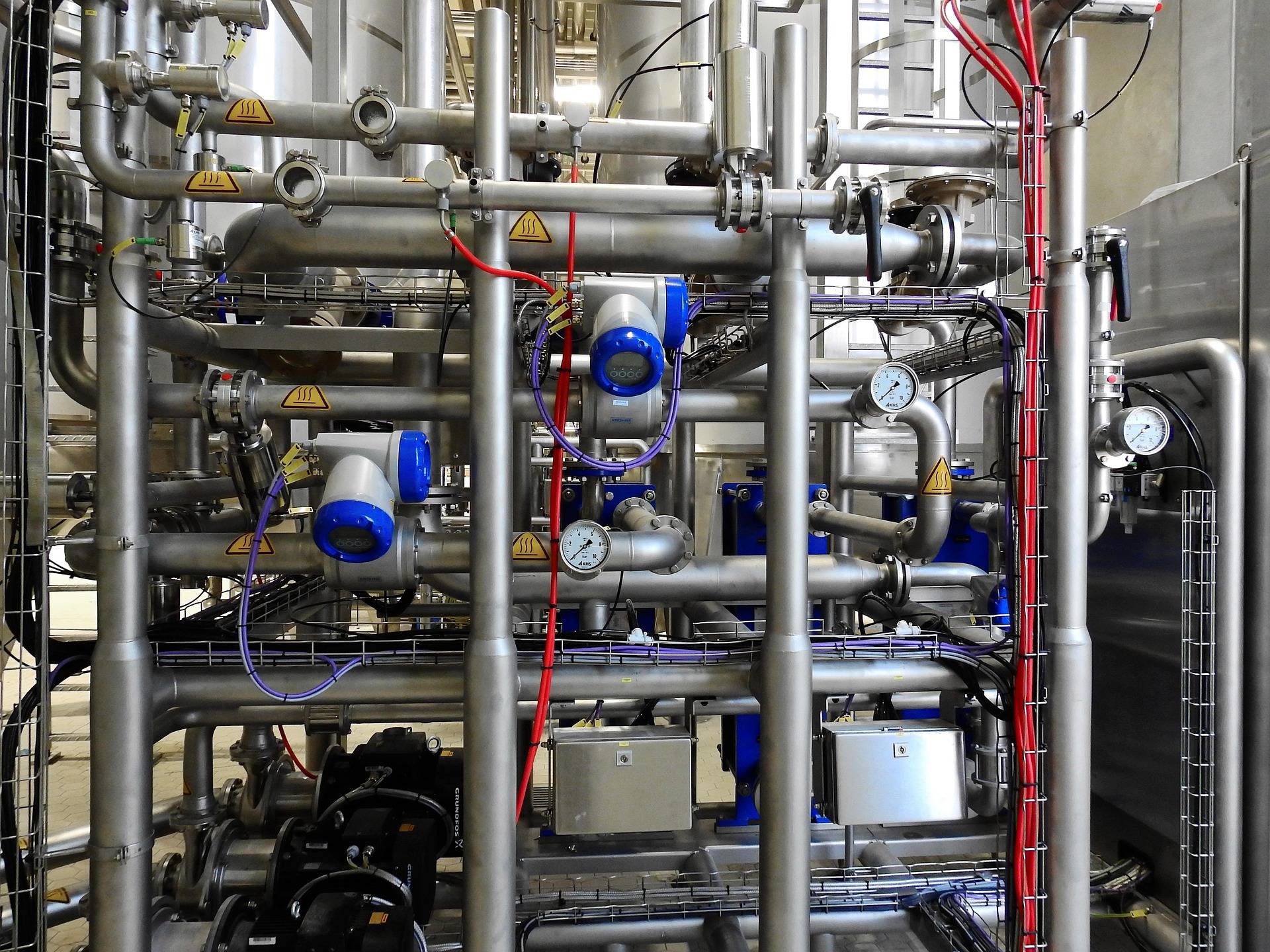
Phosphoric Acid acidic dissolution for heavy scale vs. EDTA chelation for trace metals.
Looking to source bulk Phosphoric Acid or EDTA for your facility? Please feel free to Chat with us on WhatsApp to request COA documentation, check current stock, or receive a tailored quotation! WhatsApp:
WhatsApp Us for Free a Consultation
Industrial and institutional cleaning
Phosphoric acid may be considered for removing mineral deposits from suitable industrial equipment, wash systems, and hard surfaces. The buyer should confirm the material of construction and establish a safe dilution and contact-time range.
EDTA may be added to detergents and formulated cleaners to manage hard-water ions. It can reduce the effects of calcium and magnesium that decrease surfactant efficiency or contribute to deposits. The selected EDTA salt should match the formulation pH and dosing method.
Water treatment and metal treatment
In water-related applications, EDTA can bind selected metal ions, while phosphoric acid may be used for pH adjustment or deposit treatment. Both require review of water chemistry, corrosion, downstream precipitation, and discharge requirements. Neither should be selected without testing on the actual alloy, coating, gasket, or finished component.

Industrial equipment cleaning using targeted Phosphoric Acid and EDTA chemical solutions.
Can They Be Used Together?
In some formulations, an acid and a chelating agent may perform complementary roles. Phosphoric acid can provide acidity and help dissolve deposits, while EDTA can bind metal ions released during treatment or introduced through hard water and raw materials.
Combining them is not automatically better. Evaluate the final system for pH, chelation efficiency, precipitation, corrosion, storage stability, material compatibility, and wastewater treatment.
Before scale-up, test the final mixture for cleaning performance, metal loss, residue removal, surface appearance, rinsing, and stability.
How to Choose Between Phosphoric Acid and EDTA
Use the following checklist before selecting a product:
- Identify the deposit or ion. Determine whether the problem is calcium scale, magnesium scale, rust, dissolved iron, copper contamination, or a mixed deposit.
- Define the required mechanism. Choose acid dissolution when acidity is the primary requirement. Choose chelation when controlled metal-ion binding is the primary requirement.
- Check the formulation pH. Confirm that the acid or EDTA salt is suitable for the intended pH range.
- Review the surface material. Test compatibility with stainless steel, carbon steel, copper alloys, aluminum, coatings, elastomers, and other process materials.
- Set operating conditions. Compare concentration, temperature, contact time, agitation, rinsing, and recovery requirements..Evaluate compliance and disposal. Review the SDS, transport requirements, wastewater controls, and local restrictions.
- Evaluate compliance and disposal. Review the SDS, transport requirements, wastewater controls, and local restrictions.
- Compare total cost. Include chemical dosage, water use, labor, corrosion control, waste treatment, packaging, freight, and rejected-product risk.
- Test the final system. Complete a controlled trial before commercial scale-up.

Visual breakdown of Phosphoric Acid (acidic scale removal) versus EDTA (alkaline metal sequestration) in industrial cleaning.
How Camachem Helps with Chemical Sourcing
Selecting the correct chemistry is only part of procurement. Buyers also need consistent specifications, suitable packaging, reliable documentation, shipping coordination, and support for testing and larger orders.
Camachem supplies industrial and specialty chemicals, including Phosphoric Acid 85% and EDTA Tetrasodium. Buyers can provide the required chemical, grade, purity, packaging, quantity, destination, and delivery requirements during the inquiry process.
Watch our Phosphoric Acid factory manufacturing and drum packaging process for export video:
Camachem can support sourcing by helping buyers match the chemical to its intended use, discuss sample and bulk-order requirements, request SDS or MSDS documents, coordinate shipping, explore third-party testing, and confirm packaging against the quotation.
When requesting a quotation, provide the chemical name, target grade (e.g. food grade, industrial grade) or purity, expected volume, preferred packaging, application, destination port, required documents, and delivery term. If the material will be used in a formulation, also provide the required pH range, concentration, and impurity limits.
Buyers should request the current technical data sheet, certificate of analysis (e.g. ISO, REACH, SGS), SDS, packaging details, lead time, minimum order quantity, and available inspection options. These documents help technical and procurement teams compare offers on more than price alone.
For phosphoric acid, Camachem’s product information describes an inquiry-based process that can include logistics consultation, samples or smaller orders for testing, SDS or MSDS documentation, international shipping, and third-party inspection or testing when required. EDTA tetrasodium is also listed as an available specialty chemical in different packaging options, subject to confirmation in the current quotation.
Need a sample of Phosphoric Acid or EDTA to test in your production process? Kindly Reach out via WhatsApp, and our team will gladly coordinate sample delivery for your testing requirements! WhatsApp:
WhatsApp Us for Free a Consultation
Watch our team loading a 20ft container with Phosphoric Acid and EDTA for safe export delivery video:

A team of research scientists in a laboratory setting working with chemical analysis equipment and testing solutions.
Conclusion
Phosphoric acid and EDTA are not interchangeable simply because both interact with mineral or metal-containing materials.
Phosphoric acid is generally the better starting point when acidic dissolution and mineral descaling are the main goals. EDTA is generally the better starting point when metal-ion sequestration, hard-water control, or formulation stabilization is the main goal.
The final decision should account for deposit composition, pH, concentration, temperature, contact time, surface compatibility, safety, environmental requirements, and delivered cost. In some processes, the best result may come from a carefully designed combination of acid cleaning, chelation, surfactants, rinsing, and mechanical action.
Small-scale testing is recommended before commercial use. The trial should measure cleaning performance as well as corrosion, waste generation, storage stability, and total operating cost.
For buyers comparing available materials, Camachem can support the sourcing process for phosphoric acid and EDTA through product inquiries, samples, documentation, logistics, third-party testing discussions, and bulk procurement. Requesting a quotation with complete technical and shipping specifications is the practical next step.
Industrial Buyers: Next Steps for Sourcing Bulk Phosphoric Acid
What makes our Phosphoric Acid Better:
✅ Compliant with EU, UN, ISO Standards – No Legal Headaches
✅ Guaranteed 85% Purity – Stability for your Processing Plant
✅ Extremely Low Impurities – Low Heavy Metals
✅ Batch-Specific COA Provided – Full Transparency per Shipment.
Download Our EU-approved Specifications.[Food Grade or Industrial Grade]