

Phosphoric acid (H₃PO₄) is one of the most traded industrial chemicals globally, serving as the backbone for the fertilizer, food, and metal treatment industries. As we move into 2026, the global trade landscape for this essential mineral acid continues to shift, driven by agricultural needs and industrial expansion in emerging economies.
Understanding who the major players are in the global market is crucial for suppliers and industrial buyers alike. This guide ranks the top 10 phosphoric acid importing countries based on the latest trade data and market projections, highlighting the key factors that make these nations the world’s largest buyers.
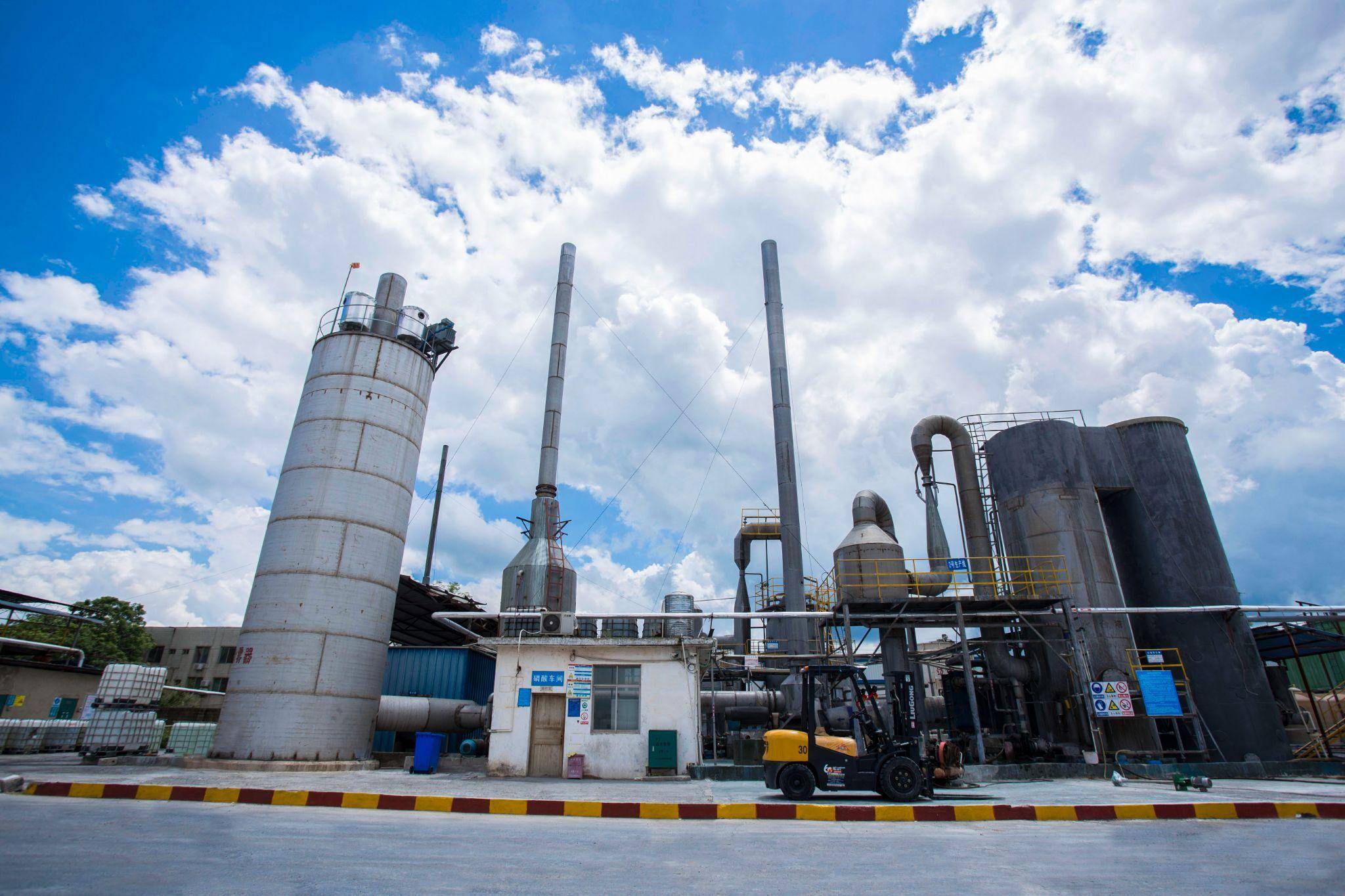
Modern storage infrastructure is essential for countries handling high volumes of phosphoric acid imports.
1. India: The Global Leader in Phosphoric Acid Imports
India remains the undisputed heavyweight in the global phosphoric acid market. With a massive agricultural sector that relies heavily on phosphate-based fertilizers like DAP (Diammonium Phosphate), India’s demand consistently outstrips its domestic production capacity.
In 2024, India’s imports reached approximately $1.99 billion, accounting for a significant portion of the global trade value. This trend is expected to continue through 2026 as the government prioritizes food security and subsidizes fertilizer imports to support local farmers.

India – Ranked #1 phosphoric acid importing country in 2026
Key Drivers for India’s Demand:
- Fertilizer Production: Over 80% of imported phosphoric acid is used to manufacture phosphatic fertilizers.
- Agricultural Subsidies: Government policies often favor the import of raw materials over finished fertilizer products.
- Population Growth: Increasing food demand necessitates higher crop yields, driving phosphorus consumption.
2. Pakistan: A Rapidly Growing Buyer
Pakistan has emerged as the second-largest importer of phosphoric acid globally. Similar to its neighbor, Pakistan’s demand is primarily fueled by its intensive agricultural industry and the need for high-quality fertilizers to sustain its cotton and wheat crops.

Pakistan – Ranked #2 among top phosphoric acid buyers worldwide.
Data from late 2024 and early 2025 indicates that Pakistan imported over 760,000 metric tons of phosphoric acid, valued at more than $414 million. The country relies heavily on suppliers from Morocco and Jordan to meet its industrial requirements.

Rigorous quality testing ensures that imported phosphoric acid meets the strict standards required for food and pharmaceutical applications.
3. United States: Industrial and Food Grade Specialist
While the U.S. is a major producer of phosphate rock, it remains a top importer of high-purity and specialized grades of phosphoric acid. The U.S. market is unique because it imports significant quantities for the food and beverage industry, as well as for high-tech manufacturing.

United States – Ranked #3 phosphoric acid importer, focused on food and technical grades.
Market Dynamics in the USA:
- Food & Beverage: Extensive use of E338 as an acidulant in soft drinks.
- Electronics: High-purity grades used in semiconductor etching.
- Supply Chain Shift: Increasing imports from Morocco and Belgium to supplement domestic supply.
4. Turkey: The Gateway to Eurasian Agriculture
Turkey has solidified its position as a major buyer, importing roughly 415,000 tons annually. Its strategic location makes it a hub for fertilizer distribution across Europe and Central Asia. The Turkish market has seen steady growth as its industrial base for detergents and metal treatment expands.

Turkey – Ranked #4 phosphoric acid buyer serving agriculture and industry.
5. Brazil: Fueling the “Breadbasket of the World”
Brazil’s massive agribusiness sector makes it a perennial top buyer of phosphoric acid. As one of the world’s largest exporters of soybeans and corn, Brazil requires enormous quantities of phosphate fertilizers. While Brazil imports a large amount of finished DAP/MAP, its demand for merchant-grade phosphoric acid for local blending is substantial.

Brazil – Ranked #5 phosphoric acid importer supporting its massive agribusiness sector.
| Rank | Country | Estimated Import Value (USD) | Primary Application |
| 1 | India | $2.0 Billion + | Fertilizer (DAP/MAP) |
| 2 | Pakistan | $415 Million | Agriculture & Textile |
| 3 | United States | $380 Million | Food, Tech & Metal |
| 4 | Turkey | $250 Million | Industrial & Fertilizer |
| 5 | Brazil | $220 Million | Agribusiness |
6. Netherlands: Europe’s Chemical Logistics Hub
The Netherlands serves as a primary entry point for chemicals into the European Union. Much of the phosphoric acid imported here is processed or redistributed to other EU nations. The Dutch market focuses heavily on technical and food-grade acid for the region’s sophisticated food processing industry.

Netherlands – Ranked #6, acting as Europe’s major phosphoric acid logistics hub.
7. Spain: Supporting Mediterranean Agriculture
Spain is a significant importer, particularly for its specialized greenhouse farming and fruit production. Spanish buyers often seek high-quality acid for fertigation systems, where solubility and purity are critical for preventing irrigation clogs.

Spain – Ranked #7 phosphoric acid buyer for Mediterranean agriculture and fertigation.
Need Help Sourcing Bulk Phosphoric Acid In 2026?
Contact our team today for a quotation, free sample, and Phosphoric Acid specification guide.
WhatsApp Us for Free a Consultation
8. Vietnam: Industrialization Driving Demand
Vietnam’s rapid industrial growth has pushed it into the top 10 list. Beyond agriculture, Vietnam uses phosphoric acid in its burgeoning electronics manufacturing sector and for metal surface treatment in its export-oriented manufacturing zones.

Vietnam – Ranked #8, with growing demand from agriculture and electronics manufacturing.
9. Bangladesh: Emerging Agricultural Power
With a focus on increasing rice production, Bangladesh has become a consistent buyer of phosphoric acid. The country has invested in local fertilizer granulation plants that require imported acid as a key feedstock.

Bangladesh – Ranked #9 phosphoric acid importer focused on rice production.
10. Indonesia: Diversified Industrial Consumption
Indonesia rounds out the top 10, with demand split between its agricultural sector (palm oil plantations) and its growing food processing industry. The country’s push for industrial self-sufficiency has led to increased imports of technical-grade acid for local manufacturing.

Indonesia – Ranked #10 phosphoric acid buyer for palm oil and food processing industries.
Global Market Trends for 2026
As we analyze the “phosphoric acid buyers by country” keyword, several overarching trends emerge that will define the market in 2026:
1. Shift Toward High-Purity Grades
While agricultural demand remains the volume leader, the fastest-growing segment is high-purity acid for the LFP (Lithium Iron Phosphate) battery market. Countries like China and the U.S. are seeing increased internal demand for these specialized grades.
2. Supply Chain Diversification
Buyers are moving away from single-source reliance. Large importers like India are diversifying their contracts between Morocco, Jordan, and Egypt to mitigate geopolitical risks.
3. Sustainability and “Green” Phosphoric Acid
There is a growing interest in phosphoric acid produced with lower carbon footprints. Industrial buyers in Europe and North America are beginning to prioritize suppliers who utilize renewable energy in their production processes.
Phosphoric Acid in Industrial Applications: See it in Action!
Want to see how Phosphoric Acid is used in a real industrial setting? Check out this short video. It demonstrates its crucial role in the metal treatment process.
Frequently Asked Questions (FAQs)
What country is the largest buyer of phosphoric acid?
India is the world’s largest buyer of phosphoric acid. The country imports massive quantities primarily to support its vast agricultural sector, specifically for the production of phosphate-based fertilizers like DAP.
Why does the United States import phosphoric acid if it produces phosphate rock?
While the U.S. produces phosphate rock, it imports specific, high-purity grades of phosphoric acid. These specialized imports are crucial for the food and beverage industry (as an acidulant) and the high-tech sector (for semiconductor manufacturing).
How is phosphoric acid transported internationally?
Bulk phosphoric acid is typically transported via specialized chemical tanker ships. For smaller industrial quantities, it is shipped in IBC totes (Intermediate Bulk Containers) or specialized drums that are designed to handle corrosive materials safely.
What is driving the growth of phosphoric acid imports in Southeast Asia?
Countries like Vietnam and Indonesia are increasing their imports due to rapid industrialization. The demand is driven not only by agriculture but also by the expansion of electronics manufacturing, metal surface treatment, and food processing industries.
The global trade of phosphoric acid is a complex web of agricultural necessity and industrial innovation. From the massive bulk orders of India and Pakistan to the specialized requirements of the U.S. and Netherlands, understanding these market leaders is essential for anyone involved in the industrial buyer’s guide to bulk phosphoric acid.
If you are looking to secure a reliable supply or need detailed specifications, always ensure you are working with a partner who understands the specific regulatory and quality requirements of your region. For more information on sourcing, you can check out our detailed resources on technical grade phosphoric acid specifications.
Industrial Buyers: Next Steps for Sourcing Bulk Phosphoric Acid
What makes our Phosphoric Acid Better:
✅ Compliant with EU, UN, ISO Standards – No Legal Headaches
✅ Guaranteed 85% Purity – Stability for your Processing Plant
✅ Extremely Low Impurities – Low Heavy Metals
✅ Batch-Specific COA Provided – Full Transparency per Shipment.
Download Our EU-approved Specifications.[ Food Grade or Industrial Grade]