


Importing industrial chemicals like phosphoric acid from China can be a strategic move for your business. It often offers competitive pricing and access to vast production capacities. However, the process isn’t without its challenges, especially for first-time buyers.

Ensuring you receive the correct grade of phosphoric acid is the first step to a successful import.
Many companies, eager to secure a good deal, overlook critical aspects that can lead to significant financial losses, delays, or even product quality issues. Understanding these pitfalls upfront is key to a successful import experience.
This guide will highlight the top three common mistakes first-time buyers make. We’ll also provide actionable advice on how to avoid them, ensuring a smooth and reliable supply chain for your industrial phosphoric acid needs.
Mistake 1: Underestimating Quality Control and Purity Standards
When you start sourcing from an industrial phosphoric acid supplier, the most frequent error is assuming all product is the same. Different industrial applications demand specific purity levels and grades. Failing to clearly define these can result in receiving unsuitable product.
First-time buyers often neglect to request comprehensive Certificates of Analysis (CoAs) or fail to understand the implications of different impurity levels. This can lead to operational problems down the line, impacting your phosphoric acid production processes.
How to Avoid This Mistake:
- Specify Your Needs: Clearly define the required phosphoric acid grade (e.g., technical, food, or pharmaceutical) and purity percentage (e.g., 85% or 75%).
- Request Detailed CoAs: Always demand a Certificate of Analysis for each batch. This document verifies the chemical composition and purity against agreed-upon specifications.
- Third-Party Inspections: Consider engaging independent third-party inspection services in China. They can verify product quality before shipment, providing an extra layer of assurance.
Mistake 2: Neglecting Logistics, Packaging, and Regulatory Compliance
Phosphoric acid is a corrosive substance, making its transportation and storage subject to strict international regulations. Many first-time buyers underestimate the complexities of chemical logistics and proper packaging when working with an industrial phosphoric acid supplier.
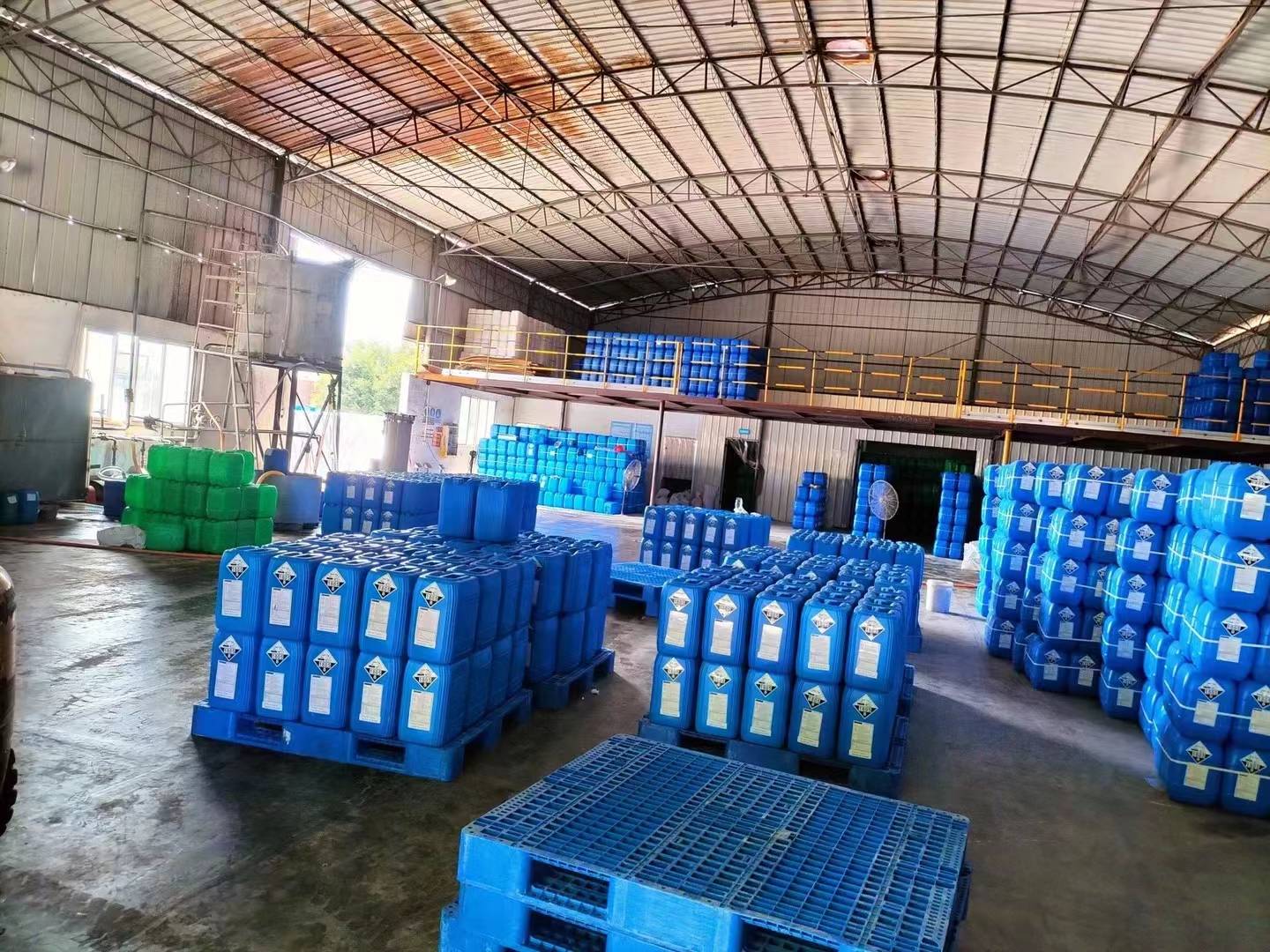
Proper packaging, like these IBC tanks, is essential for the safe transport of corrosive chemicals.
Incorrect packaging can lead to leaks, contamination, and even safety hazards during transit. Furthermore, a lack of understanding of import regulations can cause significant delays at customs, incurring demurrage charges.
How to Avoid This Mistake:
- Understand Packaging Requirements: Discuss appropriate packaging options with your industrial phosphoric acid supplier. Common choices include IBC totes, drums, or ISO tank containers, each with specific chemical handling needs.
- Familiarize Yourself with Incoterms: Clearly define Incoterms (e.g., FOB, CIF, DDP) to understand who is responsible for shipping costs, insurance, and risks at each stage of the journey.
- Verify Regulatory Compliance: Ensure your supplier provides all necessary documentation, including Material Safety Data Sheets (SDS), UN numbers, and hazard classifications, to comply with your country’s import laws.
Mistake 3: Inadequate Supplier Vetting and Communication
Choosing the right industrial phosphoric acid supplier in China goes beyond just comparing prices. Many first-time buyers make the mistake of not thoroughly vetting their potential partners, leading to unreliable supply or quality inconsistencies.
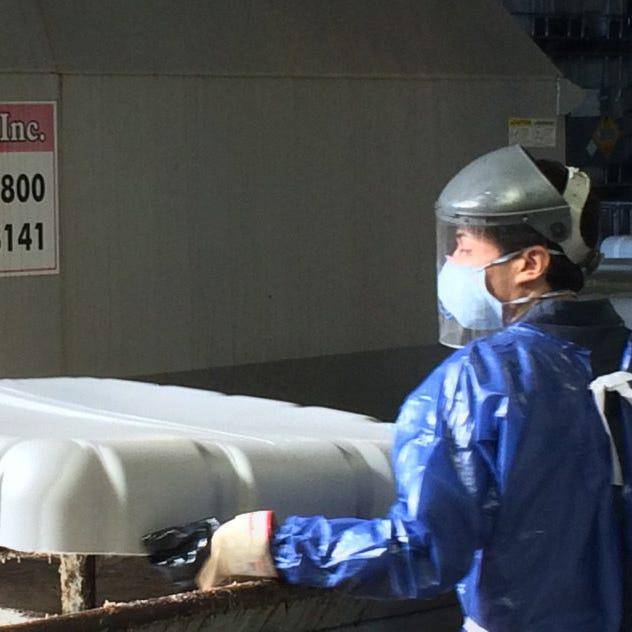
Thorough supplier vetting and regular factory audits are key to maintaining a reliable supply chain.
Language barriers and cultural differences can also lead to miscommunications, resulting in orders that don’t meet expectations. A strong, transparent relationship with your supplier is paramount for long-term success.
How to Avoid This Mistake:
- Conduct Due Diligence: Research potential suppliers thoroughly. Look for certifications like ISO 9001, verify their phosphoric acid production capacity, and check their export history.
- Visit or Audit Factories: If possible, arrange for a factory visit or an independent audit. This provides firsthand insight into their operations and quality control processes.
- Establish Clear Communication: Use clear, concise language in all communications. Consider using a trusted interpreter or a sourcing agent to bridge any language or cultural gaps.
Common Phosphoric Acid Packaging Options
Understanding packaging is crucial for safe and efficient import. Here are typical options:
| Packaging Type | Capacity | Advantages | Considerations |
| Drums | 35 kg, 330 kg | Versatile, easier handling for smaller volumes | Higher per-unit cost than bulk |
| IBC Totes | 1000–1650 kg | Cost-effective for medium to large volumes, reusable | Requires forklift for handling |
| ISO Tank Containers | 20-25 metric tons | Most cost-effective for very large bulk orders, safe for hazardous materials | Requires specialized handling equipment, higher minimum order |
Need Help Sourcing Bulk Phosphoric Acid In 2026?
Get a Free Phosphoric Acid Specification Sheet (Food & Industrial Grade).
WhatsApp Us for Free a Consultation
Technical Specifications for Bulk Phosphoric Acid (85%)
For those who require the exact technical data, here are the typical specifications provided by a reliable industrial phosphoric acid supplier:
| Property | Value |
| Chemical Formula | H₃PO₄ |
| CAS Number | 7664-38-2 |
| Typical Concentration | 85% |
| Molar Mass | 97.99 g/mol |
| Density | 1.68–1.70 g/mL at 25°C |
| UN Number | UN 1805 (Class 8 Corrosive) |
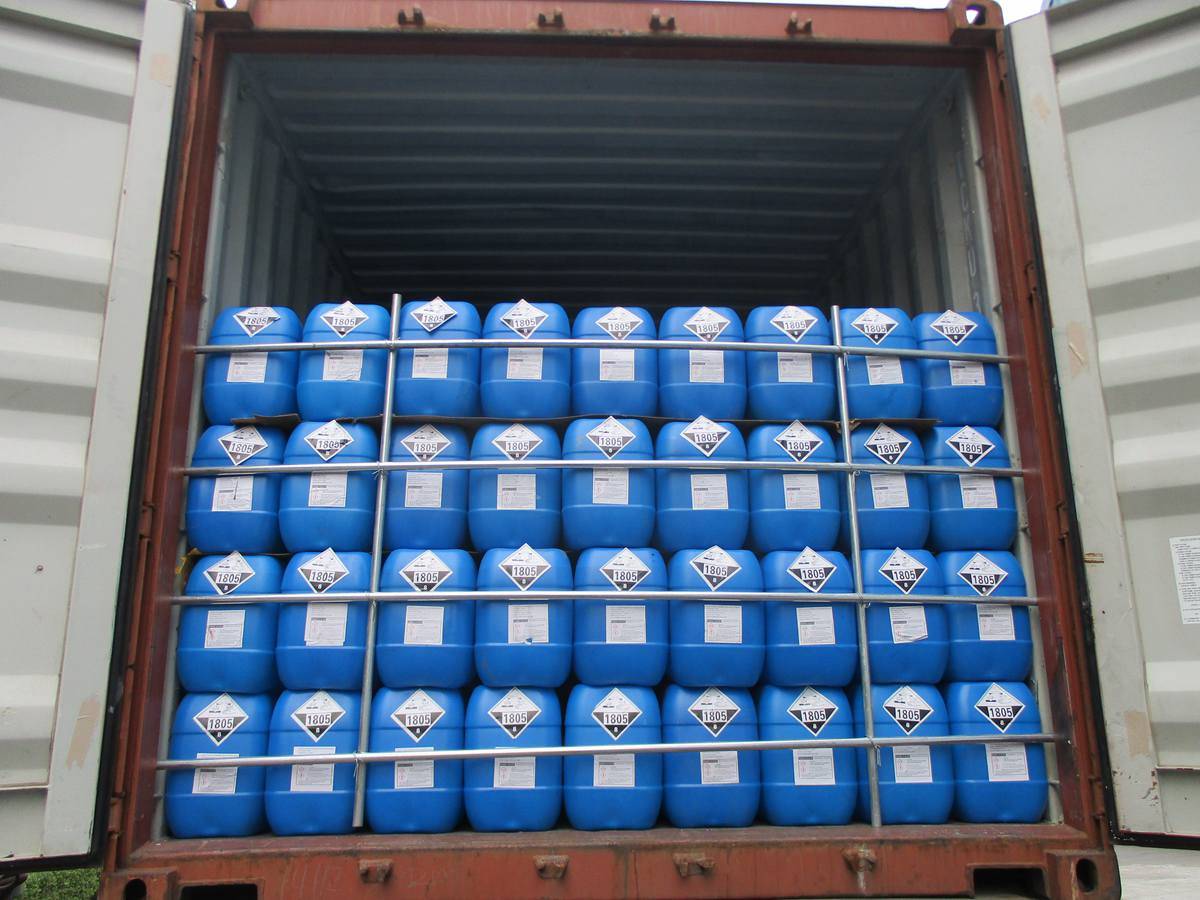
Understanding the logistics of container loading can help prevent delays and reduce shipping costs.
Bonus Insight: The Impact of China’s Export Policies
China’s government policies, particularly regarding export quotas and environmental regulations, can significantly impact the availability and pricing of phosphoric acid. First-time buyers often overlook these dynamic policy shifts.

China’s robust port infrastructure supports the reliable global distribution of industrial chemicals.
Staying informed about these policies is crucial. A reliable Chinese industrial phosphoric acid supplier will be transparent about any potential impacts on your orders, helping you plan your chemical sourcing strategy accordingly.
Building a Robust Supply Chain for Phosphoric Acid
Successfully importing phosphoric acid from China requires meticulous planning and a proactive approach. By avoiding these common mistakes, you can establish a robust and reliable supply chain.
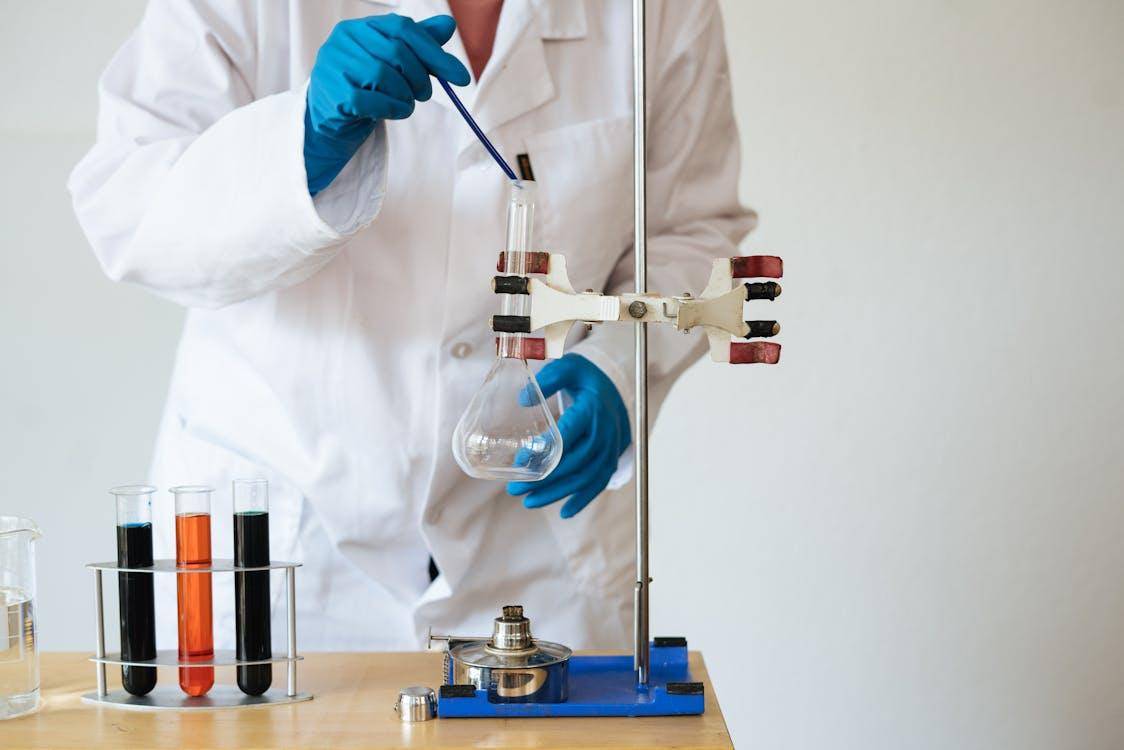
Regular laboratory testing ensures that every batch of phosphoric acid meets your exact specifications.
Focus on quality assurance, understand the intricacies of logistics, and invest time in vetting your suppliers. These steps will safeguard your investment and ensure a consistent supply of high-quality phosphoric acid.
Phosphoric Acid in Industrial Applications: See it in Action!
Want to understand why global importers rely on Chinese phosphoric acid? Watch this short video showing how phosphoric acid is used in fertilizer, metal treatment, and food processing industries.
Frequently Asked Questions (FAQs) for First-Time Phosphoric Acid Importers
Here are some common questions first-time buyers have when importing phosphoric acid from China:
Q1: What is the typical lead time for phosphoric acid shipments from China?
Lead times can vary significantly based on order size, supplier production schedules, and shipping routes. Generally, expect 4-8 weeks from order confirmation to arrival at your port.
Q2: How can I verify the quality of phosphoric acid before it ships?
Requesting pre-shipment samples, detailed Certificates of Analysis (CoAs), and arranging for independent third-party inspections are effective ways to verify quality.
Q3: What are the key documents required for importing phosphoric acid?
Essential documents include the Commercial Invoice, Packing List, Bill of Lading (or Air Waybill), Certificate of Origin, Material Safety Data Sheet (MSDS), and any required import licenses or permits.
Q4: Is it possible to get a sample before placing a bulk order?
Most reputable industrial phosphoric acid suppliers offer samples for testing. This is a crucial step to ensure the product meets your specific quality and application requirements.
Conclusion: Your Partner in Successful Phosphoric Acid Procurement
Importing phosphoric acid from China doesn’t have to be daunting. By being aware of common mistakes and taking proactive steps, first-time buyers can navigate the process successfully.
Focus on clear communication, stringent quality checks, and understanding logistics. Partnering with experienced suppliers and advisors can make all the difference.
We are committed to helping you build a secure and efficient supply chain for your industrial phosphoric acid needs. Reach out today for a seamless import experience.
Read more before you commit on our Industrial Buyer’s Guide to Bulk Phosphoric Acid
Industrial Buyers: Next Steps for Sourcing Bulk Phosphoric Acid
What makes our Phosphoric Acid Better:
✅ Compliant with EU, UN, ISO Standards – No Legal Headaches
✅ Guaranteed 85% Concentration – Stability for your Processing Plant
✅ Extremely Low Impurities – Low Heavy Metals
✅ Batch-Specific COA Provided – Full Transparency per Shipment.
Download Our EU-approved Specifications.[ Food Grade or Industrial Grade]