


A lower price per ton of phosphoric acid does not always mean a lower purchasing cost. If the product contains less phosphoric acid, you may need to buy more liquid to obtain the same amount of phosphorus expressed as P₂O₅.
This matters when comparing different concentrations such as 75% and 85% phosphoric acid. The right comparison is not only the price per tonne of product. Buyers should also calculate the cost per tonne of P₂O₅ equivalent and consider freight, storage, handling, and other logistics costs.
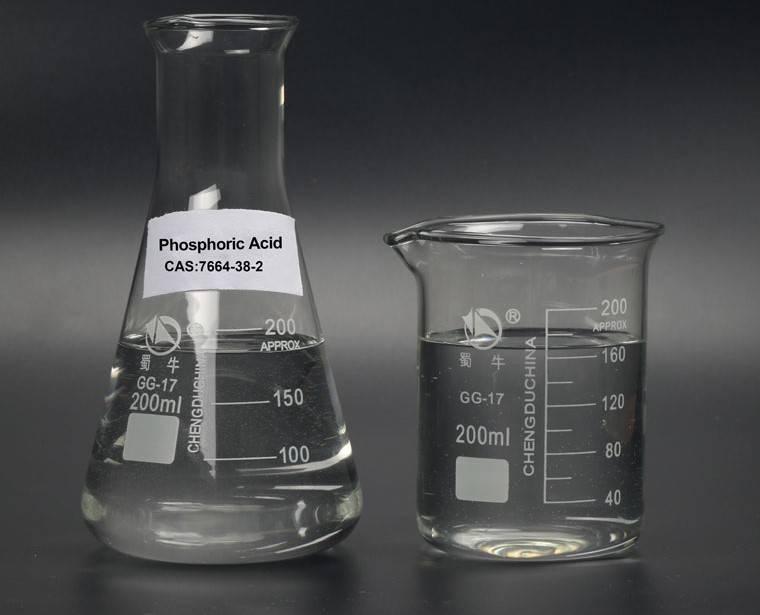
Comparing phosphoric acid concentration is important when evaluating the true cost of the material.
Why Price Per Ton Can Be Misleading
When a supplier quotes phosphoric acid, the first number most buyers see is the price per tonne.
For example, imagine two quotations:
| Product | Illustrative Price |
|---|---|
| 85% phosphoric acid | $700/ton |
| 75% phosphoric acid | $620/ton |
At first glance, the 75% product appears cheaper.
But the two products do not contain the same amount of phosphoric acid. The lower-strength product contains more water and therefore provides less P₂O₅ equivalent per tonne of solution.
That means the buyer needs more tonnes of 75% material to obtain the same P₂O₅ content.
For help comparing 75% and 85% phosphoric acid quotations, contact our team:
WhatsApp Us for Free a Consultation
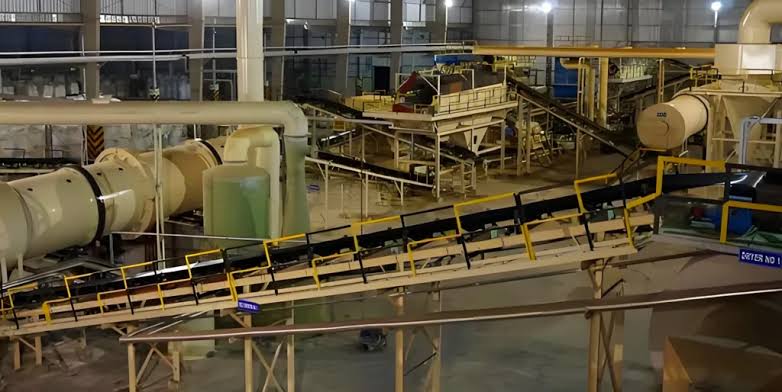
Industrial conveyor and dryer assembly within a manufacturing plant producing phosphate products and chemical feedstocks
The Key Question for Buyers
Instead of asking only:
“What is your price per ton?”
ask:
“What is my effective cost per ton of P₂O₅ equivalent?”
This creates a more useful comparison between different concentrations.
Decision-Maker Insight
A lower quotation can become more expensive when the product has a lower active concentration. For bulk purchasing, compare the cost of the useful chemical content, not only the cost of the delivered liquid.
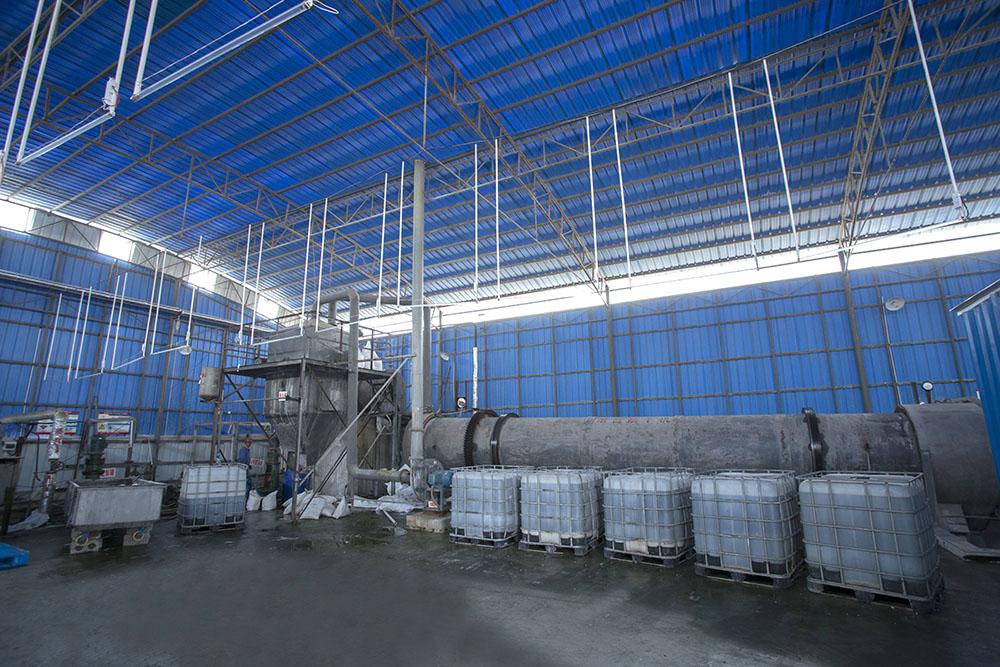
Bulk phosphoric acid procurement should consider concentration as well as the quoted price per tonne.
What Does P₂O₅ Mean in Phosphoric Acid Pricing?
P₂O₅ is commonly used as a way to express phosphorus content in phosphate products and fertilizer-related calculations.
For phosphoric acid, the P₂O₅ equivalent is calculated from the phosphoric acid concentration.
The relationship is based on molecular weights:
- H₃PO₄ molecular weight ≈ 98
- P₂O₅ molecular weight ≈ 142
- Two H₃PO₄ molecules correspond to one P₂O₅ equivalent
This gives a conversion factor of approximately:
P₂O₅ equivalent = H₃PO₄ concentration × 1.454
So an 85% phosphoric acid solution corresponds to approximately:
85% × 1.454 = 61.6% P₂O₅ equivalent
For 75% phosphoric acid:
75% × 1.454 = 54.1% P₂O₅ equivalent
The exact commercial calculation should follow the specification and accounting convention used in your application.

Cleanroom manufacturing technicians conducting microscopic quality inspection for electronic and semiconductor applications requiring high-purity phosphoric acid processing
Why the Difference Matters
Consider one tonne of each product.
85% phosphoric acid:
1,000 kg × 85% = 850 kg H₃PO₄
850 kg × 1.454 ≈ 1,236 kg P₂O₅ equivalent
But this result highlights an important point: P₂O₅ equivalent is a chemical conversion convention, not a literal mass of P₂O₅ physically present in the liquid.
For purchasing comparisons, it is therefore often clearer to calculate the P₂O₅-equivalent fraction directly:
85% H₃PO₄ × 142 / 196 ≈ 61.6% P₂O₅ equivalent
Thus:
1,000 kg × 61.6% ≈ 616 kg P₂O₅ equivalent
For 75% H₃PO₄:
75% × 142 / 196 ≈ 54.3% P₂O₅ equivalent
Thus:
1,000 kg × 54.3% ≈ 543 kg P₂O₅ equivalent
This is the basis for comparing cost per tonne of P₂O₅ equivalent.
Technical Note
P₂O₅ is an equivalent expression used for phosphorus content. It should not be interpreted as meaning that a container of phosphoric acid literally contains that mass of P₂O₅ as a separate chemical compound.
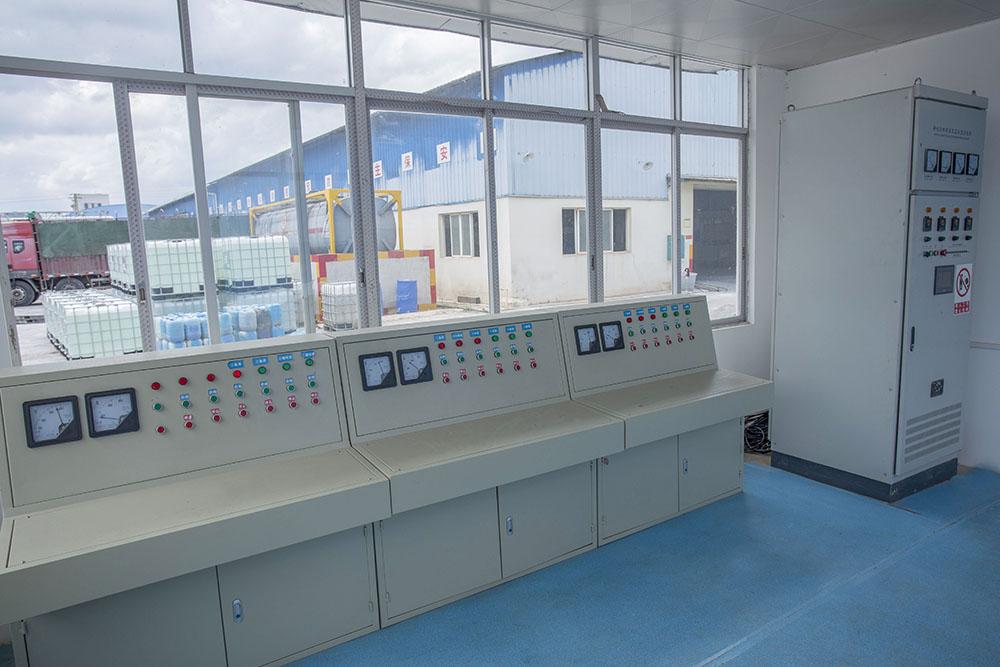
Concentration and quality testing provide the starting point for calculating the effective chemical content of a bulk shipment.
How to Calculate Cost per Ton of P₂O₅
The calculation is straightforward once you know the phosphoric acid concentration and product price.
Step 1: Convert H₃PO₄ Concentration to P₂O₅ Equivalent
Use:
P₂O₅ equivalent % = H₃PO₄ % × 142 ÷ 196
For 85% phosphoric acid:
85 × 142 ÷ 196 = 61.6% P₂O₅ equivalent
For 75% phosphoric acid:
75 × 142 ÷ 196 = 54.3% P₂O₅ equivalent
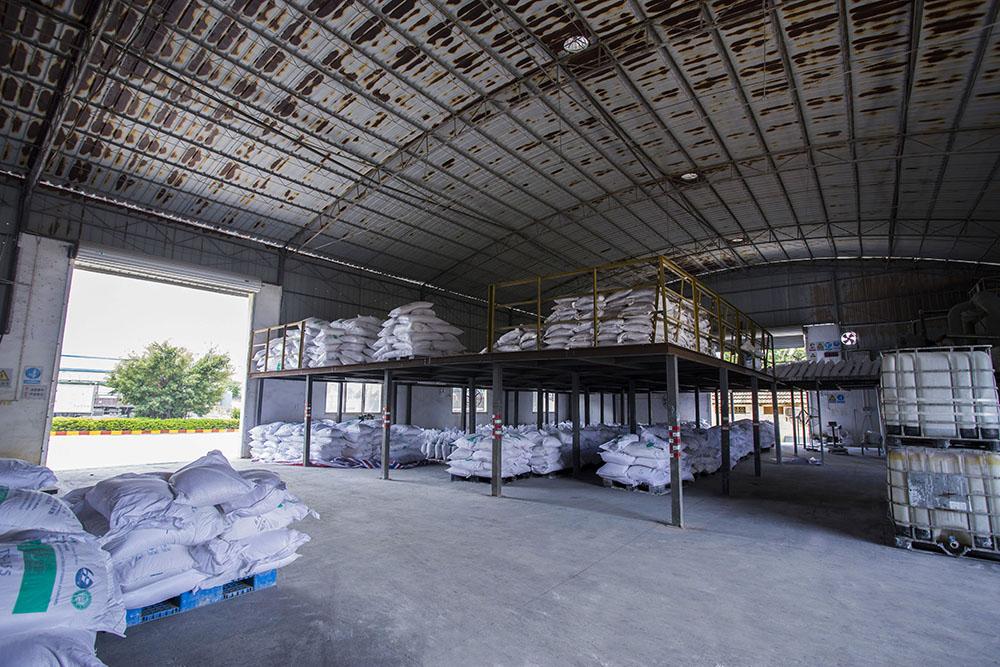
Industrial chemical storage warehouse featuring organized mezzanine racking for bagged products and IBC totes ready for bulk shipment and distribution
Step 2: Calculate P₂O₅ Equivalent Per Ton
For one metric tonne:
P₂O₅ per tonne = 1 × P₂O₅ fraction
Therefore:
- 85% phosphoric acid ≈ 0.616 tonnes P₂O₅ equivalent per tonne of solution
- 75% phosphoric acid ≈ 0.543 tonnes P₂O₅ equivalent per tonne of solution
Step 3: Calculate Cost Per Ton of P₂O₅
Use:
Cost per tonne P₂O₅ = Price per tonne of phosphoric acid ÷ P₂O₅ fraction
For example, if 85% phosphoric acid costs $700/ton:
$700 ÷ 0.616 = approximately $1,136 per ton P₂O₅ equivalent
If 75% phosphoric acid costs $620/ton:
$620 ÷ 0.543 = approximately $1,142 per ton P₂O₅ equivalent
So even though the 75% product has a lower quoted price, its effective P₂O₅ cost is slightly higher in this illustrative example.
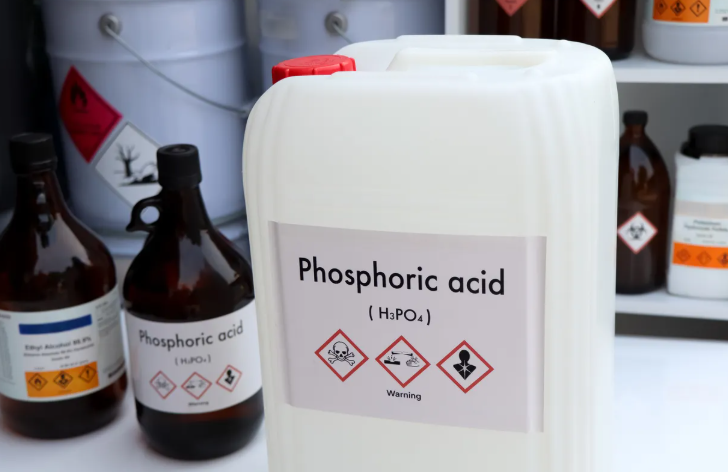
HDPE plastic jerrycan and amber glass bottles featuring standard GHS hazard labeling for liquid phosphoric acid storage and laboratory handling
75% vs 85% Phosphoric Acid: Cost Comparison
The following example shows why concentration needs to be included in supplier comparisons.
These prices are illustrative only. They are not current market quotations.
| Factor | 85% Phosphoric Acid | 75% Phosphoric Acid |
|---|---|---|
| Illustrative product price | $700/ton | $620/ton |
| H₃PO₄ concentration | 85% | 75% |
| Approx. P₂O₅ equivalent | 61.6% | 54.3% |
| P₂O₅ equivalent per ton | 616 kg | 543 kg |
| Approx. cost per ton P₂O₅ | $1,136 | $1,142 |
| Product price advantage | Higher | Lower |
| P₂O₅ cost advantage | Lower | Higher |
The difference becomes more important when the price gap between the products is larger.
For example, a 75% product can be significantly cheaper per tonne and still fail to provide a lower cost per tonne of P₂O₅.
The Break-Even Price
There is a useful way to approach this from the other direction.
Suppose the 85% product is priced at $700/ton.
Its P₂O₅ equivalent is approximately 61.6%.
The maximum equivalent price for 75% material can be estimated as:
$700 × 54.3 ÷ 61.6 ≈ $617/ton
So, in this simplified example, a 75% product would need to cost approximately $617/ton or less to match the 85% product on P₂O₅-equivalent cost.
This gives procurement teams a practical negotiation benchmark.
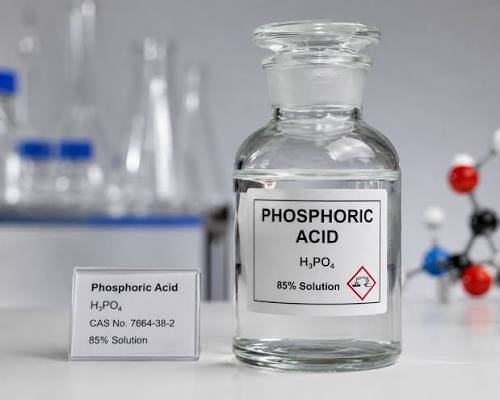
Clear glass reagent bottle containing 85% phosphoric acid solution displayed with CAS registry details and standard GHS hazard markings
Lower Strength Can Also Increase Logistics Costs
The concentration calculation is only the first step.
A lower-strength product can also affect the amount of material that needs to be transported, stored, pumped, and handled.
More Product May Be Needed for the Same Chemical Requirement
Suppose your process requires the equivalent of 100 tonnes of P₂O₅.
At approximately 61.6% P₂O₅ equivalent, 85% phosphoric acid would require:
100 ÷ 0.616 ≈ 162.3 tonnes of solution
At approximately 54.3% P₂O₅ equivalent, 75% phosphoric acid would require:
100 ÷ 0.543 ≈ 184.2 tonnes of solution
That is approximately:
21.9 additional tonnes of solution
The lower-strength product therefore requires substantially more liquid to deliver the same P₂O₅ equivalent.
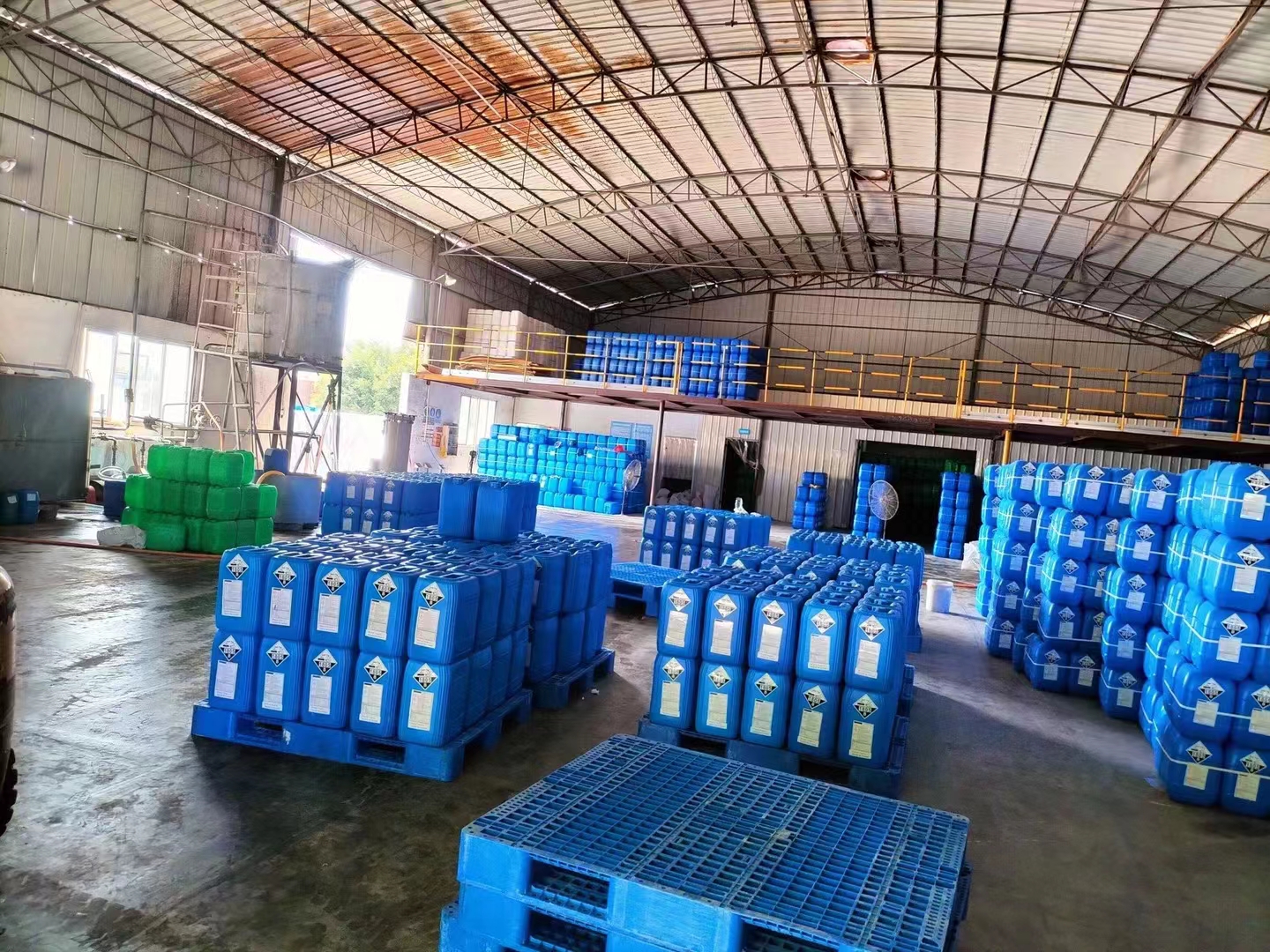
Industrial chemical storage warehouse with organized blue jerrycans and plastic drums stacked on pallets for bulk chemical distribution and export logistics
Freight Can Change the Comparison
If freight is charged per tonne of shipped material, the additional quantity matters.
More tonnes can mean:
- Higher freight cost
- More storage capacity
- More unloading activity
- More handling
- Higher tank utilization
- More packaging requirements where applicable
This is why procurement teams should compare delivered cost per tonne of P₂O₅ equivalent, not just the supplier’s ex-works or FOB price.
For help reviewing freight, packaging, and delivered-cost assumptions, contact our bulk sourcing team:
WhatsApp Us for Free a Consultation
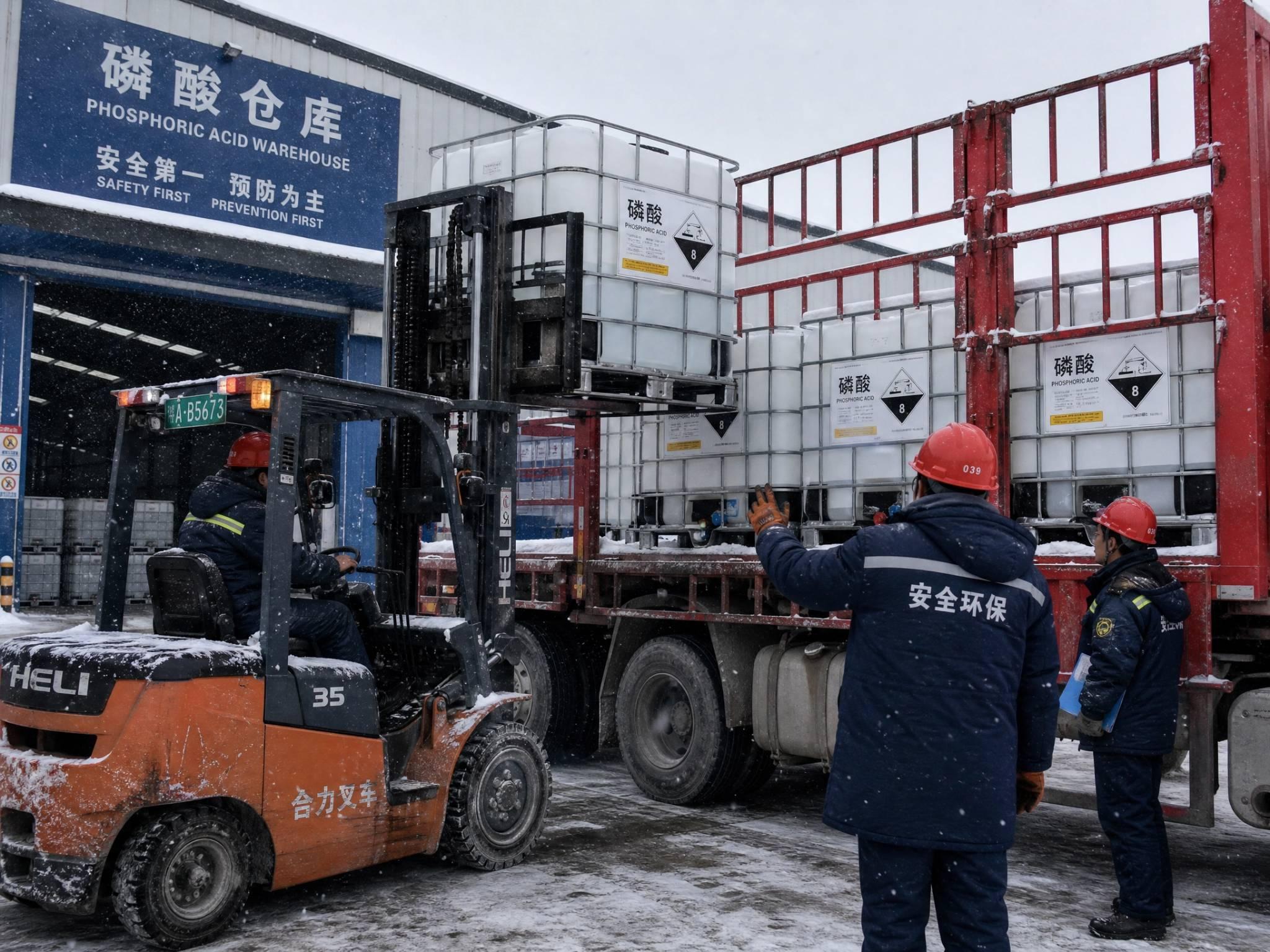
Lower concentration can affect the quantity of material that must be transported and stored to meet the same chemical requirement.
Do Not Ignore Concentration When Comparing Supplier Quotations
A supplier comparison sheet should include the product concentration alongside the commercial price.
If you receive five quotations, do not create a simple ranking based only on dollars per tonne.
Instead, capture:
- Concentration
- P₂O₅ equivalent
- Price basis
- Packaging
- Quantity
- Incoterm
- Freight
- Insurance
- Destination
- Lead time
- Quality specification
- COA requirements
- Applicable grade
The site’s phosphoric acid specifications can help you organize the technical information that needs to be compared.

Camal Group representatives conducting an on-site quality inspection and facility audit at a chemical manufacturing factory
Compare Like With Like
A useful supplier comparison should look something like this:
| Supplier | Concentration | Price/ton | P₂O₅ Equivalent | Cost/ton P₂O₅ | Incoterm | Freight |
|---|---|---|---|---|---|---|
| Supplier A | 85% | $700 | 61.6% | $1,136 | FOB | Separate |
| Supplier B | 75% | $620 | 54.3% | $1,142 | FOB | Separate |
| Supplier C | 85% | $680 | 61.6% | $1,104 | CIF | Included |
| Supplier D | 75% | $590 | 54.3% | $1,087 | CIF | Included |
Illustrative example only.
Supplier D has the lowest calculated P₂O₅-equivalent cost in this example, even though it uses the lower concentration.
This illustrates an important procurement principle:
Lower concentration does not automatically mean higher cost.
The correct calculation depends on the actual quotation.
The point is that price per tonne alone cannot answer the question.
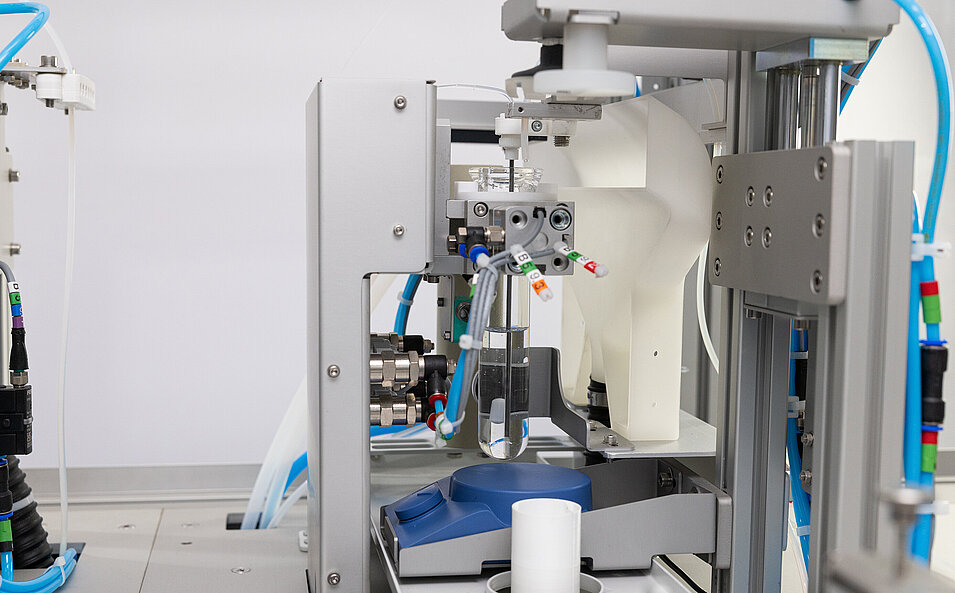
Automated laboratory titration system used for precise assay testing and quality control of liquid chemical solutions
When 75% Phosphoric Acid Can Still Make Commercial Sense
The purpose of this calculation is not to say that 85% phosphoric acid is always cheaper.
It is not.
A lower-strength product can make commercial sense when:
- Its purchase price is sufficiently lower
- Freight differences are favorable
- The application accepts the concentration
- Storage capacity is available
- The receiving system can handle the additional volume
- The specification meets the process requirement
- The total delivered P₂O₅ cost is competitive
The correct choice depends on the application and purchasing terms.
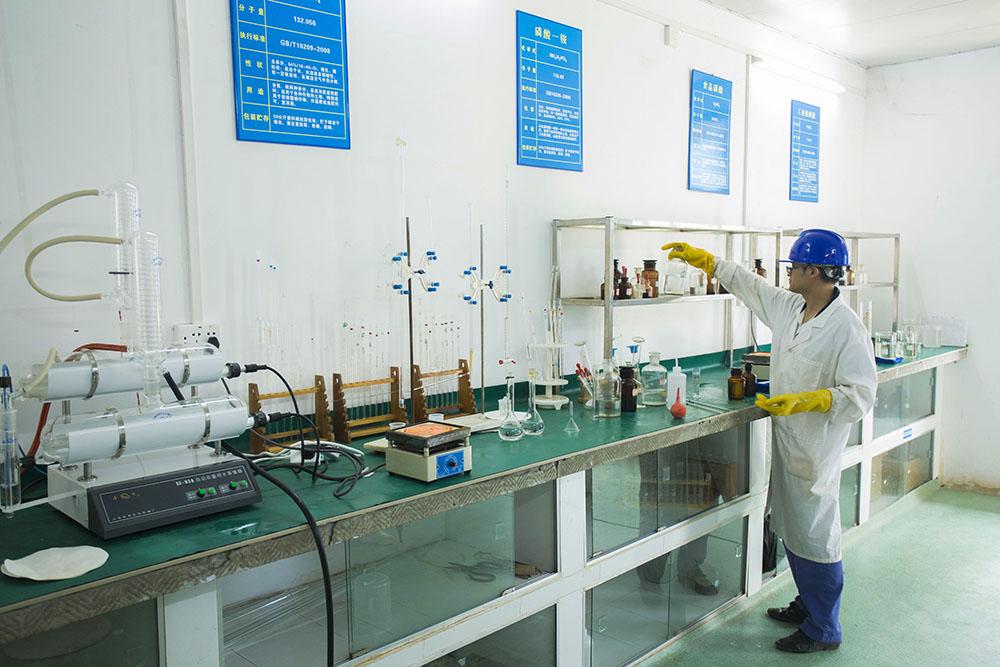
Quality testing and chemical analysis of 85% phosphoric acid in a manufacturer testing lab
Consider Process Requirements Too
Cost should never be separated from technical suitability.
A lower-strength product may have different:
- Viscosity
- Storage behavior
- Freezing characteristics
- Pumping requirements
- Dilution requirements
- Packaging needs
The site’s guide on 85% vs 75% phosphoric acid can be useful when evaluating concentration differences beyond the simple price calculation.

Concentration can affect handling and process requirements, so procurement savings should be evaluated alongside operational needs.
Calculate the Total Delivered Cost Per Ton of P₂O₅
For international bulk buyers, the most useful calculation can go beyond the supplier’s product price.
A simplified approach is:
Delivered cost per tonne P₂O₅ = Total delivered product cost ÷ P₂O₅ equivalent supplied
Total delivered product cost can include:
- Product price
- Freight
- Insurance
- Port charges
- Inland transportation
- Inspection
- Handling
- Applicable import costs
The exact cost structure depends on the transaction and Incoterm.
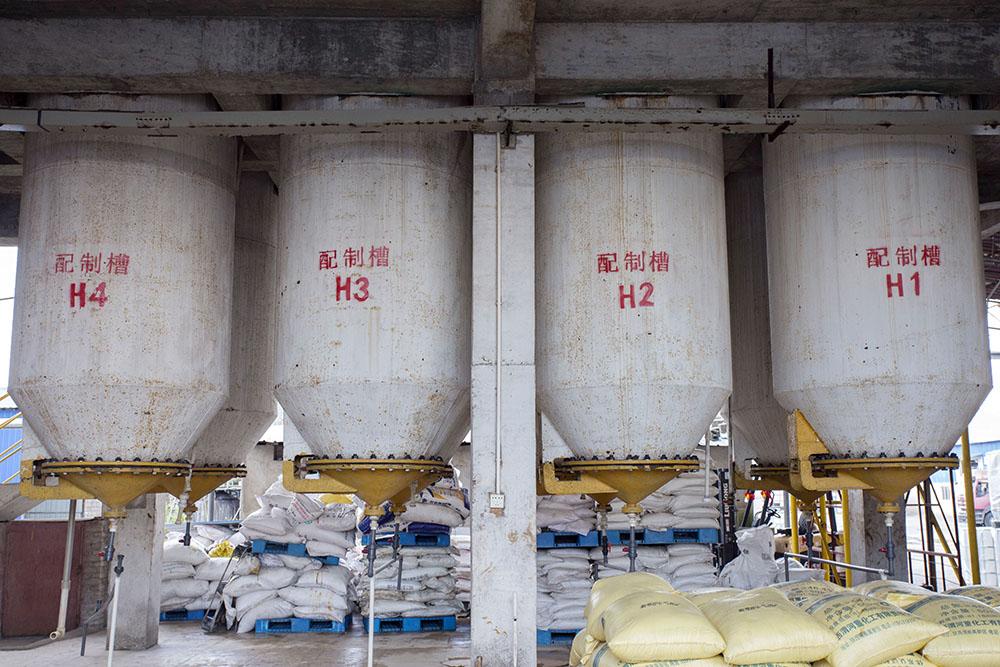
Industrial formulation and mixing hoppers used for controlled concentration batching and pilot sample production of phosphoric acid derivatives
Example With Freight
Imagine:
85% product
- Product: $700/ton
- Freight and related logistics: $100/ton
- Total delivered cost: $800/ton
- P₂O₅ equivalent: 61.6%
Calculation:
$800 ÷ 0.616 ≈ $1,299/ton P₂O₅
Now imagine:
75% product
- Product: $620/ton
- Freight and related logistics: $100/ton
- Total delivered cost: $720/ton
- P₂O₅ equivalent: 54.3%
Calculation:
$720 ÷ 0.543 ≈ $1,326/ton P₂O₅
In this illustrative case, the lower-strength product has a lower purchase price but a higher delivered cost per tonne of P₂O₅.
The exact result will change with every quotation.
Technical Note
Always use the same cost basis when comparing suppliers. Do not compare an FOB price for one concentration with a CIF or delivered price for another and treat the numbers as equivalent.
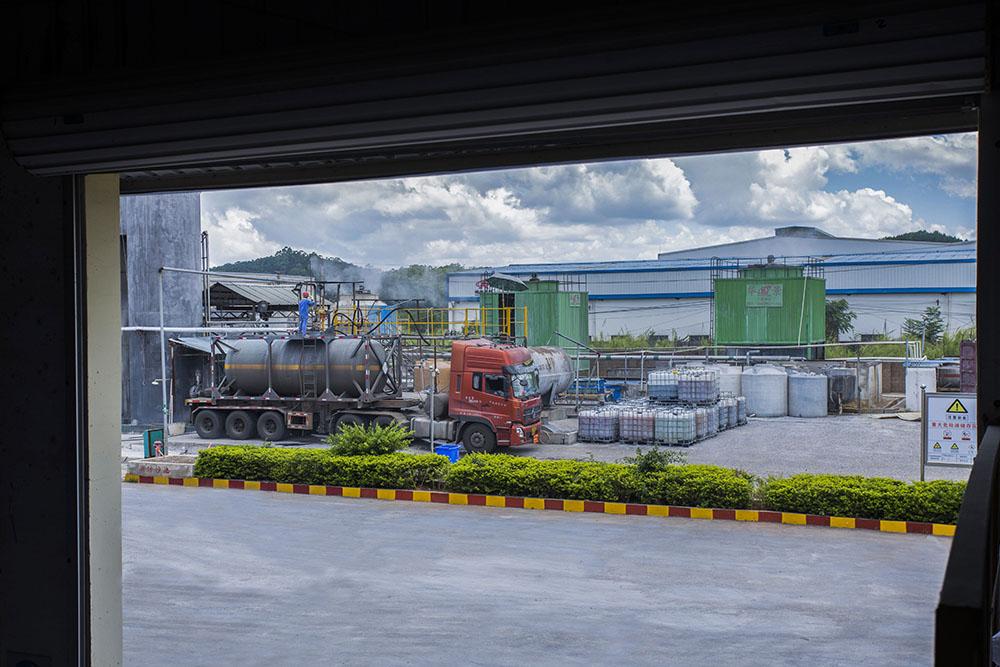
Bulk liquid phosphoric acid tanker loading and transport setup, highlighting scalable industrial procurement and export logistics
Need Help Sourcing Bulk Phosphoric Acid In 2026?
Share your required concentration, grade, quantity, destination, and application so the specification and commercial basis can be reviewed before you place a bulk order.
WhatsApp Us for Free a Consultation
A Simple Procurement Formula for Your Next Quotation
When a supplier sends a quotation, use this four-step process.
1. Record the H₃PO₄ Concentration
Example:
85% H₃PO₄
2. Convert to P₂O₅ Equivalent
85 × 142 ÷ 196 = 61.6% P₂O₅
3. Add the Relevant Delivered Costs
Include the costs that apply to your chosen Incoterm and destination.
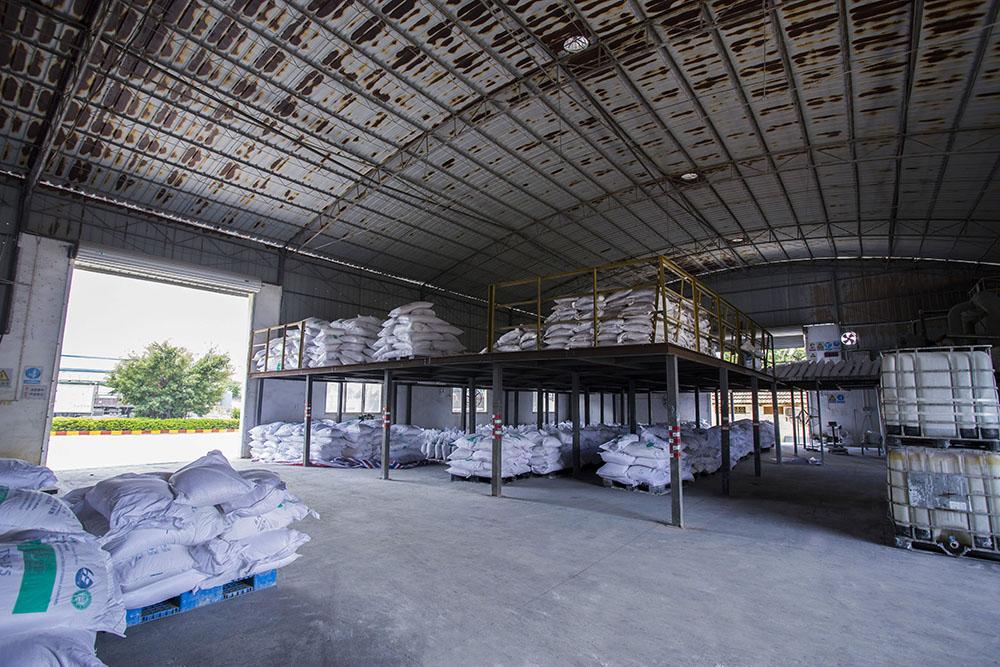
Industrial chemical storage warehouse featuring organized mezzanine racking for bagged products and IBC totes ready for bulk shipment and distribution
4. Divide Total Cost by P₂O₅ Fraction
Cost per tonne P₂O₅ = Total cost per tonne solution ÷ 0.616
Repeat the same process for every supplier.
This makes the comparison much easier to defend internally because procurement, finance, and technical teams are using the same calculation.
For a broader purchasing framework, buyers can also use the Industrial Buyer’s Guide to Bulk Phosphoric Acid.
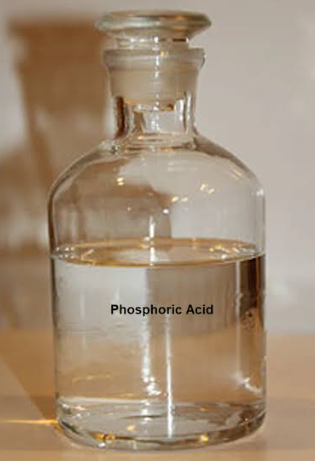
Clear glass reagent bottle labeled Phosphoric Acid for laboratory testing
See Bulk Phosphoric Acid Export and Logistics in Action
The chemical calculation is only one part of the procurement decision. Packaging, loading, handling, documentation, and international logistics can all affect the final delivered cost.
Bulk phosphoric acid procurement requires coordination between product concentration, packaging, loading, and international logistics.

International logistics costs should be included when comparing the delivered cost of different phosphoric acid concentrations.
Frequently Asked Questions
Why can 75% phosphoric acid cost more than 85% per ton of P₂O₅?
Because 75% phosphoric acid contains less H₃PO₄ per tonne of solution and therefore provides less P₂O₅ equivalent per tonne. If its price is not low enough to compensate for the lower concentration, the effective cost per tonne of P₂O₅ will be higher.
How do I calculate P₂O₅ equivalent from phosphoric acid concentration?
A simplified conversion is:
P₂O₅ equivalent % = H₃PO₄ % × 142 ÷ 196
For 85% phosphoric acid, this gives approximately 61.6% P₂O₅ equivalent.
What is the P₂O₅ equivalent of 75% phosphoric acid?
Using the same conversion, 75% phosphoric acid corresponds to approximately 54.3% P₂O₅ equivalent.
Is 85% phosphoric acid always cheaper per ton of P₂O₅?
No. The concentration alone does not determine the final cost. The actual supplier price, freight, Incoterm, packaging, destination, and other purchasing costs must be included.
Should I compare phosphoric acid based on price per ton or price per ton of P₂O₅?
For products with different concentrations, price per tonne of P₂O₅ equivalent can provide a more meaningful comparison. Buyers should still evaluate technical suitability and the complete delivered cost.
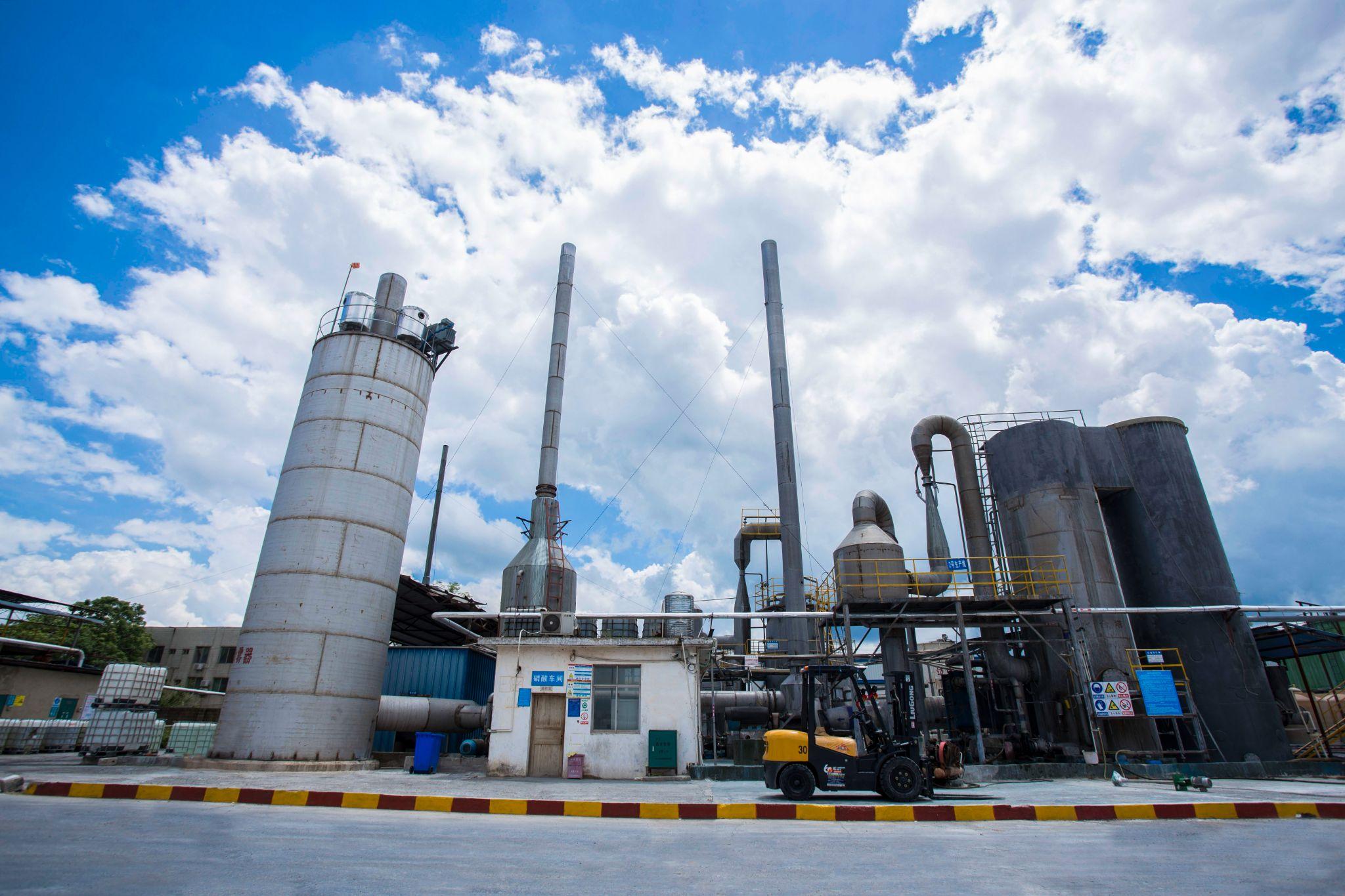
Industrial phosphoric acid manufacturing plant and chemical processing facility in China
Does freight matter when calculating cost per ton of P₂O₅?
Yes. If freight is charged per tonne of product, a lower-strength product may require more tonnes to deliver the same P₂O₅ equivalent. This can affect the delivered cost.
Can lower-strength phosphoric acid still be the better purchase?
Yes. If its product price and logistics costs are sufficiently lower, its cost per tonne of P₂O₅ can be competitive or lower. The calculation should be based on the actual quotation.
Does concentration affect phosphoric acid handling?
It can. Different concentrations can have different physical and handling characteristics. Buyers should evaluate storage, pumping, transport, and receiving requirements alongside the commercial calculation.
What information should I request from a phosphoric acid supplier?
At minimum, confirm concentration, grade, specification, COA requirements, packaging, quantity, Incoterm, loading location, destination, lead time, and applicable shipping documentation. The phosphoric acid specifications provide a useful starting point for technical comparisons.
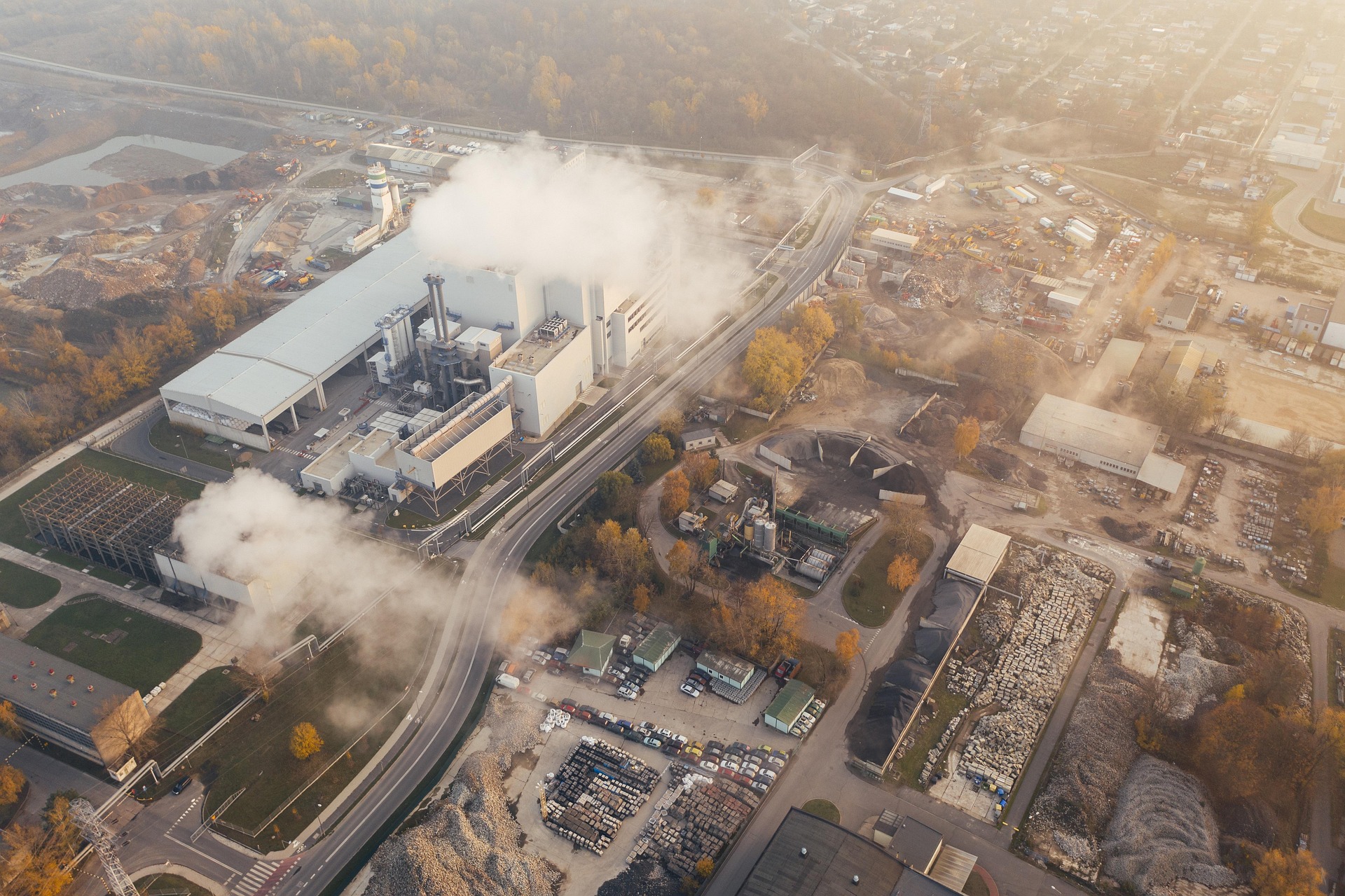
Aerial view of a high-capacity industrial chemical manufacturing facility for large-scale phosphoric acid production and supply chain sourcing
Conclusion: Compare the Chemical Value, Not Just the Price Per Ton
A lower-strength phosphoric acid quotation can look cheaper while costing more for the same amount of P₂O₅ equivalent.

Quality assurance testing of high-purity electronic-grade phosphoric acid in a cleanroom environment
The calculation is simple:
P₂O₅ equivalent % = H₃PO₄ % × 142 ÷ 196
Then:
Cost per tonne P₂O₅ = Total cost per tonne of solution ÷ P₂O₅ fraction
For bulk procurement, take the calculation one step further and include freight, insurance, handling, packaging, and other relevant delivered costs.

Camal Group representatives conducting an on-site quality inspection and facility audit at a chemical manufacturing factory
The important lesson is not that 85% phosphoric acid is always the better purchase. It is that buyers should compare concentrations on an equivalent-content basis before making a sourcing decision.
When quotations arrive, calculate the effective P₂O₅ cost for each supplier and then review the technical specification, grade, packaging, Incoterm, and delivery terms.
That gives procurement teams a clearer basis for negotiating and selecting bulk phosphoric acid.
Industrial Buyers: Next Steps for Sourcing Bulk Phosphoric Acid
What makes our Phosphoric Acid Better:
✅ Compliant with EU, UN, ISO Standards – No Legal Headaches
✅ Guaranteed 85% Purity – Stability for your Processing Plant
✅ Extremely Low Impurities – Low Heavy Metals
✅ Batch-Specific COA Provided – Full Transparency per Shipment.
Download Our EU-approved Specifications.[ Food Grade or Industrial Grade]