


A cosmetic formula can fail when a small pH shift changes preservative performance, viscosity, skin feel, color, or active stability. Phosphoric acid helps move an aqueous product toward its target pH.
For buyers, “85% phosphoric acid” is not enough. Cosmetic and personal care applications need the right grade, impurity profile, documentation, packaging, and handling plan.
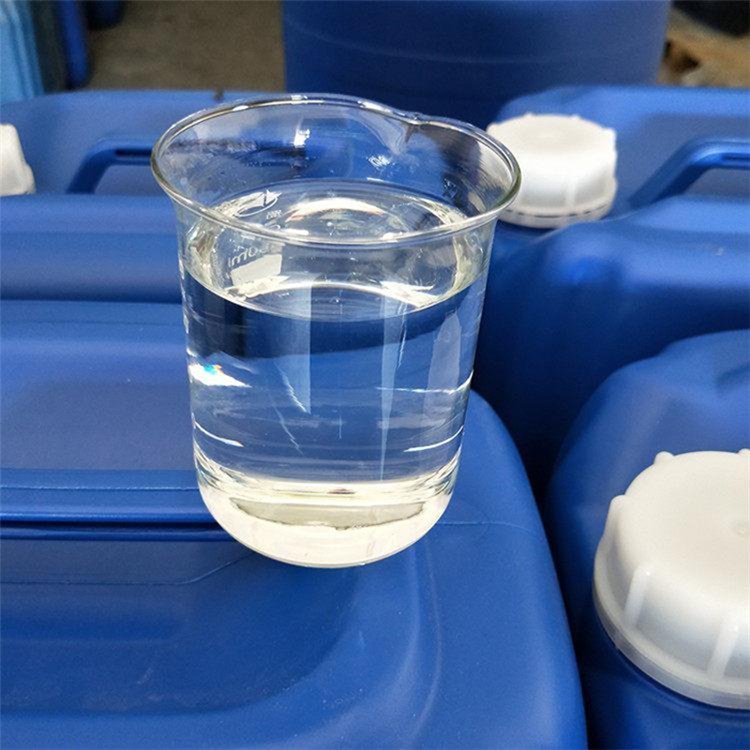
A clear product view helps buyers connect the written specification to the material shipped.
How Phosphoric Acid Supports Cosmetic Formulation
pH adjustment is a controlled formulation step
Phosphoric acid, H₃PO₄, is a triprotic acid. In plain terms, it can release hydrogen ions in stages. That behavior lets a formulator adjust acidity in a water-based system. The goal is not to make a product “as acidic as possible.” The goal is to reach a measured pH that fits the formula, the package, the use area, and the product’s safety assessment.
In cosmetics and personal care, the ingredient may function as a pH adjuster or as part of a buffer system. The 2021 Cosmetic Ingredient Review assessment describes phosphoric acid and its salts as serving functions that include buffering agents, chelating agents, corrosion inhibitors, and pH adjusters. The panel concluded that they are safe in current cosmetic practices when formulated to be non-irritating. Read the safety assessment for the evidence boundary.
Common application areas
Phosphoric acid may be relevant to skin care, hair care, oral care, rinse-off products, and personal-care intermediates. The correct pH depends on the complete system. Exfoliants, cleansers, preservatives, surfactants, actives, and packaging can each change the acceptable range. The formulator must establish and validate the finished-product target.

Laboratory controls support repeatable raw-material quality before a bulk shipment leaves the facility.
| *Technical Note Measure the finished formula with a calibrated method that fits the product type. Record the sample preparation, temperature, instrument, and result. A raw-material COA is not a substitute for finished-product pH, stability, microbiological, or irritation testing. |
|---|
Why pH is more than a number
A pH reading is a control point, not a complete safety claim. Buffer capacity, addition order, temperature, dilution, and mixing can all affect the result. Add concentrated acid under a controlled procedure and verify the final product rather than relying on a calculated dose alone.
Grade Selection: Food Grade, Industrial Grade, or Application-Specific Material?
Concentration and grade answer different questions
85% industrial-grade and 85% food-grade phosphoric acid are described as separate offerings. Two products can have similar H₃PO₄ concentration while differing in intended use, impurity limits, controls, documentation, and permitted application.
For a cosmetic or personal care buyer, the selection process should start with the finished product and market requirements. If the product is used on skin, hair, lips, teeth, or mucous membranes, the technical and regulatory team should define the required raw-material standard before procurement. Do not assume that “food grade” automatically means “cosmetic grade,” and do not assume that “industrial grade” is acceptable because the concentration is 85%.
A practical grade-selection checklist
Ask the supplier to confirm the following points in writing:
- Intended application and grade name on the quotation and COA.
- H₃PO₄ assay range and test method.
- Limits for chloride, sulphate, iron, arsenic, heavy metals, and other relevant impurities.
- Appearance, color, density, and any product-specific physical requirements.
- Manufacturing standard, quality system, and available third-party documentation.
- Batch number, production date, retest or shelf-life information, and traceability.
- Packaging material, closure, net weight, and compatibility with the receiving site.
- SDS, COA, sample availability, and export documents before the first bulk order.
While published specification sheets for 85% industrial-grade phosphoric acid outline defined limits for sulphate, chloride, iron, arsenic, and heavy metals, these figures serve only as a baseline for initial technical review rather than a universal cosmetic standard.
Formulation requirements vary by region and end-use, so a buyer’s quality assurance and regulatory teams must independently verify that the documented assay and impurity limits strictly align with their specific product formulation and regional compliance mandates.

For cosmetics, the right grade starts with documented testing and a clear specification.
When a food-grade route may be considered
Food-grade phosphoric acid may be a starting point for oral care, incidental ingestion, or a customer specification requiring food-related controls.
When a supplier states that a material meets food-grade hygiene standards for food and beverage applications, this should serve as a starting point rather than a guarantee of cosmetic suitability. Quality teams must cross-verify those specifications against the specific product category, destination market regulations, and the overall finished-product safety dossier before approval.
For leave-on skin, baby, eye-area, or sensitive-claim products, request an application-specific review. Evidence may need to include a complete impurity profile, relevant contaminant statements, change-control information, and lot-level traceability.
When industrial grade is not the right shortcut
Industrial grade may suit non-consumer processes, but cosmetics are consumer products. A low purchase price does not offset a failed stability test, rejected batch, or compliance question. Any industrial-grade proposal for personal care should be justified by the finished-product risk assessment.
| *Decision-Maker Insight The cheapest drum is not the lowest-cost option if it causes a reformulation, a delayed launch, or a customer complaint. Ask for a sample and batch-specific COA before committing to recurring volume. A clear grade decision reduces supplier risk and protects production continuity. |
|---|
How to Control pH During Production and Quality Review
Use a test-and-correct workflow
A robust workflow separates raw-material approval from finished-product release:
1. Approve the supplier specification and document the intended grade.
2. Test the incoming lot against the COA and internal identity or quality checks.
3. Prepare the formula using a controlled addition procedure and suitable mixing.
4. Measure pH after the formula reaches the defined sampling condition.
5. Adjust in small increments if needed, then mix and re-measure.
6. Check pH during stability studies, not only at the time of manufacture.
7. Record the final pH, appearance, viscosity, odor, and any relevant performance result.
A pH meter must be calibrated and maintained. The method should be suitable for the product. High-oil emulsions, powders, and water-in-oil systems may need a defined dilution or separation method before measurement. The same method should be used during development, production, and stability testing so that results can be compared.
Control addition, storage, and handling
Commercial phosphoric acid is commonly supplied as a concentrated aqueous liquid. Concentrated acid can irritate or burn skin and eyes, so the receiving site needs compatible equipment, trained operators, suitable personal protective equipment, and an SDS-based emergency procedure. Always follow the supplier’s current SDS and local workplace rules.
Storage conditions matter as well. Keep containers closed, protected from contamination, and stored in a compatible area. Confirm the material compatibility of drums, IBCs, pumps, seals, and dosing lines. The supplier’s bulk packaging information can help buyers compare drums and IBC totes, but the final choice should follow the receiving plant’s risk assessment.

A visible facility gives buyers a practical starting point for supplier verification.
Need Help Sourcing Bulk Phosphoric Acid In 2026?
Tell us your product type, target pH, expected monthly use, destination, and required documentation. We can help you compare grade options and prepare a specification review.
WhatsApp Us for Free a Consultation
State the application, monthly volume, package preference, target market, and sample needs. Request a COA and SDS for technical screening.
Supplier Verification Checklist: When evaluating bulk phosphoric acid suppliers, ensure your procurement team verifies the following before placing high-volume orders:
- Track Record: Minimum 10+ years of documented chemical export and supply chain continuity.
- Dual-Grade Capability: Independent, batch-specific testing facilities for both food-grade (E338) and industrial-grade specifications.
- Facility Audits: Willingness to provide virtual or on-site facility reviews for qualified enterprise buyers.
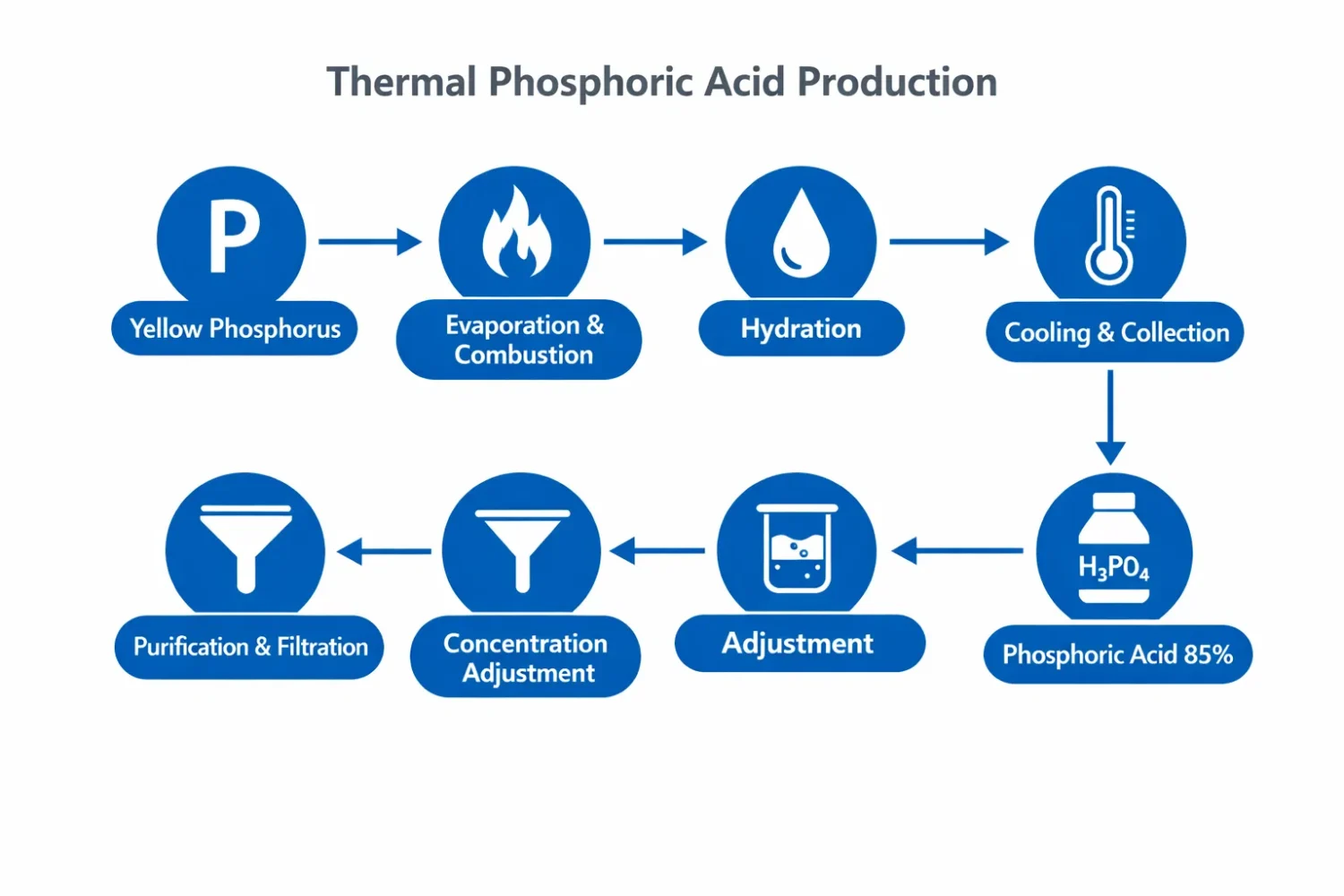
Process understanding matters when a formulation depends on consistent concentration and impurity control.
How to Evaluate a Phosphoric Acid Supplier Before You Buy
Experience: evidence from the supply process
Experience is more than a polished product page. Look for clear packaging information, sample handling, batch traceability, and practical answers about storage and dosing. The supplier should explain what it can document for the offered lot.
Expertise: useful technical boundaries
A trustworthy article does not promise that one grade or pH range fits every formula. It explains the chemistry, identifies the limits of the advice, and points the formulation team back to finished-product validation. The CIR assessment supports the use of phosphoric acid and salts in cosmetics when formulated to be non-irritating. It does not approve every concentration, every product type, or every market claim.
Authoritativeness and trust: documents that match the shipment
Ask for a batch-specific COA, SDS, specification, and clear commercial terms. Check that the supplier name, product name, lot number, assay, impurity limits, and date are consistent across the documents. For long-term supply, consider independent inspection, a factory visit, or qualified laboratory testing. Quality and certification information and bulk buyer guide can support this review.
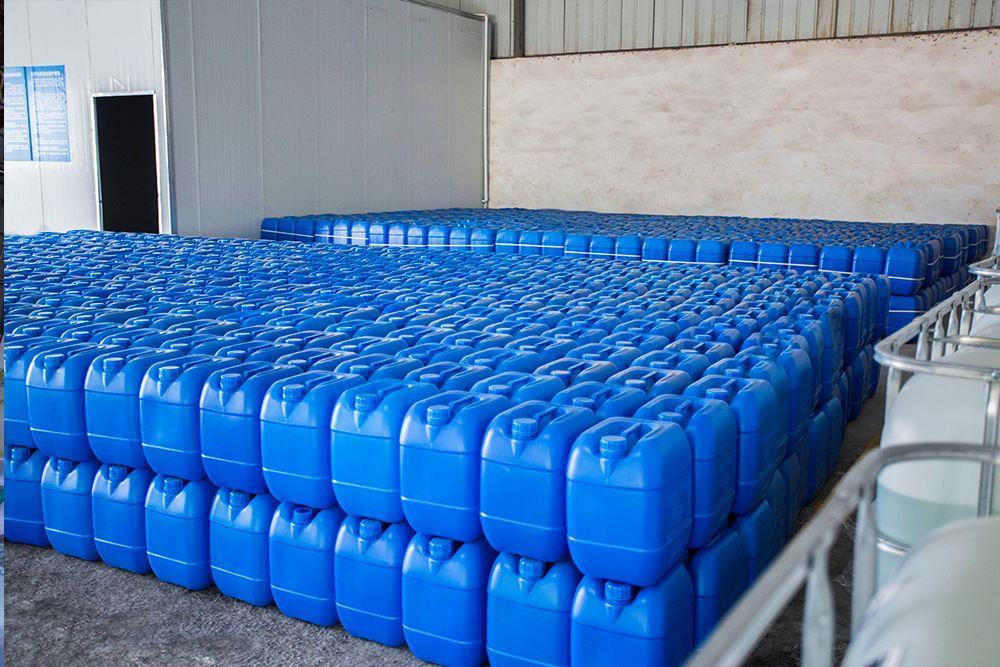
Packaging should match the buyer’s receiving, storage, and dosing system.
How Camachem Helps With Grade Selection and Supply
Camachem presents itself as a direct supplier of industrial and food-grade phosphoric acid. For a personal care buyer, the practical value is a structured review before ordering:
- Clarifying the application and required grade, not quoting concentration alone.
- Sharing specifications, SDS, and batch-specific COA documentation.
- Offering samples for pre-bulk testing where appropriate.
- Discussing drum and IBC formats, shipment planning, and factory verification.
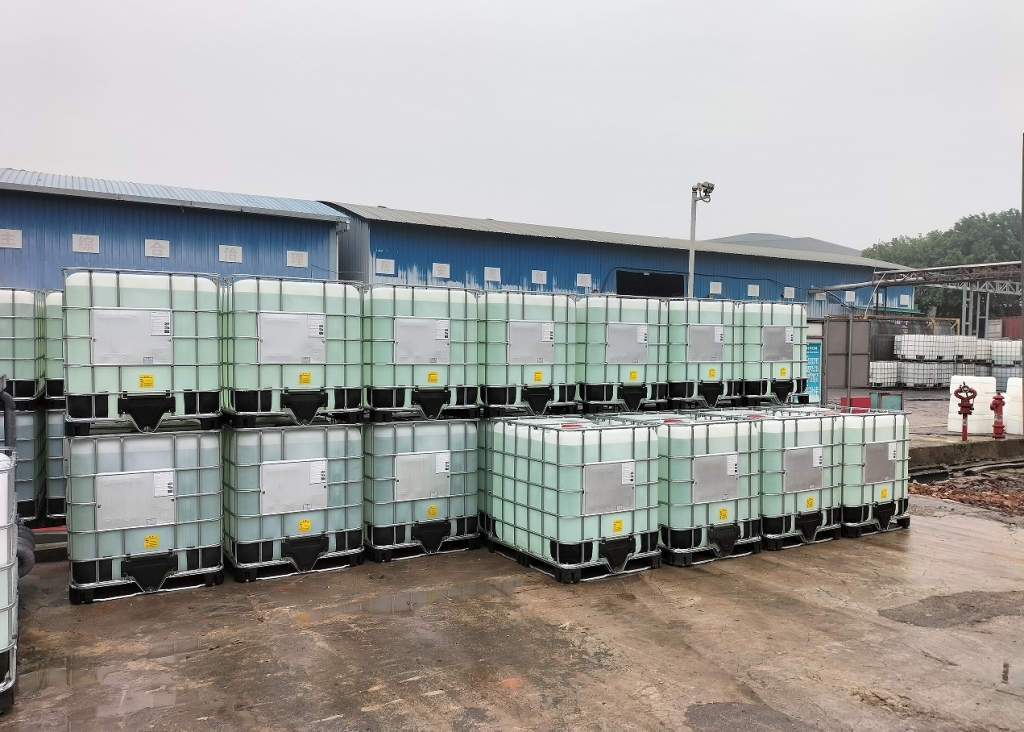
IBC options can make bulk handling easier when the receiving site is set up for tote dosing.
Use the same specification request with each supplier so assay, impurity limits, documents, packaging, and response quality are easier to compare. For any enquiries, you may refer to contact page.
Request a cosmetic-grade specification review
Share your application, target market, expected volume, packaging preference, and any current raw-material specification. The team can advise which available grade should be reviewed by your technical and regulatory functions.
WhatsApp Us for Free a Consultation
Request samples before a recurring order
A sample can help your team check pH adjustment behavior, appearance, compatibility, and documentation before a larger commitment. Sample testing should follow your own approved laboratory method.
WhatsApp Us for Free a Consultation

A factory visit can add first-hand confidence before a recurring bulk supply agreement.
Want to understand how global importers review phosphoric acid supply and logistics? Watch this short video showing container loading for phosphoric acid exports.
Frequently Asked Questions
Is phosphoric acid used as a pH adjuster in cosmetics?
Yes. Phosphoric acid and its salts are reported to function as pH adjusters and buffering agents in cosmetic products. The finished formula must still be tested and formulated to be non-irritating. The raw material should be selected against the product’s specification and market requirements.
Is 85% phosphoric acid automatically suitable for cosmetics?
No. “85%” describes concentration, not the complete application grade. Buyers must review impurity limits, intended use, manufacturing controls, documentation, and finished-product requirements before approval.
Should a cosmetic buyer choose food-grade or industrial-grade phosphoric acid?
It depends on the product and risk assessment. Food-grade may be considered for oral-care or incidental-ingestion applications, while industrial grade may be intended for non-consumer processes. A personal care buyer should obtain an application-specific specification rather than assume one label is universally correct.
What documents should I request from a supplier?
Request the product specification, SDS, batch-specific COA, lot traceability, packaging details, sample information, and any certificates or third-party reports relevant to your purchase. Confirm that the documents identify the same product and supplier that will appear on the commercial shipment.
Does a supplier COA replace finished-product testing?
No. A COA describes the supplied raw-material lot. It does not prove that the finished cosmetic is stable, safe, microbiologically acceptable, or compliant in every market. Finished-product testing remains the responsibility of the manufacturer and its responsible technical team.
Conclusion: Choose the Specification Before You Choose the Drum
Phosphoric acid can help cosmetic and personal care manufacturers control pH, but successful use depends on more than buying an 85% solution. Define the finished-product need, choose the grade against documented impurity and compliance requirements, test a sample, and validate the formulation under controlled conditions.
For recurring supply, supplier transparency is part of product quality. A batch-specific COA, clear SDS, suitable packaging, and traceable communication reduce mismatch risk.
Industrial Buyers: Next Steps for Sourcing Bulk Phosphoric Acid
What makes our Phosphoric Acid Better:
✅ Compliant with EU, UN, ISO Standards – No Legal Headaches
✅ Guaranteed 85% Purity – Stability for your Processing Plant
✅ Extremely Low Impurities – Low Heavy Metals
✅ Batch-Specific COA Provided – Full Transparency per Shipment.
Download Our EU-approved Specifications. [ Food Grade or Industrial Grade]