


Buying bulk 85% phosphoric acid looks simple on paper. You request a quotation, compare the price per ton, confirm the quantity, and arrange shipment. But a low quotation does not always mean a low procurement cost.
The bigger risks often appear before the shipment leaves the factory. A buyer may confirm the wrong grade, overlook impurity limits, accept an incomplete COA, choose unsuitable packaging, or compare suppliers without checking whether the quoted specification is actually the same. These mistakes can create quality problems, delays, additional testing, or unexpected costs after payment.
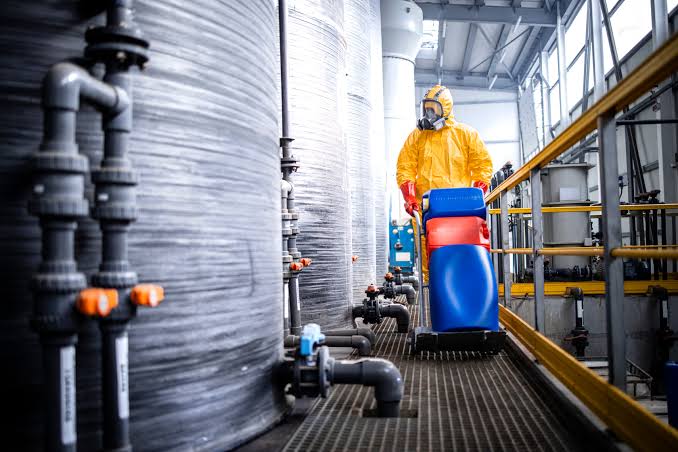
Industrial-grade phosphoric acid production and bulk chemical storage at a commercial manufacturing facility
Why 85% Phosphoric Acid Requires Careful Sourcing
85% phosphoric acid is a common commercial concentration, but 85% concentration does not define the entire product specification.
Two suppliers can quote 85% phosphoric acid while offering different impurity limits, grades, production routes, documentation, packaging, or commercial terms. The correct product therefore depends on what your process requires, not only on the number “85%.”
Buyers should also distinguish between concentration and grade. Food-grade and industrial-grade phosphoric acid can have different requirements even when the stated concentration is similar.
For buyers comparing specifications, the phosphoric acid specifications provide a useful starting point for understanding what should be checked before requesting a quotation.

Industrial conveyor and dryer assembly within a manufacturing plant producing phosphate products and chemical feedstocks
What Should Be Compared Between Suppliers?
Before comparing prices, put the main purchasing variables into one specification sheet:
- Concentration and acceptable tolerance
- Grade and intended application
- Key impurity limits
- COA requirements
- SDS and TDS availability
- Packaging format
- Quantity and MOQ
- Loading location
- Incoterm
- Destination
- Lead time
- Required export documents
Decision-Maker Insight
A cheaper quotation can become more expensive if the material fails your specification, requires additional testing, causes production delays, or creates shipment-document problems. Compare the total procurement risk and landed cost, not just the price per ton.
Mistake 1: Choosing 85% Phosphoric Acid by Concentration Alone
One of the most common sourcing mistakes is treating “85% phosphoric acid” as a complete specification.
It is not.
The 85% figure describes concentration. It does not automatically tell you whether the material is suitable for your application or whether it meets your required impurity limits.
85% Does Not Automatically Mean the Same Product
A buyer should confirm at least:
- Product name
- CAS number
- Concentration
- Concentration tolerance
- Grade
- Appearance
- Density, where relevant
- Impurity limits
- Applicable standards
- Intended application
For example, a food-processing buyer may require a food-grade specification, while an industrial process may have different impurity requirements.
You can review the site’s Food Grade Phosphoric Acid and Industrial Grade Phosphoric Acid information before comparing supplier quotations.
Why Impurities Matter
The right impurity parameters depend on the application.
Common parameters that buyers may need to review include:
- Iron
- Fluoride
- Sulfate
- Calcium
- Magnesium
- Aluminum
- Heavy metals
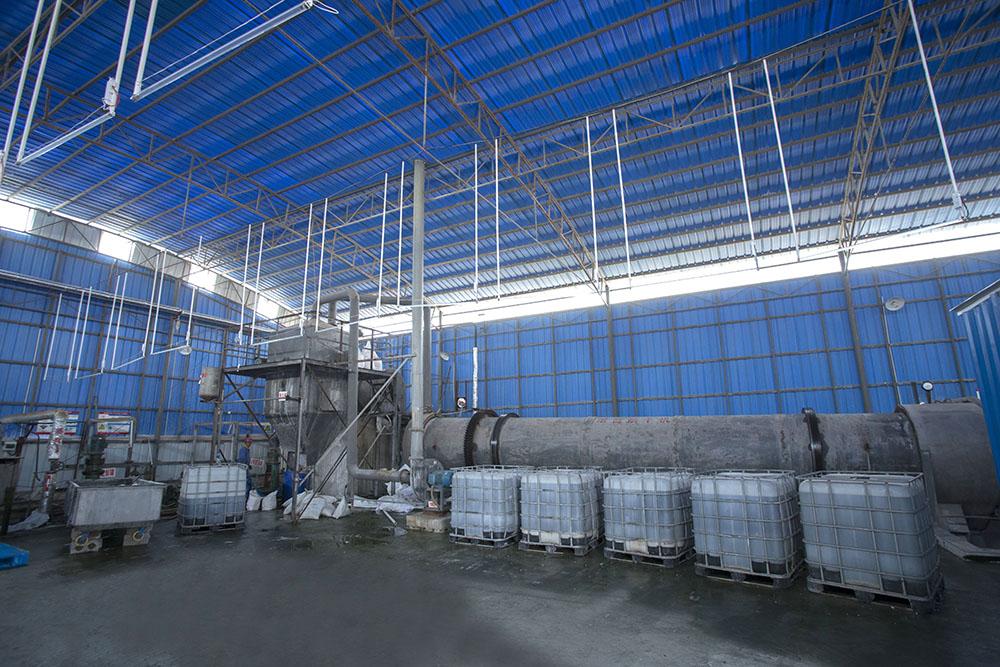
Industrial chemical production and packaging facility showing IBC totes positioned for bulk liquid phosphoric acid filling and storage
Not every buyer needs the same limits. A fertilizer-related application can have different requirements from food, metal treatment, or other specialized industrial uses.
Technical Note
85% concentration and product purity are not interchangeable terms. Always compare the actual impurity specification and grade with your process requirements. Do not assume that a higher stated concentration means the product automatically has a suitable impurity profile.
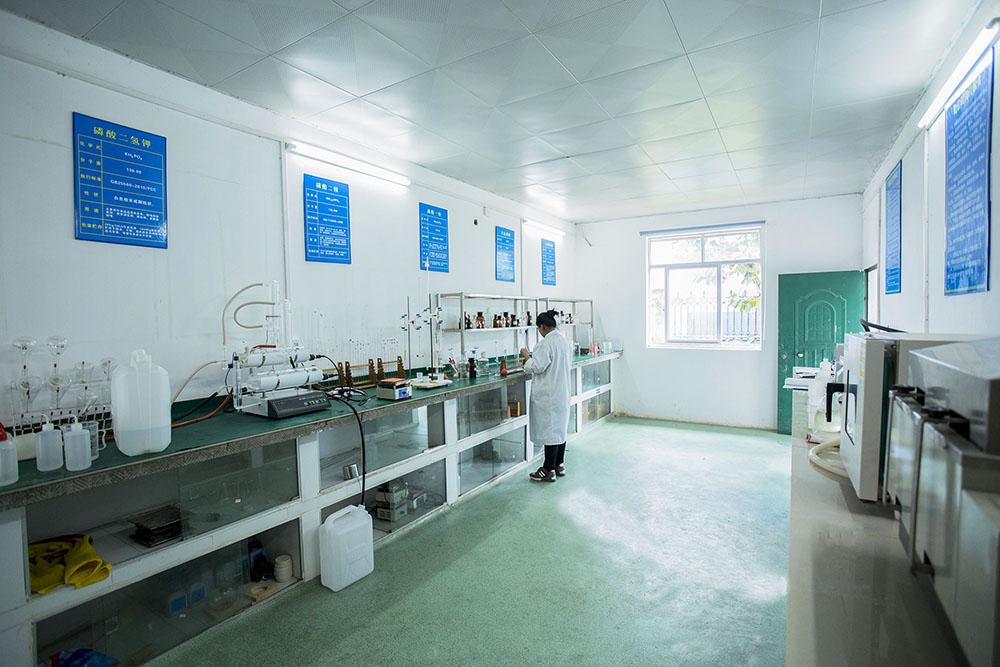
On-site laboratory quality control testing and batch verification to ensure phosphoric acid meets specified purity standards before shipment
Mistake 2: Comparing Suppliers Before Comparing Their COAs
Price comparison becomes unreliable when buyers are comparing different product specifications.
Supplier A may quote 85% phosphoric acid with one impurity profile, while Supplier B quotes the same concentration with different limits. If you compare only the price per ton, the cheaper quotation may appear attractive even though the products are not technically equivalent.
Request the COA Before Approving the Order
A Certificate of Analysis, or COA, provides test results for specified product parameters.
For bulk purchasing, ask for a representative or recent COA and, where available, a batch-specific COA for the material being prepared for shipment.
Compare the results against your agreed specification.
Do not simply check whether the document says “85%.”
Look at the actual values and limits that matter to your process.
Check Whether the COA Matches the Quoted Product
Before payment, compare:
| What to Check | Why It Matters |
|---|---|
| Product name | Confirms the material being quoted |
| Concentration | Confirms the required 85% specification |
| Impurity results | Shows whether the material fits process limits |
| Batch or lot information | Helps connect results to a specific shipment |
| Test date | Helps establish document relevance |
| Supplier identity | Connects the COA to the commercial supplier |
| Specification limits | Shows whether the reported value is within requirements |
A COA should not be reviewed in isolation. Compare it with the supplier’s TDS, SDS, quotation, and agreed purchase specification.
For additional product documentation, buyers can also review the site’s phosphoric acid application information.

Cleanroom manufacturing technicians conducting microscopic quality inspection for electronic and semiconductor applications requiring high-purity phosphoric acid processing .
Decision-Maker Insight
Ask suppliers to provide the same specification format when requesting quotations. This makes supplier-to-supplier comparison much more meaningful and reduces the risk of selecting a low-priced quotation that is based on a different quality standard.
Mistake 3: Treating the Lowest Price as the Lowest Total Cost
Bulk buyers naturally focus on price per ton. However, the purchase price is only one part of the total procurement cost.
A supplier offering a lower product price may have different packaging, longer lead times, different Incoterms, higher inspection costs, or documentation limitations.
Look Beyond the Quoted Price
When comparing 85% phosphoric acid suppliers, consider:
- Product price
- Packaging cost
- Inland transportation
- Port and handling charges
- Freight
- Insurance
- Inspection costs
- Documentation costs
- Import duties or taxes where applicable
- Storage requirements
- Potential quality-control costs
- Lead-time risk
The final comparison should therefore focus on the landed cost and purchasing risk.
Packaging Can Change the Economics
Bulk 85% phosphoric acid can be supplied in different transport formats depending on quantity, destination, and logistics requirements.
Packaging may affect:
- Handling
- Storage
- Loading
- Unloading
- Transport cost
- Compatibility
- Receiving infrastructure
For larger shipments, buyers should decide the appropriate format before accepting the supplier’s quotation.
The site’s information on phosphoric acid packaging and specifications can help buyers structure these discussions.
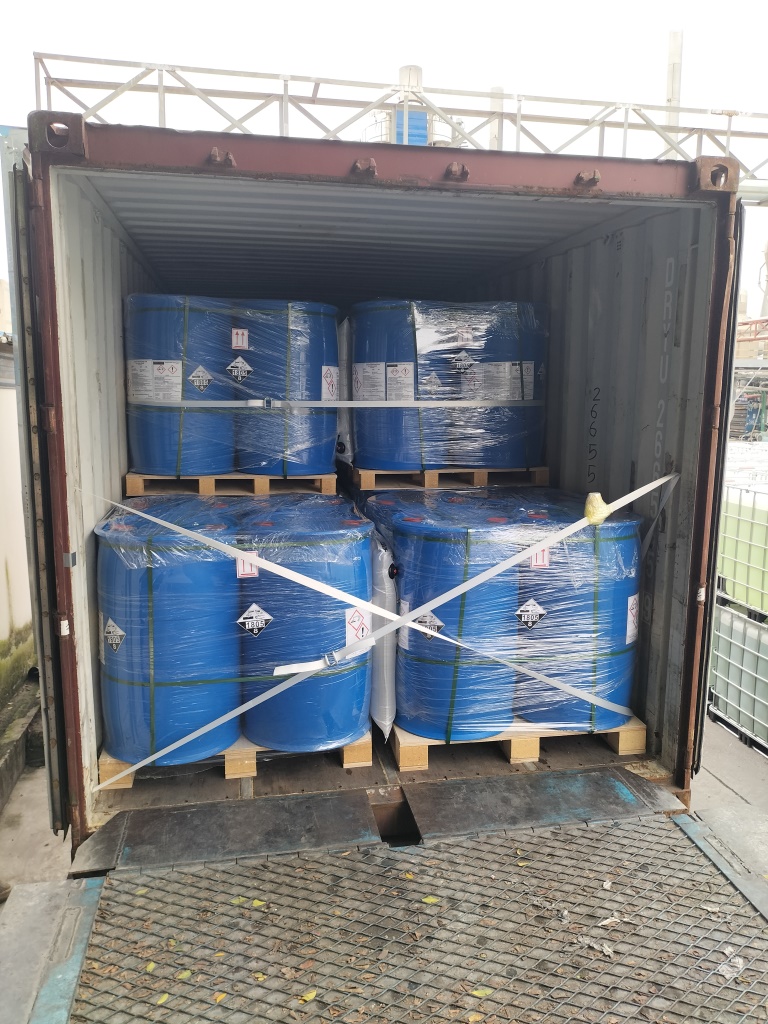
Secure containerized shipping and cargo lashing setup for bulk drum packaging of liquid phosphoric acid exports
Mistake 4: Ignoring the Difference Between Food Grade and Industrial Grade
Another sourcing mistake is assuming that any 85% phosphoric acid can be used for any application.
The concentration may be similar, but the complete product specification and regulatory requirements can differ.
Define the Grade Before Requesting Quotations
Tell the supplier exactly what you need:
- Industrial grade
- Food grade
- Another application-specific specification
Do not leave the grade open and assume the supplier will select the correct product for you.
For food-related applications, the buyer should confirm the applicable food-grade requirements, impurity limits, documentation, and destination-market requirements.
For industrial applications, the buyer should define the process-specific limits instead of assuming that a generic “industrial grade” description is sufficient.
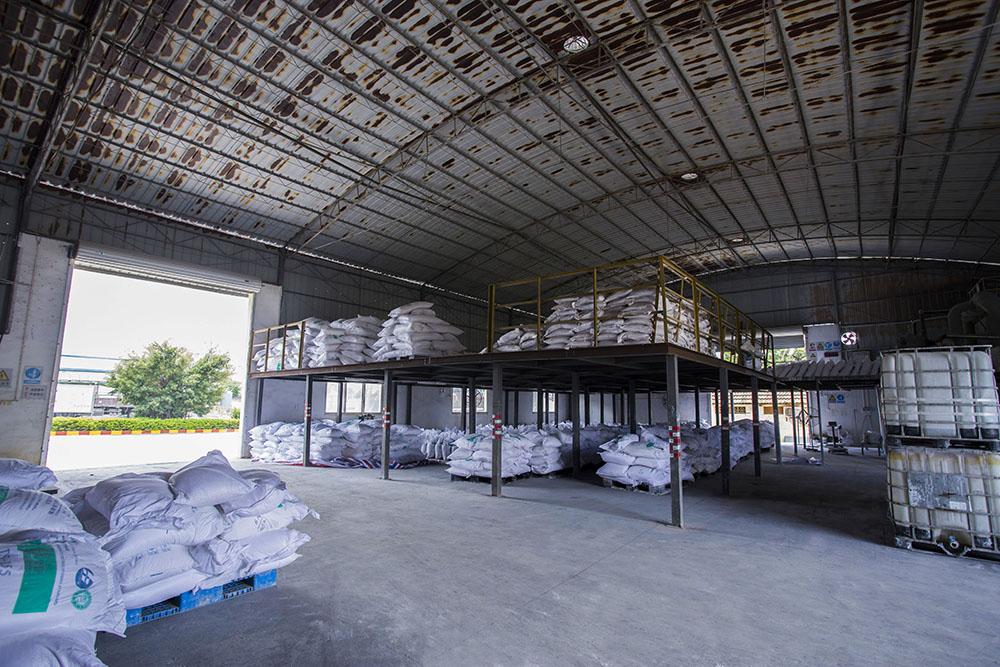
Industrial chemical storage warehouse featuring organized mezzanine racking for bagged products and IBC totes ready for bulk shipment and distribution
Do Not Confuse Concentration With Grade
An 85% product can still require additional verification.
Ask:
- What grade is being offered?
- What impurity limits apply?
- What standards or regulatory requirements are relevant?
- Is a current SDS available?
- Is a TDS available?
- Can the supplier provide a batch-specific COA?
- Does the documentation match the product being quoted?
This approach is especially important when the material will enter a regulated production process.
Mistake 5: Failing to Verify the Supplier, Shipment, and Documents Together
Even when the technical specification looks correct, buyers can create risk by checking documents separately instead of checking whether they all describe the same transaction.
The supplier name on the quotation should make sense alongside the legal entity, invoice, bank information, product documents, and shipping paperwork.
Check the Supplier’s Commercial Identity
Before payment, confirm:
- Legal company name
- Registered or stated business address
- Contact information
- Product information
- Invoice details
- Bank beneficiary information
- Shipping party information
- Documentation consistency
The purpose is not to create unnecessary paperwork. It is to make sure the commercial transaction is traceable.
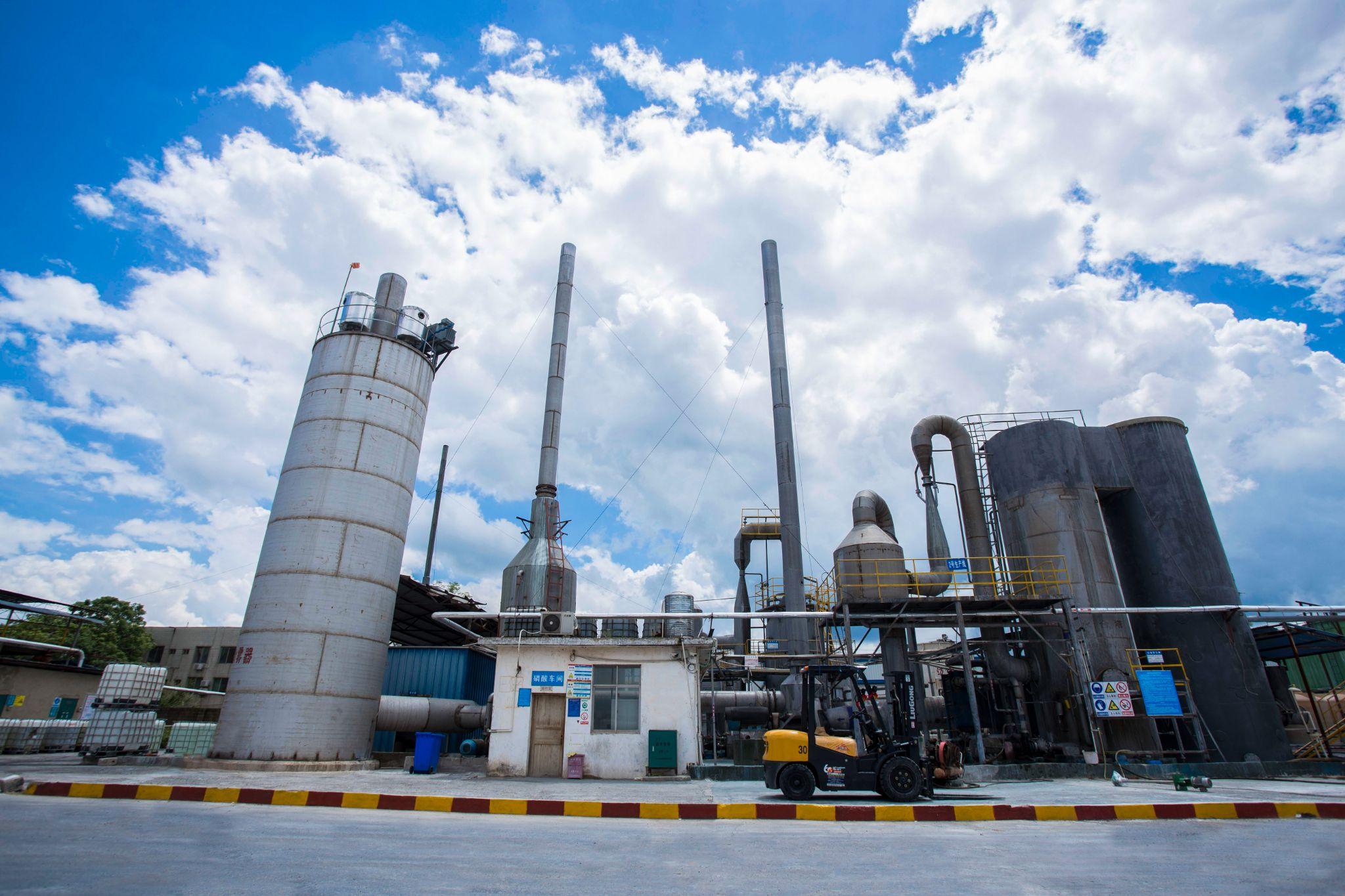
Industrial phosphoric acid manufacturing plant and chemical processing facility in China
Make Sure the Shipment Documents Tell the Same Story
The product specification, COA, commercial documents, packing information, and shipping documents should not contradict each other.
Check:
- Product name
- Concentration
- Quantity
- Packaging
- Consignee
- Destination
- Loading port
- Shipment details
- Batch or lot references where applicable
For international purchasing, requirements can vary by destination. Buyers should confirm which customs, origin, transport, and dangerous-goods documents apply to their shipment.
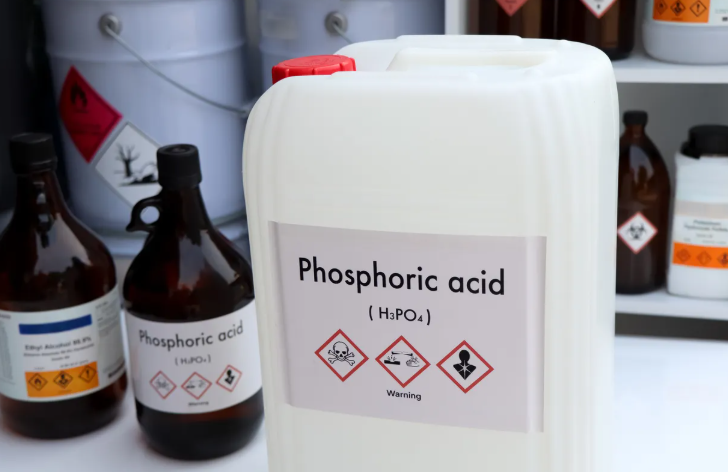
HDPE plastic jerrycan and amber glass bottles featuring standard GHS hazard labeling for liquid phosphoric acid storage and laboratory handling .
Technical Note
The SDS should be reviewed for the actual product being supplied, including relevant handling, storage, hazard, and transportation information. Do not rely on an unrelated generic SDS simply because the product name appears similar.
What Should You Verify Before Paying for Bulk 85% Phosphoric Acid?
A practical pre-payment review can be divided into five checks.
1. Product
Confirm the exact product name, CAS number, concentration, grade, and intended application.
2. Quality
Compare the TDS or specification with the COA and verify the impurity limits that matter to your process.
3. Commercial Terms
Check quantity, packaging, price, currency, Incoterm, lead time, payment terms, and destination.
4. Supplier
Verify the legal supplier identity and make sure the commercial and product documents are consistent.
5. Shipment
Confirm packaging, loading arrangements, inspection requirements, shipping documents, and destination-country requirements.
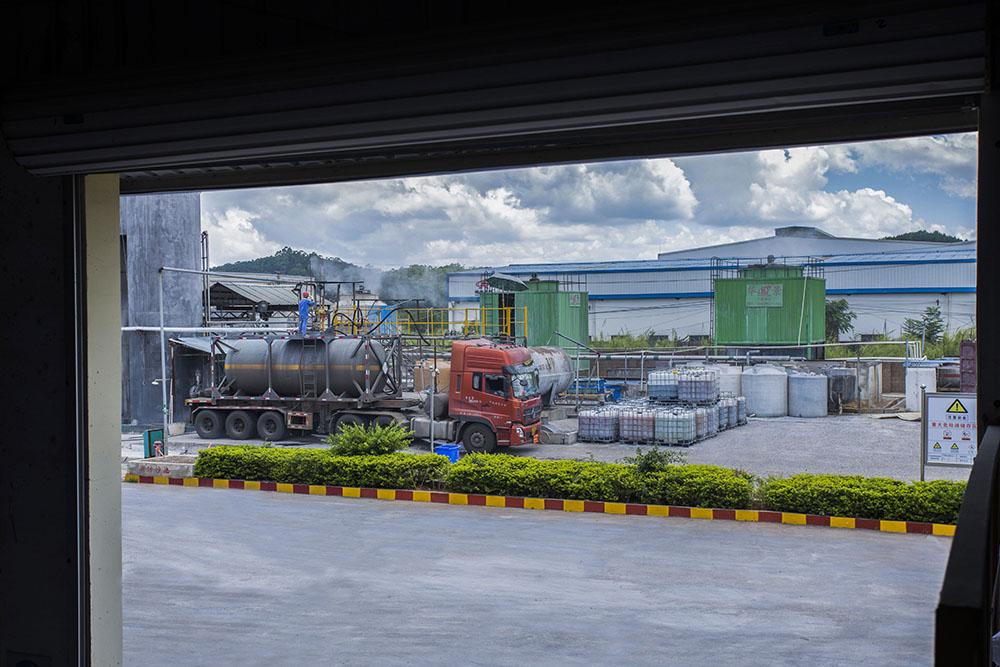
Bulk liquid phosphoric acid tanker loading and transport setup, highlighting scalable industrial procurement and export logistics
Need Help Sourcing Bulk Phosphoric Acid In 2026?
Share your required concentration, grade, quantity, destination, and application so the specification can be reviewed before you place a bulk order.
WhatsApp Us for Free a Consultation
5-Mistake Pre-Payment Checklist for 85% Phosphoric Acid
| Sourcing Mistake | What to Verify Before Payment | Main Risk |
|---|---|---|
| Choosing by concentration alone | Grade, concentration, impurity limits | Wrong specification |
| Comparing price before COAs | COA, TDS, impurity results | Misleading price comparison |
| Focusing only on price per ton | Landed cost and logistics | Unexpected costs |
| Ignoring grade requirements | Food, industrial, or application-specific grade | Compliance or quality problems |
| Failing to verify documents together | Supplier, product, commercial and shipping documents | Transaction and shipment risk |
The checklist is simple, but it can prevent several avoidable sourcing problems.
The site’s Industrial Buyer’s Guide to Bulk Phosphoric Acid provides a broader framework for buyers evaluating bulk purchases.
How Bulk 85% Phosphoric Acid Is Prepared for Export
The paperwork is only one part of a bulk chemical shipment. Packaging, loading, handling, and logistics must also match the agreed transaction.
Bulk phosphoric acid loading requires coordination between the product, packaging, handling process, and export documentation.
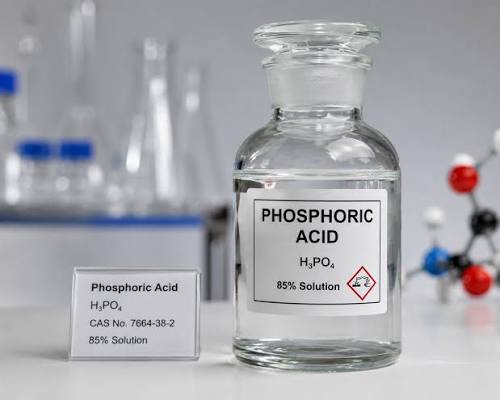
Clear glass reagent bottle containing 85% phosphoric acid solution displayed with CAS registry details and standard GHS hazard markings
Frequently Asked Questions
Is 85% phosphoric acid always the same quality?
No. 85% describes concentration, not the complete quality specification. Different suppliers can have different impurity limits, grades, documentation, and production routes.
What documents should I request before buying 85% phosphoric acid?
At minimum, request the relevant product specification or TDS, current SDS, and COA. Depending on the shipment and destination, additional commercial, origin, inspection, and shipping documents may be required.
Should I ask for a COA before paying a deposit?
Yes. Request a relevant COA when available and compare its results with the agreed product specification. For a bulk shipment, a batch-specific COA can provide additional traceability when available.
Is 85% phosphoric acid automatically food grade?
No. 85% refers to concentration. Food-grade suitability depends on the applicable grade, impurity limits, documentation, and regulatory requirements for the intended application.
What impurities should I check in 85% phosphoric acid?
The relevant parameters depend on the application. Buyers may need to review iron, fluoride, sulfate, calcium, magnesium, aluminum, heavy metals, and other application-specific limits.
How should I compare two phosphoric acid suppliers?
First make sure both suppliers are quoting the same concentration, grade, impurity specification, packaging, quantity basis, Incoterm, and delivery conditions. Then compare the total landed cost and documentation.
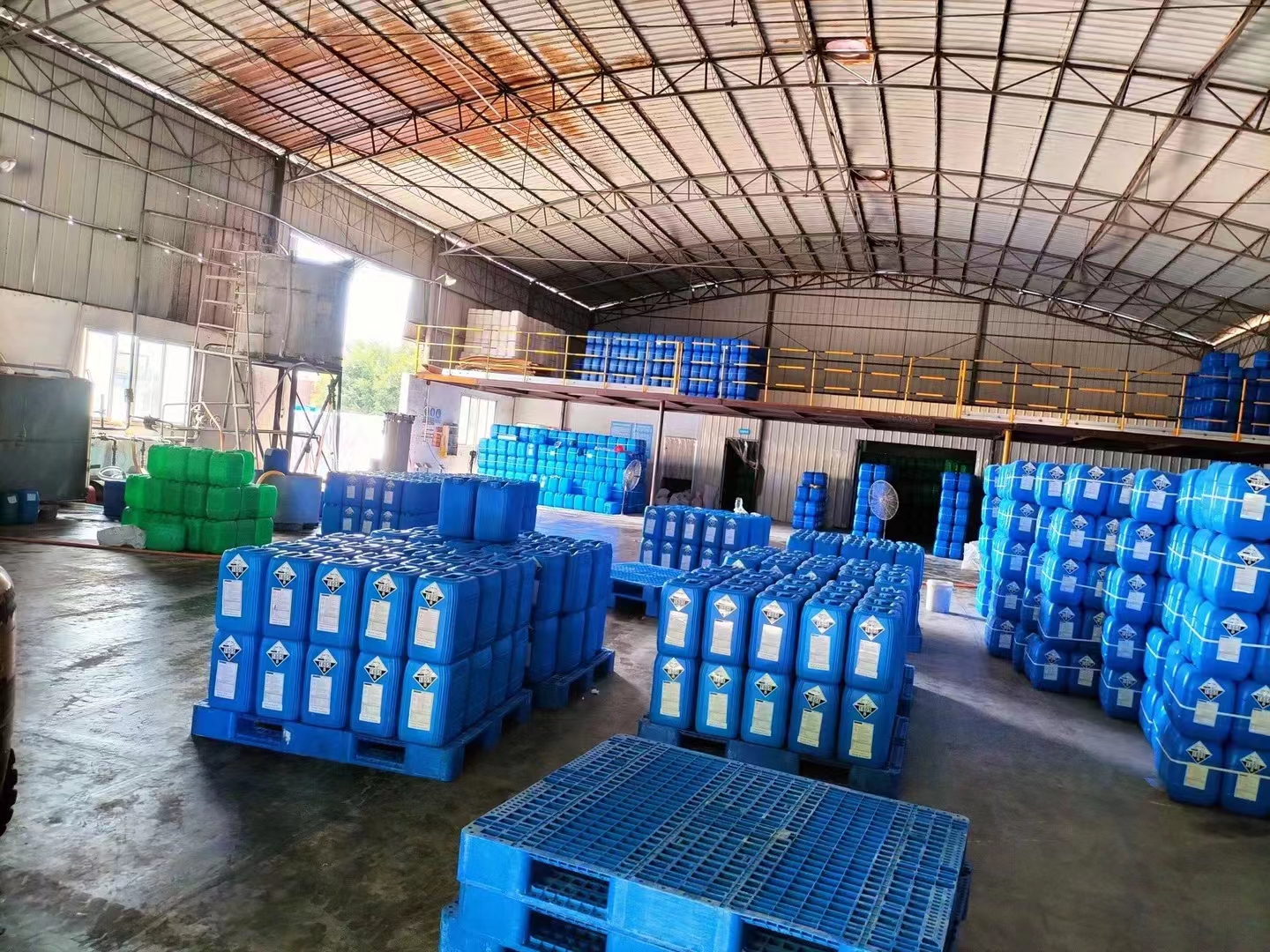
Industrial chemical storage warehouse with organized blue jerrycans and plastic drums stacked on pallets for bulk chemical distribution and export logistics
Is the cheapest 85% phosphoric acid quotation the best option?
Price alone does not establish whether two quotations are technically or commercially equivalent. Buyers should compare specification, quality documentation, packaging, logistics, supplier verification, and total landed cost.
What packaging should I choose for bulk 85% phosphoric acid?
The appropriate format depends on order quantity, receiving infrastructure, transport requirements, destination, and supplier capabilities. Confirm the packaging before finalizing the commercial quotation.
Should I use third-party inspection for a first shipment?
It can be useful for a new supplier, high-value shipment, strict specification, or application where quality variation could create significant operational problems. The inspection scope should be agreed before shipment.
Conclusion: Avoid Sourcing Mistakes Before They Become Shipment Problems
Buying bulk 85% phosphoric acid requires more than finding a supplier with an attractive price.
The five mistakes are straightforward:
- Choosing 85% phosphoric acid by concentration alone.
- Comparing suppliers without reviewing their COAs.
- Treating the lowest price as the lowest total cost.
- Ignoring the difference between food-grade and industrial-grade material.
- Failing to verify the supplier, product, commercial documents, and shipment together.
The strongest purchasing process starts with a clear specification and then checks every quotation against that specification.

Laboratory researcher performing precise liquid volumetric analysis and chemical reagent preparation
Before paying, make sure the product, quality documents, supplier identity, commercial terms, packaging, and shipment information all match.
For buyers sourcing bulk phosphoric acid internationally, this simple discipline can make supplier comparison clearer and reduce avoidable purchasing and logistics risks.
You can also review the site’s success stories to understand how product and sourcing requirements can be evaluated in practical purchasing situations.
If Documents Do Not Match, Pause Before Payment
If the COA, quotation, TDS, invoice, or packing details contain different product names, quantities, grades, or company information, pause the transaction and ask for a corrected document set. Do not resolve a mismatch through an informal message alone. Request a revised document or written confirmation from the authorized supplier contact, then save the final versions with the purchase order.
For a first shipment, also agree in writing on the sampling method, inspection scope, and action to take if the delivered product does not meet the approved specification. This creates a clear record before money and cargo are committed.
Industrial Buyers: Next Steps for Sourcing Bulk Phosphoric Acid
What makes our Phosphoric Acid Better:
✅ Compliant with EU, UN, ISO Standards – No Legal Headaches
✅ Guaranteed 85% Concentration – Stability for your Processing Plant
✅ Extremely Low Impurities – Low Heavy Metals
✅ Batch-Specific COA Provided – Full Transparency per Shipment.
Download Our EU-approved Specifications.[ Food Grade or Industrial Grade]