


A low FOB quote for bulk phosphoric acid can look attractive and still produce a high delivered cost. The final amount may include freight, insurance, customs duty, port fees, inland delivery, storage, testing, and losses caused by unsuitable packaging or inconsistent concentration.
For an industrial buyer, the right comparison is not the supplier’s FOB price. It is the cost per usable tonne at the plant, after the shipment clears customs and passes internal quality approval. This matters even more for 85% phosphoric acid because the product is viscous, corrosive, and sensitive to storage conditions near its crystallization point.

The correct import comparison includes port handling, documentation, and delivery costs beyond the factory quotation.
What FOB Price Includes, and What It Leaves Out
FOB means the seller’s price normally covers the goods and delivery to the named origin port, including export clearance and loading under the agreed Incoterm. It does not automatically cover the full movement from the Chinese port to your production site.
The exact allocation depends on the contract. Buyers should confirm the named port, the version of the Incoterms rules used, the point at which risk transfers, and which charges the quotation excludes. A clear quote is easier to compare than a low number with missing assumptions.
Use Landed Cost, Not FOB, to Compare Suppliers
A practical landed-cost formula is:
Landed cost = product price + origin charges + international freight + insurance + import duty and tax + destination charges + inland transport + storage + quality-control cost.
The formula should also account for expected loss. If a damaged drum, crystallized product, short shipment, or failed batch cannot be used, the effective cost per usable tonne rises.
| Decision-Maker Insight: The cheapest FOB quote can become the most expensive option when it creates plant downtime, emergency replacement buying, or a failed customer shipment. |
Product Grade and Concentration Change the Cost Base
Bulk phosphoric acid is not one identical product. Industrial grade, food grade, and application-specific high-purity material can share a nominal concentration while carrying different impurity limits, production controls, and documentation requirements.
A buyer comparing an industrial-grade quote with a food-grade quote should first confirm that both products are suitable for the same use. Food and beverage production may require documentation and controls that do not apply to fertilizer, metal treatment, or general water-treatment applications. Conversely, a high-purity product may add cost that a general industrial process does not need.
The 85% Label Is Not a Complete Specification
The quotation should state concentration, impurity limits, appearance, density where relevant, packaging, and the current COA and SDS. It should also identify the intended grade and application.
For food-related procurement, compare the quote with the food-grade phosphoric acid specification. For fertilizer, metal treatment, and general industrial use, compare the process needed with the industrial-grade phosphoric acid information.
A small concentration difference can affect dosing, water addition, storage behavior, and the amount of active acid delivered per container. Therefore, compare cost per usable tonne and cost per unit of active acid, not only price per drum.
Purity Can Create a Premium, or Prevent a Loss
Additional purification can raise the purchase price. However, the correct grade may reduce downstream filtration, rework, product rejection, and compliance risk. A buyer should price the quality requirement against the cost of using material that does not fit the process.

Comparing concentration and grade before ordering helps prevent a low unit price from hiding a higher process cost.
Packaging Determines Both Freight and Handling Cost
Packaging is one of the clearest cost factors beyond FOB price. A supplier may quote 35 kg drums, 330 kg drums, 1,600 kg IBCs, 1,650 kg IBCs, or ISO tanks. Each option changes usable payload, container utilization, unloading equipment, warehouse space, and empty-container handling.
Drums Suit Flexibility, but Add Handling
Smaller drums can help buyers serve several production lines or lower-volume sites. They may also simplify stock rotation when a plant does not have a fixed liquid-dosing system. However, more units mean more labels, closures, pallets, handling steps, and opportunities for damage.
Drums can therefore look convenient while creating a higher cost per usable tonne. The buyer should compare the full packaging and labor cost, not only the product price inside each drum.
IBCs Can Reduce Unit Handling Cost
IBCs often suit plants with forklifts, dedicated storage, and fixed dosing equipment. They can reduce the number of handling events and improve transfer into a process tank. Yet IBCs require compatible unloading equipment, a suitable warehouse layout, and a clear plan for empty-container return or disposal.

Packaging selection affects loading labor, equipment needs, and the risk of damage before the shipment reaches the buyer.
ISO Tanks May Change the Whole Cost Model
ISO tanks can make sense for repeat, high-volume programs with suitable receiving infrastructure. They may reduce packaging waste and repeated drum handling. However, tank rental, cleaning, repositioning, demurrage, compatibility, and return logistics must be included in the quote.
A buyer should request a delivered comparison for the same usable quantity in drums, IBCs, and an ISO tank. The best format depends on monthly use and plant capability, not on the largest nominal capacity.
For more background on purchasing formats, see the bulk phosphoric acid buyer’s guide.
Ocean Freight Is More Than the Base Rate
International freight is usually the largest variable after the product price. A forwarder may quote a base ocean rate and then add bunker, peak-season, equipment, security, terminal, documentation, or dangerous-goods surcharges.
The route also matters. Phosphoric acid exported from Shandong may move through Qingdao, while cargo from Jiangsu may use Lianyungang, Shanghai, or Ningbo-Zhoushan. The best port is not always the port with the lowest headline rate. Trucking distance, port capability, sailing frequency, and hazardous-cargo experience can change the total.
Dangerous-Goods Handling Can Add Charges
Phosphoric acid solution is commonly shipped as UN1805, with transport classification Class 8 and Packing Group III in the SDS referenced by Fisher Scientific. The exact classification and packaging requirements must be checked against the actual concentration, package, mode, and destination rules.
This can affect booking acceptance, container selection, labels, declarations, inspection, and terminal handling. A quote that omits dangerous-goods charges is not a complete freight comparison.
Freight Volatility Rewards Better Planning
Freight may change between quotation, production completion, booking, and vessel departure. Buyers should ask how long the rate is valid, which surcharges are included, and whether the supplier or buyer carries the risk of a rate change.
For logistics, raw materials, supply-demand balance, and trade policy details, you may review phosphoric acid price-trends analysis page.

Origin-port planning and loading controls help reduce avoidable charges before bulk phosphoric acid leaves China.
Insurance and Cargo Risk Affect the Real Cost
Cargo insurance is easy to overlook because it may be a small percentage of the shipment value. The financial exposure, however, can be much larger if corrosive liquid damages other cargo, leaks during transit, or arrives with compromised packaging.
The buyer should confirm what the insurance covers, when risk transfers, and whether the policy covers the actual chemical, packaging, route, and declared value. The contract should also explain who manages a claim and which evidence is required.
A Low Insurance Cost Does Not Mean Low Risk
A buyer may save a small amount by choosing limited coverage and then face a large loss after a leak or damaged container. The better approach is to compare coverage, exclusions, deductible, and claim process as part of the logistics quote.

Storage and pumping conditions influence both operating cost and the consequences of a delivery or handling failure.
Import Duty, VAT, and Customs Classification Can Change the Total
Taxes and duties depend on the destination country, product grade, origin, customs value, trade agreement, and exact classification. Buyers should not copy a tariff rate from another shipment without checking the current schedule and product description.
For example, Vietnam’s 2026 tariff reference for food-grade phosphoric acid under HS code 28092032 lists a preferential MFN rate and notes that classification depends on grade and intended use. It also describes chemical import declaration requirements. The importer should confirm the correct code and procedure with the customs broker or relevant authority before shipment.
Documents Can Protect a Duty Preference
A valid certificate of origin may be needed to claim a preferential trade-agreement rate. An incorrect form, missing origin evidence, or mismatch between the COA, invoice, packing list, and actual product can lead to reassessment, delay, or penalty.
The buyer should confirm:
- The exact HS code and product description.
- The applicable duty, VAT, and customs valuation basis.
- The certificate-of-origin form and rules of origin.
- The chemical declaration or permit requirements.
- The documents required by the importer of record.
For supplier identity and contact details, you may visit the Camachem About page before comparing shipping and compliance claims.
| Technical Note: Customs classification is not only a finance issue. Grade, concentration, CAS number, intended use, and supporting documents can affect how the shipment is treated. |
Port, Broker, and Inland Delivery Charges Complete the Import Bill
The shipment may incur terminal handling, document fees, customs-broker charges, inspection fees, storage, demurrage, detention, delivery order charges, and local transport. These costs can be fixed per entry or vary with container count and delay.
Inland delivery can be significant when the destination plant is far from the main port. A buyer should compare delivery to the actual receiving site, not only the port or nearest warehouse. The delivery plan should also confirm truck compatibility, unloading hours, hose or pump requirements, and emergency arrangements.

Green cargo ship berthed at a marine port terminal with conveyor pipes connected to bulk chemical storage silos for phosphoric acid transfer.
Demurrage Is a Planning Cost
Demurrage and detention are avoidable in many cases. Missing documents, slow customs instructions, unsuitable unloading equipment, and plant shutdowns can keep a container at the port or terminal beyond free time.
Ask the forwarder and broker for the free-time terms, document cutoffs, expected port charges, and escalation contact. These details belong in the purchase plan before the shipment is booked.
Storage Temperature Can Create an Invisible Cost
Approximately 85% phosphoric acid can be viscous and may crystallize near cool storage conditions. A buyer may need a temperature review, compatible pumps, heating or insulation procedures, and a plan for product recovery if the acid becomes difficult to move.
In warm climates, this risk may be lower but not absent. Transit conditions, winter routes, unheated warehouses, and overnight storage can still affect handling.
Quality Control and Supplier Risk Have a Financial Value
A buyer should include sampling, independent testing, factory verification, and documentation review in the cost model. These activities add a visible cost, but they can prevent a much larger loss from diluted product, inconsistent impurities, incorrect packaging, or a supplier that cannot repeat the approved specification.
Request a current specification, COA, SDS, batch information, packing details, and sample before approving a bulk order. Where the order is large or recurring, consider independent inspection or a factory visit. The factory-visit and supplier information can support that discussion.
Compare Cost per Usable Tonne
The right calculation is:
Cost per usable tonne = total import cost ÷ tonnes that pass quality approval and are ready for production.
If a supplier offers a lower price but the delivered batch requires rework, extra filtration, or disposal, the apparent saving may disappear. In contrast, a supplier with better documentation, packaging, and batch consistency can have a higher FOB price and a lower operating cost.
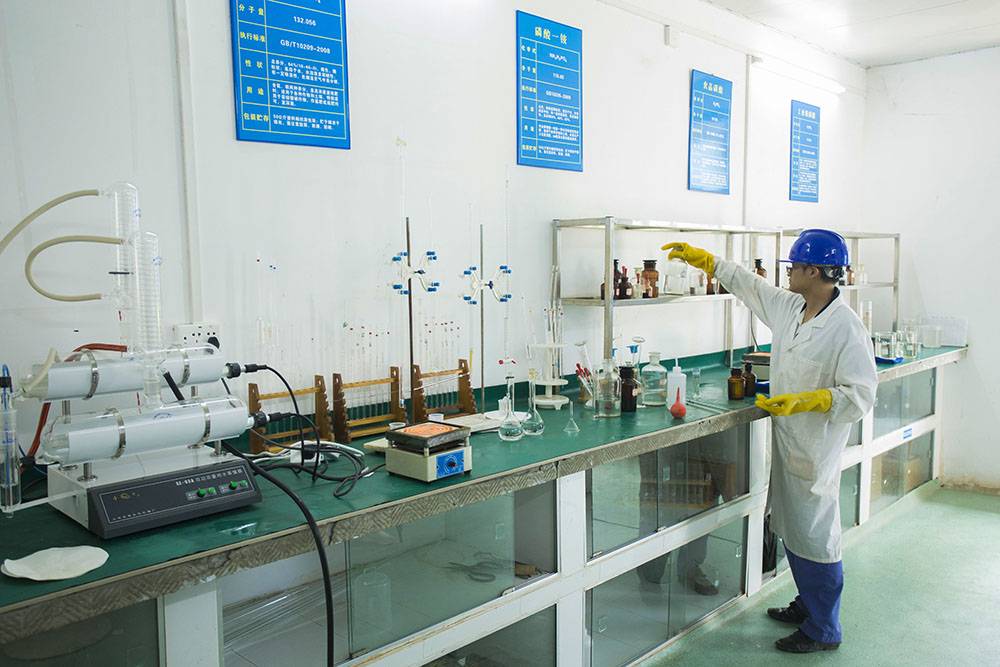
Batch testing and document control help buyers connect the quoted product with the material that actually ships.
A Practical Bulk Phosphoric Acid Cost Comparison
| Cost factor | What to ask the supplier or forwarder | Why it changes the real cost |
| Grade and concentration | Which specification, impurity limits, and COA apply? | A mismatch can cause rework or rejection. |
| Packaging | Drums, IBCs, or ISO tanks? What is the usable payload? | Unit handling, waste, and unloading costs differ. |
| Origin logistics | Which port, trucking route, and export charges are included? | Factory location and port choice affect the cost stack. |
| Ocean freight | Which surcharges and validity period apply? | Base rates can exclude dangerous-goods or peak charges. |
| Insurance | What risks, value, and exclusions are covered? | A leak or damage claim can exceed the premium. |
| Customs | What HS code, duty, VAT, and documents apply? | Classification or paperwork errors can cause delay and reassessment. |
| Inland delivery | What is the final plant delivery cost and unloading plan? | Port-to-plant distance and equipment drive local charges. |
| Quality control | Is sampling, inspection, or laboratory testing included? | Verification reduces the risk of unusable material. |
Need Help Sourcing Bulk Phosphoric Acid In 2026?
Send Camachem your destination port, monthly volume, grade, packaging preference, and target delivery date. The team can help compare FOB and landed-cost options before you commit to a container.
WhatsApp Us for Free a Consultation
How to Build a Reliable Import Cost Sheet
Before requesting final quotations, prepare one cost sheet that uses the same assumptions for every supplier. This makes commercial comparisons more reliable and gives the technical and finance teams one shared approval record.
Put the Same Product Basis in Every Quote
State the grade, concentration, impurity limits, application, packaging, quantity, delivery point, and required documents. Ask suppliers to quote the same net quantity and clarify whether the price is FOB, CFR, CIF, DAP, or another term.
Separate Fixed, Variable, and Risk Costs
Fixed costs may include testing, documentation, and customs brokerage. Variable costs may include freight, fuel surcharges, storage, and inland delivery. Risk costs include possible inspection, demurrage, rejected material, and emergency replacement supply.
Separating the groups helps management understand why two quotes move differently when freight or exchange rates change.
Confirm the Approval Gate Before Production
Do not wait until the container is on the water to request the COA, SDS, labels, and batch information. Agree on the sample, test method, release criteria, and document set before production or loading.
The industrial buyer’s guide to bulk phosphoric acid provides a broader framework for quality, capacity, and logistics review.
Supplier Verification: Where the Cost Model Meets Reality
A quotation is only useful when the supplier can deliver the stated product and documents repeatedly. Buyers should verify the legal entity, production capability, export experience, packaging process, and communication route.
The National Enterprise Credit Information Publicity System is one China-side reference for checking a company’s registration status and business scope. For higher-value orders, an inspection by SGS, Bureau Veritas, or Intertek can add evidence about production, loading, and batch control.
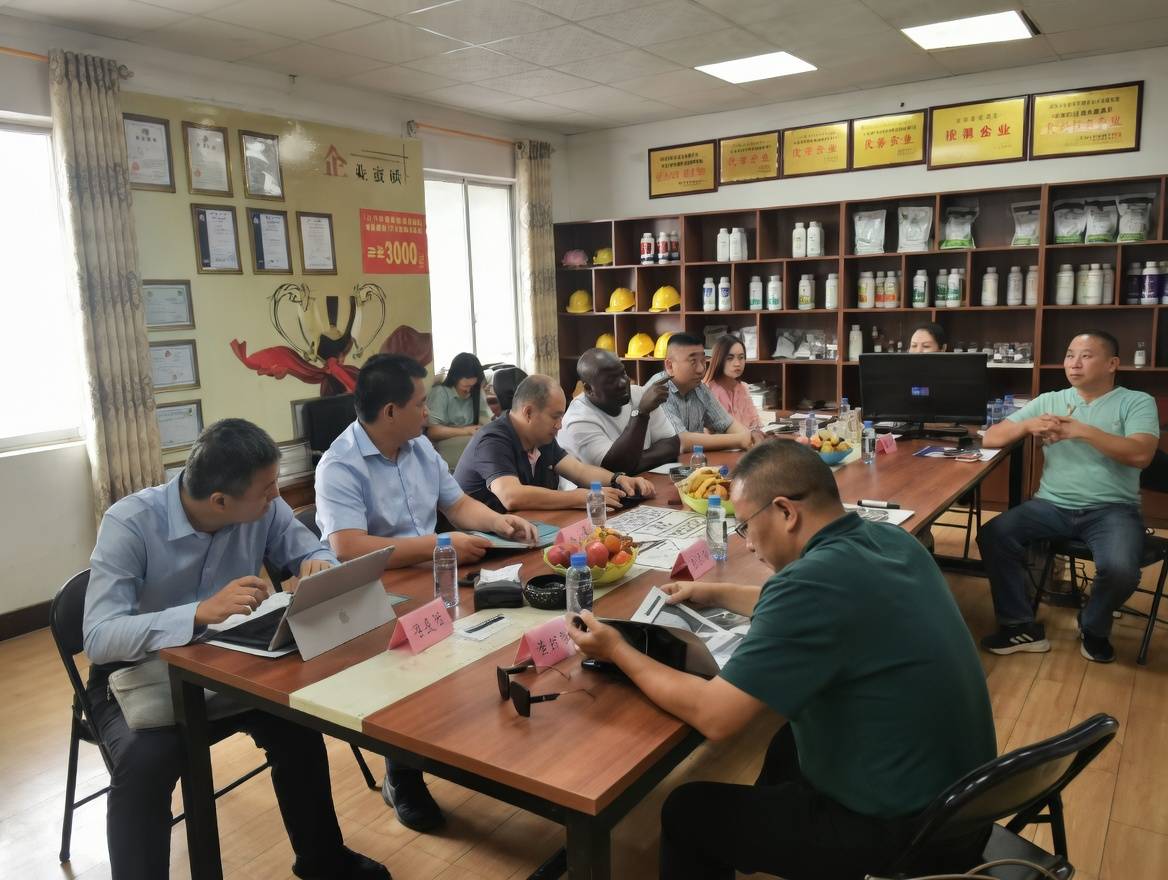
Factory evidence helps buyers test whether the supplier’s documents match the production and loading process.
A verified supplier is not automatically the lowest-cost supplier. The value is clearer accountability, lower uncertainty, and a stronger chance that the next shipment matches the approved sample.
If you need a quotation, specification review, or supplier discussion for your import plan, send the shipment details directly:
WhatsApp Us for Free a Consultation
How Camachem Helps Buyers Control Total Import Cost
Camachem helps buyers compare the full cost of bulk phosphoric acid before they commit to production or booking. The discussion can connect grade, packaging, supplier evidence, freight assumptions, documents, and delivery requirements in one quotation review.
The goal is not simply to find the lowest FOB number. It is to identify a supplier and shipment plan that delivers a usable product with fewer surprises at the destination plant.
Application and Grade Matching
Camachem can help match the requested grade and concentration to the buyer’s process, so the comparison starts with a technically valid product basis.
Before requesting a quotation, buyers should provide:
- Intended application, such as fertilizer, food processing, metal treatment, or water treatment.
- Target concentration, impurity limits, and required grade.
- Monthly volume, first-order quantity, and expected repeat frequency.
- Destination country, port, and final delivery location.
Industrial Grade and Food Grade
Industrial and food-grade phosphoric acid may share a nominal concentration, but their specifications, documentation, and permitted uses can differ. Camachem can help buyers compare the correct product rather than comparing unlike offers.
Packaging and Landed-Cost Comparison
Camachem can help compare drums, IBCs, and other bulk formats against the plant’s unloading equipment, storage space, monthly use, and empty-container handling plan.
A practical packaging review should cover:
- Net usable quantity per container and expected payload.
- Forklift, pump, hose, and unloading requirements.
- Packaging damage risk, labels, closures, and compatibility.
- Storage temperature, warehouse space, and container disposal or return.
Want to understand why global importers rely on Chinese phosphoric acid? Watch this short video showing how phosphoric acid is used in fertilizer, metal treatment, and food processing industries.
This short export video helps buyers see the loading and logistics stage that can affect cost, timing, and shipment control.
FOB, CFR, CIF, and Delivered Options
A buyer can ask Camachem to present the same product on comparable trade terms. This makes it easier to separate the product price from freight, insurance, customs, destination handling, and inland delivery.
Samples, COAs, and Supplier Verification
Before a first container, Camachem can help coordinate a sample, current COA, SDS, specification review, and a clearer approval trail. For larger or repeat programs, buyers can also discuss factory evidence, inspection, and loading records.
The supplier-review process can include:
- Sample testing against the buyer’s actual process or laboratory method.
- Batch-specific COA and SDS review before shipment.
- Packaging and loading evidence tied to the quoted order.
- Factory-visit or independent-inspection discussions where appropriate.
China-Side Logistics and Export Planning
Camachem can help buyers review the origin port, dangerous-goods documentation, booking assumptions, lead time, and shipment paperwork before the cargo moves. This is especially useful when the cost sheet depends on a named port, an IBC payload, or a destination delivery plan.
Contact Camachem with your application, monthly volume, destination port, preferred packaging, and target delivery date to request a quotation and product-fit discussion.
WhatsApp Us for Free a Consultation
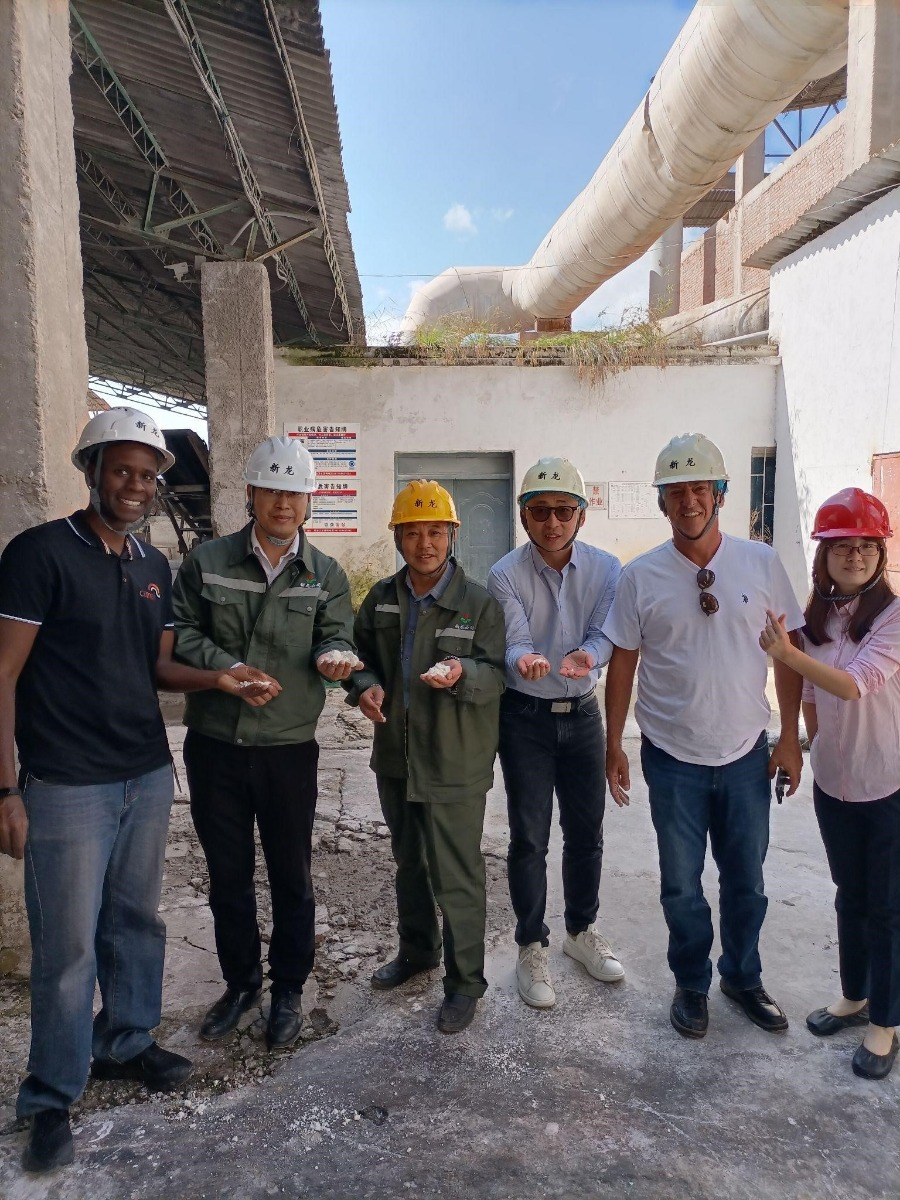 Camachem’s technical team reviewed bulk chemical samples on-site with international clients to ensure quality before shipping.
What International Buyers Should Check Before Booking
Use this short sequence before approving a bulk phosphoric acid shipment:
1. Confirm the exact grade, concentration, application, and impurity limits.
2. Compare drums, IBCs, and ISO-tank options on usable tonnes and handling cost.
3. Request an itemized freight quote with dangerous-goods and destination charges.
4. Verify HS code, duty, VAT, chemical declarations, and certificate-of-origin requirements.
5. Approve a sample and define the batch-release test before loading.
6. Confirm free time, unloading equipment, storage conditions, and emergency contacts.
7. Calculate cost per usable tonne at the plant, not only FOB price.
Frequently Asked Questions
What is the difference between FOB price and landed cost?
FOB is an origin-port trade price. Landed cost adds freight, insurance, import charges, destination handling, inland delivery, storage, quality control, and other costs needed to place a usable product at the plant.
Which packaging is usually cheapest for bulk phosphoric acid?
There is no universal answer. IBCs may reduce handling for plants with forklifts and fixed dosing systems. Drums may suit smaller or distributed operations. ISO tanks may fit repeat, high-volume programs. Compare total cost for the same usable quantity.
Do dangerous-goods rules affect phosphoric acid shipping cost?
Yes. Phosphoric acid solution is commonly transported as UN1805, Class 8, Packing Group III in the referenced SDS. The exact requirements depend on concentration, package, transport mode, and destination, so the forwarder should itemize the charges.
How can buyers reduce demurrage and detention?
Prepare the document set before arrival, confirm customs instructions, use a broker familiar with chemical imports, and check the plant’s unloading schedule and equipment. Also confirm the free-time terms before booking.
Does 85% phosphoric acid always cost less than food grade?
Not necessarily. Concentration alone does not define the grade. Food-grade material may require tighter impurity limits and additional controls. Compare the specification with the application before comparing prices.
What should be included in a bulk phosphoric acid quotation?
Ask for grade, concentration, net quantity, packaging, Incoterm, named port, validity period, production lead time, freight assumptions, documents, COA, SDS, labels, and any destination charges that are excluded.
Should I test a sample before placing a container order?
Yes. Test a representative sample against the actual process or an independent laboratory method. Put the approved specification and release criteria into the purchase contract.
How do I compare two phosphoric acid suppliers fairly?
Use the same product basis, delivery point, packaging, quantity, document requirements, and quality criteria. Then compare cost per usable tonne, supplier evidence, lead time, and the financial effect of failure or delay.
Conclusion: The Lowest FOB Price Is Not Always the Lowest Cost
Bulk phosphoric acid procurement should be managed as a landed-cost decision. Product grade, concentration, packaging, freight, insurance, dangerous-goods handling, duties, customs documents, inland delivery, storage, testing, and supplier reliability all affect the final result.
A stronger buying process asks for an itemized quote, tests the product before the first container, verifies the supplier, and compares cost per usable tonne at the plant. That approach may not produce the lowest FOB number, but it gives management a clearer view of cash cost, operational risk, and supply continuity.
Need a quotation, sample, or landed-cost review for your import plan? Contact Camachem:
WhatsApp Us for Free a Consultation
Industrial Buyers: Next Steps for Sourcing Bulk Phosphoric Acid
What makes our Phosphoric Acid Better:
✅ Compliant with EU, UN, ISO Standards – No Legal Headaches
✅ Guaranteed 85% Purity – Stability for your Processing Plant
✅ Extremely Low Impurities – Low Heavy Metals
✅ Batch-Specific COA Provided – Full Transparency per Shipment.
Download Our EU-approved Specifications.[ Food Grade or Industrial Grade]