


A bulk phosphoric acid quote is not just a chemical price multiplied by tons. The final number depends on concentration, grade, packaging, feedstock costs, shipment size, freight, insurance, and the delivery term written into the quotation. A low FOB offer can become an expensive delivered order if the packaging or freight basis is unclear.
For a buyer ordering from China, the safest approach is to compare complete commercial offers. Ask what is included, what is excluded, which specification is guaranteed, and which documents will arrive with the shipment. This protects the owner’s budget, gives procurement a fair comparison, and gives the technical team confidence that the material will work in the process.

A production facility supports the capacity, batch control, and export planning behind a bulk phosphoric acid quotation.
Introduction: What This Guide Covers
The term phosphoric acid price can mean several different things. It may describe a spot-market reference, a producer’s FOB offer, a CIF import quote, or the total landed cost at your plant. Those numbers are not interchangeable.
This guide explains the parts of a bulk quote so you can ask better questions before placing an order. You will learn:
- How feedstocks and market demand influence the base price.
- Why industrial grade and food grade should not be compared only by concentration.
- How packaging, container loading, and Incoterms change the total cost.
- Which documents and tests protect you from under-strength or unsuitable product.
- How to compare a supplier’s price with the real cost of supply reliability.
For a broader purchasing checklist, review this bulk phosphoric acid buyer’s guide.
What Determines the Base Phosphoric Acid Price?
Phosphate feedstocks and processing inputs
Phosphoric acid production is linked to the cost and availability of phosphate feedstocks. Sulfuric acid, sulfur, phosphate rock, electricity, fuel, water, and plant maintenance all affect production economics. A change in one input does not always move the finished product price immediately. However, sustained cost pressure usually appears in producer offers when inventory is replaced.
Recent 2026 market reporting shows why buyers should avoid using one fixed global number. Procurement Resource reported a China FOB reference of about USD 1,321.77 per metric ton for July 2026, while its June China reference was about USD 1,584.73 per metric ton. The movement reflects a changing mix of supply, raw-material conditions, and buying activity, not a universal price for every grade or shipment.
IMARC also published regional August 2026 indications that differed by market. Its reported values ranged from USD 0.82 per kilogram in Africa to USD 1.33 per kilogram in Northeast Asia. These figures are market references, not a guaranteed quote for 85% acid in your packaging and destination.
For related market context, you may refer to the phosphoric acid price factors.
Grade, concentration, and impurity limits
Two products can both be described as 85% phosphoric acid and still have different prices. Industrial grade is normally bought for applications such as fertilizer production, metal treatment, water treatment, cleaning, and chemical manufacturing. Food grade is selected for food, beverage, pharmaceutical, or other uses that require a different purity profile and compliance file.
The correct comparison is not simply “85% versus 85%.” Compare the full specification, including:
- H₃PO₄ concentration and test method.
- Chloride, sulfate, iron, arsenic, and heavy-metal limits.
- Appearance and color requirements.
- Grade-specific documentation and permitted application.
- Batch-specific Certificate of Analysis, or COA.
A cheaper product with higher impurities may create extra treatment, rejected batches, equipment deposits, or compliance work. That makes the apparent savings smaller than the invoice suggests.
For current product parameters, review the phosphoric acid specifications before comparing supplier offers.
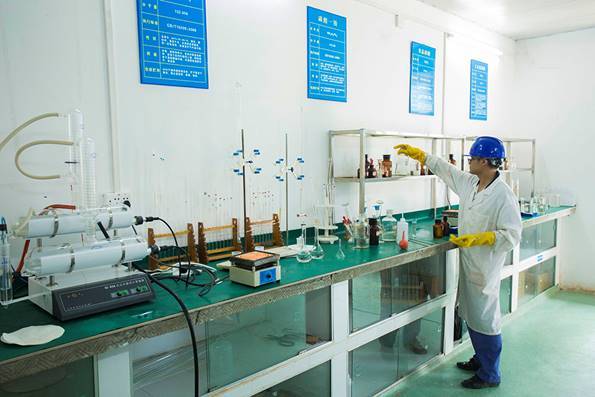
Quality testing turns a price discussion into a measurable comparison of concentration, impurities, and batch consistency.
Supply and demand in the buyer’s market
Fertilizer production remains a major demand center, but industrial buyers also compete for supply with food processing, water treatment, metal treatment, electronics, and chemical manufacturing. Regional fertilizer cycles can tighten availability even when a buyer’s own application is unrelated to agriculture.
A supplier may therefore quote differently during a high-demand period, a planned plant maintenance period, or a period of restricted export availability. Buyers who need monthly deliveries should discuss a supply plan rather than negotiate every container as a separate emergency purchase.
| Technical Note: Industrial and food-grade phosphoric acid may both be sold at approximately 85% concentration, but grade selection depends on the complete specification, impurity limits, application, and compliance file. |
How Incoterms Change the Quoted Price
FOB, CFR, and CIF are different numbers
A quotation should state the Incoterm and named place. For example, “FOB Shanghai” usually means the seller’s price covers the goods and the seller’s export-side obligations up to the agreed loading point. The buyer then carries the main ocean freight, insurance if desired, import clearance, duties, inland delivery, and destination charges.
A CFR offer normally includes ocean freight to the named destination port but not cargo insurance. A CIF offer includes freight and insurance to that port. Neither automatically means delivery to your factory. Destination terminal fees, customs brokerage, taxes, storage, local haulage, and unloading may still be outside the quoted price.
Before comparing offers, put every quote into the same structure:
1. Product value by metric ton.
2. Packaging and filling cost.
3. Export documentation and origin charges.
4. Ocean freight and insurance.
5. Destination charges, duties, and taxes.
6. Inland delivery to your plant.
Use the phosphoric acid application page to check whether the proposed grade fits your process before you spend time optimizing freight. A delivered low price is not useful if the material is wrong for the application.
Why the port matters
Phosphoric acid shipments from China may be routed through major chemical-export gateways such as Shanghai, Qingdao, Ningbo-Zhoushan, or Lianyungang, depending on supplier location, packaging, carrier availability, and the buyer’s destination. The best port is not always the closest port. It is the port and route that can handle the shipment safely, on the required schedule, with complete dangerous-goods documentation.
A supplier in Shandong may have a different trucking and port-cost profile from a supplier in Jiangsu or Yunnan. Ask for the loading port, container type, estimated cargo readiness date, and the party responsible for dangerous-goods paperwork. Current freight and congestion should be checked at the quotation stage because they can change faster than the chemical price.
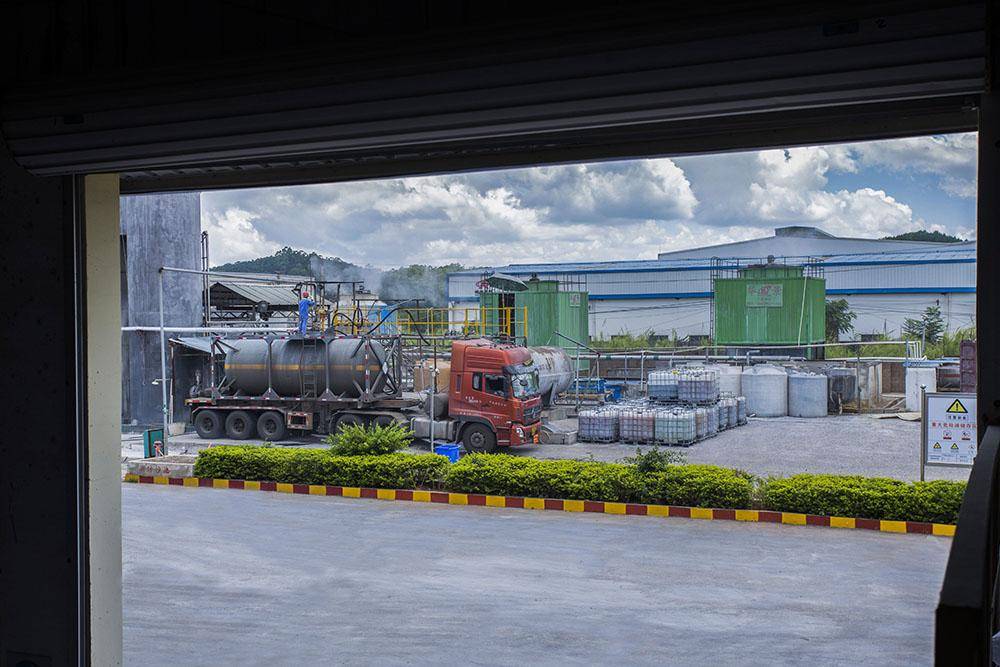
Loading arrangements, documentation, and container readiness all affect the delivered cost of bulk chemical supply.
Packaging and Shipment Size: The Hidden Price Variables
Drums, IBCs, and ISO tanks
Packaging affects more than handling. It changes the net tons per container, loading labor, storage needs, return or disposal work, and the risk of leakage or contamination. Common options include smaller drums, larger drums, IBCs, and ISO tanks. The right choice depends on your dosing system, unloading equipment, storage capacity, monthly use, and local regulations.
A buyer should compare the cost per usable metric ton, not only the number of containers. A smaller package can make sense for a plant with limited unloading equipment. An IBC can reduce handling steps for a regular industrial user. An ISO tank may suit a larger, repeat program, but it requires compatible receiving and cleaning arrangements.
For packing details, you may check the phosphoric acid packaging information.
Cold-weather storage and transport
Concentration also affects handling conditions. Higher-concentration phosphoric acid can crystallize or become difficult to move in cold conditions if storage temperature is not managed. That may add heated storage, insulation, longer unloading time, or a different concentration choice to the real cost.
Do not change concentration only to obtain a lower price. First confirm that the alternative works with your process, dosing equipment, reaction conditions, and storage plan. If the material needs dilution, include water quality, labor, energy, and quality-control checks in the comparison.

IBC selection can improve plant handling, but the buyer should compare capacity, equipment fit, and total delivered cost.
How Buyers Should Compare a Bulk Quote
Start with a like-for-like comparison table
The table below shows the fields that should match before you decide that one supplier is cheaper.
| Quote item | What to compare | Why it changes the real cost |
| Grade | Industrial or food grade, with application fit | A wrong grade can cause rejection or rework. |
| Concentration | Stated H₃PO₄ content and test method | Under-strength material reduces usable acid. |
| Impurities | Chloride, sulfate, iron, arsenic, and heavy metals | Higher impurities can affect process performance and compliance. |
| Packaging | Drum, IBC, ISO tank, net weight, and container load | Packaging changes handling, freight, and storage cost. |
| Price basis | EXW, FOB, CFR, CIF, or delivered | Each term includes different logistics costs. |
| Documents | COA, SDS, origin, and dangerous-goods papers | Missing documents can delay clearance or use. |
| Lead time | Production readiness and shipping schedule | Delays can stop a plant or force spot buying. |
| Payment terms | Deposit, balance, letter of credit, or other terms | Cash-flow cost and transaction risk vary. |
For procurement teams, you may visit the phosphoric acid supplier questions.
Calculate price per usable ton
Suppose two offers have the same nominal concentration but different net weights or impurity limits. Divide the total landed invoice by the accepted, usable tons. Then add a realistic allowance for sampling, storage, handling, and any required dilution or conditioning.
This method helps a decision-maker compare the cost of reliable production, not just the lowest number on a supplier spreadsheet. It also gives procurement a stronger basis for negotiation because every difference is visible.
What Documents Protect the Buyer?
A serious bulk quotation should be supported by a clear document pack. At minimum, request the product specification, current SDS, sample COA, packaging details, and a proposed batch-specific COA format. Depending on your market and application, you may also need origin documents, dangerous-goods paperwork, test certificates, and evidence of applicable registrations or certifications.
For a first order, request a sample before committing to a full container when the application allows it. Test concentration and the impurities that matter to your process. Keep the approved sample, approved specification, and final COA connected to the purchase order.
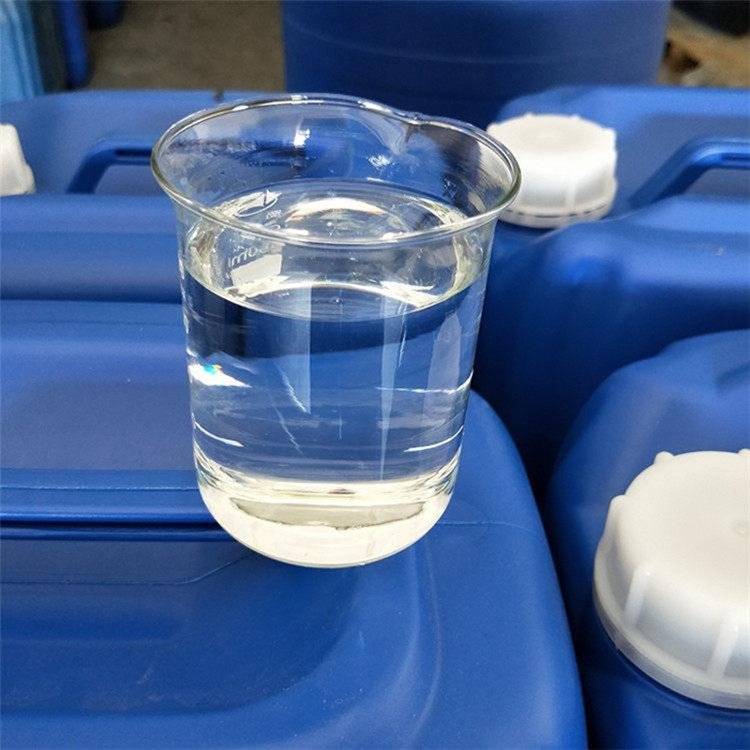
Visual checks support quality control, but laboratory testing and a batch-specific COA remain essential for acceptance.

Drum packaging can suit buyers who need smaller handling units or flexible warehouse control.
What a Trustworthy Supplier Should Show
Price transparency is one sign of a serious supplier, but it is not enough. A buyer should also look for evidence that the supplier understands the product, can provide consistent documentation, and can support the shipment after the purchase order is signed.
Useful trust signals include:
- A traceable company identity and clear commercial contact.
- A production or supply location that can be explained and, where appropriate, visited.
- A consistent specification and sample COA before the order.
- Batch-specific documentation after production.
- Packaging photographs that match the proposed shipment.
- A clear response when the buyer asks about storage, handling, and dangerous goods.
For more details, you may find the factory visit option.
A practical buyer example
Consider a metal-treatment plant that receives a low FOB offer for 85% industrial acid. The supplier confirms the concentration but does not give clear impurity limits or a batch COA. The price looks attractive until the buyer experiences coating inconsistency and has to investigate whether iron, chloride, or dilution affected the process.
A better purchase path is to approve the specification first, test a sample, confirm packaging and delivery terms, and make the final balance conditional on the agreed documents and inspection process. The buyer may not win the lowest headline price, but the plant gains a more defensible supply decision.
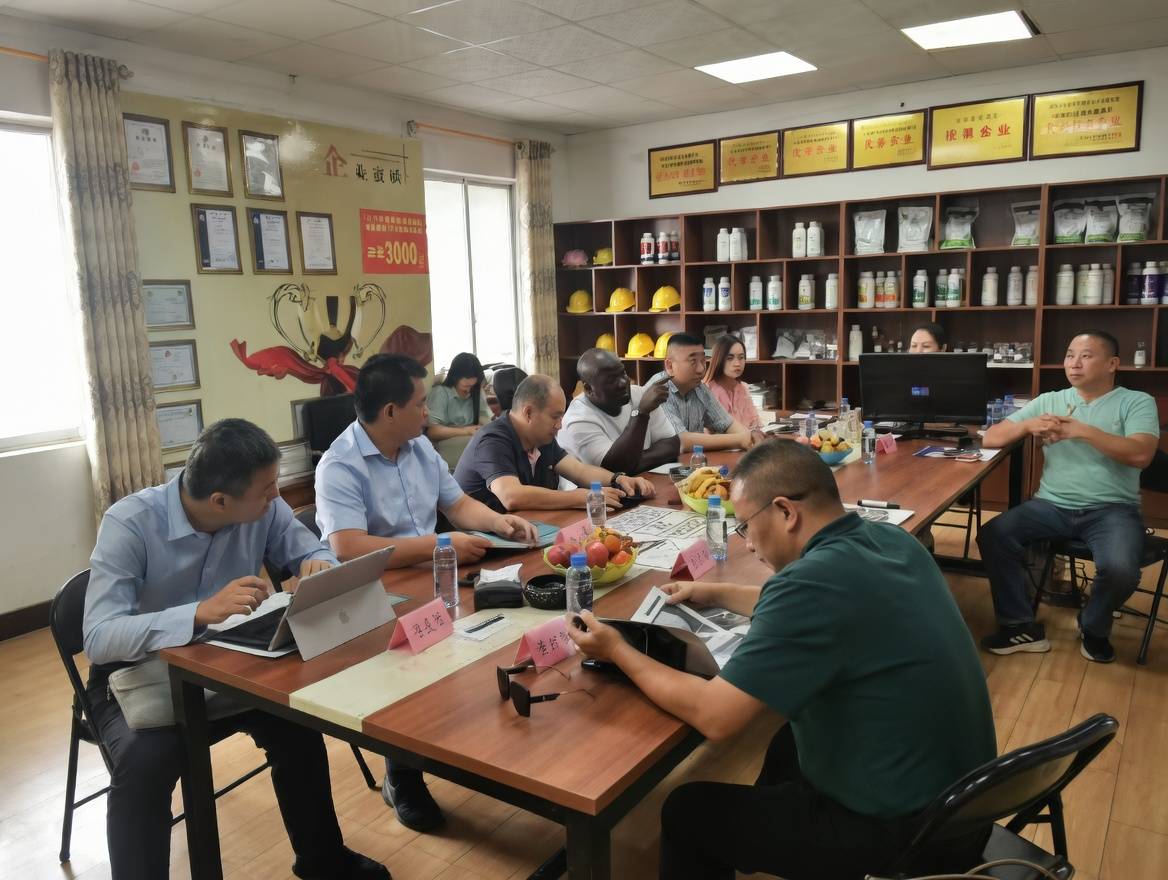
A factory visit can add confidence when a buyer is evaluating a new bulk supplier.
How Camachem Helps Buyers Control Total Cost
Camachem helps industrial buyers move from a headline chemical price to a complete, better-controlled purchase decision. The team can review your application, monthly volume, preferred grade, packaging, destination, and delivery term before preparing a quotation. This makes it easier to compare offers on the same basis.
For a first order, Camachem can support the steps that reduce avoidable risk:
- Grade selection. Match industrial or food-grade phosphoric acid to the application and required documentation.
- Specification review. Check concentration, impurity limits, packaging, and the COA requirements before ordering.
- Sample testing. Discuss a pre-bulk sample so your technical team can review suitability before a full container.
- Packaging planning. Compare drums and IBCs against your unloading equipment, storage space, and monthly use.
- Export coordination. Align cargo readiness, loading, shipping documents, and the selected Incoterm.
- Factory confidence. Request supporting information or discuss a factory visit when supplier verification is important.
This support matters because a small difference in the purchase price can disappear when a shipment arrives with the wrong grade, weak documentation, unsuitable packaging, or unexpected destination charges. A structured quotation gives the owner a clearer budget, gives procurement a fair supplier comparison, and gives the technical team a defined acceptance standard.
Buyers can also start with the Camachem contact team and share their monthly volume, application, destination port, and preferred packaging. For a larger or repeat requirement, include your expected delivery schedule so the quotation can reflect supply planning rather than a one-time spot offer.
| Decision-Maker Insight: Camachem’s value is not only the number on the quotation. It is the ability to connect product fit, documentation, packaging, logistics, and repeat supply into one purchasing decision. |
Need Help Sourcing Bulk Phosphoric Acid In 2026?
If you are still researching the market, send a question about price basis, grade, packaging, or Incoterms. The team can help you understand which variables to compare before you request a formal offer.
WhatsApp Us for Free a Consultation
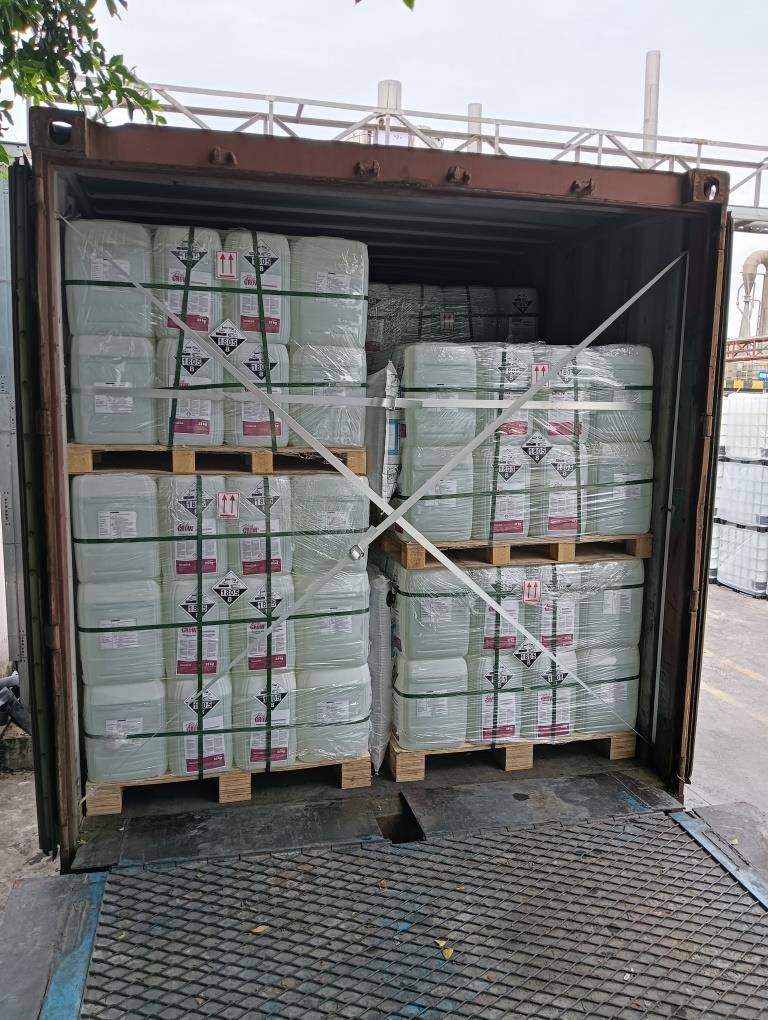
Pallet layout and package count should be confirmed because they affect net weight, freight, and receiving work.
Frequently Asked Question For Bulk Phosphoric Acid Price
Is this an FOB, CFR, CIF, or delivered price?
Ask for the exact named place and a list of charges that remain outside the offer. Never compare a China FOB number with a destination-delivered number as if they were equal.
What concentration and grade are guaranteed?
Confirm whether the order is industrial or food grade and whether the contract guarantees the stated concentration. The application must decide the grade, not the price alone.
What are the impurity limits?
Request limits for the impurities that matter to your process. A COA that shows only H₃PO₄ concentration may not provide enough information for a sensitive application.
How many usable tons fit in the selected package?
Check net weight, gross weight, container load, and whether the package fits your unloading equipment. Ask whether the quote includes pallets, liners, or special handling.
Which documents arrive before shipment and with the cargo?
Confirm the SDS, COA, commercial invoice, packing list, origin paperwork, and any dangerous-goods documents needed for your route.
What happens if the batch fails inspection?
Agree on the testing method, retained sample, inspection party, and remedy before the shipment leaves. This is easier to solve in the contract than after arrival.
Can the supplier support repeat monthly supply?
If you use more than one container per month, discuss production planning, price-review timing, lead-time buffers, and backup inventory. A repeat supply plan can be more valuable than a one-time discount.
For a technical review of industrial specifications, use the industrial phosphoric acid page. For food, beverage, or application-sensitive purchases, use the food grade page and confirm the required compliance route.
Want to understand how export handling affects chemical supply decisions? Watch this short video to see why container loading, documentation, and shipment preparation matter before a bulk order reaches your plant.
Watch the loading process to see the practical logistics behind a China-origin phosphoric acid shipment, from preparation to export handling.
Another WhatsApp Option for a Faster Quote
Have a question about comparing FOB, CFR, CIF, packaging, or grade? You can send the question without making a purchase commitment.
WhatsApp Us for Free a Consultation
Conclusion: The Lowest Price Is Not Always the Lowest Cost
Bulk phosphoric acid pricing works as a chain. Feedstocks influence the base price. Grade and impurity limits determine whether the product fits the process. Packaging, port selection, freight, insurance, import charges, and storage shape the landed cost.
The most useful quote is therefore the one you can audit. It states the specification, net weight, packaging, Incoterm, lead time, documents, and acceptance process. Compare suppliers on usable products and supply confidence, not only on the first number sent by email.
If you are preparing a first import or reviewing an existing supplier, send the full requirement to the phosphoric acid contact team. Include your monthly volume and application so the quote can be built around the real purchase.
For readers who want to validate their comparison, share the market basis, grade, or packaging question with the team. A formal quotation can follow later if it fits your buying stage.
WhatsApp Us for Free a Consultation
Industrial Buyers: Next Steps for Sourcing Bulk Phosphoric Acid
What makes our Phosphoric Acid Better:
✅ Compliant with EU, UN, ISO Standards – No Legal Headaches
✅ Guaranteed 85% Purity – Stability for your Processing Plant
✅ Extremely Low Impurities – Low Heavy Metals
✅ Batch-Specific COA Provided – Full Transparency per Shipment.
Download Our EU-approved Specifications.[ Food Grade or Industrial Grade]