


Grade and concentration are separate decisions. Food-grade claims should be checked against destination-market food-additive rules. Feed-grade claims should be checked against destination-market animal-feed authorization and labeling rules. Technical-grade suitability depends on the process and impurity limits. See the EFSA food-additives overview, EFSA orthophosphoric-acid feed opinion, and the live Camachem Food Grade and Industrial Grade pages.
When a supplier offers 85% phosphoric acid, the concentration alone does not tell you whether the product is right for your plant. Food grade, technical grade, and feed grade can all be sold as phosphoric acid solutions, yet they support different end uses, impurity controls, documents, and regulatory duties. Start with a verified bulk phosphoric acid supplier and define the application before comparing quotations.
That difference matters to the owner who must protect production and market access. A technical grade may be economical for metal treatment, but unsuitable for a beverage ingredient. A food grade may meet the needs of a food processor, but it does not automatically satisfy feed-additive rules. A feed grade may be appropriate for animal nutrition, but it should not be presented as a universal substitute for food-grade material.
The Short Answer: Grade Is Not the Same as Concentration
The practical answer is simple: choose food grade for food and beverage applications that require an approved food additive and controlled impurities; choose feed grade for animal-nutrition applications that require an authorized feed additive and suitable phosphorus documentation; choose technical grade for industrial processes where the stated impurity profile is acceptable. For a wider purchasing framework, see the phosphoric acid buyer guide.
All three decisions still require a specification review. You should confirm the H₃PO₄ concentration, impurity limits, production route, certificate of analysis, safety data sheet, packaging, and destination-market requirements. The phrase “85% phosphoric acid” describes concentration. It does not prove food suitability, feed authorization, or industrial-process compatibility.
Decision-Maker Insight:
The cheapest grade is not the lowest-cost option if it causes a rejected batch, a customer complaint, a feed-labeling problem, or a production shutdown. Compare the total purchasing risk, not only the price per ton.
Technical Note:
Ask suppliers to show grade, concentration, and impurity limits as separate fields on the quotation and COA. A concentration number without an impurity profile is not a complete purchasing specification.

A comparison overview of food grade, feed grade, and technical grade phosphoric acid packaging and applications.
What Is the Difference Between Food, Technical, and Feed Grade?
Food Grade Phosphoric Acid
Food-grade phosphoric acid is intended for food and beverage uses where the material must meet the relevant food-additive specification in the destination market. In the European Union, food additives use E numbers and must comply with legal specifications and conditions of use. Phosphoric acid is commonly identified as E338, but the E number alone is not a substitute for checking the finished product’s permitted use, purity requirements, labeling, and supplier documents.
Food grade is commonly used as an acidulant, pH regulator, flavor modifier, and processing ingredient. Typical applications include soft drinks, syrups, jams, food processing, brewing, and other products where the buyer needs controlled impurity levels and food-use documentation. For the product-side details, review Food Grade phosphoric acid.
The Camachem Food Grade page presents an 85% product and lists a food-grade specification with limits for fluoride, arsenic, heavy metals, iron, chloride, and phosphorous acid. Use the linked product page above as a starting point, then match the specification to the rules in your destination market and the requirements of your finished product.
A technician oversees a clean-room food production line while food grade phosphoric acid supports quality and safety controls.
Technical Grade Phosphoric Acid
Technical grade, also called industrial grade in many commercial conversations, is designed for industrial processes. It can be suitable for fertilizer production, metal cleaning, rust removal, surface treatment, water treatment, concrete preparation, and other applications where the process does not require food-additive status.
Technical grade is not automatically “bad” or unsafe for every use. It is simply controlled for a different job. The correct question is whether its impurity profile, concentration, handling characteristics, and documentation fit your process. A metal-treatment plant may care about acid concentration, reaction performance, dosing, and supply reliability. It may not need the same food-additive documentation as a beverage manufacturer. For industrial specifications, compare Industrial Grade phosphoric acid.
The Camachem Industrial Grade page presents an 85% industrial product and lists industrial specification limits for sulphate, chloride, iron, arsenic, and heavy metals. A buyer should compare these limits with the internal process specification before ordering.

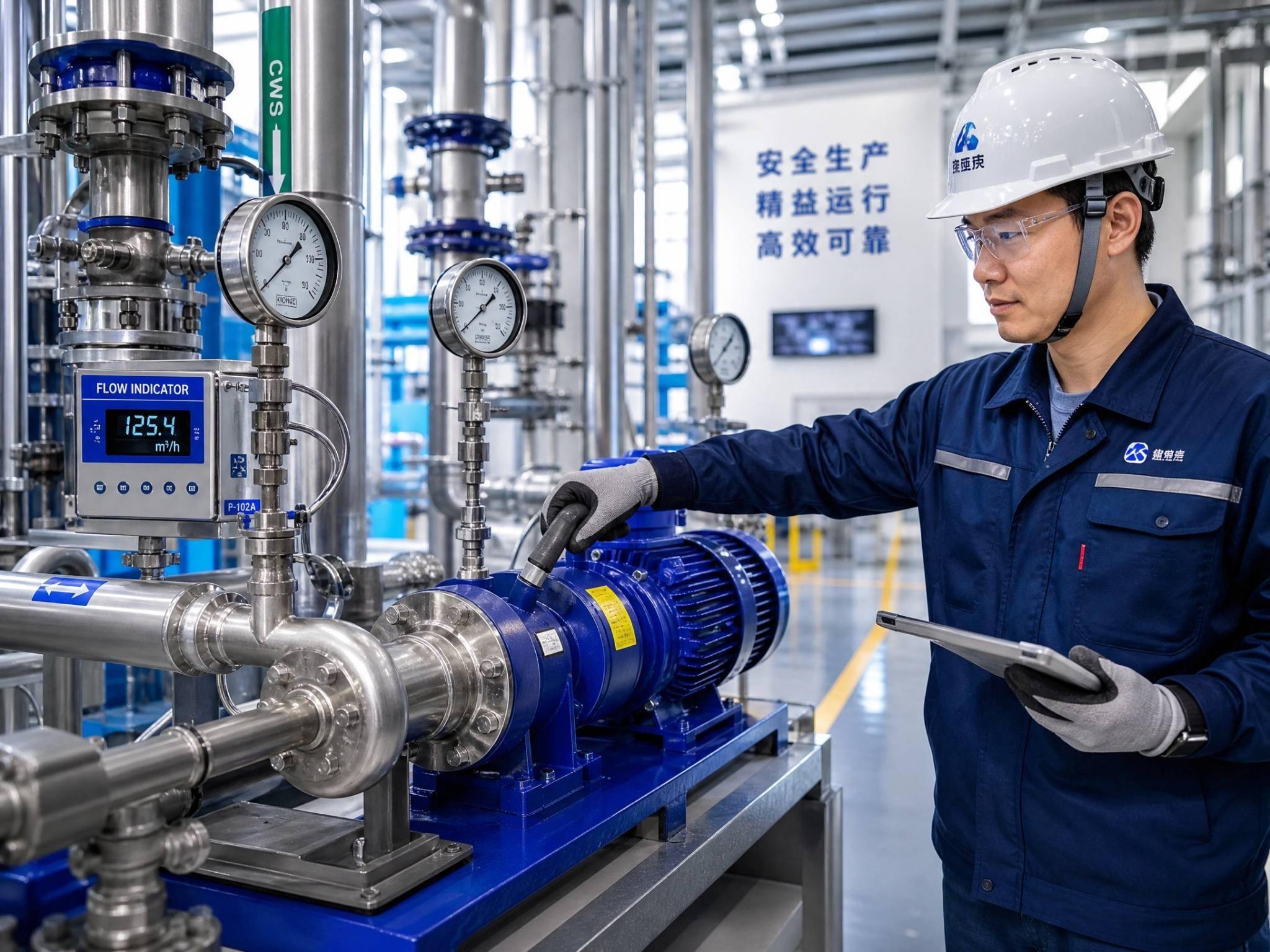
A plant technician monitors pump gauges during industrial phosphoric acid dosing, a typical technical grade application.
Feed Grade Phosphoric Acid
Feed-grade phosphoric acid is intended for animal-nutrition applications. It may supply phosphorus or serve a permitted technical function in feed production, but its acceptability depends on the destination market’s feed-additive rules, species, use conditions, labeling, and safety requirements.
The European Food Safety Authority’s assessment states that orthophosphoric acid remains authorized as a technological feed additive for all animal species under the assessed EU conditions. It also notes that the optimal calcium-to-phosphorus ratio must be maintained and that phosphorus content must be indicated in the premix label. The same opinion emphasizes that the acid is corrosive to skin and eyes and hazardous to the respiratory tract during handling. For destination-market questions, contact the Camachem contact team.
This is why a feed buyer should not rely on the word “feed” in a product name alone. Ask for the applicable authorization or market documentation, a feed-use specification, phosphorus content, impurity results, and labeling guidance. Confirm that the documentation covers your destination market and intended animal-nutrition use.
One Comparison for the Buying Decision
The table below is a purchasing framework, not a substitute for the specification or regulation that applies to your plant.
| Decision factor | Food grade | Technical grade | Feed grade |
| Main application | Food, beverage, brewing, and food processing | Fertilizer, metal treatment, water treatment, surface preparation, and other industrial processes | Animal nutrition and feed manufacturing |
| What the buyer must prove | Food-additive suitability and controlled impurities | Process fit and acceptable impurity profile | Feed-additive authorization, species/use fit, phosphorus declaration, and destination-market compliance |
| Typical concentration conversation | Often supplied around 85%, but concentration does not establish food suitability | Often supplied around 85%, but process specification controls the purchase | Concentration and phosphorus contribution must be assessed with the feed formula and authorization |
| Key documents | COA, SDS, food-grade specification, applicable food-additive or customer documents | COA, SDS, industrial specification, packaging and shipment documents | COA, SDS, feed-use specification, authorization or market documents, and labeling information |
| Main purchasing risk | A non-food grade or uncontrolled impurity profile enters a food process | Paying for unnecessary purity or accepting impurities that harm the process | Buying material without the required feed authorization, phosphorus declaration, or use conditions |
| Best next step | Test the sample and review food-use documentation before bulk purchase | Match the COA to the process specification and run a controlled trial | Confirm authorization, labeling, formulation fit, and safety controls before ordering |
How to Choose the Correct Grade for Your Plant
Start With the Finished Product or Process
Write down what the acid does in your operation. Is it added directly to a beverage? Is it used to make fertilizer? Is it dosed into an animal-feed premix? Is it used to remove rust from metal? The answer determines which documentation path comes first. Use the bulk phosphoric acid buyer guide.
For food and beverage production, start with the legal and customer requirements for the finished product. For feed production, start with the feed additive rules and formulation requirements for the target species. For industrial production, start with the process specification and the impurity levels that could affect performance, corrosion, color, downstream catalysts, or finished-product quality.
Separate Concentration From Purity
Concentration describes how much phosphoric acid is present in the solution. Purity describes the levels of other substances and impurities. Certification or authorization describes whether the material is recognized for a particular use under a particular system. These three terms should appear separately in your purchase inquiry.
For example, two products may both be labeled 85% phosphoric acid. One may be documented for food use, while the other is documented for industrial use. They are not interchangeable simply because the concentration is the same.

Process flow diagram showing the thermal production steps for 85% phosphoric acid.
Ask for a Batch-Specific COA
A current certificate of analysis should identify the product, batch, test date, concentration, and relevant impurity results. Do not accept a generic specification sheet as the only evidence for a bulk order. The specification tells you what the supplier intends to provide. The batch COA helps show what was tested for the shipment under discussion. Start with the current product specification pages.
Your technical team should compare the COA with the agreed specification before approving the purchase. If the buyer is new to importing from China, request a sample first, confirm the testing method, and define how a disputed result will be handled.
Match the Documents to the Destination Market
Food and feed rules are not identical across all countries. A document accepted by one customer or market may not satisfy another. Before paying a deposit, confirm whether the shipment needs a food-additive specification, feed authorization, local registration, special labeling, import permits, or customer-specific declarations.
This step protects the business owner from a common mistake: assuming that a familiar grade name automatically transfers across borders. The correct purchasing file is the one that supports the intended use in the destination market. For company and supplier context, see About Camachem.
Review Handling and Packaging
Phosphoric acid is corrosive. Your team should review the SDS, unloading method, storage temperature, personal protective equipment, compatible materials, emergency response, and local workplace rules. Packaging must also match your site. Depending on the order and handling system, buyers may evaluate drums, IBCs, or other bulk formats.
Camachem’s current product pages list drum and IBC options, FOB Shanghai shipping, and a typical 7–21 day lead time. Confirm the exact package capacity, container loading plan, and delivery schedule in the quotation because the final load depends on the selected packaging. Confirm package choices on the industrial-grade page.

A logistics manager stands at a port while bulk phosphoric acid containers are prepared for shipment from China.
Which Grade Fits Common Applications?
Food and beverage manufacturers should normally begin with food-grade material and verify the relevant food-additive requirements. A technical grade should not be substituted merely because it has the same concentration. The risk is not limited to taste or performance. It may also involve impurities, customer approval, labeling, and regulatory compliance.
Fertilizer and agriculture manufacturers commonly evaluate technical or industrial grade because the acid is used in a process where the required performance and impurity profile differ from food applications. The buyer still needs a clear specification. A cheaper product that varies in concentration can affect dosing, reaction balance, production yield, and finished fertilizer quality. Food buyers can review the Food Grade page.
Animal-feed manufacturers should begin with feed-use requirements. The product must fit the formulation, target species, phosphorus contribution, safety controls, and applicable authorization. Food grade is not a shortcut around feed regulations, and technical grade is not acceptable simply because the price is lower.
Metal-treatment and surface-preparation plants usually focus on reaction performance, concentration, impurities, corrosion control, dosing, and supply consistency. Technical grade may be appropriate, but the plant should test it against the actual process. If the acid is used on a customer-facing product or in a tightly controlled downstream process, the required purity may be higher than the basic industrial specification. Industrial buyers can compare industrial applications.
Technical Note:
Feed grade is not a synonym for “safe enough to eat,” and food grade is not a synonym for “approved for animal feed.” Each grade is tied to an intended use, documented controls, and a regulatory system.
Need Help Sourcing Bulk Phosphoric Acid In 2026?
Tell us your application, destination market, required grade, concentration, packaging, and monthly use. We can help you compare the specification before you place a full-container order:
WhatsApp Us for Free a Consultation
Want to see how bulk material is prepared for export? This video helps buyers understand the container-loading and logistics stage:
What Should You Ask a Phosphoric Acid Supplier?
Before comparing quotations, send the supplier a consistent inquiry. Include the intended application, grade, concentration, destination country, monthly use, packaging preference, required certificates, and any impurity limits that your technical team considers critical. You can also send the inquiry through the Camachem contact page.
Ask the supplier to confirm the following points in writing:
- The grade and intended application.
- The H₃PO₄ concentration and test method.
- The impurity limits and batch-specific COA.
- The applicable food, feed, or industrial documentation.
- Packaging, container loading, Incoterms, and lead time.
- Sample availability before the first bulk order.
A supplier who asks about your application is usually easier to evaluate than one who sends only a price. The questions show whether the commercial team understands that food, technical, and feed-grade decisions are not interchangeable.
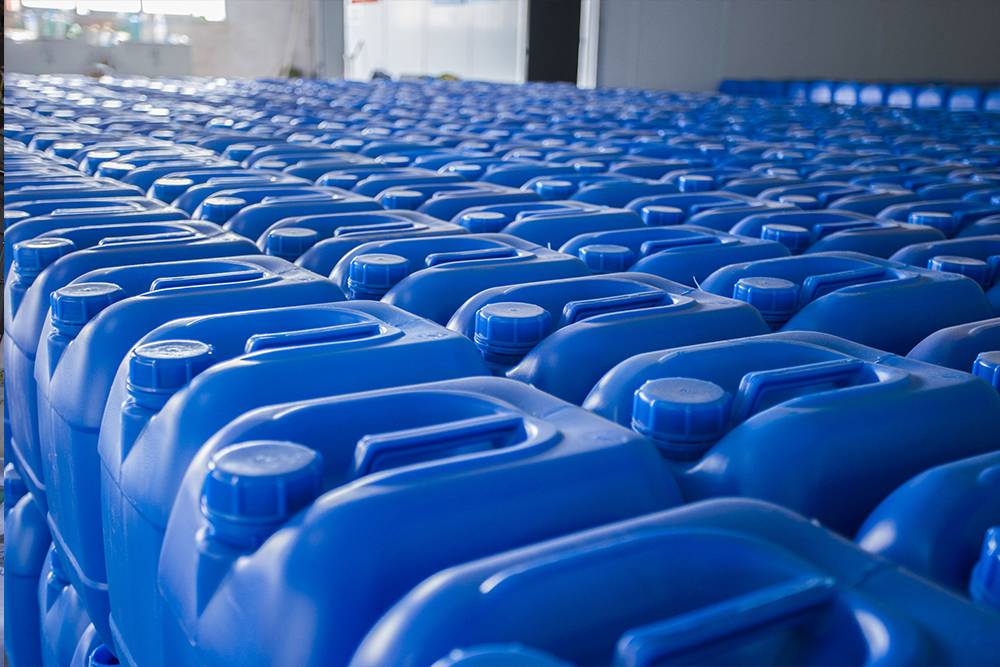
Phosphoric acid packaged in 35kg blue plastic drums, palletized for ocean freight export.
FAQ: Food Grade vs Technical Grade vs Feed Grade Phosphoric Acid
Is 85% phosphoric acid always food grade?
No. 85% describes concentration, not end-use approval. Food-grade material must meet the relevant food-additive specification and documentation requirements for the destination market. An 85% technical product may have a different impurity profile and should not be used in food production without documented suitability. Review the relevant Food Grade specifications.
Can I use food-grade phosphoric acid in animal feed?
Not automatically. Animal-feed use depends on the destination market’s feed-additive rules, formulation requirements, species, labeling, and authorization. Ask the supplier and your regulatory adviser to confirm that the product is appropriate for the intended feed use.
Can technical-grade phosphoric acid be used in fertilizer production?
Often, technical or industrial grade is evaluated for fertilizer applications, but the correct choice depends on the fertilizer process and specification. Check concentration consistency, impurity limits, reaction performance, documentation, and the quality requirements for the finished fertilizer.
What documents should I request before a bulk order?
Request a current product specification, batch-specific COA, SDS, packaging details, quotation with Incoterms, lead time, and the documentation required for your destination market. Food and feed buyers should also request the applicable use or authorization documents rather than relying on a grade name alone. Use the bulk buyer checklist.
Which grade is the cheapest?
Technical grade is often the most economical when its impurity profile meets the industrial process. However, price should be compared with the cost of testing, rejected material, rework, downtime, compliance problems, and supply interruptions. The right grade is the lowest-risk grade that meets the application requirement.
How can I reduce the risk of buying the wrong grade from China?
Send the supplier a written application specification, request a sample, verify the COA and SDS, check the supplier’s facility and documents, and start with a controlled trial order. Camachem’s current onboarding path presents discussion, sample testing, a one-container trial order, and long-term cooperation as the normal sequence. Supplier background is available on the About Camachem page.

An ISO tank container undergoing inspection and preparation for bulk chemical transport.
How Camachem Helps Buyers Choose and Source the Right Grade
Camachem’s role starts with the buyer’s application rather than a generic 85% price quotation. Share your finished product, process, destination market, monthly use, packaging preference, and required documents. The team can then help you compare the specification against the intended use and identify which points your technical or regulatory adviser should confirm before a bulk order. You can also review the company’s supplier background before opening a sourcing discussion.
The current Camachem product pages document food-grade and industrial-grade phosphoric acid, including concentration, impurity limits, packaging, shipping terms, and typical lead time. The company also promotes sample testing, factory visits, and a one-container trial order before long-term cooperation. These steps give an owner or C-level buyer a practical way to reduce supplier risk without committing immediately to a large recurring program. Compare the live product pages.
For a new sourcing project, Camachem can support the decision through the following checkpoints:
- Application matching. Compare food, industrial, or feed-use requirements with the intended process before requesting a final quotation.
- Sample review. Request a sample for technical testing before approving a full-container order.
- Document review. Check the product specification, SDS, batch-specific COA, packaging details, and destination-market documents.
- Trial ordering. Use a one-container trial to evaluate consistency, loading, delivery, and communication.
- Factory and logistics verification. Discuss a factory visit where appropriate and confirm the packaging, FOB Shanghai terms, and expected 7–21 day lead time shown on the live product pages.
Camachem’s current public pages focus on 85% food-grade and industrial-grade phosphoric acid. If your project requires feed-grade material, confirm product availability and the applicable feed authorization before treating Camachem as the final source. The safest purchasing process is transparent about what is documented, what still needs destination-market confirmation, and what should be tested before the first repeat order. For a quotation or application review, use the contact page.

Camachem’s technical sourcing team on-site at a production facility, helping buyers select the correct phosphoric acid grade.
To discuss your application and documentation needs, WhatsApp Us About Grade Selection:
WhatsApp Us for Free a Consultation
Conclusion: Choose the Grade by Use, Not by Label
The main difference between food grade, technical grade, and feed grade phosphoric acid is not simply the concentration printed on the drum. The difference is the intended application, impurity control, documentation, regulatory pathway, and risk accepted by the buyer.
Food-grade buyers should prioritize food-additive suitability and controlled impurities. Feed-grade buyers should confirm authorization, phosphorus contribution, labeling, and formulation fit. Technical-grade buyers should match the COA to the industrial process and avoid paying for purity the process does not need.
If you are comparing bulk suppliers, define the grade and application before asking for a price. Then test a sample, review the batch documents, confirm the destination-market requirements, and use a trial order to verify consistency before moving into long-term supply. For a wider procurement checklist, see the bulk phosphoric acid buyer’s guide.
For a quotation based on your grade, concentration, packaging, and monthly use, WhatsApp Us About Bulk Phosphoric Acid:
WhatsApp Us for Free a Consultation
Industrial Buyers: Next Steps for Sourcing Bulk Phosphoric Acid
What makes our Phosphoric Acid Better:
✅ Compliant with EU, UN, ISO Standards – No Legal Headaches
✅ Guaranteed 85% Purity – Stability for your Processing Plant
✅ Extremely Low Impurities – Low Heavy Metals
✅ Batch-Specific COA Provided – Full Transparency per Shipment.
Download Our EU-approved Specifications.[Food Grade or Industrial Grade]