



Industrial Grade Phosphoric Acid Plant large-scale processing facility and infrastructure used for bulk phosphoric acid manufacturing
A phosphoric acid Certificate of Analysis, or COA, is one of the most important quality documents in chemical procurement.
For a bulk buyer, the COA helps connect a specific batch of phosphoric acid with reported laboratory results.
But simply receiving a COA does not prove that the product is right for your process.
You still need to check the product identity, batch number, concentration, impurity limits, physical properties, and other agreed parameters.
You should also compare the COA with your technical specification and other supplier documents.
This guide explains how to verify a phosphoric acid COA before approving a sample, shipment, or bulk order.

Industrial-grade phosphoric acid production and bulk chemical storage at a commercial manufacturing facility
It covers:
- What a phosphoric acid COA tells you.
- Which information to check first.
- How to compare COA results with your specification.
- Which phosphoric acid impurities may matter.
- How to identify common COA warning signs.
- How COA verification fits into supplier qualification.
- What to do when a COA does not match your requirements.
Decision-Maker Insight: A COA can help reduce product risk, but it should not be the only supplier check. Compare the document with your specification, sample results, shipment information, and supplier capability before making a bulk purchasing decision.
What Is a Phosphoric Acid Certificate of Analysis?
A Certificate of Analysis is a quality document that reports test results for a particular batch or lot of material.

Quality testing and chemical analysis of 85% phosphoric acid in a manufacturer testing lab
For phosphoric acid, a COA may contain results for concentration, P₂O₅, appearance, density, and selected impurities.
The exact information depends on the supplier and the agreed product specification.
This makes the COA different from a general product specification.
A product specification describes the characteristics or limits that a product is expected to meet.
A COA reports the results associated with a specific batch.
For buyers, this difference matters.
If you are purchasing bulk phosphoric acid, you need to know whether the material being shipped matches the specification you approved.
A batch-specific COA can provide part of that evidence.
COA vs TDS vs SDS
Do not treat all chemical documents as the same.
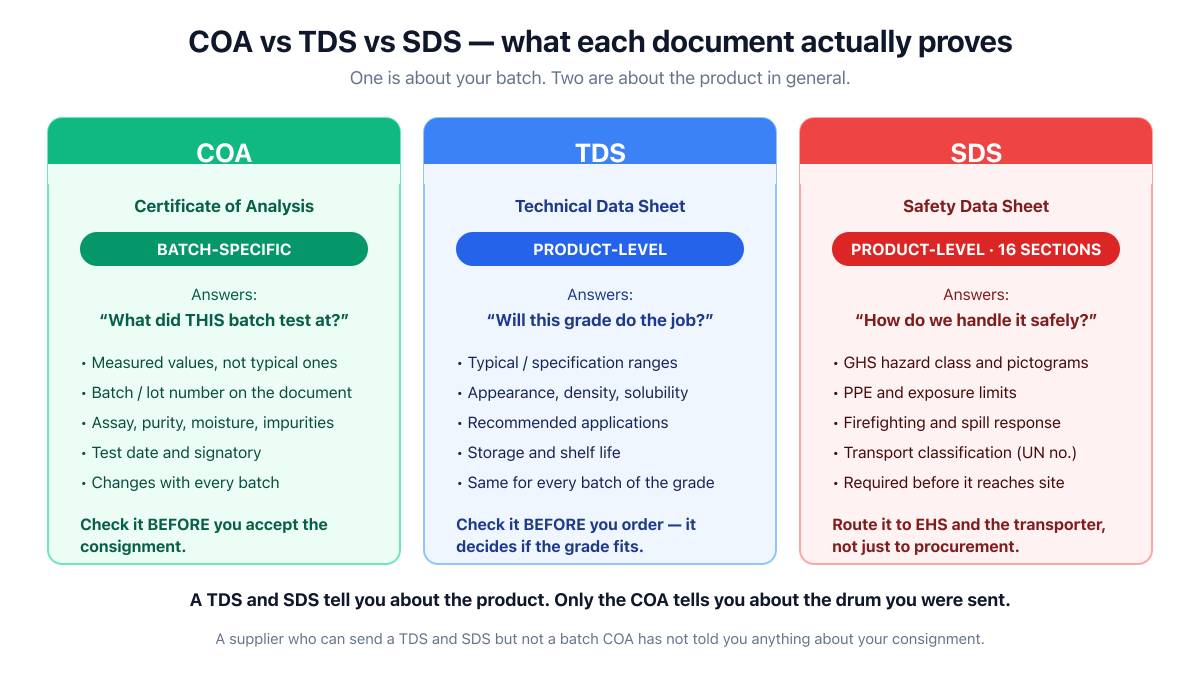
| Document | Main purpose | Buyer focus |
| COA | Reports results for a specific batch. | Actual batch results. |
| TDS | Describes technical product information. | Product characteristics and specification. |
| SDS | Provides safety information. | Hazards, handling, storage, and emergency measures. |
A TDS can help you understand the product before purchasing.
A COA can help you review the reported quality of the specific batch.
An SDS helps your team understand how the chemical should be handled and stored.
You can review the product’s technical parameters on the Phosphoric Acid Specifications page before comparing supplier documents.
Technical Note: A COA should be compared against the specification required by your application. A supplier’s standard document should not automatically become your purchasing specification.
Why Should Buyers Verify a Phosphoric Acid COA?
Phosphoric acid is used in different industrial processes.
The right specification can therefore vary according to the application.

Quality assurance technicians verifying Certificate of Analysis (COA) documentation and test results for a chemical batch in a laboratory setting.
A buyer using phosphoric acid for fertilizer or phosphate production may have different impurity requirements from a buyer using it in metal treatment or another chemical process.
This is why concentration alone is not enough.
This CAMACHEM video is useful for buyers starting a chemical sourcing process. It helps put document review into the wider context of finding and qualifying the right chemical supplier.
For example, 85% phosphoric acid describes concentration. It does not, by itself, define every impurity limit or application requirement.
The buyer needs to look at the complete specification.
Product Trust vs Supplier Trust
COA verification mainly helps with product trust.

HDPE plastic jerrycan and amber glass bottles featuring standard GHS hazard labeling for liquid phosphoric acid storage and laboratory handling
A supplier should therefore be evaluated on factors such as:
- Product specification.
- Batch documentation.
- Sample availability.
- Production capability.
- Packaging capability.
- Export experience.
- Delivery performance.
- Repeat-order consistency.
This is especially important for businesses that purchase phosphoric acid regularly.
For a broader view of supplier and procurement processes, buyers can review How We Work.
Step 1: Confirm the Product Name and Grade
Start with the basics.
Check whether the product identified on the COA matches the product in your purchase requirement.
Review:
- Product name.
- Chemical identity.
- Grade.
- Concentration.
- Product code, where applicable.
- Batch or lot number.
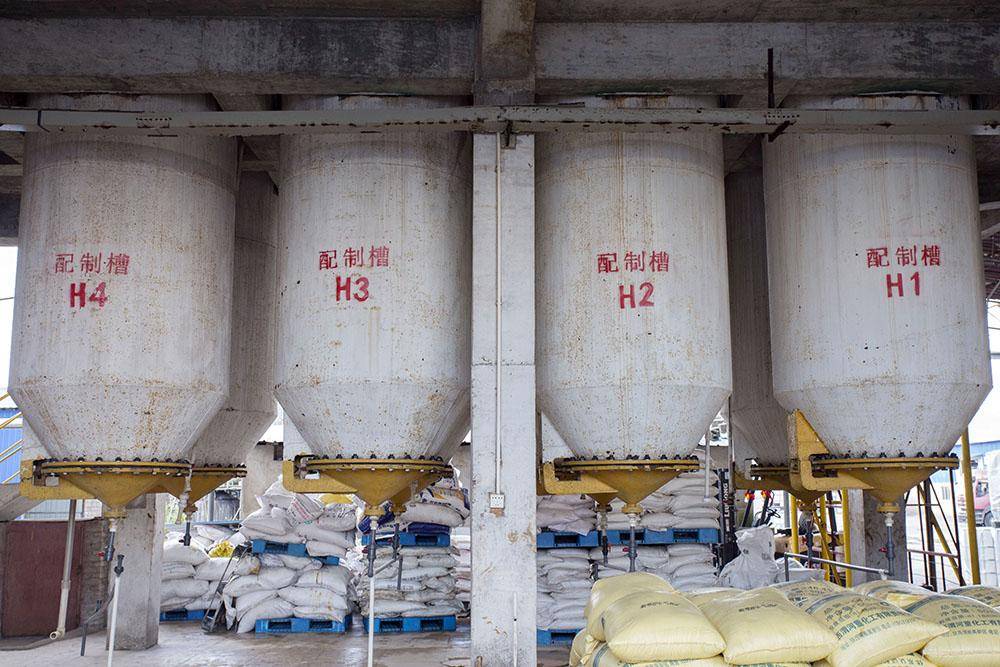
Industrial formulation and mixing hoppers used for controlled concentration batching and pilot sample production of phosphoric acid derivatives
The information should also be consistent with the supplier’s quotation and technical documentation.
Do not assume that two products are equivalent simply because they both contain phosphoric acid.
Different grades can have different impurity requirements and permitted applications.
Why Grade Matters
A concentration such as 85% tells you how much phosphoric acid is present.
It does not tell you the complete impurity profile.
For this reason, a buyer should avoid qualifying a product using concentration alone.
The intended application should be communicated before the final specification is agreed.
If you are comparing Industrial Grade Phosphoric Acid with another product type, check the complete specification rather than relying only on the concentration shown on the label.
Step 2: Check the Batch or Lot Number
A batch number connects the COA to a particular quantity of material.

Quality assurance testing of high-purity electronic-grade phosphoric acid in a cleanroom environment
Look for the batch or lot number on the document.
Then compare it with other available shipment information.
Depending on the transaction, you may be able to compare the batch number with:
- Product labels.
- Packing information.
- Supplier records.
- Sample identification.
- Shipment documentation.
The exact documents available can vary.
The important point is that the documentation should be internally consistent.
What If the COA Has No Batch Number?
Ask the supplier to clarify the document.
A generic product specification may be useful during initial product evaluation, but it should not automatically be treated as a batch-specific COA.
For a bulk shipment, the buyer should understand which document represents the actual batch being supplied.
Step 3: Check the H₃PO₄ Concentration
Concentration is usually one of the first values buyers check.

Chemical storage inspection ensuring proper spill containment and safety compliance for industrial liquid drums
If your purchasing specification requires a specific phosphoric acid concentration, compare that requirement directly with the reported COA result.
Do not compare the result with a general market assumption.
The correct benchmark is the specification agreed for your application.
For example:
Required concentration → COA result → Accepted range or limit → Pass or review.
This simple comparison can prevent confusion when several suppliers provide quotations for the same product.
Is 85% Phosphoric Acid Automatically Acceptable?
No.
85% phosphoric acid is a concentration description.
It does not automatically confirm that the material meets every technical requirement of your process.
The buyer should still review:
- Grade.
- H₃PO₄ concentration.
- P₂O₅, where relevant.
- Impurity limits.
- Appearance.
- Density, where relevant.
- Application-specific parameters.
A product can meet a concentration requirement and still fail another parameter that matters to the buyer.
Step 4: Check P₂O₅ and Other Technical Parameters
Depending on the specification, the COA may include P₂O₅ content.

Automated laboratory titration system used for precise assay testing and quality control of liquid chemical solutions
The buyer should first identify which technical parameters matter to the application.
Do not add every possible test to the purchasing specification without a reason.
Instead, establish the parameters that affect your process.
A practical review may include:
| Parameter | What the buyer should check |
| H₃PO₄ concentration | Compare with the agreed concentration. |
| P₂O₅ | Check the agreed value where applicable. |
| Appearance | Confirm the reported appearance matches the requirement. |
| Density | Review where it is relevant to the process. |
| Acidity or concentration | Confirm consistency with the agreed specification. |
| Other parameters | Include only those relevant to the application. |
The supplier and buyer should agree on the specification before the bulk order.
Technical Note: The COA should show results in clear units. If a unit, abbreviation, or test value is unclear, ask the supplier for clarification rather than making assumptions.
Step 5: Check the Impurity Results
Impurity limits can be important in phosphoric acid procurement.
The relevant parameters depend on the intended application.

On-site laboratory quality control testing and batch verification to ensure phosphoric acid meets specified purity standards before shipment
Common parameters that buyers may need to review include:
- Iron.
- Aluminum.
- Fluoride.
- Sulfate.
- Calcium.
- Magnesium.
- Heavy metals.
- Other trace impurities.
The goal is not simply to find the lowest possible number.
The goal is to determine whether the reported result meets your agreed requirement.
Example of a COA Check
Suppose your specification establishes a maximum acceptable level for iron.
The COA provides the reported iron result for the batch.
Your procurement team can then compare:
Agreed maximum → Reported COA result → Requirement met or not met.
Repeat the same process for other controlled parameters.
This creates a clear record for your procurement and quality teams.
Why Impurity Limits Should Be Application-Specific
Different industrial processes can have different tolerance levels.
A material that works for one process may not meet the requirements of another.
That is why a buyer should communicate the intended application before requesting a final quotation.
This gives suppliers a clearer technical requirement to quote against.
Need Help Sourcing Bulk Phosphoric Acid In 2026?
Need help reviewing a phosphoric acid specification or supplier document?
Get a Free Phosphoric Acid Specification Sheet for your application and compare the required parameters before placing a bulk order.
WhatsApp Us for Free a Consultation
Step 6: Compare the COA With the Agreed Specification
This is the most important part of COA verification.
Do not review the COA by itself.
Place it beside the technical specification you agreed with the supplier.
Then compare each important parameter.
| Parameter | Buyer requirement | COA result | Review |
| Product | Required grade | Reported product | Check. |
| Concentration | Agreed value or range | Batch result | Pass or review. |
| P₂O₅ | Agreed requirement | Batch result | Pass or review. |
| Iron | Maximum limit | Batch result | Pass or review. |
| Aluminum | Maximum limit | Batch result | Pass or review. |
| Fluoride | Maximum limit | Batch result | Pass or review. |
| Sulfate | Maximum limit | Batch result | Pass or review. |
| Calcium | Maximum limit | Batch result | Pass or review. |
| Magnesium | Maximum limit | Batch result | Pass or review. |
| Heavy metals | Application-specific limit | Batch result | Pass or review. |
| Appearance | Agreed requirement | Reported result | Pass or review. |
| Density | Where relevant | Reported result | Pass or review. |
This comparison makes supplier discussions more objective.
Instead of saying that a product “looks good,” the buyer can identify exactly which requirements are met.

Bulk liquid phosphoric acid tanker loading and transport setup, highlighting scalable industrial procurement and export logistics
It also makes it easier to document why a batch was approved or sent for further review.
For buyers who need more background on bulk procurement, the Industrial Buyer’s Guide to Bulk Phosphoric Acid provides additional purchasing context.
Step 7: Review the Test Information
Some COAs provide additional information about the testing process.
Depending on the supplier, this may include:
- Test date.
- Test method.
- Specification limit.
- Reported result.
- Quality-control approval.
- Authorized sign-off.

Clear glass reagent bottle containing 85% phosphoric acid solution displayed with CAS registry details and standard GHS hazard markings
The amount of information can vary.
If your purchasing requirement depends on a specific analytical method, ask the supplier to confirm the method used.
This is especially useful when results from two laboratories appear different.
A difference in test method can sometimes affect how results should be interpreted.
The buyer’s quality team should make the final technical decision when laboratory testing is required.
Step 8: Compare the COA With Your Sample Results
For a new supplier, a pre-bulk sample can be an important part of qualification.

Industrial phosphoric acid manufacturing plant and chemical processing facility in China
The basic process can be:
- Define the required specification.
- Request the supplier’s TDS and SDS.
- Request a sample where appropriate.
- Test the sample against your requirements.
- Review the supplier’s batch documentation.
- Confirm the agreed specification.
- Review the production-batch COA.
- Compare the COA with the approved specification.
- Resolve discrepancies before accepting the shipment where possible.
A sample is useful, but it does not guarantee that every future shipment will have identical results.
For recurring orders, buyers should monitor multiple shipments.
This creates a better picture of supplier consistency.
What If the Sample Passes but the COA Changes?
Do not ignore the difference.
Ask the supplier to explain why the production batch differs from the approved sample or agreed specification.
Your technical team can then determine whether the difference affects the intended application.
Step 9: Check the COA Against the Shipment
COA verification should continue when the product is ready for shipment.
Check whether the documentation corresponds to the material being supplied.
Depending on your transaction, review:
- Product name.
- Grade.
- Concentration.
- Batch number.
- Quantity.
- Packaging.
- Shipping documentation.
- Destination requirements.

Laboratory technician preparing chemical samples under a laminar flow hood for purity testing and quality control
The exact documentation required depends on the destination and transaction.
The buyer should also review the current SDS for site-specific storage and handling requirements.
Phosphoric acid is corrosive, so storage equipment, handling procedures, and compatible materials should be assessed using the current SDS and the buyer’s own facility requirements.
You can also review the site’s Application information when evaluating how phosphoric acid is used across industrial processes.
Decision-Maker Insight: A shipment should be approved against the purchasing requirement, not simply because the supplier has provided a COA. The document, product, batch, packaging, and agreed specification should tell the same story.
Step 10: Look for COA Warning Signs
A warning sign does not automatically mean a supplier is unreliable.
It means that further clarification may be needed.

Laboratory researcher performing precise liquid volumetric analysis and chemical reagent preparation
Look carefully when:
- The batch number is missing.
- The product name does not match the order.
- Concentration differs from the agreed requirement.
- Important impurity parameters are missing.
- Units are unclear.
- Values conflict with the specification.
- The COA conflicts with the TDS.
- The supplier cannot explain an unusual result.
- A generic specification is presented as a batch COA.
- Different documents contain inconsistent product information.
The right response is to investigate.
Ask the supplier for clarification and supporting documentation.
Do not change your own specification simply to make an unsuitable result appear acceptable.
Common Phosphoric Acid COA Verification Mistakes
Checking Only the Concentration
A buyer sees “85%” and assumes the material is suitable.
Concentration is only one part of the product specification.
Ignoring Impurity Limits
The buyer focuses on H₃PO₄ concentration but does not review the impurity profile.
This can create problems when the process has tighter limits for specific contaminants.
Accepting a Generic COA
A supplier may provide a standard document that does not clearly identify the production batch.
Ask whether the document is batch-specific.

Technical quality assurance testing and parameter verification to ensure phosphoric acid meets strict buyer purity specifications and industry standards
Reviewing the COA Too Late
COA review should be part of the procurement process.
It should not happen only after the shipment arrives.
Comparing Suppliers Only by Price
A lower quoted price may not represent the lowest procurement cost.
Product quality, testing, packaging, freight, documentation, and delivery performance can all affect the final cost.
Assuming One Good Shipment Proves Long-Term Reliability
A supplier’s performance should be monitored across repeat shipments when the requirement is ongoing.
For another perspective on supplier risks, see Phosphoric Acid Import Mistakes.
How Should Buyers Qualify a Phosphoric Acid Supplier?
COA verification is one part of supplier qualification.
A complete review should also consider whether the supplier can consistently meet your technical and commercial requirements.
Product Capability
Check whether the supplier can provide the required:
- Grade.
- Concentration.
- Impurity profile.
- Packaging.
- Quantity.
Documentation Capability
Confirm whether the supplier can provide the documents required for your procurement process.
These may include:
- COA.
- TDS.
- SDS.
- Product specification.
- Packaging information.
- Other destination-specific documents where required.
Production and Supply Capability
For recurring purchases, ask whether the supplier can support your expected order volume.
You should also consider production consistency and lead time.

Industrial warehouse technicians safely handling, palletizing, and preparing chemical drums for bulk phosphoric acid storage and export dispatch
Communication
A supplier should be able to answer reasonable questions about its product documentation.
Clear communication matters when a technical discrepancy appears.
Quality Consistency
Do not evaluate a long-term supplier using only one shipment.
Maintain records of COAs and review changes across multiple batches.
What Does a Strong Chemical Procurement Process Look Like?
A professional procurement process should connect product testing with supplier evaluation.
CAMAL’s published chemical sourcing material describes supplier identification and evaluation, specification matching, documentation review, packaging, production capability, export experience, and logistics as parts of the sourcing process.
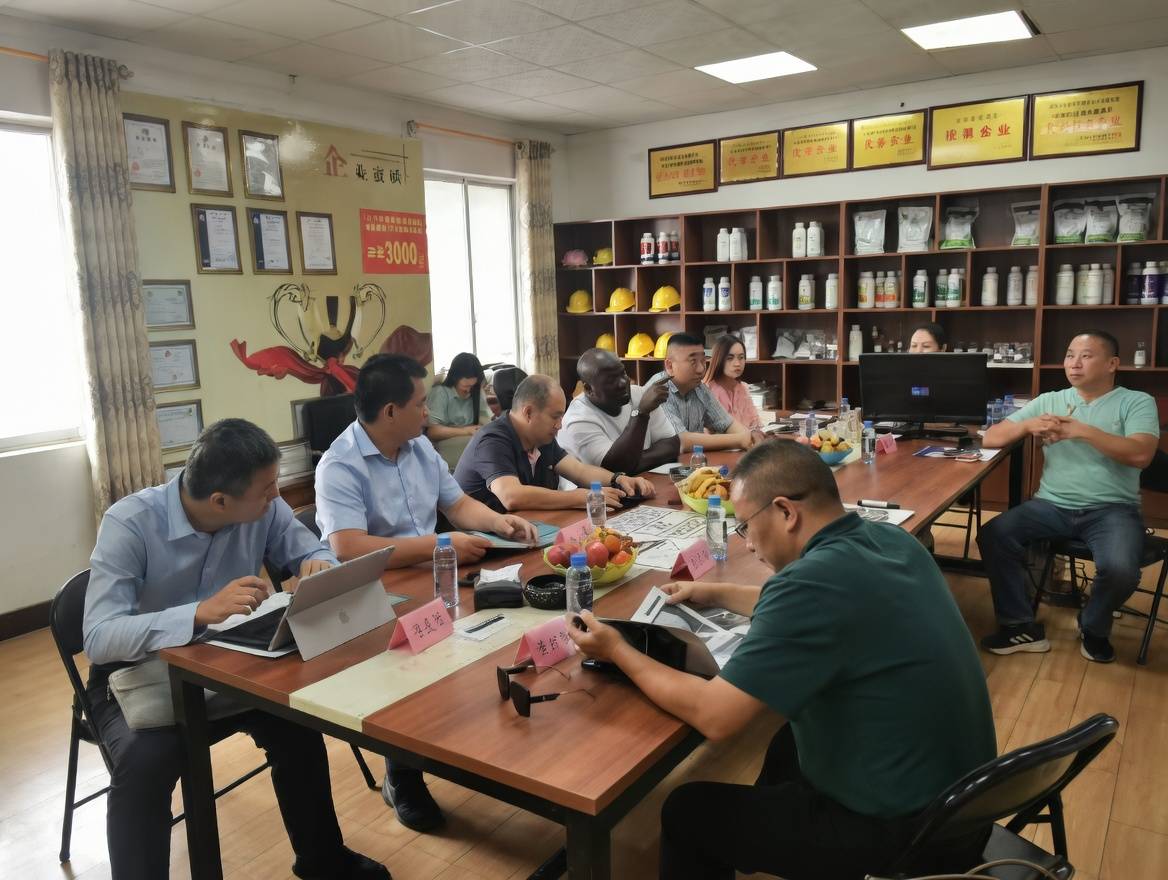
Camal Group team members and international business partners engaging in a corporate strategy and product discussion meeting
The broader CAMAL sourcing process also includes supplier verification and quality-control activities.
For chemical buyers, this matters because product documentation is only one part of supplier trust.
A Real CAMAL Chemical Sourcing Example
CAMAL’s published case studies include a European agro-processing client that needed mono dicalcium phosphate.
The client had previously sourced through a US trader using Chinese supply.
CAMAL helped identify a producer and supported sample testing in China and overseas before a trial order.
The client later continued purchasing directly from the producer.
This is not a phosphoric acid case study.
However, it demonstrates a useful procurement principle for chemical buyers: supplier selection can combine product requirements, sample testing, supplier evaluation, and actual purchasing performance.
You can review the company’s Success Stories for more examples of chemical sourcing and procurement work.
Technical Note: A successful sample does not establish permanent quality consistency. For recurring phosphoric acid purchases, compare COAs from multiple shipments and track important parameters over time.
How Can a Buyer Use COA Verification to Reduce Procurement Risk?
The most useful approach is to create a simple approval workflow.
Before Quotation
Define your:
- Application.
- Grade.
- Concentration.
- Impurity limits.
- Quantity.
- Packaging.
- Destination.
- Required documents.

Industrial chemical storage warehouse featuring organized mezzanine racking for bagged products and IBC totes ready for bulk shipment and distribution
During Supplier Qualification
Request the:
- TDS.
- SDS.
- Product specification.
- Sample, where appropriate.
- Supplier information.
Before Bulk Shipment
Review the:
- Batch-specific COA.
- Batch number.
- Concentration.
- Relevant impurity results.
- Other agreed parameters.
- Shipment information.
After Delivery
Keep records of:
- COA results.
- Laboratory test results, where applicable.
- Quantity received.
- Packaging condition.
- Delivery performance.
- Supplier communication.
This creates a procurement history that can support future supplier decisions.
Frequently Asked Questions About Phosphoric Acid COA Verification
What is a phosphoric acid COA?
A phosphoric acid COA is a Certificate of Analysis that reports quality test results for a particular batch or lot of phosphoric acid.
What should I check first on a phosphoric acid COA?
Start with the product name, grade, concentration, batch number, and agreed specification. Then compare the reported results with your purchasing requirements.
Is an 85% phosphoric acid COA enough to prove quality?
No. 85% describes concentration. Buyers should also check grade, impurity limits, P₂O₅ where relevant, physical properties, and application-specific requirements.
Which impurities should I check on a phosphoric acid COA?
Depending on the application, relevant parameters may include iron, aluminum, fluoride, sulfate, calcium, magnesium, heavy metals, and other trace impurities.
Should a phosphoric acid COA match the TDS?
The documents serve different purposes, but they should be consistent with the agreed product specification. The TDS describes technical information, while the COA reports results for a specific batch.
Can I request a COA before buying bulk phosphoric acid?
You can request available product and quality documentation during supplier qualification. A batch-specific COA is normally connected to the production batch being supplied.
Should I test a phosphoric acid sample before placing a bulk order?
For a new supplier, a sample can allow your technical team to evaluate the material before committing to a larger purchase.
What should I do if the COA does not match my specification?
Ask the supplier to explain the result and compare it with the agreed specification. If the material does not meet your requirements, resolve the discrepancy before accepting it where your procurement terms allow.
Does a COA prove that a phosphoric acid supplier is reliable?
No. A COA provides batch-level quality information. Supplier reliability also depends on production capability, documentation, packaging, delivery, communication, and consistency across repeat orders.
Conclusion
A phosphoric acid COA is an important tool for bulk chemical procurement. But the document should never be reviewed on its own. Start by confirming the product identity and batch information.
Then compare the H₃PO₄ concentration, P₂O₅ where relevant, impurity limits, physical properties, and other agreed parameters.

Camal Group representatives conducting an on-site quality inspection and facility audit at a chemical manufacturing factory
Next, compare the COA with the TDS, product specification, sample results, and shipment information.
If you are reviewing a phosphoric acid COA and want to discuss the required specification before a bulk order, contact the team with your product grade, concentration, quantity, and application.
WhatsApp Us for Free a Consultation
If something does not match, ask questions before accepting the material.
For recurring purchases, keep historical COAs and compare results across shipments.
This can help your procurement team identify changes in quality and assess supplier consistency.
The goal is not to find a COA that simply looks acceptable.
The goal is to confirm that the product, batch, specification, documentation, and supplier all align with your actual business requirement.
If you are sourcing phosphoric acid in bulk, define your technical requirements first and use the COA as one part of a structured supplier-qualification process.
Industrial Buyers: Next Steps for Sourcing Bulk Phosphoric Acid
What makes our Phosphoric Acid Better:
✅ Compliant with EU, UN, ISO Standards – No Legal Headaches
✅ Guaranteed 85% Purity – Stability for your Processing Plant
✅ Extremely Low Impurities – Low Heavy Metals
✅ Batch-Specific COA Provided – Full Transparency per Shipment.
Download Our EU-approved Specifications.[ Food Grade or Industrial Grade]