


If you import phosphoric acid, the HS code is one of the first details your customs broker will ask for. The international six-digit code commonly used for phosphoric acid is 2809.20, written without punctuation as 280920. At the World Customs Organization level, subheading 2809.20 covers “phosphoric acid and polyphosphoric acids.”
That code is a starting point, not always the complete import code. Many customs administrations add digits after the six-digit HS level. The final tariff number, duty rate, import taxes, permits, and documentary requirements depend on the destination country, product description, grade, composition, packaging, and intended use. This guide explains how buyers can use HS 280920 correctly and reduce avoidable customs delays.

Correct classification and complete documents help chemical shipments move through international ports with fewer avoidable delays.
What Does HS Code 280920 Mean?
The international six-digit level
The Harmonized System, or HS, is a global product classification framework used by customs authorities. It organizes goods into chapters, headings, and subheadings. Phosphoric acid sits in Chapter 28, which covers inorganic chemicals and related compounds. It falls under heading 2809, which covers diphosphorus pentoxide, phosphoric acid, and polyphosphoric acids, whether or not chemically defined.
The six-digit subheading is 2809.20: Phosphoric acid and polyphosphoric acids. This is why suppliers may list the product as HS Code 280920 on a specification sheet, quotation, or commercial invoice. Camachem’s industrial-grade specification page also lists CAS Number 7664-38-2 and HS Code 280920 for 85% phosphoric acid.
The WCO wording is important. The subheading is not written only for one concentration, one brand, or one packaging type. It describes the chemical category. A drum, IBC, or other approved transport package does not normally create a new HS code by itself.
Technical Note
HS 280920 identifies the chemical classification at the international six-digit level. It does not, by itself, confirm food-grade status, industrial-grade status, concentration, purity, packaging approval, or dangerous-goods transport requirements. Those details must be checked separately.
Why the code is sometimes written in different formats
You may see the same international subheading written as 2809.20, 280920, or as the first six digits of a longer national tariff number. The punctuation is only a display choice at the six-digit level. The meaning is generally the same, but the longer code is not automatically the same in every country.
For example, the United States may use an HTSUS number with additional digits after 2809.20. Canada, the European Union, India, Brazil, Australia, and other markets may also add national subdivisions or statistical suffixes. A buyer should never copy a supplier’s six-digit code into a customs entry without asking the broker or destination customs authority to confirm the local extension.
How Customs Authorities Use the Phosphoric Acid HS Code
Classification comes before duty calculation
Customs classification determines which tariff line is used for the shipment. That line can affect the applicable duty rate, statistical reporting, trade measures, origin rules, import controls, and document requirements. The HS code is therefore more than a number on an invoice. It is part of the legal description of the goods.
A U.S. Customs and Border Protection ruling classified a shipment of phosphoric acid with CAS 7664-38-2 from China under a longer U.S. HTSUS subheading beginning with 2809.20. The ruling is a useful example of how a country can extend the six-digit HS code. It also states that duty rates are subject to change, so buyers must check the current tariff schedule rather than rely on an old ruling or quotation.
The final national code may depend on product details
Before the broker confirms the final code, prepare a consistent product description. The following details are commonly useful:
- Chemical name: phosphoric acid, orthophosphoric acid, or phosphoric(V) acid.
- Chemical formula: H₃PO₄.
- CAS number: 7664-38-2, when it matches the product.
- Concentration or assay, such as 85% H₃PO₄.
- Whether the product is industrial grade, food grade, or another application-specific grade.
- Whether it contains additives, stabilizers, blends, or other substances.
- Physical form, such as liquid or a prepared mixture.
- Net weight, gross weight, package count, and package type.
- Country of origin and exporting country.
- Intended use, when the destination tariff schedule or authority asks for it.
A supplier’s COA and SDS can support this description, but they do not replace the importer’s responsibility to declare the product accurately.

A clear product identity and traceable supplier information make the classification review easier for the importer, broker, and customs authority.
Buyer Documents to Prepare Before Customs Clearance
Commercial invoice and packing list
The commercial invoice should use a precise chemical description. “Chemical product” is too vague for a reliable customs review. A clearer description could state: “Phosphoric acid, H₃PO₄, 85% concentration, CAS 7664-38-2, industrial grade, liquid, packed in 1,600 kg IBCs.” The exact wording must match the shipped product and the broker’s advice.
The invoice should also show the seller and buyer, invoice number and date, Incoterm, currency, unit price, total value, quantity, net and gross weight, package count, country of origin, and the proposed HS code. The packing list should reconcile with the invoice. Differences in package count or weight can trigger questions even when the chemical classification is correct.
Certificate of Analysis and Safety Data Sheet
A batch-specific Certificate of Analysis, or CoA, helps show what was actually shipped. For 85% industrial-grade phosphoric acid, a specification may include H₃PO₄ content and impurity limits such as sulphate, chloride, iron, arsenic, and heavy metals. The CoA should identify the batch and test results, not only repeat a general product brochure.
The SDS supports safe handling, storage, emergency response, and transport review. It should be current and consistent with the product name, concentration, classification, and supplier identity. If the invoice says food grade but the SDS and CoA describe industrial grade, stop and resolve the mismatch before shipment.
Transport and dangerous-goods documents
Phosphoric acid is a corrosive chemical for transport purposes in relevant shipping situations. The carrier, forwarder, and dangerous-goods specialist should confirm the applicable UN number, packing instruction, marks, labels, container approval, and mode-specific rules. The packaging article on this site notes UN 1805 as the UN number used for phosphoric acid in its transport guidance, but the shipping party must confirm the current requirement for the actual shipment.
Customs classification and dangerous-goods classification are related but not identical. HS 280920 is a customs product code. A UN number is a transport safety identifier. One does not replace the other.
Decision-Maker Insight
A low quoted price can disappear if a shipment is held because the invoice, CoA, SDS, package marks, and customs entry do not agree. Before comparing suppliers, ask whether each supplier can provide a complete, batch-specific document set that matches the physical cargo.

Batch control and document consistency give buyers evidence that the declared product matches the shipment.
HS 280920, Grade, and Intended Use: What Buyers Must Not Confuse
Industrial grade and food grade are not interchangeable terms
Industrial-grade and food-grade phosphoric acid can both be sold at approximately 85% concentration. Concentration alone does not decide the grade. The distinction may involve impurity limits, production controls, hygiene controls, permitted use, customer specifications, and supporting documentation.
For example, a buyer supplying beverages or food processing may need food-grade phosphoric acid and documentation that supports the intended use. A metal-treatment, fertilizer, water-treatment, or industrial-cleaning operation may require industrial grade with its own technical limits. The right question is not simply “Is it 85%?” It is “Does this specific grade meet the specification and legal requirements for my application and market?”
Camachem describes its industrial-grade product as H₃PO₄ 85% with CAS 7664-38-2 and lists packaging options including 35 kg drums, larger drums, and 1,600 kg or 1,650 kg IBC drums. Buyers should confirm the exact package and net weight before calculating freight, duty, storage, or unloading requirements.
HS classification does not prove regulatory compliance
A correct HS code does not prove that the product can be imported for every use. Depending on the destination and application, the importer may also need chemical registration, food-ingredient compliance, labeling, environmental declarations, import permits, or other approvals. European buyers should separately assess applicable REACH obligations. Food and beverage buyers should separately assess the rules that apply to food additives and the finished product.
Verify certification claims by requesting the actual certificate, checking the issuing body and dates, and matching the legal name and address to the invoice. For a first order, consider a sample or pre-shipment review before committing to a full container.
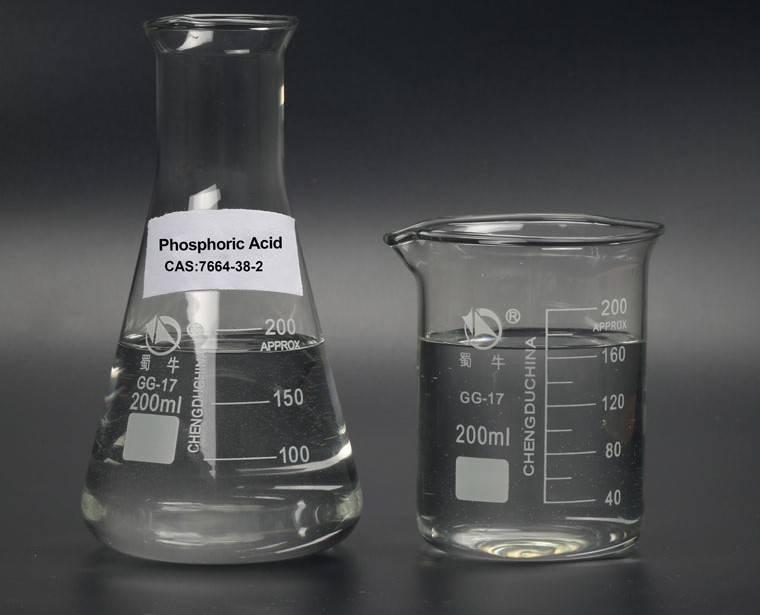
Product appearance supports a visual check, but laboratory results and the batch-specific CoA remain the stronger evidence for customs and quality review.
A Practical Customs Checklist for Importers
Before you request a quotation
Start with the destination country and intended use. Ask the broker whether the local tariff schedule distinguishes fertilizer-grade, food-grade, industrial, or other forms under the national extension of 2809.20. Then ask suppliers for a quotation that uses the same product description.
Need help confirming the destination tariff extension and required documents?
WhatsApp Us for Free a Consultation
Confirm these points before comparing offers:
- Chemical name, formula, and CAS number.
- Concentration and grade.
- Package type and quantity per container.
- Origin country and port of loading.
- Incoterm and what it includes.
- Current CoA and SDS availability.
- Destination-specific registration or permit requirements.
- Whether the proposed code is only the six-digit HS level or a complete national tariff number.
Before the cargo is loaded
Review the final invoice, packing list, CoA, SDS, labels, and transport documents together. The product name, concentration, grade, batch number, package count, and weights should agree. Ask for package and label photos if this is your first shipment or a new supplier.
Choose packaging that fits your unloading system. Camachem lists 35 kg drums, 2,330 kg drums, 1,600 kg IBC drums, and 1,650 kg IBC drums on its industrial specification page. Drums may suit smaller operations. IBCs can reduce handling for medium-volume users. ISO tanks may suit buyers with the right receiving equipment and volume.

A clear process overview helps technical buyers connect the declared product with the supplier’s manufacturing and quality-control steps.
At arrival and after clearance
Keep the customs entry, commercial documents, CoA, SDS, inspection records, and receiving records together by batch. Check the seal, labels, package condition, and quantity before moving the product into storage. For a new supplier, compare the received batch with the agreed specification and record any variance before use.
| Buyer checkpoint | What to verify | Why it matters |
|---|---|---|
| HS level | 2809.20 / 280920 at the international six-digit level | Common starting point for classification. |
| National extension | Full tariff number in the destination market | Determines the local tariff line and controls. |
| Product identity | H₃PO₄, CAS 7664-38-2, concentration, grade, form | Separates the product from salts, blends, and other chemicals. |
| Documents | Invoice, packing list, CoA, SDS, transport papers | Helps declared information match the cargo. |
| Packaging | Drums, IBCs, ISO tanks, marks, weights | Affects handling, transport, and entry data. |
| Regulatory fit | Chemical, food, environmental, and use-specific rules | HS classification alone does not authorize every import or use. |
Need Help Sourcing Bulk Phosphoric Acid In 2026?
Get a free specification sheet and a document checklist for your phosphoric acid import plan.
WhatsApp Us for Free a Consultation
How to Reduce HS Code and Clearance Risk
Use one product description across the transaction
The safest workflow is to use the same core description in the quotation, purchase order, commercial invoice, packing list, CoA, SDS, booking request, and customs instructions. If the product is “phosphoric acid, 85%, industrial grade,” do not shorten it to “acid” on the invoice or call it “food grade” in a separate document unless that is the actual product.
Ask for a broker review when the product is not simple
HS 280920 is a strong starting point for phosphoric acid, but a broker should review products that are blended, formulated, packaged for retail sale, mixed with additives, or supplied for a specialized use. WCO Chapter 28 notes that products dissolved in water or another solvent may remain within Chapter 28 in certain circumstances, while other presentation or use factors can affect classification. The facts of the product matter.
Check the tariff schedule close to shipment
Tariff schedules and trade measures can change. A historical customs ruling can explain classification logic, but it is not a guarantee of today’s duty rate in every country. Ask the destination broker to confirm the current national code and rate before the shipment is booked. Also ask whether preferential origin, anti-dumping measures, sanctions, quotas, or special pay to the origin and product.

A factory visit or documented supplier review can strengthen before a first bulk import.
See How Bulk Phosphoric Acid Is Loaded for Export
Want to understand how export-ready phosphoric acid is handled before shipment? This short video shows container loading in China and gives buyers a practical view of the logistics process.

A final document review before loading can prevent a small description error from becoming a costly port delay.
Frequently Asked Questions
Is 280920 the complete customs code for phosphoric acid?
It is the commonly used six-digit HS subheading, written as 2809.20 or 280920. Many countries add national digits. The importer or customs broker should confirm the complete local tariff number.
Does HS 280920 apply to 85% phosphoric acid?
It is commonly used as the six-digit starting point for phosphoric acid, including 85% products, but the final national classification depends on the destination schedule and the exact product. Concentration does not remove the need for a local review.
Is HS 280920 the same as UN 1805?
No. HS 280920 is a customs classification. UN 1805 is a transport identifier used for phosphoric acid in relevant dangerous-goods shipments. Customs, transport, and workplace safety rules use different identifiers for different purposes.
Does the HS code show whether the product is food grade?
No. The code identifies a chemical category. Food-grade status depends on the product specification, impurity controls, production conditions, documentation, and rules for the intended food application.
What documents should I request from a supplier?
Request a commercial invoice, packing list, batch-specific CoA, current SDS, product specification, package and label details, and any certificates or registrations required for your market. For a first order, also consider a sample, factory verification, or pre-shipment inspection.
Can the same HS code be used for drums and IBCs?
The package type normally does not change the international six-digit chemical subheading. However, packaging affects transport rules, net and gross weights, marks, and the longer national tariff classification where applicable. Confirm the full entry with the broker.
Should I use the supplier’s HS code without checking it?
Use the supplier’s code as a starting reference, not as a substitute for destination-country advice. Give the broker the complete product description and supporting documents so the final tariff line is based on the goods actually being imported.
Conclusion: Treat 280920 as a Starting Point, Not the Whole Customs Answer
For phosphoric acid buyers, HS 280920 is the correct international six-digit starting point in many ordinary cases. It connects the product to HS subheading 2809.20, “phosphoric acid and polyphosphoric acids.” The complete customs answer requires more: the destination country’s tariff extension, the exact chemical identity, concentration, grade, packaging, origin, intended use, and current import rules.
The best way to avoid delays is to align the invoice, packing list, CoA, SDS, labels, transport documents, and broker instructions before loading. A transparent supplier should be able to provide consistent product information and batch documentation. If you are planning a bulk order, ask for the specification sheet and document set early, then let your customs broker confirm the final local code and duty treatment.
Contact our team for a bulk-order document check before loading.
WhatsApp Us for Free a Consultation
Industrial Buyers: Next Steps for Sourcing Bulk Phosphoric Acid
What makes our Phosphoric Acid Better:
✅ Compliant with EU, UN, ISO Standards – No Legal Headaches
✅ Guaranteed 85% Purity – Stability for your Processing Plant
✅ Extremely Low Impurities – Low Heavy Metals
✅ Batch-Specific COA Provided – Full Transparency per Shipment.
Download Our EU-approved Specifications.[ Food Grade or Industrial Grade]