


Choosing a Phosphoric Acid Supplier from China should never be based on a low quotation alone. A reliable supplier must prove its legal identity, product concentration, grade suitability, quality controls, export capability, and ability to repeat the same result across shipments.
This matters because 85% phosphoric acid is not one universal product. Industrial grade and food grade may have a similar headline concentration, yet they can require different impurity limits, intended uses, and supporting documents. A supplier that cannot explain this difference clearly is not ready for a serious bulk order.
If this is your first direct purchase, start with the Industrial Buyer’s Guide to Bulk Phosphoric Acid. It gives useful context before you compare supplier documents, samples, and commercial terms.
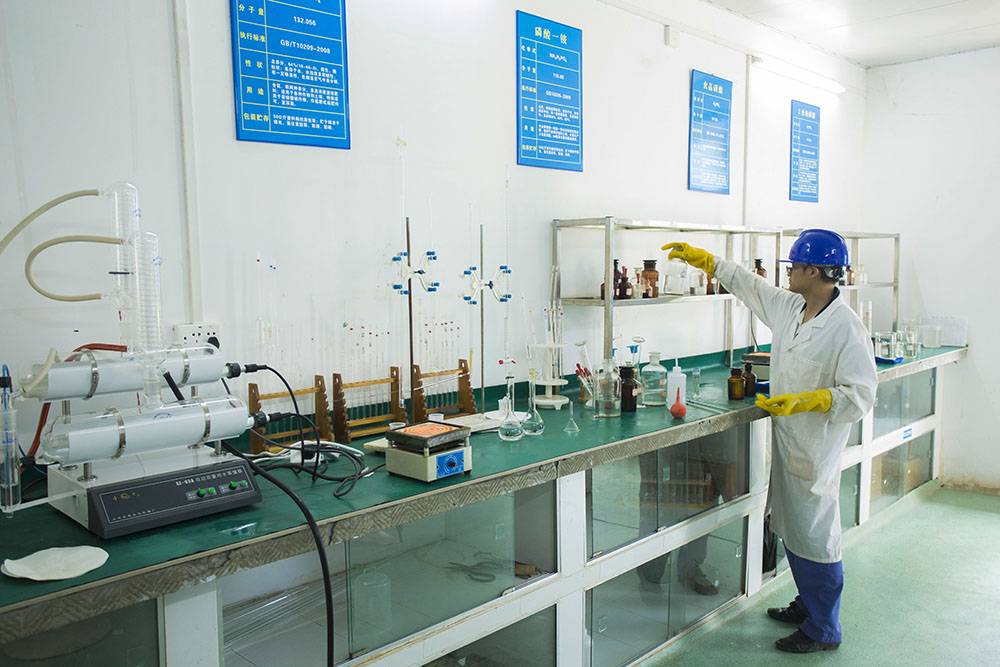
A practical supplier review starts with product evidence, not a price sheet.
What a Reliable Phosphoric Acid Supplier Should Prove
A trustworthy supplier should make verification easy. It should provide consistent company information, a clear technical specification, a recent batch-specific COA, an SDS, packaging details, and a realistic export plan. These documents should describe the same seller, product, grade, and shipment.
Start by asking for the supplier’s registered Chinese company name, unified social credit code, business licence, factory or warehouse address, and the name of the legal representative. Do not rely only on an English trading name. New Zealand Trade and Enterprise advises overseas buyers to confirm the legal Chinese name and check the company through China’s National Enterprise Credit Information Publicity System.
Manufacturer, Trading Company, or Both?
A trading company is not automatically a bad choice. It may offer useful export support, packaging access, or a wider product range. The risk appears when the seller hides the actual producer or cannot explain who controls testing and release decisions.
The questions in our guide to phosphoric acid suppliers in China can help you structure this first conversation before deciding what evidence to request.
Ask the supplier to state clearly whether it is:
- The manufacturer of the phosphoric acid.
- An authorised export or sales company.
- A trader buying from an unnamed third party.
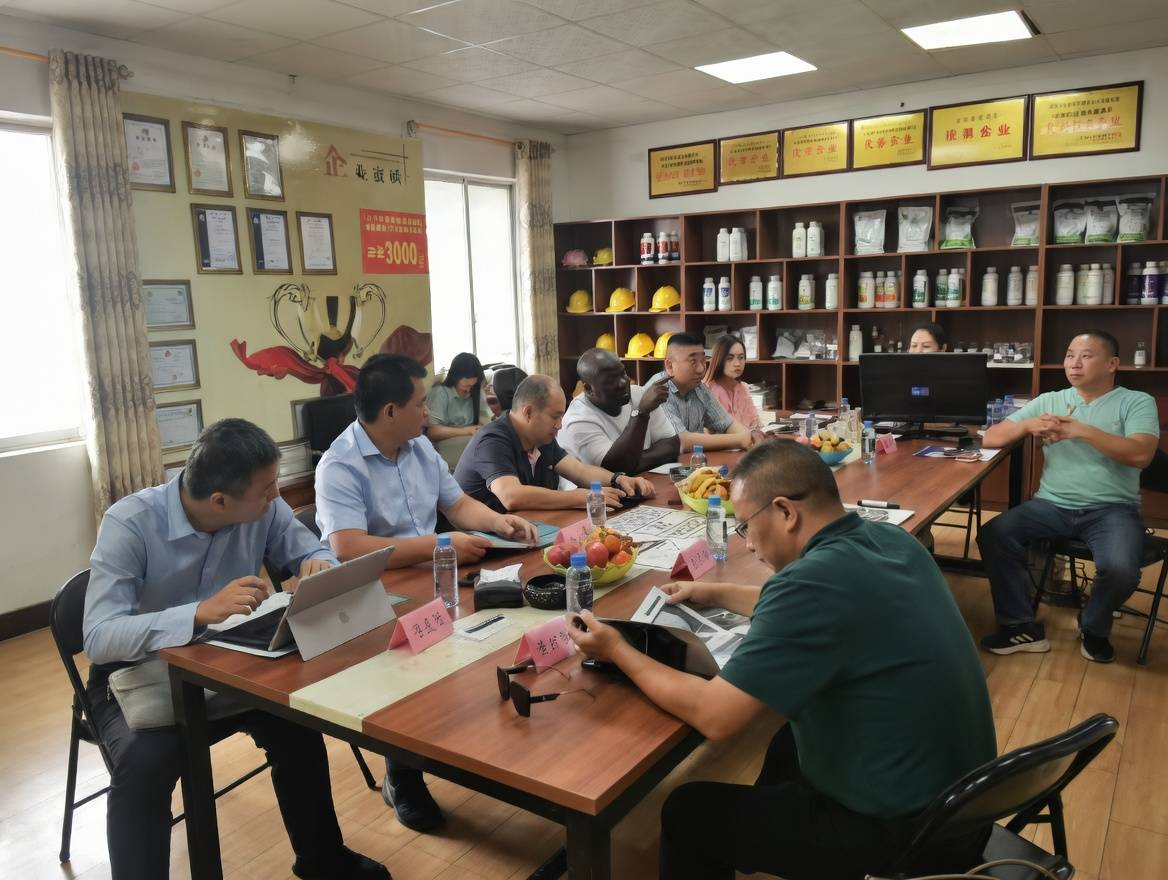
A factory visit can help buyers connect the supplier’s documents with a real operating site.
Then compare the legal entity on the quotation, contract, invoice, COA, SDS, bank account, and shipping documents. Names that change between documents deserve a written explanation before payment.
Decision-Maker Insight: Supplier verification is a business continuity check. A small price difference is less important than avoiding a rejected container, a production stop, or a dispute over who is responsible for the product.
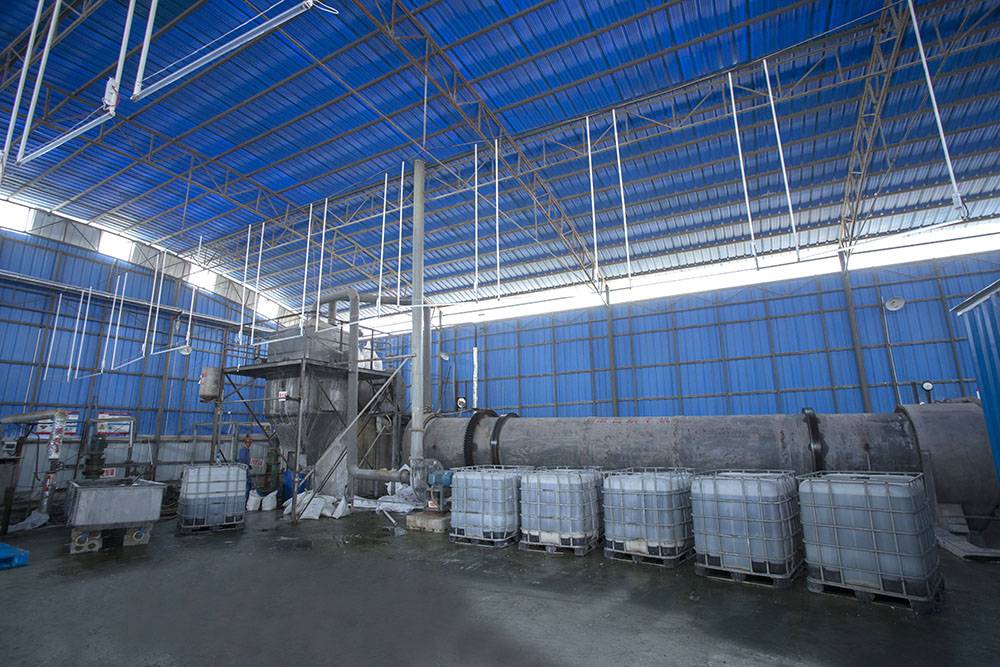
A real facility, a consistent legal entity, and clear responsibility reduce first-order risk.
Check the Chinese Company Record
Use the supplier’s Chinese legal name or unified social credit code to compare its public record. Check the registered address, business scope, legal representative, registered status, and any abnormal-operation or serious-credit records. The official National Enterprise Credit Information Publicity System is operated by China’s State Administration for Market Regulation.
A company record does not prove product quality. It does, however, help you detect basic mismatches. For example, a supplier may claim to be a chemical manufacturer while its registered business scope and address provide no clear connection to chemical production or trade.
For a large or strategic contract, consider an independent Chinese due-diligence provider. This is especially useful when the supplier is new, requests full prepayment, refuses a factory call, or uses several unrelated bank-account names.
Verify Product Grade, Concentration, and Specification
The next step is to define what you are buying. A quotation that says “phosphoric acid 85%” is not a complete specification. Your purchase document should identify the chemical, CAS number, grade, concentration range, impurity limits, packaging, test method, and required documents.
Phosphoric acid is commonly identified by CAS 7664-38-2 and EC number 231-633-2. ECHA lists orthophosphoric acid under these identifiers and notes that hazard communication depends on the applicable classification and product details.
Industrial Grade and Food Grade Are Not Interchangeable
Industrial grade may suit fertilizer production, metal treatment, water treatment, chemical manufacturing, or industrial cleaning. Food-grade material requires a specification and documentation package suitable for its intended food use. A similar concentration does not make the two grades interchangeable.
For a clearer product comparison, see food grade versus industrial grade phosphoric acid.
Buyers using metal treatment, fertilizer, or water-treatment systems should also confirm the intended use before finalising their acceptance criteria.
Ask the supplier to confirm:
- The exact grade and intended application.
- The H₃PO₄ concentration and acceptance range.
- Limits for sulfate, chloride, iron, arsenic, and heavy metals.
- The applicable national, customer, or application standard.
- Whether the COA is issued for the actual batch.
- Which compliance documents apply to your destination market.
The supplier’s own specification page may show a useful industrial reference. For example, the published industrial specification for 85% phosphoric acid lists H₃PO₄ content at not less than 85.0%, with limits for sulfate, chloride, iron, arsenic, and heavy metals. Treat such a page as a starting point, then confirm the limits in the signed quotation and contract.
Technical Note: Concentration integrity should be checked against the agreed test method. Density, appearance, and a supplier COA can support a review, but they do not replace a suitable laboratory test when the application is sensitive to concentration or impurities.

Laboratory controls help connect the written specification to the product in the container.
Ask for a Sample Before a Bulk Order
A pre-shipment sample is one of the simplest ways to reduce uncertainty. Request a representative sample, often around 500 g to 1 kg or another quantity suitable for your test method. Keep the sample label, seal, lot reference, and shipping record.
Test the sample against the same specification you will use for the bulk shipment. If the sample passes but the supplier refuses to link the bulk order to a batch or release procedure, the verification is incomplete.
If you need help matching a sample request to the product type, our overview of the main types of phosphoric acid for industrial use is a useful starting point.
You can also ask our team to review the grade, concentration, packaging, and sample quantity you need before you commit to a container.
WhatsApp Us for Free a Consultation
Audit COA, SDS, and Certification Claims
A certificate is useful only when it is relevant, current, and connected to the product and legal entity. Do not treat a logo on a PDF as proof by itself.
Review the Batch-Specific COA
A strong COA normally includes the product name, lot or batch number, production date, test date, specification limits, actual results, test methods, and an authorised signatory. Compare the COA with the sample label and the proposed shipping documents.
Watch for warning signs such as identical results across many batches, missing test methods, no batch number, unclear units, or a document issued by a different company. These signs do not prove fraud, but they justify deeper checks.
Review the SDS and Regulatory Documents
The SDS should match the product concentration and grade. It should contain hazard information, handling guidance, storage advice, transport information, and emergency measures. ECHA notes that orthophosphoric acid is associated with severe skin burns and eye damage under the harmonised EU classification. Therefore, a supplier that treats the SDS as a generic form is not showing adequate technical discipline.
If you sell or import into the European Economic Area, ask how the supplier supports REACH obligations for your transaction. Confirm who is the manufacturer, importer, or Only Representative where relevant. Do not accept “REACH certified” as a complete answer without asking for the scope and supporting evidence.
The same rule applies to ISO, SGS, BV, and other claims. Ask for the certificate number, issuing body, validity period, certified legal entity, and scope. A management-system certificate is not the same as a product test report.
Use our checklist for REACH and ISO verification to separate meaningful evidence from broad compliance claims.

Process control matters because stable dosing depends on consistent product properties.
Confirm Factory Capability and Supply Reliability
A supplier can pass a document review and still fail on delivery. Before a large order, check whether its operation can handle your monthly demand, packaging format, loading plan, and destination requirements.
Review Capacity Without Accepting Vague Claims
Ask for a practical supply plan rather than a large annual capacity number. The plan should state the expected monthly volume, production or sourcing route, packaging options, lead time, loading port, and contingency plan.
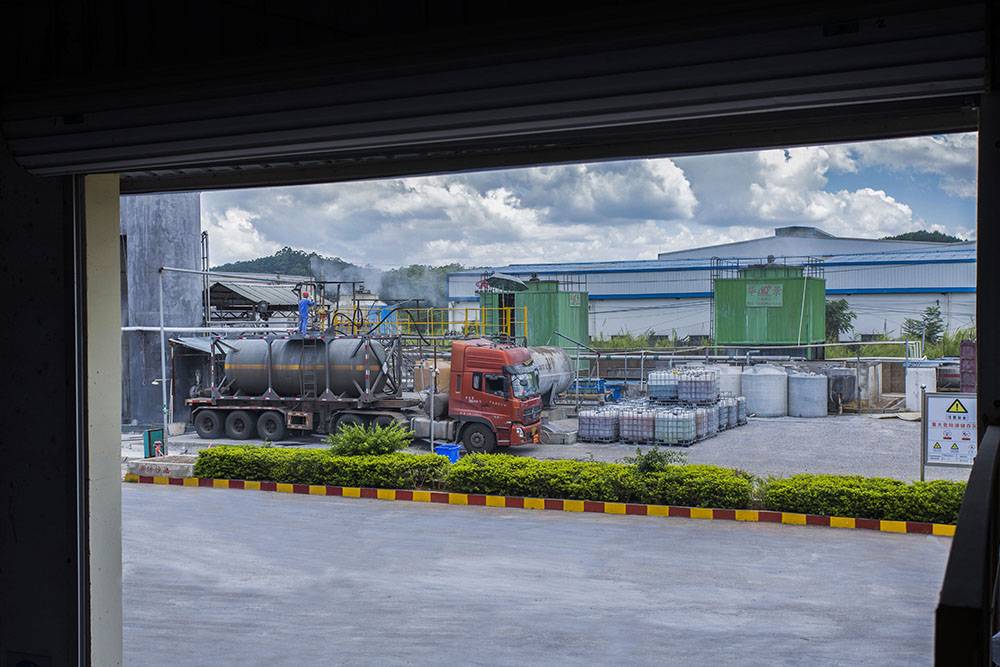
A clear loading plan supports reliable delivery and easier receiving at the buyer’s site.
For bulk phosphoric acid, common packaging options may include 35 kg drums, larger drums, and 1,600 kg or 1,650 kg IBCs. Confirm the net weight per container, number of units, pallet method, container type, and compatibility with your receiving equipment.
Check the Export Process
Ask who prepares the commercial invoice, packing list, SDS, certificate of analysis, certificate of origin if needed, and dangerous-goods documents. Confirm whether the seller can provide photos or a short live video during filling and loading. For a strategic order, a factory visit or third-party inspection can provide stronger evidence than marketing material.

Export capability includes a clear loading plan, complete shipping documents, and reliable shipment coordination.
Before you book an inspection, give the supplier your required batch and packaging checks. The bulk phosphoric acid packaging guide can help you specify drums or IBCs correctly before loading.
If you want to discuss a factory visit, loading evidence, or a pre-shipment inspection plan, send our team the destination country and your expected monthly volume.
WhatsApp Us for Free a Consultation
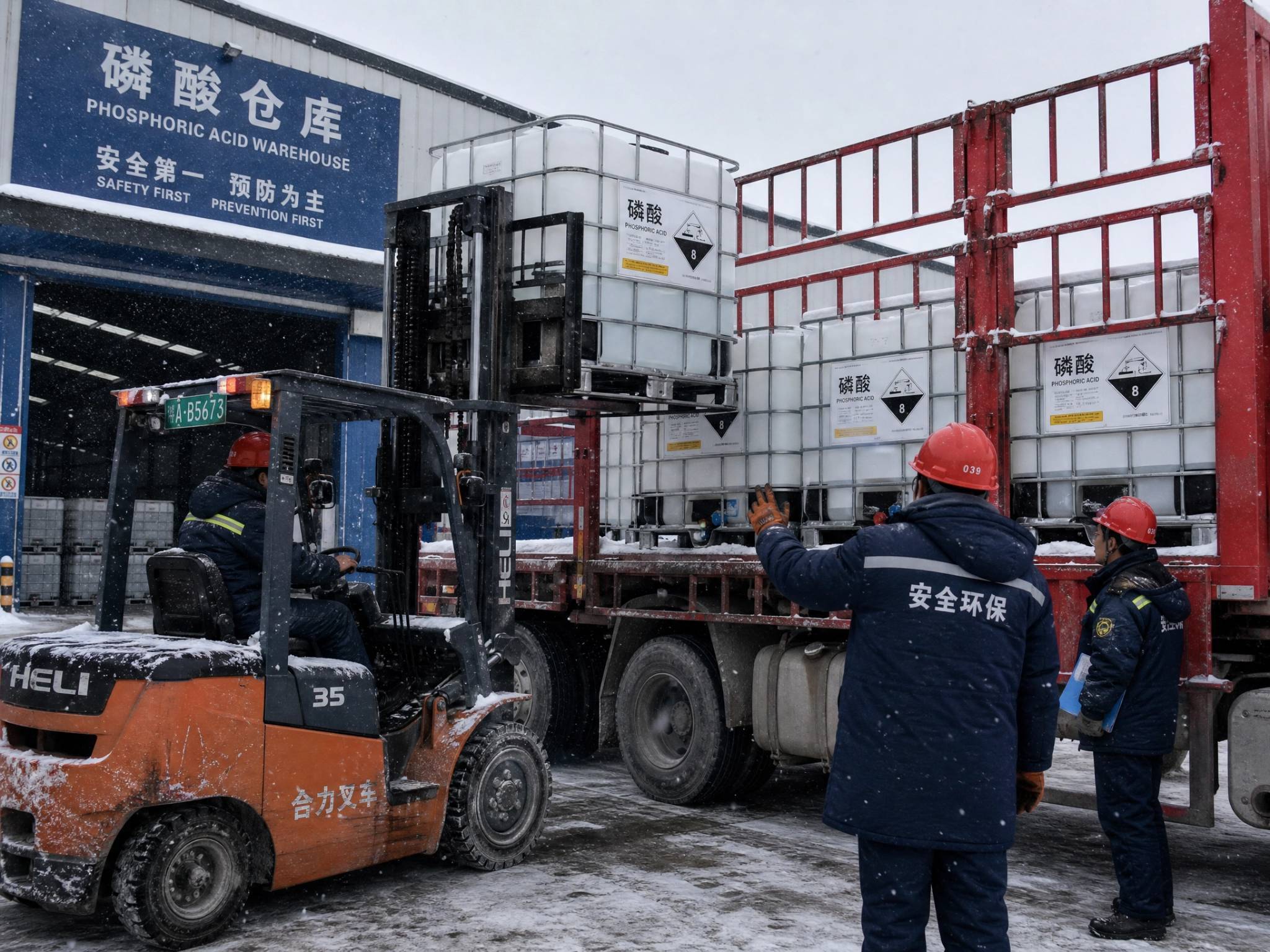
Packaging and loading checks connect the promised specification to the shipment you receive.
Use a Formal Vetting Sequence Before Payment
A repeatable process makes supplier comparisons fair. It also prevents a persuasive sales call from replacing evidence.
Learn from the mistakes first-time importers make so an incomplete specification does not become a costly first-order problem.
- Define the buying specification. State grade, concentration, impurity limits, application, packaging, monthly volume, destination, and required documents.
- Confirm the legal seller. Match the Chinese company name, credit code, licence, business scope, address, quotation, contract, and bank details.
- Request technical evidence. Review the specification, sample, SDS, recent COA, test methods, and relevant certificates.
- Test the sample independently. Use a qualified laboratory or your own approved quality process.
- Verify the operation. Hold a video call, review the plant or warehouse, and confirm the loading process.
- Place a controlled first order. Use clear inspection terms, batch requirements, packaging details, and payment milestones.
- Review the first shipment. Compare the received product and documents with the signed specification before scaling the account.
After each step, record the evidence and unresolved questions. A supplier that answers slowly but provides complete documents may be safer than one that promises immediate delivery without proof.

Export coordination is part of supplier reliability, not a separate afterthought.
Comparison Table: What to Check Before Selecting a Supplier
| Vetting area | Evidence to request | Why it matters | Red flag |
| Legal identity | Chinese business licence and unified social credit code | Confirms the contracting entity | English name only |
| Product identity | CAS, grade, concentration, and application | Prevents grade or product mismatch | “85% acid” with
no grade |
| Quality control | Batch COA with methods and actual results | Links quality claims to a shipment | Reused or incomplete COA |
| Safety and compliance | SDS, transport data, REACH support where relevant | Supports safe import and market access | Generic or outdated SDS |
| Physical operation | Factory or warehouse video, address, inspection option | Tests whether the operation is real | Refusal to show facility |
| Packaging | Drum or IBC details, net weight, loading plan | Prevents receiving and handling problems | Unclear container count |
| Commercial control | Contract, inspection terms, payment milestones | Defines remedies if quality fails | Full prepayment with no controls |
| Supply continuity | Monthly capacity and lead-time plan | Protects production planning | “Unlimited supply” claim |
The best Phosphoric Acid Supplier is not the one with the most impressive brochure. It is the one whose legal, technical, physical, and commercial evidence remains consistent from first enquiry to final shipment.
Need Help Sourcing Bulk Phosphoric Acid In 2026?
Contact our team for a specification review, sample discussion, and quotation based on your application and monthly volume.
WhatsApp Us for Free a Consultation
Want to see how bulk phosphoric acid is prepared for export? This short video shows container loading in China and gives buyers a practical view of the logistics process.
Frequently Asked Questions
How can I verify a Chinese phosphoric acid supplier?
Request the legal Chinese company name and unified social credit code. Check the company record through NECIPS, then match the result with the licence, quotation, contract, bank account, factory address, and quality documents. For a major purchase, add an independent inspection or local due-diligence review.
What documents should a phosphoric acid supplier provide?
At minimum, request a product specification, SDS, batch-specific COA, packaging details, invoice information, and relevant transport or export documents. Depending on the destination and application, you may also need food-grade evidence, REACH support, certificate of origin, or third-party inspection records.
Is 85% industrial phosphoric acid the same as 85% food-grade phosphoric acid?
No. The concentration can be similar, but the grade, impurity controls, permitted use, and documentation can differ. Select the grade from your application and market requirements, not from concentration alone.
Should I test a sample before ordering a container?
Yes. A sample test is a sensible control for a new supplier. Use the same acceptance criteria that will apply to the bulk order, and link the approved sample to a written batch and specification requirement.
How do I check whether a COA is genuine?
Review the batch number, production date, test date, units, test methods, actual results, signatory, and issuing entity. Compare the COA with the sample label and shipping documents. If the results look copied or the document names another company, request clarification or independent testing.
If the product itself raises concerns, review these warning signs of low-purity phosphoric acid before releasing the balance payment.
What should I check in a phosphoric acid quotation?
Check grade, concentration, impurity limits, packaging, net weight, Incoterm, loading port, lead time, validity, payment terms, inspection rights, and documents included. Also confirm that the quotation entity is the same company that will sign the contract and receive payment.
For a focused review of supporting documents, use the guide to three supplier certifications alongside the contract requirements.
Can a trading company be a suitable phosphoric acid supplier?
Yes, if it discloses the producer, controls documentation, accepts sample testing, and provides clear contractual responsibility. The key issue is transparency. A trader that hides the source or changes legal entities between documents creates avoidable risk.
Conclusion: Evidence Is the Best Supplier Filter
Vetting a phosphoric acid supplier from China is a structured business check. Start with the legal entity, then verify the grade and concentration, test a sample, audit the COA and SDS, inspect the physical operation, and define delivery controls before payment.
This process does not need to be slow. It needs to be consistent. When one supplier can connect its company record, product data, laboratory results, packaging, and export documents, you have a stronger basis for a safe first order and a dependable long-term supply relationship.
When you are ready to compare proven options, our review of Chinese phosphoric acid suppliers for bulk orders can support the next stage of your shortlist.
Industrial Buyers: Next Steps for Sourcing Bulk Phosphoric Acid
What makes our Phosphoric Acid Better:
✅ Compliant with EU, UN, ISO Standards – No Legal Headaches
✅ Guaranteed 85% Purity – Stability for your Processing Plant
✅ Extremely Low Impurities – Low Heavy Metals
✅ Batch-Specific COA Provided – Full Transparency per Shipment.
Download Our EU-approved Specifications.[ Food Grade or Industrial Grade]