


Phosphoric acid usage in Turkey is closely linked to phosphate fertilizer production, industrial processing, food applications, and chemical manufacturing. Buyers can review Camachem phosphoric acid supply as one possible sourcing route. Buyers sourcing bulk material must decide more than the concentration. They must confirm the right grade, impurity limits, documents, package, import route, and receiving controls for Turkey.
Turkey recorded 688,949 tonnes of phosphorus consumption on a P₂O₅ basis in 2025. Its HS 280920 imports were worth US$237.7 million in 2024. These figures show market relevance, not one buyer’s requirement.
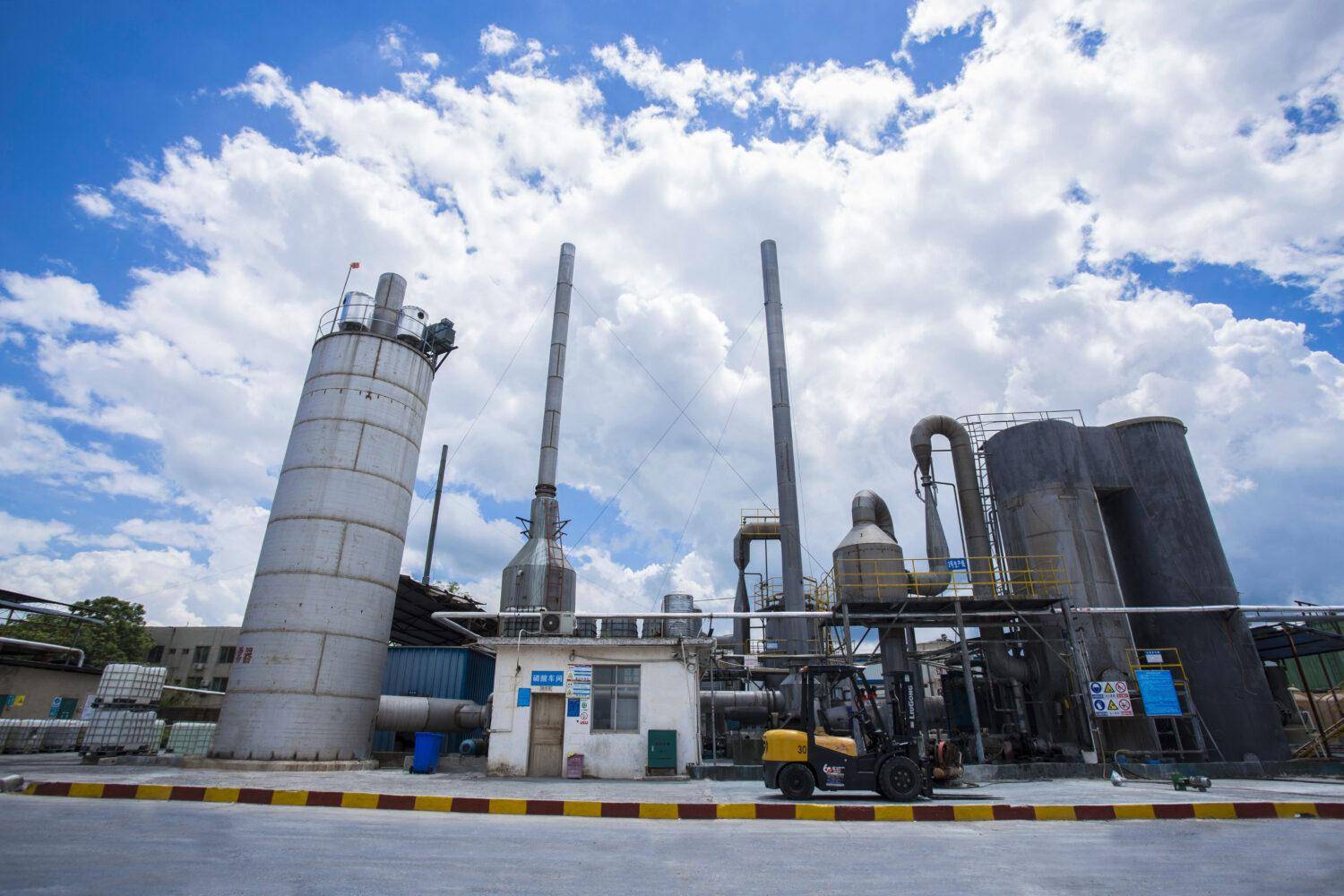
A facility view helps buyers separate a verified production source from an anonymous trading name.
How Does Phosphoric Acid Usage in Turkey Shape Buyer Decisions?
Turkey’s fertilizer market provides the clearest country-level context. The Ministry of Agriculture and Forestry recorded 6,546,693 tonnes of chemical fertilizer consumption in 2025. DAP consumption was 549,410 tonnes, and MAP consumption was 29,050 tonnes.
Phosphoric acid is a feedstock or process input, not DAP or MAP. Required quantity depends on process balance, concentration, yield, and final product specification.
Fertilizer and phosphate processing
Fertilizer producers may use phosphoric acid in phosphate fertilizer production or blending. A Turkish plant page describes wet-process acid and concentrated acid use in DAP manufacturing.

Turkey’s agricultural landscape gives fertilizer buyers a practical context for phosphate-input planning.
Before requesting a quote, define the product stream:
- DAP, MAP, or another compound fertilizer.
- A continuous plant or batch production line.
- Required P₂O₅ balance and acid concentration.
- Seasonal demand, annual offtake, and storage capacity.
- Acceptance checks for every incoming batch.
Food and beverage applications
Food-use phosphoric acid requires a food-grade specification and a permitted-use review. Turkey’s 2023 Food Additives Regulation sets rules for permitted additives, conditions of use, purity criteria, and labeling.A buyer must check the exact food category and current Annex II or Annex III entry before using phosphoric acid as E338.
An 85% concentration does not automatically make acid food grade. Request the full specification, impurity profile, food-use documents, and batch COA. Review food-grade phosphoric acid as a reference, then match it to the Turkish compliance file.

Food-use phosphoric acid decisions must connect the production environment with grade and documentation checks.
Metal treatment, cleaning, and water systems
Industrial phosphoric acid may be used for metal surface preparation, rust and scale removal, process pH adjustment, and industrial water systems. These uses depend on concentration, contamination limits, material compatibility, dosing equipment, and waste controls.
For metal or water treatment, the key question is which impurities and process limits the system can accept. Review industrial-grade phosphoric acid as a starting point.

Pumping and dosing equipment must match the acid specification, storage plan, and receiving-site controls.
Technical Note:P₂O₅ is a nutrient reporting basis used in fertilizer statistics. It is not the same as tonnes of phosphoric acid. Convert the market or process requirement only after confirming concentration, yield, and the final product balance.

Process context helps buyers connect acid concentration and feedstock decisions to the downstream fertilizer route.
Which Grade and Specification Fit the Turkish Application?
Industrial and food-grade phosphoric acid may both be sold at approximately 85% concentration. That does not make them interchangeable. Grade selection depends on the intended use, impurity limits, permitted applications, traceability, and supporting documents.
Concentration is only the starting point
A buyer should place these items in the RFQ:
- H₃PO₄ concentration and test method.
- Sulfate, chloride, iron, arsenic, and heavy-metal limits where relevant.
- Appearance, color, density, and physical form.
- Food-use or industrial-use status.
- COA, SDS, TDS, and batch traceability.
- Required language, labels, and destination documents.
Camachem’s published industrial page gives a reference specification with H₃PO₄ content of at least 85%, plus impurity limits. Confirm the current product document before using those values in a purchase order.
Match the specification to the process
Fertilizer buyers may focus on concentration, P₂O₅ balance, contamination, and supply. Food buyers need permitted use, purity, traceability, and labeling. Metal-treatment buyers may need bath and waste controls.
Send the intended use and acceptance limits before comparing prices.

Batch evidence is more useful than a general purity statement when a buyer qualifies a new supplier.
What Do Turkey’s Import and Logistics Data Mean for Buyers?
WITS trade data reports Turkey’s 2024 gross HS 280920 imports at US$237.694 million. Buyers comparing origins can also review phosphoric acid success stories as supplier-discussion context, not market proof. The leading reported partners were Morocco, Jordan, Tunisia, China, and Lebanon. Morocco accounted for the largest reported share by value, but this trade code covers phosphoric acid and polyphosphoric acids together.
The data do not prove concentration, grade, end use, manufacturer, or supplier reliability. Use them as a screening signal for origin concentration and route planning, not as a supplier ranking.

Temperature planning matters when a shipment may face cold storage or transit conditions.
Customs questions before shipment
Turkey’s Ministry of Trade advises importers to establish the exact customs tariff statistical position before checking taxes, permits, restrictions, quotas, and documents.Before booking, ask the customs broker to confirm:
- The exact Turkish GTIP classification.
- The intended use and any product-specific control.
- Commercial invoice, packing list, transport document, and origin requirements.
- Whether an analysis, inspection, control, or conformity document is required.
- Who will file the customs and product-compliance documents.
Dangerous-goods and receiving checks
Phosphoric acid solution may fall under UN 1805, Class 8, Packing Group III, depending on the actual product and shipment configuration.Turkey’s transport regulator manages ADR-aligned dangerous-goods procedures, including vehicle, tank, packaging, inspection, and conformity matters.
Align the current SDS with the carrier, package or tank, route, and unloading plan. Drums, IBCs, and tanks need different receiving controls. Never approve a shipment from the HS code alone.
Planning an import into Turkey? Share your destination port, package format, SDS, and expected volume so the document and logistics route can be reviewed.
WhatsApp Us for Free a Consultation
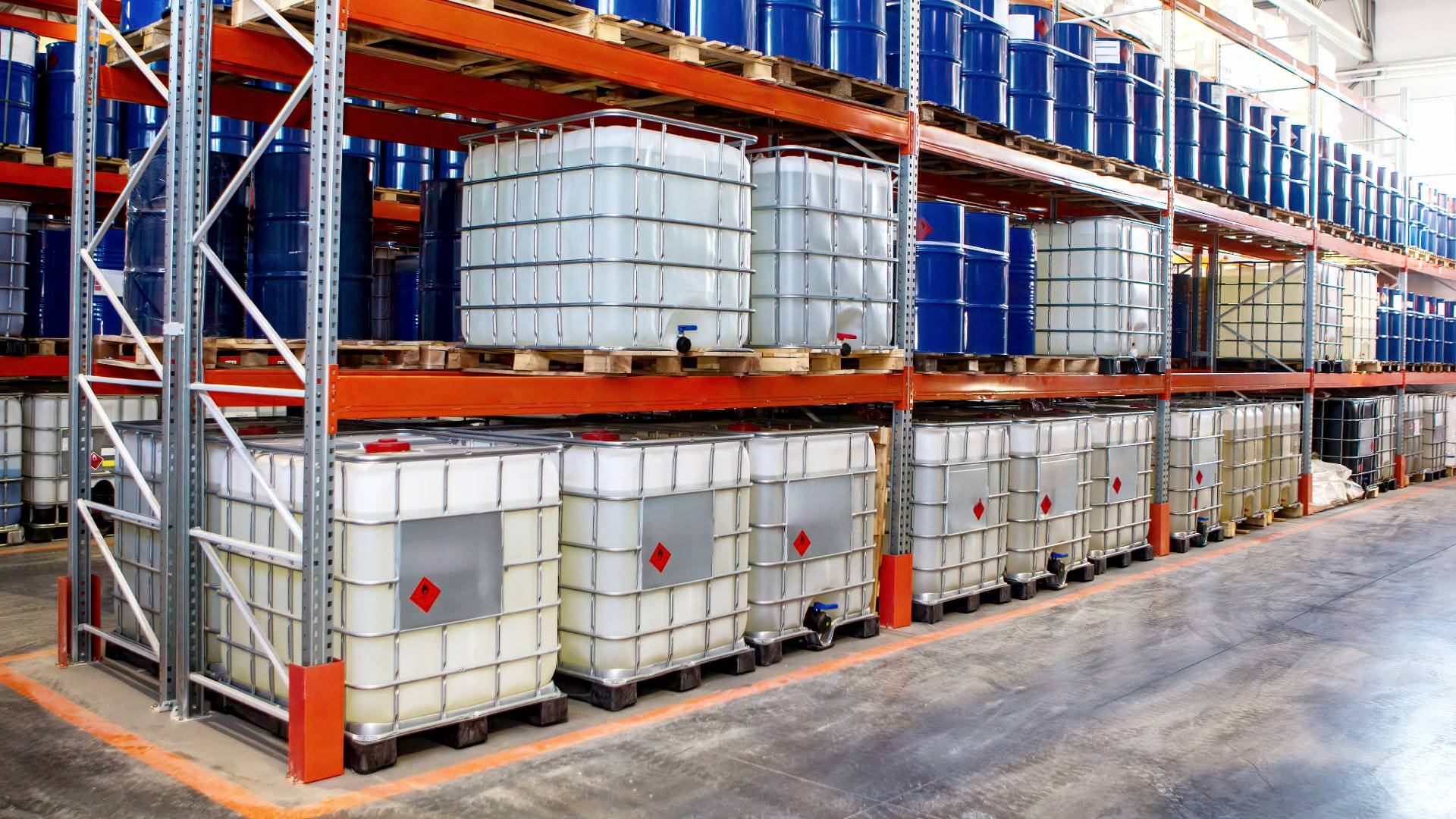
Packaging should be selected with the receiving site, transfer equipment, storage space, and transport controls in mind.
How Should a Turkish Buyer Compare Bulk Supply Options?
A useful quotation comparison includes more than unit price. Use this table before selecting a supplier.
| Buyer requirement | What to verify | Why it matters |
| Intended use | Fertilizer, food, metal, or water | Sets grade and document needs |
| Concentration | H₃PO₄ assay and tolerance | Protects dosing and process balance |
| Specification | Relevant impurities and physical limits | Prevents a mismatch |
| Evidence | TDS, SDS, and batch COA | Connects the offer to a batch |
| Package | Drums, IBCs, or tank and net weight | Must fit the receiving site |
| Import route | GTIP, origin, Incoterm, port, and documents | Controls clearance risk |
| Continuity | Monthly volume and change control | Reduces repeat-supply risk |
Use the bulk buying guide for a broader framework. Confirm current packaging, lead time, stock, and destination documents for the Turkish order.
Need Help Sourcing Bulk Phosphoric Acid In 2026?
For 50 or more metric tons per month, send the application, grade, concentration, package, destination port, and required COA or SDS. This supports a useful quote.
WhatsApp Us for Free a Consultation

Export planning should connect the agreed product, packaging, documents, carrier, and Turkish receiving site.
How Can Buyers Qualify a Phosphoric Acid Supplier?
Before a first bulk order:
- Confirm the legal company, production source, and contact.
- Request the current specification, SDS, TDS, and batch COA.
- Compare documents with the Turkish use and limits.
- Agree a sample or pre-bulk test plan where needed.
- Verify packaging, loading evidence, transport, customs, and compliance responsibilities.
- Put concentration, impurity limits, documents, rejection terms, and change reporting in writing.
Use the Camachem About page and contact page for supplier discussions. Request current product documents for the transaction.
Comparing suppliers for a recurring Turkish order? Send your monthly volume, application, grade, package, and destination so we can compare the right specification.
WhatsApp Us for Free a Consultation
This video supports a container-loading discussion.
FAQ: Phosphoric Acid Usage in Turkey
What is phosphoric acid mainly used for in Turkey?
The clearest evidence points to phosphate fertilizer production. Industrial, food, metal, water, and chemical uses need their own grade review.
Does Turkey’s P₂O₅ consumption equal phosphoric acid demand?
No. P₂O₅ is a nutrient basis, not an acid quantity. Use the process balance, concentration, yield, and final product data.
Is 85% phosphoric acid automatically food grade?
No. Food use requires the relevant purity, permitted-use, labeling, and document checks for the Turkish applicati
Need food-grade phosphoric acid for a Turkish food or beverage process? Send your target food category, concentration, purity limits, and required documents for a focused review.
WhatsApp Us for Free a Consultation
What documents should a Turkish buyer request?
Request the current TDS, SDS, batch COA, invoice data, packing list, origin information, and any product-specific declarations.
What is HS 280920 used for?
HS 280920 covers phosphoric acid and polyphosphoric acids. It screens trade flows, but does not identify grade, use, manufacturer, or supplier legitimacy.
Which packaging is suitable for Turkey?
It depends on volume, unloading equipment, storage, route, and site controls. Evaluate drums, IBCs, or tanks against the current SDS and receiving plan.
Who checks Turkish import and KKDIK obligations?
The Turkish importer should confirm current obligations with its customs broker and a qualified local adviser. Do not rely on an old note or general supplier statement.
How should I compare two phosphoric acid quotations?
Compare concentration, impurities, grade, package, net weight, origin, Incoterm, delivery point, documents, validity, and acceptance terms. Compare total risk, not only unit price.
Conclusion: Choose the Verified Route, Not the Concentration Alone
Phosphoric acid usage in Turkey matters because fertilizer and industrial applications create recurring demand. Statistics provide context, but not a product-specific review.
A reliable Turkish sourcing decision connects the intended application to the correct grade, full specification, batch evidence, package, customs classification, transport plan, and repeat-supply process. That is the standard to use when comparing domestic and imported offers.
Industrial Buyers: Next Steps for Sourcing Bulk Phosphoric Acid
What makes our Phosphoric Acid Better:
✅ Compliant with EU, UN, ISO Standards – No Legal Headaches
✅ Guaranteed 85% Purity – Stability for your Processing Plant
✅ Extremely Low Impurities – Low Heavy Metals
✅ Batch-Specific COA Provided – Full Transparency per Shipment.
Download Our EU-approved Specifications.[ Food Grade or Industrial Grade]