


Spain uses phosphoric acid in agriculture, food processing, water treatment, and industrial maintenance. For a buyer, however, “85% phosphoric acid” is not a complete purchasing specification. The grade, impurity profile, documents, packaging, and delivery plan must fit the final use.
Spain is also part of the European Union single market. That means Spanish buyers must consider EU rules as well as local storage, workplace, waste, and transport duties. A reliable supply plan therefore starts with application fit and ends with verified documents, not with a price alone.
The Camachem phosphoric acid specifications help buyers start with a defined grade instead of an incomplete product name.
Introduction: What This Spain Profile Covers
This guide explains the main phosphoric acid usage in Spain and the buying points that matter to industrial customers importing from China.
In this profile, you will learn:
- How fertilizer and agriculture create demand.
- Where food-grade and industrial-grade acid fit.
- What Spanish buyers should check before import.
- How packaging, ports, and delivery affect the order.
- How Camachem can support a safer bulk purchase.
For a broader view of product fit, review the Camachem phosphoric acid applications before selecting a grade.
Phosphoric Acid Usage in Spain: Main Applications
Fertilizer and agriculture
Fertilizer is the largest strategic use of phosphoric acid in Spain. Phosphorus supports crop growth, root development, and yield stability. Acid can be used as an intermediate in phosphate fertilizer production or in formulations that supply phosphorus to crops.
This demand matters because Spain has a large and varied agricultural base. Farms and fertilizer producers serve cereals, vegetables, fruit, vineyards, and other crops. Demand can change with planting cycles, energy costs, crop prices, and fertilizer availability.
The European Commission reports that the EU imports about 70% of its phosphatic fertilizers. It also describes fertilizers as a strategic input for agricultural production. For Spanish buyers, this makes supplier diversification and shipment planning important, especially before seasonal demand rises. EU fertilizer supply information
Buyers who also serve food or beverage customers should keep the food-grade option separate from fertilizer-grade purchasing and documentation.
| Decision-Maker Insight: A delayed acid shipment can affect a fertilizer production schedule, customer delivery promise, or planting-season contract. The lowest quoted price is not the lowest business cost if the product arrives late or fails incoming inspection. |
|---|

Spain’s industrial buyers need a clear plan for product quality, compliance, and delivery before placing a bulk order.
Food and beverage production
Food-grade phosphoric acid is used as acidity regulator E338 in permitted food categories. It may support acidity control, flavor balance, and processing functions, depending on the food and the formulation. The permitted level is not universal. It depends on the food category and the applicable EU conditions of use.
The EU additive framework lists E338 as phosphoric acid. It also sets category-specific conditions and maximum levels. Therefore, a Spanish food manufacturer should not approve a product only because the label says “food grade.” The buyer should match the supplier’s specification and certificate of analysis to the intended food application. EU food-additive legislation
For food production, request:
- A food-grade specification sheet.
- A batch-specific COA.
- Heavy-metal and impurity information.
- SDS and label information for the delivered concentration.
- Documents that support the buyer’s own food-safety system.
You can also review the available phosphoric acid specifications before asking for a quotation.

Food and beverage buyers need evidence that the acid fits both the recipe and the required safety controls.
Water treatment and industrial processing
Phosphoric acid can be used in water-treatment and industrial systems where controlled acidity, phosphate chemistry, or surface preparation is needed. The exact use depends on the process design. A technical buyer should confirm compatibility with pumps, dosing equipment, pipe materials, seals, and other chemicals already in the plant.
In metal treatment, phosphoric acid is used for cleaning, rust removal, and surface preparation. It can help convert or remove iron oxides before coating or painting. Concentration, contact time, temperature, rinsing, and the required final surface condition all affect performance.
The right grade is therefore a process decision. A product that works for a general industrial cleaning step may not be acceptable for a food-contact process or a tightly controlled formulation.
The industrial-grade product page is a useful starting point for treatment, water, and process applications.

Dosing equipment and process conditions should be checked against the selected phosphoric acid concentration.
Industrial Grade vs. Food Grade for Spanish Buyers
Both industrial and food-grade phosphoric acid may be sold at approximately 85% concentration. Concentration alone does not define suitability. The key differences are the impurity limits, intended use, documentation, and compliance expectations.
| Buying factor | Industrial grade | Food grade / E338 use |
|---|---|---|
| Typical application | Fertilizer, metal treatment, water treatment, industrial processing. | Food and beverage formulations where E338 is permitted. |
| Main approval question | Does it meet the plant’s process specification? | Does it meet the food application and EU additive requirements? |
| Key evidence | COA, SDS, concentration, impurities, packaging, and batch consistency. | Food-grade specification, COA, impurity limits, traceability, and application review. |
| Common mistake | Treating a low price as proof of equivalent performance. | Treating “85%” as proof that the product is suitable for food use. |
| Technical Note: Ask for the exact product specification before asking for a quotation. Include concentration range, impurity limits, packaging, sample quantity, and the intended application. This gives the supplier a measurable requirement and makes incoming inspection easier. |
|---|
For more detail, compare food-grade phosphoric acid with industrial-grade phosphoric acid before approving a shipment.
EU Compliance and Import Checks
If phosphoric acid is placed on the EU market as part of an EU fertilising product, the product must meet the applicable requirements of Regulation (EU) 2019/1009. The regulation covers product function categories, component materials, and labelling. It also requires products made available under the regulation to comply with its requirements. Regulation (EU) 2019/1009
A Spanish buyer should first establish whether it is purchasing a chemical intermediate, a raw material for its own formulation, or a finished EU fertilising product. The compliance path can differ. Do not assume that a supplier’s general ISO certificate proves that the imported material is compliant for every downstream use.
WhatsApp Us for Free a Consultation
Chemical documentation
For an industrial chemical import, request a current SDS, product label information, transport classification, correct HS code, and batch COA. Also confirm the importer’s obligations under EU chemicals rules, including REACH and CLP where applicable to the product and supply chain.
The supplier should provide consistent information across the quotation, SDS, COA, label, and shipping documents. Differences in concentration, classification, product name, or packaging weight should be resolved before loading.
For a second review of supplier documentation, compare the specification sheet with the sample and the final batch COA.
Buyers who want to understand Camachem’s broader product and company background can visit the Camachem phosphoric acid homepage.
Food-use controls
Food manufacturers should verify the additive’s permitted use for the exact food category. They should also check internal supplier approval, traceability, allergen controls where relevant to the site, and any customer-specific requirements.

Laboratory testing and quality inspection of bulk chemical samples prior to shipment.
Buying from China: What Spanish Importers Should Verify
China remains a major source of industrial chemicals and phosphoric acid. Camachem’s sourcing information identifies Shandong as a major chemical-producing province, while Jiangsu has export-oriented chemical parks and established logistics links. Depending on the factory location and shipment plan, Qingdao, Shanghai, Ningbo-Zhoushan, or Lianyungang may be considered.
Before a first order, verify:
1. Manufacturer identity. Check the company’s registered name and business scope through China’s National Enterprise Credit Information Publicity System.
2. Production capability. Ask for a factory video, production details, and a live or third-party inspection option.
3. Sample quality. Test a pre-shipment sample against the agreed specification.
4. Batch documents. Match the COA to the lot, concentration, and packaging shown on the commercial documents.
5. Packaging integrity. Confirm drum or IBC type, closures, palletization, labels, and protection against leakage.
6. Shipping readiness. Confirm dangerous-goods documentation, container loading, port routing, and the agreed Incoterm.
The phosphoric acid buying guide provides a broader checklist for bulk orders. Spanish importers can also review Camachem’s about page to understand the company and its product focus.
Camachem Experience: Verification Before Bulk Supply
For a first order, a buyer benefits from a clear verification trail. Camachem’s product pages present a direct path from specification review to sample discussion, factory questions, and shipment planning. That does not remove the buyer’s own legal duties, but it makes the approval process easier to document.
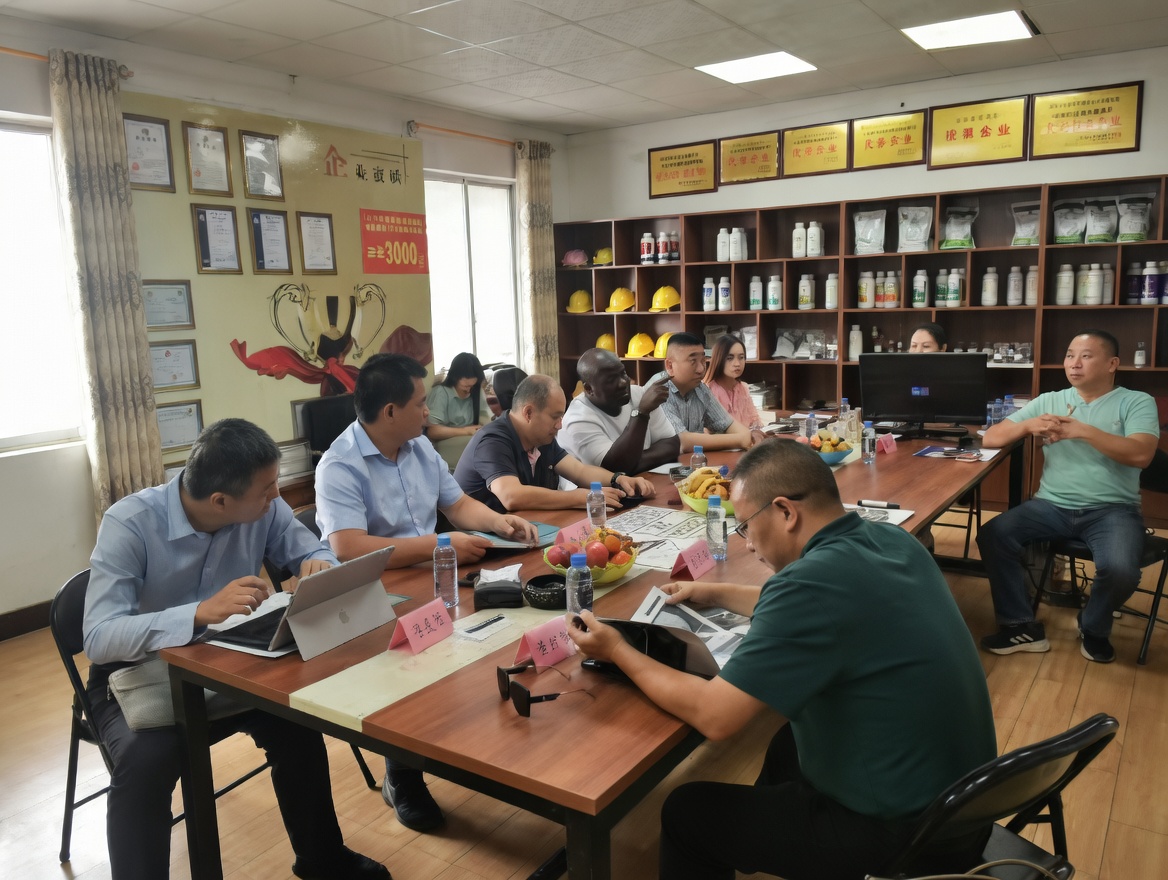
A factory visit or remote inspection can help Spanish buyers confirm that the supplier and production site are real.
The practical lesson is to keep the same product identity across the whole order file. The company name on the quotation, manufacturer details, SDS, COA, labels, and shipping documents should not create unexplained gaps. If a trading company is involved, the buyer should know who makes the material and who remains responsible for the delivered specification.
The factory-visit option can help a serious buyer decide what level of supplier verification is appropriate before a container order.
For additional proof points, review the site’s phosphoric acid success stories and ask which evidence is available for your own order.
Packaging, Shipping, and Spanish Delivery Planning
Bulk phosphoric acid may be supplied in drums or IBC totes, with the choice depending on monthly volume, unloading equipment, storage capacity, and reuse policy. The public product information for this market commonly presents 35 kg drums and larger IBC options. Confirm the exact net weight and packaging material in the quotation.
A shipment plan should cover:
- Factory loading date and document release.
- Port of departure and transshipment risk.
- Dangerous-goods handling requirements.
- Arrival port and inland delivery to the Spanish plant.
- Storage temperature, unloading, and spill-response procedures.
For a shipment-specific discussion, use the Camachem contact page and include your monthly volume, packaging, destination, and intended use.
Barcelona, Valencia, and other Spanish gateways may serve different supply routes. The correct choice depends on the factory location, vessel schedule, final delivery point, and the buyer’s forwarder. Do not rely on a generic transit-time promise. Ask for a current freight plan and confirm who handles customs clearance.
The Camachem application page gives buyers a useful place to align the intended use with the proposed product and handling plan.
Want to see how bulk material is prepared for export? This video helps buyers understand the container-loading and logistics stage:

Secure loading and clear shipment documents reduce avoidable risk before the cargo reaches Spain.
Need Help Sourcing Bulk Phosphoric Acid In 2026?
Contact Camachem for a quotation, product specification sheet, sample discussion, and a practical shipment plan for Spain.
WhatsApp Us for Free a Consultation
A Practical Supplier-Selection Example
A Spanish fertilizer blender may need a regular supply of industrial-grade acid before a seasonal production peak. One supplier offers a low unit price but cannot provide a clear batch COA, while another provides a complete specification, sample, packaging plan, and inspection option.
The second offer may look more expensive at first. However, it gives the buyer a better way to control concentration risk, plan unloading, and document the raw material. For a production business, that evidence can be worth more than a small difference in the initial quotation.
This is the main lesson for Spain: supplier selection should combine chemistry, documentation, and logistics. A buying team should keep a written approval record so the next shipment can be compared with the first one.
The bulk buying guide can help teams turn that approval record into a repeatable purchasing process.

Stacked plastic drums on pallets labeled with UN hazard warnings, prepared for export shipping.
Questions Spanish Buyers Ask
Is phosphoric acid widely used in Spain?
Yes. Its main industrial uses include phosphate fertilizer production, food and beverage processing, water treatment, metal treatment, and other process applications. The grade and specification depend on the end use.
Readers can compare those uses with the Camachem application guidance before requesting samples.
What concentration is common for bulk orders?
Approximately 85% is a common commercial concentration, but the buyer should confirm the specification and acceptable range. “85%” alone does not prove food-grade suitability or batch consistency.
Use the phosphoric acid specification page to frame the questions you send to the supplier.
Is 85% industrial acid suitable for food production?
Not automatically. Food applications require a suitable food-grade product and compliance with the applicable EU food-additive rules for the specific use. The buyer should review the specification and COA before approval.
What documents should a Spanish importer request?
At minimum, request a quotation, specification sheet, SDS, batch COA, packing details, transport information, and the commercial documents needed for customs and delivery. Add application-specific evidence where required.
The industrial-grade specifications can help technical teams build their document checklist.
Can Camachem provide samples before a bulk order?
Sample availability and quantity should be confirmed for the specific application and order. A pre-bulk sample can help the buyer test concentration, impurities, and process fit before committing to a container.
Which packaging is best for Spain?
Drums may suit smaller or more flexible requirements. IBC totes can suit regular industrial consumption when the site has suitable handling and storage equipment. The best choice depends on volume, unloading, storage, and return or disposal arrangements.
For food-sector orders, keep packaging review separate from the food-grade requirements because the application documents may be different.
How should a buyer verify a Chinese supplier?
Check the legal entity, production capability, documents, sample, packaging, and shipment plan. A factory visit or independent inspection adds confidence when the order is commercially significant.
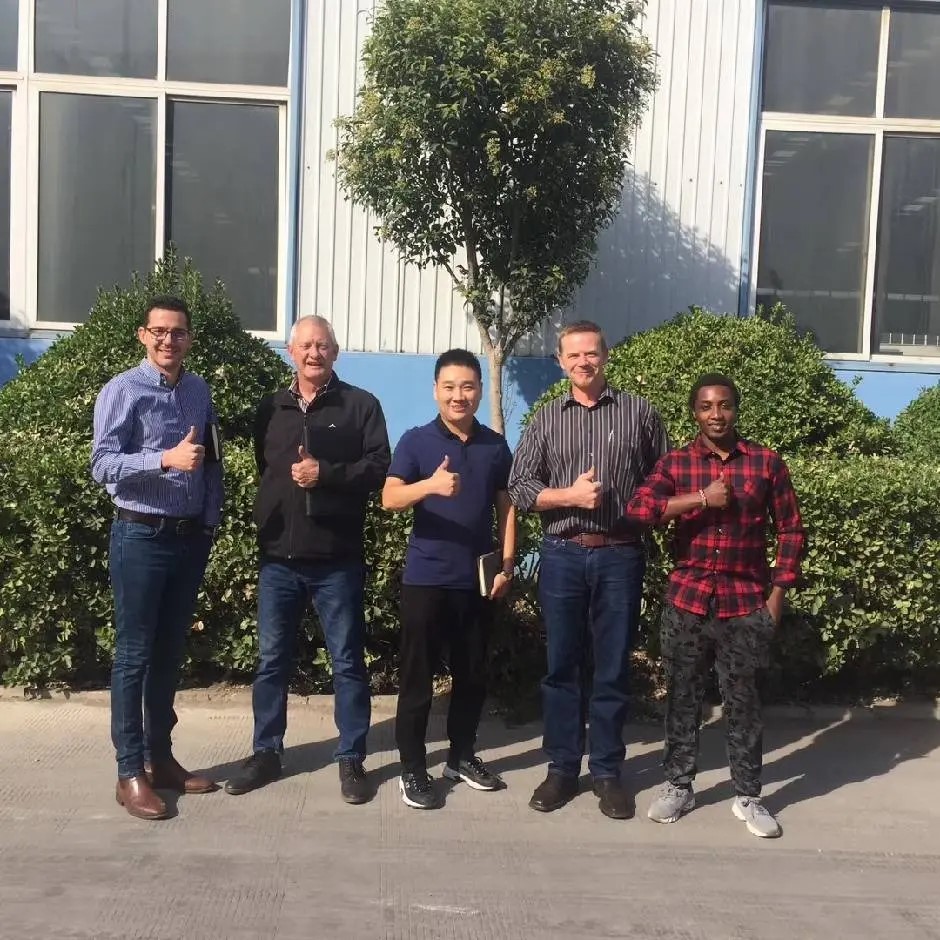
A successful supply relationship gives the buyer confidence for the next bulk order.
Conclusion: What Spain’s Buyers Should Take Away
Phosphoric acid usage in Spain is closely linked to agriculture, fertilizer, food production, water treatment, and industrial maintenance. The country’s EU location adds a clear compliance layer, but the commercial decision still comes down to a few practical questions: does the grade fit the process, do the documents match the batch, and can the shipment arrive safely and on time?
For Spanish buyers comparing Chinese suppliers, the strongest process is simple. Define the application, request the right specification, test a sample, verify the supplier, and agree on the packaging and logistics before production begins.
Before sending a final inquiry, review the phosphoric acid contact route and prepare your monthly volume, destination, grade, and packaging details.
If you are planning a new supply route or replacing an unreliable supplier, send Camachem your application, monthly volume, grade, and packaging needs.
You can prepare that inquiry through the Camachem contact page with your destination, packaging, and expected monthly use.
WhatsApp Us for Free a Consultation
Industrial Buyers: Next Steps for Sourcing Bulk Phosphoric Acid
What makes our Phosphoric Acid Better:
✅ Compliant with EU, UN, ISO Standards – No Legal Headaches
✅ Guaranteed 85% Purity – Stability for your Processing Plant
✅ Extremely Low Impurities – Low Heavy Metals
✅ Batch-Specific COA Provided – Full Transparency per Shipment.
Download Our EU-approved Specifications.[Food Grade or Industrial Grade]