


Vietnam is a growing market for imported phosphoric acid. In 2024, the country imported about $15.9 million of phosphoric acid, with China supplying roughly $12.3 million, according to the Observatory of Economic Complexity. WITS data for 2023 also recorded 12.93 million kg of phosphoric acid and polyphosphoric acids imported into Vietnam. These figures show a clear opportunity for fertilizer, food, water-treatment, metalworking, and electronics buyers.
However, usage is only half of the decision. Vietnamese buyers also need the right grade, stable concentration, safe packaging, and documents that match the shipment. This guide explains the main phosphoric acid applications in Vietnam and the checks that reduce risk when buying in bulk.

Vietnam is a major Asian market for phosphoric acid used in agriculture and industrial production.
Overview: Why Vietnam Uses Phosphoric Acid
Phosphoric acid is a versatile mineral acid with the formula H₃PO₄. In Vietnam, buyers use it as a source of phosphorus, a pH-control chemical, a surface-treatment acid, and a raw material for food and industrial formulations.
The best product choice depends on the application, not only the advertised percentage. Industrial and food-grade products may both be sold at approximately 85% concentration, but their impurity limits, permitted uses, hygiene controls, and supporting documents can differ.
In this guide, you will learn:
- Where Vietnamese manufacturers use phosphoric acid.
- When industrial grade or food-grade is appropriate.
- Which bulk packaging formats suit different operations.
- What to verify before placing an import order.
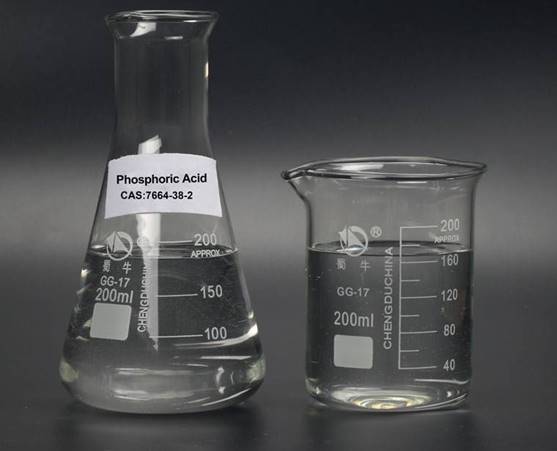
Vietnamese buyers should confirm concentration and grade rather than relying on a product name alone.
Fertilizer Production Is a Major Use
Fertilizer Inputs for MAP and DAP
Checks for Agriculture Buyers
Agriculture is the largest global application for phosphoric acid, and it is also central to phosphoric acid usage in Vietnam. Fertilizer producers use phosphoric acid to make phosphate products such as MAP and DAP. These fertilizers supply phosphorus, an essential nutrient for crop development.
Vietnam’s agricultural sector includes rice, coffee, rubber, fruit, vegetables, and other export-oriented crops. Fertilizer manufacturers and blenders therefore need reliable access to phosphorus inputs. A delayed or inconsistent shipment can affect production planning during a seasonal demand peak.
For most fertilizer and agriculture applications, buyers usually evaluate:
- H₃PO₄ concentration and acidity.
- Impurity limits, especially iron, chloride, sulfate, arsenic, and heavy metals.
- Compatibility with the planned fertilizer process.
- Bulk delivery timing and storage capacity.
Buyers should still match the supplier’s current COA and SDS to their own process specification before ordering.
For a supplier-side view of the product, see Camachem’s industrial-grade phosphoric acid page.
| Decision-Maker Insight: For a Vietnamese fertilizer plant, a low unit price is not the full cost. A shipment that arrives late, crystallizes in storage, or fails an incoming test can create production downtime and expensive rework. |
Food and Beverage Processing Needs Grade Control
Food-Grade Documentation
Hygiene and Finished-Product Controls
Food and beverage manufacturers use phosphoric acid as an acidulant and pH-adjustment ingredient. It can support beverage formulations, food processing, and selected yeast or fermentation applications. The exact use must be matched to the buyer’s formulation and local compliance requirements.
Food-grade purchasing is not a simple concentration comparison. A food manufacturer should request a current specification, COA, SDS, and documentation that supports the intended use. The buyer should also confirm whether the shipment meets the company’s internal food-safety program and any Vietnamese requirements that apply to the finished product.
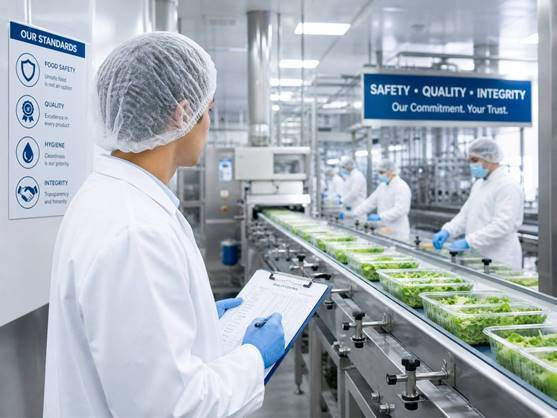
Food and beverage buyers should connect phosphoric acid purchasing to the hygiene and quality controls of the finished product.
For information on the food-grade product, see Camachem’s food-grade industrial page.
Water Treatment and Industrial Utilities
Treatment and Utility Applications
Dosing, Storage, and Site Safety
Vietnamese factories, industrial parks, and water-treatment operators can use phosphoric acid for pH adjustment, scale management, and corrosion-control programs. It may also be used in boilers, cooling systems, wastewater operations, and chemical dosing systems, depending on the treatment design.
The main buying question is whether the product can be dosed consistently. A plant engineer should consider viscosity, storage temperature, pump materials, dosing equipment, ventilation, and emergency response procedures. The product should arrive in packaging that is compatible with corrosive liquids and the site’s unloading system.
For practical bulk purchasing, Camachem’s IBC phosphoric acid packaging information describes 1,600 kg and 1,650 kg IBC options, as well as drum formats. The correct choice depends on the buyer’s monthly use, unloading equipment, warehouse layout, and return or disposal process for empty containers.

Aerial view of primary clarifiers at a wastewater treatment facility, where phosphoric acid is used for pH adjustment and nutrient dosing.
| Technical Note: At approximately 85% concentration, phosphoric acid can be a viscous liquid and may crystallize near cool storage conditions. Vietnam is warm overall, but warehouses, transit conditions, and seasonal temperature changes still deserve a storage review. |
Metal Treatment, Cleaning, and Surface Preparation
Rust Removal and Surface Preparation
Process Conditions and Sample Trials
Metal processors use phosphoric acid to remove rust and mineral scale, prepare steel surfaces, and support phosphate or conversion-coating processes. In Vietnam, these applications can appear in fabrication, maintenance, automotive components, appliances, and general industrial finishing.
Performance depends on more than acid strength. The buyer should consider the metal type, bath temperature, contact time, contamination load, and downstream coating system. A sample trial is often more useful than a price comparison alone because it shows how the acid behaves in the actual process.
Camachem’s industrial product information describes applications in metal surface treatment and highlights the need to control impurities. Before approving a bulk supplier, the technical team should compare a pre-shipment sample with the plant’s existing benchmark.
Electronics and Precision Manufacturing
Precision Cleaning and Etching
Supplier Discussion Points
Trace Metals, Particles, and Packaging
Vietnam’s electronics manufacturing base creates demand for process chemicals used in cleaning, etching, and surface preparation. Phosphoric acid may be used in selected semiconductor and electronics processes to remove oxide layers or support controlled cleaning steps.
These applications normally require tighter process control than general industrial cleaning. Small changes in concentration, trace metals, particles, or contamination can affect yield. Buyers should define acceptable limits before requesting quotations and should avoid treating a general industrial-grade offer as automatically suitable for precision manufacturing.
A good supplier discussion should cover:
- The exact process and required concentration.
- Trace-metal and particle limits.
- Sampling and approval procedures.
- Batch traceability and retained samples.
- Packaging cleanliness and transport controls.

Technician processing high-precision electronics using high-purity phosphoric acid in a controlled cleanroom environment.
Choosing the Right Grade for Vietnam
Why 85% Concentration Is Not Enough
The following comparison helps buyers begin the discussion. It is not a substitute for a process specification or Vietnamese regulatory review.
| Buyer need in Vietnam | Typical grade to evaluate | Main checks before purchase |
| MAP, DAP, and fertilizer inputs | Industrial grade | Concentration, impurity limits, process compatibility, delivery schedule |
| Water treatment and utilities | Industrial grade | Dosing performance, storage, SDS, packaging, site safety |
| Rust removal and metal treatment | Industrial grade | Bath performance, contamination, sample results, coating compatibility |
| Beverages and food processing | Food grade | Food-use documentation, impurity limits, hygiene controls, COA |
| Electronics and precision cleaning | Application-specific high-purity grade | Trace metals, particles, validation sample, batch traceability |
A buyer comparing suppliers should not assume that the words “85% phosphoric acid” mean identical products. Concentration is important, but grade, impurity profile, manufacturing controls, and documentation determine whether the product fits the process.
Packaging, Shipping, and Import Checks
Drums and IBCs for Bulk Orders
For bulk orders, Vietnamese buyers commonly compare drums and IBCs. Drums can suit lower-volume or multi-line operations. IBCs can reduce handling steps for plants with forklifts and fixed dosing systems. A supplier may also quote different net weights per 20-foot container, so buyers should compare the delivered cost per usable tonne rather than the drum price alone.
Shipping terms and documents should be agreed before production. Confirm the port, Incoterm, packing list, commercial invoice, SDS, COA, labeling, and dangerous-goods requirements with the supplier and customs broker. Camachem’s bulk phosphoric acid buyer guide provides a broader checklist for quality, packaging, logistics, and supplier selection.

Loading controls and packaging checks help protect product integrity before an international shipment leaves the factory.
For Vietnam, the importer should also confirm the current customs classification and local chemical-management obligations before shipment. HS code 280920 is used for phosphoric acid and polyphosphoric acids in the trade data cited by WITS, but the importer should validate the exact classification for the product and transaction.
Need Help Sourcing Bulk Phosphoric Acid In 2026?
Tell Camachem your application, monthly volume, grade, and preferred packaging. The team can help you compare industrial and food-grade options before you commit to a container.
WhatsApp Us for Free a Consultation
How Vietnamese Buyers Can Reduce Supplier Risk
A practical sourcing process should move from application fit to sample approval and then to a controlled bulk order. Request the following before signing a long-term agreement:
1. Product specification. State the concentration, grade, impurity limits, packaging, and intended use.
2. Current documentation. Review the COA, SDS, manufacturing details, and available quality certificates.
3. Sample testing. Test a representative sample in the actual process or an independent laboratory.
4. Factory evidence. Ask for production and loading photos, a live video call, inspection records, or a factory visit where appropriate.
5. Shipment controls. Confirm batch numbers, labels, container condition, loading records, and pre-shipment documents.
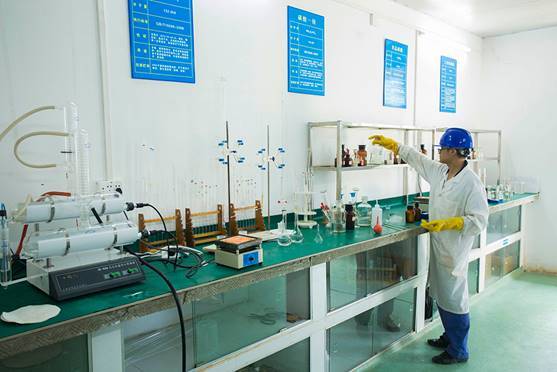
A documented laboratory and batch-testing process gives buyers a stronger basis for approving a bulk supplier.
Buyers should use those claims as a starting point for their own due diligence and request current evidence for the exact product being quoted.
For further supplier information, see Camachem’s home page.
Establishing Supplier Trust & Factory Verification
Factory Visits and Independent Inspection
A remote buyer cannot verify a liquid chemical by looking at a product photo. Trust comes from connected evidence: a consistent specification, a sample that passes testing, documents that match the batch, and a supplier that can explain the production and loading process.
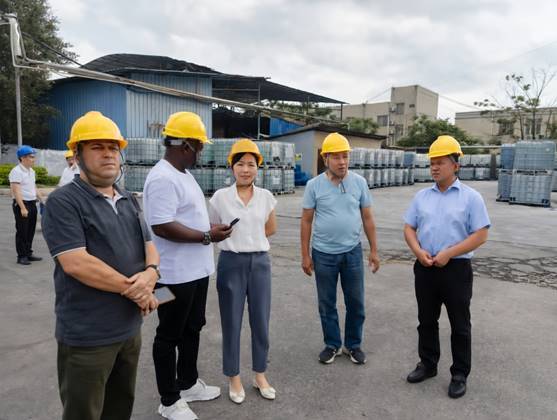
A factory visit can help a qualified buyer connect the supplier’s documents with its production and storage operations.
For a Vietnamese buyer placing a first order, a factory visit or independent inspection can be especially valuable. It can help confirm the production site, packaging process, warehouse conditions, and the people responsible for quality and export coordination.
If you want a sample, current COA, or supplier discussion focused on your Vietnam application, send the request directly:
WhatsApp Us for Free a Consultation
How Camachem Helps Vietnamese Buyers
Vietnamese buyers often need more than a product name and a price. Camachem can help connect the chemical specification with the application, order size, packaging plan, and import documents required for the shipment. This is especially useful for first-time importers or plants comparing a new Chinese supplier with an existing source.
Application and Grade Matching
Camachem can help buyers compare industrial-grade and food-grade phosphoric acid based on the intended use. Fertilizer, water-treatment, metal-treatment, and general industrial processes normally need an industrial-grade review. Food and beverage manufacturers need a food-grade review with application-specific documentation. Electronics buyers should discuss trace-metal, particle, and process requirements before accepting a quotation.
Samples, COAs, and Documentation
Before a bulk order, buyers can request a sample and review the current specification, SDS, and COA. The technical team can then compare the product with the buyer’s internal limits or laboratory test method. This creates a clearer approval trail before the first container is shipped.
Packaging and Export Planning
Camachem offers bulk formats such as drums and IBCs. The team can help compare the practical fit of each option for a Vietnamese plant’s storage space, unloading equipment, monthly consumption, and handling procedures. Buyers should confirm the latest available packing configuration, shipping term, lead time, and export documents in the quotation.
Want to see how bulk material is prepared for export? This video helps buyers understand the container-loading and logistics stage:
Factory and Supplier Verification
For larger or repeat orders, Camachem can support factory-visit discussions and supplier verification. Buyers may also request loading evidence, batch details, and pre-shipment documentation. These steps help connect the supplier’s quality claims with the product and packaging that will actually leave the factory.
Vietnamese importers can contact Camachem with their application, monthly volume, target grade, and preferred packaging to begin a product-fit discussion.
Frequently Asked Questions
What is the main phosphoric acid usage in Vietnam?
Fertilizer production is a major use, followed by food and beverage processing, water treatment, metal treatment, cleaning, chemical manufacturing, and selected electronics applications. The correct grade depends on the process and impurity limits.
Does Vietnam import phosphoric acid from China?
Yes. OEC reports China as Vietnam’s leading origin for phosphoric acid imports in 2024. WITS also recorded China as Vietnam’s largest supplier in its 2023 HS 280920 data.
Is 85% phosphoric acid suitable for every Vietnamese factory?
No. Approximately 85% is common, but the right choice depends on grade, impurities, process conditions, and documentation. Food, electronics, and other sensitive uses may require tighter controls than general industrial applications.
Which packaging is best for bulk phosphoric acid in Vietnam?
Drums may suit smaller or distributed operations. IBCs often suit plants with forklifts, storage space, and fixed dosing systems. Compare total delivered cost, unloading equipment, storage conditions, and empty-container handling.
What documents should an importer request?
Request a current specification, COA, SDS, packing list, commercial invoice, labeling details, and shipment information. Confirm any additional documents with the Vietnamese importer of record and customs broker.
Can buyers test a sample before placing a container order?
A pre-order sample is a sensible quality-control step. Test it against the actual process or an independent laboratory method, then define the approved specification in the purchase contract.
How can a Vietnamese buyer verify a phosphoric acid supplier?
Ask for factory evidence, batch-specific documents, samples, traceability information, and clear answers about production, packaging, and loading. An independent inspection or factory visit can add confidence for larger orders.
Conclusion: Match the Acid to the Application
Phosphoric acid usage in Vietnam spans agriculture, food and beverage, water treatment, metal finishing, chemical production, and electronics. China is already a major source for Vietnam’s imports, so buyers have access to a competitive supply base.
The safest buying decision is not simply the lowest quote. It is the supplier and grade that match the process, provide consistent concentration and impurities, use suitable packaging, and support the documents needed for import and internal quality approval.
Need a quotation, sample, or packaging recommendation for Vietnam? Contact Camachem:
WhatsApp Us for Free a Consultation
Industrial Buyers: Next Steps for Sourcing Bulk Phosphoric Acid
What makes our Phosphoric Acid Better:
✅ Compliant with EU, UN, ISO Standards – No Legal Headaches
✅ Guaranteed 85% Purity – Stability for your Processing Plant
✅ Extremely Low Impurities – Low Heavy Metals
✅ Batch-Specific COA Provided – Full Transparency per Shipment.
Download Our EU-approved Specifications.[ Food Grade or Industrial Grade]