


Switching an application from industrial-grade to food-grade phosphoric acid may look like a straightforward quality upgrade. In practice, the change can affect your product specification, quality controls, documentation, supplier approval, storage, and production process.
The concentration may remain the same, such as 85% phosphoric acid, but the complete specification does not. Before approving a new grade, buyers should confirm that the food-grade material meets the requirements of the application, destination market, and production system.

Quality assurance technicians verifying Certificate of Analysis (COA) documentation and test results for a chemical batch in a laboratory setting
Why Switching From Industrial-Grade to Food-Grade Phosphoric Acid Requires More Than a New Product Label
Industrial-grade and food-grade phosphoric acid can have the same stated concentration while having different quality requirements. For example, an 85% concentration tells you how much phosphoric acid is present, but it does not by itself define the complete impurity profile or intended application.
When a material will be used in food or beverage processing, the buyer needs to consider the applicable food-grade requirements in addition to concentration. The correct specification should be agreed before the supplier quotes the product.
For a starting point, review the site’s Food Grade Phosphoric Acid information alongside the relevant phosphoric acid specifications.
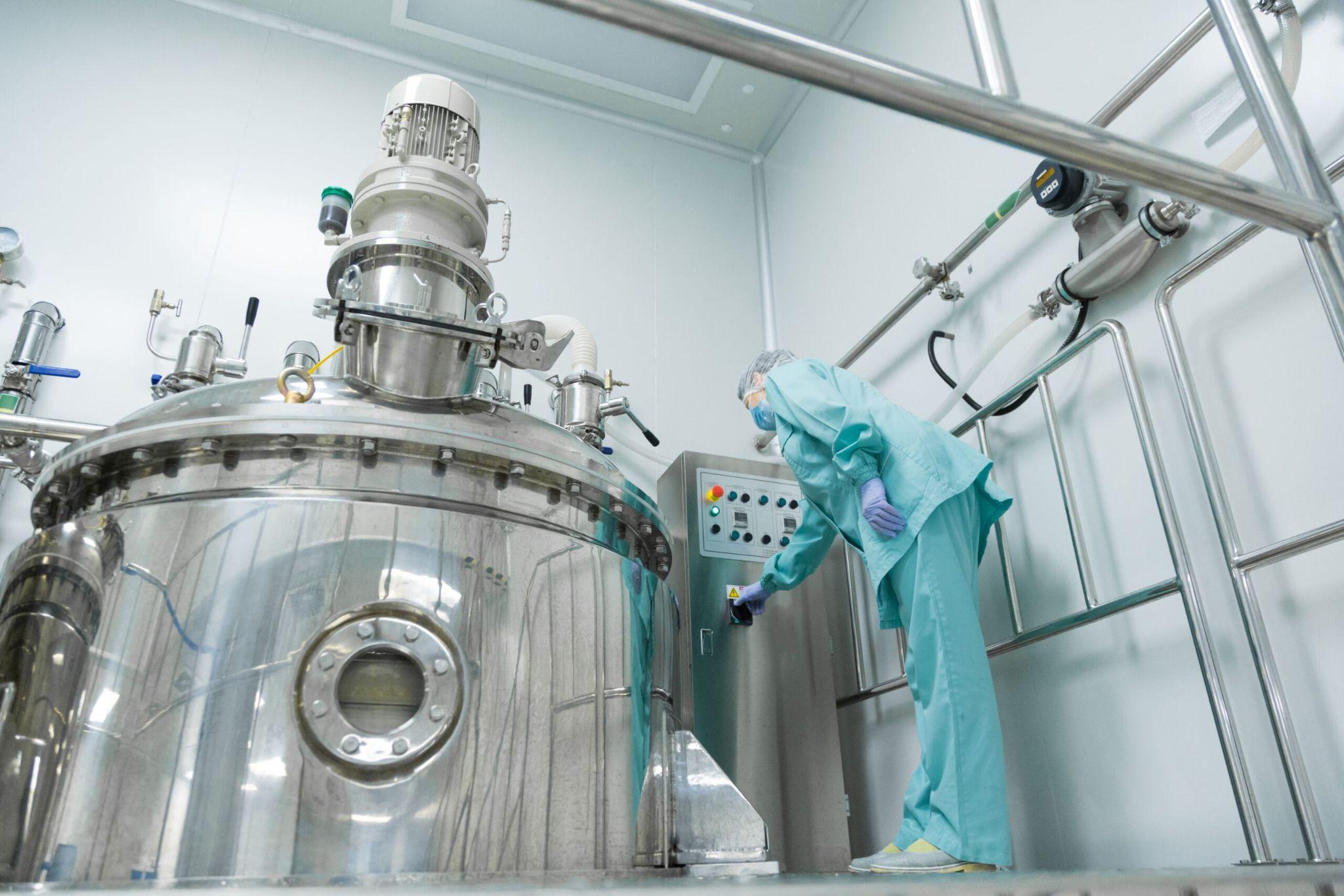
Industrial chemical production facility showing wet-process reaction and purification infrastructure for bulk phosphoric acid
What Changes When You Switch Grades?
A grade change can affect several purchasing and technical requirements:
- Product specification
- Permitted impurity levels
- Quality documentation
- COA requirements
- Supplier qualification
- Regulatory requirements
- Batch traceability
- Storage and handling procedures
- Incoming quality-control testing
- Cost per tonne
- Approved production procedures
Decision-Maker Insight:
Do not treat food-grade phosphoric acid as simply “higher-quality industrial grade.” Treat it as a different purchasing specification that needs to be qualified against your application and documentation requirements.
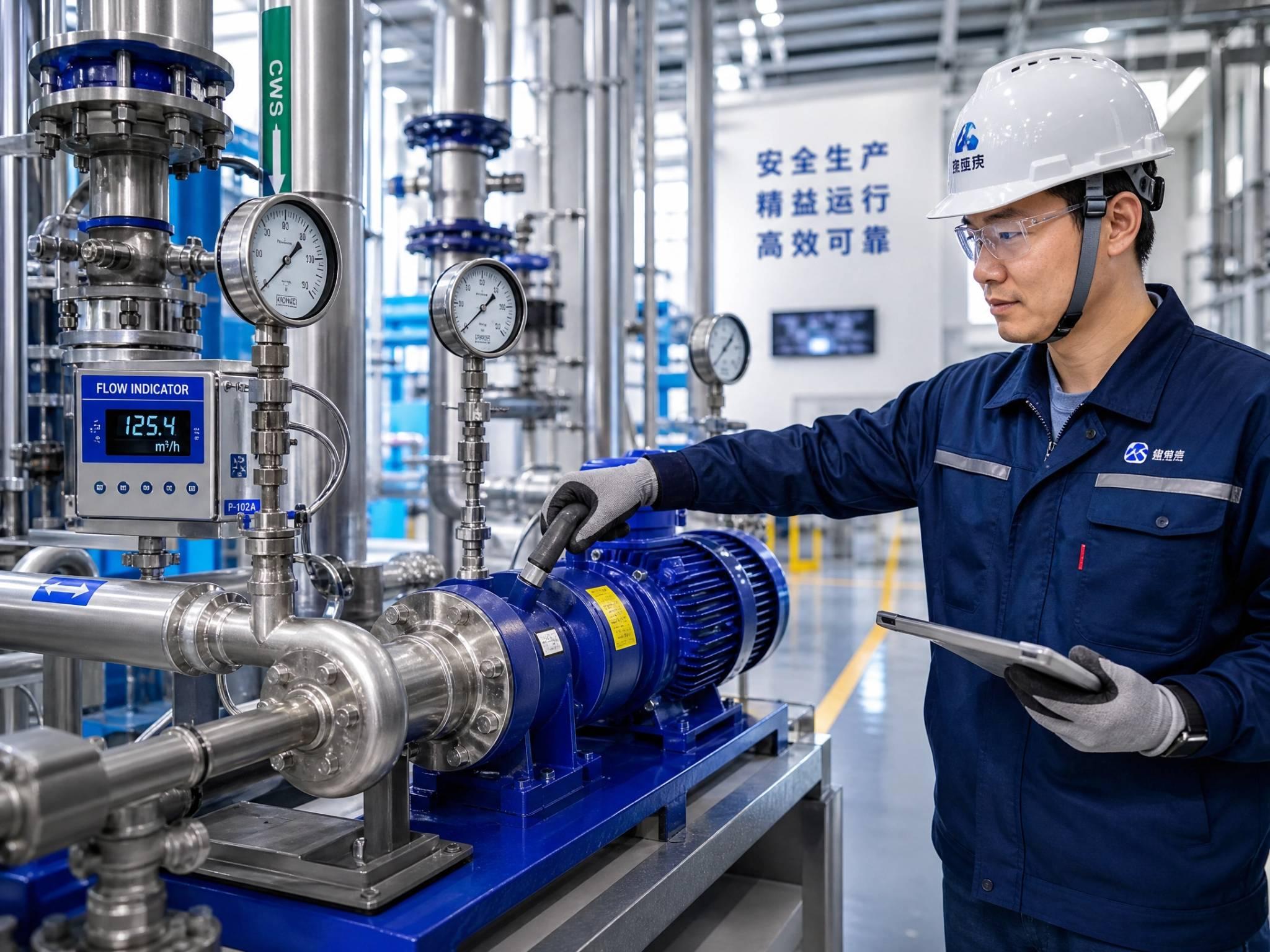
Food-related applications require tighter control of material specifications and quality documentation
1. Confirm Why You Need Food-Grade Phosphoric Acid
The first question is not which supplier to use. It is why the application needs food-grade material.
A business may be switching because the phosphoric acid will now be used in a food or beverage application. It may also be responding to a customer requirement, an internal quality policy, a regulatory requirement, or a change in the final product.
Understanding the reason for the switch helps determine what must be verified.
Define the Intended Application
Before requesting quotations, document where the phosphoric acid will be used.
For example:
- Food or beverage processing
- Acidulant applications
- pH adjustment
- Beverage formulation
- Food processing
- Cleaning or process applications associated with food production
- Another application with specific purity requirements
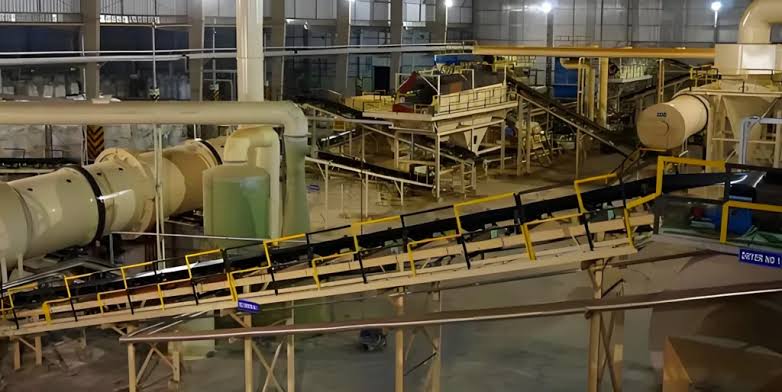
Industrial conveyor and dryer assembly within a manufacturing plant producing phosphate products and chemical feedstocks
The application should be clearly communicated to the supplier. This prevents a quotation for generic industrial-grade material from being compared with a food-grade specification.
You can also review the site’s phosphoric acid applications when defining the intended use.
Confirm Whether the Existing Process Can Accept the New Grade
A grade change should be checked against the actual process.
Review:
- Required concentration
- Dosing method
- Storage conditions
- Pumping system
- Dilution procedure
- Mixing conditions
- Contact materials
- Incoming inspection procedure
- Finished-product requirements
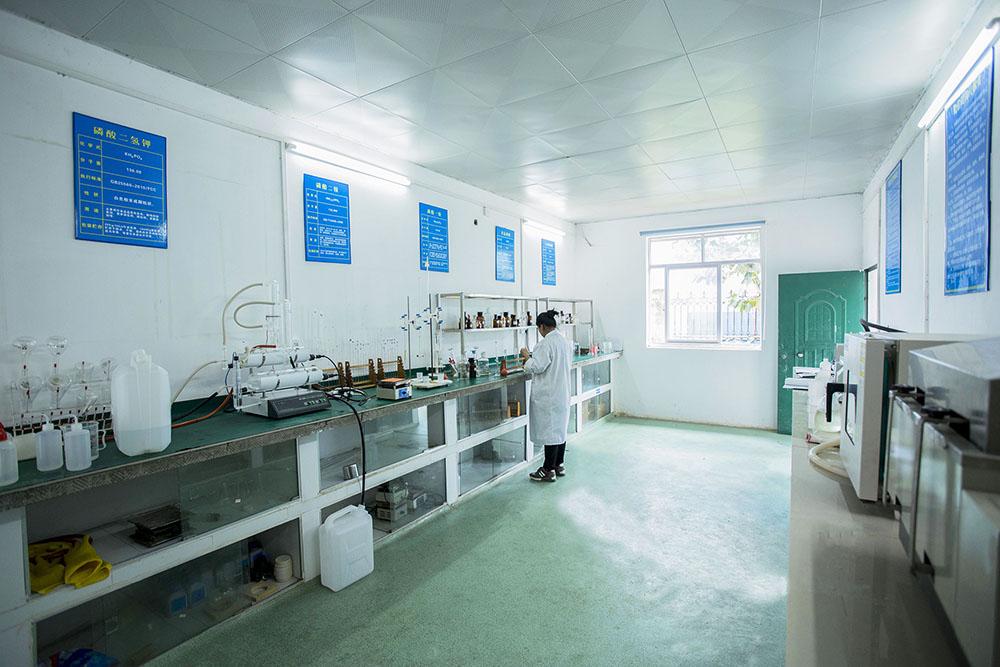
On-site laboratory quality control testing and batch verification to ensure phosphoric acid meets specified purity standards before shipment
The goal is to make sure the new material works within the existing operating system rather than assuming that the change is automatically compatible.
Technical Note:
Changing grade does not necessarily mean changing concentration. An application may continue using 85% phosphoric acid while the required grade and impurity specification change. Verify the complete specification instead of focusing only on concentration.
2. Compare the Complete Specification, Not Just 85% Concentration
One of the most important checks is whether the food-grade product actually meets the technical requirements of your application.
If your current industrial-grade material is 85%, you may continue purchasing an 85% food-grade product. But the two products should still be compared parameter by parameter.
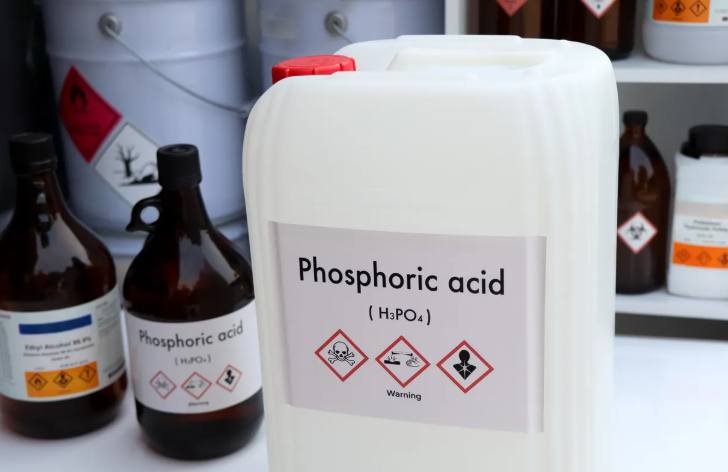
HDPE plastic jerrycan and amber glass bottles featuring standard GHS hazard labeling for liquid phosphoric acid storage and laboratory handling .
Concentration Is Only One Part of the Specification
An 85% label does not tell you everything about the material.
Two products can both be described as 85% phosphoric acid while differing in:
- Impurity limits
- Grade
- Production specification
- Documentation
- Intended application
- Batch testing
- Commercial requirements
This is why buyers should compare the full technical specification before approving the change.
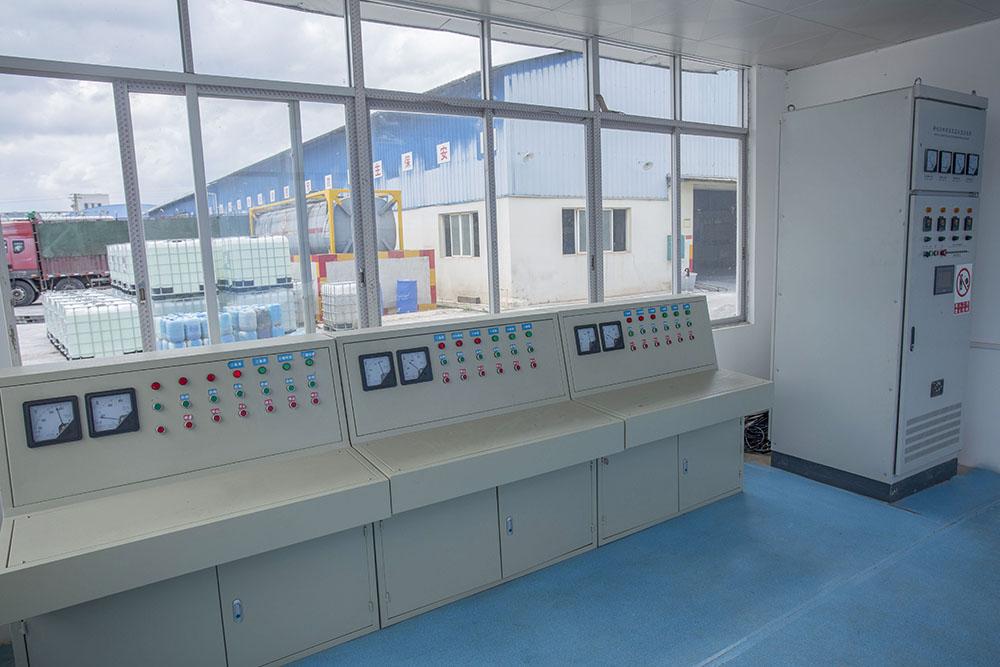
Laboratory testing helps buyers verify that the proposed food-grade material matches the agreed specification
3. Check Food-Grade Impurity Requirements
A major reason for reviewing the grade change carefully is impurity control.
The relevant impurity limits depend on the application and applicable requirements. A specification that was acceptable for an industrial process may not be appropriate for a food-related application.
Which Impurities Should You Review?
Depending on the product specification and application, buyers may need to review parameters such as:
- Iron
- Fluoride
- Sulfate
- Calcium
- Magnesium
- Aluminum
- Heavy metals
- Other application-specific impurities
Do not assume that every supplier uses the same limits.
Ask the supplier to provide the complete specification rather than giving only a statement such as “food grade” or “high purity.”
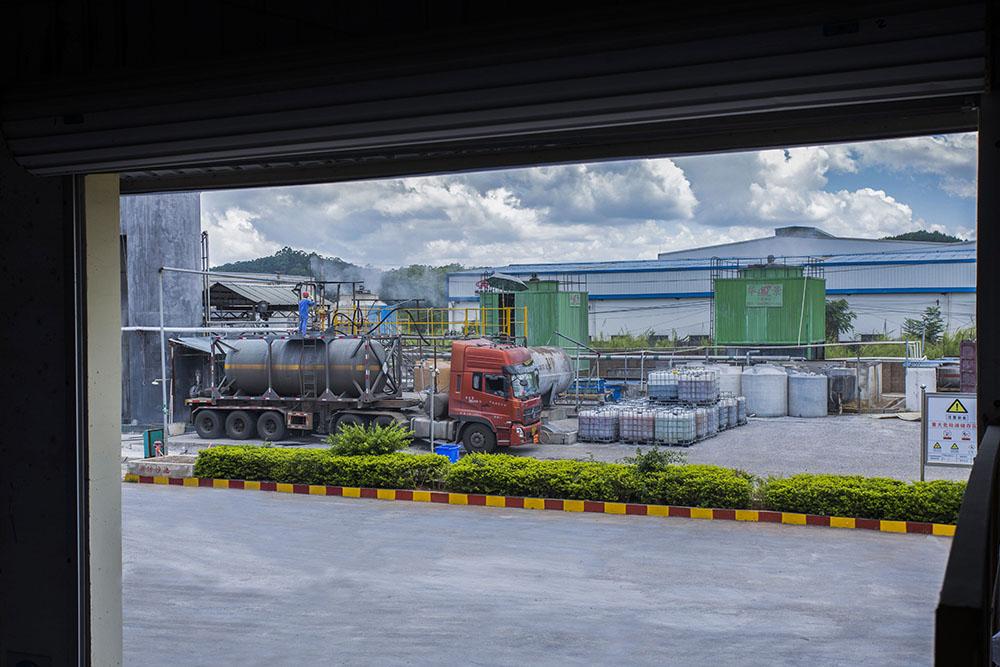
Bulk liquid phosphoric acid tanker loading and transport setup, highlighting scalable industrial procurement and export logistics
Compare Actual Results With Limits
A COA becomes much more useful when you compare the actual test result with the agreed specification.
For example, do not stop at:
Phosphoric acid: 85%
Instead, review the complete set of reported parameters and their specified limits.
The objective is to establish that the material being purchased matches the specification that was approved internally.
For buyers managing international procurement, this level of documentation can also make supplier comparisons more consistent.
4. Verify the COA, TDS, and SDS Before Approval
Documentation should be reviewed before the first shipment, not after the material arrives.
A supplier should be able to provide the relevant product documentation for the material being offered.
COA: Verify the Actual Batch or Product
A Certificate of Analysis can provide test results for specified parameters.
When available, request:
- A recent or representative COA during supplier evaluation
- Batch-specific COA for the shipment when applicable
- Product name
- Concentration
- Relevant impurity results
- Batch or lot reference
- Test date
- Specification limits
The COA should match the product being purchased.

Laboratory researcher performing precise liquid volumetric analysis and chemical reagent preparation
TDS: Confirm the Technical Specification
The Technical Data Sheet should be checked against the agreed purchasing specification.
Look for consistency in:
- Product name
- Concentration
- Grade
- Physical properties
- Key quality parameters
- Storage information
- Application information
SDS: Confirm Safety and Handling Information
The Safety Data Sheet should correspond to the actual product.
Check that it provides relevant information about:
- Hazards
- Handling
- Storage
- Personal protection
- Spill response
- Transport information
Do not rely on an unrelated generic SDS simply because it has a similar product name.
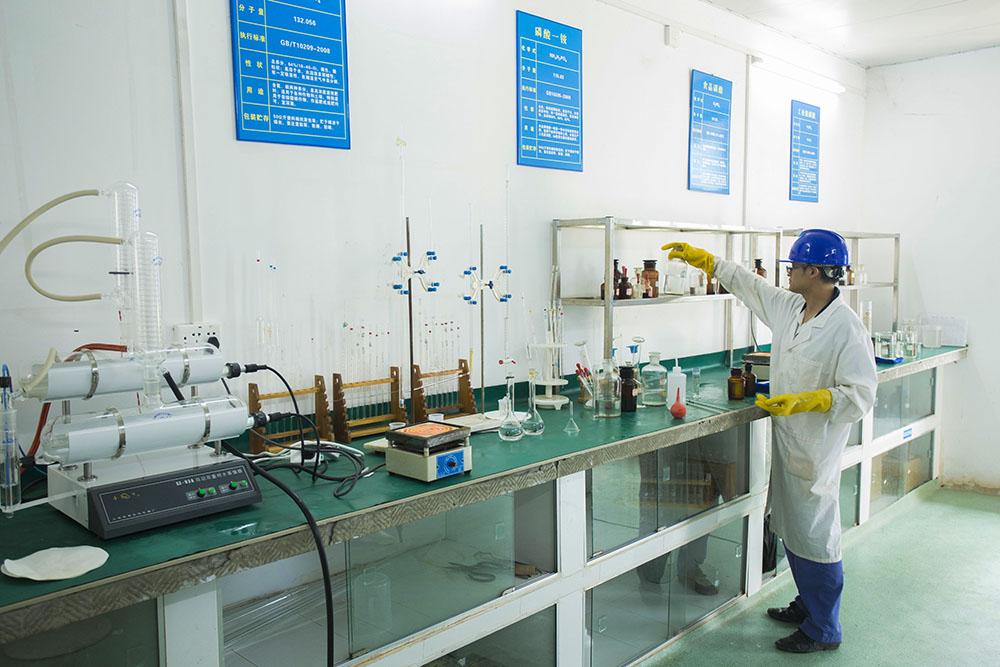
Consistent batch documentation helps buyers connect laboratory results with the material being supplied
5. Confirm the Food-Grade Requirements for Your Market
A switch to food-grade phosphoric acid also requires attention to the destination market.
Requirements can vary depending on where the product is imported and how it will be used.
Do Not Assume One Food-Grade Requirement Applies Everywhere
Before approving the supplier, confirm the requirements relevant to:
- Your country
- Your industry
- Your final product
- Your customers
- Your intended use
- Your internal quality system
If your customer has provided a material specification, compare the supplier’s specification directly against it.
This can prevent a situation where a product is described commercially as “food grade” but does not match the buyer’s specific requirements.
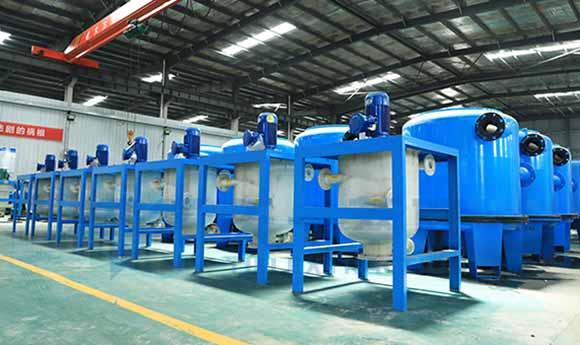
Specialized chemical filtration and reaction equipment used for multi-stage purification of phosphoric acid
Align Supplier Documentation With Your Internal Quality System
If your company already has an approved-material procedure, update it before the switch.
The procedure may need to identify:
- Approved product specification
- Approved supplier
- Required COA parameters
- Incoming inspection requirements
- Sampling frequency
- Storage conditions
- Batch traceability
- Non-conformance procedure
The change should be documented rather than treated as an informal purchasing decision.
6. Check Whether Your Storage and Handling Setup Needs to Change
Changing the grade may not require new storage equipment, but buyers should still review the existing system.
The material’s concentration, handling requirements, packaging format, and site conditions should all be considered.
Review Your Existing Storage System
Check:
- Tank or container compatibility
- Storage temperature
- Ventilation
- Transfer equipment
- Pumping system
- Hoses and connections
- Secondary containment
- Labelling
- Emergency procedures
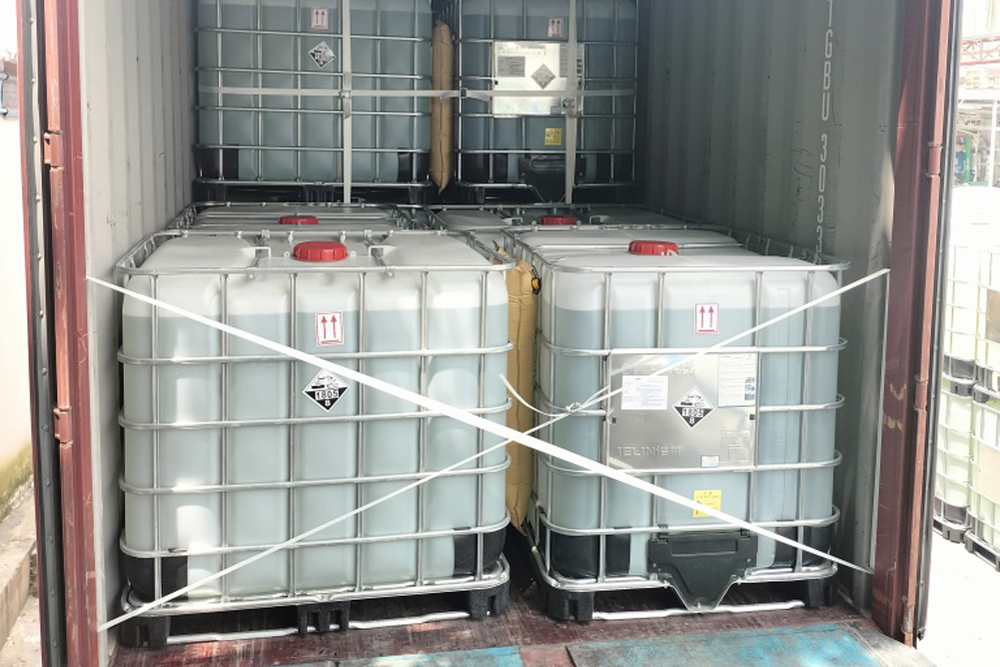
Packaging details should be confirmed before shipment so the receiving facility can prepare for unloading and storage.
If you are switching packaging at the same time, the review becomes even more important.
For example, a buyer moving from drums to IBC totes should confirm that the receiving site can safely unload and store the new format.
The site’s information on phosphoric acid specifications and packaging can help structure the purchasing discussion.
7. Run a Controlled Trial Before Full-Scale Switching
If the application is sensitive, avoid making the first shipment the full-scale production change.
A controlled trial can provide useful information about how the new material behaves in the actual process.
What Should Be Monitored?
Depending on the application, your technical team may monitor:
- Dosing performance
- Mixing
- Process stability
- Product quality
- Final-product characteristics
- Consumption rate
- Storage behavior
- Handling
- Any unexpected process changes
The trial should use the same specification that will be approved for regular purchasing.
Keep the Trial Traceable
Record:
- Supplier
- Product grade
- Concentration
- Batch number
- COA
- Quantity
- Date received
- Application used
- Trial results
- Quality approval
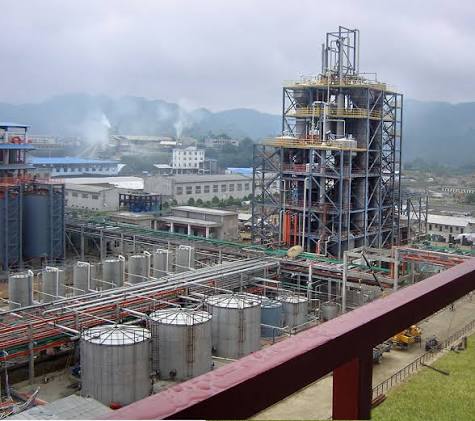
Industrial chemical production complex featuring storage tanks and distillation towers for large-scale phosphoric acid manufacturing
This creates a useful record if the company later needs to investigate a quality issue.
Decision-Maker Insight
A small controlled trial can reveal process or documentation issues before they affect a full commercial shipment. For a critical application, qualifying the material first can reduce the risk associated with a complete grade change.
8. Recalculate the Total Cost of the Grade Change
Food-grade phosphoric acid may have a different purchase price from industrial-grade material. But the purchase price is not the only number that matters.
Compare the Total Procurement Cost
Consider:
- Product price
- Packaging
- Freight
- Insurance
- Inspection
- Testing
- Documentation
- Storage
- Import costs
- Supplier qualification
- Additional quality-control work
- Potential production impact
The correct comparison is therefore not simply:
Industrial grade = cheaper
versus
Food grade = more expensive
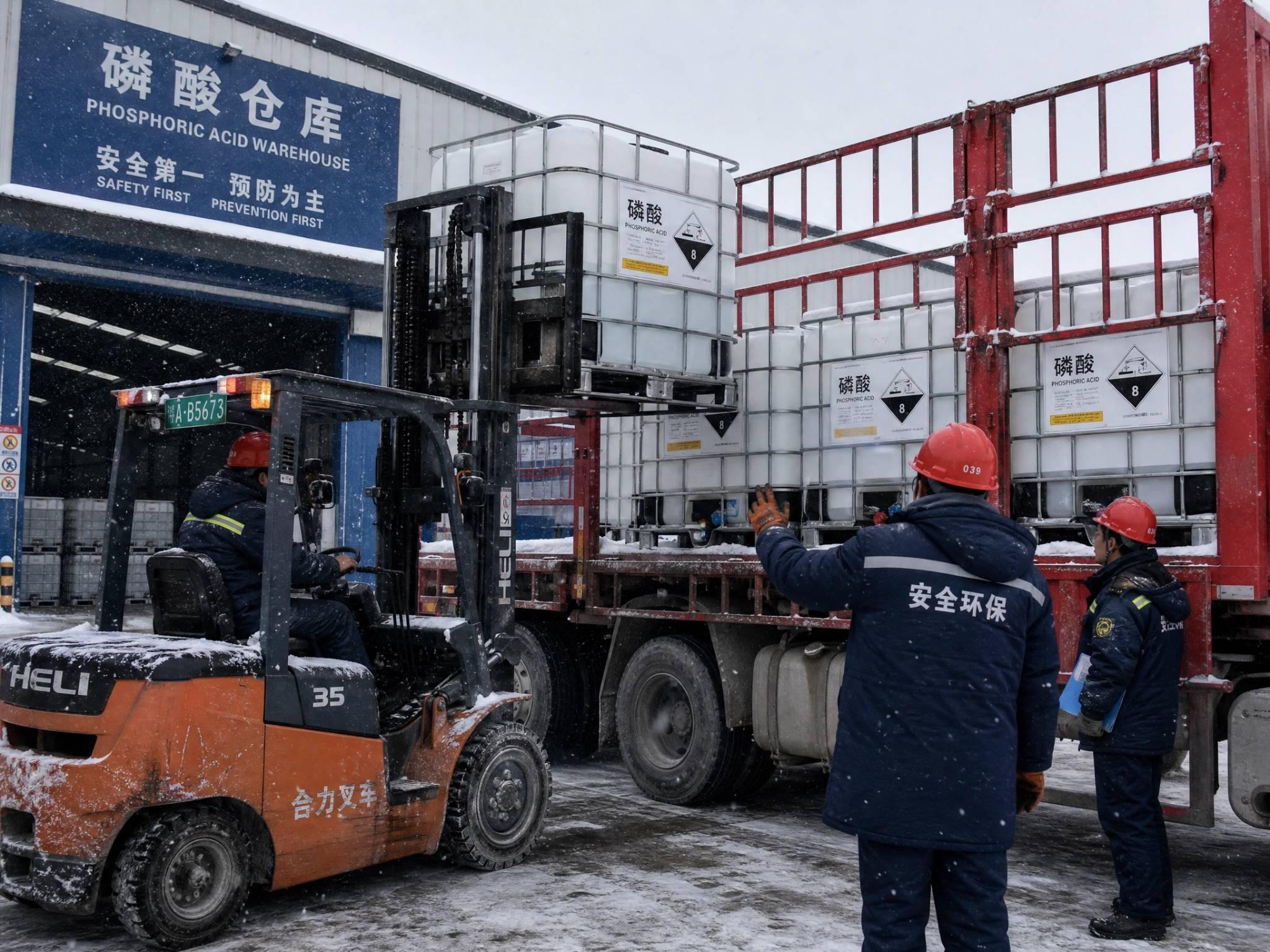
Bulk chemical loading requires coordination between packaging, cargo handling, and shipment documentation.
Instead, determine what the complete change means for your application and supply chain.
The Industrial Buyer’s Guide to Bulk Phosphoric Acid provides a broader framework for evaluating bulk purchasing decisions.
Need Help Sourcing Bulk Phosphoric Acid In 2026?
Share your required concentration, grade, quantity, destination, and application so the specification can be reviewed before you place a bulk order.
WhatsApp Us for Free a Consultation
Industrial-Grade to Food-Grade Switching Checklist
Before approving the change, use this quick checklist:
| Area | What to Check | Approval Question |
|---|---|---|
| Application | Intended use | Is food-grade material actually required? |
| Specification | Concentration and impurities | Does the new product meet the approved specification? |
| Grade | Food-grade status | Is the correct grade being supplied? |
| COA | Batch and test results | Does the COA match the agreed specification? |
| TDS | Technical data | Does the TDS match the quotation and COA? |
| SDS | Safety information | Is the SDS specific to the supplied product? |
| Compliance | Destination requirements | Are applicable requirements satisfied? |
| Process | Dosing and production | Has the material been technically evaluated? |
| Storage | Tanks, containers, temperature | Is the current setup suitable? |
| Supplier | Qualification | Has the supplier been properly approved? |
| Cost | Landed cost | What is the complete cost of switching? |
| Trial | Controlled production test | Has the new material been validated where needed? |
This checklist can help procurement, quality, and technical teams work from the same specification before the first commercial shipment.
See Bulk Phosphoric Acid Quality and Export Operations in Action
A successful grade change depends on more than selecting a product name. The material, quality documentation, packaging, loading, and shipment should all match the approved purchasing requirements.
Bulk phosphoric acid sourcing requires coordination between product quality, packaging, handling, and export documentation.
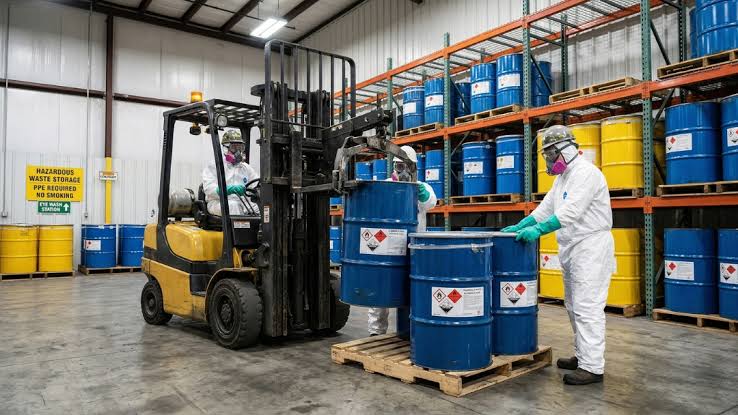
Industrial warehouse technicians safely handling, palletizing, and preparing chemical drums for bulk phosphoric acid storage and export dispatch
Frequently Asked Questions
Can I switch from industrial-grade to food-grade phosphoric acid without changing the concentration?
Yes, the concentration can remain the same if it meets the requirements of the application. For example, an application using 85% phosphoric acid may continue using 85% material after changing grade. However, the complete specification, impurity limits, documentation, and applicable requirements should still be verified.
Is food-grade phosphoric acid always purer than industrial-grade phosphoric acid?
Not necessarily in the simple sense of “higher concentration.” Grade refers to the applicable product requirements, not just the percentage of phosphoric acid. Buyers should compare the actual impurity specifications and intended-use requirements.
What documents should I request before switching to food-grade phosphoric acid?
At minimum, review the applicable product specification or TDS, SDS, and COA. Depending on the application and destination, additional documentation may be required.
Should I request a batch-specific COA for food-grade phosphoric acid?
Where available and appropriate, a batch-specific COA can provide stronger traceability between the test results and the material being shipped. Buyers should define their COA requirements before placing the order.
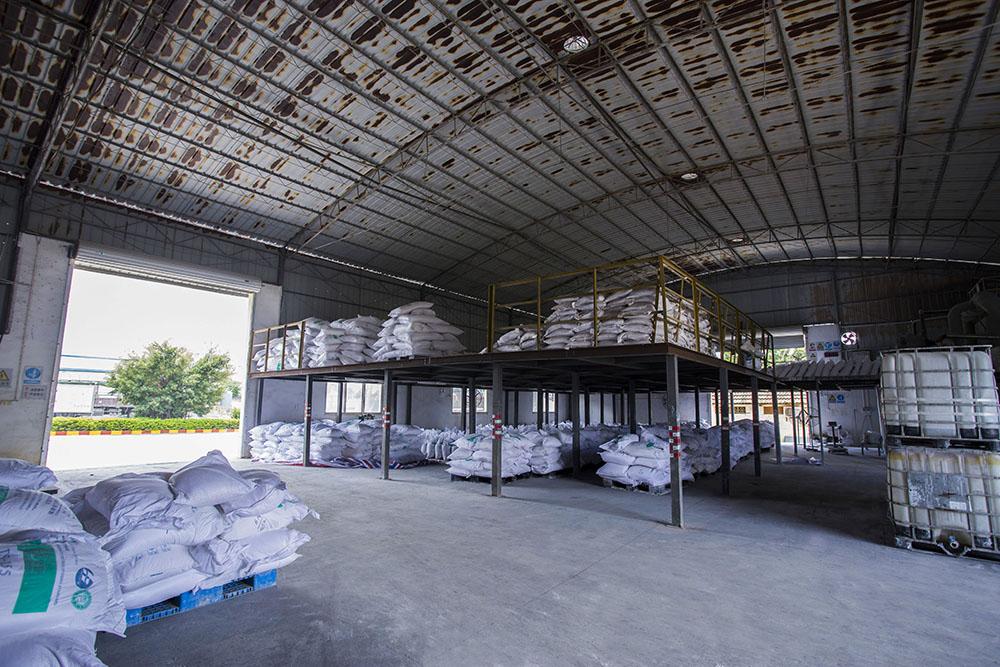
Industrial chemical storage warehouse featuring organized mezzanine racking for bagged products and IBC totes ready for bulk shipment and distribution
Can the same storage tank be used after switching to food-grade phosphoric acid?
It may be possible, but the buyer should verify compatibility, cleaning procedures, contamination controls, storage conditions, and internal quality requirements before approving the change.
Does switching to food-grade phosphoric acid require a production trial?
Not every application will require the same validation process. However, a controlled trial can be useful when the material is critical to the process or when the company needs evidence that the new specification performs as expected.
Will food-grade phosphoric acid cost more than industrial-grade material?
The commercial price depends on the specification, supplier, quantity, packaging, destination, and market conditions. Buyers should compare the complete landed cost rather than assuming that the grade difference alone determines the final procurement cost.
What is the biggest mistake when switching phosphoric acid grades?
One common mistake is treating “food grade” as sufficient information without comparing the complete specification. Buyers should verify concentration, impurity limits, documentation, application requirements, supplier qualification, and destination-market requirements together.
Conclusion: Qualify the Grade Before Changing the Supply
Switching an application from industrial-grade to food-grade phosphoric acid should be treated as a controlled specification change, not simply a purchasing upgrade.
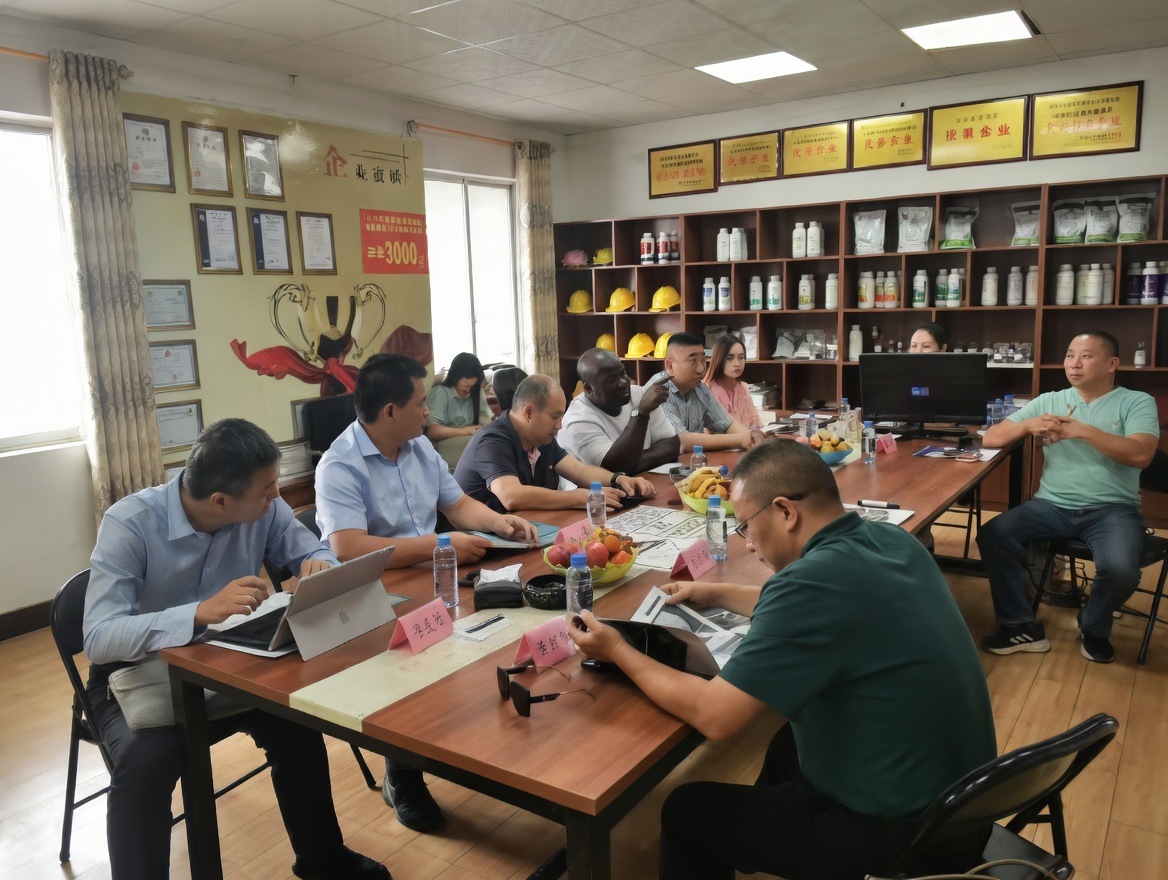
Camal Group team members and international business partners engaging in a corporate strategy and product discussion meeting
Before approving the switch, confirm:
- Why the application requires food-grade material.
- The complete concentration and impurity specification.
- Applicable food-grade and destination-market requirements.
- COA, TDS, and SDS consistency.
- Storage and handling compatibility.
- Supplier qualification and documentation.
- Trial or validation requirements.
- The total cost of the change.
For bulk buyers, the safest approach is to define the required specification first and then evaluate suppliers against that specification.
If you are evaluating a supplier for a new food-grade requirement, reviewing phosphoric acid supplier success stories can also help you understand how product and sourcing requirements are handled in practical purchasing situations.
Industrial Buyers: Next Steps for Sourcing Bulk Phosphoric Acid
What makes our Phosphoric Acid Better:
✅ Compliant with EU, UN, ISO Standards – No Legal Headaches
✅ Guaranteed 85% Concentration – Stability for your Processing Plant
✅ Extremely Low Impurities – Low Heavy Metals
✅ Batch-Specific COA Provided – Full Transparency per Shipment.
Download Our EU-approved Specifications. [ Food Grade or Industrial Grade ]