


Pacing a bulk order for phosphoric acid is a bigger commitment than most industrial purchases. A single container can run into tens of tons, and once the acid is loaded, mixed into your process, or stored in your tanks, there is no easy way to send it back. That is why almost every serious buyer asks for a sample first.
A sample only helps if you actually test it. Too many first-time importers request a free sample, glance at it, and move straight to a bulk purchase order without checking the concentration, grade, and purity. This guide covers what to check, which tests you can run yourself, and which ones belong in a lab, so your sample tells you the truth before your money is on the line. For the fuller picture of the whole sourcing process, our Industrial Buyer’s Guide to Bulk Phosphoric Acid is worth reading alongside this one.
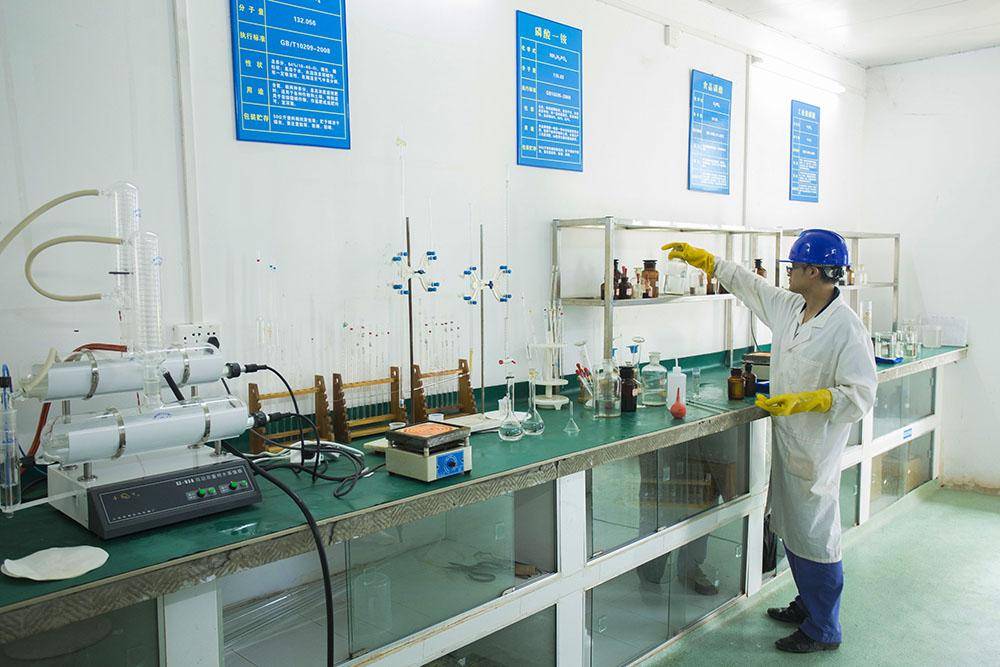
Strict quality control ensures every batch meets industrial and food-grade standards, and the same checks a supplier runs internally are the ones a buyer should confirm on a sample.
Why Testing a Phosphoric Acid Sample Matters Before a Bulk Order
A phosphoric acid sample is not a formality. It is the only real evidence of what a supplier is actually shipping, before you commit to a container-sized order you cannot undo.
The Risk of Under-Strength or Diluted Acid
Phosphoric acid is usually sold at a stated concentration, most often 75% or 85% by weight. A supplier can claim 85% on paper while the true concentration is lower. Diluted acid is not always obvious to the eye, and using it in fertilizer blending, metal treatment, or water treatment can waste raw material or fail a customer’s specification. Testing the sample is the only way to catch this before it becomes a bulk-order problem.
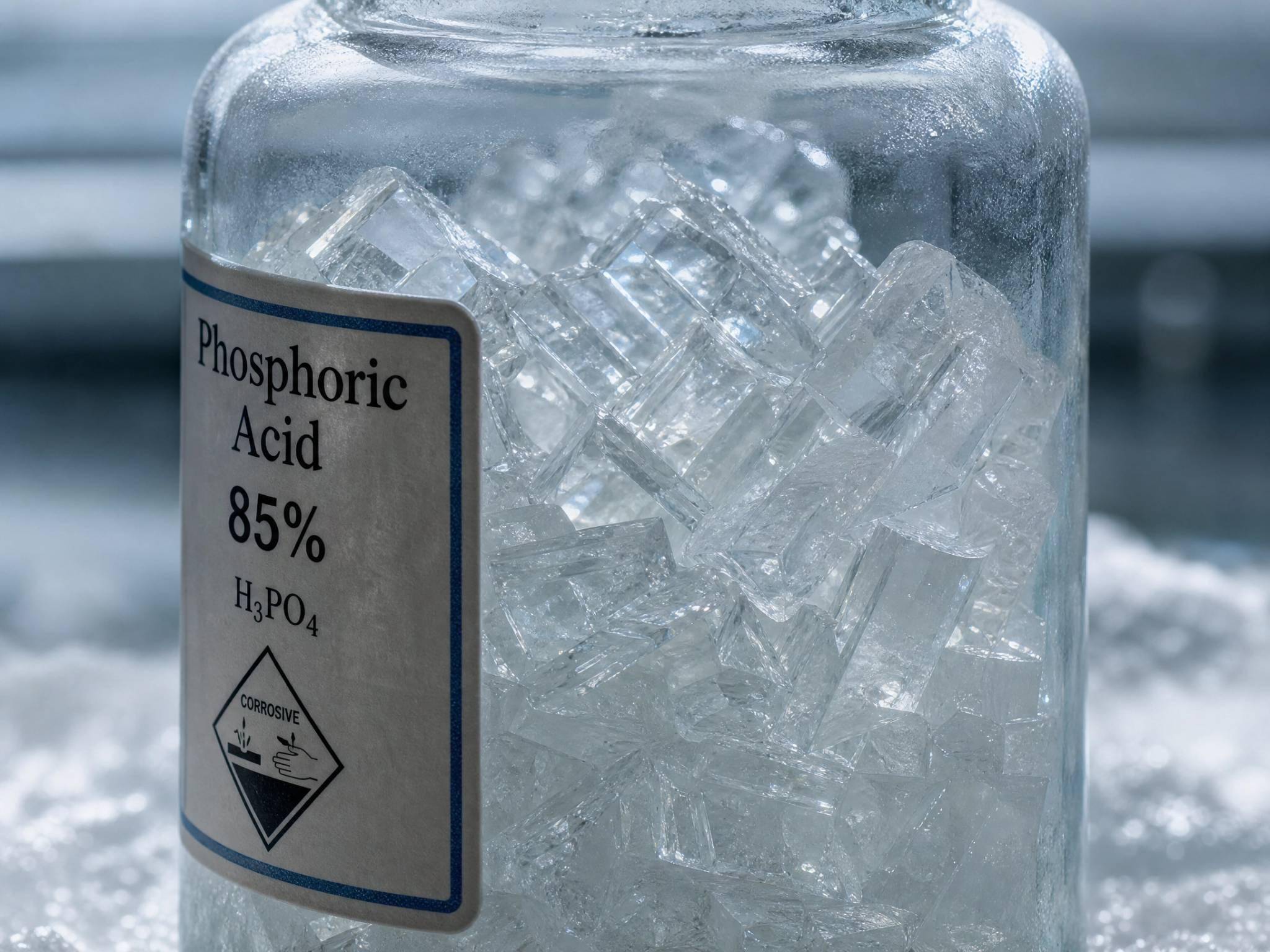
Even genuine 85% phosphoric acid behaves in specific, predictable ways, such as crystallizing in cold storage, which is one more reason a real sample test matters more than a label alone.
Why a Small Sample Protects a Large Purchase
A typical pre-order sample is small, often around 500 grams to 1 kilogram, enough to run the checks in this guide. That small quantity carries almost no cost or risk next to a full container. Testing it properly turns an unknown supplier into a verified one, and gives you a documented baseline to compare against future shipments.
What to Check Before You Even Open the Sample
Good verification starts before any liquid touches a test tube. The paperwork and packaging tell you almost as much as the chemistry does.
Packaging, Labeling, and Documentation
Before testing, confirm the basics:
- The container is sealed, undamaged, and free of leaks.
- The label states the grade (food or industrial), concentration, and batch or lot number.
- The batch number on the label matches the batch number on any accompanying documents.
- The packaging type matches what was agreed, since drums, IBC totes, and sample containers each carry different handling and labeling norms.
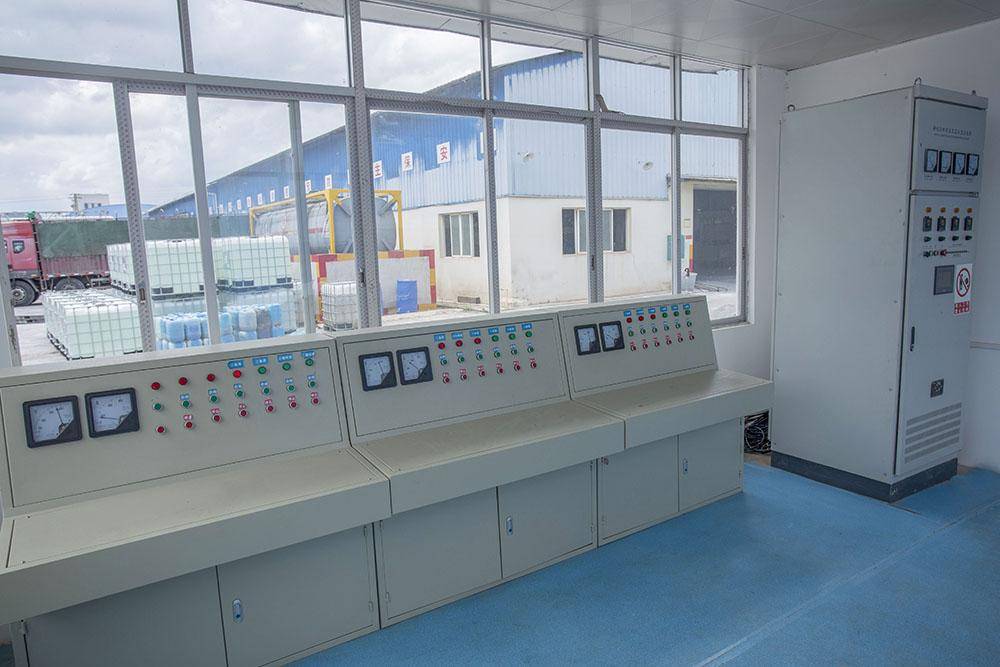
A supplier that runs its own in-house testing equipment should be able to produce the same specification data its lab technicians already generate for every batch.
Requesting a Certificate of Analysis (COA)
Ask for a Certificate of Analysis for the exact batch your sample came from, not a generic specification sheet. A real, batch-specific COA typically states:
- Assay or concentration (percent phosphoric acid by weight).
- Color and clarity, sometimes as an APHA color value.
- Iron content and heavy metals, in parts per million.
- Sulfate and chloride content.
- Arsenic content, especially for food-grade material.
A COA is a starting point, not proof on its own, since anyone can print a document. Its value is in giving you specific numbers to test the physical sample against, which is what the next two sections cover. You can compare any COA you receive against our own published phosphoric acid specifications for a sense of what a genuine spec sheet should include.
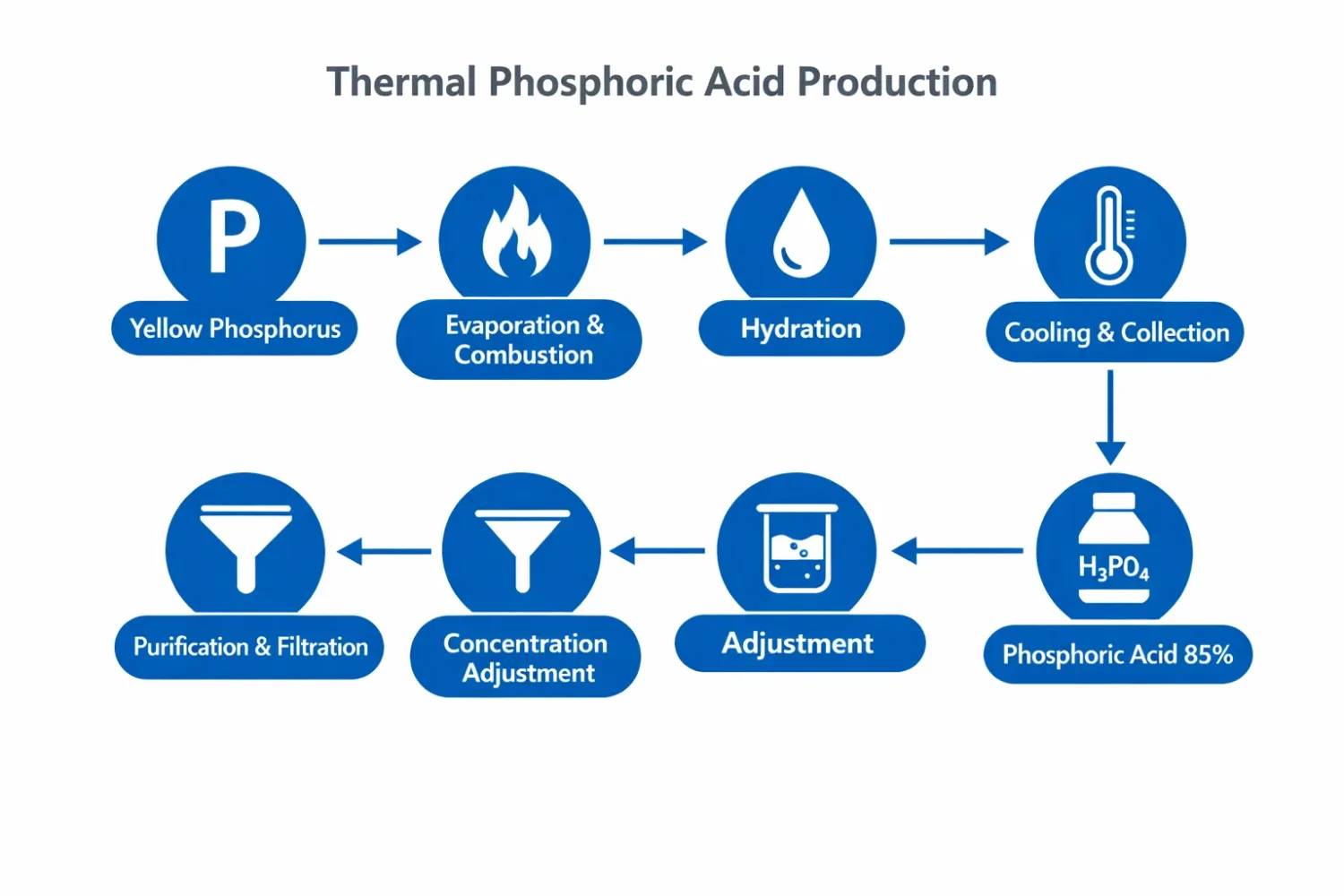
Knowing roughly where in the process a sample was pulled helps explain why a COA should always reference a specific batch rather than a general product spec.
Simple Tests You Can Run On-Site
You do not need a full chemistry lab to catch the most common problems. A few inexpensive tools, used correctly, confirm whether a sample is roughly in line with its stated grade and concentration.
Specific Gravity (Density) Check
Phosphoric acid concentration and density move together in a predictable relationship. Using a hydrometer or density meter on the sample at a known temperature, then comparing the reading against the density your supplier’s COA states for that concentration, is one of the fastest sanity checks available. A reading noticeably lower than expected for the stated concentration is an early sign of dilution.
Visual and Clarity Check
Genuine phosphoric acid at food or industrial grade is normally clear to very slightly colored, with no visible particles, cloudiness, or separation. Compare the sample against a known-good reference if you have one. Unexpected color, haze, or sediment does not automatically mean the acid is off-spec, but it is a reason to run the lab tests in the next section before moving forward.
Simple Titration for Concentration
A basic acid-base titration, using a standardized sodium hydroxide solution and a pH indicator or pH meter, gives a workable estimate of actual concentration. This does not replace a full lab assay, but it quickly confirms the sample is in the right range before you invest in deeper testing.
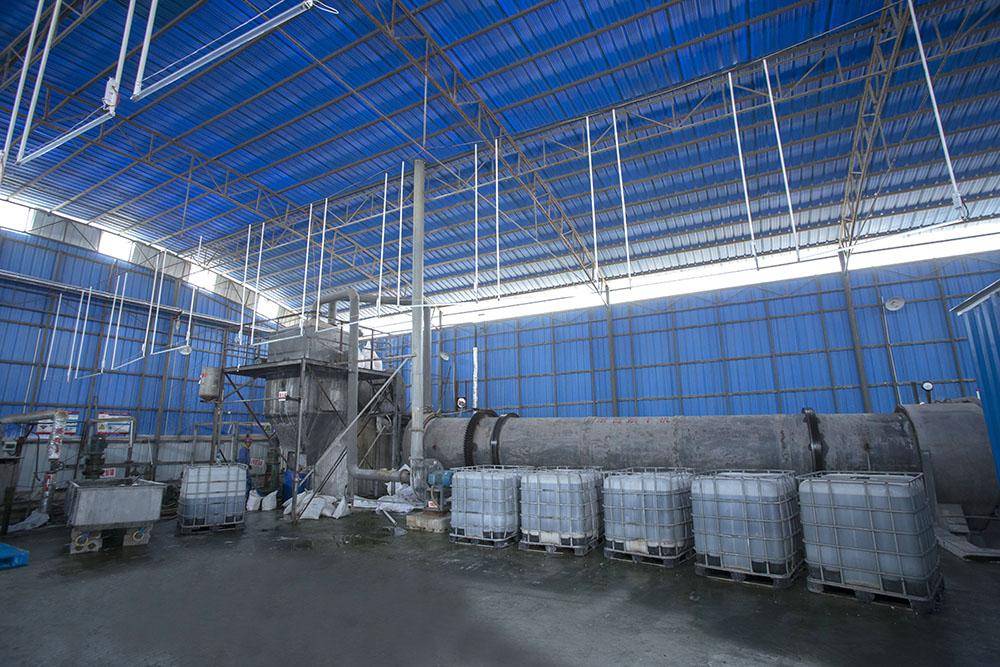
These three checks take a small lab kit and a few minutes each, and together they catch most obvious concentration or dilution problems before a bulk order is placed.
Need Help Sourcing Bulk Phosphoric Acid In 2026?
Contact our team today for a quotation, a free sample, and a phosphoric acid specification guide.
WhatsApp Us for Free a Consultation

Camal help a buyer test a factory whether the supplier’s claimed scale, safety practices, and stock handling are real.
Lab-Based Tests for Full Confidence
On-site checks screen out an obviously bad sample, but a genuine bulk order, especially your first one with a new supplier, deserves proper lab verification before the container ships.
Acid-Base Titration for Precise Assay
A laboratory potentiometric titration gives a precise, repeatable percentage for the phosphoric acid content, far more accurate than a quick on-site titration. This is the number that should match the COA’s stated assay within the supplier’s agreed tolerance.
Heavy Metals and Impurity Screening
For food-grade phosphoric acid especially, a lab can screen for iron, arsenic, and other heavy metals using instrumental methods such as ICP or atomic absorption spectroscopy. These impurities matter for regulatory compliance across the fertilizer, food and beverage, and metal treatment applications phosphoric acid is used in, and they are effectively invisible without instrumental testing.
Third-Party Inspection
For a first bulk order, many buyers add an independent inspection company, such as SGS or Bureau Veritas, to sample and test the shipment at loading. This adds verification that does not depend on the supplier’s own lab, and it answers the trust question every new buyer has: is this really the product it claims to be, from a supplier that actually exists? Reading through real buyer case studies is a useful way to see how other companies have handled this same first-order verification step.

A factory visit, alongside third-party lab inspection, lets a buyer confirm that a supplier’s production facility and testing claims are genuine before a bulk order is signed.
From Sample Results to a Confident Bulk Order Decision
Once a sample has passed the checks above, the last step is confirming it matches the right grade for your application and knowing how to move from a good sample to a properly structured bulk order.
Match the Grade to Your Application
Industrial and food-grade phosphoric acid can both sit around 85% concentration, so a sample test should confirm grade suitability, not just strength.
| Attribute | Industrial Grade | Food Grade (E338) |
| Typical concentration | Around 75% or 85% | Around 85% |
| Typical use | Fertilizer, metal treatment, water treatment | Food and beverage, some pharmaceutical and personal care uses |
| Key purity focus | Iron, sulfate, and impurity limits suited to industrial process tolerance | Tighter limits on arsenic and heavy metals, suited to food safety compliance |
| Typical documentation | COA with assay, iron, and general impurity data | COA with assay plus food-grade compliance data |
| Typical packaging | Drums, 1,600-1,650 kg IBC totes | Drums, IBC totes, food-contact-appropriate packaging |
Our food-grade phosphoric acid and industrial-grade phosphoric acid pages break these specifications down further if you need to confirm which one fits your process.
Green Flags and Red Flags in a Sample Report
- Green flag: Measured concentration falls within the supplier’s stated tolerance on the COA.
- Green flag: Heavy metals and arsenic results sit clearly under the limit relevant to your grade.
- Green flag: Batch number on the COA matches the batch number on the sample container.
- Red flag: Measured concentration is noticeably below the stated percentage.
- Red flag: The supplier cannot produce a batch-specific COA on request.
- Red flag: Visual appearance is inconsistent with a known-good reference and the supplier has no explanation.

A verified sample and a confirmed grade are what should stand between a buyer and the moment a bulk shipment actually leaves the loading dock.
Moving From Sample to Bulk Order
A passing sample test does not need to be the end of verification. Many buyers still request third-party inspection at loading for the first one or two containers, then rely more on the supplier’s own COA once a consistent track record is established across several shipments. If you are ready to move forward, our team can walk you through packaging and next steps directly through our contact page.
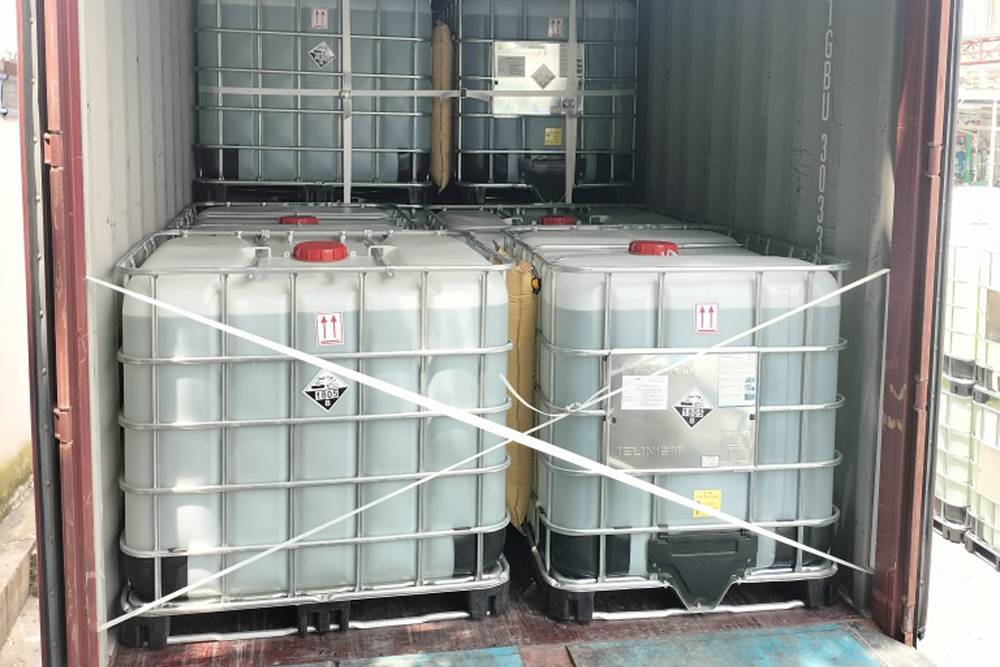
Reliable, responsive support for industrial clients worldwide includes agreeing on the right packaging format, drums or IBC totes, once a sample has confirmed the product itself is sound.
Want to see how phosphoric acid actually moves from production to a loaded container? Watch this short video showing 85% phosphoric acid export and container loading in China.
Frequently Asked Questions
How much phosphoric acid sample do I need to run a proper test?
Most buyers request between 500 grams and 1 kilogram. That is enough for a specific gravity check, a visual inspection, and a basic titration, with some left over if a lab needs a portion for instrumental testing.
Can I test phosphoric acid concentration without lab equipment?
Yes, to a point. A hydrometer for specific gravity and a simple acid-base titration kit will confirm whether a sample is roughly in the right range. These checks are not a substitute for a full lab assay, but they are a fast, low-cost first screen.
Is a Certificate of Analysis enough, or do I still need to test the sample myself?
A COA is useful, but it is a document, not a guarantee. Treat it as the reference numbers you test the physical sample against. The strongest approach combines a batch-specific COA with your own on-site checks and, for a first order, independent lab or third-party inspection results.
What’s the difference between testing a food-grade sample versus an industrial-grade sample?
The core concentration checks are similar, but a food-grade sample needs tighter attention to heavy metals, arsenic, and general impurity limits. Industrial-grade testing focuses more on concentration accuracy and impurities relevant to the specific industrial process it will be used in.
What should I do if my sample test doesn’t match the supplier’s stated specification?
Go back to the supplier with your specific test results and ask for an explanation before placing any order. A legitimate supplier will explain a measurement difference, offer to resend a sample, or arrange third-party verification. Repeated vague answers or refusal to address the discrepancy is a reason to look elsewhere.
How long does third-party lab testing usually take before a bulk order?
Timelines vary by lab and location, but buyers should generally plan for this step to add several days to a couple of weeks to the sourcing timeline. Building that time into your production schedule avoids pressure to skip verification just to hit a delivery date.
Do I need to test every shipment, or only the first one?
Most experienced buyers test closely on the first one or two orders with a new supplier, then move to spot-checks or COA review alone once the supplier has demonstrated consistent, on-spec quality across several bulk shipments.
Can a sample test also confirm whether I need 75% or 85% concentration?
Partly. A sample test confirms whether the acid matches its stated concentration, but choosing between 75% and 85% mainly depends on your process requirements, such as viscosity, pumping equipment, and cold-weather storage, rather than something the sample test decides for you.
Conclusion
A phosphoric acid sample is only useful if it gets tested properly. Checking the packaging and documentation, running simple density, visual, and titration checks on-site, and backing that up with lab-based assay and impurity testing for a first order gives you real evidence instead of a supplier’s word. That evidence turns a bulk order from a leap of faith into a decision you can defend, whether the acid is headed into fertilizer production, metal treatment, or a food-grade application. For more buying guides like this one, browse our phosphoric acid blog or learn more about who supplies your acid before you place your next order.
Industrial Buyers: Next Steps for Sourcing Bulk Phosphoric Acid
What makes our Phosphoric Acid Better:
✅ Compliant with EU, UN, ISO Standards – No Legal Headaches
✅ Guaranteed 85% Purity – Stability for your Processing Plant
✅ Extremely Low Impurities – Low Heavy Metals
✅ Batch-Specific COA Provided – Full Transparency per Shipment.
Download Our EU-approved Specifications.[ Food Grade or Industrial Grade]