


A buyer may ask, “Which is better: phosphoric acid or citric acid?” The better question is, “Which acid fits my process?”
The answer depends on the job, grade, concentration, documents, surface, and local rules. This guide helps industrial buyers make that decision. It also shows how to compare samples, supplier documents, and bulk quotations.

Before a bulk order, a clear product comparison can prevent a costly process mismatch.
The short answer: phosphoric acid and citric acid are not automatic substitutes
Phosphoric acid is an inorganic acid. Its formula is H₃PO₄. Its CAS number is 7664-38-2.1 It is used in areas such as fertilizer production, metal treatment, rust treatment, water treatment, and some food applications.
Citric acid may fit food, cleaning, and pH work
Citric acid is an organic acid. Its formula is C₆H₈O₇. It is used in food, beverages, cleaning products, cosmetics, pharmaceuticals, and other industrial areas.
These are broad use areas. They do not approve a chemical for a specific process. The buyer must check the exact grade, concentration, impurity limits, and application conditions.
What they have in common
Both acids can be used for acidification, pH control, and some cleaning work. Both can also require careful storage and handling when supplied in concentrated form.
What makes the buying decision different
The two products may differ in:
- Acid behavior in the process.
- Source and manufacturing route.
- Impurity profile.
- Grade and permitted use.
- Packaging and transport rules.
- Required quality documents.
- Effect on the final product or surface.
| Feature /Criteria | Phosphoric Acid vs Citric Acid | Phosphoric Acid vs Citric Acid |
| Primary Industrial Uses | Metal treatment, rust removal, fertilizer production, heavy scale removal, water treatment | Food & beverage acidification, mild cleaning/descaling, cosmetics, pharmaceuticals |
| Key Function in Cleaning | Effective on heavy rust & tough mineral deposits | Effective on mild limescale & light organic deposits |
| Phosphate Source | Yes — serves as a direct phosphate input | No — phosphorus-free |
| Environmental & Wastewater | Requires phosphorus discharge control in wastewater | Easily biodegradable; lower environmental impact |
| Required Documents | Specification, TDS, SDS, Batch COA, Food Grade / Industrial certifications | Specification, TDS, SDS, Batch COA, Food/Pharma Grade certifications |
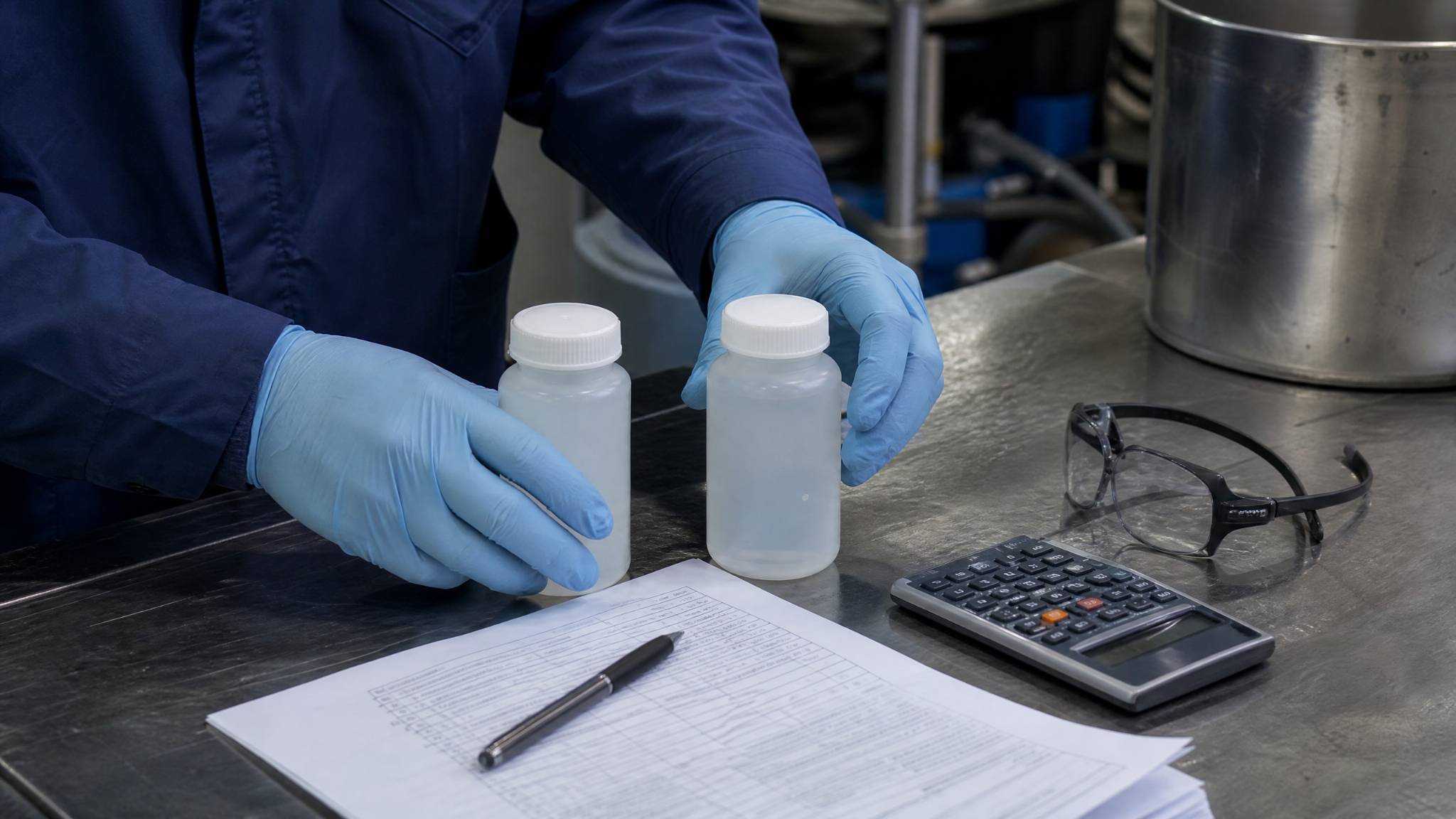
A useful comparison starts with the process need, then checks grade, concentration, documents, and cost.
Which acid fits your application?
Instead of giving one general winner, use the scenario that matches your plant.
Scenario 1: You need industrial cleaning or descaling
Phosphoric acid may fit some rust-treatment and mineral-deposit jobs. Citric acid may fit other cleaning or descaling jobs. The correct choice depends on the deposit, surface, concentration, temperature, contact time, rinsing, and waste plan.
Before a trial, answer these questions:
- What deposit must the process remove?
- What material will contact the solution?
- What concentration will the trial use?
- How long will the acid contact the surface?
- How will the surface be rinsed and checked?
- How will the wastewater be handled?
Do not use a general article as a cleaning procedure. Ask your process and safety teams to approve the trial.
Do you need help choosing an acid for a cleaning or descaling trial?Ask CAMACHEM about a cleaning trial on WhatsApp:
WhatsApp Us for Free a Consultation
For more context, read Phosphoric Acid in Detergent and Cleaning Products and the Phosphoric Acid Safety and Handling Guide.
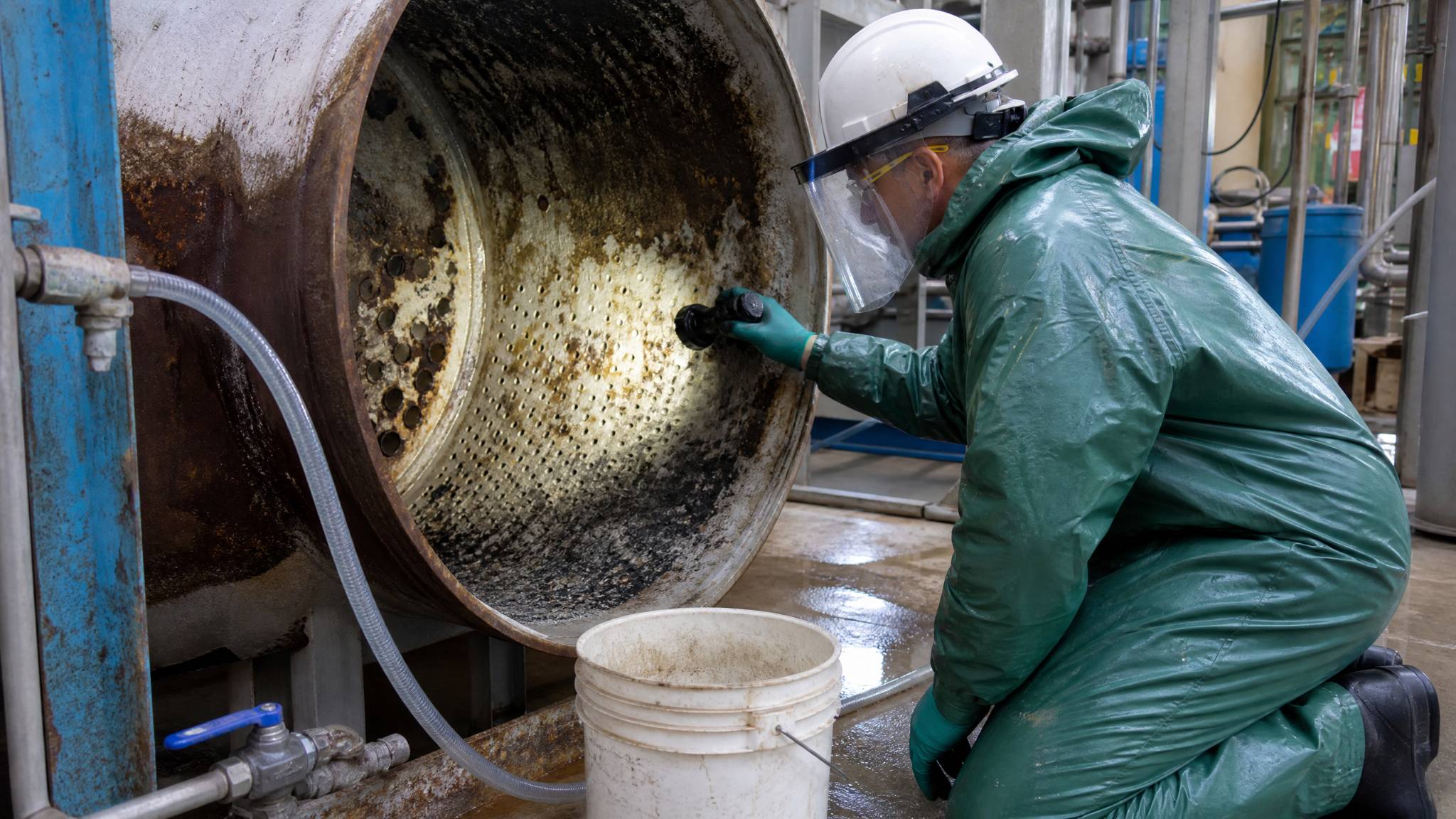
A controlled cleaning trial shows whether the acid fits the deposit, surface, and process conditions.
Scenario 2: You make food or beverage products
Food and beverage buyers must check the intended use first. They should then confirm the correct grade, impurity limits, traceability, and destination-market rules.
Food-grade phosphoric acid and citric acid are not approved by concentration alone. While the U.S. FDA lists both substances in its food-substance database, a general listing does not approve every product, use, market, or formulation. Understanding the distinctions between food-grade vs industrial-grade phosphoric acid is essential before final selection, as food applications require far tighter controls on heavy metals and trace impurities.
When formulating beverages, dairy, or processed foods, the choice between these two acids often comes down to functional performance:
- Phosphoric Acid: Delivers a sharp, clean acid profile ideal for colas, processed cheeses, and baking applications, while also providing a functional phosphate input for pH buffering.
- Citric Acid: Offers a tart, fruity acidity suited for fruit juices, candies, and preserves without adding phosphorus to the formulation.
Before placing an order, buyers should request comprehensive quality documentation directly from the supplier, including food-grade product specifications, current TDS and SDS, batch-specific COAs, impurity test reports, traceability data, and all regulatory filings required by the destination market.
Are you unsure which food-grade acid and documents your market requires?Ask CAMACHEM about food-grade phosphoric acid or citric acid on WhatsApp:
WhatsApp Us for Free a Consultation
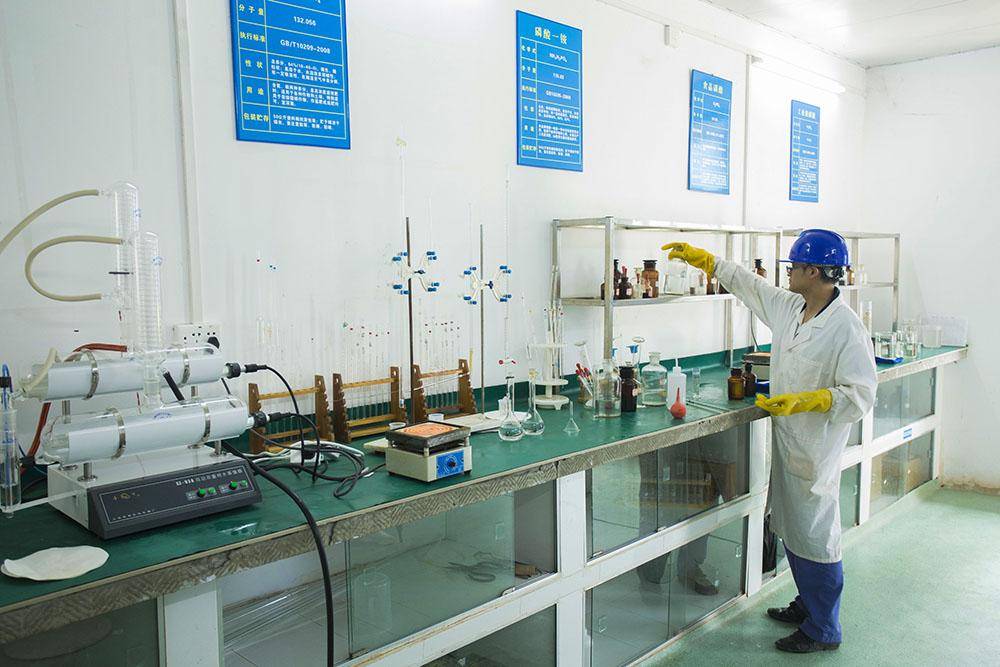
Food and beverage buyers should confirm grade, permitted use, traceability, and destination-market rules.
Scenario 3: You treat metal or adjust water chemistry
For metal treatment, review the target oxide, metal surface, concentration, contact time, rinsing, and corrosion control. Phosphoric acid reacts with iron oxides to form a protective phosphate coating, whereas citric acid chelates rust without phosphatizing the surface.
For water treatment, evaluate water chemistry, dosing systems, downstream effects, permits, and safety. Phosphoric acid manages pH alongside scale and corrosion control—with detailed technical considerations covered under phosphoric acid in water treatment—while citric acid suits gentle descaling where phosphorus additions are restricted.
Because surface metallurgy and water chemistry vary, perform a controlled trial with clear acceptance criteria before full-scale use.
Scenario 4: You need a phosphate input for manufacturing
If the process needs a phosphate source, phosphoric acid may have a different role from citric acid. Confirm the material balance, grade, concentration, impurity limits, and downstream product requirements.
Do not select a product only because it has a lower price. A product that does not meet the process specification can increase rework and production risk.

The process target should guide the chemical choice, not the product name or lowest quoted price.
How should buyers compare the two products?
Compare the same information for both acids
Use one simple comparison sheet. This prevents a supplier from quoting different product bases.
| Checkpoint | Buyer question | Evidence to request |
|---|---|---|
| Identity | What exact chemical is quoted? | Name, formula, CAS number |
| Grade | Is it industrial, food grade, or another grade? | Product specification and intended-use statement |
| Concentration | What concentration and tolerance are offered? | Specification and test method |
| Impurities | Which limits matter to the process? | COA, specification, and test method |
| Application | Has the product been reviewed for this use? | Technical guidance and trial plan |
| Package | How will the chemical be packed? | Package type, size, and loading plan |
| Documents | Which files are included? | TDS, SDS, COA, and required certificates |
| Delivery | Can the supplier support the destination? | Incoterm, port, freight, and export documents |
Grade is not the same as concentration
A product can have a similar concentration and still have a different grade. Industrial grade and food grade are separate decisions. They may have different impurity limits, documents, and permitted uses.
For phosphoric acid buyers, compare 85% vs 75% Phosphoric Acid before you request a quote.
Documents should match the quoted batch
A website image is not a batch test. Ask whether the COA is batch-specific. Check the issue date, product identity, concentration, test method, and supplier name.
For a new supplier or a sensitive application, consider a sample test or independent testing before the bulk order.
Do you need a bulk quotation with the right package and shipping basis?Ask CAMACHEM for the TDS, SDS, and COA on WhatsApp:
WhatsApp Us for Free a Consultation
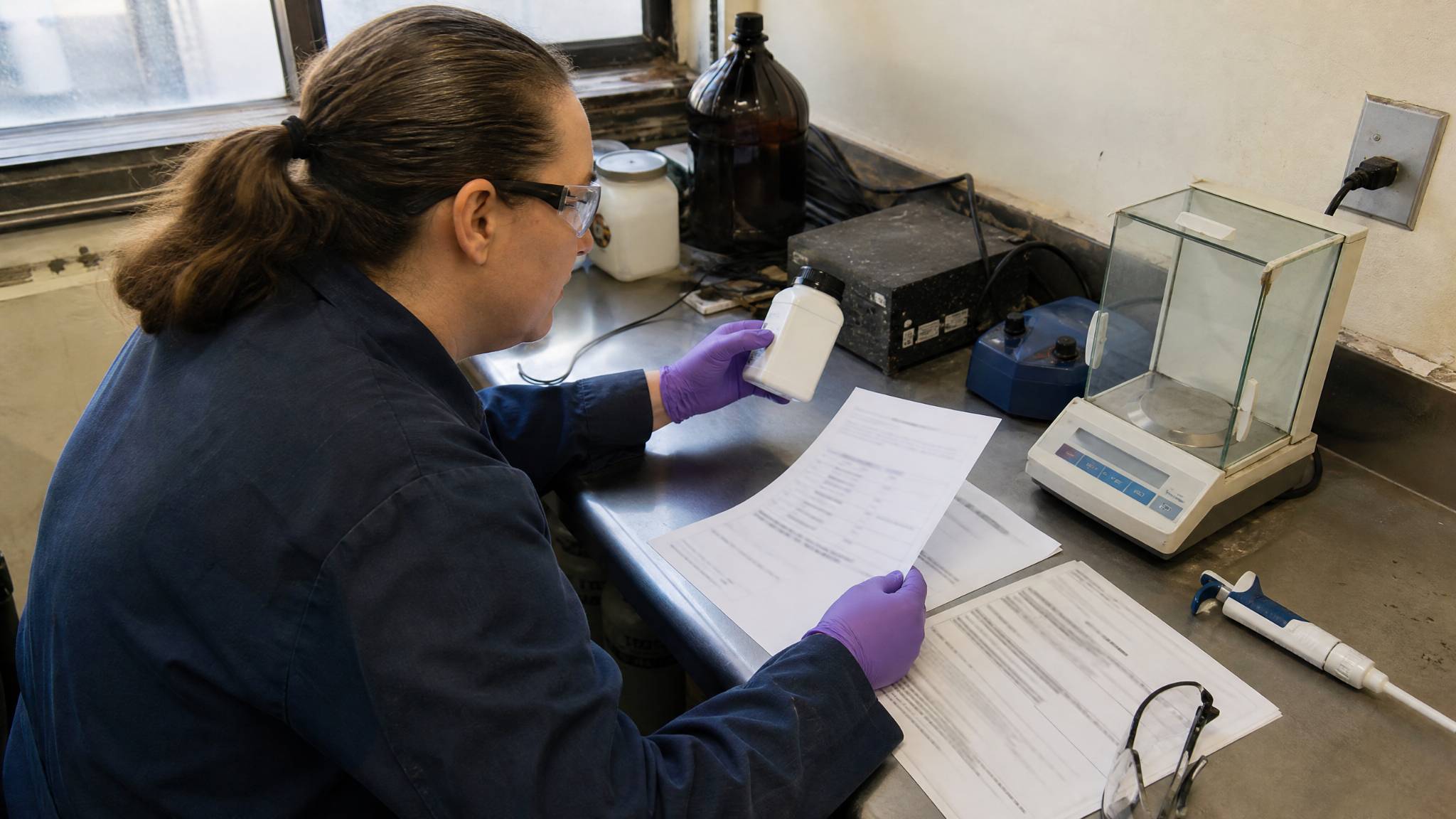
A current specification, SDS, TDS, and batch-specific COA give buyers a stronger basis for approval.
When does a comparison become a buying decision?
Step 1: Define the process need
Write down the application, expected result, grade, concentration, monthly volume, package, destination, and document needs.
Step 2: Test the right sample
Use a sample that matches the proposed commercial product. Record the sample identity and test conditions. Set acceptance criteria before the trial.
Step 3: Send the same RFQ to each supplier
Include the same product requirements for each supplier. Ask for the same package, destination basis, documents, and delivery terms.
Step 4: Compare total landed cost
Separate product price, packaging, inland freight, ocean freight, insurance, duties, local charges, testing, and storage where relevant. Then compare lead time, quote validity, payment terms, and repeat-supply support.
Step 5: Approve the first bulk order
Before ordering, confirm the final specification, package, loading plan, shipping documents, consignee details, and quality remedy. Keep the approved documents with the purchase record.
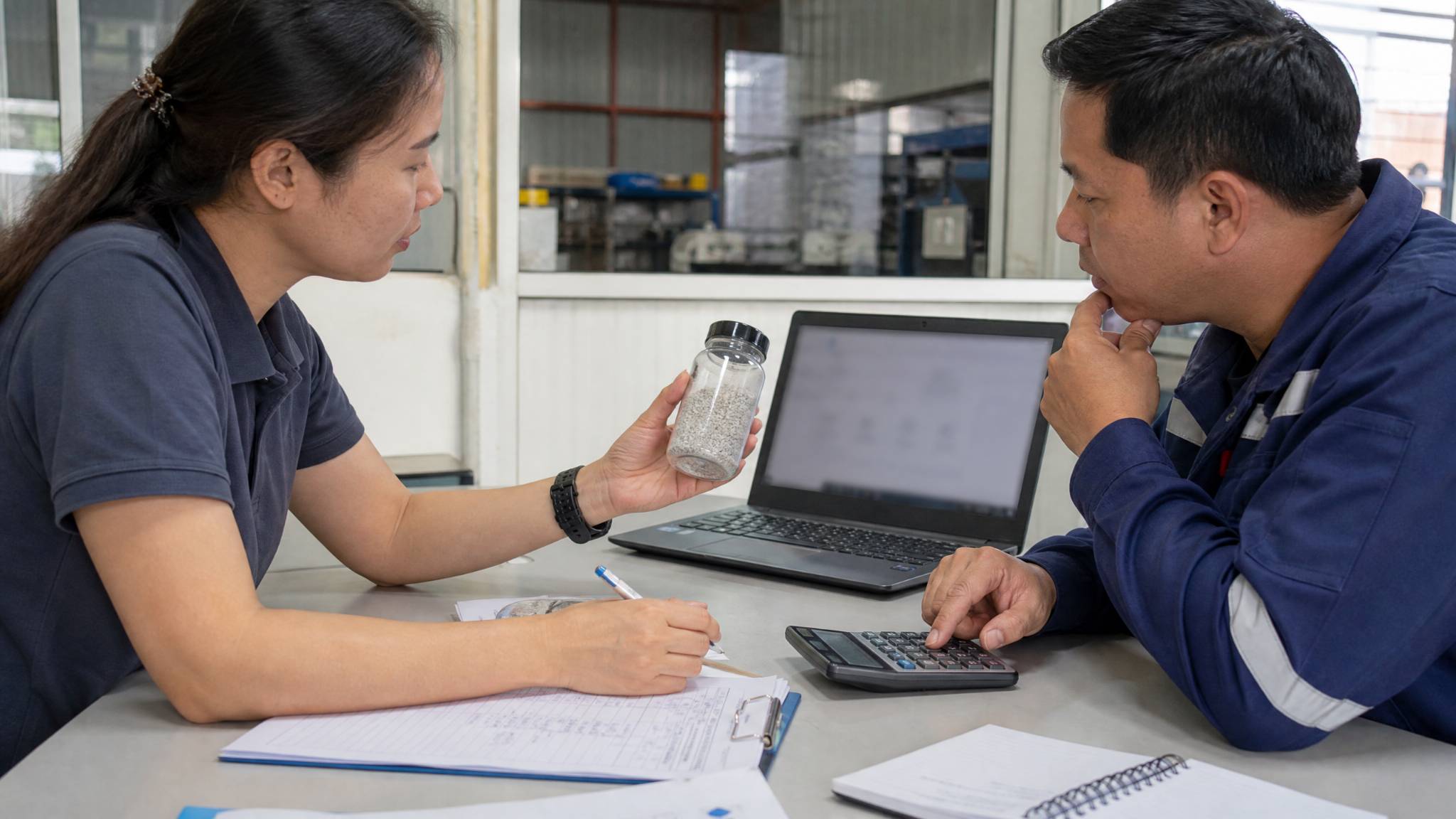
When every supplier receives the same RFQ, price and delivery offers are easier to compare.
Why supplier quality matters as much as chemical choice
Confirm who stands behind the product
Ask whether the company is the manufacturer, exporter, distributor, or another contracting party. Confirm who issues the TDS, SDS, and COA. Confirm who manages the shipment.
When evaluating overseas manufacturers, buyers should know how to buy phosphoric acid from China without risking low purity, as raw material sourcing and technical controls vary significantly. Additionally, verifying international compliance through REACH & ISO certification guidelines helps ensure the supplier meets strict quality and safety management standards before issuing an RFQ.
Confirm the package and export plan
The package affects storage, loading, handling, and freight. Ask for the proposed package, loading method, label information, safety documents, and destination requirements.
The following individual Camachem videos may help buyers understand the logistics stage:
Phosphoric Acid 85% Export Container Loading in China — use near the export and loading discussion.
This video provides visual context on phosphoric acid export container loading in China.
Do you need a bulk quotation with the right package and shipping basis?Ask CAMACHEM for packaging, shipping, and quotation support on WhatsApp:
WhatsApp Us for Free a Consultation
Confirm the repeat-supply plan
A first order is only one part of the decision. Ask how the supplier manages repeat specifications, future COAs, package consistency, communication, and changes in freight or destination requirements.
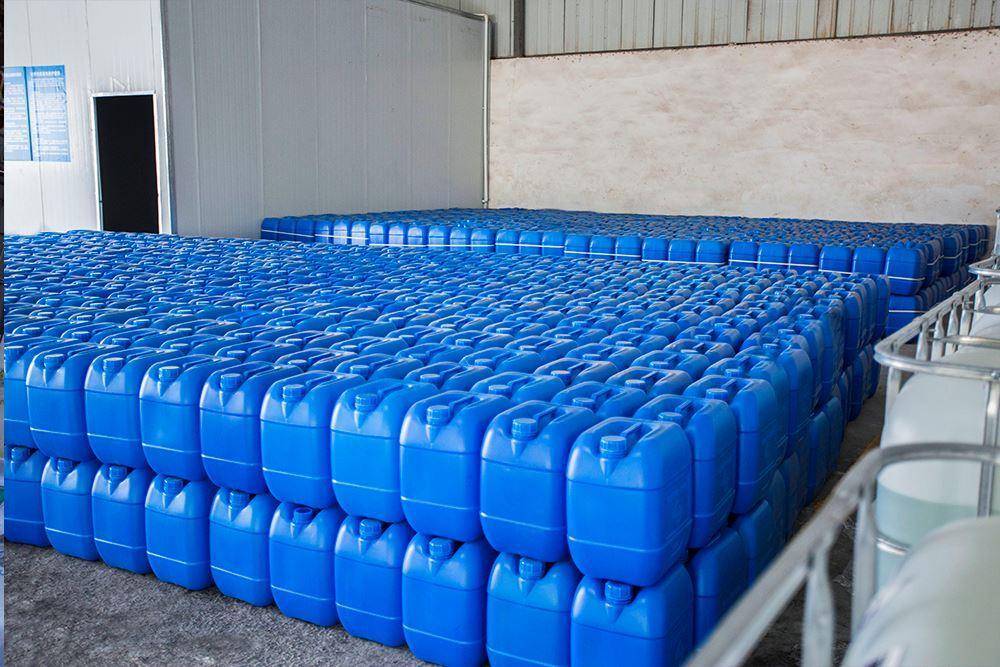
The final loading check connects product identity, packaging, shipping documents, and delivery planning.
Frequently Asked Questions
Can phosphoric acid replace citric acid?
Not automatically. Compare the process goal, grade, concentration, impurity limits, surface or product contact, safety controls, and local rules.
Which acid is better for cleaning?
Neither acid is always better. The right choice depends on the deposit, surface, concentration, contact time, rinsing, waste plan, and test result.
Is citric acid always safer?
No chemical should be judged by name alone. Review the exact concentration, exposure risk, storage plan, transport rules, and SDS.
Is 85% phosphoric acid automatically food grade?
No. Concentration does not define the full grade. Food-grade status needs supporting specifications, impurity controls, traceability, and compliance review.
What should I request from a chemical supplier?
Request the product specification, TDS, SDS, COA, grade, concentration, impurity limits, package details, export documents, and a clear quotation basis.
Should I test a sample before buying in bulk?
A controlled sample test can reduce risk for a new supplier or sensitive process. Set acceptance criteria before testing.
How should I ask for a quotation?
State the application, product, grade, concentration, quantity, package, destination, documents, Incoterm, and delivery window. This gives the supplier enough information to prepare a useful offer.
Conclusion: Choose the Acid That Fits Your Process
Phosphoric acid and citric acid are both useful industrial chemicals, but they are not automatic substitutes. The right choice depends on the process goal, surface or product contact, grade, concentration, impurity limits, documents, and destination-market requirements.
Phosphoric acid may fit phosphate-related production, rust treatment, mineral deposits, and selected food applications when the correct grade is approved. Citric acid may fit selected food, cleaning, and pH-control applications. In every case, the full specification matters more than the product name or the lowest first quote.
Before placing a bulk order, define your application, compare the same information for both products, test a representative sample when needed, and review the TDS, SDS, specification, and batch-specific COA. You should also confirm packaging, export documents, delivery terms, and repeat-supply support.
A careful comparison helps reduce quality risk, production delays, and unexpected landed costs.
Buyers can use CAMAL’s Industrial Buyer’s Guide to Bulk Phosphoric Acid and CAMACHEM’s industrial-grade or food-grade phosphoric acid information when preparing the next RFQ.
Send your buying brief
If you are comparing phosphoric acid and citric acid, include:
- Your application and target result.
- Required acid and possible alternative.
- Grade and concentration.
- Monthly or annual volume.
- Packaging preference.
- Destination country and port.
- Required TDS, SDS, COA, and certificates.
- Delivery and trade-term requirements.
You can also review the CAMACHEM phosphoric acid contact route and the CAMAL website before sending your request. Use the contact route that matches your confirmed region and buying need.
Industrial Buyers: Next Steps for Sourcing Bulk Phosphoric Acid
What makes our Phosphoric Acid Better:
✅ Compliant with EU, UN, ISO Standards – No Legal Headaches
✅ Guaranteed 85% Purity – Stability for your Processing Plant
✅ Extremely Low Impurities – Low Heavy Metals
✅ Batch-Specific COA Provided – Full Transparency per Shipment.
Download Our EU-approved Specifications.[ Food Grade or Industrial Grade]