


A low quotation is not proof that a Chinese phosphoric acid factory is real, qualified, or ready to ship your order. Before you wire a deposit, you need to verify two things separately: the product and the supplier.
A factory may offer 85% phosphoric acid but still fail to match your required grade, impurity limits, packaging, or export documents. A trading company may also present factory photos that do not belong to the legal supplier named on your quotation. This is why a careful buyer checks the legal entity, production site, sample, documents, and payment terms as one connected process.
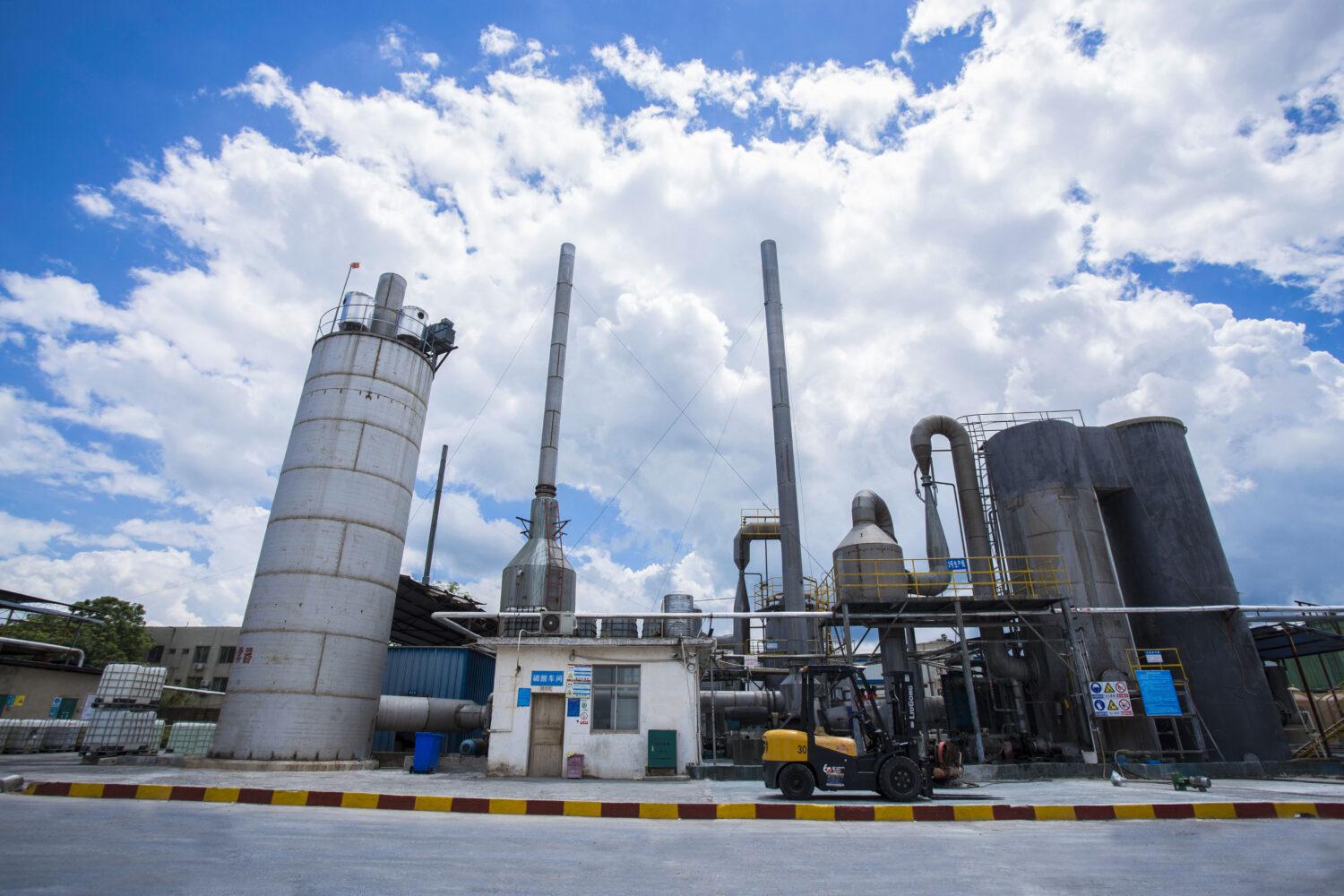
A real factory check starts with the legal company name, site address, and production capability, not with a product photo alone.
Why Factory Verification Matters Before a Deposit
Phosphoric acid is a repeat-purchase industrial chemical. A weak first order can create more than a one-time loss. It may cause production downtime, customs delays, re-testing costs, rejected batches, or a difficult recovery process if the supplier disappears after payment.
The risk is not limited to concentration. Industrial and food-grade phosphoric acid may both be sold at about 85%, but the grades can differ in impurity limits, permitted uses, documentation, and compliance requirements. Review the difference between industrial-grade phosphoric acid specifications and food-grade phosphoric acid specifications before you compare quotations.
A useful verification rule is simple: every important promise should connect to a document, a sample, an inspection, or a measurable contract term.
Decision-Maker Insight
The cheapest quote is not the lowest-cost option if the material fails your process or the supplier cannot replace a rejected shipment. Spend a small amount of time verifying the supplier before you risk the full deposit and the cost of a production interruption.
1. Match the Quotation to the Legal Company
Start with the proforma invoice, sales contract, bank details, website, email domain, and business license. The legal company name should be consistent across these records. Ask for the Chinese and English company names, Unified Social Credit Code, registered address, business scope, and the name of the bank-account holder.
Then search the company in China’s National Enterprise Credit Information Publicity System. Check its active status, registered name, business scope, and address. A sales office and separate production plant can be legitimate, but the supplier must state which entity signs, receives payment, manufactures, and exports.
What to request
- A current business license and Unified Social Credit Code.
- A contract and invoice showing the same legal seller.
- Bank details, production-site address, and export contact.
- A written explanation for any difference between seller, factory, and bank.
Never send a deposit to a personal account or to an unrelated company without formal contract protection and a documented commercial reason.

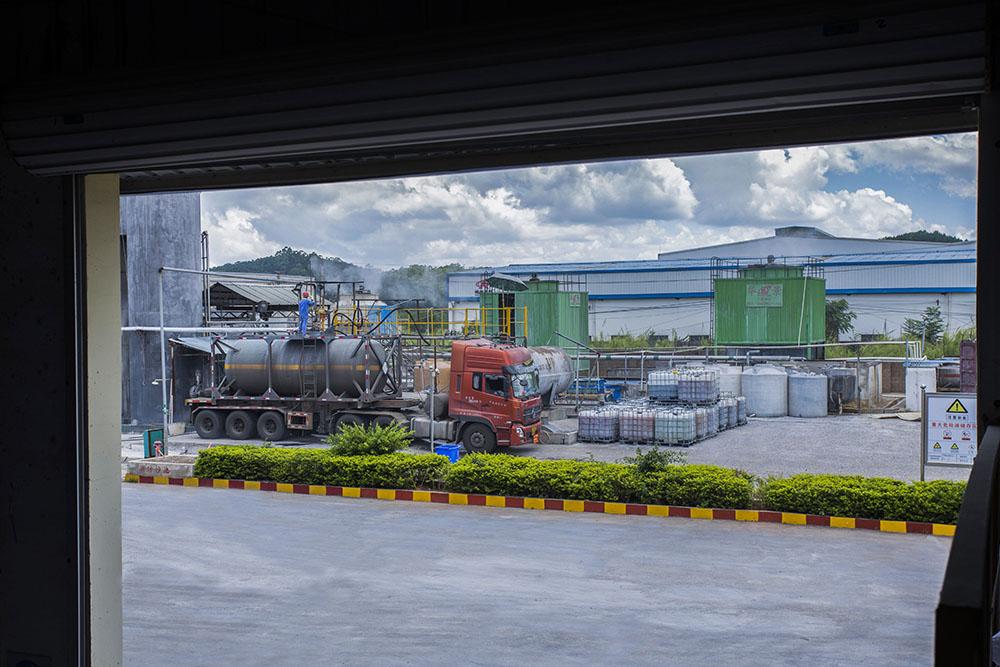
A factory visit can connect the legal supplier named in the contract with the physical production site.
2. Confirm That the Production Site Is Real
A website, factory video, and certificate scan are useful starting points, but none proves that the supplier can manufacture your order today. Ask for a live video call from the factory. Request a view of the entrance, production area, storage tanks, laboratory, packaging area, and loading dock. Ask the person on the call to show the current date or a reference you provide in advance.
For a larger order, consider a third-party factory audit or an in-person visit. Ask whether the supplier welcomes a buyer visit and whether the tour can include the quality-control laboratory and finished-goods storage. A genuine production partner should explain its process, batch controls, packaging, and export workflow without relying only on marketing language.
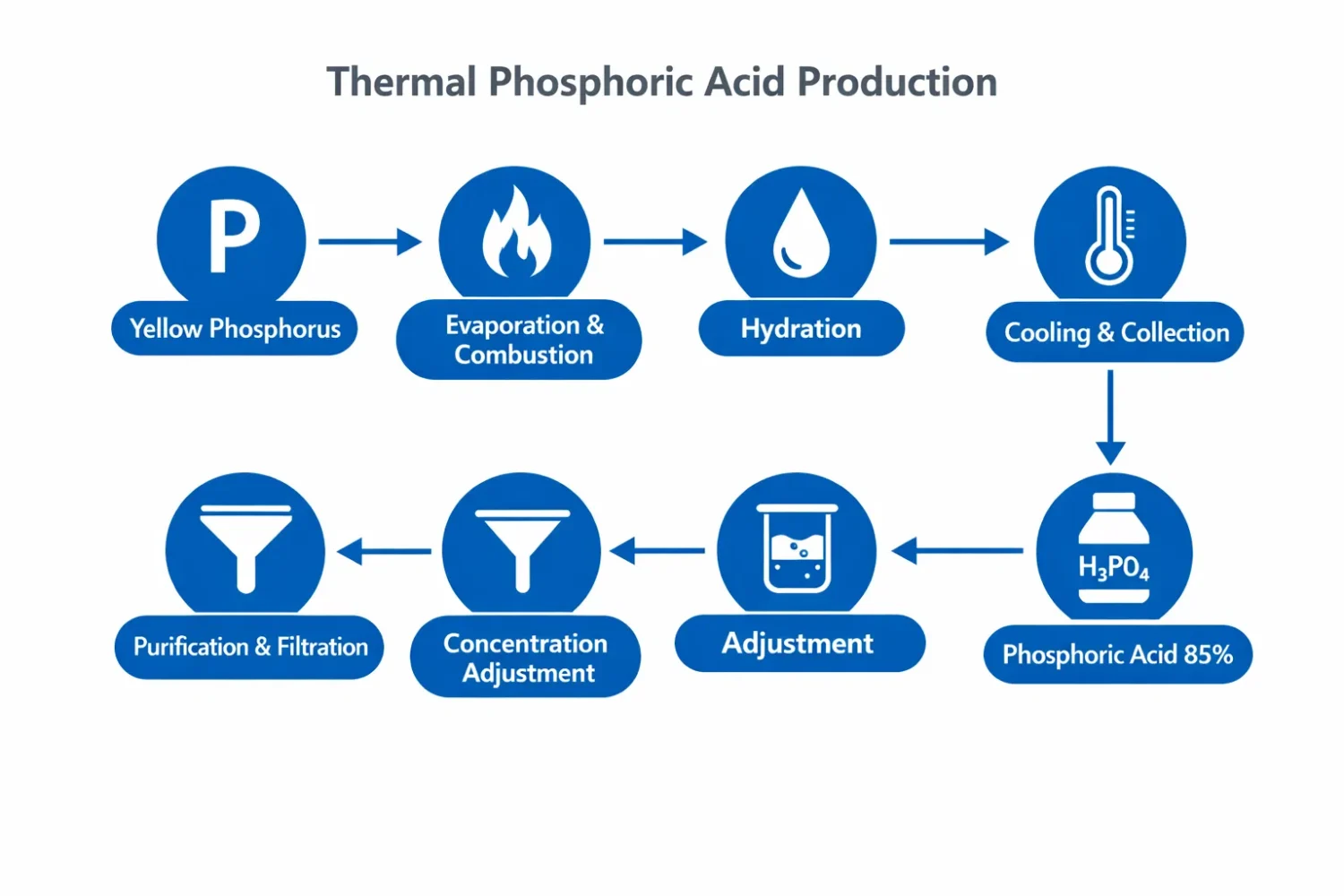
A process-flow view helps a buyer ask where production, testing, storage, and release controls happen.
A video call is not the same as an audit, but it can expose address, storage, and basic process inconsistencies.
Questions for the factory call
- Which part produces phosphoric acid, and which part stores or repacks it?
- How are batches identified and released?
- Where are retained samples kept?
- Which packaging formats can the site fill and load?
- Can the supplier show a recent batch without exposing another customer’s data?
You can also review the supplier’s factory and quality-control background as a reference point, then ask the supplier to demonstrate the same claims in a live conversation.
3. Test a Representative Sample Before Bulk Payment
Do not treat a sample as a courtesy item. Treat it as a pre-shipment control. Ask for a sample from the same product grade and production route that will be used for the bulk order. Record the sample lot, packaging, date, and seal condition when it arrives.
Define the test plan before you approve the purchase. For industrial 85% phosphoric acid, the specification may include H₃PO₄ content, appearance, color, sulfate, chloride, iron, arsenic, and heavy metals. Food-grade material may require tighter limits and additional controls. The correct test list depends on your application and destination market.
Use an independent laboratory when the order value or application risk justifies it. A sample test does not guarantee every future shipment, so require batch-specific documents and an inspection process.
The guide on testing a phosphoric acid sample before a bulk order can help turn a sample into a documented acceptance step.
Need a sample and test plan for your grade?
Tell us your application and required specification, and we’ll arrange a traceable sample with a batch-specific COA for your own testing.
WhatsApp Us for Free a Consultation
Technical Note
Concentration and grade are separate decisions. An 85% label does not by itself prove that the material is suitable for food, pharmaceutical, metal-treatment, fertilizer, or water-treatment use. Compare the complete impurity specification with your process requirements and destination-market rules.

Laboratory equipment supports the testing and release controls that buyers should ask to see before a bulk order.
4. Cross-Check the COA Against the Contract Specification
A certificate of analysis is useful only when it is specific to the shipment and can be matched to the product. Ask for a recent sample COA, but do not stop there. The final contract should state the agreed grade, concentration, impurity limits, packaging, net weight, batch identification, and the document package supplied with each shipment.
Compare the COA with the technical data sheet and the safety data sheet. Look for the same product name, CAS number, manufacturer, address, concentration, and revision date. A generic COA with no batch number, test date, laboratory information, or responsible signatory is weaker evidence than a batch-specific COA.
For example, the published industrial specification lists H₃PO₄ content of at least 85.0%, sulfate of no more than 100 mg/kg, chloride of no more than 5 mg/kg, iron of no more than 50 mg/kg, arsenic of no more than 100 mg/kg, and heavy metals as lead of no more than 50 mg/kg. Treat these values as a specification to verify, not a substitute for testing the lot.
Red flags in a COA
No batch number, or no match to the lot on the drum or IBC.
- Company name differs from the invoice seller.
- Identical results across supposedly different batches.
- Missing method, unit, laboratory, or test date.
- Grade claim without the impurity limits relevant to your use.
A supplier that welcomes technical questions is easier to manage than one that treats a COA as decoration.
5. Verify Certificates and Regulatory Claims Independently
Ask for the certificate number, legal entity, site address, scope, issuing body, issue date, expiry date, and accreditation details. A logo on a PDF is not enough. ISO explains that accredited certification can be checked through IAF CertSearch or by contacting the relevant certification or accreditation body. Use the exact legal entity and site address when searching.
For REACH-related claims, ask whether the supplier is the manufacturer, an importer, or part of a supply chain covered by another registrant. Search the substance in the ECHA Chemicals Database and ask the supplier to explain how its registration or Only Representative arrangement applies to your shipment and destination.
Do not assume that ISO 9001, REACH, SGS, or another document automatically proves that a particular batch meets your application needs. Certification and regulatory status are different from a batch COA. They should support your due diligence, not replace product testing.
The related guide on REACH and ISO certification checks for Chinese phosphoric acid can help you organize the questions before you request the documents.
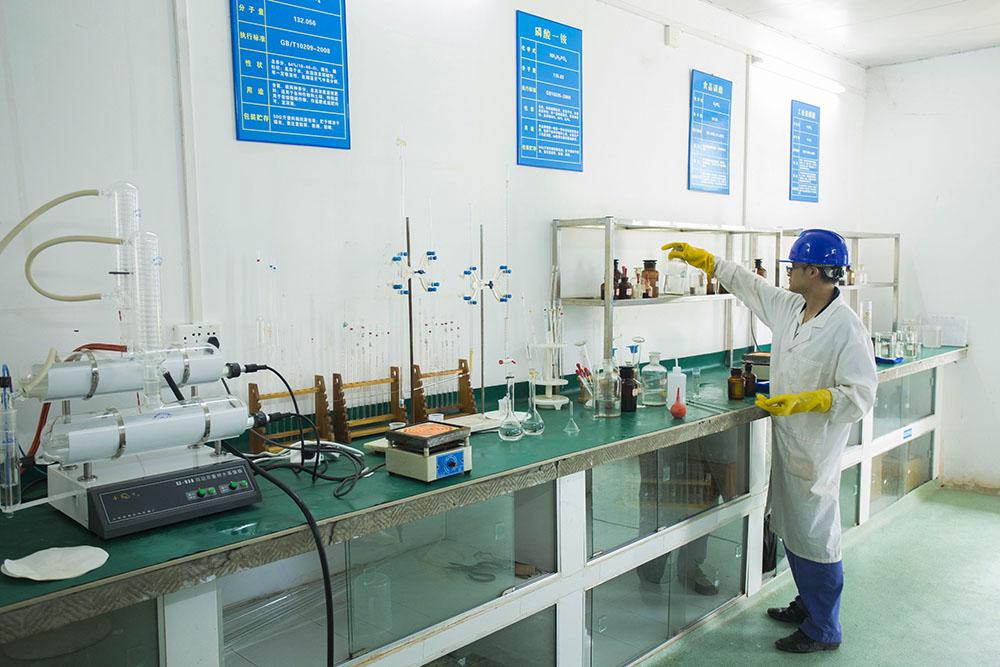
Certificate review is stronger when the supplier can connect its quality system to a real laboratory and a defined production site.
6. Check Capacity, Packaging, and Export Readiness
A supplier can be legitimate and still be a poor fit if it cannot deliver your monthly volume in the required packaging. Ask for the realistic monthly capacity available to your order, current production lead time, packaging formats, loading plan, and previous export experience to your destination.
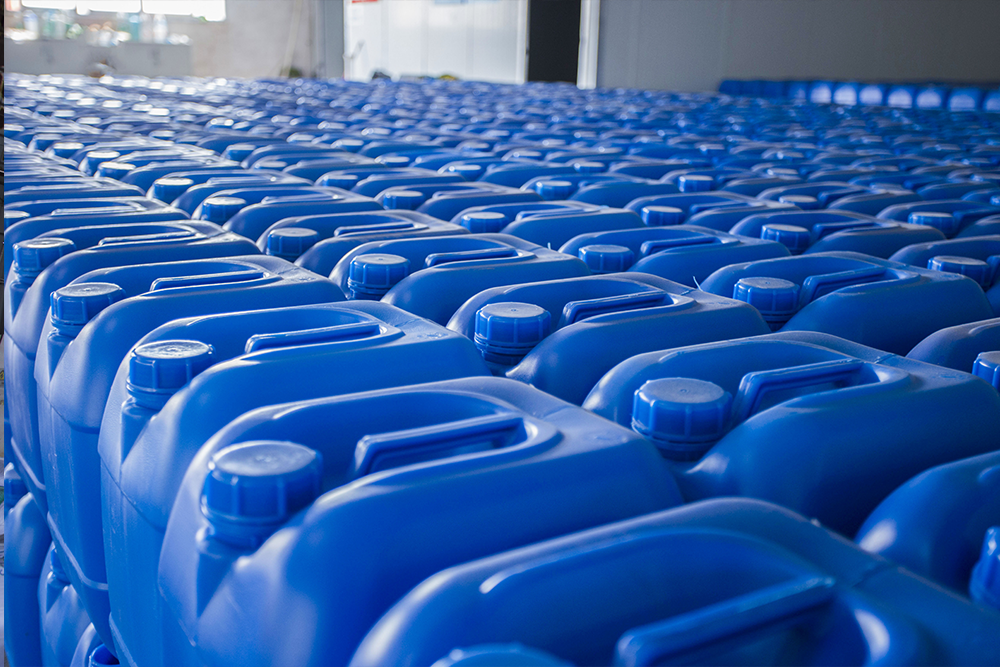
Packaging verification should cover drum condition, labels, closures, net weight, and loading arrangements.
Packaging should match your unloading and storage system. The site lists options such as 35 kg drums, 1,600 kg IBCs, and 1,650 kg IBCs, with container quantities that vary by format. Confirm the actual net weight, pallet plan, closure type, labels, container loading photos, and whether the packaging is new or reused.
For export, confirm the Incoterm, port, export documents, HS code, dangerous-goods paperwork where applicable, and the process for handling damage or leakage. Compare the quote with the landed-cost factors for bulk phosphoric acid rather than comparing FOB price alone.

IBC details should be matched to your unloading equipment and storage plan before the order is confirmed.
Capacity questions that expose weak answers
- What quantity can be allocated in the requested month?
- Which packaging line will fill the order?
- What is the planned batch date?
- Which documents arrive before loading and with the original shipping set?
- What happens if inspection or testing does not match the contract?
Export readiness includes the ability to fill, label, inspect, document, and load the agreed packaging on schedule.
Want to confirm capacity and packaging before you commit?
Share your monthly volume, destination port, and preferred packaging (drums or IBCs), and we’ll confirm loading quantities, lead time, and export documents.
WhatsApp Us for Free a Consultation
7. Protect the Deposit With Contract and Payment Controls
Verification should end in a controlled transaction, not a verbal promise. The contract should identify the legal seller, product grade, full specification, packaging, quantity, inspection rights, delivery terms, required documents, claims process, and payment schedule.
Use a deposit structure that leaves a meaningful balance linked to a clear milestone, such as a pre-shipment inspection or document release. The exact percentage depends on the relationship, product, and trade terms, but the principle is consistent: do not pay the full commercial risk before the supplier has performed the agreed steps.
Ask whether an independent inspection company can sample the finished goods before loading. Define what happens if the goods fail inspection. Also confirm that any change to bank details must be verified through a known contact using a second communication channel. Payment fraud often appears as a last-minute change, not as an obviously strange first quotation.
Before you wire the deposit, compare your final documents with the industrial buyer’s guide to bulk phosphoric acid and make a one-page approval checklist for your procurement and technical teams.
A Practical Pre-Deposit Verification Table
| Checkpoint | Evidence to request | Do not approve when |
|---|---|---|
| Legal identity | Business license, Unified Social Credit Code, contract, bank beneficiary | Names or addresses conflict without a written explanation. |
| Factory existence | Live video, site address, visit or third-party audit | The supplier avoids showing production, lab, or loading areas. |
| Product fit | Sample, test plan, complete specification | The sample is generic or the grade is unclear. |
| Batch quality | Batch COA, SDS, lot number, test date | The COA is undated, generic, or unrelated to the lot. |
| Certification | Certificate number, scope, issuing body, independent verification | Only logos or screenshots are provided. |
| Export readiness | Packaging plan, Incoterm, loading, documents, lead time | The supplier cannot explain who will export and load. |
| Payment control | Contract, inspection milestone, verified bank details | Payment is requested to a personal or unrelated account. |
Need Help Sourcing Bulk Phosphoric Acid In 2026?
Get a factory verification checklist, product specification sheet, and quotation for your required grade and packaging before you place a deposit.
WhatsApp Us for Free a Consultation
Frequently Asked Questions
Can a trading company be a legitimate phosphoric acid supplier?
Yes. A trading company can be legitimate, but you should know whether it is the seller, exporter, manufacturer, or agent. Ask for the site, payment beneficiary, and responsibility for the COA.
Is an 85% concentration claim enough to approve a supplier?
No. You also need the correct grade, impurity limits, application fit, packaging, documents, and a sample or independent test.
Should I visit the factory before every order?
Not always. A first or high-value order may justify a visit or third-party audit. Repeat orders can use periodic audits, batch COAs, retained samples, and inspection rights.
How can I check whether an ISO certificate is real?
Use the certificate number, legal entity, site address, scope, and issuing body. Check the certificate through IAF CertSearch when applicable, or contact the certification body directly. A certificate supports your review of the supplier’s system, but does not replace testing the product lot.
What should the final COA include?
It should identify the product, grade, lot, test date, seller or manufacturer, limits, results, units, and laboratory or signatory. The lot must match the shipment records.
What is the safest way to verify a last-minute bank-account change?
Do not rely on the changed email alone. Call a known contact using a previously verified number, confirm the change with the legal seller, and compare the beneficiary name with the contract. If the change cannot be independently confirmed, pause the payment.
Can I request a factory visit before buying phosphoric acid from China?
Yes. Ask for a visit or live remote tour covering production, laboratory, packaging, storage, and loading. This helps connect the legal supplier to the physical operation.
Want to see how phosphoric acid is prepared for export? Watch this short video showing container loading in China and the practical logistics behind a bulk shipment.
Conclusion: Verify Before You Transfer
A safe purchase is built from several checks. Match the legal company to the contract and bank account. Confirm the site, test a sample, cross-check the COA, verify certificates, review capacity, and protect the deposit with contract controls.
A capable Chinese phosphoric acid supplier should answer practical questions, provide consistent documents, explain the site, and agree on measurable quality and payment terms. If it cannot pass basic checks before your deposit, the risk is visible.
Industrial Buyers: Next Steps for Sourcing Bulk Phosphoric Acid
What makes our Phosphoric Acid Better:
✅ Compliant with EU, UN, ISO Standards – No Legal Headaches
✅ Guaranteed 85% Purity – Stability for your Processing Plant
✅ Extremely Low Impurities – Low Heavy Metals
✅ Batch-Specific COA Provided – Full Transparency per Shipment.
Download Our EU-approved Specifications.[ Food Grade or Industrial Grade]