


A first phosphoric acid factory visit in China should be more than a polite tour. It is a chance to check whether the supplier’s legal identity, production process, quality system, product specification, and export plan match what you were promised.
Good preparation makes the visit more useful. Instead of walking through the plant without a plan, you can arrive with the right documents, questions, test points, and decision rules. The goal is not to inspect every machine. The goal is to collect enough reliable evidence to decide whether the supplier can support your process and your future orders.

A factory visit is most useful when the buyer arrives with a clear purpose, product requirements, and verification checklist.
Why Prepare Before a Phosphoric Acid Factory Visit?
A supplier may show you a clean office, a modern website, or a product brochure. Those details can create a good first impression, but they do not answer every purchasing question. You still need to confirm who manufactures the product, how each batch is tested, how the material is packed, and how the factory manages export orders.
The visit should also reflect your application. A buyer of industrial 85% phosphoric acid for metal treatment may focus on impurity limits, dosing, storage, and repeat supply. A food or beverage buyer may need more attention on food-grade specifications, hygiene controls, traceability, and destination-market requirements. The concentration may look similar, but the grade decision is not the same.
Use the following six steps to turn the visit into a structured supplier review.
Decision-Maker Insight
A factory visit is not only a quality exercise. It is a commercial risk check. The right visit can help you avoid an unreliable supplier, a failed first shipment, and the hidden cost of changing suppliers after production has started.
1. Define Your Visit Objective and Approval Rules
Before you book travel, write down what you need to learn. A first visit normally has three objectives: confirm that the factory is real, confirm that the product fits your application, and confirm that the supplier can support your expected order volume and export route.
Turn each objective into an approval rule. For example, you may require the legal seller and bank beneficiary to be connected, the production site to match the disclosed address, and the final product to meet your agreed specification. You may also require a retained sample, batch-specific COA, or pre-shipment inspection before the first bulk order.
These rules help you stay objective during the visit. A friendly meeting or a strong price should not make you overlook a missing document or an unclear answer.
Write a one-page visit brief
- Your application and required grade.
- Expected monthly volume and first-order quantity.
- Target concentration and critical impurity limits.
- Required packaging, such as drums or IBCs.
- Destination country, port, and preferred Incoterm.
- Documents needed before approval and before shipment.
- Conditions that would stop or delay the purchase.
You can compare your brief with the industrial-grade phosphoric acid specifications or the food-grade phosphoric acid specifications before you send it to the supplier.
2. Prepare the Supplier and Factory Documents
Ask the supplier to send the key documents before the visit. This gives you time to review them and prevents the factory tour from becoming your first exposure to basic company information.
Request the legal company name in Chinese and English, business license, Unified Social Credit Code, production-site address, and the name of the entity that will sign the sales contract. Confirm whether the supplier is the manufacturer, a trading company, an exporter, or a combination of these roles.
Prepare a document comparison sheet. Put the company name, address, product name, grade, and responsible entity from each document into separate columns. Differences may be legitimate, but they should be explained before you approve the supplier.
Documents to review before travel
- Business license and company registration details.
- Proforma invoice or quotation.
- Product specification and technical data sheet.
- Safety data sheet and transport information.
- Recent batch COA, with test date and lot information.
- ISO, REACH, SGS, or other certificates relevant to your order.
- Packaging and container-loading information.
- Proposed contract, payment terms, and inspection terms.
A certificate should not be accepted because it contains a familiar logo. ISO recommends checking accredited certification through IAF CertSearch or contacting the relevant certification or accreditation body. Bring the certificate number and scope to the visit so the supplier can explain exactly which site and activity are covered.
Want a document checklist before you travel?
Tell us your target grade and destination, and we’ll send the specification, COA sample, and certificates you should review before the visit.
WhatsApp Us for Free a Consultation

Reviewing laboratory and certification documents before travel helps the buyer ask specific questions on site.
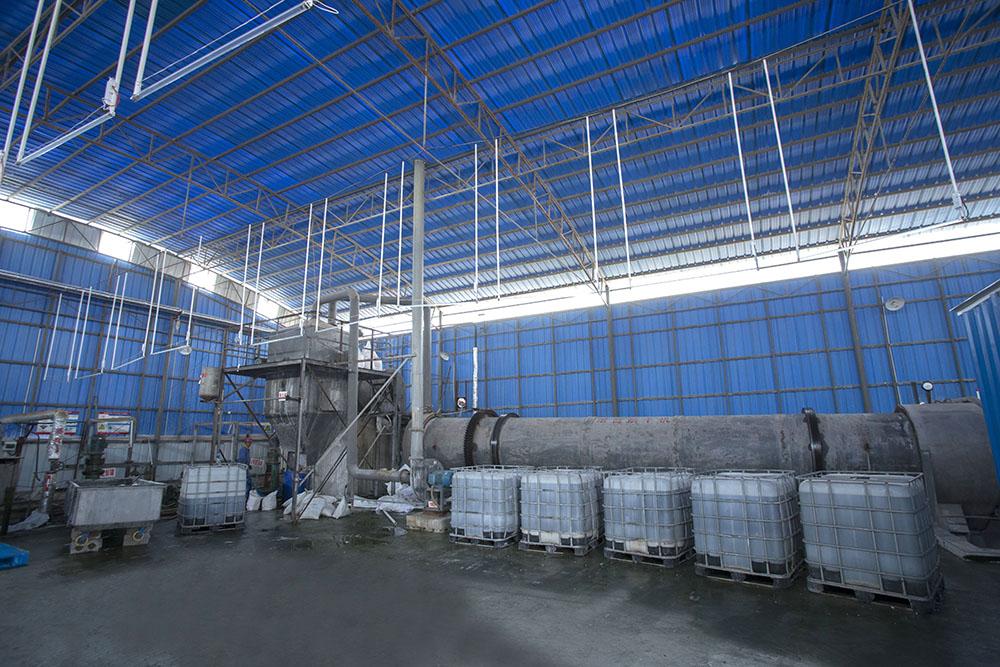
The plant view gives the buyer a reference point for discussing production areas, storage, and site capacity.
3. Prepare the Technical Questions and Sample Plan
A factory visit should connect the product specification to the physical production and testing process. Send your main technical questions in advance, but keep several follow-up questions for the visit. The quality manager should be able to explain how the factory receives materials, controls production, tests batches, releases finished goods, and handles non-conforming material.
Ask for a sample plan as well. If possible, request a sample from the same grade and production route that will support your first bulk order. Record the sample lot, date, packaging, seal condition, and test results. The sample should be treated as a reference point, not as proof that every future shipment will be identical.
The site’s guide on testing a phosphoric acid sample before a bulk order can help you prepare the acceptance process.
Questions for the technical team
- How is H₃PO₄ concentration tested and recorded?
- Which impurity limits are controlled for your grade and application?
- Which laboratory performs the tests, and what methods are used?
- How are samples retained after a batch is released?
- What happens when a batch fails an internal test?
- Can the factory provide a batch-specific COA with the shipment?
- How are industrial-grade and food-grade products separated and identified?
Technical Note
An 85% concentration claim is not a complete product specification. Industrial and food-grade phosphoric acid can require different impurity limits, permitted uses, hygiene controls, and documents. Bring the complete specification, not only the concentration, to the factory meeting.
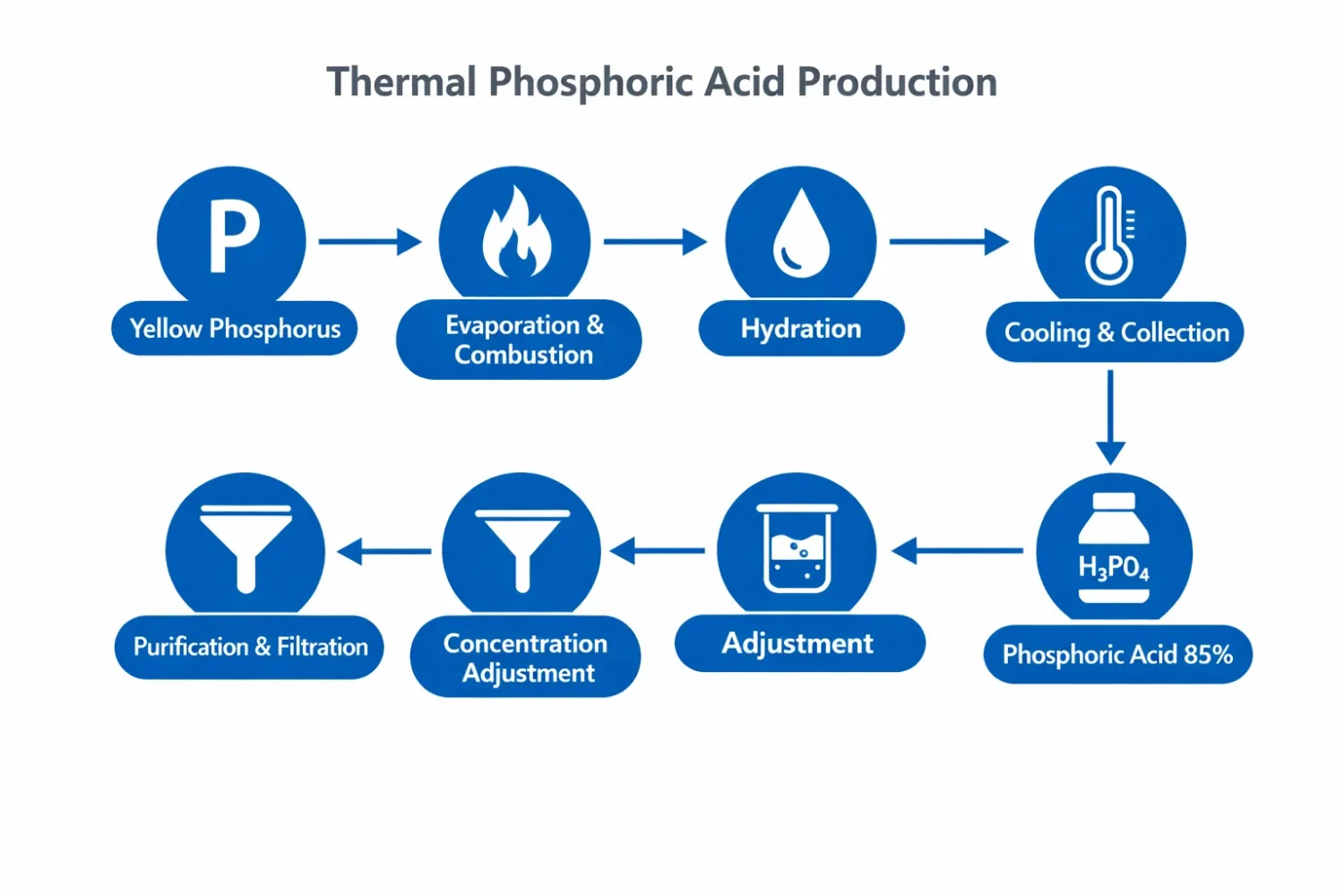
A process-flow diagram helps the buyer follow the movement from production to testing, storage, and release.
4. Plan the Factory Tour Route and Safety Questions
Ask the host to show the full route before you arrive. The route should normally include the entrance, production area, storage tanks, quality-control laboratory, finished-goods area, packaging line, and loading zone. The exact route may change for safety or confidentiality reasons, but the supplier should explain what you can and cannot see.
Confirm the factory’s visitor rules before travel. Ask about personal protective equipment, photography, restricted areas, footwear, weather conditions, and whether your technical team needs special training. Do not enter chemical areas without following the site’s instructions.
During the tour, compare what you see with what you were told. A factory that produces and exports phosphoric acid should be able to explain how product moves through the site. Look for clear batch identification, orderly storage, suitable packaging, and a visible connection between production, laboratory release, and loading.
What to observe on site
- The site address and factory entrance.
- Production equipment and storage capacity.
- Laboratory instruments and sample-handling areas.
- Batch labels, storage records, and release status.
- Packaging condition, closures, labels, and pallets.
- Spill-control, emergency, and worker-safety arrangements.
- Finished-goods storage and loading preparation.
A visit is not a substitute for a professional safety audit. It is a practical opportunity to identify questions, inconsistencies, and evidence that require follow-up.
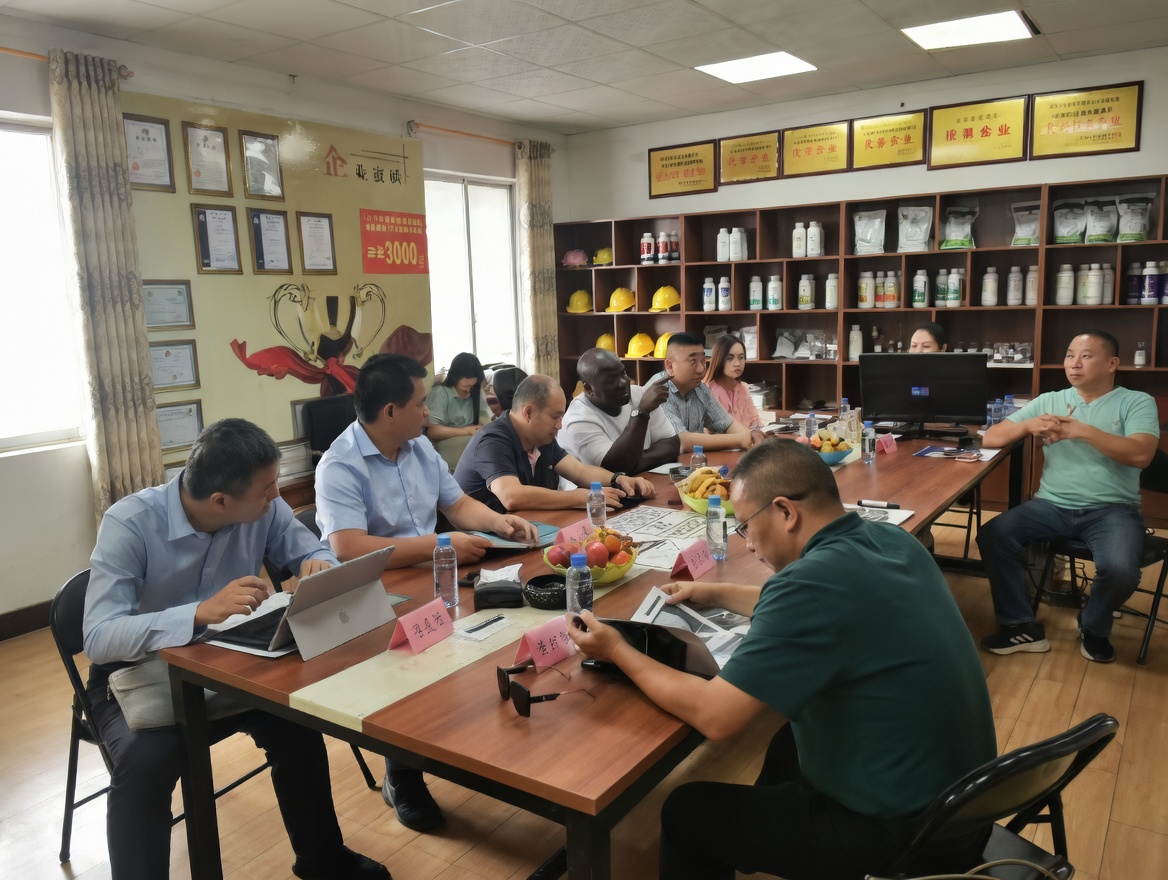
A planned factory route lets the buyer review production, laboratory, packaging, and loading areas in a logical order.
5. Check Packaging, Capacity, and Export Readiness
A factory may make suitable phosphoric acid and still be a poor supplier if it cannot deliver your required volume in the right packaging. Discuss the quantity that can be allocated to your order, normal lead time, production scheduling, and the effect of peak-season demand.
The supplier’s published industrial product page lists 35 kg drums, 2,330 kg drums, 1,600 kg IBCs, and 1,650 kg IBCs, with container quantities that vary by packaging format. Use those figures as a starting point, then confirm the actual format, net weight, pallet plan, labels, closures, and loading method for your order.
Ask the export team to explain the shipping process. Confirm the port, Incoterm, booking responsibility, export documents, HS code, dangerous-goods paperwork where applicable, and the process for damage or leakage. Compare the full landed cost with the cost factors beyond FOB price instead of comparing only the chemical price.
Need packaging and capacity details for your order?
Share your monthly volume, destination port, and preferred packaging (drums or IBCs), and we’ll confirm loading quantities and lead time.
WhatsApp Us for Free a Consultation
Questions for the production and export teams
- What quantity can be reserved for the first order and monthly supply?
- What is the normal lead time from confirmed order to loading?
- Which packaging line will fill the order?
- How are containers inspected before loading?
- Which documents are provided before loading and with the original shipping set?
- How are claims handled if quantity, packaging, or test results do not match the contract?

Packaging checks should cover the drum condition, labels, closures, net weight, and loading plan.
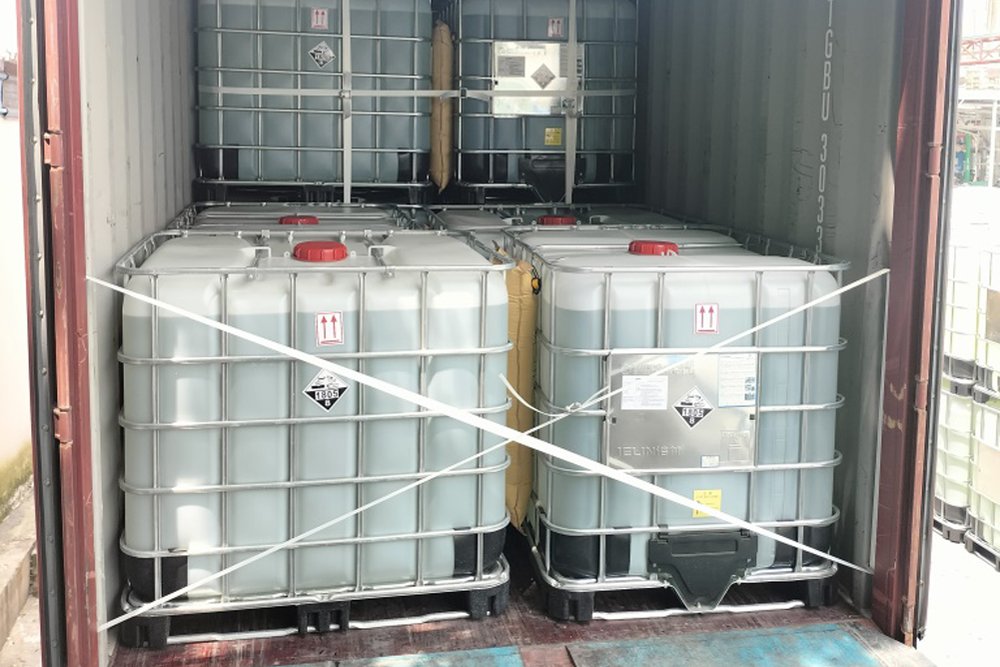
IBC selection should match the buyer’s unloading equipment, storage space, and handling procedure.
6. Close the Visit With a Written Follow-Up Plan
Do not leave the factory with only business cards and photographs. Before the meeting ends, summarize the open points and assign responsibility for each next step. Ask the supplier to confirm what will be sent, who will send it, and by what date.
Your follow-up plan should cover the final specification, sample or retest, contract, inspection, packaging, payment, and shipment schedule. If a document or answer is still missing, record it as an open item rather than assuming it will be resolved later.
After the visit, compare your notes with the evidence received. A supplier that was open during the tour should remain responsive when you request a revised COA, technical clarification, or contract correction.
Post-visit approval checklist
- Legal seller, factory, and payment beneficiary are clearly connected.
- Production site and quality-control process match the supplier’s explanation.
- Product sample and specification are acceptable for your application.
- Certificate scope and validity have been checked.
- Packaging and monthly capacity fit your operation.
- Inspection, claims, payment, and replacement terms are written.
- All unresolved questions have an owner and a deadline.
The broader guide to buying bulk phosphoric acid can help your team turn the visit notes into a complete purchasing decision.

The loading area connects factory preparation with the final export and delivery process.
What to Bring to Your First Factory Visit
| Category | Bring or request | Why it matters |
|---|---|---|
| Product | Application brief, target grade, concentration, impurity limits | Keeps the technical discussion specific. |
| Company | Business license, legal name, site address, bank details | Connects the supplier identity to the physical site. |
| Quality | Specification, COA, SDS, certificate numbers, test plan | Supports product and compliance verification. |
| Operations | Monthly volume, packaging, unloading and storage requirements | Tests whether the factory fits your supply chain. |
| Commercial | Incoterm, port, payment milestones, inspection terms | Prevents unclear responsibilities after the visit. |
| Safety | Visitor rules, PPE requirements, emergency contact | Helps your team enter and tour the site safely. |
Need Help Sourcing Bulk Phosphoric Acid In 2026?
Planning a factory visit? Contact our team for product specifications, sample preparation, packaging options, and a visit discussion before you travel.
WhatsApp Us for Free a Consultation
Frequently Asked Questions
How long should a first phosphoric acid factory visit take?
The timing depends on the site, safety rules, and the number of teams involved. Plan enough time for the company meeting, technical review, factory route, laboratory discussion, packaging review, and follow-up meeting. A rushed tour may leave important questions unanswered.
Should I visit the laboratory during the factory tour?
Yes, when the supplier permits it. The laboratory visit can show how samples are identified, tested, retained, and linked to batch release. It does not replace independent testing, but it helps you understand the factory’s quality-control process.
What should I wear to a chemical factory visit?
Ask the host for the site’s requirements before travel. Follow the factory’s rules for protective clothing, footwear, eye protection, gloves, and restricted areas. Do not assume that ordinary office clothing is suitable for production or storage areas.
Can a factory visit prove that every future batch will meet the specification?
No. A visit is one part of supplier due diligence. You still need a clear specification, representative sample, batch-specific COA, inspection rights, and a written claims process for future shipments.
Should I bring an independent inspector?
For a high-value first order or a sensitive application, an independent inspector or technical adviser may add useful value. The inspector can help document the site, sample process, packaging, and loading controls. Decide the scope before the visit so the supplier understands the process.
What should happen after the factory visit?
Send a written summary of agreed points, missing documents, sample actions, contract changes, and deadlines. Approve the supplier only after the open items are resolved and the commercial terms match the technical evidence.
Conclusion: Make the Visit a Buying Decision Tool
Your first phosphoric acid factory visit in China should answer practical questions, not only create a good impression. Define your objectives, prepare the documents, organize the technical questions, plan the site route, check capacity and export readiness, and finish with a written follow-up plan.
A supplier that can connect its legal identity, production site, laboratory, product specification, packaging, and export process gives you a stronger basis for a long-term order. Good preparation also makes the visit fairer for both sides because the supplier knows what evidence the buyer needs before approval.
Industrial Buyers: Next Steps for Sourcing Bulk Phosphoric Acid
What makes our Phosphoric Acid Better:
✅ Compliant with EU, UN, ISO Standards – No Legal Headaches
✅ Guaranteed 85% Concentration – Stability for your Processing Plant
✅ Extremely Low Impurities – Low Heavy Metals
✅ Batch-Specific COA Provided – Full Transparency per Shipment.
Download Our EU-approved Specifications.[ Food Grade or Industrial Grade]