

7 Receiving Inspection Checks for Bulk Phosphoric Acid Shipments

A bulk phosphoric acid shipment can look fine from the gate. The drums are stacked, the seals are on, and the paperwork is in a folder. The real test starts at your dock. That is the last point where a problem is cheap to catch, before the acid goes into your tank or process. For […]
Things to Check Before Switching an Application From Industrial-Grade to Food-Grade Phosphoric Acid

Switching an application from industrial-grade to food-grade phosphoric acid may look like a straightforward quality upgrade. In practice, the change can affect your product specification, quality controls, documentation, supplier approval, storage, and production process. The concentration may remain the same, such as 85% phosphoric acid, but the complete specification does not. Before approving a new […]
Phosphoric Acid Density Chart: Concentration, Freezing Point
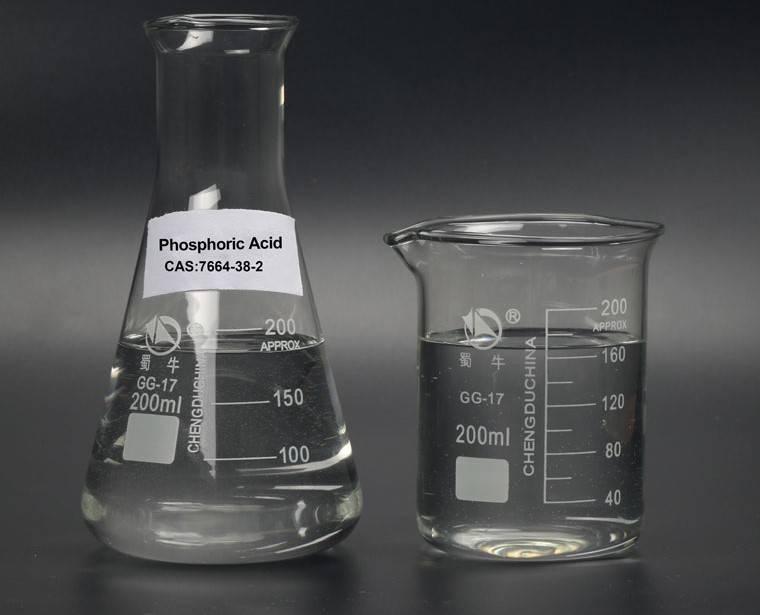
Phosphoric acid density changes with concentration, and that matters more than many bulk buyers realize. A 75% solution does not have the same density, freezing point, viscosity, or storage requirements as 85% phosphoric acid. These differences affect tank capacity, weight-to-volume calculations, pumping, dosing, transportation, and cold-weather storage. HDPE plastic jerrycan and amber glass bottles featuring […]
Bulk Phosphoric Acid Pre-Shipment Inspection: A Practical Checklist Before Export

A bulk phosphoric acid shipment can look correct on paper and still create problems at the receiving plant. The concentration may not match the agreed specification. The batch number may be missing. The container may be damaged, mislabeled, or unsuitable for a corrosive liquid. A pre-shipment inspection gives the buyer one final control point before […]
Phosphoric Acid in Cosmetics and Personal Care: pH Adjustment and Grade Selection
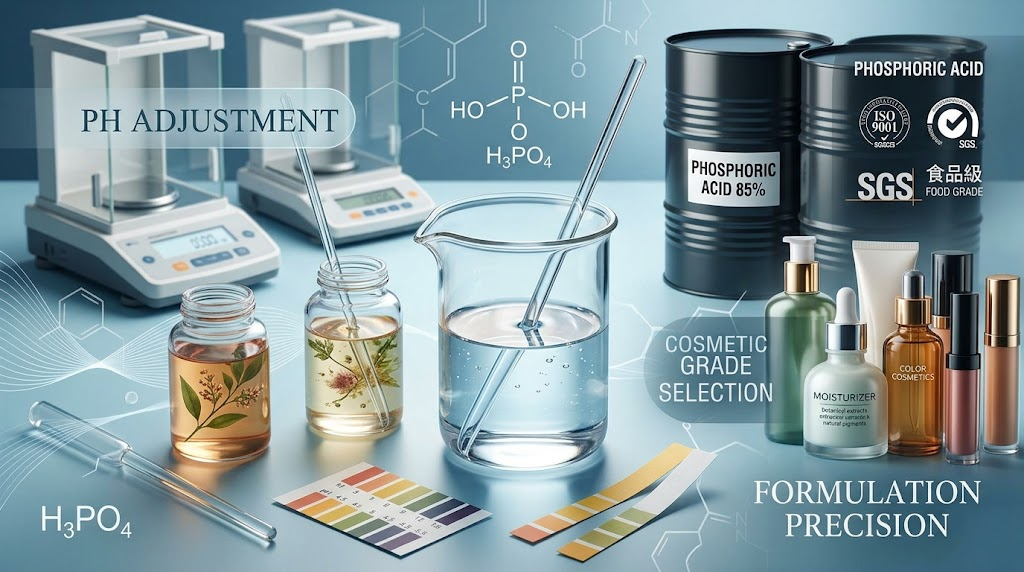
A cosmetic formula can fail when a small pH shift changes preservative performance, viscosity, skin feel, color, or active stability. Phosphoric acid helps move an aqueous product toward its target pH. For buyers, “85% phosphoric acid” is not enough. Cosmetic and personal care applications need the right grade, impurity profile, documentation, packaging, and handling plan. […]
Phosphoric Acid Production Capacity vs. Available Supply: What Industrial Buyers Should Verify

A phosphoric acid supplier may say it has a large production capacity. That sounds reassuring, but capacity alone does not tell you how much material you can receive this month. A plant may have a high design output while current production is lower, inventory is limited, or most of the next batches are already committed […]
Phosphoric Acid to P₂O₅: How to Convert Concentration

When a supplier says phosphoric acid is 75%, 80%, or 85%, the number normally means the mass percentage of H₃PO₄ in the product. Fertilizer documents often use a different convention. They report phosphorus as P₂O₅ equivalent. These are not two different acids in the drum. P₂O₅ is a conventional reporting form. It lets buyers compare […]
Phosphoric Acid vs. Sulfuric Acid: Which to Choose?
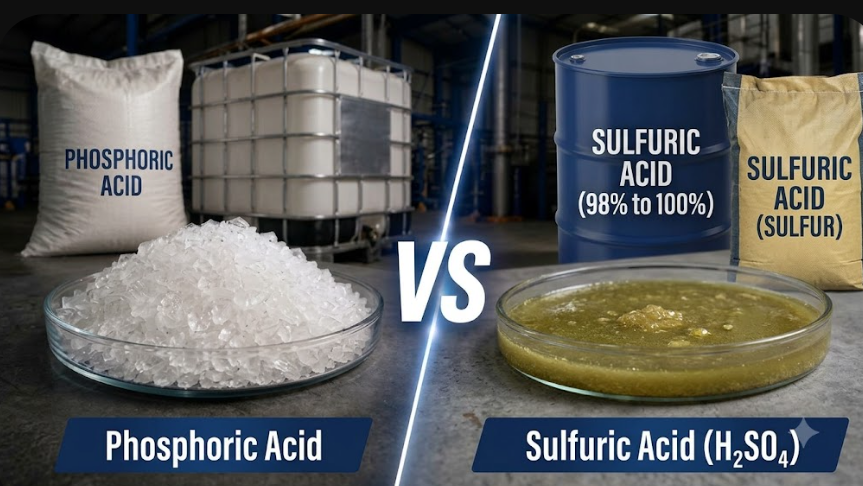
Phosphoric acid and sulfuric acid are two important industrial acids used across manufacturing, fertilizers, metal treatment, electronics, water treatment, and chemical processing. They may both be used for acidic reactions, cleaning, or pH adjustment, but they do not perform the same chemical role. Phosphoric acid has the formula H₃PO₄, while sulfuric acid has the formula […]
Why Lower-Strength Phosphoric Acid Can Cost More: Calculate Cost per Ton of P₂O₅

A lower price per ton of phosphoric acid does not always mean a lower purchasing cost. If the product contains less phosphoric acid, you may need to buy more liquid to obtain the same amount of phosphorus expressed as P₂O₅. This matters when comparing different concentrations such as 75% and 85% phosphoric acid. The right […]
Off-Spec Phosphoric Acid Delivery: Claim and Retest Steps
A phosphoric acid shipment can look normal and still fail an agreed specification. The issue may be concentration, impurities, packaging damage, contamination, or a mismatch with the Certificate of Analysis (COA). Once the product is mixed or used, proving what happened becomes much harder. For broader purchasing context, see the Industrial Buyer’s Guide to Bulk […]