


A phosphoric acid supplier may say it has a large production capacity. That sounds reassuring, but capacity alone does not tell you how much material you can receive this month. A plant may have a high design output while current production is lower, inventory is limited, or most of the next batches are already committed to other customers.
For industrial buyers, the real question is not only, “How much can this supplier make?” It is, “Can this supplier deliver the right grade, concentration, quantity, and documents when my plant needs them?” This distinction matters when you are buying bulk phosphoric acid for fertilizer, metal treatment, water treatment, food processing, or chemical manufacturing.
Why Production Capacity Does Not Equal Available Supply
Four supply terms buyers should separate
“Capacity” is often used as a broad sales term. Before comparing suppliers, ask them to define the number they are quoting. The following four terms describe different parts of the supply picture:
- Design or nameplate capacity: The maximum output a plant was designed to produce under stated conditions.
- Current production rate: The output the plant is actually making now. It may change because of maintenance, raw material access, labor, energy, or operating schedules.
- Committed production: Output already reserved for existing customers, contracts, or internal production.
- Available supply: The quantity that can be allocated to your order within the required time, grade, packaging, and destination plan.
A supplier can have a large nameplate capacity and still have little supply for a new buyer. A smaller plant may have finished stock or an open production slot that meets your delivery window.
What “in stock” should mean
“In stock” should not be treated as a complete answer. Ask whether the material is finished and released, or whether it is still in production. Then ask where it is stored, which batch it belongs to, what packaging it uses, and whether the stock is reserved for another customer.
For international orders, available supply also depends on export preparation. The supplier needs time to fill containers, prepare the batch-specific COA, complete required shipping documents, book a vessel, and load the order. The bulk phosphoric acid buyer’s guide explains why quality, packaging, and logistics must be reviewed together.
Decision-Maker Insight
A capacity claim is a potential supply statement. A written allocation, batch plan, and shipment schedule are delivery evidence. Treat the second set of documents as more important than a large headline number.
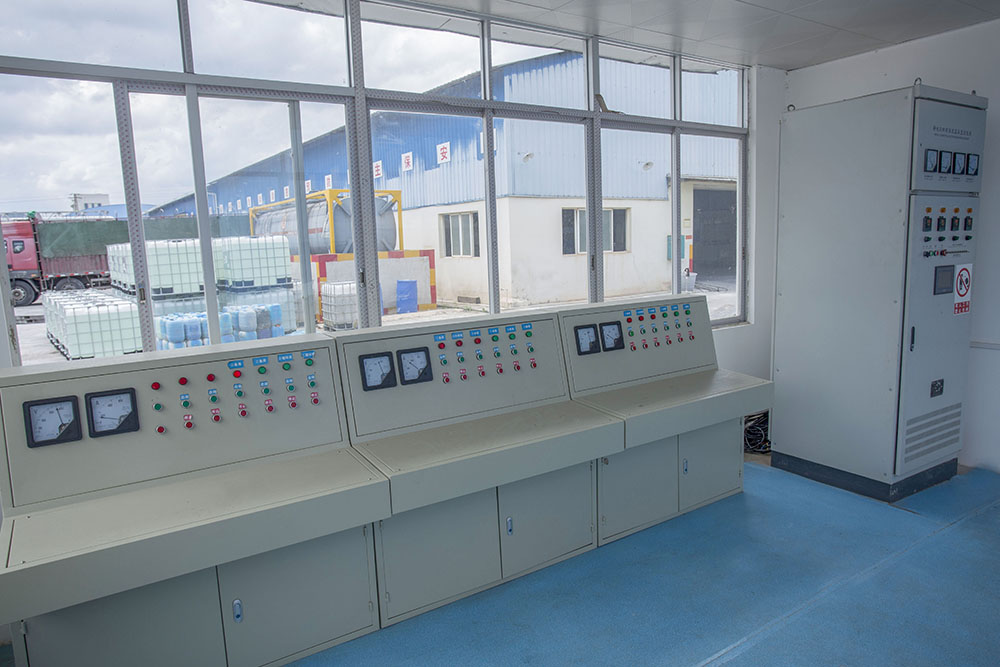
Quality-control capacity matters because available products must also meet the agreed specification.
What Industrial Buyers Should Verify Before Ordering
1. Confirm the grade and application first
Start with the product specification, not the supplier’s capacity statement. Industrial-grade and food-grade phosphoric acid may both be sold at approximately 85% concentration, but they are not interchangeable by default. The grade affects impurity limits, permitted uses, testing, and documentation.
For example, standard industrial-grade phosphoric acid specifications require H3PO4 content of at least 85.0%, with defined limits for sulphate, chloride, iron, arsenic, and heavy metals. When evaluating pre-order samples, testing through an approved laboratory ensures these parameters match process requirements.
Tell the supplier:
- Your application and required grade.
- The concentration range you will accept.
- The impurity limits that affect your process.
- The test method or standard required by your quality team.
- The monthly volume and first-order quantity.
- The destination country and preferred packaging.
2. Ask for batch-specific evidence
A general specification sheet describes the product a supplier intends to sell. A batch-specific COA describes a particular shipment. Request a recent COA and ask how the batch number on the COA will connect to the drums, IBCs, or other containers you receive.
The COA should show actual test results, not only a list of target limits. It should identify the product, batch, test date, relevant methods, and releasing laboratory or quality teams. If your use is sensitive, test a pre-order sample through your own approved process. Camachem’s article on how to test a phosphoric acid sample before a bulk order provides a useful starting point.
Technical Note
Concentration is only one part of suitability. A product can be close to 85% H₃PO₄ and still fail your process if a critical impurity, color limit, or grade requirement is not controlled. Match the complete specification to the application.
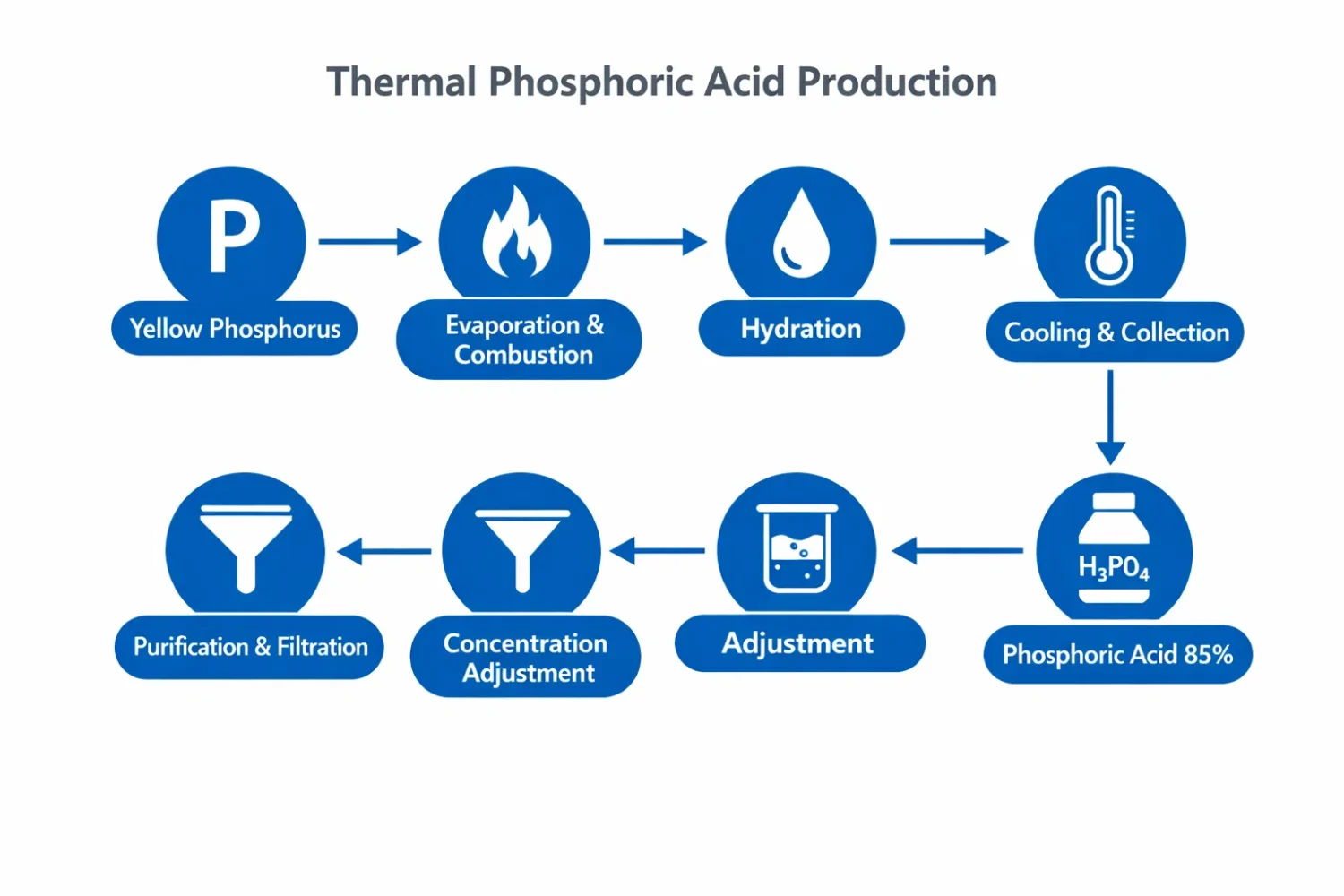
Understanding the production route helps buyers ask better questions about inputs, processing steps, and release controls.
3. Verify the plant, warehouse, and release process
A supplier does not need to disclose every confidential operating detail. It should explain where the product is made, where it is stored, who releases each batch, and how loading is controlled.
Ask for a live video call or a factory visit when the order is strategically important. Compare the legal entity on the quotation, contract, invoice, COA, SDS, bank account, and shipping documents. The phosphoric acid supplier verification guide explains why these names and responsibilities should remain consistent.
Useful evidence includes:
- A clear factory or warehouse address.
- Photos or video showing tanks, filling areas, labels, and loading activity.
- The name of the entity responsible for production and quality release.
- A defined process for handling off-specification batches.
- A plan for pre-shipment inspection when required.

A factory visit can connect a supplier’s documents with a real operating site and a visible production process.
How to Compare Capacity, Allocation, and Delivery Risk
Use a written supply worksheet
Ask each supplier to complete the same worksheet. This makes a small supplier with real availability easier to compare with a large supplier making a general capacity claim.
| Supply question | Evidence to request | Why it matters |
|---|---|---|
| What is the stated capacity? | Capacity definition, time period, and grade covered | Prevents design capacity from being confused with current output |
| What is the current production rate? | Recent production or allocation statement | Shows whether the plant is operating at the quoted level |
| How much is already committed? | Reserved volume and contract schedule | Reveals whether capacity is available to a new buyer |
| What quantity is ready now? | Stock location, batch number, release status, and packaging | Confirms whether “in stock” means finished and usable product |
| What can be produced for my order? | Written monthly allocation and batch plan | Connects your demand to a real production slot |
| What is the lead time? | Production, packing, booking, and loading timeline | Helps you plan around plant inventory and vessel schedules |
| What documents will ship with the order? | COA, SDS, packing list, invoice, and required export documents | Reduces customs, receiving, and quality disputes |
| What happens if supply changes? | Contingency and communication plan | Shows how the supplier manages maintenance or raw material disruption |
Check packaging and container planning
Available tons are not enough if the packaging does not fit your receiving system. Standard packaging options include 35kg drums, 330kg drums, and 1600kg or 1650kg IBC containers. Typical lead times range from 7 to 21 days FOB Shanghai depending on container availability and loading schedules.
Confirm the net weight, number of units, pallet arrangement, container type, labeling, and compatibility with your unloading equipment. For packaging comparisons, the site’s bulk phosphoric acid packaging guidance can help you prepare a more complete request.
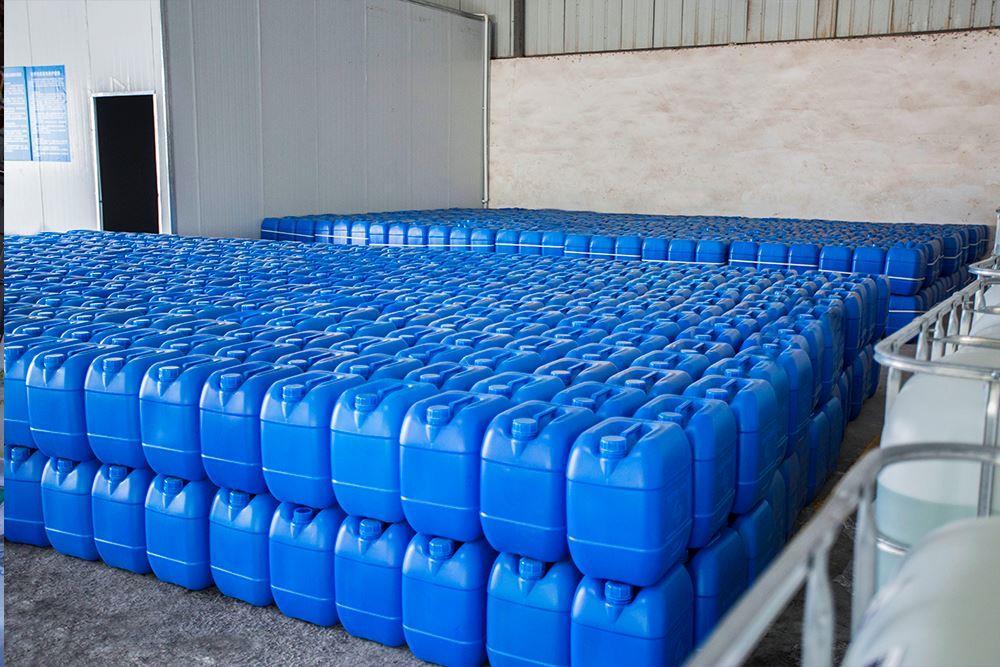
Drum availability, loading quantity, and receiving equipment should be included in the supply discussion.
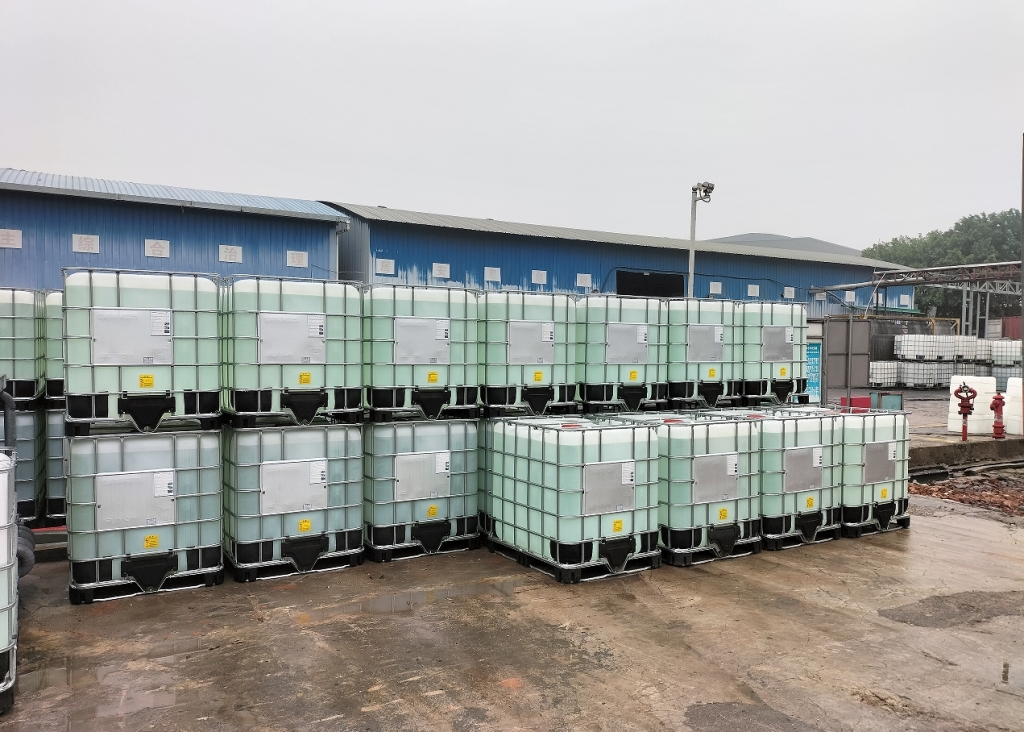
Packaging availability is part of available supply because products cannot be shipped until the correct containers are ready.
Look for continuity, not only a first shipment
A supplier may fill one container quickly and still struggle to support a monthly program. If your plant uses 50 tons or more per month, request a rolling supply plan. Ask how many batches are normally scheduled, how much buffer stock is kept, and when the supplier will notify you about a change.
Do not accept “unlimited supply” as a meaningful answer. Ask for the quantity the supplier can allocate each month for your grade and packaging over the next three to six months, with assumptions about lead time and order notice.
Need Help Sourcing Bulk Phosphoric Acid In 2026?
Send your grade, application, monthly volume, packaging preference, and destination. Camachem can help you compare a stated capacity claim with a practical supply plan.
WhatsApp Us for Free a Consultation
Want to see how a bulk shipment is prepared for export? This short phosphoric acid container-loading video shows the logistics side of a China shipment.
How Camachem Helps Buyers Connect Capacity With Supply
A product match before a volume promise
Camachem presents 85% industrial-grade and 85% food-grade phosphoric acid on separate specification pages. That helps buyers define application fit before discussing monthly supply. It also reduces the risk of treating every “85%” quotation as the same product.
The phosphoric acid specifications page lists CAS 7664-38-2, HS code 280920, packaging formats, quality standards, and documentation references. Use it as a checklist, then request current batch evidence for the material offered.
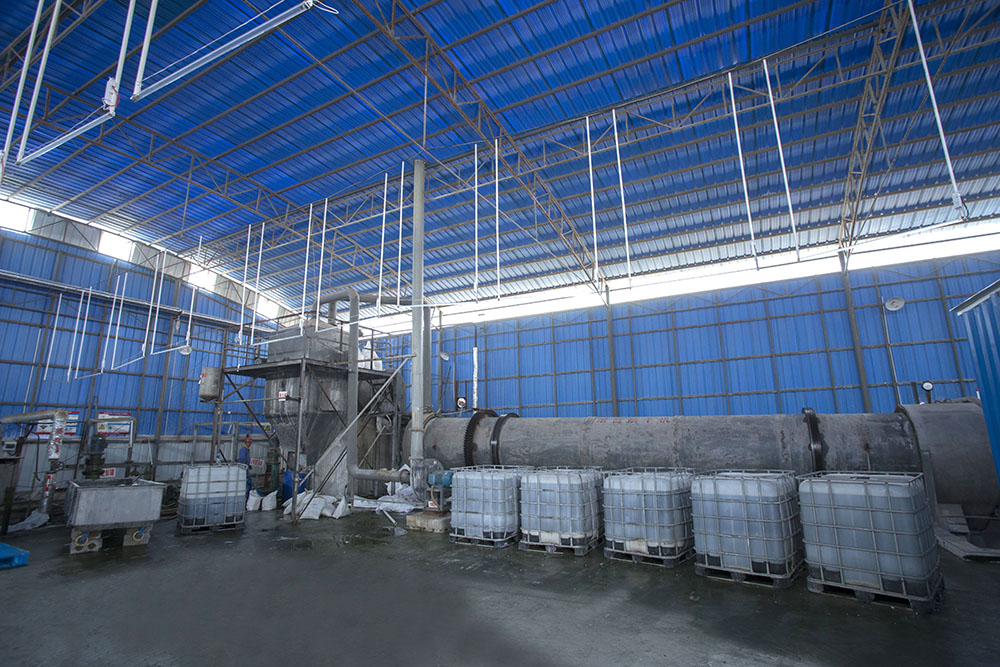
A visible plant supports supplier verification, but current allocation still needs to be confirmed in writing.
Evidence and first-order support
Camachem’s About page describes more than 15 years of phosphoric acid supply, production facilities, laboratory quality control, a thermal production process, and invitations for qualified buyers to review the facility. These points do not replace independent testing. They give buyers practical questions for a factory call, sample review, or inspection.
Before production begins, clarify the grade, allocation, packaging, batch COA, SDS, sample process, lead time, and inspection terms. Review the first shipment before expanding the monthly program.
For a direct discussion of your demand plan, send your expected volume and destination on WhatsApp:
WhatsApp Us for Free a Consultation
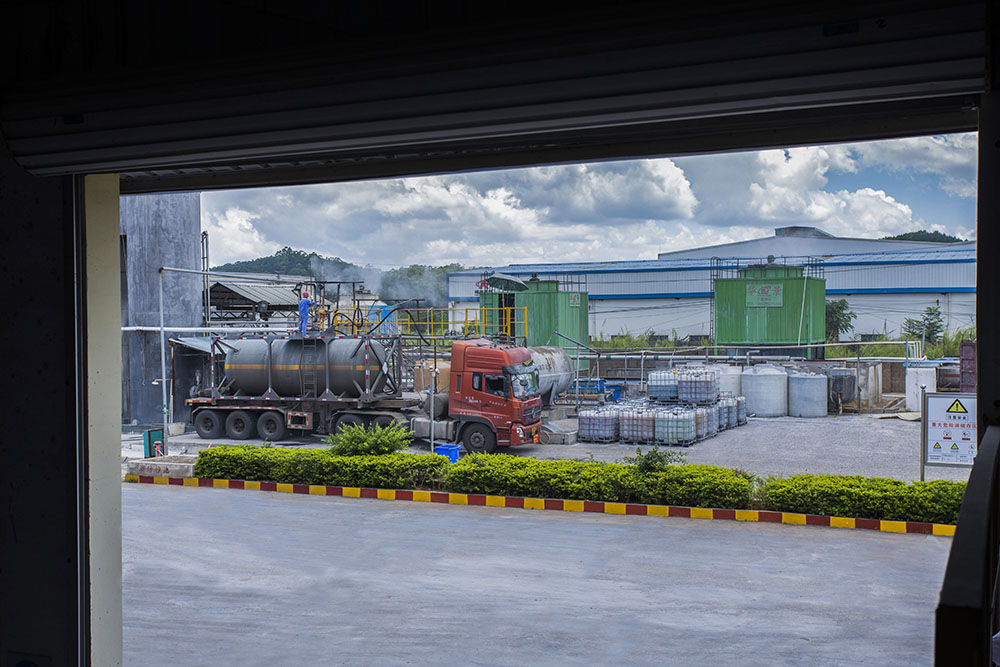
Loading coordination turns an available batch into a shipment that can leave the plant on schedule.
A Practical Verification Sequence for Industrial Buyers
Use this sequence before approving a new supplier or increasing an existing allocation:
1. Define the grade, application, concentration, impurity limits, packaging, volume, and destination.
2. Separate design capacity, current output, committed volume, ready stock, and available allocation.
3. Request the specification, SDS, recent batch-specific COA, sample, and document list.
4. Confirm the factory, legal entity, quality-release responsibility, and loading process.
5. Put supply range, lead time, packaging, inspection terms, and communication in writing.
6. Place a controlled first order, then review delivery performance before scaling up.
This sequence is useful when moving from local distribution to direct import. It gives procurement and technical teams the same evidence set, so the decision is not based on price or a capacity number alone.
Frequently Asked Questions
Is production capacity the same as available phosphoric acid supply?
No. Production capacity is the output a plant may be able to produce under defined conditions. Available supply is the quantity that can be allocated to your order with the correct grade, packaging, documents, and delivery schedule.
What should I ask when a supplier says phosphoric acid is in stock?
Ask whether the product is finished and quality-released. Request the batch number, storage location, packaging, net quantity, COA status, and earliest loading date. Also ask whether the stock is reserved for another customer.
How can I verify a supplier’s capacity claim?
Ask the supplier to define the capacity period and product grade, then compare it with current production, existing commitments, available allocation, and recent shipments. A factory call, visit, or independent inspection can add useful evidence.
Why do grade and impurity limits matter when buying 85% phosphoric acid?
Industrial-grade and food-grade phosphoric acid may have similar concentration, but their impurity limits, permitted uses, and documentation can differ. Choose the grade from your application and market requirements, not from concentration alone.
What documents should be linked to the shipment?
Request the product specification, batch-specific COA, SDS, packing list, commercial invoice, and any destination-specific transport, origin, inspection, or compliance documents. The exact set depends on the product grade and import market.
Can a supplier with smaller capacity be the safer choice?
Yes. A smaller supplier may have a realistic open allocation, strong batch control, and a clear delivery plan. The best choice depends on product fit, evidence, continuity, logistics, and the supplier’s ability to meet your required volume.
How much lead time should I plan for a bulk order?
Ask the supplier to separate production time, quality release, packaging, booking, loading, and ocean transit. Camachem’s published specifications page gives a typical FOB Shanghai lead time of 7 to 21 days, but your actual schedule should be confirmed for the specific grade, packaging, order size, and destination.
Conclusion: Verify the Supply You Can Actually Buy
Production capacity is useful background information, but it is not a delivery guarantee. Industrial buyers should verify the complete path from plant capability to current allocation, batch release, packaging, loading, and repeat-order support.
The strongest supplier conversation is specific. Ask what is available now, what can be produced for your order, which batch will be tested, which documents will be supplied, and how the next shipment will be planned.
For a quotation based on your application and demand plan, you can also contact the Camachem team here:
WhatsApp Us for Free a Consultation
Industrial Buyers: Next Steps for Sourcing Bulk Phosphoric Acid
What makes our Phosphoric Acid Better:
✅ Compliant with EU, UN, ISO Standards – No Legal Headaches
✅ Guaranteed 85% Purity – Stability for your Processing Plant
✅ Extremely Low Impurities – Low Heavy Metals
✅ Batch-Specific COA Provided – Full Transparency per Shipment.
Download Our EU-approved Specifications. [ Food Grade or Industrial Grade]