


A local distributor makes phosphoric acid easy to buy. You send a purchase order and let the distributor handle import work. That convenience matters when your volume is small or your supply chain is not ready for international freight.
But direct import can give established manufacturers more control over product specifications, packaging, supply planning, and total landed cost. The switch is not only a price decision. It is a supplier-verification and operations decision. Before you move from a local distributor to a direct phosphoric acid supplier, ask these eight questions.

Direct importing adds an international logistics step, so buyers should confirm supplier capability before changing their purchasing route.
Questions 1 and 2: Is Direct Import the Right Commercial Move?
1. Is our monthly volume high enough to manage a direct import?
Direct import usually makes more sense when your demand is regular and large enough to fill a practical shipment. A company using only a few drums each month may gain little from handling freight, customs, storage, and port charges. A manufacturer using tens of metric tons each month may have a stronger case.
Start with your real consumption for the last 12 months. Separate normal demand from one-time projects. Then list seasonal changes, planned capacity increases, and the minimum safety stock your production team needs. This gives you a more useful forecast than a single recent purchase order.
Camachem’s public buyer profile focuses on manufacturers using about 50 tons per month, with order tiers of under 50, 51–100, and more than 100 metric tons per month. Your own break-even point will depend on destination, freight, storage, financing, and the distributor margin you currently pay.
Compare these two routes:
- Local purchase: distributor price, local delivery, credit terms, and low administrative effort.
- Direct import: product price, freight, insurance, customs, port charges, inland delivery, storage, financing, testing, and your team’s time.
| Factor | Local distributor | Direct import |
|---|---|---|
| Product access | Local stock may be available quickly. | Supply is planned around production and international shipping. |
| Price basis | Often quoted as a delivered local price. | Usually starts with a supplier price plus landed costs. |
| Documentation | Distributors may organize routine paperwork. | Importers must review COA, SDS, customs, and shipping documents. |
| Packaging | Local warehouse formats may limit choice. | Buyer can select drums or IBCs to fit the plant. |
| Control | Less direct contact with the source. | More direct control over specification and supply planning. |
| Operational load | Lower internal workload. | More work, but more visibility and supplier accountability. |
Do not compare a local delivered price with a direct supplier’s FOB price. The fair comparison is local delivered cost versus your complete direct-import landed cost. The recent guide on critical cost factors beyond FOB price can help you build that calculation.
| Decision-Maker Insight:
Direct import is strongest when it improves more than the unit price. A reliable supply plan, fewer emergency purchases, stable specifications, and better visibility can be worth as much as a lower quoted price. |
|---|

A direct-import plan should include loading, transport, and receiving steps, not only the chemical quotation.
2. Can our team manage the extra work of importing?
A distributor absorbs many tasks. Your team may need to review export documents, confirm the Incoterm, arrange customs clearance, coordinate a freight forwarder, plan port pickup, and receive chemical packaging safely.
Ask who will own procurement, technical approval, logistics, customs, warehouse receiving, and emergency communication. If one person manages everything without backup, the savings may disappear when a shipment needs attention.
Review storage capacity too. Phosphoric acid 85% is typically supplied in 35 kg drums, 330 kg drums, 1,600 kg IBCs, and 1,650 kg IBCs. The right choice depends on unloading equipment, dosing, site rules, and usable space.
Questions 3 and 4: Does the Product Match Your Process?
3. Are we buying the correct grade, not just the correct concentration?
“85% phosphoric acid” is not a complete purchasing specification. Industrial grade and food grade can both be around 85% concentration, but they are not interchangeable by default. Grade selection also involves impurity limits, intended use, documentation, and applicable standards.
For fertilizer production, metal treatment, water treatment, industrial cleaning, and similar uses, industrial grade may be suitable if it meets your process specification. Food, beverage, pharmaceutical, personal care, and sensitive applications may require food grade or a more specific purity profile. Confirm the requirement with your technical and regulatory teams before requesting a quote.
For example, Camachem’s published industrial-grade specification lists H₃PO₄ content of at least 85.0%, sulphate up to 100 mg/kg, chloride up to 5 mg/kg, iron up to 50 mg/kg, arsenic up to 100 mg/kg, and heavy metals as lead up to 50 mg/kg. Its published food-grade specification lists H₃PO₄ content above 85.0%, fluorine up to 10 mg/kg, arsenic up to 0.5 mg/kg, heavy metals as lead up to 5 mg/kg, and other limits under GB 1886.15-2015 food-grade test standards.
These figures show why the full specification matters. Use your application, customer requirements, and local rules to select the grade. Do not choose food grade only because the concentration looks similar, or industrial grade for a food application without technical approval.

Direct import gives the buyer a chance to agree on the full specification before the first shipment.
| Technical Note:
Concentration integrity and impurity control are separate checks. Ask for the agreed H₃PO₄ range and the specific impurity limits that matter to your process. A COA should report the tests required by the purchase specification, not only the product name. |
|---|
4. Can we test a representative sample before the first container?
A sample cannot replace supplier verification, but it can reduce product risk. Ask whether it comes from the same grade and production route proposed for bulk supply. Record the lot or batch reference and compare your results with the supplier’s COA.
Your technical team may check appearance, concentration, density, and the impurities that affect your process. Food and sensitive applications may need a broader review. The test method must also be agreed in advance. Two laboratories can produce different results if they use different methods or sample handling.
Review our guide on testing phosphoric acid samples before placing a bulk order.Use your sample approval as a clear commercial gate: no bulk order until the product, documents, and packaging meet the agreed requirements.
If you want to discuss a sample and direct-import plan, send the application, grade, monthly use, and destination to our team:
WhatsApp Us for Free a Consultation
Questions 5 and 6: Can You Verify the Supplier and the Documents?
5. Is the supplier a real, accountable business with a verifiable facility?
A direct-import relationship removes the local distributor between you and the source. That can improve transparency, but it also means you must perform more of the verification yourself. Ask for the supplier’s legal company details, manufacturing or supply role, production location, contact names, and export experience.
A website is a starting point, not proof. Check whether the company answers technical questions clearly, provides consistent documents, explains production and packing, and offers a realistic plan for your volume. Ask whether qualified buyers can arrange a factory visit or independent inspection.
Work with established manufacturers that offer complete facility transparency. Qualified buyers should be able to inspect production lines, quality-control laboratories, loading docks, and plant operations prior to signing a contract. You can review our manufacturing facilities and supply capabilities as part of your initial due diligence.

A factory visit or independent inspection can help confirm that the proposed supply operation is real and suitable for your order.
6. Do the COA, SDS, certificates, and shipment documents match?
Ask for a current COA, SDS, product specification, packing details, and relevant compliance documents before you approve the supplier. Check that the company name, product grade, batch information, test date, units, and limits are consistent across the documents.
A certificate logo alone is not enough. Confirm what the certificate covers, who issued it, and whether it applies to the product and facility involved in your order. For regulated applications, ask your own compliance team or adviser what evidence is required in your destination market.
The COA verification guide for phosphoric acid offers a useful document-checking framework. You can also compare the supplier’s claims with the published phosphoric acid specifications. Keep the approved documents in your purchase file and make the specification part of the contract, not only an email attachment.
Questions 7 and 8: Can the Import Plan Stay Reliable?
7. What packaging, shipping term, and lead time fit our site?
Packaging affects both landed cost and operating risk. Drums may suit manual handling or lower-volume use. IBCs may fit a plant with suitable lifting and pumping equipment. A larger container can reduce handling steps but may require a different unloading and storage setup.
Ask the supplier to state the packaging type, net quantity, number of packages, container loading plan, and any packaging return or disposal requirements. Confirm whether the product will ship under FOB Shanghai or another Incoterm. The Incoterm changes which party books freight, pays certain charges, manages risk, and arranges inland delivery.
Standard lead times for direct-export phosphoric acid typically range from 7 to 21 days under standard FOB terms (e.g., FOB Shanghai). Treat this as a baseline estimate rather than a guarantee.
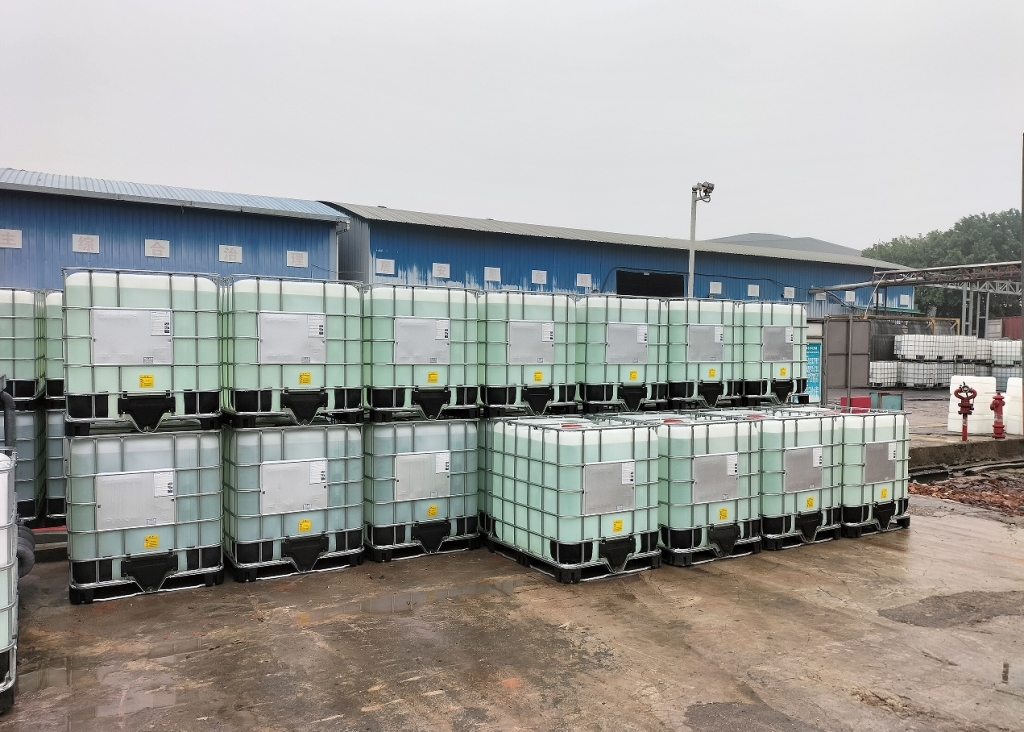
Packaging must match the importer’s unloading equipment, storage design, and production schedule.
8. What happens if a shipment is late, off-specification, or damaged?
A local distributor may solve a shortage by moving stock from another warehouse. With direct import, replacement can take longer. Before switching, agree on an escalation process for delayed sailing, damaged packaging, missing documents, product variance, and urgent production needs.
Ask:
- Who is your day-to-day contact, and who is the escalation contact?
- How will the supplier notify you about a production or shipping delay?
- What evidence is needed for a damage or quality claim?
- Will the supplier support an independent inspection or retest?
- How will replacement, credit, or other remedies be handled?
- How much safety stock should you hold during the transition?
Keep your distributor relationship during the first direct-import cycle if the cost is manageable. A dual-source transition can protect production while you validate the new route. Once the direct supplier has passed sample testing, document review, first-shipment inspection, and receiving checks, you can decide whether to reduce local purchases.
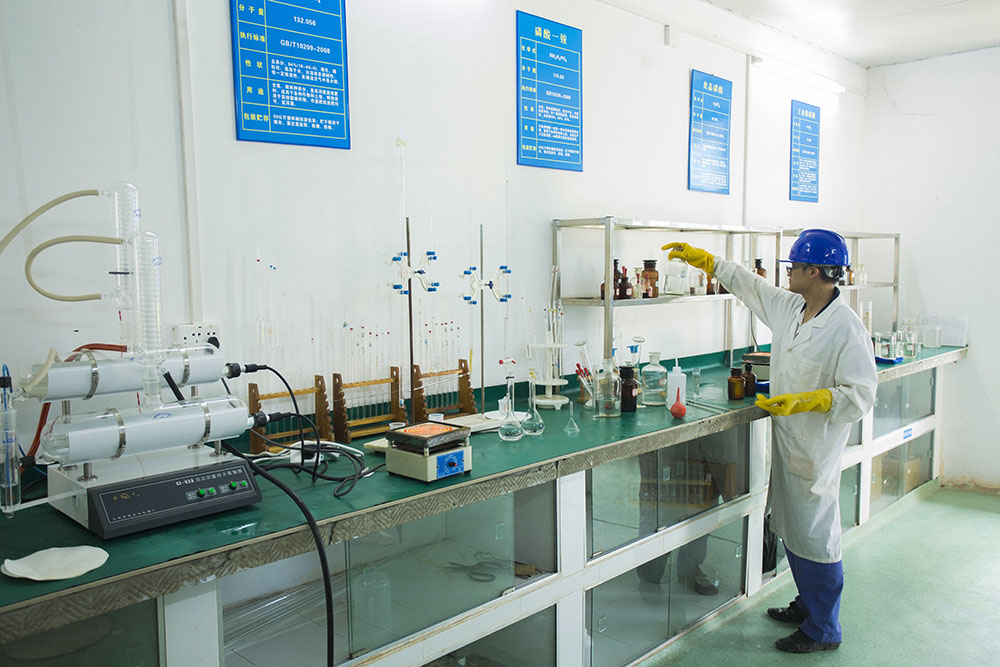
A clear retest and claim process helps protect production when a direct-import shipment needs review.
How Camachem Helps With the Switch to Direct Import
The best direct-import partner should reduce uncertainty, not simply send a low quotation. Camachem helps buyers compare industrial and food-grade 85% phosphoric acid, review specifications, select packaging, and prepare for bulk supply. Its product pages provide COA and MSDS access and documentation details.
Camachem also offers named contacts, factory-visit support for qualified buyers, and export logistics from China. Buyers can request a specification sheet, discuss sample testing, and confirm grade fit before a container order. A structured path is:
1. Share the application, monthly volume, destination, and current specification.
2. Compare industrial and food-grade requirements with the technical team.
3. Review the COA, SDS, packaging, and commercial terms.
4. Test a representative sample before approving bulk supply.
5. Confirm the shipping plan, receiving process, and contingency stock.

A direct-import partner should make its facility, product route, and support process easier to verify.
If you are comparing a local distributor with direct import, send your current grade, monthly volume, packaging preference, and destination for a practical quotation:
WhatsApp Us for Free a Consultation
For buyers in Africa, Asia, or South America, you may refer to the phosphoric acid contact page to share your requirements through the appropriate route.
Watch this short video showing phosphoric acid export container loading in China:
Need Help Sourcing Bulk Phosphoric Acid In 2026?
Get a product specification review, sample discussion, and direct-import quotation based on your application and monthly volume.
WhatsApp Us for Free a Consultation
Frequently Asked Questions
Is direct import always cheaper than buying from a local distributor?
No. Direct import can reduce the supplier margin, but you must add freight, customs, port charges, inland delivery, storage, financing, testing, and internal administration. Compare a complete landed cost with the distributor’s delivered price. Reliability and working-capital effects also matter.
What monthly volume makes direct phosphoric acid import worthwhile?
There is no universal threshold. A regular demand of about 50 tons per month is a useful starting point for evaluating the route, but the true break-even point depends on your destination, shipment size, warehouse, freight rates, and ability to manage import work.
Is 85% food-grade phosphoric acid the same as 85% industrial grade?
No. The concentration may be similar, but impurity limits, permitted uses, documentation, and applicable standards can differ. Choose the grade from your application and compliance requirements, then verify the full specification.
Should we test a sample before ordering a container?
Yes, when practical. Confirm that the sample represents the proposed bulk product and agree on test methods before testing. Keep the sample results, COA, and approved specification in your purchasing records.
Which documents should we request from a direct supplier?
At a minimum, request the product specification, current COA, SDS, packing details, company information, applicable certificates or compliance evidence, and a clear commercial quotation. Your destination and application may require additional documents.
Are IBCs better than drums for bulk phosphoric acid?
Not automatically. IBCs can suit sites with lifting, pumping, and bulk-dosing equipment. Drums may be easier for smaller or more flexible operations. Compare the total handling cost, storage design, unloading equipment, and waste process before choosing.
How can we reduce risk during the first direct-import order?
Use a staged transition. Verify the supplier, approve the specification, test a representative sample, inspect documents and packaging, keep safety stock, and agree on a delay or off-specification response. Keeping a local backup during the first cycle can also protect production.
Conclusion: Switch Only When the Whole Supply Route Is Ready
Moving from a local phosphoric acid distributor to direct import can improve supply visibility and commercial control. It can also add work and expose your company to risks that the distributor previously managed. The right decision comes from comparing the full landed cost, confirming your team’s readiness, and testing both product trust and supplier trust.
Use the eight questions as a pre-switch checklist. If the supplier can answer them with clear documents, representative samples, realistic logistics, and a defined support process, direct import may be a strong next step for your business.
Industrial Buyers: Next Steps for Sourcing Bulk Phosphoric Acid
What makes our Phosphoric Acid Better:
✅ Compliant with EU, UN, ISO Standards – No Legal Headaches
✅ Guaranteed 85% Concentration – Stability for your Processing Plant
✅ Extremely Low Impurities – Low Heavy Metals
✅ Batch-Specific COA Provided – Full Transparency per Shipment.
Download Our EU-approved Specifications. [ **Food Grade** or **Industrial Grade** ]