


A repeat order should not be treated as proof that the next shipment will match the last one. Phosphoric acid concentration can move away from the agreed value when water enters the product, handling conditions change, sampling is weak, or a supplier changes a production or filling step without telling the buyer.
For procurement teams, the risk is practical. A small change can affect dosing, reaction time, yield, pH control, freight economics, and customer complaints. The safest approach is to make concentration verification part of every repeat-order process, not an activity reserved for a first sample.
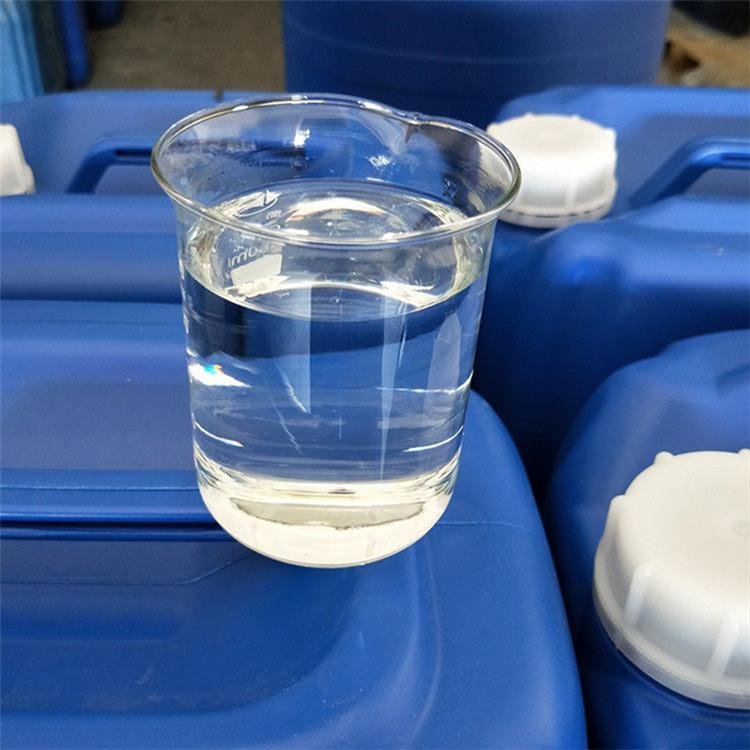
A clear product sample gives procurement and technical teams a visible starting point for repeat-order checks.
Why Concentration Drift Matters in Repeat Orders
The product name is not the full specification
“85% phosphoric acid” is a commercial description, not a substitute for a complete release specification. Camachem’s published industrial-grade phosphoric acid specifications state H₃PO₄ content of at least 85.0% and list limits for sulphate, chloride, iron, arsenic, and heavy metals. The food-grade specification uses a different impurity profile and a different test standard. Both products can be described as approximately 85%, but they are not interchangeable for every application.
The commercial impact is larger than the percentage point
If a plant doses by volume, a lower concentration may require more liquid to deliver the same acid mass. That can change tank capacity, pump settings, storage space, and freight cost. If the plant dose by mass, reaction performance or downstream formulation may still change when impurities or water content move outside the agreed range.

Packaging, lot identity, and product documentation should stay connected from the supplier’s filling line to the buyer’s receiving record.
| Decision-Maker Insight: The cheapest way to manage drift is to detect it before unloading. A written release rule protects production time, customer commitments, and the value of the full shipment. |
|---|
1. Lock the Concentration Definition in the Purchase Order
Write the target, test basis, and acceptance range
Do not rely on “85%” alone. State whether the requirement is “H₃PO₄ content ≥85.0%” or another agreed range. Name the test method or standard, the reporting basis, the lot definition, and the action required if a result falls outside the limit. The purchase order should also state whether the supplier must provide a batch-specific COA before dispatch.
This protects procurement from a common problem: the buyer and supplier use the same product name but different acceptance rules. It also gives the technical team a clear reference when reviewing the phosphoric acid specification page.
Keep grade and concentration as separate fields
A food-grade product may require tighter controls for fluorine, arsenic, heavy metals, phosphorous acid, and other parameters. An industrial-grade product may use a different limit set. In the order file, record grade, concentration, impurity limits, packaging, and destination application as separate fields.
A simple repeat-order line can read: “Phosphoric acid, 85% industrial grade, H₃PO₄ ≥85.0%, tested to the agreed standard, batch-specific COA required, sealed 1,600 kg IBC.” This is much stronger than “same as last order.”
2. Compare Every New COA With the Previous COAs
Build a trend, not a pass/fail folder
A COA can meet the minimum and still show a change worth investigating. Procurement should track at least the reported H₃PO₄ content, appearance or color, key impurity values, batch number, production date, packaging, and shipment date. Add the buyer’s receiving result when available.
Look for repeated movement in one direction. A drop from 85.6% to 85.2% may still pass a ≥85.0% rule, but a third result close to the limit deserves a conversation before the next order. The same principle applies to impurity values that rise across successive lots.
Ask for an explanation before the pattern becomes a failure
A supplier should be able to explain whether a change came from raw materials, dilution control, storage, testing, or a new production lot. That does not mean every small difference is a defect. It means the buyer has a traceable record and can separate normal analytical variation from a real process change.
For a broader supplier-risk framework, compare this process with Camachem’s guide on how to vet a phosphoric acid supplier from China.

Repeat-order confidence improves when laboratory testing is linked to a specific lot and documented method.
3. Verify the Sample Represents the Whole Shipment
Use a written sampling plan
A sample from the top of one container may not represent a full shipment. Define which containers or IBCs are sampled, how many increments are taken, how they are mixed, what container is used, and how the sample is sealed and labeled. The record should include the lot number, container number, date, sampler, and test requested.
Keep a retained sample
When practical, keep a sealed retained sample from each accepted lot. It gives the buyer a reference if the production line later shows unusual dosing behavior or if a customer asks for an investigation. Store and label it according to the product’s safety and site procedures.
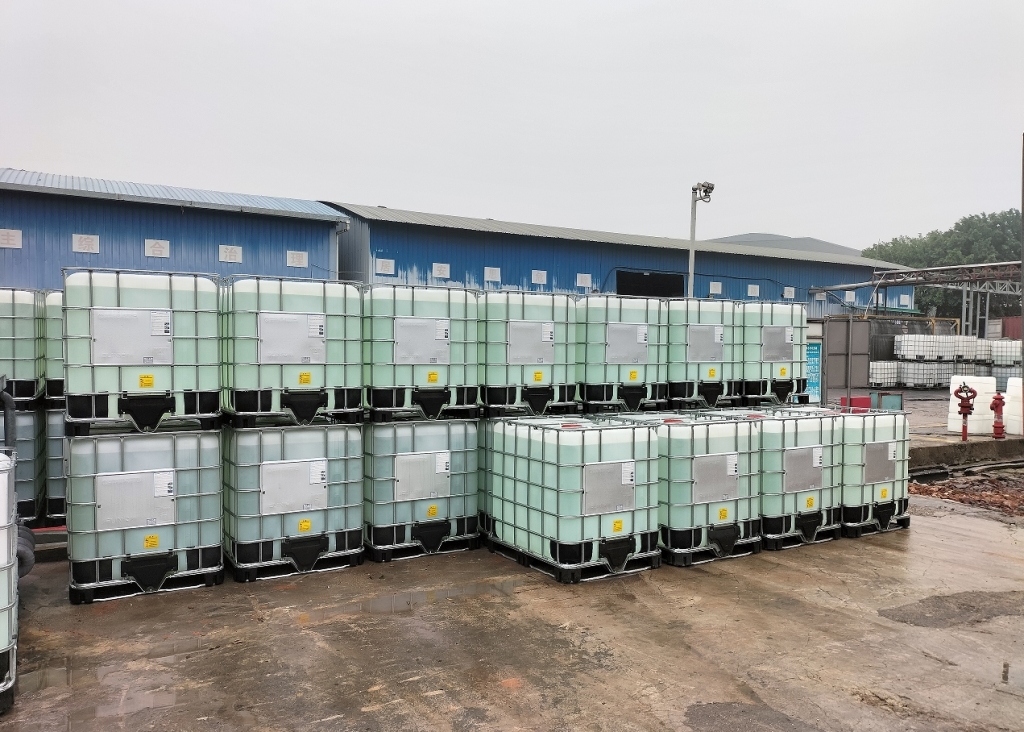
Packaging format should be recorded with the lot because container condition and handling can affect receiving checks.
| Technical Note: Concentration results are meaningful only when the test method, sample identity, and sample condition are controlled. A number without a traceable sample can create false confidence. |
|---|
4. Use Density as a Fast Screening Check
Screen first, confirm with the agreed assay
Density can be a useful receiving-screening signal when the plant has a validated relationship between density, temperature, and concentration. It is not a universal replacement for an assay. Temperature changes, dissolved impurities, trapped air, and equipment calibration can all affect the reading.
The practical rule is simple: measure temperature with the density result, use calibrated equipment, and compare the value with an approved internal reference. If the result is outside the control band, hold the lot for a confirmatory test rather than making an immediate acceptance decision.
Do not compare readings taken at different temperatures
A warm sample and a cold sample can produce different density readings even when the chemical concentration has not changed. Record the sample temperature and test conditions every time. If your plant uses automatic dosing by volume, ask the technical team whether the control system compensates for temperature and density.
5. Test the First and Last Containers When the Risk Is Higher
Use risk-based checks for repeat orders
Not every shipment needs the same testing intensity. Increase checks when the supplier changes packaging, production location, raw materials, transport route, or lot size. Increase them too when the previous result was close to the limit, a shipment arrived with damaged seals, or the plant changed its dosing response.
For a higher-risk shipment, sample the first and last containers loaded or received, plus a middle point. Compare the results and investigate any meaningful spread. A sealed container does not prove that every unit in a shipment has the same concentration.
Record packaging condition as a quality signal
Note broken seals, wet caps, damaged closures, leaks, bulging, unusual residue, or labels that do not match the shipping documents. Camachem lists drums and IBC options on its product pages, including industrial-grade packaging formats. Procurement should match the selected format to the site’s unloading, storage, and sampling controls.
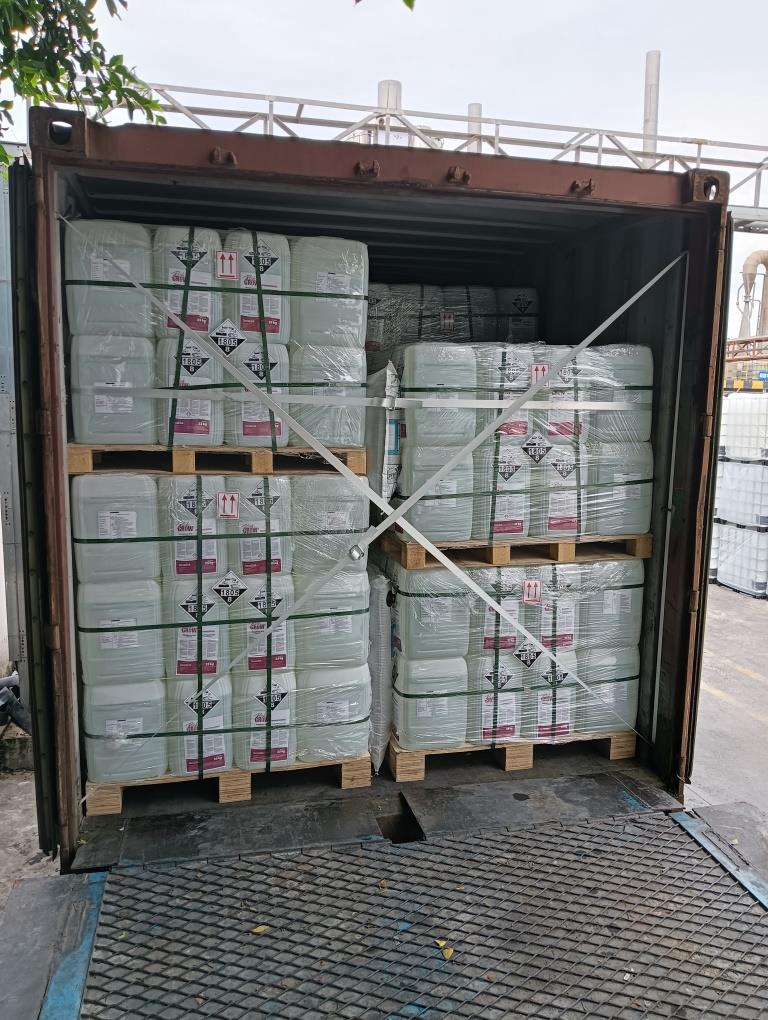
Pallet condition and container labels are useful for receiving checks before a repeat-order lot is released.
Need Help Sourcing Bulk Phosphoric Acid In 2026?
Ask for a batch-specific COA, agreed concentration range, packaging details, and a repeat-order verification plan before you release the next purchase order.
WhatsApp Us for Free a Consultation
6. Reconcile the COA With Your Own Receiving Result
Use supplier and buyer data together
A supplier COA describes the tested lot at the supplier’s facility. Your receiving test answers a different question: whether the material received at your site matches the agreed product after transport and handling. Both records should be stored against the purchase order, lot, container number, and invoice.
Set a clear result matrix. For example, “COA passes and receiving test passes” can be released. “COA passes and the receiving test is outside the control band” should trigger a hold and review. “COA missing or lot number mismatch” should not be treated as a paperwork detail.
Investigate differences without assuming blame
First check the sample, method, calibration, temperature, calculations, and transcription. Then ask the supplier to review its retained sample and production record. If the difference remains, agree on an independent laboratory or a referee method before deciding on use, rework, replacement, or a commercial claim.
For cost planning, remember that a rejected shipment can affect more than the chemical invoice. The main factors behind bulk phosphoric acid pricing include logistics, packaging, handling, and the cost of delay.

A documented laboratory review helps separate true concentration drift from sampling or measurement error.
7. Review Supplier Change Control Before the Next Order
Ask what changed, even when the product name did not
Repeat-order control is stronger when procurement asks a short change-control question before release: Has the manufacturing site, raw material source, formula, concentration adjustment step, packaging type, test method, or transport route changed since the last accepted lot?
The supplier should notify the buyer before a change affects the agreed specification. If the answer is yes, request a new sample, updated COA or specification, and technical approval before production use. This is especially important for food, pharmaceutical, personal-care, and other applications where grade and impurity limits matter as much as nominal concentration.
Make supplier performance visible at management level
Track on-time COA delivery, first-pass acceptance, concentration trend, corrective-action response, packaging incidents, and repeat-order complaints. A supplier that always passes but repeatedly sends results close to the lower limit may deserve a different control plan from a supplier with stable results near the target.
If your organization is moving from distributor buying to direct import, you may refer to the industrial buyer’s guide.
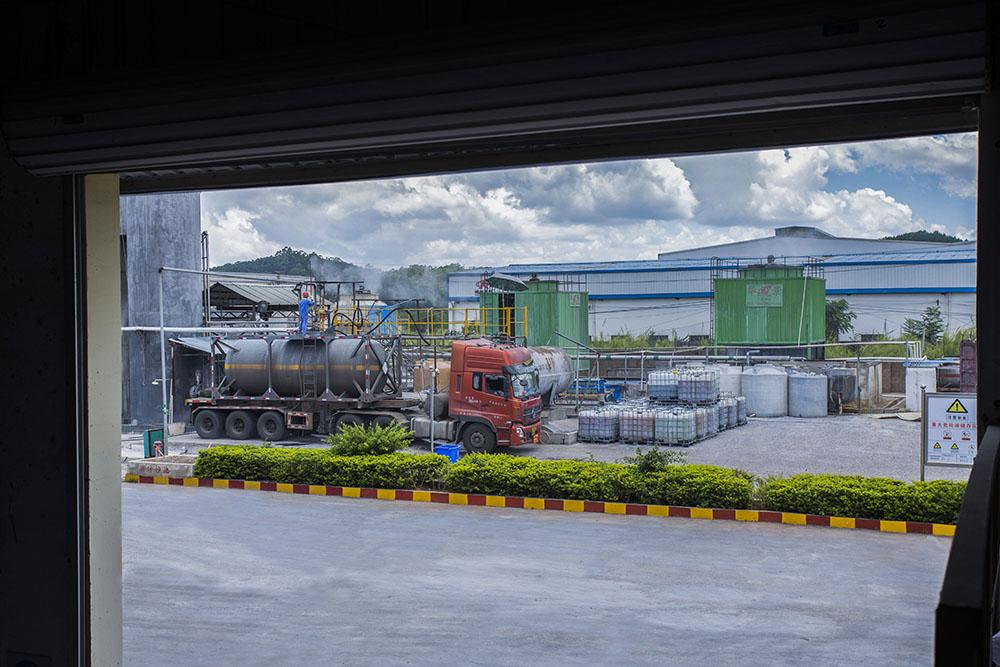
Change control should cover the full chain from production and filling to loading and international transport.
A Simple Repeat-Order Control Table
| Checkpoint | Evidence to collect | Escalate when |
|---|---|---|
| Purchase order | Grade, H₃PO₄ target, acceptance range, test basis, packaging | “85%” is the only quality requirement |
| Pre-dispatch review | Batch number, batch-specific COA, seals, container list | COA is generic, late, or does not match the lot |
| Receiving screen | Sample identity, temperature, density or assay result | Result is outside the approved control band |
| Trend review | Current result against prior lots and impurity limits | Values move toward a limit across repeat orders |
| Supplier review | Change-control answer, corrective action, retained-sample result | Supplier cannot explain a mismatch |
| Release decision | Approved hold, release, retest, or claim record | Material is used before the investigation closes |
A Practical WhatsApp Check Before Release
If a new COA is close to the lower concentration limit, send the lot number and your receiving question to the supplier before unloading or production use.
WhatsApp Us for Free a Consultation
Frequently Asked Questions
What is concentration drift in phosphoric acid?
Concentration drift is a change in the measured H₃PO₄ content from the agreed target or from the supplier’s established lot trend. It can result from water entry, dilution, sampling differences, storage or transport conditions, analytical variation, or a process change.
Is 85% phosphoric acid always the same product?
No. Industrial-grade and food-grade phosphoric acid may both be sold at about 85%, but their impurity limits, test standards, documentation, and permitted uses can differ. The grade must be written separately from the concentration.
Can density replace a laboratory concentration test?
Usually not. Density can be a fast screening tool when the plant has a validated temperature-controlled correlation. An out-of-band result should be confirmed with the agreed assay or an independent laboratory method.
How often should repeat shipments be tested?
At minimum, test according to your quality system and application risk. Use stronger sampling when a supplier, packaging format, production site, test method, or transport route changes, or when previous results move close to a limit.
What should procurement do when the COA and receiving result disagree?
Place the lot on hold, check sample identity and test conditions, then ask the supplier to review its retained sample and production record. Agree on an independent or referee test before accepting, rejecting, or making a claim.
Why should the buyer keep a retained sample?
A retained sample supports later investigation if the production line shows unusual performance or if a customer asks about a finished product. It also lets the buyer compare the original received material with later test results.
What should be included in a repeat-order specification?
Include grade, H₃PO₄ content and acceptance range, impurity limits, test basis, packaging, lot and COA requirements, sampling expectations, change-notification rules, and the action for an out-of-specification result.
How Camachem Helps Procurement Teams Control Repeat-Order Quality
Batch-specific documentation
Camachem provides batch-specific COAs and product documentation so procurement teams can compare each shipment against the agreed concentration, grade, and impurity limits. Buyers can also request the relevant specification and MSDS before releasing a purchase order.
Grade and packaging guidance
Camachem helps buyers separate concentration from grade selection. The team can discuss whether 85% industrial-grade or food-grade phosphoric acid fits the application, then review packaging options such as drums and IBCs for the receiving site.
Samples and supplier communication
Before a larger commitment, buyers can request a sample for technical review and share their target application, monthly volume, packaging preference, and destination. This gives procurement and technical teams a clearer basis for repeat-order approval.
Support from quotation to shipment
Camachem can help buyers review the product specification, COA requirements, packaging details, and shipment information before dispatch. If a repeat-order result needs clarification, send the lot number and test question to the team so the supplier and buyer can review the same evidence.

Camachem provides batch-specific COAs and technical support to help procurement teams verify purity and prevent concentration drift.
Request a Repeat-Order Concentration Review
Send the product grade, latest COA, previous COA, packaging format, and your target application to the Camachem team. We can help you prepare the right verification questions before your next bulk order.
WhatsApp Us for Free a Consultation
For product questions, contact the Camachem phosphoric acid team and state your application, monthly volume, preferred packaging, destination, and grade requirement.
Watch this short video about phosphoric acid export and container loading in China. It adds useful context to the documentation and loading checks described in this article.
Conclusion: Treat Every Repeat Order as a New Verification Event
Concentration drift is easier to manage when procurement does not depend on a product name or a familiar supplier relationship. Lock the specification, compare COAs over time, sample representatively, use density only as a controlled screen, reconcile supplier and buyer results, and require change control.
These steps do more than protect one shipment. They create a repeatable record that helps owners manage supplier risk, helps technical teams protect process performance, and helps procurement make better decisions before the next container is released.
Industrial Buyers: Next Steps for Sourcing Bulk Phosphoric Acid
What makes our Phosphoric Acid Better:
✅ Compliant with EU, UN, ISO Standards – No Legal Headaches
✅ Guaranteed 85% Purity – Stability for your Processing Plant
✅ Extremely Low Impurities – Low Heavy Metals
✅ Batch-Specific COA Provided – Full Transparency per Shipment.
Download Our EU-approved Specifications.[ Food Grade or Industrial Grade]