


A phosphoric acid shipment can look normal and still fail an agreed specification. The issue may be concentration, impurities, packaging damage, contamination, or a mismatch with the Certificate of Analysis (COA). Once the product is mixed or used, proving what happened becomes much harder. For broader purchasing context, see the Industrial Buyer’s Guide to Bulk Phosphoric Acid.
The safest response is to protect people and evidence first. Then compare the batch with the agreed specification, use a controlled retest, and document the claim so both sides can review it.
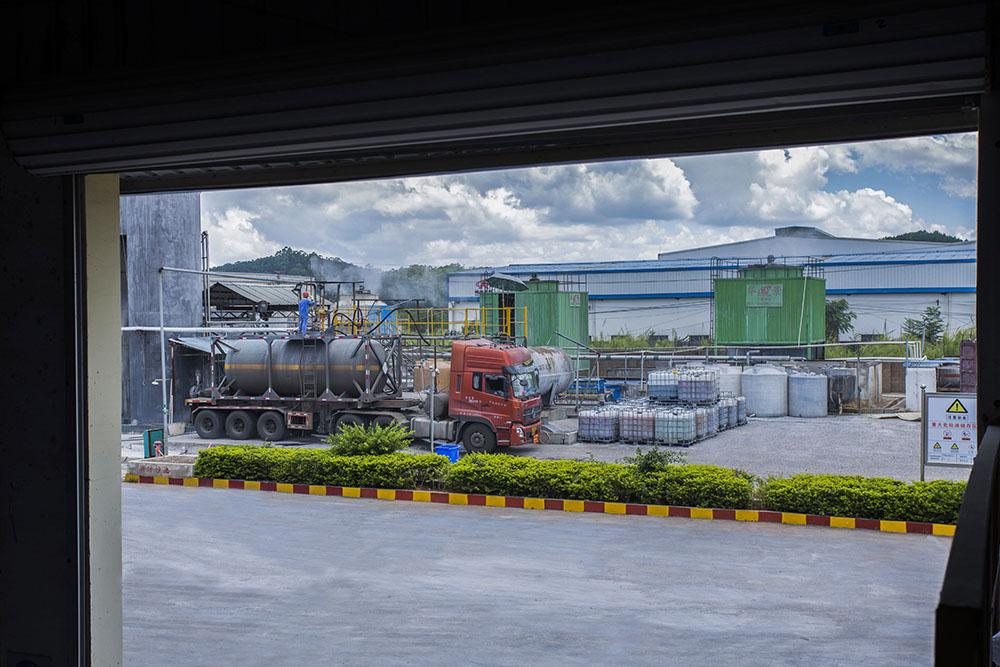
A controlled loading and receiving process helps buyers connect the delivered product with the right batch records and shipping documents.
What Counts as an Off-Spec Phosphoric Acid Delivery?
Start with the agreed specification, not a general market number
“Off-spec” means that a reliable test result falls outside the acceptance criteria agreed for the shipment. It does not simply mean that a buyer expected a different product. A buyer may order 85% industrial-grade phosphoric acid, for example, but the actual acceptance criteria may also cover appearance, sulfate, chloride, iron, arsenic, heavy metals, density, or other application-specific parameters.
The reference point should be the signed purchase specification, quotation, pro forma invoice, contract, or approved technical data sheet. A generic product page is not a substitute for the specification agreed for a particular order. Camachem’s phosphoric acid COA verification guide explains why concentration alone does not prove that a batch is suitable.
Separate a quality failure from a delivery or packaging failure
A claim can involve more than one problem. Classify it before deciding what evidence is needed.
- Quality: concentration, impurities, appearance, grade, or identity.
- Packaging: a drum, IBC, valve, seal, pallet, or label is damaged or leaking.
- Documentation: the batch number, COA, SDS, packing list, or shipping information is missing or inconsistent.
- Transit or storage: temperature, water ingress, contamination, or handling may have changed the product after dispatch.
Do not treat these categories as the same dispute. A concentration result needs a representative sample and suitable method. A leaking IBC needs photos, seal records, and a safety response.
Decision-Maker Insight: A fast, documented hold is usually cheaper than an informal argument after the material enters production. The business decision is not only whether the acid passes. It is whether the company can still prove the condition of the goods, protect its process, and preserve its recovery options.
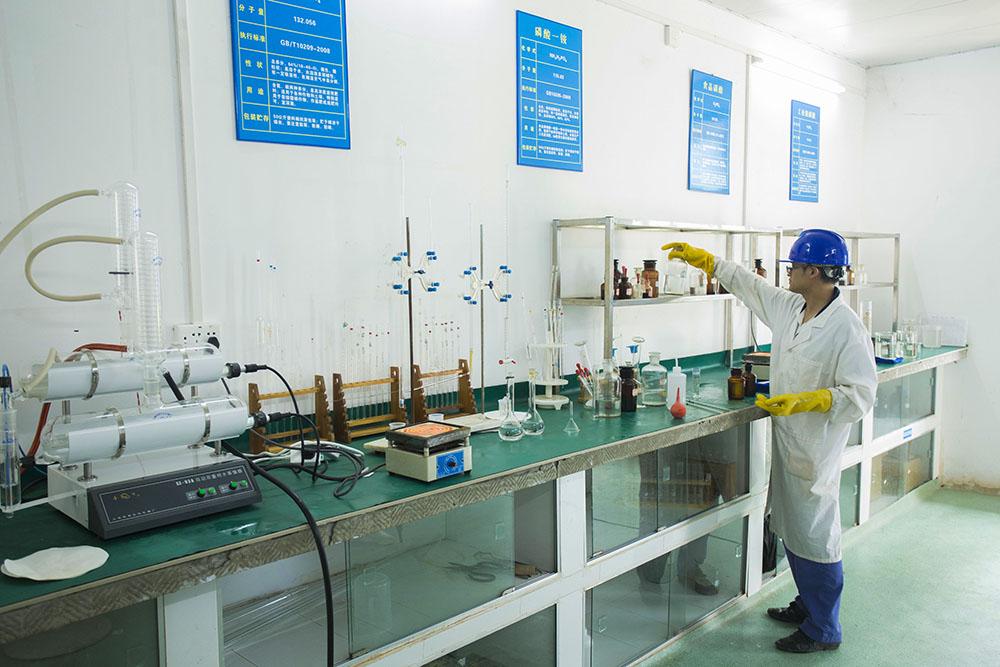
Laboratory records give a delivery dispute a stronger foundation than visual impressions or an untraceable sample.
First 24 Hours: Isolate the Shipment and Preserve Evidence
Step 1: Put the affected material on hold
Stop using the suspect lot in production. Do not blend it with an approved lot, transfer it into an unmarked tank, return it, or dispose of it before the evidence plan is agreed. Mark the containers or tank clearly as “quality hold” and restrict access to trained personnel.
Phosphoric acid solution is listed by NOAA CAMEO as UN 1805 and Class 8 corrosive material for transport. Receiving and sampling work must therefore follow the current SDS, site risk assessment, PPE rules, ventilation requirements, and emergency procedures. The phosphoric acid safety and handling guide provides additional receiving and handling context. Do not open a damaged or leaking package just to obtain a sample. If there is a leak, protect people first and escalate to the responsible safety and emergency team.
Step 2: Record the condition before moving anything
Create a receiving record while the shipment is still in its original state. Include:
- Delivery time, vehicle, container and seal numbers.
- Product name, grade, concentration, batch or lot number, and package count.
- Photos of labels, seals, valves, pallets, drums, IBCs, and damage.
- Quantity received, quantity on hold, and location of affected packages.
- Names of people who inspected, sampled, tested, or moved the material.
- The purchase specification, COA, SDS, packing list, bill of lading, and inspection report.
Keep original files. Record the instrument, method, analyst, sample ID, and test date for every result.
Step 3: Notify the supplier without making an unsupported conclusion
Send a short preliminary notice as soon as practical. State that the shipment is on hold pending investigation. Identify the order, batch, parameter under review, initial result, method, and supporting evidence. Ask the supplier to confirm the batch history, approved sampling plan, test method, and whether a retained sample is available.
Avoid statements such as “the whole container is diluted” when only one unrepresentative sample has been tested. A careful notice protects the buyer’s position while leaving room for a fair technical investigation.
For help documenting a delivery hold or supplier claim, contact our phosphoric acid team:
WhatsApp Us for Free a Consultation

Product identity, batch information, and label condition should be checked before a disputed sample is removed from the shipment.
How to Take a Representative Retest Sample
Step 4: Agree the sampling plan before testing again
A retest cannot repair a poor sample. Buyer and supplier should agree, in writing, on where the samples will come from, how many units will be sampled, how they will be mixed or combined, how containers will be sealed, and which laboratory will test them.
The plan should answer four questions:
- Could concentration vary between drums, IBCs, or compartments?
- Where will samples be taken, and under what mixing conditions?
- Will both parties receive sealed portions from the same original sample?
- What chain-of-custody record connects the sample to the lot?
For a large or non-uniform shipment, one convenient sample may not represent the lot. If the issue is serious, use an independent inspector or laboratory to witness sampling. The plan should fit the specification, package type, hazard controls, and buyer’s quality system.
Step 5: Use clean, compatible equipment and clear sample IDs
Sampling tools and containers must be compatible with phosphoric acid and suitable for the test. Label each sample with a unique ID, lot number, package or tank location, date, sampler, and requested tests. Seal reserve portions and store them under the conditions stated in the SDS and laboratory instructions.
Do not dilute, top up, or transfer a sample through equipment that may add water or contamination. If temperature has caused crystallization or another change, record it before warming or filtering.
Technical Note: For 85% phosphoric acid, concentration, density, temperature, and appearance should be interpreted together. A density comparison can be a useful screening check, but it does not replace the agreed assay method or impurity testing. Industrial and food-grade material may both be near 85%, while their impurity and compliance requirements can differ.
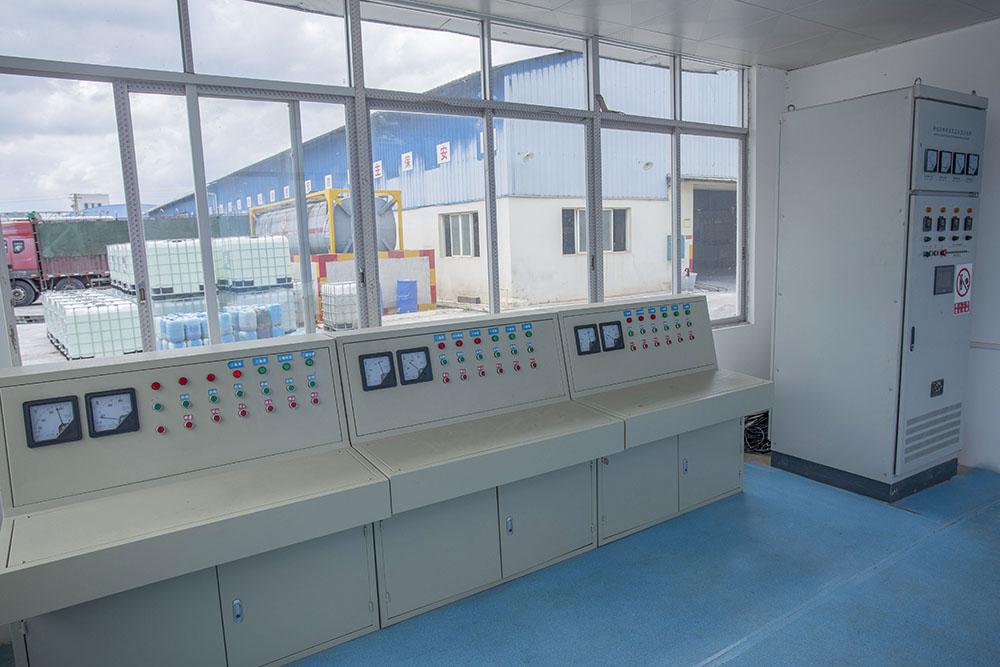
A traceable sample ID and a controlled laboratory handoff help separate a real batch failure from a sampling or handling error.
Retest Workflow: From First Result to Final Decision
Step 6: Review the first result before ordering repeats
Treat the first out-of-specification result as data that needs investigation, not as an inconvenient result to erase. Review the sample preparation, calculations, instrument status, analyst records, reference standards, method, temperature, and transcription. Check whether the result was reported against the correct specification and units.
The U.S. FDA’s OOS guidance is written for pharmaceuticals, not industrial phosphoric acid. It is still a useful model: review laboratory factors first, document any assignable cause, and do not invalidate an OOS result only because a later test passes.
Step 7: Run the agreed confirmation tests
Use a qualified laboratory and a method appropriate to each parameter. A sensible panel may include the following, depending on the order specification:
| Check | What it can help confirm | Important control |
|---|---|---|
| Appearance | Clarity, color, sediment, or separation | Record temperature and photograph the sample before treatment. |
| H₃PO₄ assay | Actual acid concentration | Use the agreed titration or validated laboratory method. |
| Density or specific gravity | A concentration screening signal | Compare at a defined temperature; do not use it alone to reject a lot. |
| Sulfate, chloride, iron, or other impurities | Whether the batch meets the agreed impurity limits | Test only the parameters relevant to the approved specification. |
| Arsenic or heavy metals | Application and grade suitability | Use a capable laboratory and the correct reporting limits. |
| Packaging and seal condition | Whether leakage or tampering occurred | Preserve photographs, seals, and receiving records. |
If laboratories use different methods, compare the method, units, sample preparation, and measurement uncertainty. A numerical difference does not automatically prove that one laboratory is wrong.
Step 8: Compare matched results and identify the cause
Build a simple comparison sheet with the agreed limit, the supplier COA result, the buyer’s first result, the retest result, method, laboratory, and sample ID. Then classify the outcome:
Confirmed off-spec: Matched samples and suitable methods show the same failure.
Confirmed laboratory or sampling error: An assignable error explains the first result and the corrected result is supported by records.
Inconclusive: Results conflict without a proven cause, so an independent referee test or expanded sampling may be needed.
Transit or storage-related issue: The product met the release specification but evidence shows damage, contamination, water ingress, or unsuitable storage after dispatch.
Do not average away a failed result just to obtain a passing number. Any averaging, resampling, or retesting rule should come from the agreed quality procedure and be documented before the final disposition.
For help planning a representative sample and retest, contact our technical team:
WhatsApp Us for Free a Consultation

Independent review can help both parties reach a technical decision before a commercial remedy is chosen.
How to Build a Strong Commercial Claim
Step 9: Link the technical result to the delivered lot
A claim should answer: what was ordered, what arrived, what failed, how was it tested, and what remedy is requested? If supplier coordination is needed, use the Contact Us page for the direct communication route. Attach the specification, order confirmation, batch COA, receiving report, photos, seal records, laboratory reports, and quantity on hold.
State whether the material was used, blended, repacked, returned, or kept isolated. If production was affected, record dates, affected batches, downtime, disposal, rework, and mitigation steps. Keep commercial loss calculations separate from laboratory conclusions.
Step 10: Agree the remedy only after the evidence is clear
Possible remedies depend on the contract, Incoterms, insurance, local law, product condition, and the parties’ agreement. They may include replacement, credit, price adjustment, rework, return, supervised disposal, or acceptance with a documented deviation. Do not promise a specific legal result from a test report alone.
The file should state who pays for retesting, inspection, storage, transport, and disposal. If the shipment presents a safety risk, safety takes priority over commercial convenience.
Need Help Sourcing Bulk Phosphoric Acid In 2026?
Get a batch-specific COA review plan, a free specification guide, and practical support for a new bulk order or a delivery under investigation.
WhatsApp Us for Free a Consultation

Packaging, seals, and container condition are part of the delivery evidence, not just logistics details.
Preventing the Next Off-Spec Dispute
Write the quality agreement before shipment
The order should define the product, grade, concentration, impurity limits, appearance, packaging, batch documents, test methods, sampling point, inspection timing, and claim window. State whether third-party inspection is required at loading, arrival, or both.
A batch-specific COA should connect the reported results to the lot actually shipped. Compare the COA with the labels, packing list, and sample records before approving release. The industrial phosphoric acid specifications page lists example parameters such as H₃PO₄ content, sulfate, chloride, iron, arsenic, and heavy metals, but each buyer should confirm the limits that apply to its own process.
Use pre-shipment controls for first orders
For a new supplier, a pre-bulk sample, independent loading inspection, and sealed reserve sample can reduce uncertainty. The phosphoric acid sample testing guide explains how density, visual checks, titration, impurity screening, and third-party inspection can work together.
Confirm the grade as well. Food-grade and industrial-grade phosphoric acid can have similar headline concentrations, but their permitted uses, purity requirements, and documentation differ. Use the food-grade phosphoric acid specifications for food, beverage, pharmaceutical, or personal-care applications.
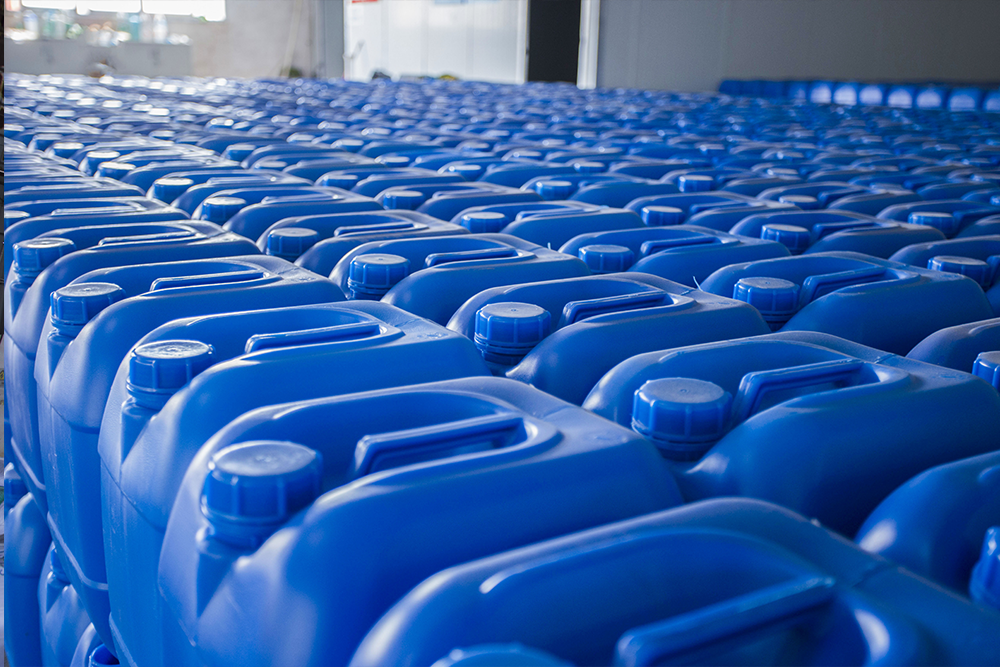
Consistent packaging and clear labels make it easier to control the chain of custody from loading to final receipt.
Frequently Asked Questions
Should I reject the shipment after one failed test?
Place the affected material on hold and notify the supplier, but do not automatically conclude that the entire shipment is defective. First review the sample, method, specification, and laboratory records. A controlled investigation may confirm the failure, identify a sampling or laboratory error, or show that only part of the shipment is affected.
Who should pay for the retest?
The contract or quality agreement should address this. If it does not, the parties can agree on a neutral laboratory and allocate the cost based on the result or the cause. Keep the agreement in writing before the retest begins.
Can I use a supplier’s retained sample as the only evidence?
A retained sample can be useful, but it may not represent the condition of the delivered lot. The strongest approach is to compare a sealed sample from the shipment with a supplier-retained sample and, where needed, an independent sample collected under a witnessed plan.
What if the buyer and supplier use different test methods?
Compare the methods, units, sample preparation, temperature, calibration, and reporting limits before comparing the numbers. If the methods are not equivalent, agree on a referee method or independent laboratory rather than choosing the result that supports one side.
Can a passing retest cancel the first OOS result?
Not by itself. Evaluate a passing retest with the original result and investigation record. The first result may remain relevant unless an assignable laboratory or sampling cause is documented.
What evidence matters most in a packaging claim?
Photos taken before unloading or transfer, seal numbers, container and batch IDs, delivery records, leak records, and the SDS are important. Keep damaged packaging when safe, and follow the site’s corrosive-material response procedure.
Do I need an independent inspector for every shipment?
Not always. Consider supplier history, grade, application risk, contract terms, shipment size, and failure cost. It is especially useful for a first order, a new supplier, food-grade material, or a process that cannot tolerate stoppage.
Conclusion: Treat an Off-Spec Delivery as an Evidence Problem First
A phosphoric acid delivery dispute is easier to resolve when the product is isolated, the original condition is recorded, and the retest plan is agreed before more testing begins. Match the result to the correct batch, use a representative sample, compare methods carefully, and separate a confirmed quality failure from a sampling, laboratory, packaging, or transit issue.
A strong claim is specific and traceable. It shows the agreed specification, the delivered lot, the test method, the evidence, and the requested next step. That discipline protects the buyer’s process and gives a legitimate supplier a fair path to investigate and correct the problem.
Industrial Buyers: Next Steps for Sourcing Bulk Phosphoric Acid
What makes our Phosphoric Acid Better:
✅ Compliant with EU, UN, ISO Standards – No Legal Headaches
✅ Guaranteed 85% Purity – Stability for your Processing Plant
✅ Extremely Low Impurities – Low Heavy Metals
✅ Batch-Specific COA Provided – Full Transparency per Shipment.
Download Our EU-approved Specifications.[ Food Grade or Industrial Grade]