


A bulk phosphoric acid shipment can look correct on paper and still create problems at the receiving plant. The concentration may not match the agreed specification. The batch number may be missing. The container may be damaged, mislabeled, or unsuitable for a corrosive liquid.
A pre-shipment inspection gives the buyer one final control point before the cargo leaves the exporting country. It connects the product, packaging, loading process, and shipping documents. For a first order from a new supplier, this step can reduce disputes and protect production continuity.

A final export inspection helps connect the physical phosphoric acid cargo with the buyer’s approved order and shipping plan.
Why Pre-Shipment Inspection Matters for Bulk Phosphoric Acid
The inspection is more than a visual check
A pre-shipment inspection, or PSI, is an organized review before goods are shipped. SGS describes this type of service as a way to check whether cargo is present and whether it matches the supplier’s specification. Loading supervision can then help confirm that the final cargo placed into a container or vessel matches the expected quality and quantity.
For phosphoric acid, the inspection should be built around the purchase order and the approved technical specification. Do not rely on a generic checklist alone. Your required grade, concentration, impurity limits, packaging, destination, and transport rules should all be written before the inspection starts.
| Decision-Maker Insight: Inspection is usually cheaper than a production stop, rejected container, emergency replacement, or customs delay. The goal is to control risks that could change the shipment’s value or usability. |
|---|
Use the right scope
The buyer, supplier, and inspection company should agree on the scope before the inspector arrives. Define the sample plan, test laboratory, acceptance limits, document list, loading point, and process for handling a failed result. A report written after an argument begins is much less useful than a clear inspection instruction agreed in advance.
The Bulk Phosphoric Acid Pre-Shipment Checklist
1. Confirm the product identity and grade
Start with the basic identity. The product name, chemical formula, CAS number, grade, and concentration should match across the purchase order, technical data sheet, COA, labels, packing list, and shipping documents.
For industrial material, the specification may identify H₃PO₄ content, appearance, color, sulfate, chloride, iron, arsenic, and heavy metals. The phosphoric acid specifications has listed 85% H₃PO₄ content as a standard target and give example impurity limits. Your own purchase specification remains the controlling document, because different processes need different limits.
Do not treat 85% as a complete quality description. Referring to the industrial grade product page to review full purity standards. Industrial and food-grade phosphoric acid may both be around 85% concentration, but grade, purity, permitted use, documentation, and compliance needs can differ. If the product is intended for food or beverage production, confirm that the ordered grade and supporting documents match that use.
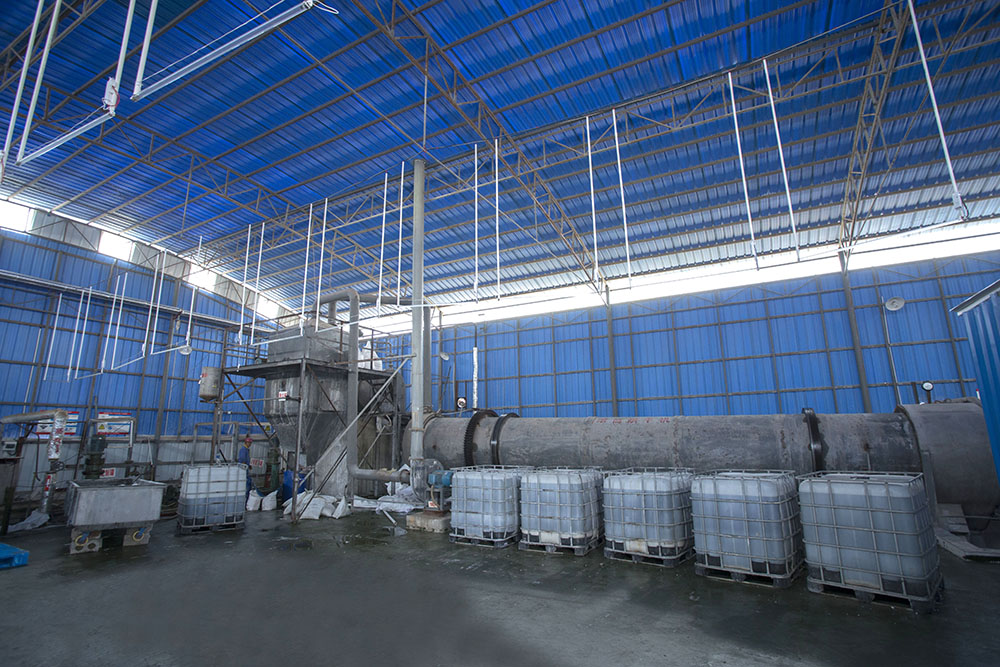
A clear view of the production facility supports the buyer’s wider supplier-verification process.
2. Verify the batch-specific COA
A Certificate of Analysis should represent the actual batch being shipped. Check the following items:
- Product name and grade.
- Batch or lot number.
- Production or test date, where provided.
- H₃PO₄ concentration and test unit.
- Appearance and color.
- Agreed impurity results.
- Test method or laboratory reference, where required.
- Supplier name and authorized signature or approval.
Then compare the COA with the physical batch. The batch number on the COA should match the number on labels, sample containers, production records, or packing information. A generic product specification can support early evaluation, but it should not automatically be accepted as a batch COA.
When conducting a phosphoric acid COA verification, remember that concentration alone is not enough. A batch can meet an assay target and still miss an impurity limit that matters to your process.
3. Inspect the physical appearance and sample
The inspector should record the product’s appearance and take samples according to the agreed method. At 85% concentration, phosphoric acid is normally a clear to slightly colored, syrupy liquid. Unexpected haze, particles, separation, or a strong change from the approved sample should trigger review.
Sampling must be representative. A sample taken from one convenient container may not represent the full shipment. The inspection instruction should state which containers or IBCs are sampled, how samples are sealed, how duplicate samples are retained, and which laboratory performs the analysis.

The lab record should identify the sample, method, and batch so the test result can be traced.
A simple density or specific-gravity check can act as an early screen when testing a phosphoric acid sample before a bulk order. A basic titration can also show whether concentration is roughly in the expected range. These checks do not replace a full laboratory assay or application-specific impurity testing.
4. Check packaging condition and compatibility
Phosphoric acid is corrosive to metals and can cause severe skin burns and eye damage. The SDS should guide the required packaging, personal protection, storage, and emergency controls. Containers should be approved for the product and in good condition at the time of inspection.
For each packaging unit, check:
- No cracks, swelling, leaks, bulges, or chemical residue.
- Closures, caps, valves, and liners are secure.
- Drums and IBC cages are stable and undamaged.
- Pallets, shrink wrap, and restraints are suitable for handling.
- The container material is compatible with the acid.
- The package is clean on the outside and free of unsafe contamination.
- The quantity per package matches the order.
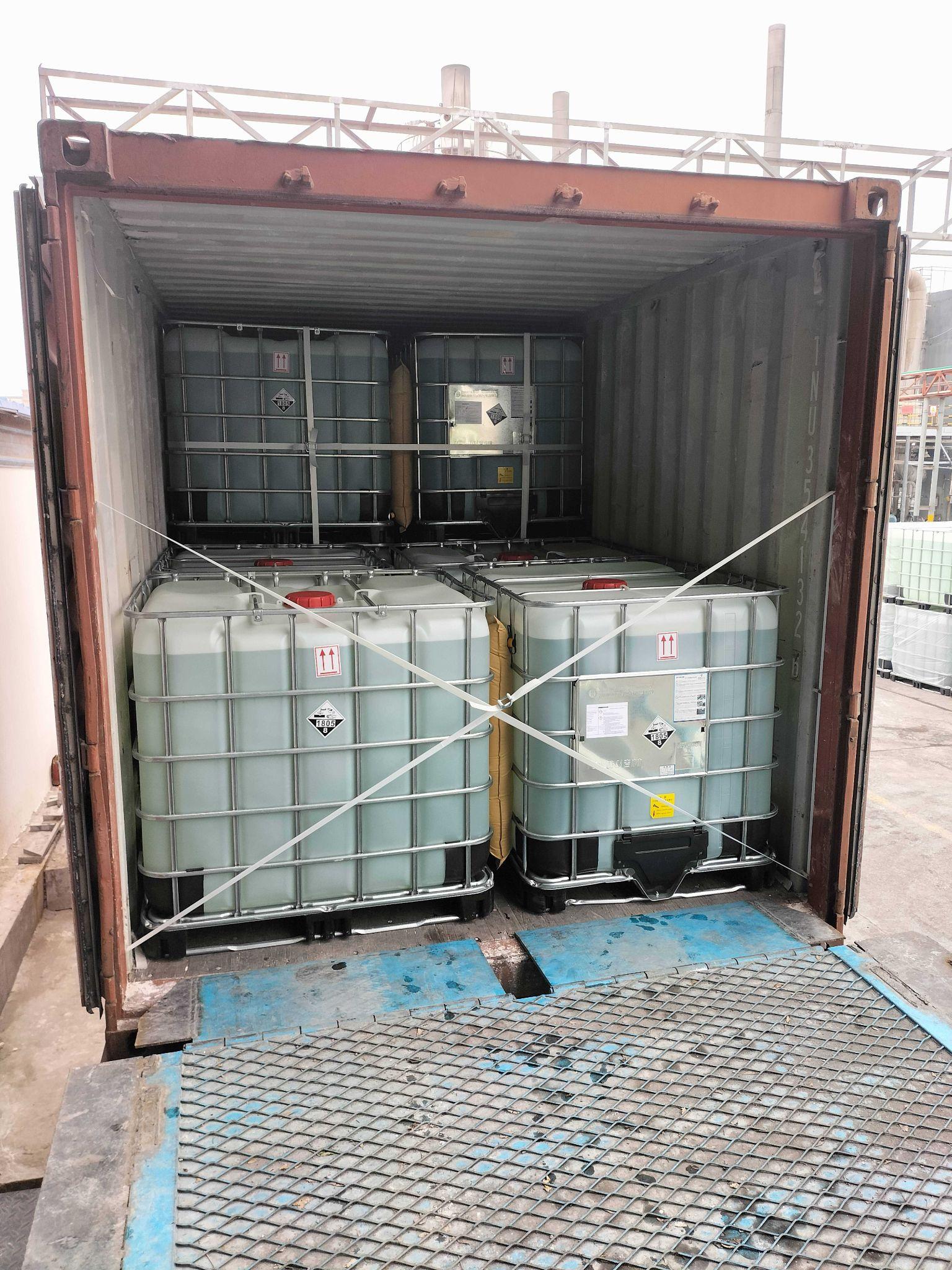
The container format must match the buyer’s unloading equipment, storage area, and receiving procedure.
5. Check labels and dangerous-goods marks
Labels should be legible, durable, and consistent with the shipping documents. They should identify the product, concentration or grade where required, batch information, net quantity, supplier details, and relevant hazard information.
For transport, verify the requirements for the destination and mode of transport. NOAA’s CAMEO Chemicals database identifies UN 1805 as a phosphoric acid solution and lists hazard class 8, corrosive. The exact marking and documentation requirements can depend on the shipment route, packaging, and applicable transport rules, so the supplier and logistics provider should confirm them before loading.
Do not ask an inspector to replace the dangerous-goods classification with a simple product label check. The safety data sheet, dangerous-goods declaration, package marking, and carrier instructions should tell the same story.
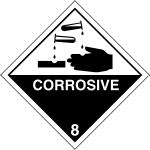
Class 8 Corrosive hazard symbol required on packaging for 85% phosphoric acid shipments.
6. Confirm quantity, weights, and count
Quantity disputes are common when commercial units, net weight, gross weight, and container capacity are mixed. The inspection report should state how quantity was checked and what evidence supports it.
Record:
● Number of drums, IBCs, or tanks.
● Net weight per unit.
● Gross weight per unit where required.
● Total net and gross weight.
● Container numbers and seal numbers.
● Weighbridge tickets or other measurement records.
● Any shortfall, overfill, or damaged package.
The packing list should match the physical cargo. If the purchase order says 25.6 metric tons in 1,600 kg IBC drums, the inspector should not approve a different mix without written buyer approval.
7. Inspect the container before loading
The freight container or tank should be checked before product loading begins. Look for structural damage, water ingress, bad odors, corrosion, holes, dirty floors, damaged doors, and conditions that could affect the packaging or product.
For a chemical shipment, verifying that the container format matches the specific chemical handling requirements outlined in the phosphoric acid application guide. Check that the floor can support the load, that the doors close correctly, and that the loading arrangement leaves no unstable gaps. Photograph the empty container, package condition, loading sequence, final arrangement, and sealed doors.
A clear photo record supports the written report. It also gives the buyer evidence if a package arrives damaged and the parties need to separate a loading issue from a transit issue.

The loading area is the last practical point to compare the inspected cargo with the shipment documents before export.
Documents to Match Before the Container Leaves
Build one consistent shipment file
The strongest inspection process checks the documents as a set. The product specification should match the COA. The commercial order should match the packing list. The packing list should match the physical cargo. The shipping documents should match the buyer, destination, package count, and product description.
At minimum, review the following documents, subject to the destination’s requirements:
| Document | Main question before export | Physical or commercial item to compare |
|---|---|---|
| COA | Does the actual batch meet the agreed quality limits? | Batch number, product labels, sample identity |
| SDS or MSDS | Are hazards, handling, storage, and transport controls clear? | Product identity, concentration, package type |
| TDS or specification | What exactly did the buyer order? | Grade, concentration, impurity limits, packaging |
| Proforma invoice or order | Are commercial terms correct? | Quantity, price, Incoterm, destination |
| Packing list | How is the cargo packed and weighed? | Package count, net weight, gross weight |
| Inspection report | Was the agreed inspection completed? | Samples, photos, quantity, loading, exceptions |
| Certificate of origin | Is the origin information correct? | Seller, origin, HS code, destination rules |
| Shipping documents | Can the carrier and customs process the cargo? | Consignee, ports, marks, quantity, dangerous goods |
Check the commercial details
Confirm the seller, buyer, product, quantity, packaging, destination, Incoterm, and payment terms. The bulk phosphoric acid buyer’s guide can help structure this procurement review. An inspection report cannot fix a wrong consignee or destination port after loading.
Review the required bulk phosphoric acid shipment documents and select appropriate phosphoric acid packaging for bulk orders before finalizing the packing list.
| Technical Note: Concentration and grade are separate controls. A document that says 85% phosphoric acid does not by itself confirm food-grade suitability, impurity limits, packaging compatibility, or destination compliance. Keep these requirements separate in the purchase specification. |
|---|
Document Supports and Request Requirements
Need a document review before approving the inspection scope? Share your grade, concentration, packaging, quantity, and destination with the team.
WhatsApp Us for Free a Consultation
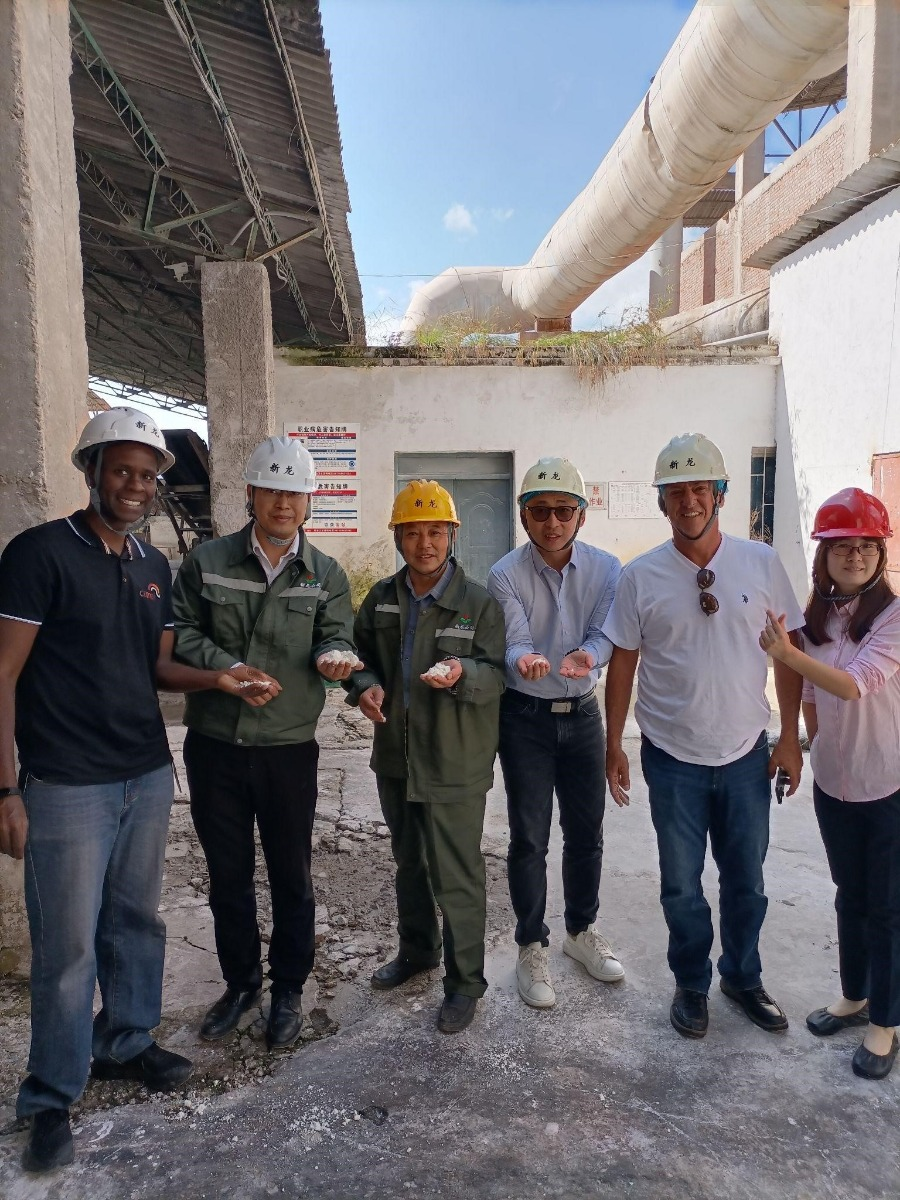
A factory visit can strengthen supplier trust before a buyer commits to repeat bulk shipments.
How to Manage a Failed or Conditional Inspection
Define the response before testing
Agree in advance what happens if a result is outside the limit. A shipment may be placed on hold for document clarification, retesting, relabeling, or replacement. A critical quality, safety, quantity, or compliance failure should not be released on a verbal promise. Record the finding, corrective action, and new evidence.
Resolve test and loading disputes with evidence
Different methods, units, temperatures, or sampling points can explain a result that appears inconsistent. Confirm the method and sample identity first. For a serious dispute, use a mutually agreed independent laboratory and retain sealed counter-samples.
A passing sample also does not prove that the right packages were loaded. During loading, record the container number, seal number, package count, photos, and any exception. The buyer should approve release only when the physical cargo and documents remain consistent.
Planning a first container from China? Request a quotation, sample, and packaging recommendation for your application through the phosphoric acid contact page.
WhatsApp Us for Free a Consultation
Want to understand how global importers review phosphoric acid supply and logistics? Watch this short video showing container loading for phosphoric acid exports.
Frequently Asked Questions
When should a pre-shipment inspection happen?
It should happen after the goods are substantially ready and before the cargo is loaded or released for shipment. The exact timing should leave enough time for retesting, corrective action, or document changes if a problem is found.
Is a COA enough for a bulk phosphoric acid shipment?
No. A COA is an important batch-quality document, but it does not replace a physical inspection, packaging check, quantity verification, or review of shipping documents. For a new supplier, combine a batch-specific COA with sample testing and, where appropriate, independent inspection.
What should the inspector test in 85% phosphoric acid?
The tests should follow the agreed specification and application. They may include H₃PO₄ concentration, appearance, density, and relevant impurity limits such as sulfate, chloride, iron, arsenic, or heavy metals. Do not add tests without defining the method and acceptance limit.
What packaging checks matter most?
Check compatibility, leaks, cracks, swelling, closures, valves, liners, pallets, labels, package count, and net weight. The packaging must also fit the buyer’s unloading and storage system. Drums, IBC totes, and ISO tanks have different handling needs.
Should first-time buyers use a third-party inspection company?
It is often a sensible control for a first order, a high-value shipment, a strict specification, or a sensitive application. A third party can verify product presence, sampling, quantity, packaging, loading, and selected test results. The buyer should agree on scope and acceptance limits in advance.
Conclusion: Turn the Final Check Into a Repeatable Control
A bulk phosphoric acid pre-shipment inspection should answer five practical questions: Is this the correct product? Does the batch meet the agreed specification? Is the packaging safe and suitable? Is the quantity correct? Do the documents and loading records match the physical cargo?
Written into the purchase process, inspection becomes a repeatable control for product trust, supplier trust, and supply continuity. Release the shipment only when the sample, COA, cargo, and documents are consistent.
For a first export order, a clear checklist is one of the simplest ways to reduce avoidable risk before the container leaves China. Buyers can verify our manufacturing capacity and track record through our company profile and the export case studies.
Need help comparing your COA with the physical batch? Ask for a specification review and a sample-testing plan before loading.
WhatsApp Us for Free a Consultation
Industrial Buyers: Next Steps for Sourcing Bulk Phosphoric Acid
What makes our Phosphoric Acid Better:
✅ Compliant with EU, UN, ISO Standards – No Legal Headaches
✅ Guaranteed 85% Purity – Stability for your Processing Plant
✅ Extremely Low Impurities – Low Heavy Metals
✅ Batch-Specific COA Provided – Full Transparency per Shipment.
Download Our EU-approved Specifications.[ Food Grade or Industrial Grade]