


A phosphoric acid sample can look acceptable and still lead a buyer to approve the wrong supplier. The cause is not always deliberate misrepresentation. More often, the approval process is too narrow: the sample is not traceable, the test does not match the application, or the result is never compared with the documents and controls that will govern the bulk shipment.
That small bottle represents a much larger commercial decision. A weak approval can expose a plant to unstable performance, rejected material, safety problems, or an expensive supplier change. The safest approach is to treat sample testing as a supplier-approval process, not as a quick check of whether the liquid looks clear.
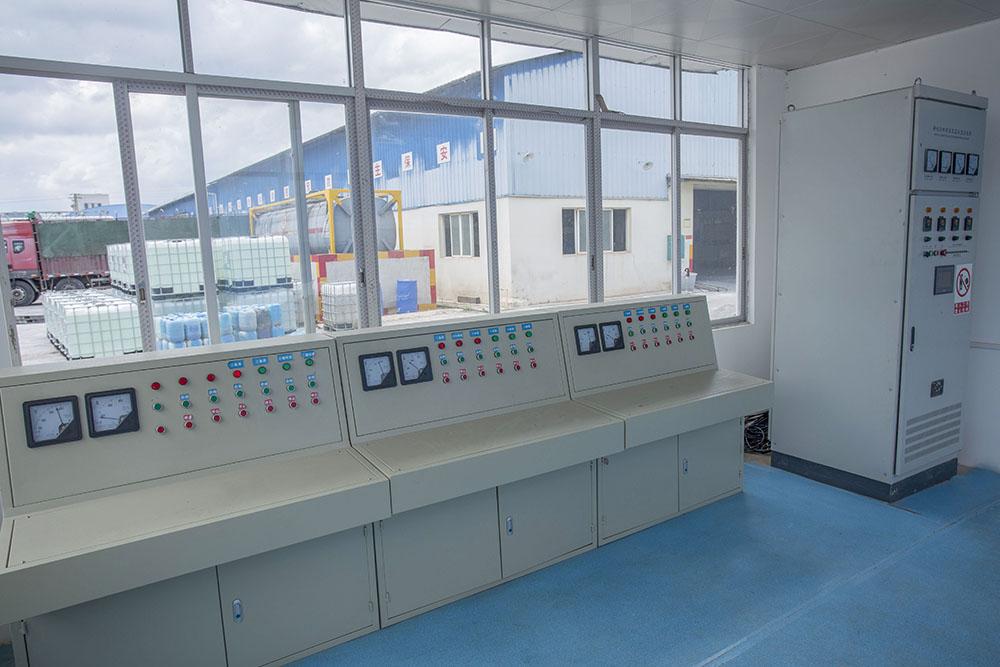
A structured laboratory review helps buyers connect sample results with the product specification and the supplier’s quality system.
In this listicle, we cover five mistakes that can lead buyers to approve the wrong phosphoric acid supplier. For background, compare this process with our step-by-step guide to testing a phosphoric acid sample before a bulk order, then use the checklist below to strengthen your own approval process.
Mistake 1: Testing a Sample That Is Not Representative of the Bulk Order
One bottle is not automatically a true batch sample
The first mistake is accepting a sample without confirming where it came from. A supplier may send a sample from a recent production batch, a retained laboratory sample, or stock that is not the same as the material planned for shipment. These options are not equal from a buyer’s point of view.
Ask for the sample’s batch or lot number, production date, packaging format, and intended shipment reference. The sample label should match the supplier’s COA. If the supplier cannot connect the bottle to a defined lot, treat the result as an informal product check, not as evidence that the planned bulk order will meet the same specification.
Sampling can also be affected by poor handling after filling. Phosphoric acid is hygroscopic, so exposure to moisture can change the sample condition. A dirty, wet, or poorly sealed container can also create contamination that was not present in the bulk product.
What a stronger sampling record includes
Before testing, record:
- Supplier name and manufacturing site.
- Product grade and stated concentration.
- Batch or lot number and production date.
- Sample quantity, container type, seal condition, and receipt date.
- Transport conditions and any visible leakage or damage.
- The person who collected, sealed, and delivered the sample.
If a buyer is approving a supplier for a large monthly requirement, testing more than one retained sample can provide a better view of repeatability. This does not replace bulk inspection. It simply reduces the risk of approving a supplier from one untraceable bottle.
Decision-Maker Insight:A low-cost sample is not a low-risk decision. If the sample cannot be traced to the proposed bulk lot, the buyer is approving a story about the supplier, not a defined product.

Clear container and batch records make it easier to connect a sample result with the shipment that follows.
Mistake 2: Judging Quality by Appearance or a Single Concentration Result
Clear liquid does not prove the full specification
Phosphoric acid is commonly supplied as a clear, colorless or lightly colored liquid, but appearance is only a first screen. It cannot confirm concentration, chloride, sulfate, iron, arsenic, or heavy-metal limits. PubChem identifies phosphoric acid as a corrosive substance, so sample handling also requires suitable laboratory controls and personal protective equipment, not casual visual inspection.
A related mistake is using one concentration result as the entire approval decision. An 85% result may look reassuring, but the right question is whether the material meets the full specification for the intended use. Industrial-grade and food-grade products can both be around 85% phosphoric acid while having different impurity limits, test standards, and permitted applications.
For example, the industrial specification published on the site’s phosphoric acid specifications page lists limits for sulfate, chloride, iron, arsenic, and heavy metals. The food-grade page lists a different impurity profile, including tighter limits for arsenic and heavy metals. A concentration-only test cannot distinguish these requirements.
Build a test panel around the application
At minimum, match the sample test plan to the supplier’s written specification. Depending on the application, the panel may include:
- Appearance and color.
- H₃PO₄ content using an agreed laboratory method.
- Relevant anions and metallic impurities.
- Density or another identity-supporting physical check.
- Application performance, such as dosing behavior, metal-treatment response, or process pH impact.
The method, sample preparation, units, detection limits, and acceptance criteria should be agreed before testing. Otherwise, the buyer may receive a technically correct result that is still not useful for the purchasing decision.
Not sure which test panel fits your application?
Send us your grade, application, and target specification, and we’ll help you match the sample test plan before you pay for lab work.
WhatsApp Us for Free a Consultation
Technical Note:Concentration and grade are separate decisions. Do not approve food-grade use only because a sample measures approximately 85% H₃PO₄. Confirm the destination-market requirements, the applicable food or industrial standard, and the impurity limits that matter to the process.

A clear appearance supports an initial visual check, but laboratory testing must confirm the complete specification.
Mistake 3: Using a Test Method That Does Not Match the Specification
A result is only useful when the method is understood
Buyers sometimes send a sample to a laboratory with a short instruction such as “test purity.” That phrase is not precise enough for supplier approval. Different methods can measure different properties, use different preparation steps, or report results on different bases. A number without a method can create a false comparison between two suppliers.
The supplier’s COA should state the test standard or method, the result, the unit, and the specification limit. The buyer’s laboratory should receive the same information. This is especially important when comparing an industrial specification that follows GB/T2091-2008 with a food-grade specification that follows GB 1886.15-2015, as shown on the site’s industrial-grade product page and food-grade product page.
Compare like with like
Before approving a result, check:
- Is the result reported as mass percent, mg/kg, ppm, or another unit?
- Is the sample tested as received, or after dilution?
- Does the method measure total content or a specific chemical form?
- Is the laboratory’s detection limit low enough for the stated specification?
- Was the sample mixed and prepared in a way that avoids segregation or contamination?
- Does the report identify the laboratory, test date, sample ID, and method version?
If a result is close to the acceptance limit, consider a confirmatory test rather than treating a small numerical difference as proof that one supplier is better. Laboratories can have uncertainty, and the buyer’s approval rule should explain how borderline results are handled.
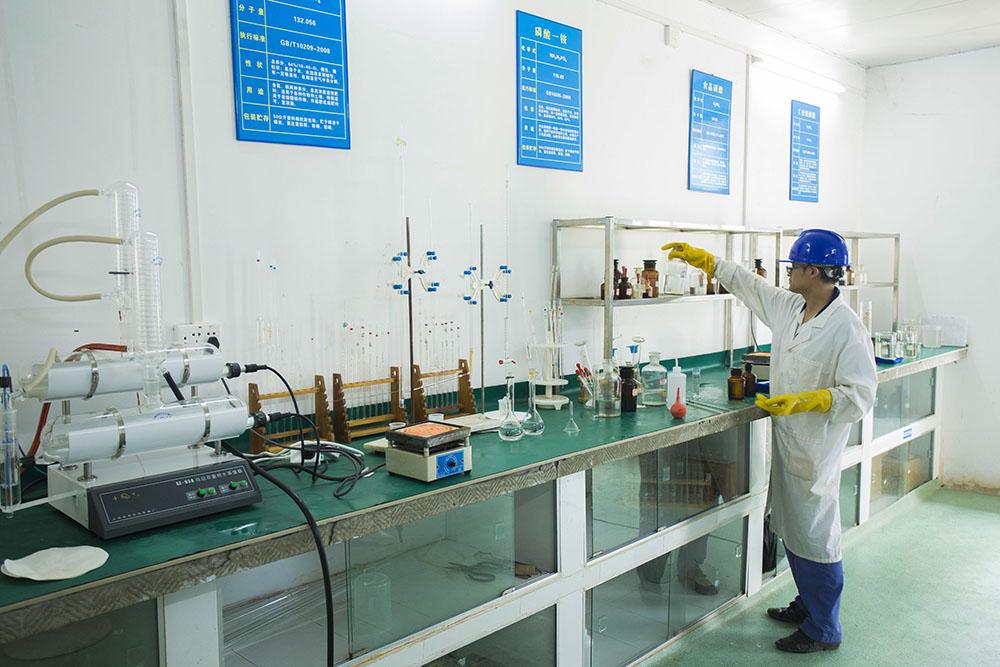
A credible test report should show enough method and sample information for another reviewer to understand the result.
Mistake 4: Testing the Sample but Not Verifying the COA and Supplier Controls
The sample result is one part of supplier verification
A good sample result does not prove that every future shipment will match it. Buyers can make the opposite mistake too: they inspect the sample carefully but treat the COA as a formality. The COA should be a control document that links the result to a batch, specification, and testing process.
Use the guidance in how to verify a phosphoric acid COA to check whether the document is complete and internally consistent. The sample label, COA, quotation, product grade, SDS, packaging, and proposed shipment should describe the same material. A mismatch is not automatically proof of fraud, but it is a reason to pause approval and ask for clarification.
The buyer should also understand who made the product and who performed the test. Ask whether the supplier is the manufacturer, a distributor, or a trading company. Request evidence of the production site, quality-control process, and batch-release procedure. A factory visit, video inspection, or independent pre-shipment inspection can add supplier-level evidence that a sample alone cannot provide.
Separate product approval from supplier approval
Use two decisions instead of one:
| Approval question | Evidence to review | Why it matters |
|---|---|---|
| Does this material meet the agreed product specification? | Independent test report, sample ID, method, and acceptance limits. | Confirms product suitability for the intended process. |
| Can this supplier repeat the result at bulk scale? | Batch traceability, COA controls, production site, quality system, and shipment inspection plan. | Reduces the risk of a good sample followed by inconsistent deliveries. |
| Is the grade correct for the application? | Industrial or food-grade standard, impurity limits, destination-market rules, and technical review. | Prevents an 85% concentration result from hiding a grade mismatch. |
| Can the material be handled and delivered safely? | SDS, packaging details, transport plan, and storage instructions. | Supports safe receiving and stable operation after arrival. |
Want a second pair of eyes on a COA?
Share the COA and sample label with our team, and we’ll help you check whether the batch, method, units, and limits line up.
WhatsApp Us for Free a Consultation
For a first purchase, consider making the bulk order conditional on a batch-specific COA and the right to inspect or test the shipment before release. Put the acceptance criteria in the purchase contract or order confirmation, not only in an email. Our guide to vetting a phosphoric acid supplier from China covers the wider supplier review that should sit around the sample test.
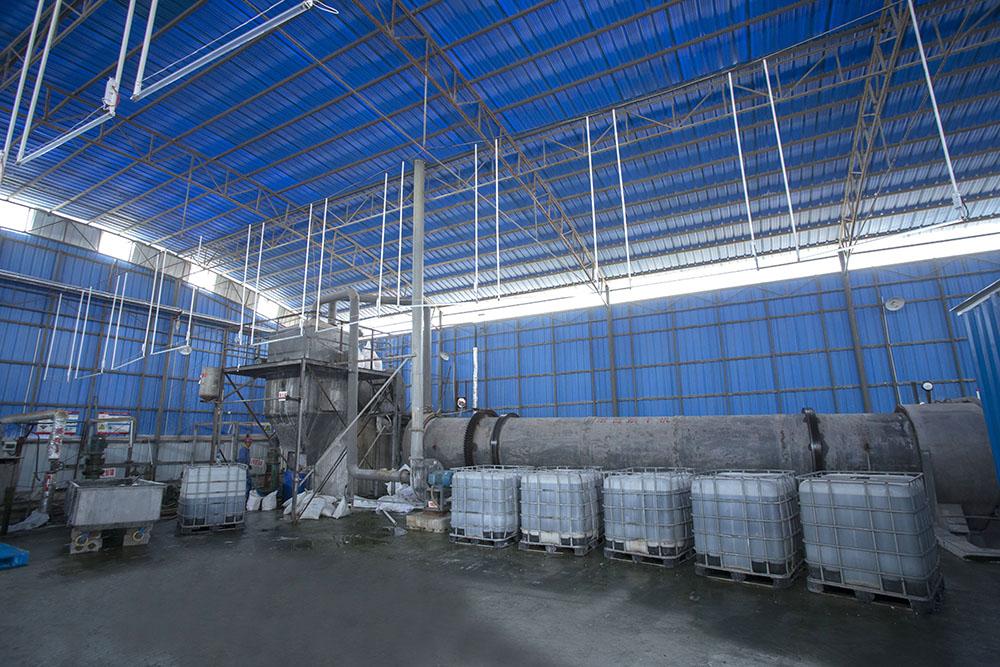
Supplier approval should include evidence of the production and quality-control system behind the sample.
Mistake 5: Ignoring Storage, Transport, and the Real Production Trial
A sample can pass in the laboratory and fail in the process
The final mistake is treating the laboratory result as the end of testing. Phosphoric acid is shipped and stored in containers such as drums and IBCs. Temperature, container condition, contamination, unloading, and dosing equipment can all affect how the product reaches the process. A sample can pass a laboratory test and still reveal a handling or compatibility problem during a controlled production trial.

Understanding the production route helps the buyer ask better questions about batch control, testing, and repeatability.
Storage and handling are also safety issues. PubChem classifies phosphoric acid as corrosive and lists severe skin and eye damage among its GHS hazards. A buyer should review the supplier’s SDS, confirm compatible equipment, and ensure that trained staff manage sampling and transfers. The phosphoric acid safety and handling guide is a useful internal reference, while the site’s phosphoric acid shelf-life and storage article covers stability questions.
Test the decision, not only the liquid
A practical approval sequence is:
- Confirm the application, grade, specification, and acceptance limits.
- Receive a sealed, traceable sample linked to a defined batch.
- Test the full relevant panel with agreed methods.
- Compare the report with the COA, SDS, label, and quotation.
- Run a controlled production or compatibility trial where appropriate.
- Define bulk-release checks before placing the order.
- Review the first shipment against the approved sample and documents.
For a metal-treatment buyer, the trial may compare surface preparation and coating adhesion. For water treatment, it may check dosing response and process control. For food, pharmaceutical, personal-care, or other sensitive applications, technical and regulatory teams should confirm that the grade, impurity profile, and documentation are suitable before use.

A sample approval is stronger when the buyer also defines how the first bulk shipment will be checked at dispatch and receipt.
Need Help Sourcing Bulk Phosphoric Acid In 2026?
Get a batch-specific COA, sample, and specification review before you commit to a bulk order. Tell us your application, required grade, monthly volume, and testing needs.
WhatsApp Us for Free a Consultation
Want to see how export preparation works? Watch this short video showing phosphoric acid 85% container loading in China.
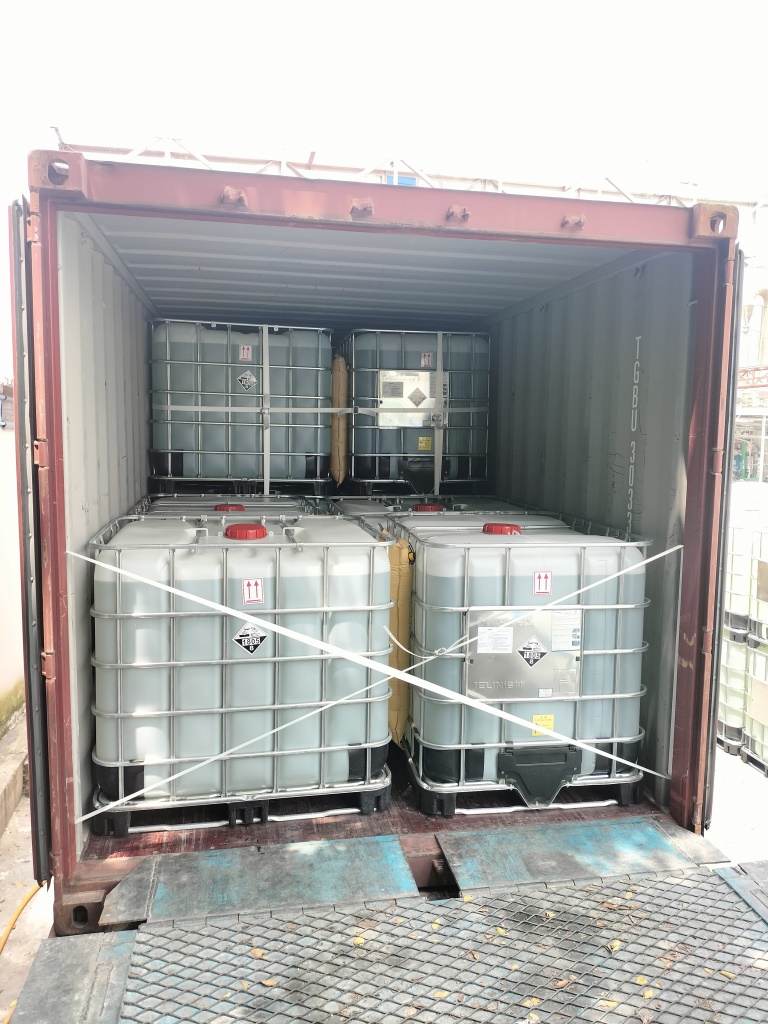
Packaging and loading checks help connect the approved sample with the product that reaches the buyer.
Frequently Asked Questions
How much phosphoric acid sample should a buyer request?
The quantity depends on the test panel and the laboratory’s method. Camachem’s audience guidance identifies approximately 500 g to 1 kg as a practical sample range, or another quantity appropriate to the planned testing. Ask the laboratory first so the sample is large enough for primary and confirmatory tests without repeated opening of the container.
Is an 85% phosphoric acid result enough to approve a supplier?
No. It confirms one important property, but not the full specification, grade, contamination profile, supplier controls, or shipment consistency. An industrial-grade and food-grade product may both be approximately 85% while having different impurity limits and intended uses.
Should the buyer use the supplier’s laboratory or an independent laboratory?
An independent laboratory can provide useful impartial confirmation, especially for a first order or a borderline result. The supplier’s own COA remains valuable because it shows the batch-release process. The strongest approach is to compare clearly identified results using agreed methods.
What should a buyer do if the sample and COA do not match?
Pause approval. Check the sample label, batch number, test date, units, method, and document version. Ask the supplier for a written explanation and a corrected batch-specific COA. If the mismatch cannot be resolved, request a new traceable sample or consider another supplier.
Can appearance testing replace laboratory analysis?
No. Appearance can identify obvious problems such as unusual color, particles, or crystallization, but it cannot confirm concentration or impurity limits. It is a screening step, not a complete quality test.
How can a buyer check whether the supplier can repeat sample quality in bulk?
Ask for batch traceability, recent batch COAs, production-site details, a documented quality-control process, and a pre-shipment inspection plan. Make first-shipment acceptance depend on the agreed specification and documents. A factory visit or independent inspection can strengthen the review.
What safety precautions apply when testing phosphoric acid samples?
Follow the SDS and the laboratory’s chemical-safety procedure. Phosphoric acid is corrosive and can cause severe skin burns and eye damage. Use trained personnel, compatible containers and equipment, suitable protective equipment, and an appropriate spill-response plan.
Conclusion: A Sample Test Is Only as Strong as the Approval System Around It
The wrong supplier is not always exposed by a dramatic failed test. More often, the buyer makes a quiet process error: the sample is not traceable, the test panel is too narrow, the method is unclear, the COA is not checked, or the production trial is skipped.
A stronger approval system connects five things: a representative sample, an application-based specification, an agreed test method, supplier and document verification, and a defined first-shipment check. This approach gives owners more confidence in the purchasing decision and gives technical teams evidence they can defend internally.
Before approving a new supplier, make sure your team can answer “yes” to each question:
- Is the sample sealed, traceable, and linked to a defined batch?
- Does the test panel cover the impurities and performance factors that matter to the application?
- Are the laboratory method, units, detection limits, and acceptance limits documented?
- Do the sample, COA, SDS, quotation, grade, and packaging describe the same product?
- Has the supplier shown how it controls and releases each batch?
- Is there a defined production trial or compatibility check where one is needed?
- Are first-shipment inspection, release, and corrective-action rules agreed in writing?
If any answer is “no,” the right next step is usually more verification, not a lower price.
For a broader framework, use the Industrial Buyer’s Guide to Bulk Phosphoric Acid alongside the site’s phosphoric acid certifications guide. Together, these steps help turn a small sample into a more reliable bulk-sourcing decision.
Industrial Buyers: Next Steps for Sourcing Bulk Phosphoric Acid
What makes our Phosphoric Acid Better:
✅ Compliant with EU, UN, ISO Standards – No Legal Headaches
✅ Guaranteed 85% Purity – Stability for your Processing Plant
✅ Extremely Low Impurities – Low Heavy Metals
✅ Batch-Specific COA Provided – Full Transparency per Shipment.
Download Our EU-approved Specifications.[ Food Grade or Industrial Grade]